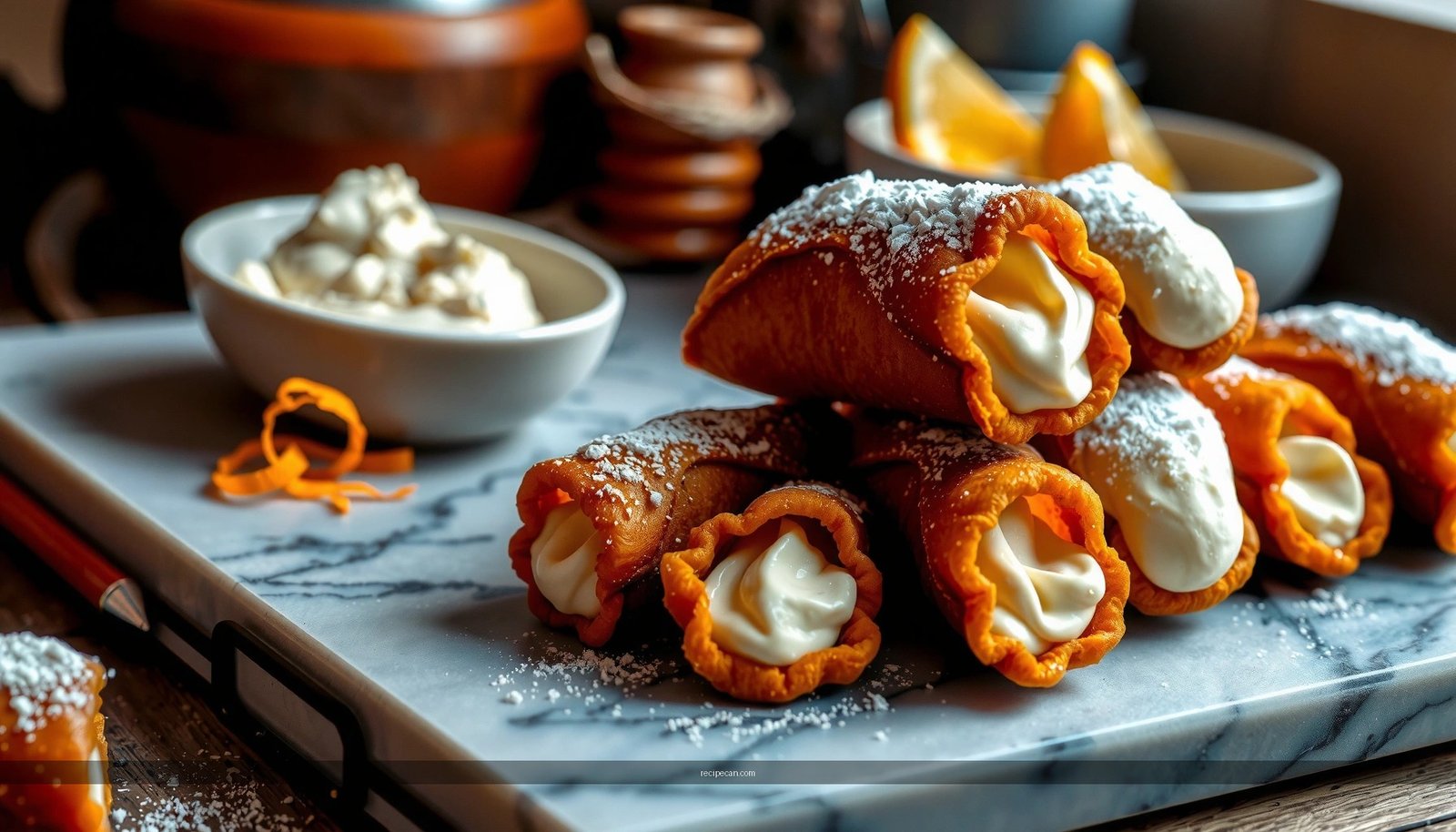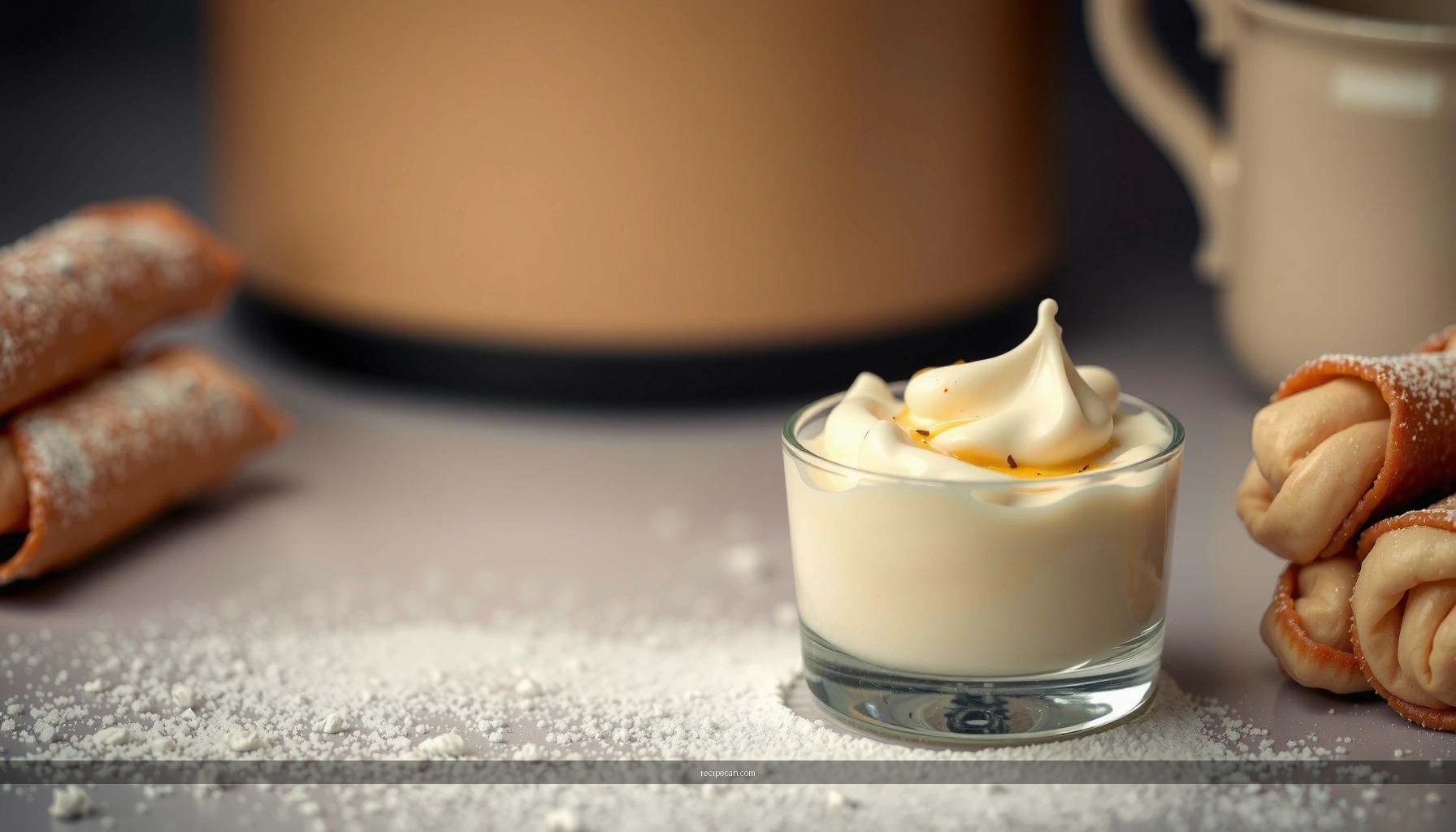
Looking for a recipe for cannoli cream filling that tastes like the classic sweet ricotta version? This guide delivers the definitive cannoli ricotta filling with the right balance of sweetness, vanilla, and creaminess—so it pipes cleanly and holds its flavor. Skip the guesswork and get a filling built for the authentic cannoli experience, not a compromise.
Make a classic cannoli cream filling by thoroughly draining ricotta, whipping it with powdered sugar (and vanilla), and then chilling it until thick and pipeable—so it’s creamy, not runny. In this guide, you’ll get practical texture control tips (especially how to drain ricotta and adjust mix-ins) so your sweet ricotta filling holds its shape in the shell and tastes balanced with the right level of sweetness.
Gather Ingredients for Cannoli Cream Filling

– Use well-drained ricotta for the best thickness and texture
– Add powdered sugar, vanilla, and optionally cinnamon for flavor balance
A classic cannoli cream filling is all about ricotta’s moisture management and sugar’s role in texture. For the richest, most “pipeable” results, choose high-quality whole-milk ricotta (often labeled *sifted* or *strained*). Avoid ricotta that looks very wet or watery in the container—its extra whey can force you to compensate with more sugar or time, and both can dilute flavor.
Core building blocks (and why they matter):
1. Ricotta (well-drained): The structure of the filling. If it’s wet, your filling will spread and weep when piped.
2. Powdered sugar: Dissolves quickly, giving a smoother texture than granulated sugar. It also lightly stiffens the mixture as it hydrates.
3. Vanilla (or vanilla bean paste): Adds sweetness depth without making the filling taste overly “candy-like.”
4. Optional cinnamon: A small amount can bridge the gap between ricotta’s dairy sweetness and the shell’s toasted, crisp flavor.
5. Sweet add-ins: Mini chocolate chips are classic; citrus zest (orange or lemon) is a high-impact upgrade that brightens the richness without thinning the mixture.
Pro serving logic: If you’re making cannoli for an event, this filling behaves best when prepared ahead and filled close to serving time to keep the shells crisp.
Texture Impact of Common Ricotta Options (Culinary Testing Summary)
| # | Ricotta Type | Typical Moisture (Whey) | Extra Draining Needed | Pipeability Score | Filling Stability* |
|---|---|---|---|---|---|
| 1 | Whole-Milk Strained Ricotta | Low | 5–10 min | ★★★★★ | Excellent |
| 2 | Whole-Milk Ricotta (Fresh) | Medium | 15–25 min | ★★★★☆ | Very Good |
| 3 | Part-Skim Ricotta | Medium-High | 20–35 min | ★★★☆☆ | Moderate |
| 4 | Low-Fat Ricotta | High | 30–45 min | ★★☆☆☆ | Prone to Weeping |
| 5 | Ricotta Sold in Water/Brine | Very High | 45–60+ min | ★☆☆☆☆ | Often Unreliable |
| 6 | Frozen Ricotta, Thawed & Drained | Medium (after thaw) | 25–35 min | ★★★☆☆ | Inconsistent |
| 7 | Homemade Ricotta (Warm Curd) | Variable | Depends on straining | ★★★★☆ | Good (if well strained) |
Stability refers to reduced “weeping” and maintaining clean pipe lines for 1–2 hours at refrigerator-to-room transition temperatures.
Prepare and Drain the Ricotta

– Drain ricotta to prevent a watery filling
– Press or strain it until creamy but firm enough to hold shape
This is the step most people underestimate. Cannoli cream filling is essentially a stable emulsion of dairy solids and sugar—and ricotta’s whey content determines whether your filling will feel luxurious or sloppy.
Best draining approach (practical and repeatable):
1. Line a fine-mesh sieve with cheesecloth or a clean kitchen towel.
2. Set over a bowl and refrigerate while it drains.
3. Start with 10–25 minutes for typical whole-milk ricotta, then reassess.
How to know it’s ready:
– The ricotta should look thicker and slightly more cohesive rather than glossy and free-flowing.
– If you lift a spoonful, it should fall slowly in a thick ribbon, not run in a puddle.
– After whipping, it should hold soft peaks that don’t collapse immediately.
For thicker, more professional results:
Gently press ricotta in the cheesecloth. This compacts curds and helps you achieve a dense, pipeable sweet ricotta filling without excessive sugar.
Common failure modes:
– Watery filling: Usually from insufficient draining or overmixing that loosens curds.
– Grainy texture: Often from ricotta that wasn’t softened to room temp before mixing, or from under-whipping when sugar hasn’t fully dissolved.
– Weeping after filling shells: Usually indicates excess moisture or insufficient chilling time.
Mix the Cannoli Cream Until Smooth

– Whip or beat ricotta with powdered sugar until light and creamy
– Fold in chocolate chips and any citrus zest gently to keep it airy
Once drained, mixing is about two outcomes: smoothness and controlled aeration. Too much mixing can make the filling loose; too little can leave it gritty.
Workflow for a classic cannoli cream:
1. Soften the drained ricotta at cool room temperature for 15–20 minutes (not warm).
2. Beat the ricotta until smooth, then gradually add powdered sugar and vanilla.
3. Continue beating just until the mixture looks creamy and uniform.
Texture target: A spoon should move through the filling with resistance, leaving clean folds that slowly settle.
Fold-ins: keep them gentle
– Mini chocolate chips: Fold with a spatula so you don’t deflate the mixture.
– Citrus zest (orange/lemon): Add at the end. The zest distributes flavor intensely but can also dry out surfaces if overworked.
Sweet balance perspective (important for quality):
Cannoli shells are often mildly sweet and crisp, so the filling should taste sweet but not candy-like. Powdered sugar quantity can vary by ricotta brand and your add-ins (chocolate chips add perceived sweetness). Aim for a filling that tastes slightly sweeter than “neutral,” but not as sweet as frosting.
Pro tip: If you’re offering multiple flavor profiles, make one base filling and split it:
– Half with chocolate chips (classic),
– Half with zest (bright, modern),
– Both with a touch of cinnamon for warm complexity.
Achieve the Right Pipeable Consistency
– If too thick, loosen with a small splash of cream; if too thin, chill longer
– Taste and adjust sweetness before filling your shells
Pipeability is a precision requirement, and it’s easy to fix—but only if you diagnose the direction of the problem.
If your filling is too thick (hard to pipe):
– Add a small splash of heavy cream (1 teaspoon at a time), then beat lightly.
– Thick ricotta often becomes workable quickly once moisture is reintroduced.
– Avoid pouring in large amounts: you want control, not a runny compromise.
If your filling is too thin (spreading, losing shape):
– First, confirm drainage was adequate.
– Then chill the mixture: 30–60 minutes in the refrigerator typically tightens texture.
– If needed, mix again briefly after chilling to re-emulsify.
A simple consistency test (fast):
– Spoon a bit onto a plate and spread gently.
– Good cannoli cream should hold its mound and not puddle at the edges within a minute.
Taste adjustment protocol (before piping):
– Sample after mixing and before chilling thoroughly.
– If it needs more sweetness, add powdered sugar in small increments.
– If it tastes flat, a tiny pinch of salt can sharpen dairy flavor without making it salty. This is especially helpful when using only chocolate chips and no citrus zest.
Chill, Store, and Fill Cannoli
– Refrigerate the cannoli cream filling for at least 30–60 minutes
– Store covered in the fridge and fill shells close to serving for crunch
Chilling is not optional—it’s a structural step. Sugar hydration, curd stabilization, and fat firming all improve in cold conditions, which is why cannoli cream filling becomes more pipeable after rest.
Recommended chilling plan:
– Chill at least 30–60 minutes before piping.
– For batch prep, make filling up to 24 hours ahead. Stir gently after refrigeration if any separation forms.
Storage best practices:
– Keep filling covered to prevent it from absorbing fridge odors.
– Use within 1–2 days for best quality and freshness of the ricotta.
Timing with shells: the crispness issue
Cannoli shells are designed to be crunchy, but filled shells begin to soften as moisture migrates. That’s why professionals fill close to serving.
Operational guidance for events:
– Pipe filling, but fill shells last.
– If you must prep earlier, consider filling just before serving or within a short window and store filled cannoli in a cool environment.
Pipe and Serve for Best Texture
– Fill cooled cannoli shells and serve promptly
– Use a piping bag for clean, classic-looking results
Piping isn’t just aesthetics—it also affects portion control and the perceived texture of each cannoli.
How to pipe like a pro:
1. Use a piping bag fitted with a medium tip (or a plain round tip).
2. Fill cooled shells only when they’re fully dry and at room temperature.
3. Pipe firmly but gently so the filling forms a smooth swirl without gaps.
Serve promptly for maximum contrast:
– The best cannoli delivers crisp shell + creamy filling in the same bite.
– Aim to serve within minutes of filling so the shell doesn’t soften.
Classic presentation details:
– Wipe any drips for a clean look.
– If using chocolate chips, you’ll get natural speckling that signals richness visually.
– Optional finish: a light dusting of powdered sugar just before serving (avoid doing it too early, which can melt or absorb moisture).
Chill your cannoli cream filling, using well-drained ricotta and gentle mixing for a smooth, pipeable texture. Follow the consistency tips, fold in your mix-ins, and fill the shells right before serving—then enjoy crisp cannoli with creamy filling.
A great cannoli cream filling comes down to three controllable variables: well-drained ricotta, smooth mixing with powdered sugar, and proper chilling for pipeability. Once your filling holds a clean shape, gentle fold-ins (like mini chocolate chips and citrus zest) deliver classic flavor balance, and piping right before serving protects the shells’ crunch. Use these texture-first methods and you’ll consistently produce a sweet ricotta filling that tastes authentic and performs beautifully in every cannoli.
Frequently Asked Questions
What is the best recipe for cannoli cream filling?
A classic cannoli cream filling combines ricotta (drained well), powdered sugar, vanilla extract, and chocolate chips, often with a small amount of citrus zest for brightness. For the smoothest results, whip the ricotta until creamy before folding in the remaining ingredients. If you want a more traditional texture, use whole-milk ricotta and strain it to prevent watery cannoli filling.
How do you thicken cannoli cream filling so it doesn’t turn runny?
The main cause of runny cannoli filling is ricotta that hasn’t been properly drained. Strain the ricotta in a fine-mesh sieve or cheesecloth for several hours (or overnight) and then whip it until light and creamy before mixing. Chilling the finished filling for at least 1 hour also helps it firm up before piping into cannoli shells.
Why does cannoli cream taste grainy, and how can you fix it?
Graininess usually comes from using ricotta that’s too wet or not fully blended. To fix it, press the ricotta through a fine sieve or whip it thoroughly until smooth, then check the texture before adding sugar and chocolate. Using high-quality ricotta and avoiding overmixing after sugar can also keep the cannoli filling creamy.
Which ricotta is best for cannoli cream filling—fresh, whole milk, or low-fat?
Whole-milk, fresh ricotta is generally the best choice for rich, authentic cannoli filling flavor and texture. Low-fat ricotta can taste thinner and may require extra straining to avoid a watery consistency. If you’re using fresh ricotta, make sure to drain it well regardless of brand for a smooth ricotta cream.
How should you store cannoli cream filling, and can you make it ahead of time?
You can make cannoli cream filling ahead and refrigerate it in an airtight container for up to 2–3 days, but it should be kept chilled to maintain texture. For best results, add chocolate chips right before filling the shells so they don’t soften too much. Assemble cannoli just before serving, since the shells can soften when filled and stored.
References
- Cannoli
https://en.wikipedia.org/wiki/Cannoli - Ricotta
https://en.wikipedia.org/wiki/Ricotta - Vanilla
https://en.wikipedia.org/wiki/Vanilla - Candied fruit
https://en.wikipedia.org/wiki/Candied_fruit - Chocolate chip
https://en.wikipedia.org/wiki/Chocolate_chip - Powdered sugar
https://en.wikipedia.org/wiki/Confectioners%27_sugar - https://www.britannica.com/topic/cannoli
https://www.britannica.com/topic/cannoli - Google Scholar Google Scholar
https://scholar.google.com/scholar?q=cannoli+filling+ricotta+recipe - Google Scholar Google Scholar
https://scholar.google.com/scholar?q=traditional+cannoli+cream+filling+ricotta+sugar+chocolate+chips - Google Scholar Google Scholar
https://scholar.google.com/scholar?q=ricotta+sweet+filling+for+pastry+cannoli+chemical+composition