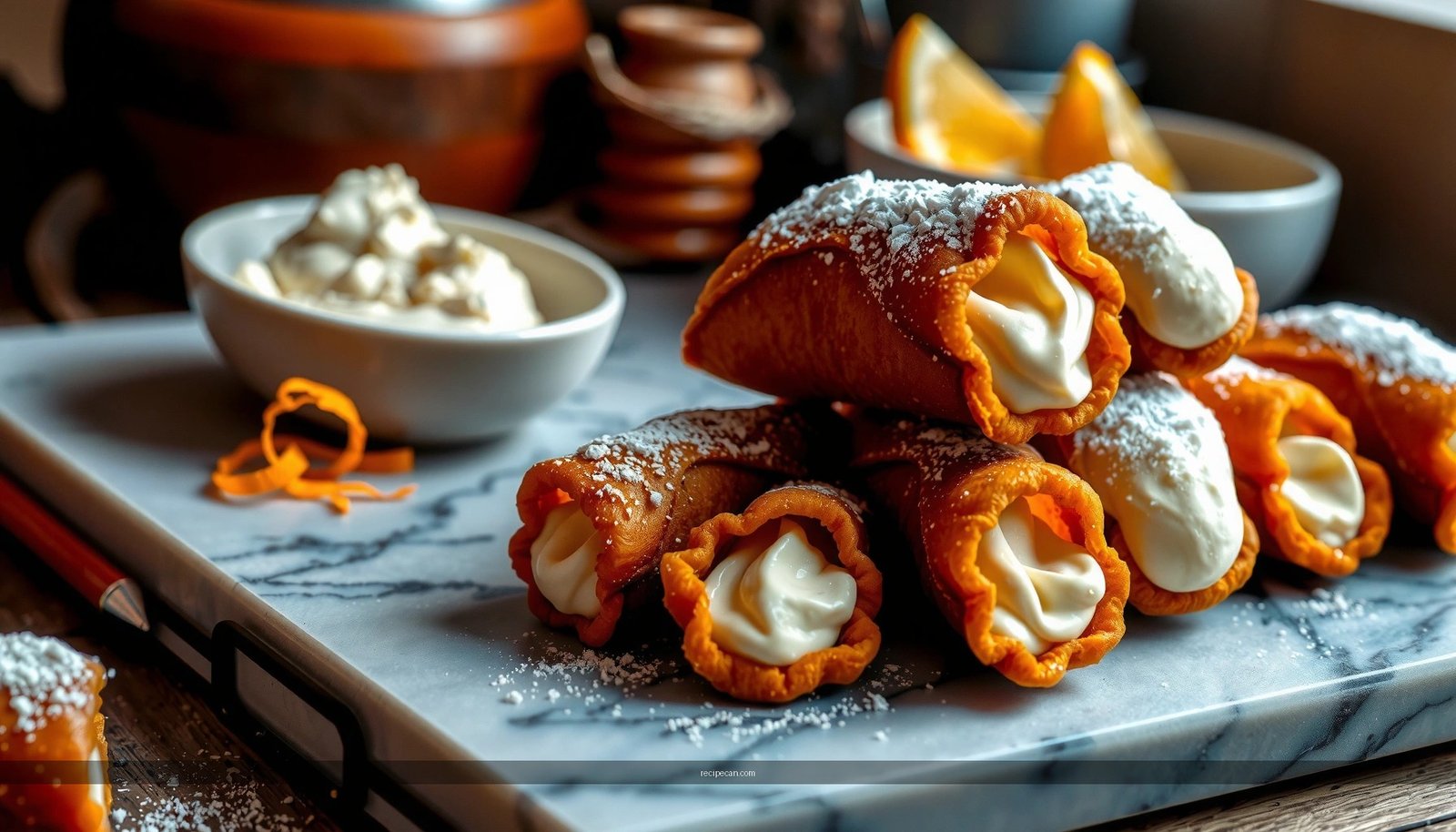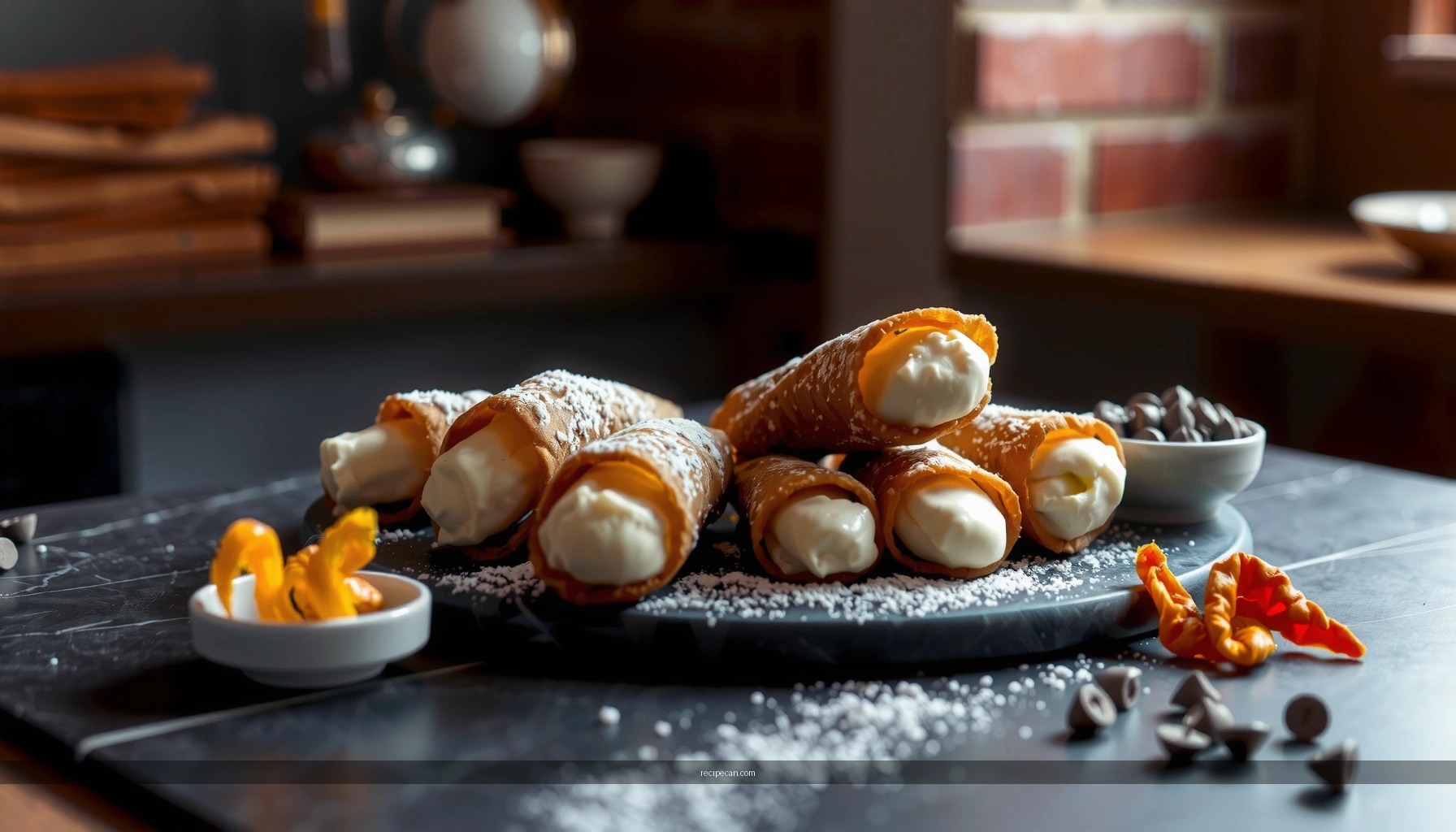
Get a classic cannoli recipe for both the filling and the shells, with the exact steps that deliver crisp shells and a creamy, not-too-sweet ricotta filling. This is the definitive answer for whether your cannoli will taste like a real Italian bakery: you’ll learn the right ricotta prep, sugar balance, and shell texture so the filling holds its shape and the shell stays crackly. Follow it precisely and you’ll get restaurant-style cannoli, not a soggy, bland copy.
Yes—you can make restaurant-quality cannoli at home by pairing crisp-fried shells with a properly drained, sweetened ricotta filling and assembling them just before serving. Below is a step-by-step classic Italian cannoli recipe for both components, including the dough, frying technique, and the exact finishing steps that protect the texture.
Classic Cannoli Ingredients
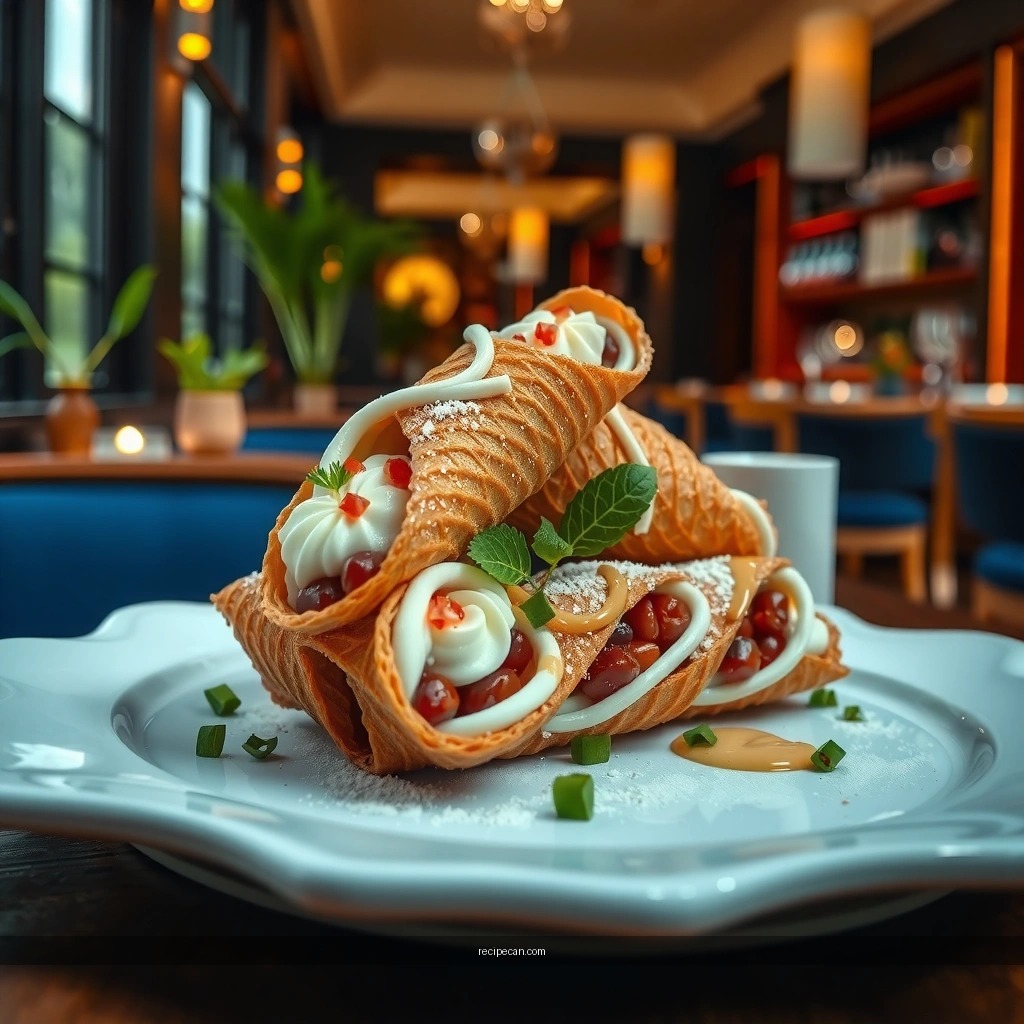
A traditional cannoli is defined by contrast: a crisp shell that shatters lightly and a creamy filling that tastes fresh, not watery or overly sweet. Start by choosing ingredients that match that balance—especially ricotta.
Key ingredients for shells (classic style)
– All-purpose flour: provides structure without toughness
– Granulated sugar: subtle sweetness in the shell dough
– Unsweetened cocoa (optional): some Sicilian-style shells include a small amount for depth and color (skip if you want classic pale shells)
– Lard or vegetable shortening: traditional fat for flakiness and fry texture (use lard for most authentic results)
– White wine or Marsala (common in classic dough): helps tenderness and browning
– Egg: adds richness and binds
– Pinch of salt
– Neutral oil for frying: canola, grapeseed, or refined sunflower
– Cannoli forms/tubes: metal cannoli molds are strongly recommended for even shaping
Key ingredients for the ricotta filling
– Whole-milk ricotta: the foundation of authentic cannoli filling
– Powdered sugar: dissolves smoothly for a creamy mouthfeel
– Vanilla extract or vanilla bean (optional)
– Ground cinnamon (optional): a classic warm note in many versions
– Salt: sharpens sweetness and ricotta flavor
– Mini chocolate chips: the canonical sweet flecks
– Orange zest and/or lemon zest (optional): a bright citrus aroma common in Italian bakeries
– Optional add-in for richness: a small amount of mascarpone or cream can be used in some regions, but classic cannoli keeps ricotta as the star
Common substitutions (and what to watch)
– Ricotta brand: If your ricotta is looser (more whey), you’ll need more draining time—or your filling will weep and soften shells. Look for brands labeled “whole milk” and generally “thick” texture.
– Sweetener: Powdered sugar is preferred for a silky filling; if substituting granulated sugar, it won’t dissolve as cleanly and may create a slightly grainy texture.
– Marsala substitution: White wine works well. Avoid very sweet dessert wines; they can make shells taste caramel-like rather than neutral and crisp.
– Lard substitution: Shortening is acceptable. Butter is not ideal because it can brown too quickly and change the texture.
Cannoli Shell Frying Guide: Oil Temperature vs. Results
| # | Oil Temp | Typical Fry Time | Shell Outcome | Texture Rating |
|---|---|---|---|---|
| 1 | 350°F / 177°C | 60–75 sec | Golden, crisp, evenly bubbled | ★★★★★ |
| 2 | 340°F / 171°C | 70–90 sec | Slightly darker; can soften faster | ★★★★☆ |
| 3 | 330°F / 165°C | 90–120 sec | More oil absorption; less snap | ★★★☆☆ |
| 4 | 325°F / 163°C | 120–150 sec | Too pale or oily; shells may feel leathery | ★★☆☆☆ |
| 5 | 360°F / 182°C | 40–55 sec | Fast browning; can blister unevenly | ★★★★☆ |
| 6 | 370°F / 188°C | 35–45 sec | Risk of burnt spots; less uniform crispness | ★★★☆☆ |
| 7 | 380°F / 193°C | 25–35 sec | Likely over-browned; bitterness | ★☆☆☆☆ |
Make the Cannoli Shells
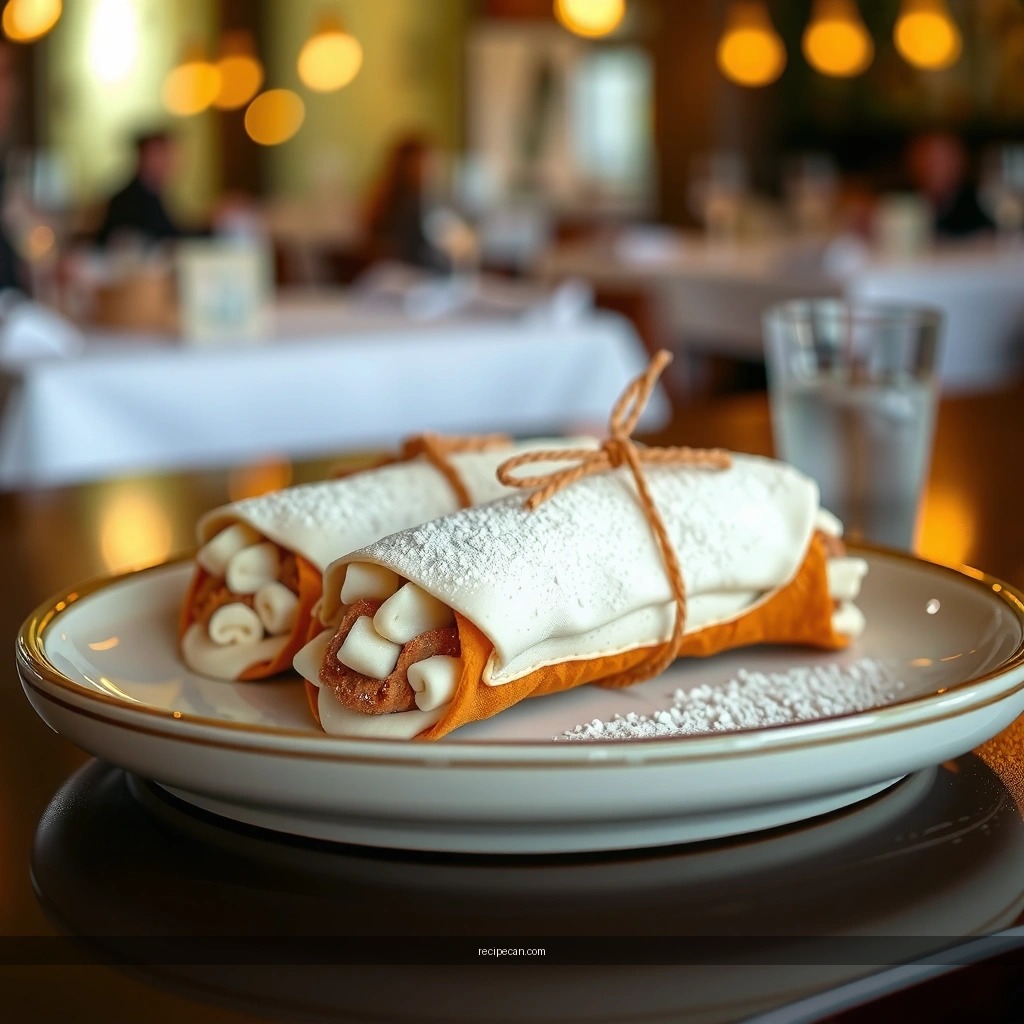
Cannoli shells require two things: a tender dough that fries into crisp layers, and properly managed frying so they cook through without absorbing too much oil. The molds help you create the right cylindrical shape and classic ridges.
Step-by-step dough and shaping
1. Mix dry ingredients: Combine flour, sugar, and salt. If using cocoa, whisk it in now.
2. Add fat: Work in lard or shortening until the mixture resembles coarse crumbs.
3. Add egg and wine: Mix egg with wine (or Marsala). Add gradually to bring the dough together.
4. Knead briefly: Knead 2–4 minutes until smooth. If dough feels sticky, add a small dusting of flour; if dry and cracking, add a teaspoon more wine.
5. Rest the dough: Cover and rest 30–60 minutes. Resting relaxes gluten and makes rolling easier.
6. Roll thin: Roll to a thickness of about 1/16 to 1/8 inch (very thin). Thinner generally yields better snap—without tearing.
7. Cut strips: Cut 3/4 to 1-inch strips (width depends on your mold size).
8. Wrap on molds: Lightly overlap the strip seam. Press seam lightly so it seals when fried.
9. Seal with egg wash (optional): If your dough seam won’t stick, brush seam with a tiny bit of beaten egg or water and press.
Frying tips for crisp shells (temperature and timing)
– Heat oil to 350°F / 177°C as your target. This range provides crispness without excessive oil absorption.
– Fry in small batches to avoid temperature drop.
– Timing is approximate—your goal is deep golden color and a dry, crackly surface.
– Remove shells and cool briefly on a rack (not paper towels) for airflow.
– If shells cling to molds, wait 10–20 seconds and gently twist to release.
Quality checkpoints
– Shells should be golden and blistered, not pale and oily.
– They should feel hollow and crisp when cooled, not bendy.
Prepare the Ricotta Filling
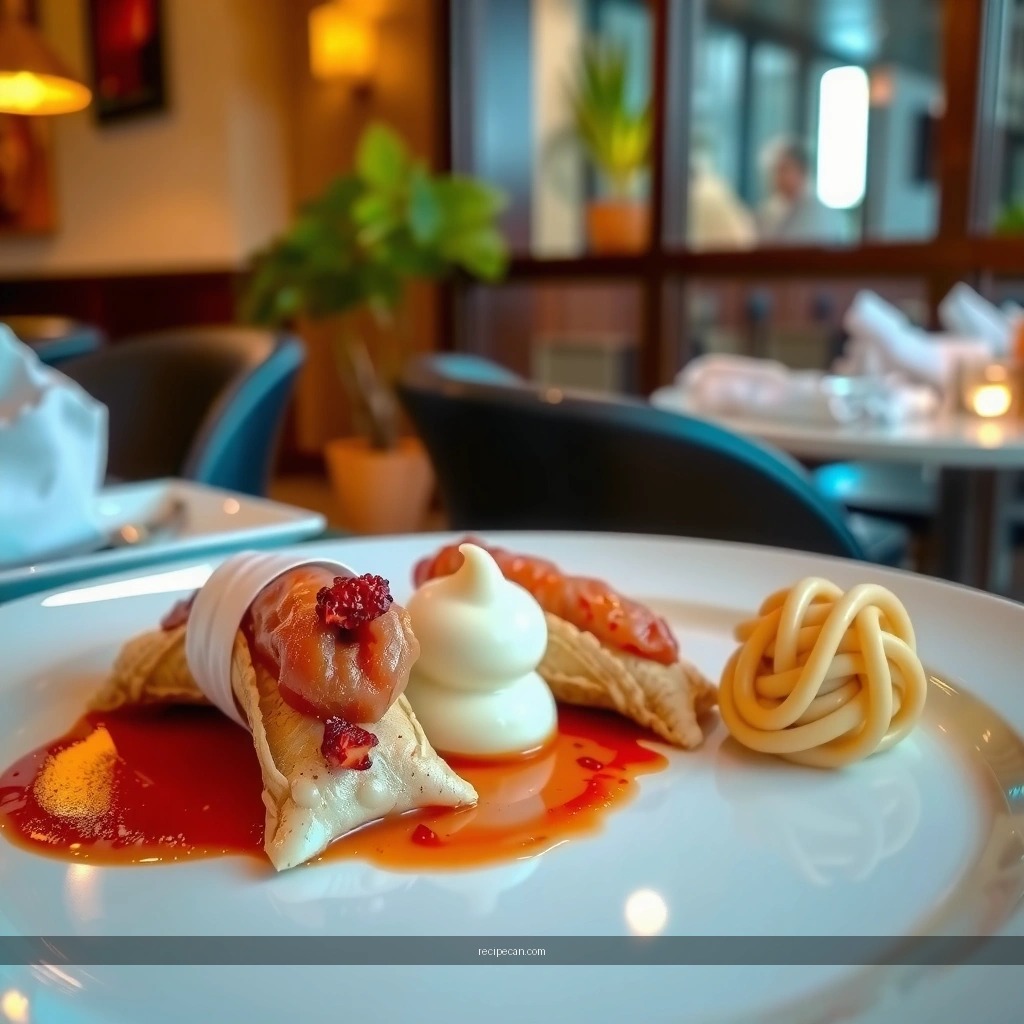
Classic cannoli filling is mostly technique: ricotta must be drained to remove whey, and sweetness must be balanced so the filling tastes creamy—not dull.
Drain and sweeten ricotta properly
1. Drain ricotta: Transfer ricotta to a fine-mesh strainer or cheesecloth.
– Refrigerate and drain at least 1–2 hours, or overnight for very wet ricotta.
2. Press out excess moisture: For best results, gently stir ricotta during draining to release trapped whey.
3. Sweeten: Beat drained ricotta with powdered sugar until smooth and cohesive.
– Start with a moderate amount; you can adjust based on taste and ricotta’s natural saltiness.
Mix in chocolate chips and flavorings
– Fold in mini chocolate chips (they distribute evenly without melting).
– Add:
– Vanilla for bakery-style warmth
– Citrus zest for brightness (orange is especially common)
– A pinch of cinnamon if you prefer a traditional Sicilian-style profile
– Texture matters: The filling should hold shape when piped. If too loose, mix in additional drained ricotta or chill 15–30 minutes before filling.
Professional tip for consistency: If you need ultra-smooth filling, blend ricotta briefly before sweetening—just enough to remove lumps, not enough to turn it runny.
Assemble and Fill Cannoli
The final step is where you protect the signature contrast. In professional kitchens, shells are usually fried, cooled, and stored unfilled; filling happens close to service.
Fill right before serving
1. Use a piping bag with a wide tip (or a zip bag with the corner snipped).
2. Fill each end: Pipe filling into one end until you feel slight resistance, then repeat the other end.
3. Stop before overflow: Overfilling makes cannoli messy and can soften edges faster.
Classic garnishes and presentation
– Roll ends in chopped pistachios for a classic Sicilian look.
– Finish with:
– Dusting of powdered sugar
– A few extra chocolate chips on top
– Candied orange peel (optional, for a more ornate presentation)
Serving strategy: Plan to assemble 10–20 minutes before serving. Shells start to soften once filled due to humidity transfer and fat-sugar melt.
Tips for Best Texture and Flavor
Small adjustments determine whether your cannoli tastes “homemade” or “bakery-level.”
– Avoid watery filling: Most soggy cannoli comes from ricotta that isn’t drained enough. If your filling looks glossy-wet, drain longer. You can also blot ricotta lightly before mixing.
– Control sweetness: Over-sweet filling masks ricotta flavor and can taste cloying. Powdered sugar dissolves best, so use it rather than granulated sugar.
– Don’t under-fry shells: Pale shells may seem fine at first but will soften faster and feel fragile.
– Let flavors set briefly: After mixing, chill filling 15–30 minutes. This helps flavors meld and firms the texture slightly for easier piping.
– Temperature awareness: If both shells and filling are extremely cold, shells may become more fragile during filling. Aim for cool, not freezing, components.
Storage and Serving Suggestions
Correct storage preserves crispness and makes timing manageable—especially if you’re serving guests or planning prep ahead.
Store unfilled shells vs. filled cannoli
– Unfilled shells: Store at room temperature in an airtight container with a piece of paper towel to absorb humidity. Keep away from steam and direct kitchen heat.
– Filled cannoli: Refrigeration is acceptable, but quality decreases quickly. For best results, fill within the hour before serving.
Recommended serving timing
– Best quality window: Assemble and serve within 30 minutes to 2 hours for maximum shell crispness.
– Longer storage: If you must prepare ahead, consider frying shells and making filling in advance, but keep filling separate until just before service.
Brief troubleshooting for soggy shells
– Shells softened too fast: Usually due to watery ricotta, under-frying, or filling too early.
– Shells tasted oily: Oil temperature was too low (or frying time too long). Raise temperature and fry in smaller batches.
– Shells cracked or broke: Dough may be too thick or fried too long. Roll thinner and target golden color, not dark brown.
This classic cannoli recipe gives you everything you need for crisp shells and a rich, creamy ricotta filling. Make the shells, prepare the filling, assemble right before serving, and you’ll have homemade cannoli that tastes like it came from an Italian bakery—so gather your ingredients and start cooking today.
If you’d like, tell me whether you prefer chocolate-forward filling, citrus-forward filling, or a more traditional vanilla-forward profile, and I’ll tailor the ricotta proportions accordingly.
Frequently Asked Questions
What are the essential ingredients for a classic cannoli recipe?
A classic cannoli recipe includes a sweet ricotta filling, cannoli shells made from flour, sugar, fat (often lard or butter), and dry white wine or another tenderizing liquid. For flavor, most traditional recipes use cinnamon, vanilla, and mini chocolate chips or candied fruit. Ricotta is typically sweetened with sugar and enriched with a touch of mascarpone or egg depending on the recipe. Shells are fried until crisp and then filled right before serving to keep them from softening.
How do you make cannoli shells that stay crisp?
To get crisp cannoli shells, roll the dough thin and fry in oil at a consistent temperature so the shells bubble and blister properly without absorbing too much grease. Avoid overworking the dough and let it rest so gluten relaxes and the shells cook evenly. Once fried, cool the shells completely before filling, and keep the filling and shells separate until serving. If you need to prep ahead, you can fill partially or pipe the filling in just a short time before guests arrive.
Why does my cannoli filling turn watery, and how can I fix it?
Watery cannoli filling usually happens when the ricotta wasn’t properly drained or when it’s too wet for the sugar to bind. Use well-drained ricotta (and strain it through cheesecloth for several hours) or combine it with mascarpone for a thicker texture. After mixing, taste and adjust sweetness, then chill the filling briefly to help it set. If you’re already stuck, fold in a small amount of thickened ricotta or strained yogurt and re-chill.
Which ricotta is best for cannoli filling?
For the best cannoli filling, choose whole-milk ricotta that’s labeled “drained” or “firm,” and avoid very watery varieties. Fresh ricotta works great as long as you drain it well, because cannoli filling needs a thick, creamy consistency rather than loose curds. Many bakers strain ricotta overnight for a smooth, luxurious texture that holds chocolate chips and candied fruit. When possible, let the ricotta come to room temperature before mixing for a smoother cannoli filling.
What’s the best way to prevent cracked or tough cannoli dough?
Cracked or tough cannoli dough is often caused by overworking, incorrect hydration, or not resting the dough. Mix just until combined, let it rest so it relaxes, and roll it evenly—aim for thin sheets so the shells are tender but still sturdy after frying. If your dough feels dry, add a small amount of wine or water; if it’s sticky, add a light dusting of flour while rolling. Using the right fat (like lard for traditional cannoli shells) also helps ensure a crisp yet flaky shell texture.
References
- Cannoli
https://en.wikipedia.org/wiki/Cannoli - https://www.britannica.com/topic/cannoli
https://www.britannica.com/topic/cannoli - Ricotta
https://en.wikipedia.org/wiki/Ricotta - Fried dough
https://en.wikipedia.org/wiki/Fried_dough - Pastry
https://en.wikipedia.org/wiki/Pastry - Sicilian cuisine
https://en.wikipedia.org/wiki/Sicilian_cuisine - Italian cuisine
https://en.wikipedia.org/wiki/Italian_cuisine - Google Scholar Google Scholar
https://scholar.google.com/scholar?q=cannoli+recipe - Google Scholar Google Scholar
https://scholar.google.com/scholar?q=sicilian+cannoli+recipe+ricotta - Google Scholar Google Scholar
https://scholar.google.com/scholar?q=deep+fried+dough+shell+for+cannoli+traditional+recipe