Get the authentic Italian tiramisu recipe that lives up to the real classic—layers, ingredients, and technique you can taste. This guide delivers a clear winner: the version that uses mascarpone, espresso-soaked ladyfingers, and cocoa the way Italians do. If you’re trying to nail the traditional flavor and texture, you’ll know exactly what to do and what to avoid.
Make authentic Italian tiramisu at home by using mascarpone cream, strong espresso-soaked ladyfingers, and a final, even dusting of cocoa—then chill long enough for the layers to set. If you follow the classic method (quick dipping, gentle cream mixing, and proper refrigeration), your tiramisu will taste like the real deal rather than a rushed, soggy dessert.
What Makes This Tiramisu Authentic?
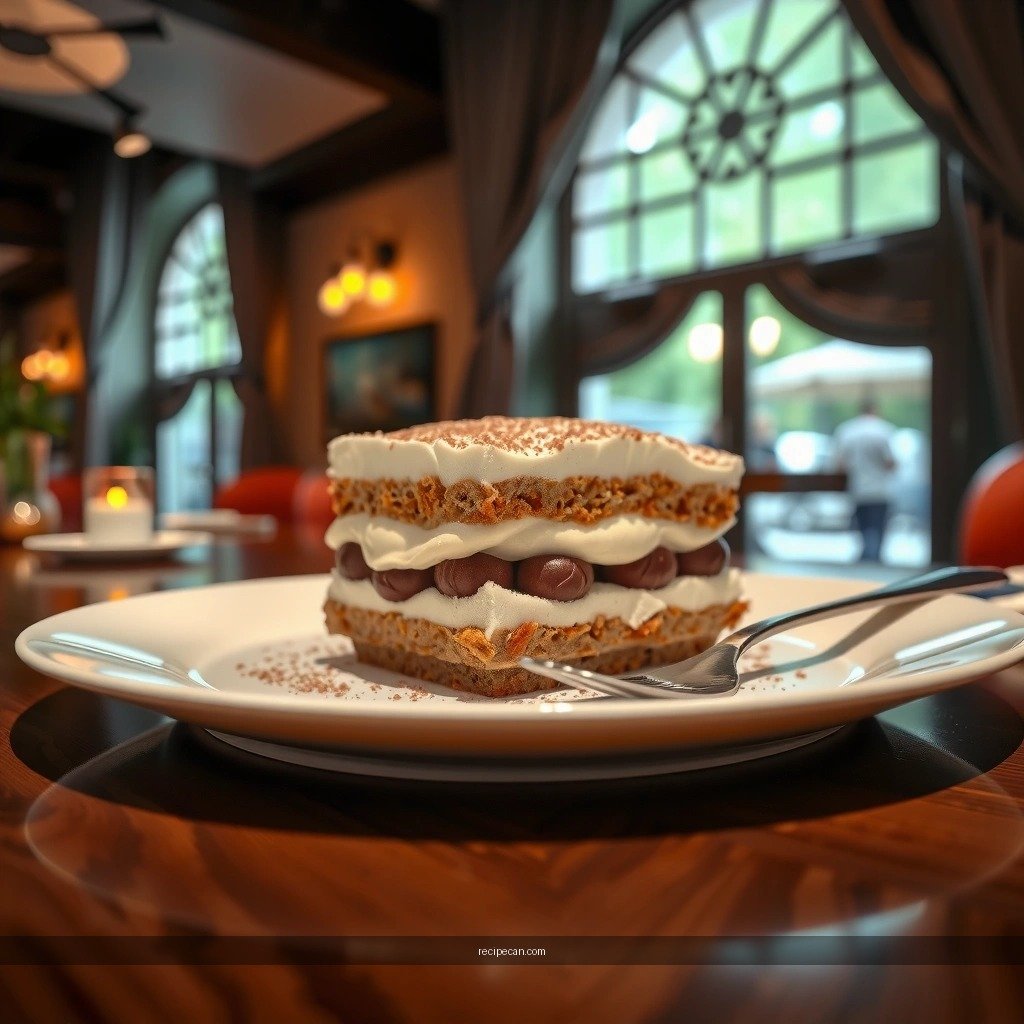
Authentic tiramisu is less about fancy twists and more about preserving a very specific flavor-and-texture equation: rich dairy sweetness balanced by bitter espresso, all held together by the structure of properly handled ladyfingers. In traditional Italian tiramisu, the core taste comes from mascarpone, strong espresso, and cocoa, with assembly technique doing much of the work.
To stay true to the classic profile:
– Uses mascarpone, strong espresso, and cocoa as the core flavors
The mascarpone should taste creamy and fresh (not bland), the espresso should be concentrated enough to read clearly as coffee, and cocoa should contribute a dry, bitter finish.
– Relies on proper assembly and chilling for the right texture
The “magic” is not soaking—it’s brief contact with espresso plus hours of chilling so the ladyfingers soften to the right tenderness.
– Follows classic proportions for a balanced, not-too-sweet result
Many home versions become overly sweet because they compensate for weaker espresso or under-developed cocoa. Classic tiramisu depends on intensity, not extra sugar.
A helpful way to think about authenticity is to treat tiramisu like a structured product: espresso provides flavor and moisture, mascarpone provides body, and cocoa delivers aroma and visual finish. When any component is diluted or over-handled, the equilibrium shifts.
Classic Tiramisu Component Benchmarks (Home Execution)
| # | Tiramisu Component | Target Strength / Texture | What It Should Feel Like | Typical Deviation Outcome |
|---|---|---|---|---|
| 1 | Espresso concentration | ~1:1 to 1:2 coffee-to-water (brewed) | Bold, clearly coffee-forward | Overly weak coffee = “muted” tiramisu |
| 2 | Ladyfinger dip time | 1–2 seconds per side | Flexible, not collapsing | Over-dip = soggy layers |
| 3 | Mascarpone mixing | Smooth, cohesive, not aerated | Silky cream with body | Overmixing = grainy texture |
| 4 | Cocoa finish | Even dusting, thin layer | Bitter aroma on top | Too much cocoa = dry bitterness; too little = flat aroma |
| 5 | Chill time | 4–6 hours minimum; overnight best | Slices hold shape cleanly | Short chill = loose, less cohesive layers |
| 6 | Sugar in cream | Just enough to balance espresso | Sweet, but never candy-like | Too much sugar = dessert-like sweetness, less coffee bite |
| 7 | Egg usage (traditional) | Yolk mixture thick and pale | Velvety, stable cream base | Correct yolk texture = smooth mascarpone emulsion |
Ingredients You Need (Classic Italian List)
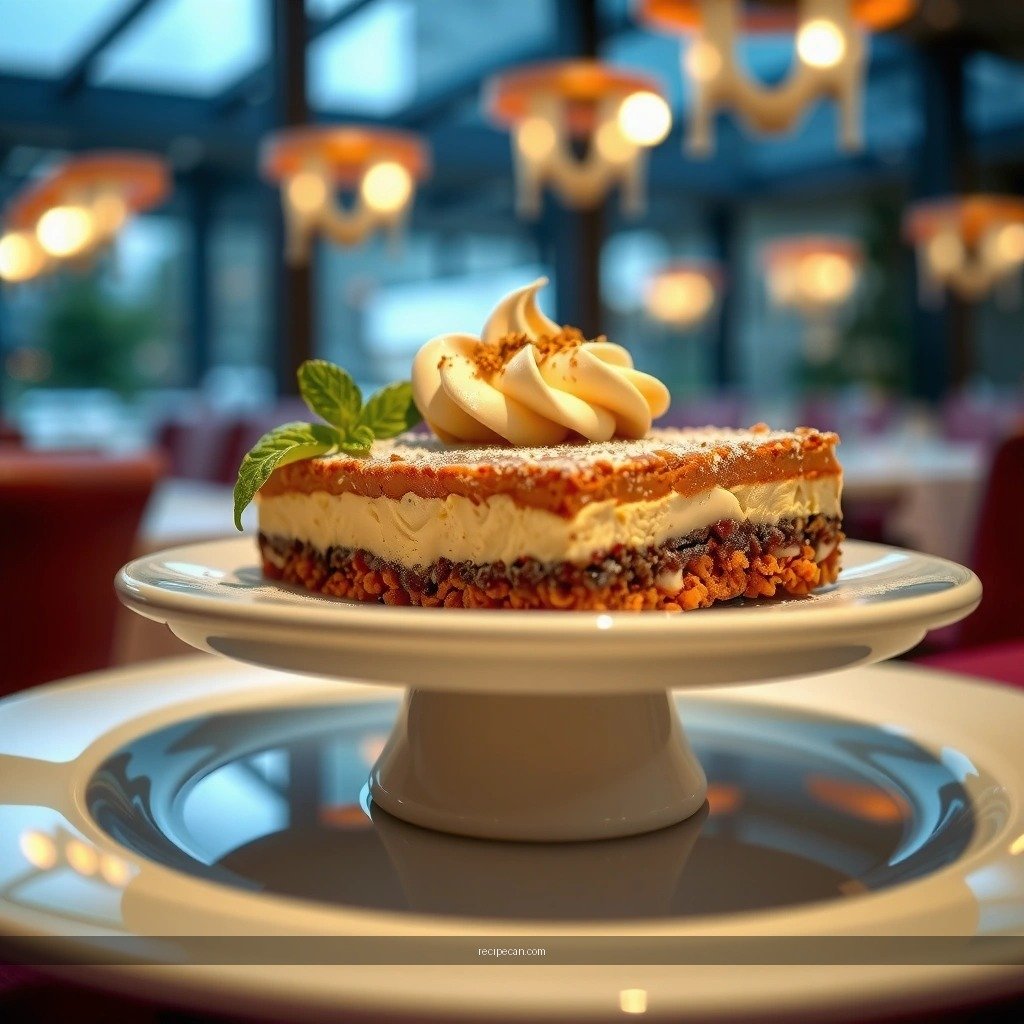
Classic Italian tiramisu is intentionally simple. The best versions don’t hide behind flavorings—they let coffee, cocoa, and mascarpone lead.
Use this classic Italian list as your foundation:
– Ladyfingers
Look for sponge biscuits designed to absorb liquid while keeping structure (often labeled “savoiardi”).
– Espresso
Strong brewed espresso gives the signature bitterness and aroma that balances the cream. Avoid diluted coffee.
– Mascarpone
The key dairy component; choose full-fat mascarpone for the proper richness and set.
– Eggs (or egg alternatives), sugar
Traditional recipes use egg yolks combined with sugar to thicken and stabilize the cream. If you prefer egg-free approaches, use a high-quality egg alternative that emulsifies well (and be consistent about texture).
Use unsweetened cocoa powder for the correct bitter finish. Powdered cocoa should be fine enough to dust evenly.
– Optional vanilla or a pinch of salt
Vanilla is optional; a tiny pinch of salt can sharpen flavors and make the coffee taste more defined.
Quality matters because tiramisu is built from a few high-signal ingredients. If your mascarpone tastes flat or your cocoa is weak, you’ll compensate by increasing sugar—then the flavor balance shifts away from “classic.”
Step-by-Step: How to Make the Cream
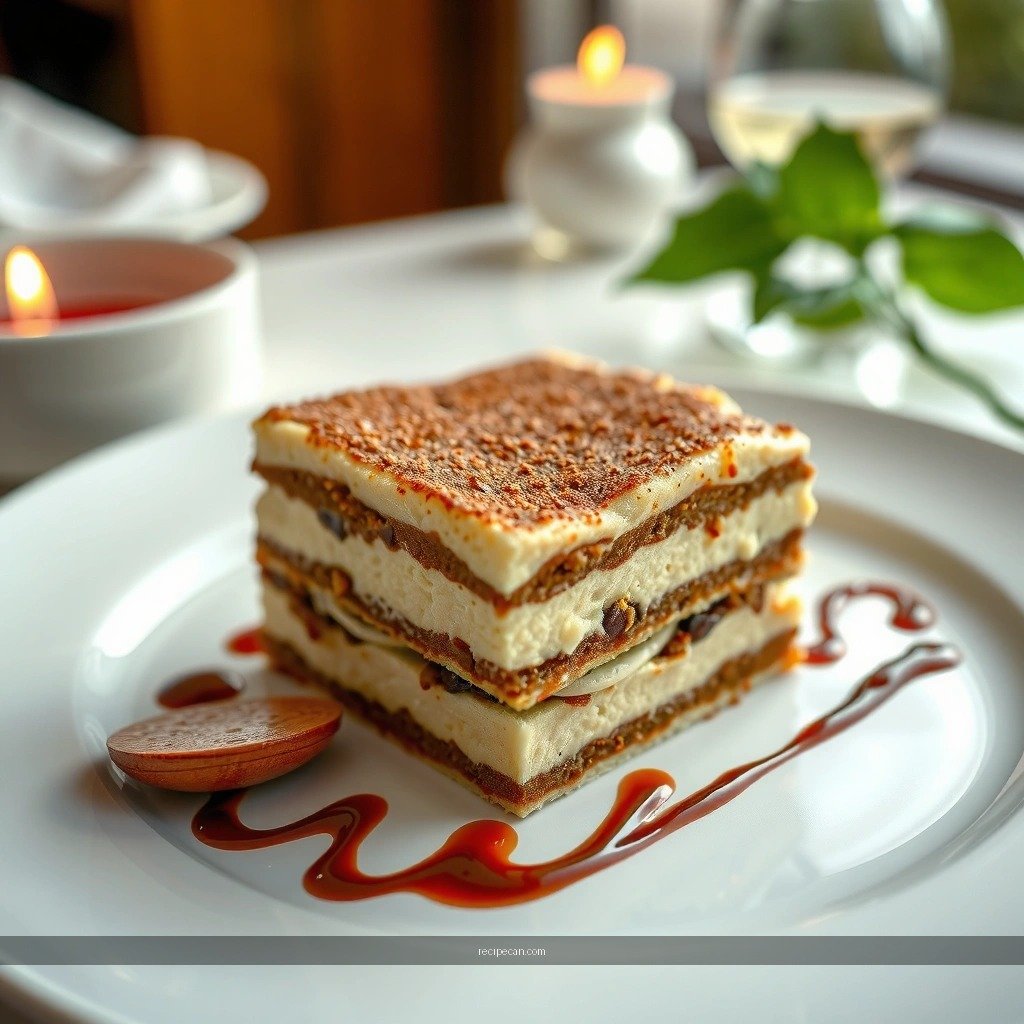
The cream is where most at-home tiramisu recipes either succeed spectacularly or end up grainy, heavy, or split. The goal is a smooth mascarpone emulsion with lightness from the yolk base.
1. Whip mascarpone smoothly so it’s creamy, not grainy
Mascarpone has a soft, delicate structure. Mix gently at first and stop as soon as it looks uniform. If you over-whip, the texture can become dense or slightly grainy.
– Practical tip: Use a bowl that’s clean and dry. Any residue can affect emulsification.
2. Combine egg yolks and sugar (or yolk base) until pale and thick
Beat yolks with sugar until the mixture turns lighter and thick enough to ribbon. This step improves both texture and stability.
– Food-safety note: Some cooks prefer a cooked yolk base or pasteurized eggs for confidence while keeping the classic method’s performance.
3. Fold gently to keep the mixture light and airy
Fold yolk mixture into mascarpone carefully. Folding minimizes deflation and helps preserve a silky, spoonable cream.
What you’re watching for: the final cream should be thick enough to spread but not so stiff that it resists smoothing. When it’s right, it coats a spoon and holds shape in a thick swoop.
How to Assemble Authentic Tiramisu
Assembly is a technical process. The classic taste comes from the right amount of espresso contact—enough to flavor and soften, not enough to collapse.
– Quickly dip ladyfingers in espresso—do not soak or they’ll fall apart
Dip each side for about 1–2 seconds, then remove immediately. If you soak, you’ll get watery, unstable layers and a dessert that tastes muddied.
– Layer cream and soaked ladyfingers for even distribution
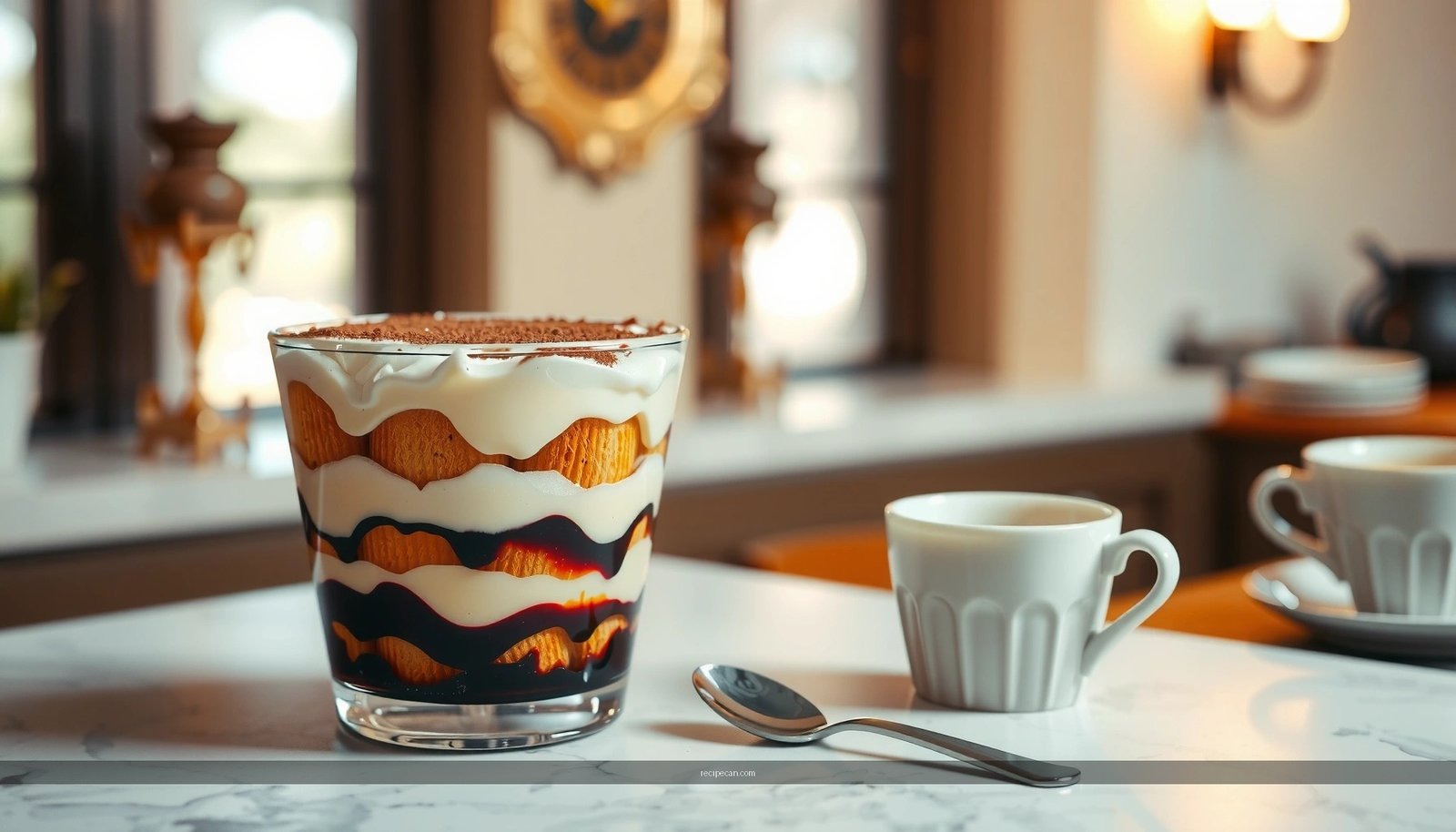
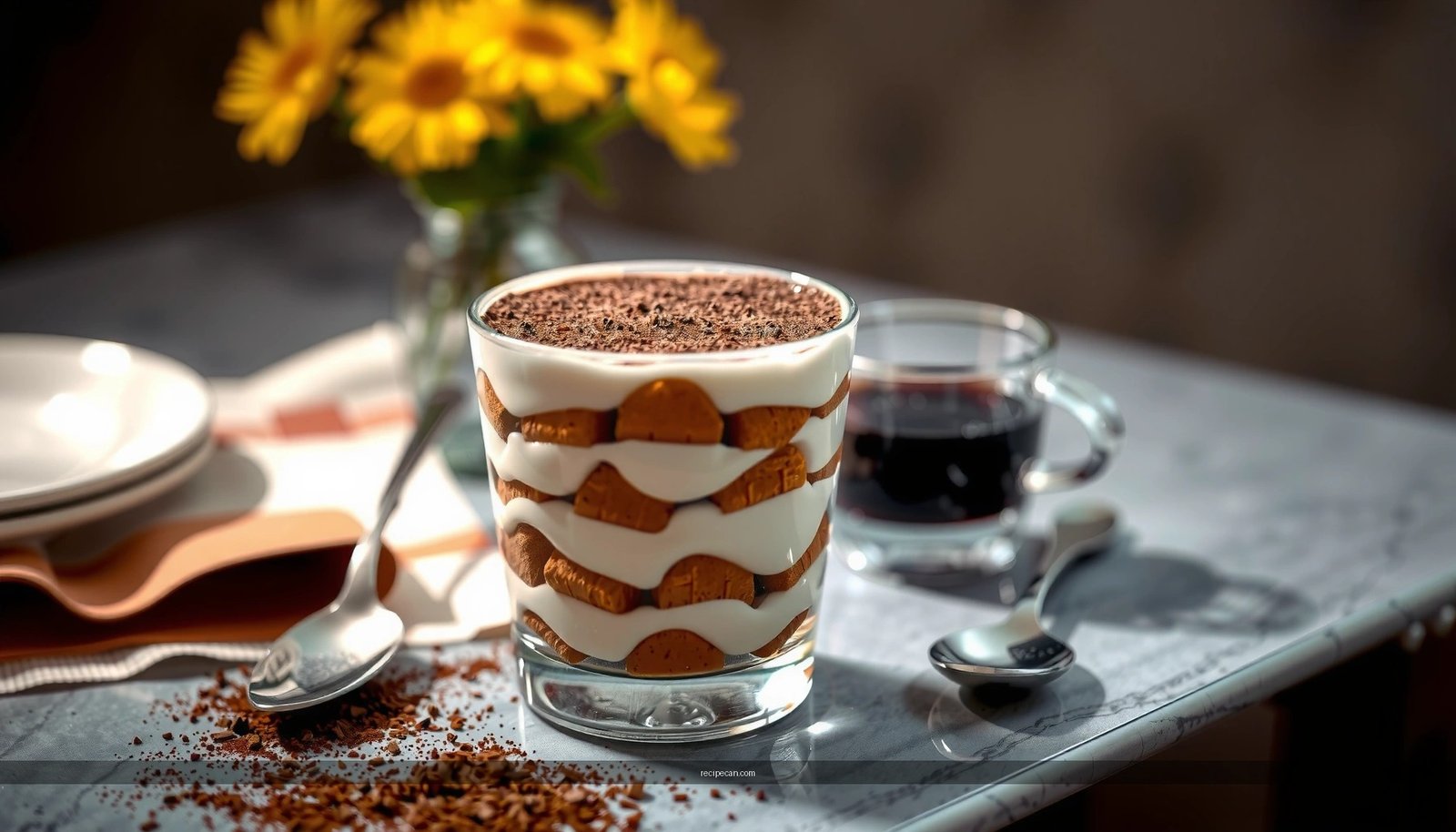
Use an even layer of cream between ladyfinger rows. Aim for consistent thickness so each bite delivers both coffee-soaked sponge and mascarpone richness.
– Practical tip: Work efficiently and keep your dipped ladyfingers on a tray so they don’t continue absorbing liquid after removal.
– Finish with an even cocoa dusting on top
Dust cocoa right before serving or shortly before chilling (depending on your preference). For a classic look, keep the cocoa layer thin and uniform.
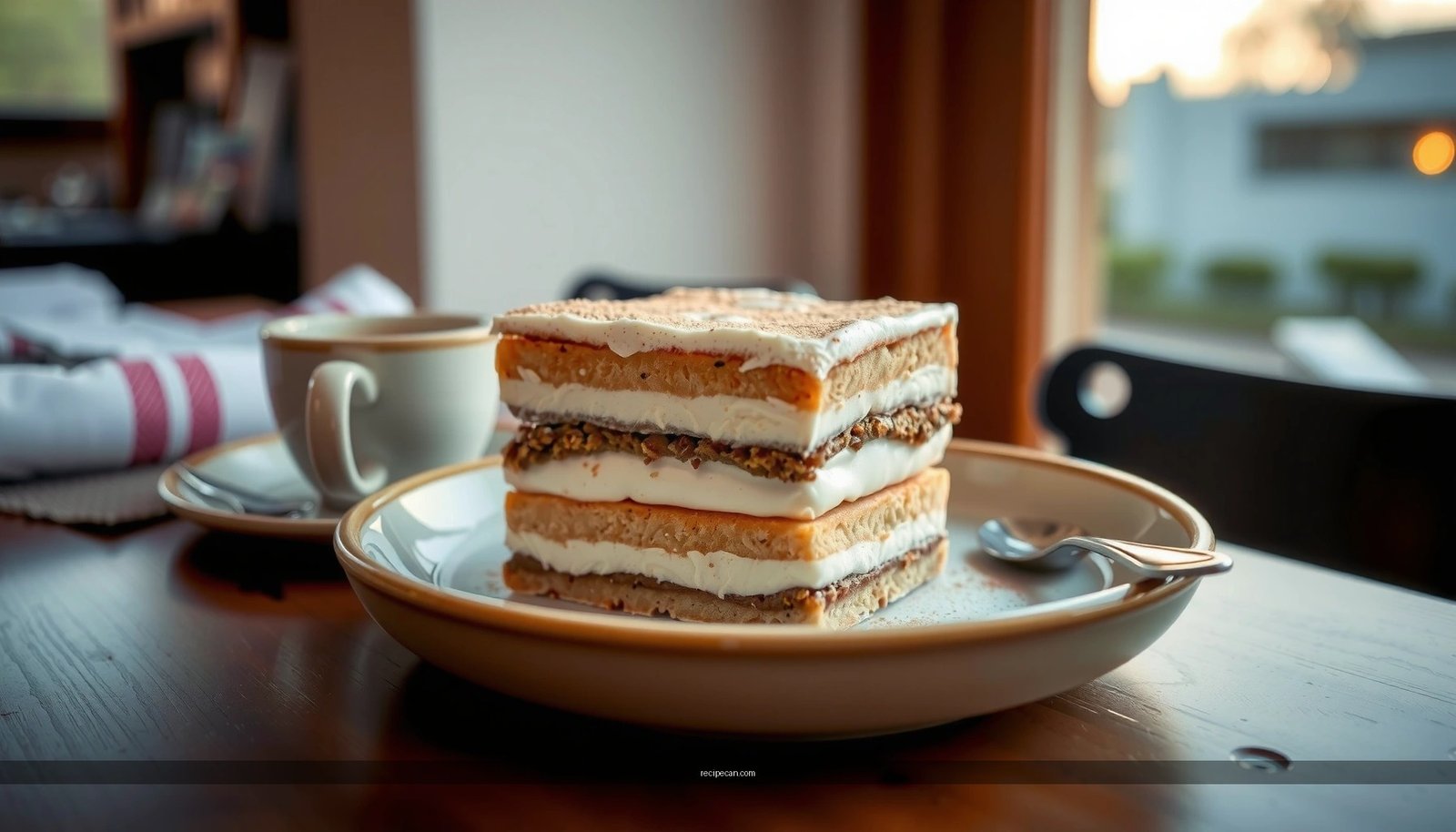
Consistency beats artistry here. Even layers create a predictable slice: clean lines, visible strata, and balanced espresso-to-cream ratio in every forkful.
Chill Time and Serving Tips
Chilling is not optional; it’s the stage where tiramisu becomes “tiramisù” rather than layered cheesecake-adjacent cream.
– Chill at least 4–6 hours (overnight is best) for set texture
During chilling, ladyfingers absorb moisture from the espresso and cream, softening to the classic tenderness without turning to mush.
– Serve cold and slice cleanly with a sharp, wiped knife
Warm blades drag and smear. Use a sharp knife and wipe between cuts for crisp presentation.
– Store covered in the fridge and enjoy within 2–3 days
Freshness matters because cocoa can darken slightly and espresso aromas mellow over time. Within a few days, the texture remains pleasantly cohesive.
If you’re serving guests: plan for overnight chilling. The “best bite” experience is a function of time as much as technique.
Common Mistakes to Avoid
Authentic tiramisu fails in predictable ways. If you know the failure modes, you can prevent them before they happen.
– Over-soaking ladyfingers leads to soggy layers
The sponge should be flavorful, not waterlogged. Quick dipping controls structure.
– Over-whipping or aggressive mixing can make the cream dense or grainy
Mascarpone isn’t meant for relentless whipping. Mix just until smooth, then fold—don’t pulverize.
– Skipping chilling time prevents the classic tiramisu texture
Without adequate refrigeration, the layers won’t meld into a cohesive slice.
Additional watch-outs:
– Using weak coffee: it forces you to add more sugar, shifting the classic balance.
– Inconsistent layer thickness: some bites become all coffee, others all cream.
– Dusted cocoa too early: it can absorb moisture and lose its crisp, aromatic top-note.
To make your tiramisu truly authentic, focus on quality ingredients, quick espresso dipping, gentle cream mixing, and sufficient chilling. Follow this approach closely, then taste and adjust sweetness next time—your classic Italian tiramisu will be spot on.
Tiramisu is one of those desserts where professionalism shows up in the details: espresso intensity, controlled dipping, careful mascarpone handling, and time in the fridge. If you anchor your method in the classic proportions and respect each technique—especially chilling—you’ll get the hallmark outcome: clean layers, balanced bitterness and sweetness, and a creamy spoonable finish that tastes unmistakably Italian.
Frequently Asked Questions
What are the key ingredients for an authentic Italian tiramisu recipe?
An authentic Italian tiramisu typically uses mascarpone cheese, fresh eggs (yolks and whites), sugar, espresso coffee, and ladyfingers (savoiardi). You’ll also need cocoa powder for dusting, plus a splash of Marsala wine or dark rum for classic flavor. For best results, choose high-quality mascarpone and strong espresso so the dessert has a deep coffee taste without tasting watery.
How do you make tiramisu the traditional way without curdling the egg mixture?
To avoid curdling, gently whisk egg yolks with sugar over low heat only briefly, or use a careful tempering method by slowly adding a warm sugar mixture while whisking continuously. Once the yolk base is smooth, fold in mascarpone until creamy and lump-free, then add whipped egg whites gradually for a light texture. Keep everything at a cool, controlled temperature—heat and rushing are the most common causes of scrambled eggs in tiramisu.
Why is resting tiramisu important, and how long should you chill it?
Resting is what makes tiramisu “authentic” in texture: the ladyfingers absorb the espresso and the cream becomes cohesive and stable. Refrigerate for at least 4–6 hours, but overnight (8–12 hours) is often ideal for the best balance of coffee intensity and creamy consistency. If you serve it too soon, it can taste underdeveloped and the layers may feel separate.
Which type of coffee is best for an authentic tiramisu recipe?
Use freshly brewed espresso for the most authentic Italian tiramisu flavor, since its bitterness and depth balance the sweetness of the mascarpone. If you don’t have an espresso machine, use a strong, concentrated coffee and avoid overly diluted options that can make the dessert soggy. Let the coffee cool before dipping the ladyfingers so they soak evenly without breaking down too quickly.
What’s the best way to assemble tiramisu so the layers come out perfectly?
Dip ladyfingers quickly—briefly in espresso—so they absorb flavor but remain structured, then layer them with the mascarpone cream. Repeat for a second layer, making sure the cream reaches the edges for clean slices. Finish with a generous cocoa dusting right before serving (or shortly before), because cocoa can soften if it sits too long on wet surfaces.
References
- Tiramisu
https://en.wikipedia.org/wiki/Tiramisu - Mascarpone
https://en.wikipedia.org/wiki/Mascarpone - Ladyfingers (biscuits)
https://en.wikipedia.org/wiki/Savoiardi - Zabaione
https://en.wikipedia.org/wiki/Zabaione - Espresso
https://en.wikipedia.org/wiki/Espresso - Tiramisu | Meaning, Ingredients, Origin, Desserts, & Taste | Britannica
https://www.britannica.com/topic/tiramisu - Treccani, il portale del sapere – Treccani
https://www.treccani.it/enciclopedia/tiramisu/ - Google Scholar Google Scholar
https://scholar.google.com/scholar?q=tiramisu+authentic+Italian+recipe - Google Scholar Google Scholar
https://scholar.google.com/scholar?q=traditional+tiramisu+recipe+mascarpone+uova+ingredienti - Google Scholar Google Scholar
https://scholar.google.com/scholar?q=history+of+tiramisu+origin+recipe