Wondering which liquor in a tiramisu recipe actually delivers the best flavor—coffee-forward, balanced sweetness, or punchy aromatics? Choose amaretto or coffee liqueur for the most reliable “classic” result, and use rum only when you want deeper, molasses-like warmth. If you want the clearest win, pick coffee liqueur for a smooth tiramisu that tastes like espresso rather than alcohol.
Liquor is the flavor booster in tiramisu—use the right type, add it at the correct step, and measure lightly to avoid a boozy dessert. When you choose a liquor that harmonizes with coffee and control how long the ladyfingers are dipped, you’ll get a balanced, dessert-like finish rather than an overpowering alcohol note.
Choose the Best Liquor for Tiramisu
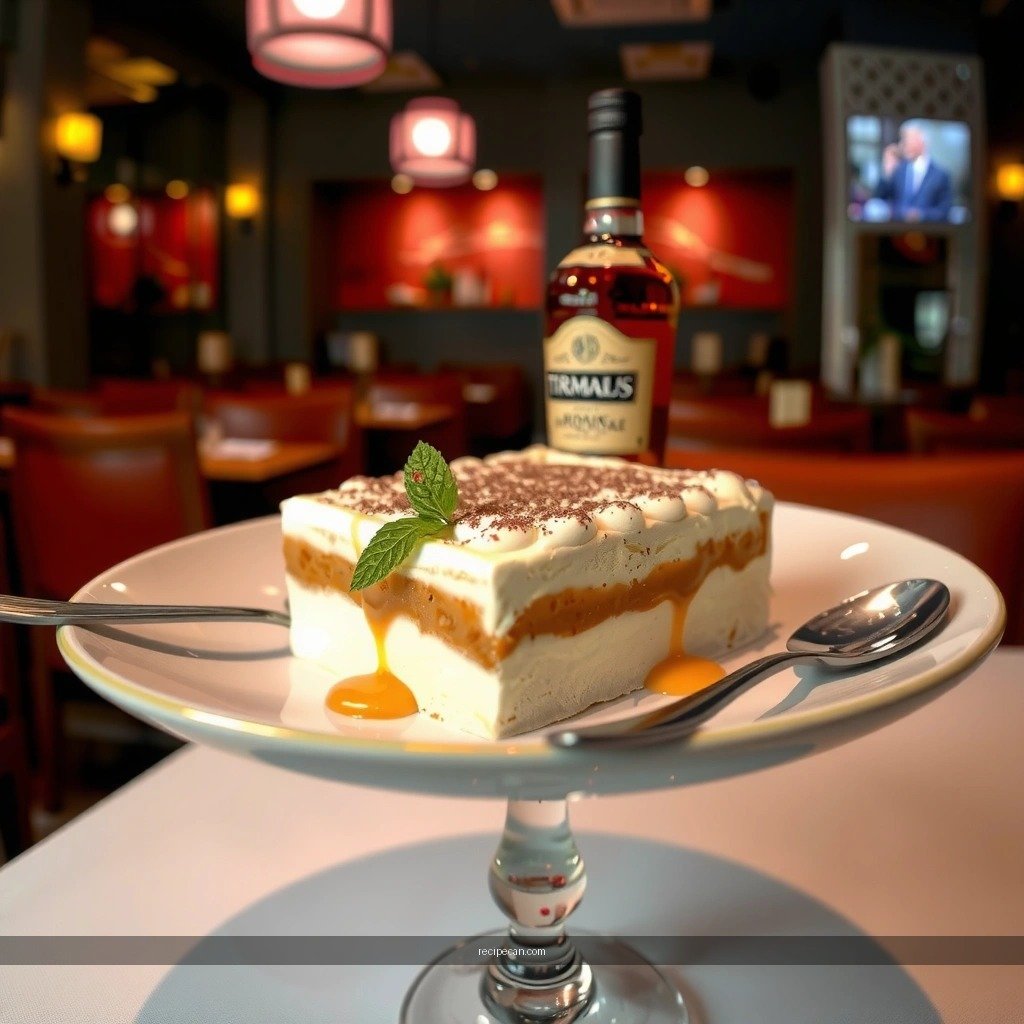
– Common options include coffee liqueur, rum, brandy, or Marsala
– Pick a liquor that matches your coffee flavor (avoid harsh, smoky notes)
The “best” liquor for tiramisu isn’t about tradition alone—it’s about compatibility with coffee’s bitterness, acidity, and aroma. Tiramisu depends on coffee as a structural flavor: espresso or strong coffee provides roast depth, while mascarpone and egg (or cream base) soften it. Liquor should support that balance, not compete with it.
Coffee liqueur: the most direct match
Coffee liqueur is purpose-built for desserts. Because it already tastes like coffee (often with chocolate and caramel nuances), it blends smoothly with espresso. It also tends to dissolve easily in coffee, so it distributes evenly through the dipping liquid and doesn’t create “hot spots” of alcohol flavor.
Marsala: fortified wine with caramel-almond potential
Marsala (especially sweet or semi-sweet) complements tiramisu when you want a warmer, vinous sweetness. It’s less sharp than spirits like rum or brandy, and it often adds dried-fruit and toffee-like notes that work with cocoa and coffee.
Rum and brandy: good depth, higher risk
Rum and brandy can be excellent—especially for adult-style tiramisu—but they’re also more likely to overwhelm if you choose a smoky, high-proof, or heavily oaked variety and use too much. If you go this route, pick smoother expressions and keep the quantity conservative.
Avoid harsh profiles that fight coffee
As a rule, avoid liquors described as:
– “Smoke,” “peaty,” “char,” or very barrel-forward profiles (they can dominate roast coffee).
– Very high proof spirits (they accentuate burn/solvent notes).
– Aggressively spiced liqueurs where cinnamon/clove overwhelms the espresso-cocoa pairing.
To choose confidently, think like a flavor editor: if the liquor’s strongest note would also overpower a latte, it will likely overpower tiramisu.
Liquor Options for Tiramisu: Typical ABV & Overpower Risk
| # | Liquor type | Typical ABV range | Coffee harmony | Best step | Overpower risk |
|---|---|---|---|---|---|
| 1 | Coffee liqueur | 15–25% ABV | Very high (coffee-forward) | Dip liquid | ★ ★ ★ ★ ☆ |
| 2 | Marsala (sweet) | 15–20% ABV | High (caramel/dried-fruit) | Dip liquid | ★ ★ ★ ★ ☆ |
| 3 | Dark rum (bottled) | 35–50% ABV | Medium (molasses/caramel) | Dip liquid (small amount) | ★ ★ ☆ ☆ ☆ |
| 4 | Brandy / Cognac | 36–45% ABV | Medium (toasty/warm) | Coffee base or syrup | ★ ★ ☆ ☆ ☆ |
| 5 | Amaretto (almond liqueur) | 21–32% ABV | Medium-high (almond + cocoa) | Dip liquid | ★ ★ ★ ☆ ☆ |
| 6 | Irish cream liqueur | 15–20% ABV | High (creamy + sweet) | Dip liquid | ★ ★ ★ ★ ☆ |
| 7 | Espresso-flavored liqueur | 20–30% ABV | Very high (espresso note) | Dip liquid | ★ ★ ★ ★ ☆ |
How Much Liquor to Use
– Use about 1–3 tablespoons per batch for a noticeable but smooth kick
– Start lower if serving guests (liquor intensity can grow as it rests)
Tiramisu is deceptively sensitive to alcohol level. The alcohol is initially present as aroma and warmth, but over chilling time it “ties together” with coffee and cocoa—often making the liquor feel stronger, even if the total amount stays the same. This is why experienced cooks treat 1–3 tablespoons as a working range rather than a fixed rule.
A practical dosing framework
Use this as a starting point for a standard tiramisu batch (typically one 8×8-inch / ~20×20 cm pan):
– 1 tablespoon: subtle background note (great for first-timers or mixed-company servings)
– 2 tablespoons: clearly detectable, but still dessert-forward
– 3 tablespoons: adult-leaning intensity; best when your liquor is coffee-friendly and not high-proof
Why “per batch” matters
Different pans and layer heights change how much surface area the ladyfingers have to absorb coffee mixture. More layers or thicker dipping can increase absorption, which effectively increases liquor strength. If you’re making mini cups or higher stacks, consider reducing toward the low end.
How to adjust if you overshoot
If you’ve already assembled and it tastes too boozy after chilling:
– Add no more alcohol. Instead, balance with more coffee flavor (a small amount of fresh strong espresso folded into a separate, cooled syrup and drizzled lightly on top can help).
– Serve with structure: cocoa dusting and slightly firmer mascarpone textures can reduce perceived sharpness.
When to Add Liquor in the Recipe
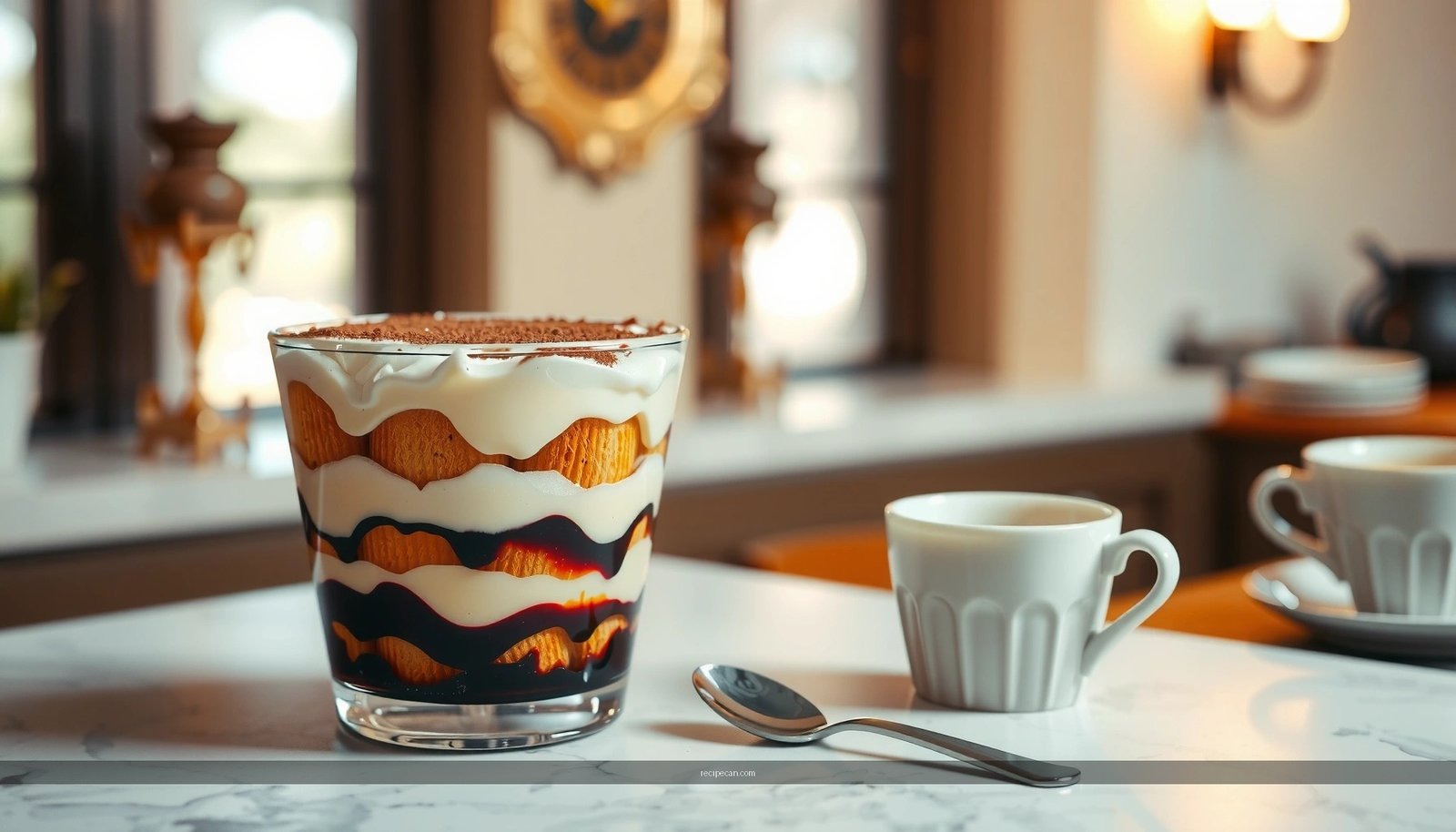
– Dip ladyfingers briefly so they absorb flavor without turning soggy
– Mix liquor into coffee (or syrup) rather than into the entire mascarpone
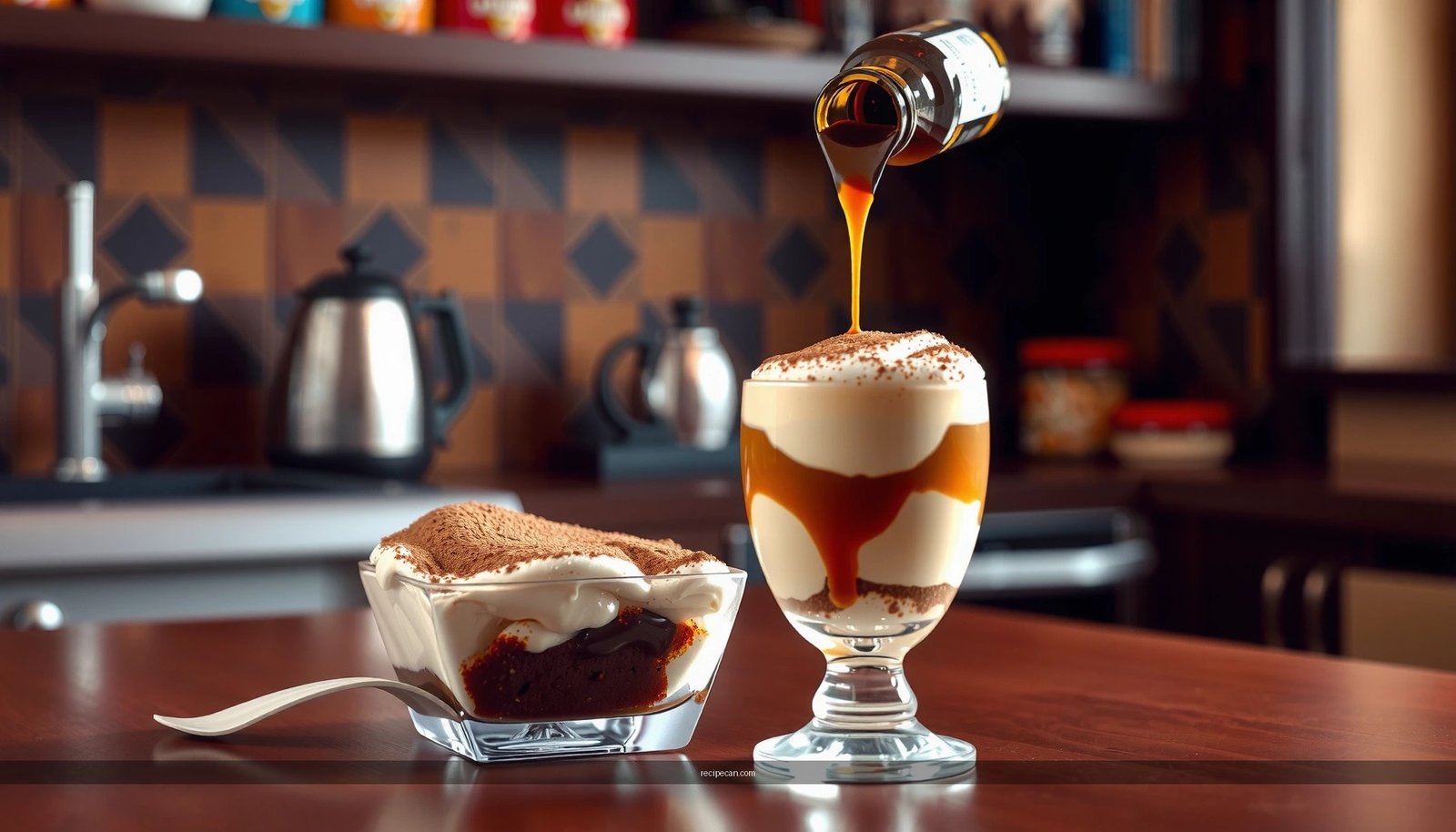
Where you add liquor determines whether it becomes integrated or disruptive. In tiramisu, the safest approach is to put liquor into the dipping liquid (coffee or coffee syrup) so it flavors the ladyfingers evenly.
Best step: the coffee dip
Dip each ladyfinger quickly—think seconds, not soaking. This accomplishes two goals:
1. Flavor transfer without waterlogging (ladyfingers still need structure to hold layers).
2. Consistent distribution: every bite gets coffee + liquor note where it belongs.
Avoid mixing liquor directly into mascarpone
While it’s tempting to stir liquor into mascarpone, doing so can create uneven intensity and can also affect texture. Mascarpone is delicate—its role is creamy body, not a place where strong, hot, or concentrated alcohol notes should be introduced.
If your recipe uses eggs or stabilized cream, liquor can also subtly change the perception of sweetness and acidity. Keeping alcohol in the coffee dip is cleaner and more predictable.
Syrup approach for control
If you want maximum consistency, make a coffee syrup (coffee reduced slightly with sugar, cooled) and add liquor there. The viscosity slows absorption and helps prevent soggy layers, especially if you’re using thicker or drier ladyfingers.
Alcohol-Free and Low-Alcohol Alternatives
– Swap with strong espresso, coffee syrup, or vanilla extract for similar depth
– Use non-alcoholic coffee liqueur if you still want a liqueur-like note
If you’re serving guests who avoid alcohol—or you simply want tiramisu that tastes like dessert rather than “dessert plus spirits”—you can still create depth. Alcohol often contributes two things: aroma and flavor extraction. You can replicate both with coffee, sweetness, and aromatic extracts.
Strong espresso + reduced coffee
Use extra-strong espresso (or very concentrated brewed coffee) and consider reducing it slightly. A reduced coffee concentrate behaves like syrup, intensifying roast flavor and helping the dip cling to ladyfingers.
Coffee syrup for richness
A basic coffee syrup (coffee + sugar, simmered until slightly thick) gives you the mouthfeel and sweetness that liquor might otherwise add. You’ll get a more “tiramisu-like” warmth without any burn.
Vanilla extract for a rounder finish
Add vanilla extract to the coffee dip to create a soft aromatic bridge between coffee and cream. Vanilla is particularly useful when you remove liqueur because it restores some of the “dessert perfume” liquor would have provided.
Non-alcoholic coffee liqueur
If you want the closest sensory analog to coffee liqueur, use a non-alcoholic coffee liqueur. These products are designed to mimic coffee-forward bitterness and sweetness without the ethanol intensity. Start with the smallest amount you’d use for the alcohol version, because some non-alcoholic versions can still be quite flavorful.
Tips to Keep the Texture Perfect
– Don’t soak ladyfingers too long—liquor can soften them faster
– Chill tiramisu long enough for flavors to meld and set properly
Texture is the non-negotiable quality metric in tiramisu. Liquor doesn’t just add flavor—it changes the absorption behavior of the dip.
Control dip time like a critical process
Ladyfingers hydrate quickly. If you’re using a liquor-forward dip (especially one containing more alcohol), you should:
– Dip briefly, then lift immediately.
– Keep the dip mixture at room temperature or cooler—hot liquid can accelerate softening and break down structure.
A useful technique is to dip one side first, then quickly the other side, aiming for even hydration rather than full saturation.
Chill time affects both flavor and structure
Chill tiramisu long enough for:
– Cream to firm and “set”
– Coffee and liquor to diffuse evenly
– Layers to stabilize so slices hold cleanly
As a baseline, plan on at least 4 hours, and for best results, longer refrigeration (overnight) is often even better—flavor integration increases while texture becomes more cohesive.
Serving and Storage for Best Flavor
– Let it rest in the fridge at least 4 hours for balanced flavor
– Store covered; flavors deepen over time, so taste before serving if possible
Serving tiramisu is partly about timing. Even if the dessert is assembled correctly, rushing it to serving can mask nuance and create an imbalanced taste profile—particularly with liquor.
Resting improves perceived balance
After chilling:
– Coffee notes mellow
– Cream sweetness becomes more rounded
– Liquor aromas integrate rather than “hit” immediately
If you’re preparing for a party, assemble early enough that the dessert is stable when guests arrive.
Storage best practices
– Store covered to prevent fridge odors from drifting into the mascarpone.
– Keep it chilled consistently (avoid repeated warming).
– If you’re using a stronger liquor, taste after 4 hours and again at 6–8 hours if possible. That small check helps you decide whether to serve immediately or hold.
Strong alcohol flavors often “bloom” over time, but the dessert should still taste like tiramisu—not like a spirit shortcut.
Final takeaway: Liquor in a tiramisu recipe works best when you choose a complementary coffee flavor, measure cautiously (start low), and add it where it belongs—typically in the coffee dip. Control dip time to prevent sogginess, chill long enough for flavors to meld, and consider alcohol-free substitutes if needed. If you’re adjusting liquor strength for the first time, test a small batch first so you can dial in the perfect, balanced finish.
Frequently Asked Questions
What kind of liquor can I use in a tiramisu recipe?
The most common options are coffee liqueur (like Kahlúa) and dark rum, because they pair naturally with espresso and cocoa. You can also use amaretto for a sweeter, almond-style flavor or Marsala wine for a more classic Italian taste. Choose a liquor that complements your coffee—if it’s very strong or overly sweet, use a lighter hand to avoid overpowering the mascarpone.
How much liquor should I add to tiramisu?
A typical range is about 1–2 tablespoons of liquor per 2–3 cups of mascarpone mixture, or roughly 1/2–1 tablespoon per layer of soaked ladyfingers. Start with less if you’re serving kids or prefer a subtle hint, then adjust next time. Because tiramisu also uses espresso, too much liquor can make the flavor harsh, so balance it with strong coffee or a touch of extra cream.
How do I prevent tiramisu from becoming too boozy when using liquor?
Use the liquor in the espresso/coffee mixture rather than soaking ladyfingers too long—quick dips help keep the texture creamy, not soggy. Let the tiramisu chill for several hours so flavors meld while the alcohol notes soften and integrate. If you’re worried about intensity, choose a milder liquor like amaretto (used sparingly) or reduce the amount of liquor and increase coffee concentration.
Which liquor flavors work best with espresso and cocoa in tiramisu?
Coffee liqueur is the easiest “no-fail” choice because it mirrors the tiramisu flavor profile. Dark rum adds warmth and depth, while amaretto brings a sweet almond note that stands out against cocoa and coffee. For a more traditional approach, Marsala wine can add subtle fruitiness, but it’s important to use a small amount so it doesn’t dominate the mascarpone.
Why do tiramisu recipes call for liquor in the first place?
Liquor in tiramisu helps enhance the espresso flavor, adds aromatic depth, and creates a more complex, dessert-like taste beyond just coffee and mascarpone. Alcohol also affects how flavors spread and meld during chilling, which is why many tiramisu recipe directions emphasize refrigeration time. If you prefer an alcohol-free tiramisu recipe, you can replace liquor with extra espresso, vanilla, or a non-alcohol coffee syrup for a similar boost.
References
- Google Scholar Google Scholar
https://scholar.google.com/scholar?q=tiramisu+alcohol+marsala - Google Scholar Google Scholar
https://scholar.google.com/scholar?q=tiramisu+rum+liqueur+recipe+study - Google Scholar Google Scholar
https://scholar.google.com/scholar?q=coffee+liqueur+marsala+in+desserts+alcohol+content - Tiramisu
https://en.wikipedia.org/wiki/Tiramisu - https://www.britannica.com/recipe/tiramisu
https://www.britannica.com/recipe/tiramisu - Marsala
https://en.wikipedia.org/wiki/Marsala - List of liqueur brands
https://en.wikipedia.org/wiki/Coffee_liqueur - Kahlúa
https://en.wikipedia.org/wiki/Kahl%C3%BAa - Rum
https://en.wikipedia.org/wiki/Rum - Brandy
https://en.wikipedia.org/wiki/Brandy