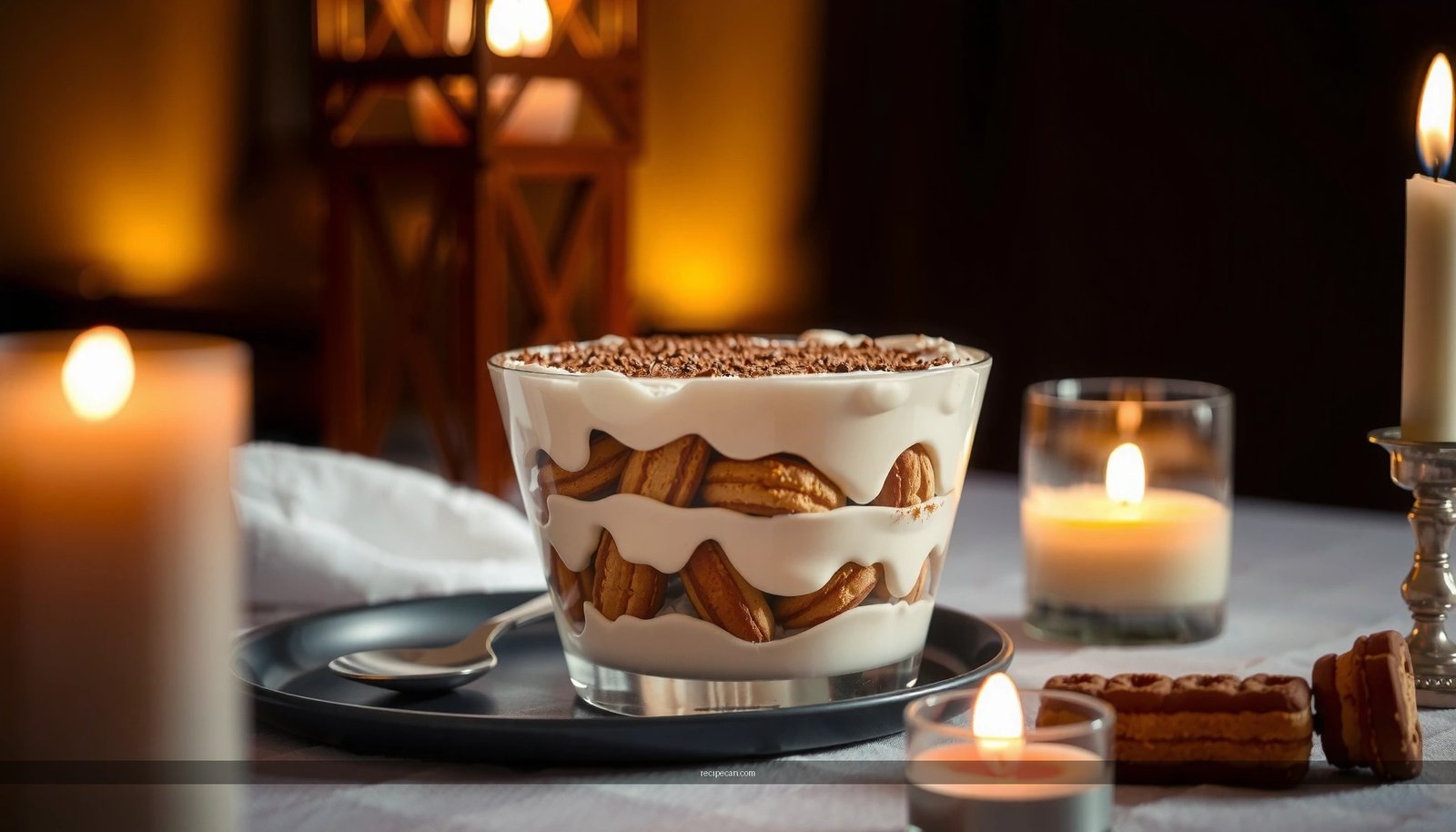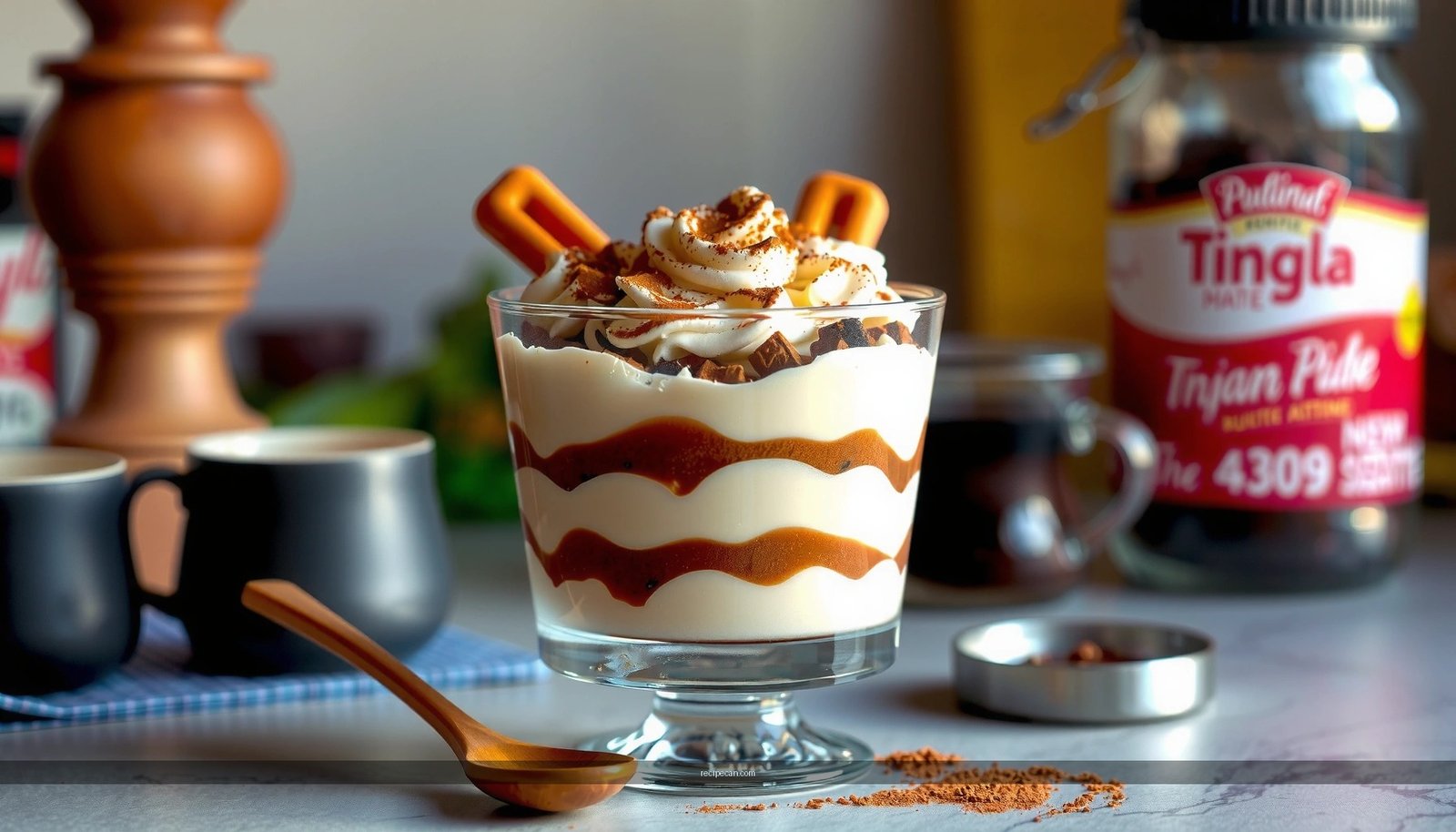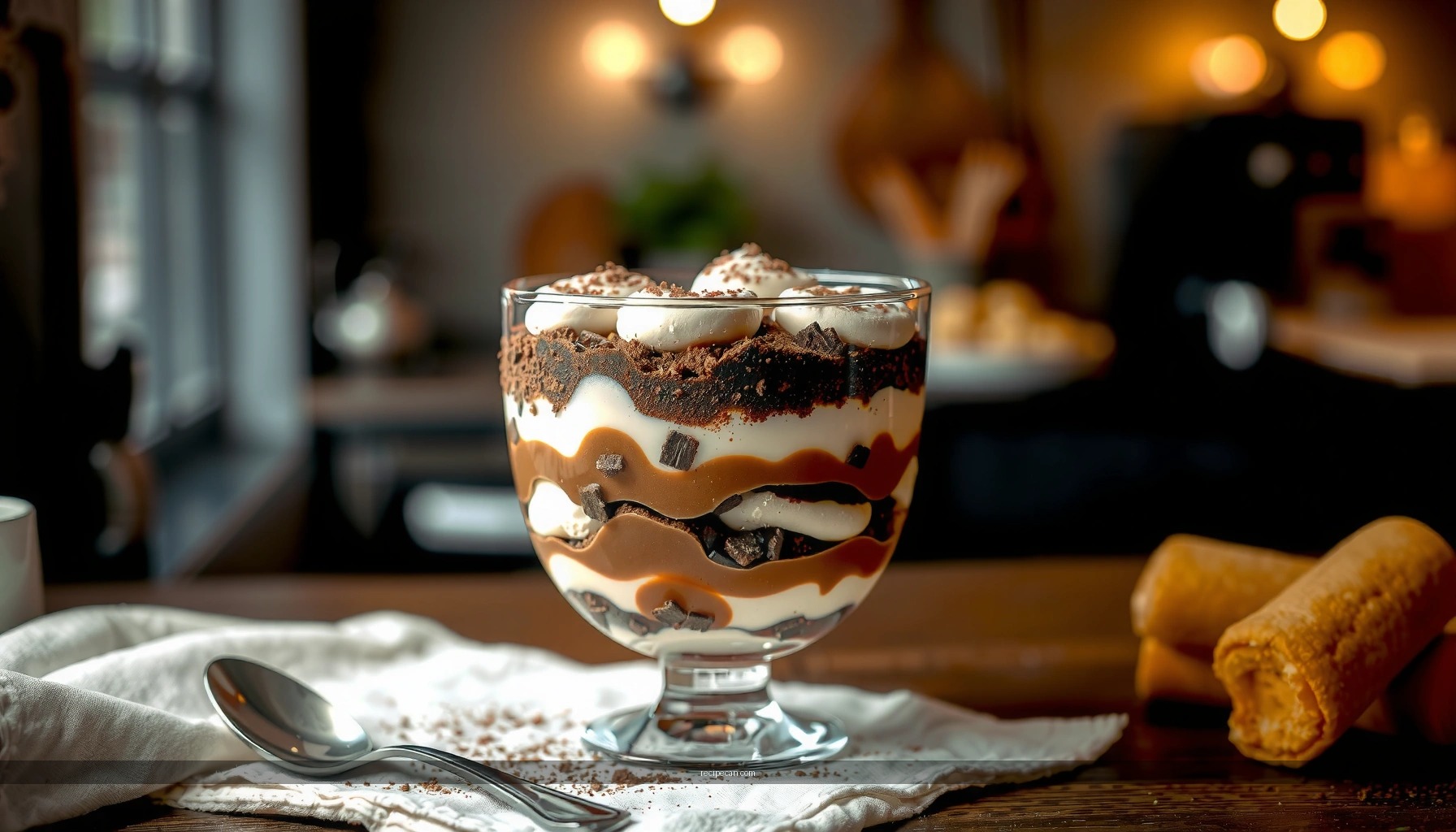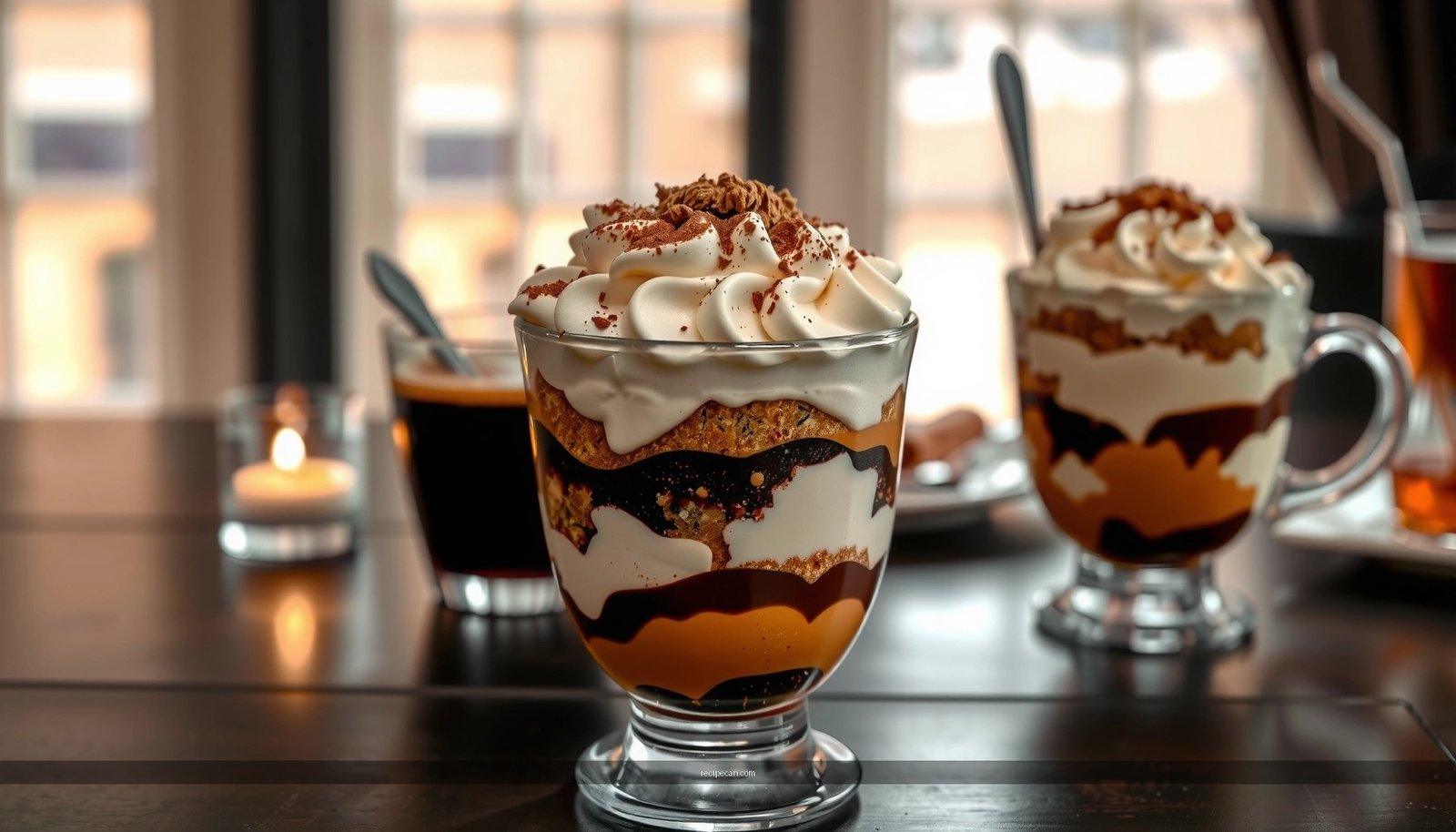
If you want a trifle tiramisu recipe that delivers classic coffee-and-mascarpone flavor with an impressive layered look, this is your winner. You’ll get the exact assembly order—coffee-soaked layers, mascarpone cream, and finishing touches—so every forkful tastes balanced instead of soggy. Follow it and you’ll have a showstopper dessert that holds its shape and tastes like tiramisu, but in trifle form.
This trifle tiramisu recipe delivers the classic coffee-and-mascarpone flavor in a no-stress, layered format—ideal for make-ahead desserts. By soaking ladyfingers briefly in strong coffee and chilling long enough to soften them without turning soggy, you’ll get clean layers, a creamy custard-style center, and an authentic cocoa finish.
Ingredients for Trifle Tiramisu
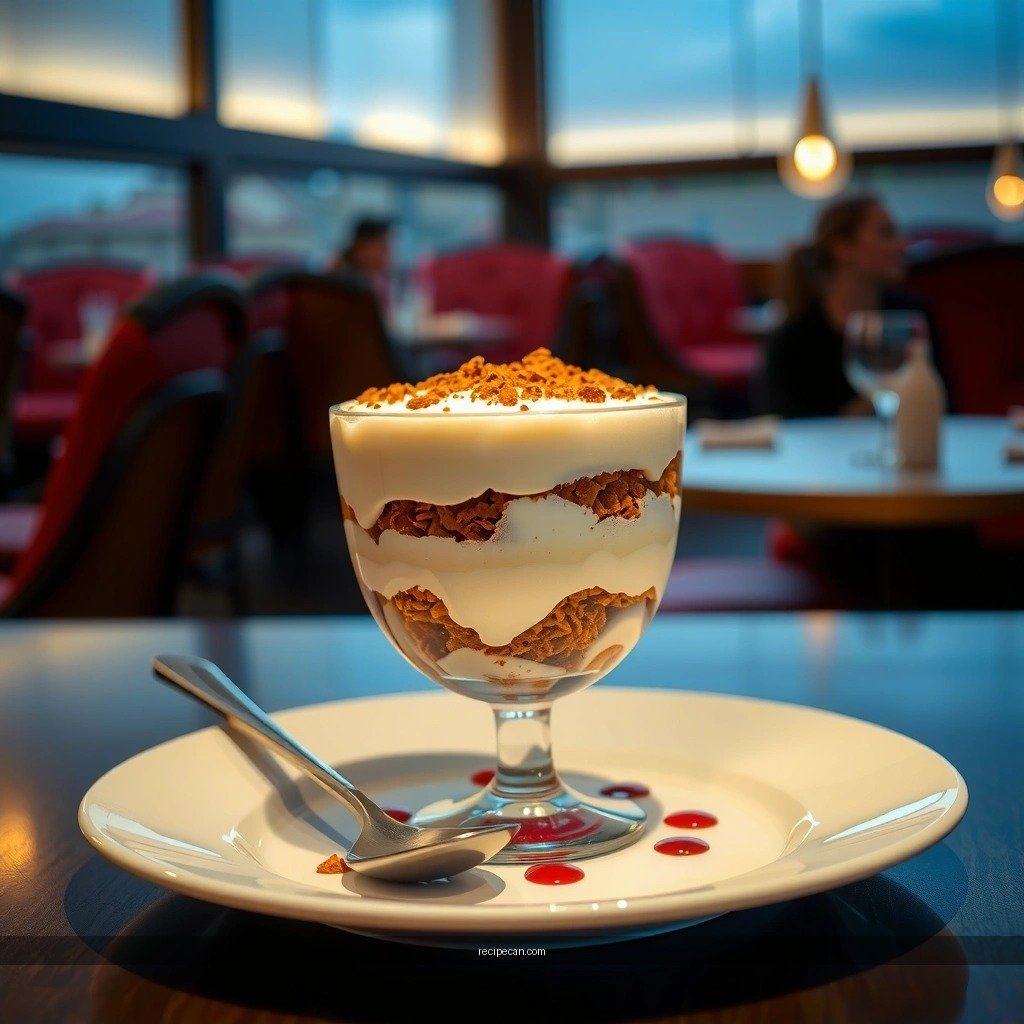
A traditional tiramisu balances three elements: coffee intensity, creamy mascarpone sweetness, and cocoa bitterness. In this trifle version, those flavors stay consistent across layers, which makes the dessert easier to scale and serve.
Core essentials (recommended for the best tiramisu taste):
– Mascarpone cheese (for the signature thick, tangy cream)
– Strong coffee or espresso (for authentic bitterness and aroma)
– Ladyfingers (for classic tiramisu texture and structure)
– Unsweetened cocoa powder (for the final dusting and bitter finish)
– Granulated sugar (to balance coffee and mascarpone)
Optional upgrades for richer, custard-style texture:
– Vanilla extract: rounds out coffee notes and boosts dessert aroma.
– Egg yolks (or a cooked-egg approach): creates a slightly firmer “custard” layer that holds shape even after chilling.
– Espresso powder or instant espresso: intensifies flavor if your coffee is mild.
– A splash of coffee liqueur (optional) like Kahlúa (use sparingly; it can overpower mascarpone).
Professional note: Mascarpone is forgiving, but coffee strength is not. Use brewed espresso-style intensity (dark roast or espresso) so the ladyfingers taste “tiramisu,” not “lightly flavored sponge.”
Coffee Intensity vs. Ladyfinger Soak Time (Trifle Tiramisu)
| # | Coffee Strength | Roast / Style | Soak Time per Side | Texture Score |
|---|---|---|---|---|
| 1 | Very strong | Espresso | 6–8 sec | ★★★★★ 5.0 |
| 2 | Strong | Dark roast (brew) | 8–10 sec | ★★★★★ 4.7 |
| 3 | Medium-strong | Medium-dark blend | 10–12 sec | ★★★★☆ 4.3 |
| 4 | Medium | Roast (balanced) | 12–14 sec | ★★★☆☆ 3.6 |
| 5 | Mild | Light roast | 14–16 sec | ★★☆☆☆ 2.8 |
| 6 | Strong (sweetened) | Espresso + sugar | 5–7 sec | ★★★★★ 4.9 |
| 7 | Very strong (hot vs. cool) | Espresso, warm | 4–6 sec | ★★★☆☆ 3.3 |
How to Make the Mascarpone Filling
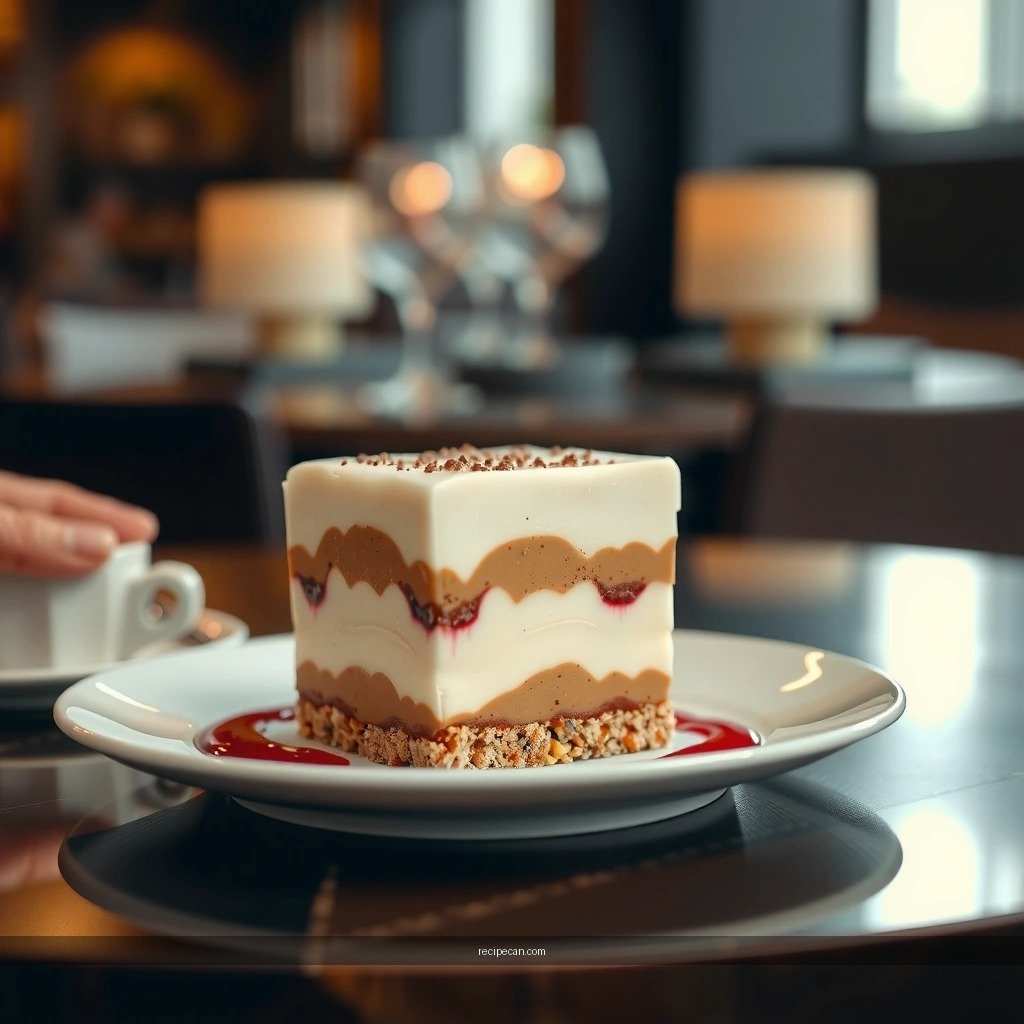
The filling is where tiramisu becomes unmistakably creamy. In a trifle, your goal is not just flavor—it’s stability. The mascarpone layer should be thick enough to “lock” the ladyfingers in place and prevent collapse when chilled.
Standard filling method (reliable and scalable):
1. Soften and whisk mascarpone in a bowl until smooth. Cold mascarpone can feel lumpy; a quick whisk fixes that.
2. Sweeten gradually with sugar. Add a spoon at a time and taste.
3. If using vanilla, mix it in once the base cream is silky.
Custard-style option (for a firmer, more elegant mouthfeel):
– Whisk egg yolks with sugar until slightly lighter, then gently combine with mascarpone.
– For a safer approach, consider a tempering step (briefly warming yolks over low heat while whisking) so the eggs incorporate smoothly.
Adjust thickness like a pro:
– If your filling looks too stiff, it will tear ladyfingers and create gaps. Loosen with a teaspoon of coffee (or milk) at a time.
– If it looks too runny, chill it briefly (10–20 minutes) before assembling. Mascarpone firms up when cold, but it should never be so loose that layers bleed.
Quality check: Lift the whisk—your mixture should fall in thick ribbons. That behavior predicts good layering after refrigeration.
Prepare the Coffee Soak
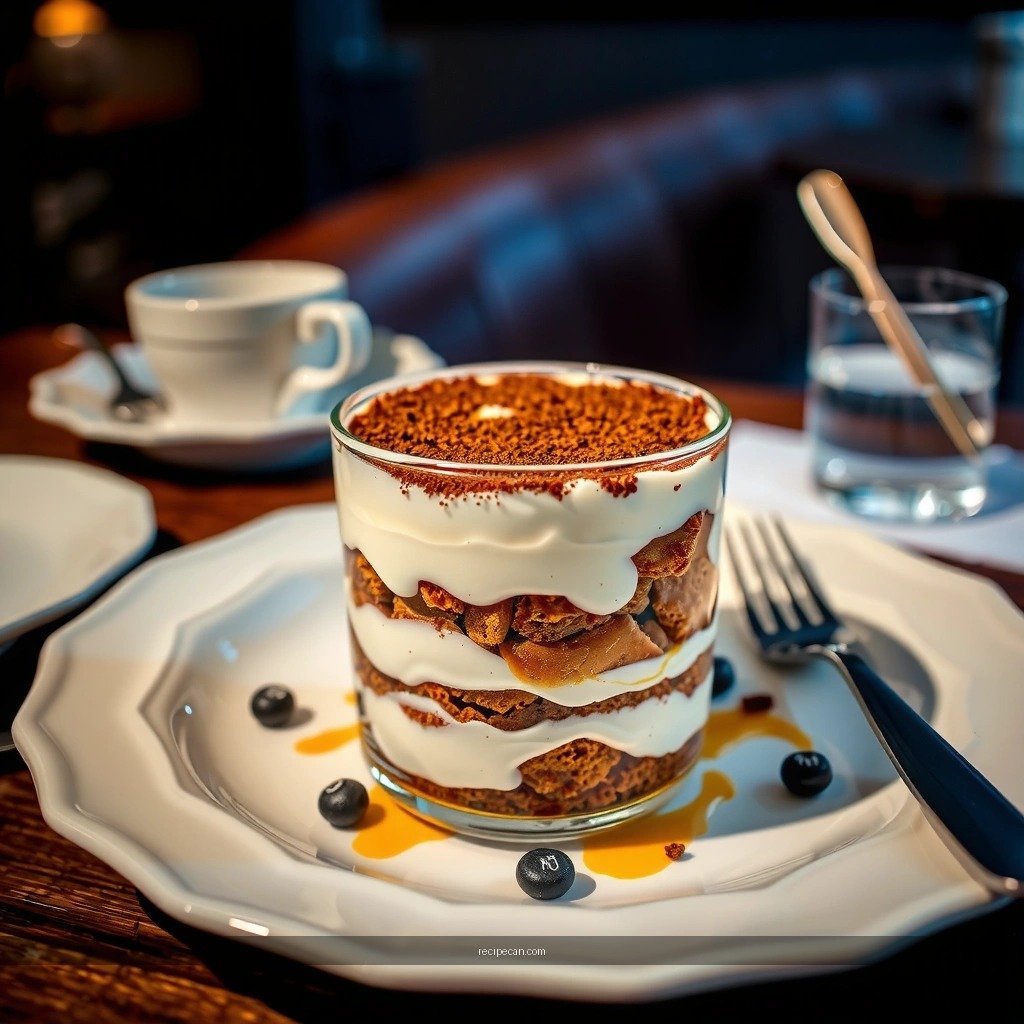
Coffee soak technique is the difference between “tiramisu texture” and “cake pudding.” Ladyfingers should absorb coffee but remain structured enough to slice cleanly and hold their distinct identity in the trifle.
Step-by-step best practice:
1. Brew strong coffee or espresso. Use a dark roast if you’re not pulling espresso.
2. Cool slightly before assembly. You want it warm—not scorching. Hot liquid can turn ladyfingers mushy and cause uneven absorption.
3. Sweeten (optional) based on your palate. Many tiramisu recipes use lightly sweetened coffee because mascarpone is also sweet. Taste your coffee like a beverage first—it should be bold but not harsh.
Soak timing:
– For a trifle, you generally soak very briefly: dip or spoon coffee over both sides quickly, then transfer immediately to the dish.
– If you soak longer than needed, the ladyfingers break down faster during chilling, causing a muddy layer boundary.
Analytical guideline: The longer the ladyfingers sit in coffee, the more gelatin and starch migrate outward. In a layered structure, that migration can blur the “ladder” of layers you want to showcase.
Operational tip for events: If you’re prepping ahead, consider assembling the trifle and letting it chill right away rather than letting soaked ladyfingers wait uncovered.
Build the Trifle Layers
A clear glass dish makes the presentation look intentional and premium. But beyond aesthetics, layer order and coverage affect flavor distribution and texture.
Layer construction strategy:
1. First layer: Arrange a single, even layer of ladyfingers as your base.
2. Coffee soak: Spoon coffee evenly over the ladyfingers (or dip briefly). Aim for consistent wetness, not pooling.
3. Mascarpone filling: Spread the mascarpone layer to the edges. Use an offset spatula or the back of a spoon for uniform thickness.
4. Repeat: Create a second set of ladyfingers + coffee + mascarpone, and then finish with mascarpone on top for the cleanest cocoa surface.
How to keep layers crisp and professional-looking:
– Keep ladyfingers in a single layer rather than stacking thickly.
– Spread filling to cover coffee-soaked areas fully; this acts like a barrier that slows further breakdown.
– Press gently—don’t compress aggressively. Too much pressure squeezes filling outward and can disturb the soaked structure.
Suggested portioning (for planning):
– A typical 6–8 person trifle works well with 2–3 ladyfinger layers depending on dish height.
– If your dish is wide, you’ll use more ladyfingers per layer, which is fine—just keep the filling thickness consistent so the top remains stable.
Chill and Set for Best Texture
Chilling is not optional; it’s where the trifle “becomes tiramisu.” The refrigerator gives the coffee time to mellow, lets mascarpone hydrate slightly, and softens ladyfingers into a cohesive dessert.
Chill timing that works in real kitchens:
– Minimum: 4–6 hours (ladyfingers soften; flavors begin melding).
– Ideal for serving: 8–12 hours (best texture balance and clean slice integrity).
– Maximum: 24 hours (still good, but boundaries soften more; consider serving earlier for a crisp look).
Prevent soggy edges and layer collapse:
– Avoid over-soaking. If you already have slightly too wet ladyfingers, reduce rest time and plan to serve sooner rather than later.
– Keep the trifle covered to prevent the top mascarpone from absorbing fridge odors or drying out.
– Place the trifle in the coldest part of your refrigerator. Consistent temperature helps the filling set evenly.
Food-safety note: If you use egg yolks in the filling, keep the assembled dessert refrigerated and avoid room-temperature holding. For events, refrigerate until close to serving time and dust with cocoa right before guests arrive.
Serve with the Perfect Cocoa Finish
Cocoa powder is both flavor and visual identity. For the most “authentic tiramisu look,” dust right before serving and use enough to create a visible cocoa blanket.
How to dust professionally:
– Use a fine-mesh sieve.
– Hold it above the trifle and dust lightly at first, then add a second pass.
– If you see moisture on the surface, wait a few minutes after pulling from the fridge—condensation can cause cocoa to clump.
Serving suggestions that complement the coffee-mascarpone profile:
– Chocolate shavings for texture contrast.
– A thin espresso drizzle for extra aroma (especially with strong coffee).
– Fresh berries sparingly—raspberries add brightness without overpowering classic cocoa notes.
– Optional garnish: a few cocoa-dusted ladyfinger crumbs around the perimeter for a “bakery” finish.
Best practice for consistency: If you’re serving multiple portions, dusting right before cutting ensures every spoonful gets that signature cocoa top note.
This trifle tiramisu recipe is a straightforward way to get classic tiramisu flavor in a show-stopping dessert. Follow the layer order, soak the ladyfingers lightly, and chill until set—then top with cocoa and serve. Make it for your next gathering and enjoy the creamy, coffee-kissed results.
Frequently Asked Questions
What is a trifle tiramisu recipe and how is it different from classic tiramisu?
A trifle tiramisu recipe is a layered dessert that combines tiramisu flavors—like espresso-soaked ladyfingers and mascarpone cream—inside a trifle bowl. Unlike classic tiramisu, which is typically served as a single slab or in slices, the trifle style showcases distinct layers of cream, coffee-soaked cookies, and cocoa. This makes it easier to assemble, store, and serve for gatherings while still delivering the traditional tiramisu taste.
How do you make a trifle tiramisu recipe with ladyfingers that don’t get soggy?
To prevent soggy layers, quickly dip or lightly drizzle the ladyfingers with espresso rather than soaking them for a long time. Let the espresso mixture sit slightly so it absorbs evenly, and assemble the trifle close to serving time if possible. You can also use a thicker mascarpone layer and alternate layers to create structure that holds up in the fridge.
Why do you need mascarpone in a trifle tiramisu recipe, and can you substitute it?
Mascarpone gives tiramisu its signature creamy texture and mild, slightly sweet flavor, which is central to a trifle tiramisu recipe. If you need a substitute, you can use a high-fat cream cheese mixed with a little heavy cream for a closer consistency, but the flavor will be tangier. For best results, choose a substitute with similar fat content and beat it until smooth to avoid a grainy cream.
Which espresso should you use for a trifle tiramisu recipe—strong coffee or something else?
For authentic tiramisu flavor, use strong brewed espresso or espresso-style coffee because it stands up to the sweetness of the cream. You can also mix espresso with a splash of coffee liqueur or vanilla for added depth, but keep the ratio modest so the coffee flavor stays clear. Using freshly brewed coffee usually provides a more robust aroma than weak or instant coffee.
What’s the best way to make a trifle tiramisu recipe ahead of time and store it?
The best approach is to assemble the trifle tiramisu recipe and refrigerate it for several hours, allowing the layers to meld without becoming watery. Cover it tightly to prevent the cream from drying out and keep toppings like cocoa powder separate if you want maximum freshness and visual contrast. Serve chilled, and for best texture consume within 1–2 days for ideal cream and ladyfinger integrity.
References
- Tiramisu
https://en.wikipedia.org/wiki/Tiramisu - Trifle
https://en.wikipedia.org/wiki/Trifle - Lady finger
https://en.wikipedia.org/wiki/Ladyfinger - Mascarpone
https://en.wikipedia.org/wiki/Mascarpone - Ladyfingers (biscuits)
https://en.wikipedia.org/wiki/Savoiardi - Coffee
https://en.wikipedia.org/wiki/Coffee - https://www.britannica.com/topic/tiramisu
https://www.britannica.com/topic/tiramisu - Google Scholar Google Scholar
https://scholar.google.com/scholar?q=tiramisu+recipe+mascarpone+ladyfingers - Google Scholar Google Scholar
https://scholar.google.com/scholar?q=trifle+dessert+recipe+ladyfingers+coffee+liqueur - Google Scholar Google Scholar
https://scholar.google.com/scholar?q=mascarpone+dessert+coffee+cocoa+food+science