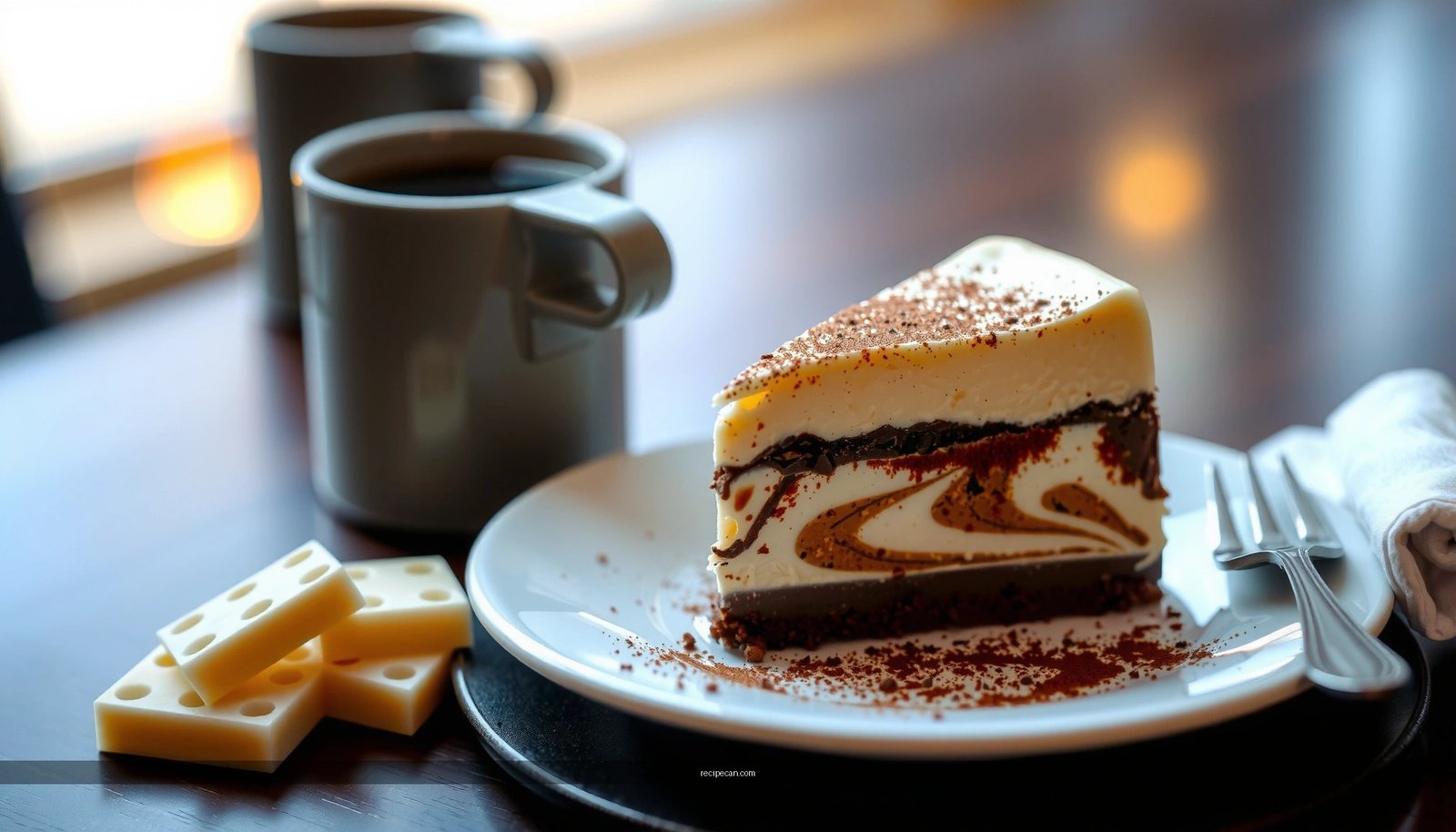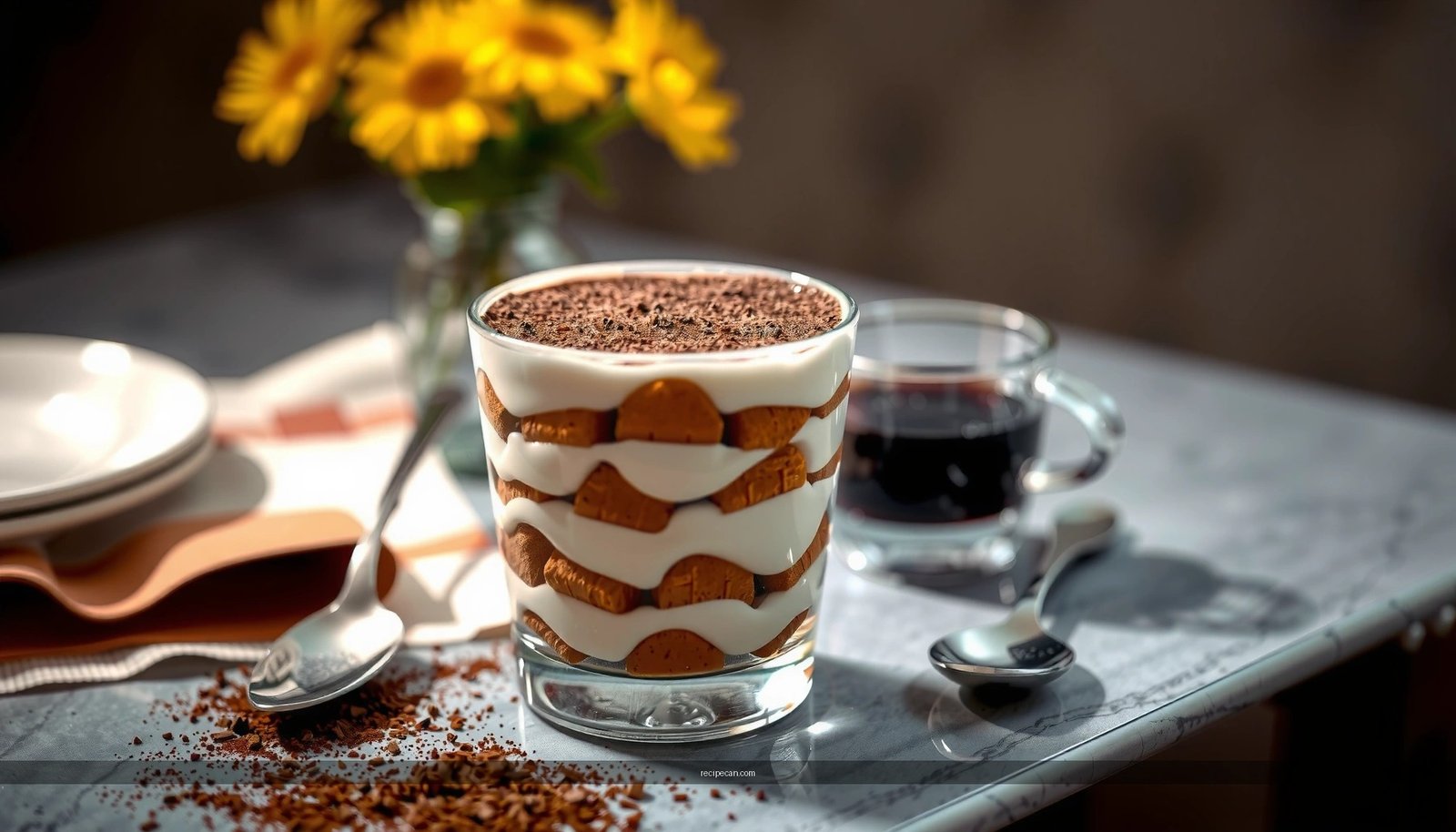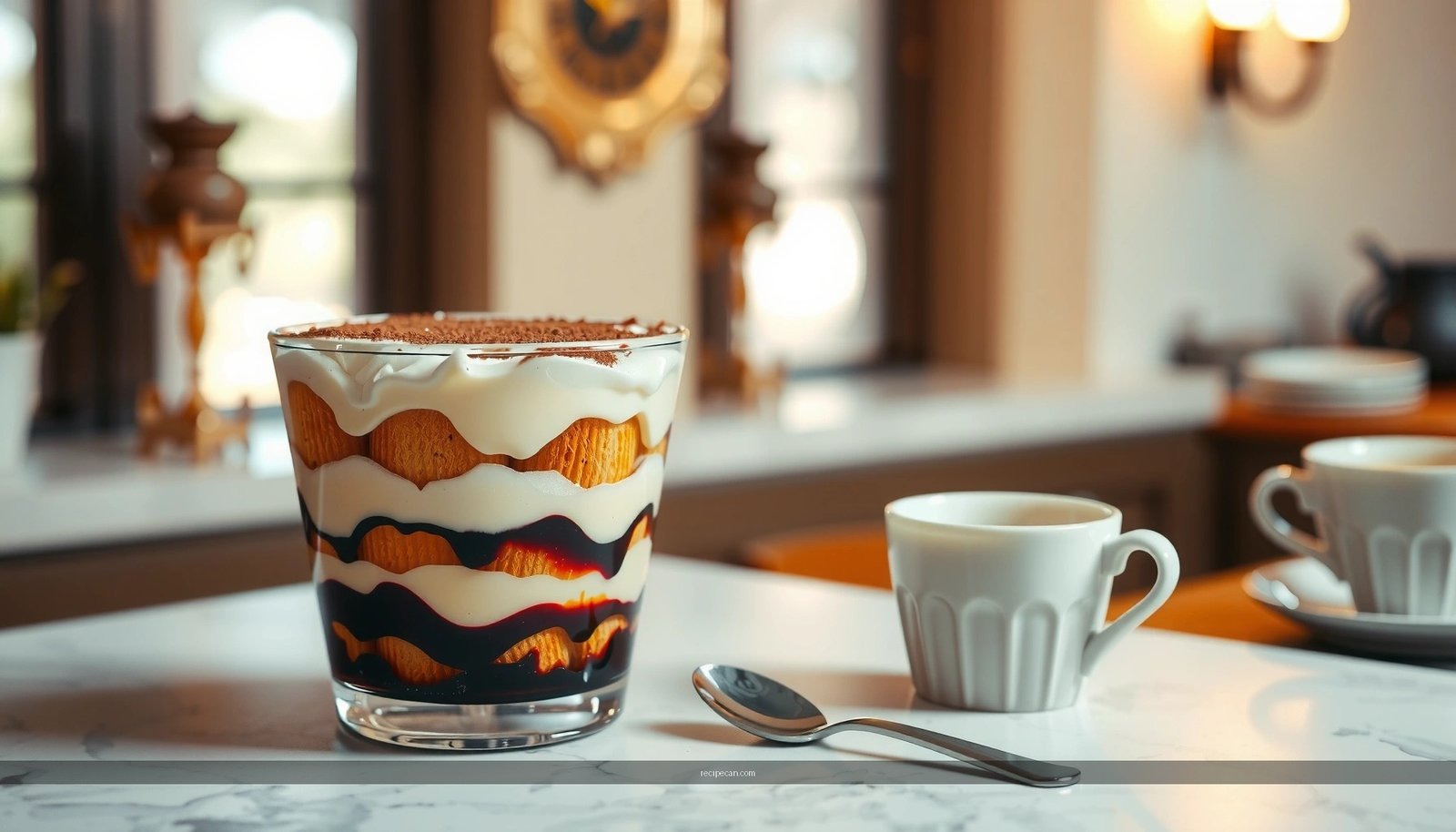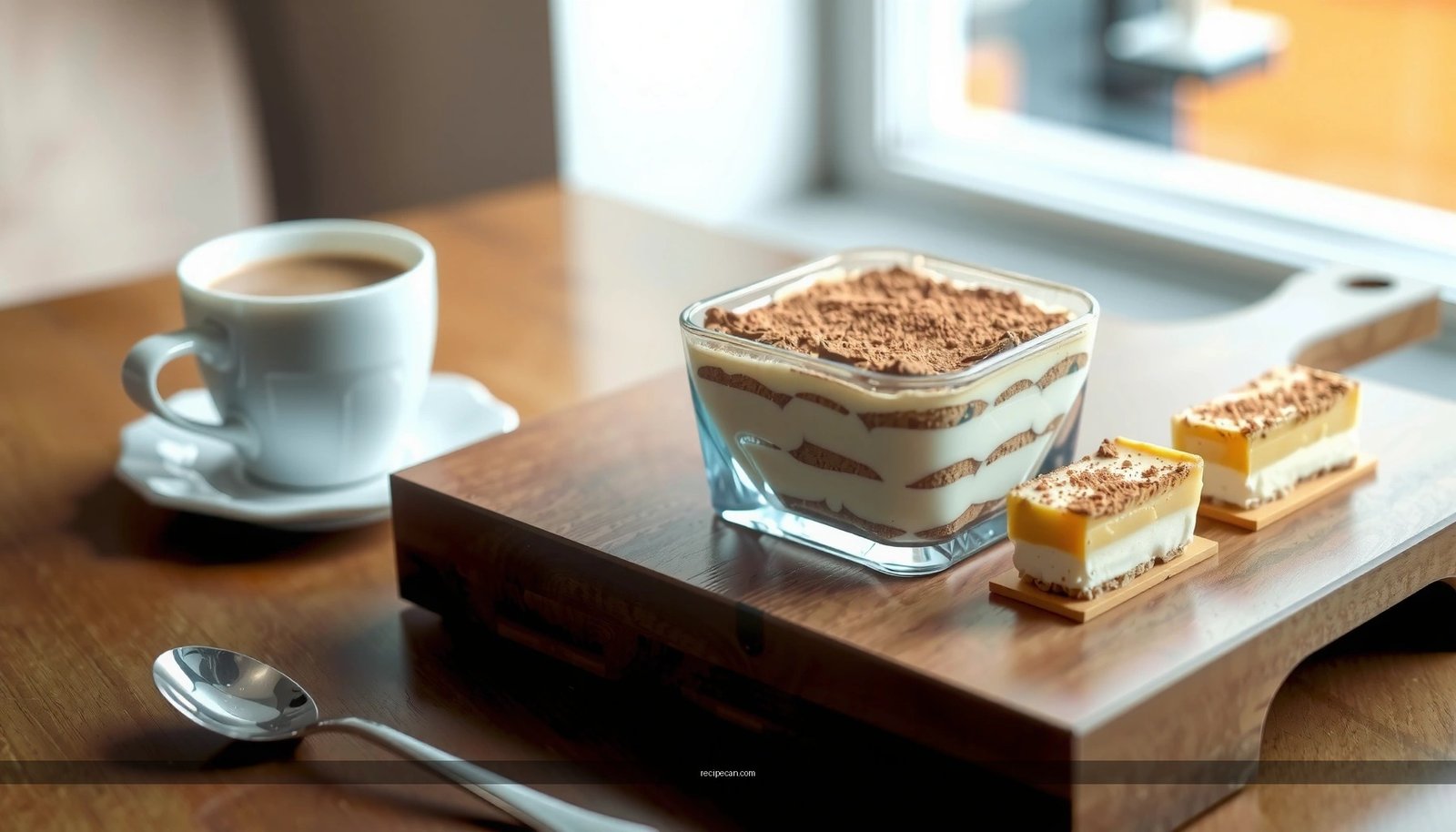
Want a tiramisu ladyfingers recipe that delivers classic flavor with minimal effort? This guide gives you the exact easy method for making (and soaking) ladyfingers that hold their shape and taste like authentic tiramisu. Follow it and you’ll get a creamy coffee-cocoa dessert with the right balance of sweetness and espresso intensity—every time.
Make tiramisu ladyfingers by quickly dipping savoiardi (ladyfingers) in espresso and layering them with a smooth mascarpone cream, then chilling until the texture sets. This classic tiramisu recipe is straightforward—yet it includes the key controls (espresso strength, soak timing, and proper chilling) that deliver bold coffee flavor and a light, rich filling every time.
Choose the Right Ingredients for Tiramisu Ladyfingers
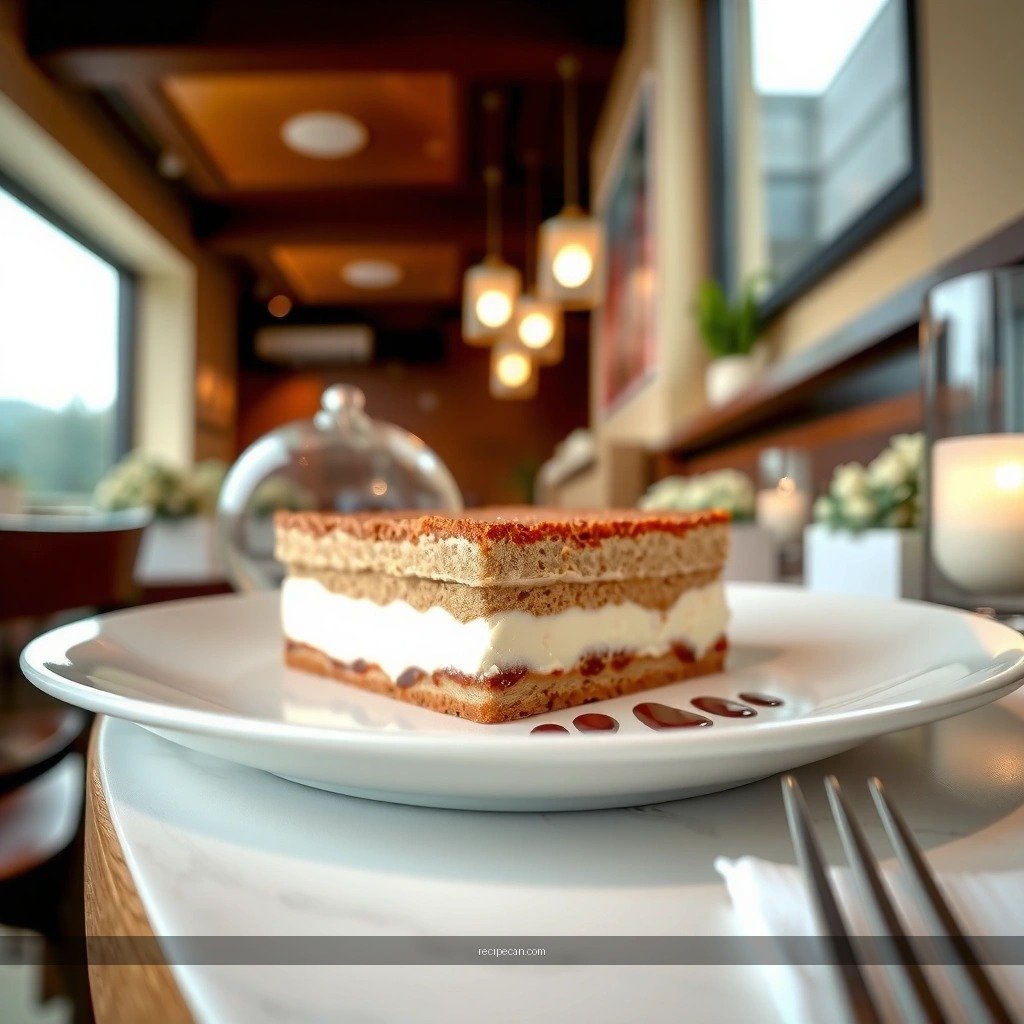
The quality of a classic tiramisu is determined upstream: the ladyfingers provide structure, the mascarpone provides body and creaminess, and the espresso provides the signature bitterness-to-sweet balance. If you want restaurant-level results, treat ingredient choice like a “spec” rather than a suggestion.
– Use savoiardi (ladyfingers) for the classic structure
Savoiardi are dry, crisp, and designed to absorb liquid without collapsing immediately. When purchasing, look for traditional, oblong savoiardi packaged specifically for tiramisu or similar uses. Avoid overly soft “cake cookies,” which can turn into mush during soaking.
– Make sure mascarpone, eggs, sugar, and coffee are fresh
Mascarpone should be creamy and not watery; overly loose mascarpone often signals separation. For eggs (used to create a fluffy custard-style base), use fresh eggs and keep them refrigerated until assembly. Sugar should dissolve cleanly—granulated works well, and powdered sugar is sometimes used for a tighter cream, but granulated is common in classic approaches.
– Use good espresso (or strong coffee) for the best flavor
Tiramisu relies on concentrated coffee taste, not just “coffee color.” For best results:
– Use espresso for intensity and authenticity.
– If you don’t have an espresso machine, brew strong coffee using a fine grind and higher coffee-to-water ratio.
– Cool the espresso slightly so the ladyfingers soak evenly rather than partially “cooking” the surface.
To support ingredient decisions, here’s a practical comparison of how each component affects the final tiramisu ladyfingers texture and flavor (including typical “what can go wrong” outcomes).
Key Tiramisu Ingredients: Performance Impact (Taste/Texture)
| # | Component | Ideal Choice | Observed Benefit | Risk if Substituted |
|---|---|---|---|---|
| 1 | Savoiardi (Ladyfingers) | Dry, crisp savoiardi | ★ Texture holds after soaking | Reduces slice cleanly |
| 2 | Mascarpone | Creamy, thick, cool temperature | ★ Smooth mouthfeel, stable cream | Can split or feel grainy |
| 3 | Eggs (for cream base) | Fresh eggs, consistent whipping | ★ Fluffiness and lightness | Weaker structure, runnier cream |
| 4 | Sugar (for balance) | Granulated, fully dissolved | ★ Even sweetness without grit | Undissolved sugar feels sandy |
| 5 | Espresso / Strong Coffee | Strong, not bitter-as-soap | ★ Signature bold coffee depth | Weak coffee tastes “missing” |
| 6 | Cocoa Powder (finish) | Unsweetened cocoa, fine sieve | ★ Classic bitter top note | Thick lumps or moisture issues |
| 7 | Salt (optional, but powerful) | Pinch to sharpen flavor | ★ Better coffee and sweetness clarity | Can feel flat without it |
Brew and Prep the Espresso Soaks
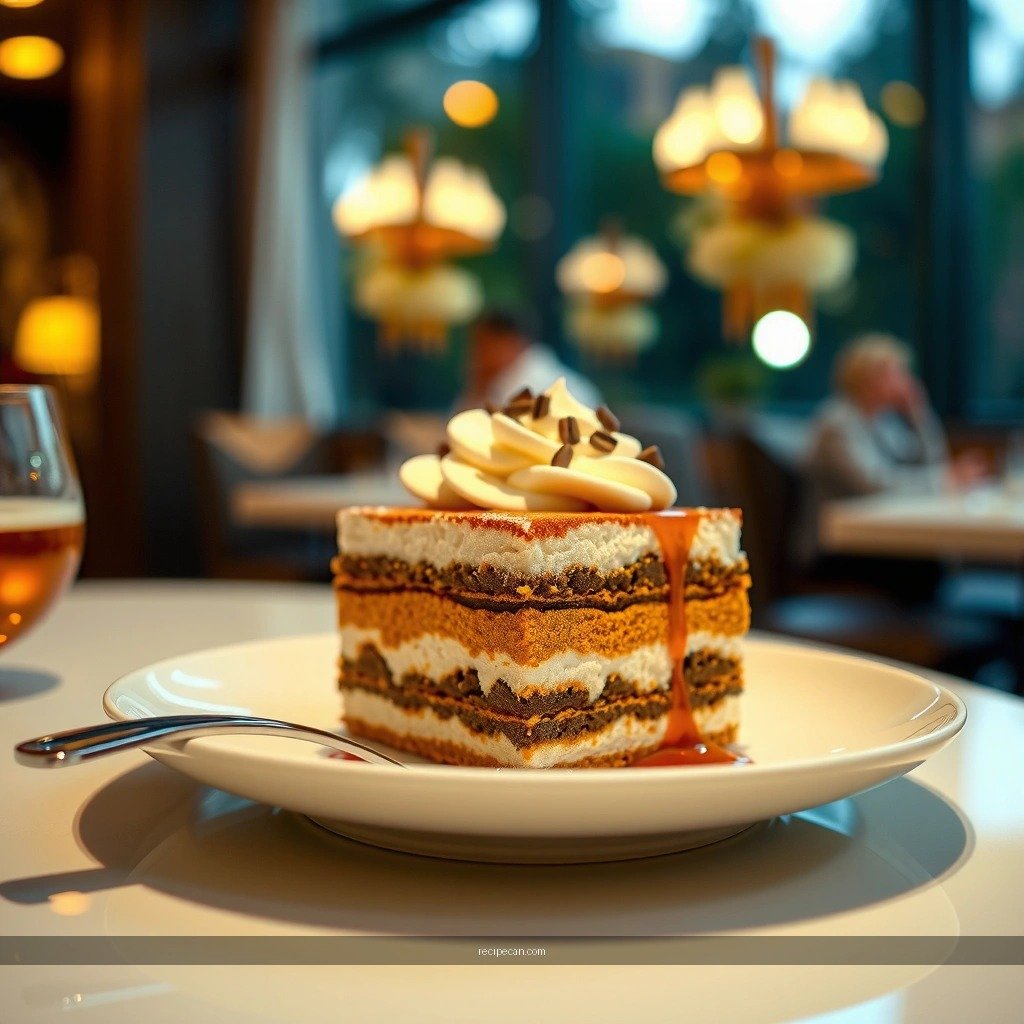
Soaking is where most homemade tiramisu drifts away from “classic.” The goal is controlled hydration: the ladyfingers should soften to a cake-like bite, but they must not dissolve.
– Brew espresso strong and let it cool slightly
Brew espresso (or strong coffee) and allow it to cool for a few minutes. Overly hot espresso can cause uneven absorption and can loosen the cream when it meets the chilled mascarpone layer.
– Add sugar to coffee if you want a sweeter soak
Traditional tiramisu typically balances sweetness between the cream and the coffee soak. Taste your espresso: if it’s very acidic or harsh, add a small amount of sugar while the coffee is warm so it dissolves fully. If your espresso is already smooth, you can skip extra sugar.
– Dip ladyfingers quickly to prevent sogginess
Dip each savoiardi briefly—think “dip and move,” not “soak and wait.” A quick dunk of a second or two per side is usually enough. Lay dipped ladyfingers down immediately so they absorb while staying intact.
Actionable method: If you’re assembling a full batch (not testing), set up a simple workflow: tray of ladyfingers, bowl of espresso, and the serving dish ready. Dipping should be rhythmic so timing stays consistent across the layer.
Mix the Mascarpone Cream (Light and Smooth)
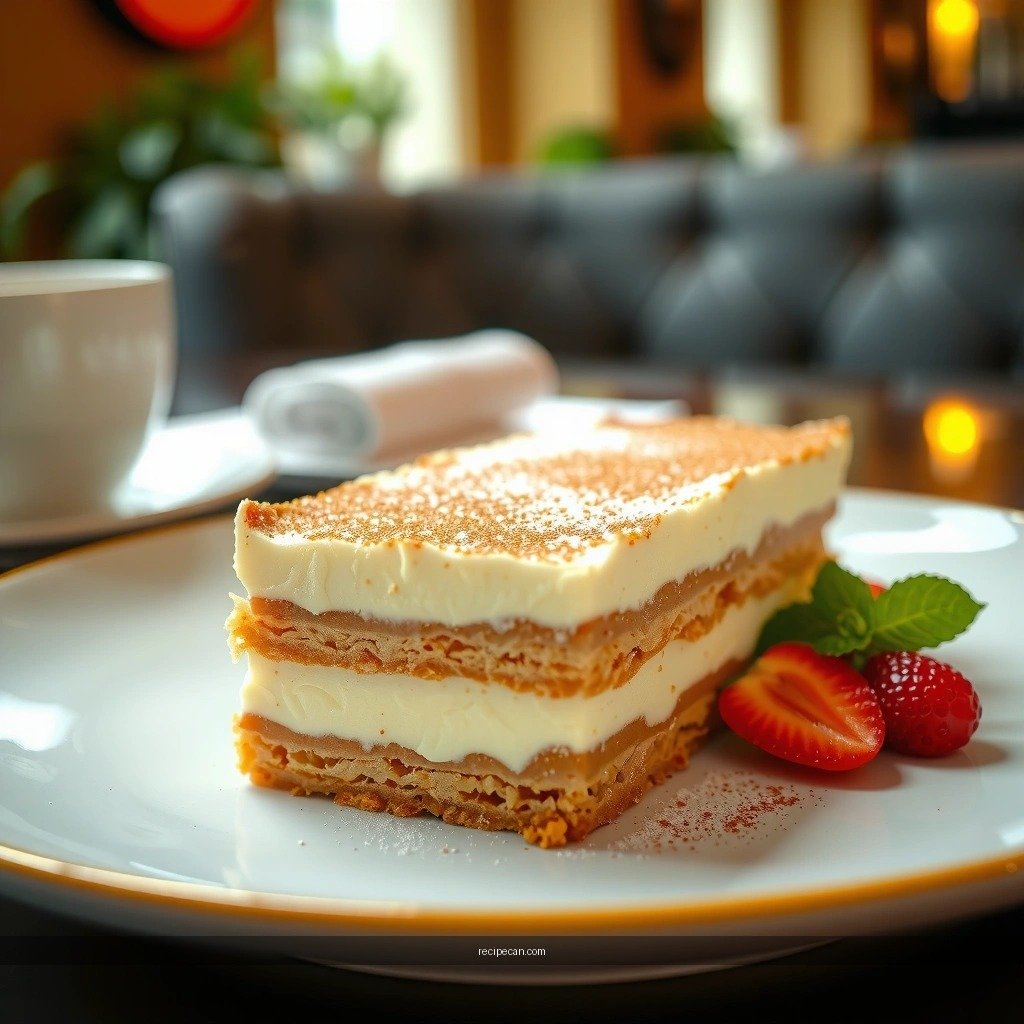
A classic tiramisu cream should be silky and light, not heavy or lumpy. The mascarpone’s job is to carry the coffee flavor without competing with it.
– Whip mascarpone until smooth to avoid lumps
Start by whisking mascarpone briefly on its own. This eliminates the common “curdled” lumps that can appear when colder mascarpone is mixed too aggressively or too quickly.
– Fold in whipped egg mixture gently for a lighter texture
If your cream uses eggs whipped with sugar (a common classic style), whip until noticeably lighter and slightly thicker. Then fold into mascarpone gently. Folding preserves air—your cream should feel fluffy but still cohesive. Overmixing deflates it and can lead to a dense, less delicate texture.
– Taste and adjust sweetness before assembling
Tiramisu is easier to balance before it’s assembled. Taste the cream:
– If it tastes bland, add a little sugar.
– If it’s too sweet, lean on stronger cocoa dusting later rather than adding more coffee.
– If it feels flat, a tiny pinch of salt can restore flavor clarity.
Quality control tip: Your finished cream should hold soft peaks and look uniform. If you see streaks or graininess, pause and correct before layering—because once assembled and chilled, those issues won’t “fix themselves.”
Assemble the Layers Correctly
Assembly determines both structure and the final “sliceability,” so be deliberate.
– Layer soaked ladyfingers with cream evenly
Place a layer of dipped savoiardi in an even pattern. Spread cream across the surface with a spatula, keeping thickness consistent. Uneven cream thickness causes soft spots that may collapse when served.
– Repeat layers for ideal height and balance
Most classic homemade tiramisu uses two or three layers depending on your dish size. Two layers create a balanced, elegant height; three layers create a taller presentation. Ensure each layer gets a comparable cream spread so the dessert sets uniformly.
– Smooth the top layer so it sets nicely
Smooth the final cream layer with the back of a spoon or offset spatula. A level top helps cocoa dusting look clean and makes slicing easier.
If you prefer an analytical approach: treat each layer as a “system.” Ladyfingers contribute softness; cream contributes viscosity and structure. When either is underweighted (too little cream) or overhydrated (too much soak), the system fails—either collapsing into a sponge-like texture or turning watery.
Chill and Set for the Best Flavor
Chilling is not optional for classic tiramisu. During refrigeration, coffee moisture disperses, cream proteins stabilize, and flavors merge into the signature harmony.
– Refrigerate at least 4–6 hours (overnight is best)
A minimum of 4–6 hours helps the layers hydrate evenly. Overnight chilling typically yields the cleanest slices and the most integrated flavor profile.
– Let flavors meld for a richer, deeper taste
Coffee notes mellow slightly while sweetness and dairy richness blend. This is when the dessert transitions from “assembled” to “finished.”
– Keep tiramisu covered to prevent drying
Cover with plastic wrap or a lid so the top cream does not form a dry skin. Drying dulls flavor and affects cocoa adhesion.
Operational note for service timing: dust with cocoa right before serving so the top remains aromatic and visually crisp instead of absorbing moisture and clumping.
Serve and Finish Like a Classic Tiramisu
The final step is the difference between “good dessert” and “classic tiramisu presentation.”
– Dust generously with cocoa powder right before serving
Use an even hand and a fine sieve. For best results, dust when the dessert is already cold, just before guests arrive.
– Add chocolate shavings if desired
Chocolate shavings can enhance texture and provide a richer finish. Keep shavings light so they don’t overpower the cocoa and espresso balance.
– Slice with a clean knife for neat portions
For clean slices: wipe the knife between cuts and use a gentle sawing motion. If the dessert is very cold, slices hold more cleanly—another reason chilling matters.
Serving idea: Pair with espresso or a lightly sweet dessert wine to highlight the bitterness-to-cream contrast. For a business-friendly hosting approach, plate ahead only if needed; otherwise, slice and present immediately for peak texture.
After chilling, this tiramisu ladyfingers recipe delivers the classic balance of coffee-soaked softness and creamy mascarpone richness. Follow the soak timing and chill step closely, then top with cocoa for the signature finish—make it today and serve it to impress.
Frequently Asked Questions
What ingredients do I need for a classic tiramisu ladyfingers recipe?
A typical tiramisu ladyfingers recipe uses ladyfingers, espresso (or strong coffee), mascarpone cheese, eggs (or egg-free alternatives), sugar, and cocoa powder. You’ll also want vanilla and a splash of coffee liqueur like Marsala or optional rum for extra flavor. For the best results, use high-fat mascarpone and freshly brewed espresso so the coffee flavor isn’t watery or bitter.
How do I prevent soggy or hard ladyfingers in tiramisu?
The key is quick dipping: dip each ladyfinger into espresso just long enough to coat, usually 1–3 seconds per side. If you soak them too long, the tiramisu becomes watery; if you don’t soak enough, the dessert can feel too firm. Let the assembled tiramisu chill for at least 4–6 hours (or overnight) so the layers soften evenly while keeping the texture creamy.
Why does my mascarpone mixture turn grainy or runny in tiramisu?
Grainy texture usually comes from over-heating the egg mixture or mixing too aggressively, especially if you temper incorrectly. Runny filling often happens when mascarpone is beaten too long or when eggs aren’t fully incorporated and chilled properly. To fix it, keep the tiramisu mixture at a gentle temperature during preparation and chill the mascarpone base before layering with ladyfingers for better stability.
Which coffee is best for a tiramisu ladyfingers recipe—espresso or instant?
Espresso is ideal because it’s concentrated and delivers a deep tiramisu coffee flavor that balances the sweetness of mascarpone. Instant coffee can work in a pinch, but dissolve it fully in hot water and taste to ensure it’s strong enough—otherwise your tiramisu may taste weak. For consistent results, aim for coffee that’s bold and aromatic, since the ladyfingers will absorb only a limited amount during dipping.
What’s the best way to make tiramisu ahead of time and store leftovers?
Tiramisu tastes best after chilling, so prepare it at least 4–6 hours ahead, with overnight storage in the fridge giving the most cohesive texture. Cover it well to prevent the cocoa topping and filling from drying out. Store leftovers refrigerated for up to 2–3 days; freezing isn’t recommended because the mascarpone and ladyfingers can lose their creamy texture.
References
- Tiramisu
https://en.wikipedia.org/wiki/Tiramisu - https://en.wikipedia.org/wiki/Ladyfinger_(biscuit
https://en.wikipedia.org/wiki/Ladyfinger_(biscuit - Ladyfingers (biscuits)
https://en.wikipedia.org/wiki/Savoiardi - Mascarpone
https://en.wikipedia.org/wiki/Mascarpone - Espresso
https://en.wikipedia.org/wiki/Espresso - Marsala
https://en.wikipedia.org/wiki/Marsala - Cocoa powder
https://en.wikipedia.org/wiki/Cocoa_powder - Google Scholar Google Scholar
https://scholar.google.com/scholar?q=tiramisu+recipe - Google Scholar Google Scholar
https://scholar.google.com/scholar?q=ladyfingers+savoiardi+recipe - Google Scholar Google Scholar
https://scholar.google.com/scholar?q=mascarpone+tiramisu+composition