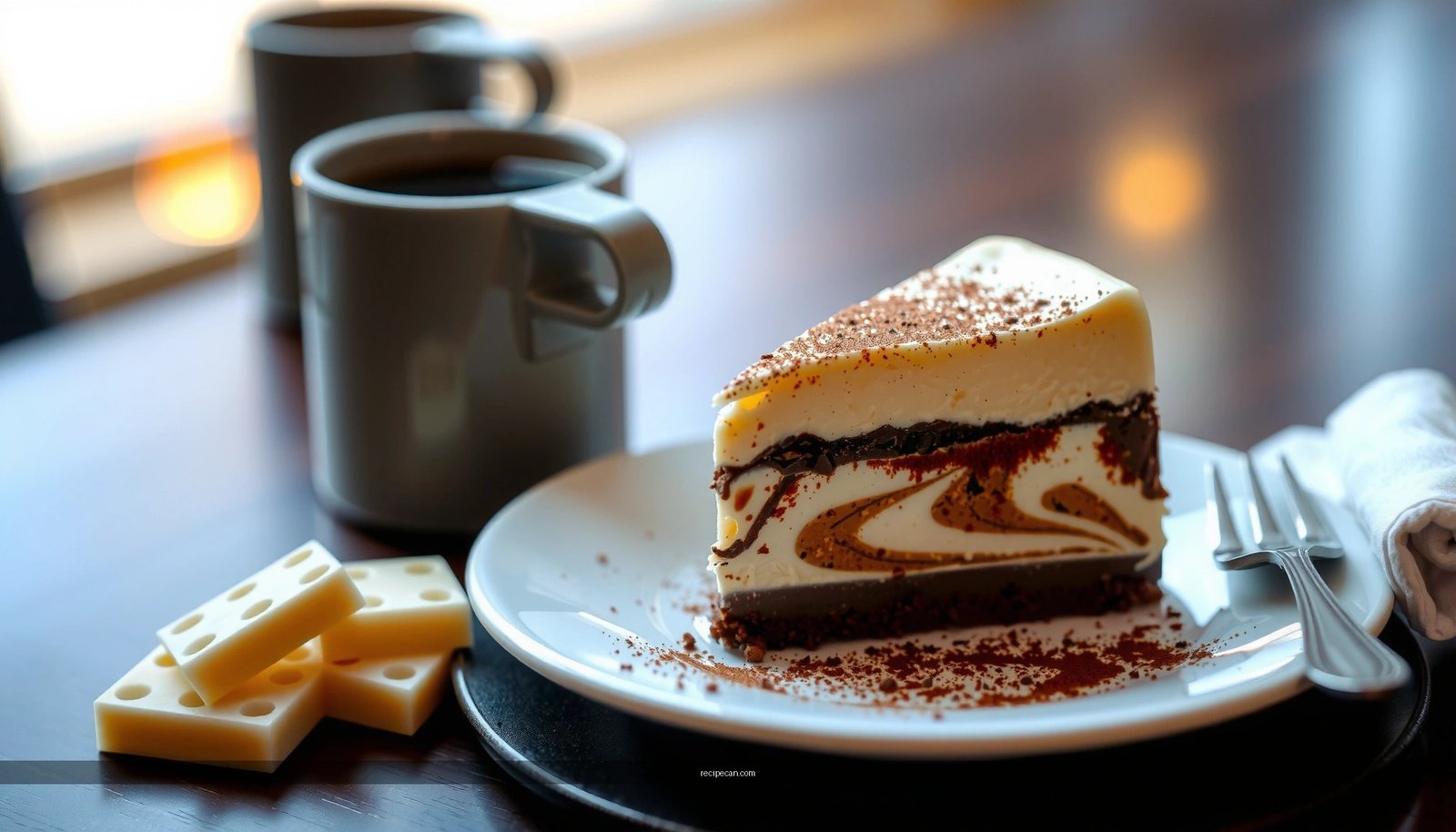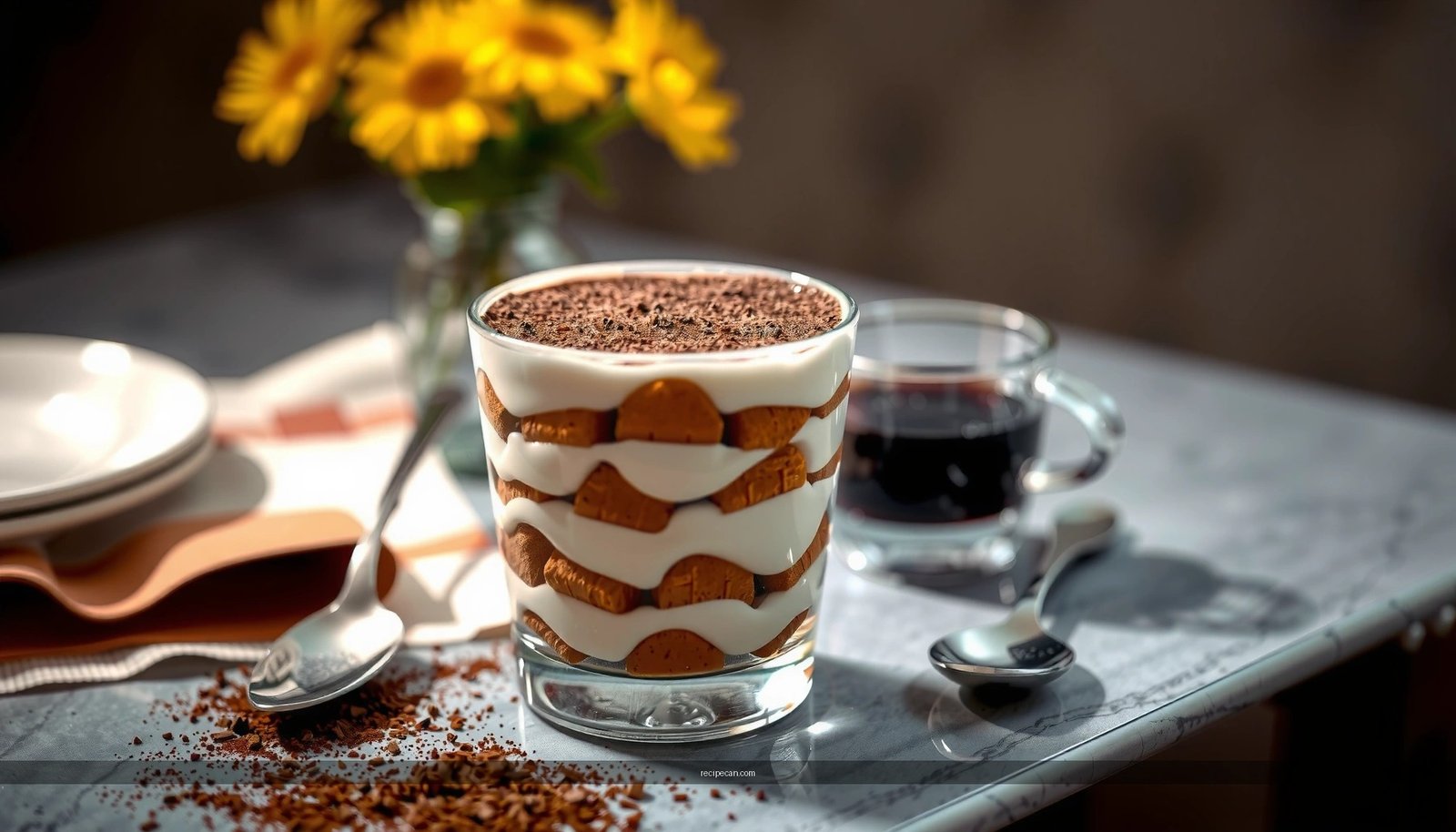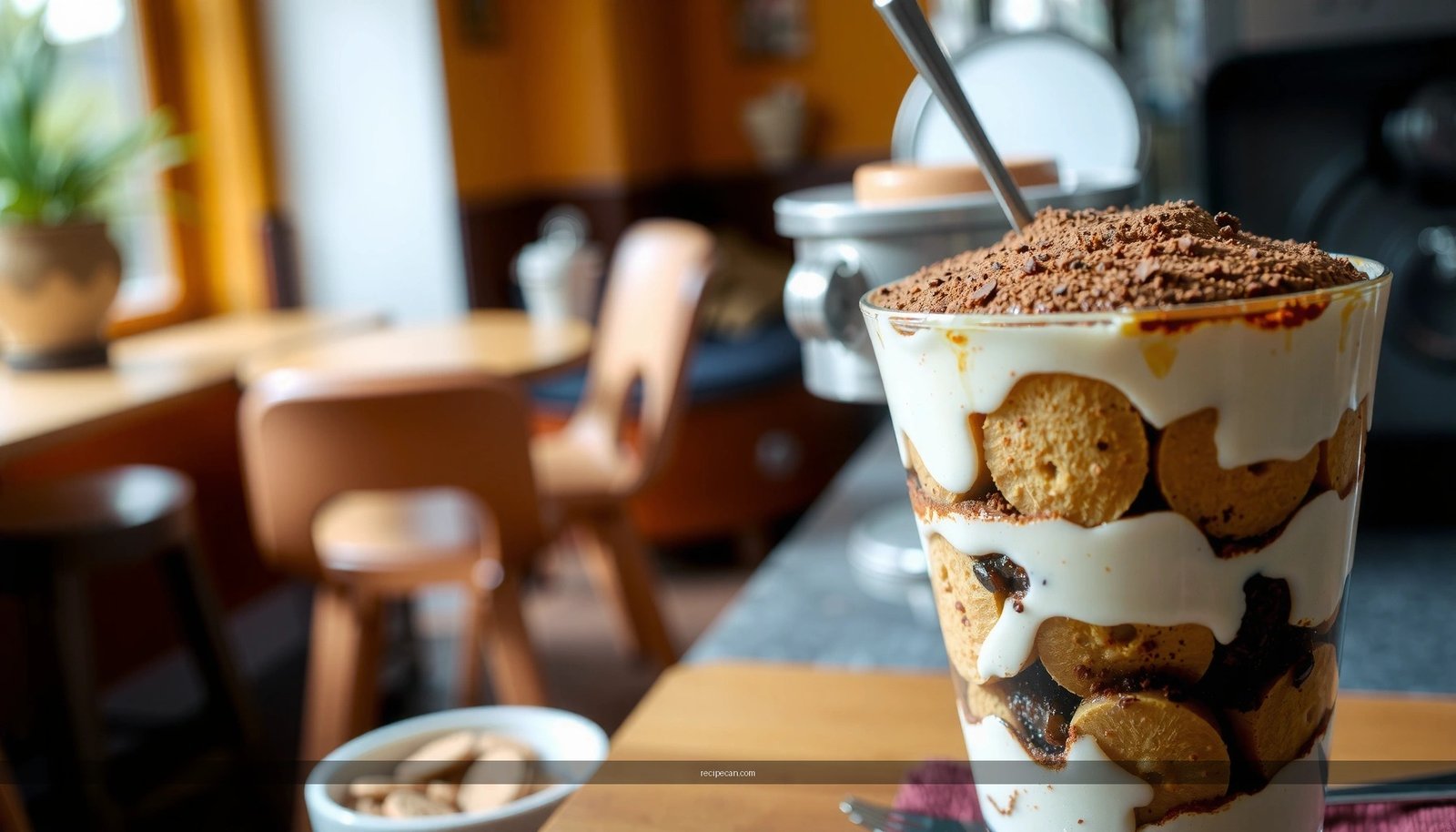
Get the best Italian tiramisu recipe that delivers creamy perfection every time, with a classic mascarpone filling and properly soaked ladyfingers instead of a soggy mess. This recipe answers the exact question of what makes tiramisu taste rich, hold its shape, and stay silky after chilling. Follow these tested tips—coffee strength, egg handling, and assembly order—and you’ll produce the most reliable version of this Italian classic.
The best Italian tiramisu recipe delivers creamy mascarpone, clean espresso flavor, and perfectly timed ladyfinger dipping so the dessert never turns watery. If you follow the classic layering method—quick dip, gentle whip, level assembly, then a real chill—you’ll get the signature “spoonable” texture every time, not a soggy trifle.
If tiramisu has ever disappointed you, it’s usually for predictable reasons: mascarpone that wasn’t mixed smoothly, espresso that was too hot or too watery, or ladyfingers dipped too long. The goal isn’t to soak the cookies—it’s to coat them just enough to soften the crumb while preserving structure. Below, you’ll find the classic approach and the exact practical choices that keep your dessert creamy, stable, and intensely flavorful.
Tiramisu Success Factors for a Creamy, Non-Soggy Result
| # | Recipe Variable | Recommended Target | Chef Rating | Impact on Texture |
|---|---|---|---|---|
| 1 | Ladyfinger Dip Time | 1–2 sec/side | ★★★★★ | Very High |
| 2 | Espresso Temperature Before Dipping | Warm, not hot (≈40–55°C) | ★★★★☆ | High |
| 3 | Mascarpone Mixing Method | Smooth first, then fold | ★★★★★ | Very High |
| 4 | Whip/Fold Technique | Gentle fold to keep air | ★★★★☆ | High |
| 5 | Mascarpone Consistency | No lumps; no overbeating | ★★★★★ | Very High |
| 6 | Chill Time | ≥4 hours (overnight ideal) | ★★★★★ | Very High |
| 7 | Cocoa Timing | Sift right before serving | ★★★★☆ | Medium-High |
Choose the Right Ingredients
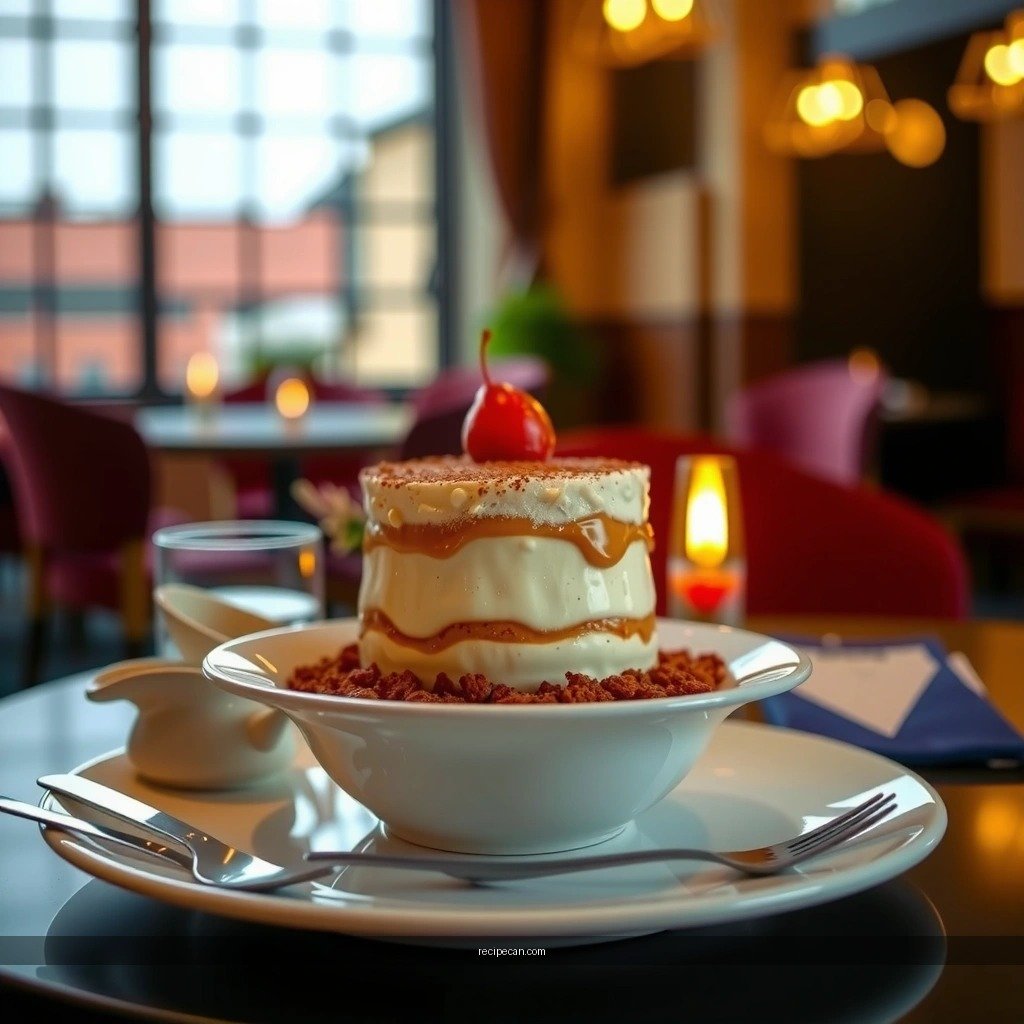
Great tiramisu begins with ingredient quality because the dessert is simple: mascarpone, eggs (often), espresso, ladyfingers, sugar, and cocoa. When each component performs well on its own, the final blend tastes “classic” rather than merely sweet.
– Use high-quality mascarpone and fresh eggs (or a safe alternative).
Mascarpone should be thick and smooth, not watery. If you’re using raw eggs, make sure they’re very fresh and sourced responsibly. For a business-friendly, low-risk workflow (and for hosts who prefer extra assurance), use pasteurized eggs or a reliable tempered-custard approach from a trusted recipe variant. Either way, avoid overmixing after introducing eggs—tiramisu cream should stay silky, not dense.
– Pick strong espresso (or espresso + coffee) for bold flavor.
Tiramisu is coffee-forward, but it’s not a coffee drink—it’s a dessert. Use strong espresso so the flavor holds up once diluted by quick dipping. If you don’t have an espresso machine, brew a concentrated coffee (or use an espresso-style coffee) and keep it consistent batch-to-batch.
– Use authentic ladyfingers and good cocoa powder for the finish.
Ladyfingers (savoiardi) are designed to absorb moisture without collapsing instantly. If you use substitutes that are too soft, the tiramisu will lose structure. For cocoa, choose a pure unsweetened variety (often “dutch cocoa” or naturally processed) so the bitterness balances the cream.
Key ratio target (for structure)
For a standard 8×8 inch (20×20 cm) pan (about 6–8 servings), a dependable classic baseline is:
– Mascarpone: ~400–500 g
– Ladyfingers: ~20–26 pieces (enough for two layers)
– Espresso: ~1 to 1.5 cups total, depending on how quickly you dip
These ranges matter because tiramisu fails when cream-to-cookie balance is off—too much liquid or too few cookies yields a wetter crumb.
Prepare the Perfect Espresso Dip
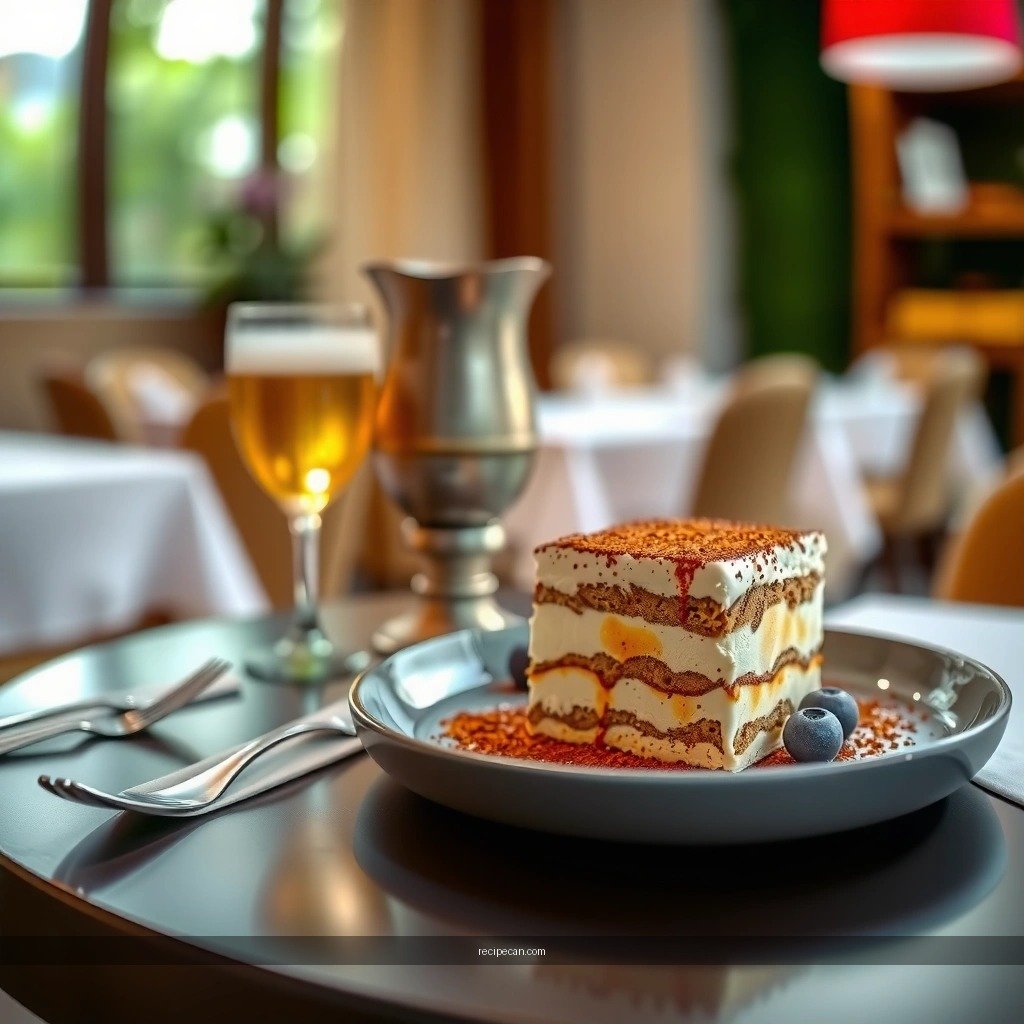
Espresso dipping is where most “soggy tiramisu” problems originate. The classic method aims for controlled moisture: soften the ladyfingers enough to bind flavor, but not enough to dissolve them.
– Brew espresso strong and let it cool slightly before dipping.
Dipping with boiling-hot coffee makes ladyfingers collapse faster. Cool to warm rather than hot (roughly room temperature or just slightly warm), so absorption happens gradually.
– Dip ladyfingers quickly—just 1–2 seconds per side.
Think “coat,” not “bathe.” A quick dip ensures each side becomes aromatic and tender, while the sponge retains firmness during layering.
– Avoid soaking to keep the layers firm, not watery.
If you see excess espresso dripping back into the cup, you dipped too long. Also, keep the espresso in a shallow bowl so access is fast and your timing is consistent.
Practical technique
Work in batches. Dip, place, and move on. If you hesitate mid-transfer, your “1–2 seconds” becomes 6–10 seconds, and your dessert will reflect it. For best results, assign one person to dip and another to place if you’re cooking with a partner.
Whip the Mascarpone Cream Correctly

Classic tiramisu cream should be smooth, light, and stable—never grainy, curdled, or overly stiff. Technique matters as much as ingredient choice.
– Whisk mascarpone until smooth before combining.
Mascarpone often starts slightly uneven. Whisk it until it becomes glossy and consistent before folding in other components (such as whipped whites or egg mixture).
– Fold gently to keep the mixture light and creamy.
Folding preserves air for a lighter texture and better spoon feel. Overmixing after incorporating eggs or whipped elements can deflate the cream and create a heavier mouthfeel.
– Taste for sweetness and adjust if needed.
Different espresso bitterness levels affect perceived sweetness. If your espresso is more intense, slightly increase sugar (or add a touch more if your filling tastes sharply bitter). The goal is balance—coffee notes should be present, not harsh.
Avoid these common texture killers
– Overbeating after cream is fully formed → can turn mascarpone grainy or make it feel overly dense.
– Undercooking if you’re tempering eggs → unsafe texture and flavor. Use a reliable method, monitor thickness carefully, and chill promptly.
Layer Like Classic Italian Tiramisu
Layering is not just presentation—it directly influences texture. Even layers prevent “coffee pockets,” guarantee consistent cream coverage, and make slicing cleaner.
– Create even layers: cream, dipped ladyfingers, then cream again.
Many classic recipes start with cream, add a layer of quickly dipped ladyfingers, then cap with more cream. This prevents dry cookie edges and helps create a stable base.
– Spread the cream to edges for a clean, consistent structure.
If the cream doesn’t reach the corners, cookies may dry out or absorb moisture unevenly. Use an offset spatula if you have one.
– Repeat layers and keep everything level.
Level layers ensure each spoonful includes the right balance of coffee-soaked sponge and mascarpone cream. Uneven layers often appear watery in the dips and underwhelming in the cream.
Mini workflow blueprint
1. Line your pan or use lightly buttered sides for easier serving.
2. Dip ladyfingers quickly and place immediately.
3. Spread cream evenly with the back of a spoon or spatula.
4. Repeat for the second layer.
5. Smooth the top layer so chilling sets a uniform finish.
Chill for the Best Texture
Tiramisu is a “set” dessert. The chilling period allows moisture to distribute evenly and flavors to meld while the cream stabilizes in the cold.
– Refrigerate at least 4 hours (overnight is even better).
Four hours can work, but overnight produces the most cohesive texture—coffee softness becomes integrated, not abrupt.
– Cover to prevent the top from drying out.
Use plastic wrap directly on the surface (or a lid if it fits). Air exposure can dull texture and reduce the elegance of the top layer.
– Add cocoa right before serving for maximum freshness.
Cocoa absorbs moisture over time, which can lead to a muted, slightly damp topping. Fresh sifting creates the classic visual contrast: dark cocoa over pale cream.
Storage expectations
– Refrigerate covered.
– Consume within 2–3 days for best cream integrity and espresso flavor clarity.
Serve and Finish with Style
The final step isn’t decoration—it’s part of the sensory experience. A well-finished tiramisu looks Italian and tastes even better.
– Sift cocoa evenly over the top for a classic look.
Use a fine mesh sieve and keep your hand steady. For a professional finish, aim for coverage in a thin, uniform layer rather than heavy piles.
– Slice with a clean knife for neat portions.
Wipe the knife between cuts to avoid dragging cream and ladyfinger fragments. Clean edges make the layers visually consistent, which matters for entertaining.
– Serve cold, ideally the next day for best flavor.
The second day often delivers the most balanced texture. If you’re hosting, plan ahead: make it the day before for the smoothest, most reliable results.
Optional serving upgrades (still classic)
– Serve with espresso on the side (not too strong, so it complements rather than competes).
– Garnish lightly with dark chocolate shavings if desired, but keep the cocoa as the hero.
The best Italian tiramisu recipe comes down to the right ingredients, quick espresso dipping, and proper chilling for that signature creamy texture. Follow the steps above, use the classic layering method to control moisture, and let time do its work in the refrigerator—then adjust espresso strength or sweetness to match your palate. Make it once, taste confidently, and you’ll quickly land on the exact version of creamy tiramisu that wins every time.
Frequently Asked Questions
What makes the best Italian tiramisu recipe taste so authentic?
The best Italian tiramisu recipe relies on classic ingredients and correct technique: espresso-soaked savoiardi (ladyfingers), mascarpone cheese, fresh eggs, and a balanced amount of sugar. Authentic flavor comes from strong, freshly brewed coffee that’s cooled slightly, along with a smooth mascarpone mixture that isn’t overmixed. Many recipes also call for cocoa powder on top right before serving so the tiramisu stays fresh and not soggy.
How do you prevent tiramisu from getting soggy when using espresso?
To avoid sogginess, quickly dip the savoiardi in espresso—usually just 1–2 seconds per side—so they absorb flavor without collapsing. Use espresso that’s cooled to room temperature (or slightly warm) rather than hot, which can oversaturate the cookies. Layer promptly and let the tiramisu chill in the fridge long enough to set, typically 4–6 hours, for the best texture.
Why do some tiramisu recipes use raw eggs, and how can you make it safer?
Traditional Italian tiramisu often uses egg yolks (sometimes with egg whites) whipped into the mascarpone for a rich, creamy structure. If you’re concerned about raw eggs, choose a pasteurized egg product or use a method that gently heats the yolks with sugar (a cooked custard approach) before combining with mascarpone. This keeps the classic taste while improving food safety.
Which mascarpone texture is best for the best Italian tiramisu recipe?
For the best Italian tiramisu recipe, choose high-quality mascarpone that’s thick, creamy, and free of excess liquid. If your mascarpone seems runny, gently drain off any whey or ensure it’s cold before mixing—warm mascarpone can lead to a looser filling. When combining, mix just until smooth so you get a stable cream layer that holds its shape.
What’s the best way to layer and chill tiramisu for the perfect flavor and presentation?
Start with a thin layer of mascarpone at the bottom, then add a single layer of espresso-dipped savoiardi, and repeat until you reach your desired height. Keep layers even and avoid over-soaking the cookies so each bite has balanced cream-to-cookie ratio. For best results, refrigerate at least 4 hours (overnight is even better) and add cocoa powder and any toppings right before serving to keep the surface from absorbing moisture.
References
- Tiramisu
https://en.wikipedia.org/wiki/Tiramisu - Tiramisu | Meaning, Ingredients, Origin, Desserts, & Taste | Britannica
https://www.britannica.com/topic/tiramisu - https://www.bbc.co.uk/food/recipes/tiramisu_70369
https://www.bbc.co.uk/food/recipes/tiramisu_70369 - https://www.theguardian.com/lifeandstyle/2010/may/29/tiramisu-recipe
https://www.theguardian.com/lifeandstyle/2010/may/29/tiramisu-recipe - https://cooking.nytimes.com/recipes/1019236-tiramisu
https://cooking.nytimes.com/recipes/1019236-tiramisu - Google Scholar Google Scholar
https://scholar.google.com/scholar?q=best+italian+tiramisu+recipe - Google Scholar Google Scholar
https://scholar.google.com/scholar?q=tiramisu+mascarpone+eggs+safety+recipe - Google Scholar Google Scholar
https://scholar.google.com/scholar?q=italian+dessert+tiramisu+origin+recipe+methods - Google Scholar Google Scholar
https://scholar.google.com/scholar?q=the+best+italian+tiramisu+recipe - the best italian tiramisu recipe – Search results
https://en.wikipedia.org/wiki/Special:Search?search=the+best+italian+tiramisu+recipe