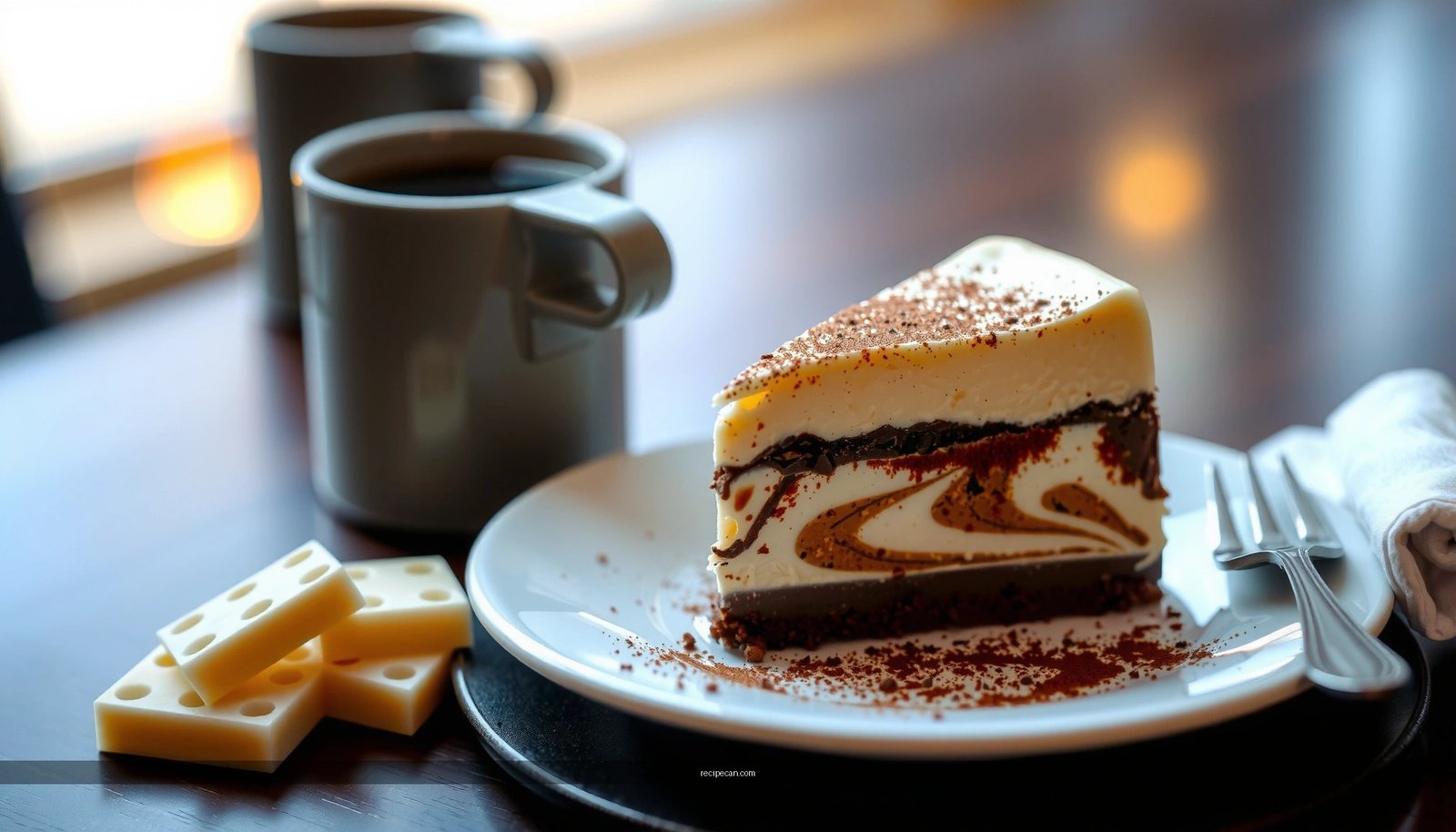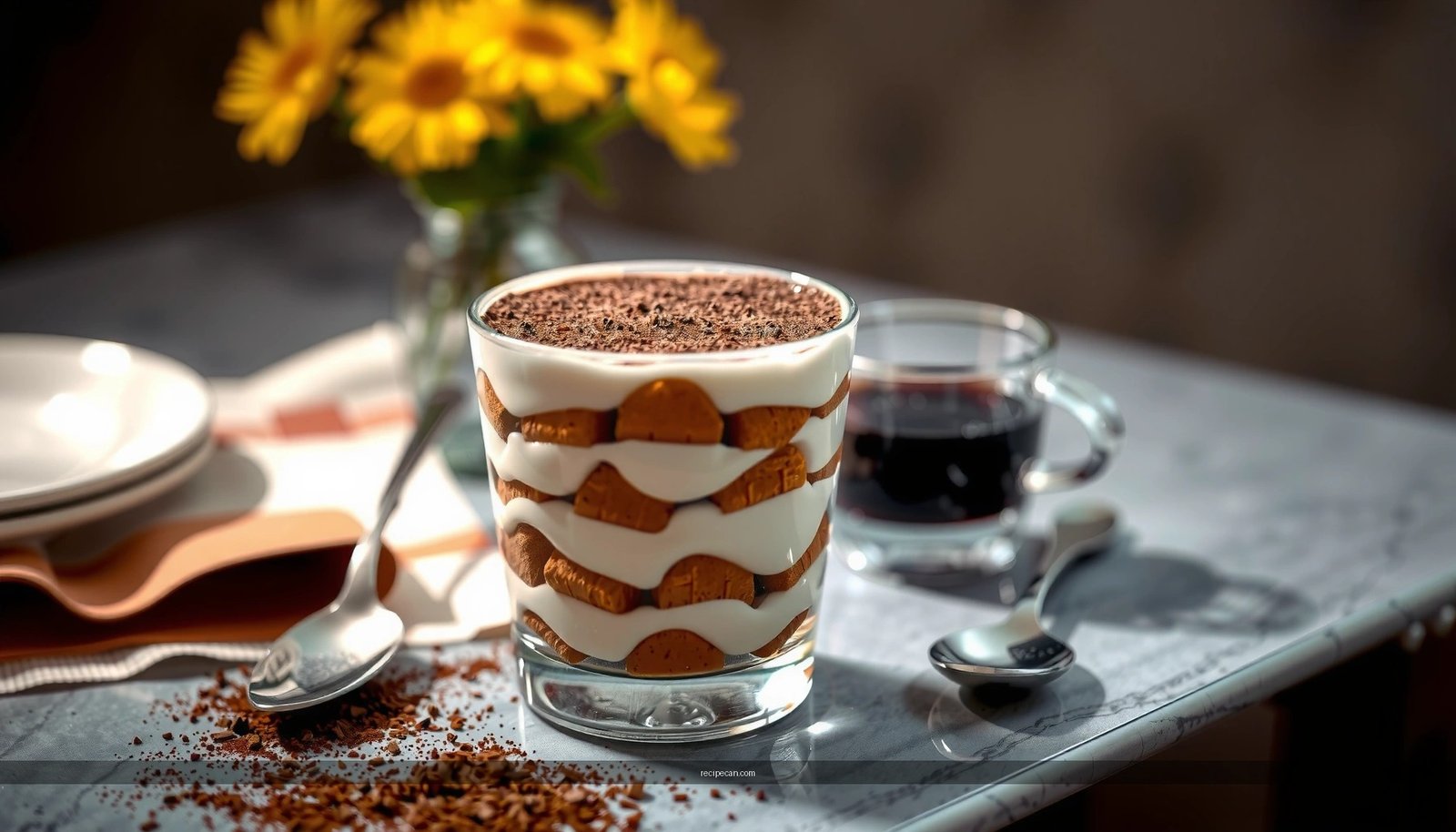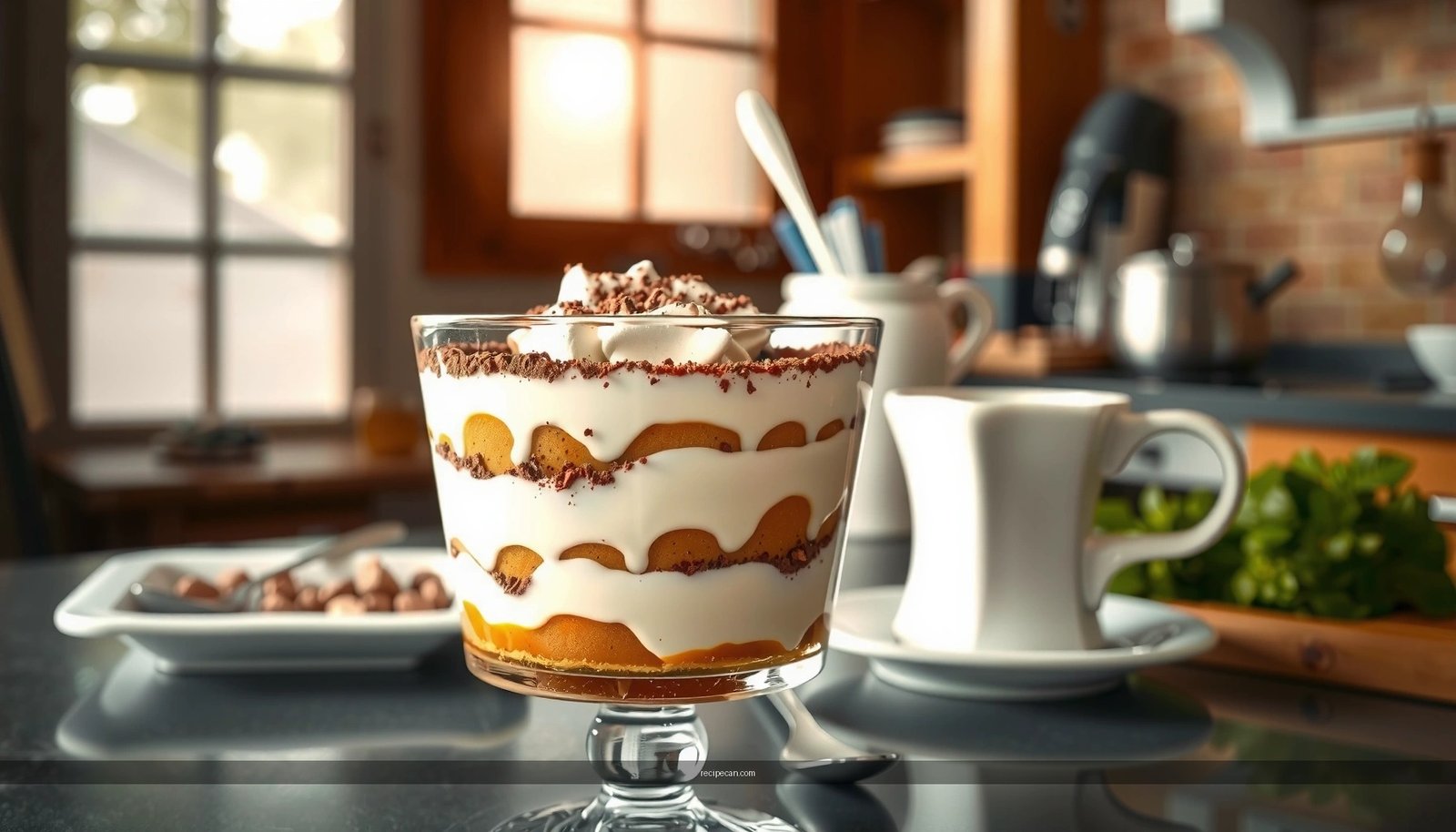
Get a step-by-step classic tiramisu recipe that delivers the real, coffee-soaked, mascarpone-rich dessert—no guesswork. This method walks you through making the creamy filling, dipping the ladyfingers just right, and assembling the tiramisu so it sets cleanly and tastes like the best Italian version. If you want the one technique that wins for texture and flavor, follow these exact steps.
Classic tiramisu is best made by layering quick espresso-soaked ladyfingers with a light mascarpone cream, then chilling until the structure sets—usually overnight. This step-by-step recipe walks you through the ingredients, the custard-like filling (with practical options), assembly technique, and the best chilling time for classic flavor and silky texture.
Ingredients for Tiramisu

– Gather mascarpone, eggs (or eggless option), sugar, espresso, and ladyfingers
– Use cocoa powder for the final dusting
– Optional: add vanilla or a splash of coffee liqueur
A classic tiramisu is deceptively simple: it’s the balance of rich mascarpone, the gentle sweetness from sugar, and the contrast of bold espresso and cocoa. For a standard 8×8-inch (or similar) dish, plan your ingredients around layering consistency—ladyfingers should absorb flavor without collapsing, and the cream should hold soft peaks so the dessert slices cleanly.
Core classic ingredients (recommended):
– Mascarpone cheese: the defining ingredient; full-fat mascarpone gives stability and the signature creamy mouthfeel.
– Egg yolks (and whites if using a full “mousse-style” method): help create a custard-like filling texture when combined with sugar.
– Sugar: sweetens and also helps the yolks emulsify for a smoother cream.
– Espresso (or very strong coffee): should taste like “espresso,” not like diluted drip. If espresso isn’t available, use strong brewed coffee and reduce it slightly by using less water.
– Ladyfingers (savoiardi): crisp enough to soak quickly without turning to paste.
Flavor enhancers (optional but common in high-quality versions):
– Vanilla: adds warmth to the mascarpone cream, especially if your espresso is more bitter than fruity.
– Coffee liqueur (e.g., Marsala, Amaretto, or similar): a small splash can deepen aroma. Use sparingly so it doesn’t overpower the coffee.
Practical note on food safety & texture:
Traditional tiramisu uses raw or lightly cooked eggs in some versions. If you prefer extra confidence, use the eggless method outlined in the mascarpone cream steps below, or use pasteurized eggs.
Tiramisu Key Factors & Expected Outcome
| # | Factor | Recommended Target | Texture Impact | Outcome Score |
|---|---|---|---|---|
| 1 | Espresso strength | 6–9 g coffee / 30 ml (or equivalent strong brew) | Clean coffee flavor, less dilution | ★★★★★ (5.0) |
| 2 | Ladyfinger soak time | 1–2 seconds per side | Holds shape, still tastes soaked | ★★★★★ (4.8) |
| 3 | Cream mixing speed | Whisk smooth, then fold gently | Light structure, fewer lumps | ★★★★☆ (4.5) |
| 4 | Chilling time | Overnight (8–12 hours) | Best sliceability, flavors meld | ★★★★★ (5.0) |
| 5 | Cocoa timing | Dust right before serving | Prevents cocoa from absorbing moisture | ★★★★☆ (4.6) |
| 6 | Cream thickness control | If needed, fold in 1–2 tbsp cream or mascarpone | Improves layer separation | ★★★☆☆ (3.2) |
| 7 | Soak overlap (overhandling) | Limit soaking batches to 6–8 ladyfingers | Prevents mushy layers | ★★☆☆☆ (2.4) |
Make the Espresso Soak

– Brew strong espresso and let it cool slightly
– Dip ladyfingers quickly—too long will make them soggy
– Keep the coffee ready for smooth, even layering
The espresso soak is where many tiramisu attempts succeed or fail. You want ladyfingers to absorb coffee flavor, not to dissolve. Start by brewing strong espresso and letting it cool to warm or room temperature—hot coffee can soften ladyfingers unevenly and start melting the cream temperature balance.
How to dip correctly (the “control” technique):
1. Pour espresso into a shallow bowl so you can work quickly.
2. Dip each ladyfinger for 1–2 seconds per side.
3. Lay immediately on a tray or directly into your dish.
4. Work in small batches (e.g., 6–8 ladyfingers) to maintain timing accuracy.
Why “quick dip” matters analytically:
Ladyfingers are porous and will continue to hydrate after removal. Over-soaking doesn’t just add flavor—it increases free liquid, which later weakens cream structure and can cause watery pooling. A short dip creates a gradient: surface coffee flavor without internal breakdown.
Optional enhancements to the soak:
– Stir in 1–2 teaspoons sugar if your espresso is sharply bitter.
– Add a small splash of coffee liqueur only if you’re confident it won’t thin your soak. For adult-only desserts, this can add depth without changing the classic identity.
– For a more “bakery-style” flavor, use a dark roast and slightly reduce extraction strength by using less water.
Prepare the Mascarpone Cream
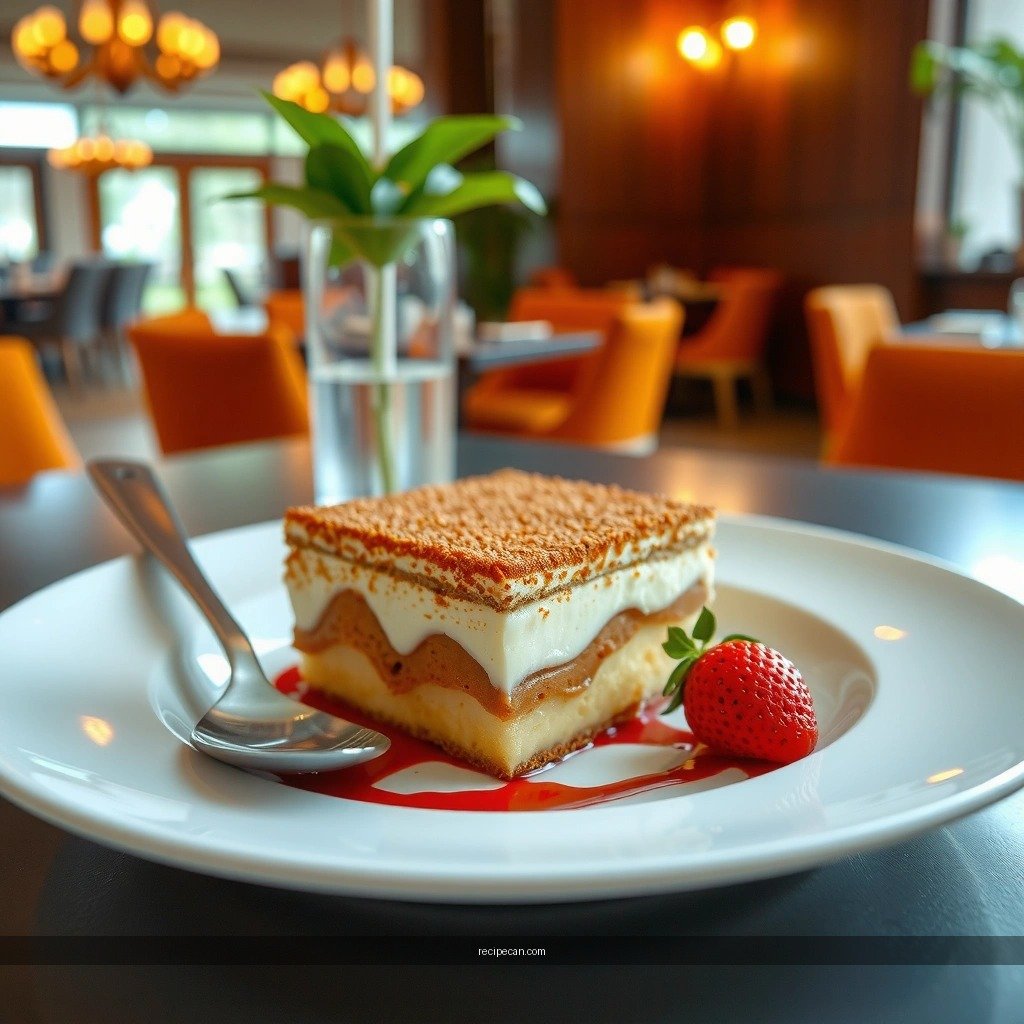
– Whisk mascarpone until smooth, then combine with sweetened egg mixture
– Fold gently to keep the cream light and airy
– Taste and adjust sweetness if needed
Mascarpone cream should be creamy but stable—spoonable, not runny. Classic recipes often use yolks (sometimes with whites) to create a custard-like base. Here are two reliable approaches: traditional with eggs and eggless for simplicity.
Option A: Traditional (with eggs, custard-like richness)
1. Whisk egg yolks with sugar until the mixture looks lighter and thicker (it should ribbon for a moment).
2. Whisk in mascarpone until the mixture is smooth and glossy.
3. If you’re using egg whites: whisk whites to soft peaks and fold them in gently. This is what gives tiramisu its “cloud” effect.
Folding technique (to preserve air):
Use a spatula and fold from the bottom up, turning the bowl as you go. Overmixing knocks out structure, leaving a denser cream that may not set as elegantly after chilling.
Option B: Eggless (clean texture, fewer variables)
For an eggless classic style, you can:
1. Whisk mascarpone with sugar until smooth.
2. For added lightness, fold in whipped heavy cream to soft peaks (about 1:1 to 2:1 cream to mascarpone ratio, depending on desired firmness).
3. Add vanilla and a small pinch of salt to sharpen flavor.
Why salt matters:
A pinch of salt increases perceived sweetness balance, making the cream taste richer without adding extra sugar.
Taste and adjust
Before assembly, taste the cream. It should taste slightly sweeter than you want the final dessert, because espresso bitterness and cocoa dusting will temper it during chilling.
Assemble the Tiramisu Layers
– Layer soaked ladyfingers, then spread mascarpone cream, repeating as needed
– Smooth the top layer for an even finish
– Chill between steps if your kitchen runs warm
Assembly is where process discipline becomes flavor quality. Classic tiramisu is essentially a layering engineering problem: you’re building multiple thin interfaces between coffee, cream, and cocoa so each bite has a balanced profile.
Standard assembly for an 8×8-inch dish (2 layers each):
1. First layer: arrange quick espresso-soaked ladyfingers in a single layer. If gaps exist, use smaller pieces—coverage matters.
2. First cream layer: spread mascarpone cream evenly using an offset spatula. Aim for an even thickness so slices don’t tilt.
3. Second layer: repeat with another row of soaked ladyfingers.
4. Second cream layer: cover fully, then smooth the top.
Temperature management (a professional shortcut):
If your kitchen is warm or your mascarpone is soft, chill the cream bowl for 10–15 minutes before spreading. This reduces smear and helps maintain crisp layers.
Common professional mistakes to avoid:
– Overlapping soaked ladyfingers heavily: creates overly coffee-rich pockets.
– Thick cream without smoothing: can trap air and cause crumbly edges.
– Dusting cocoa too early: cocoa absorbs moisture and darkens into a pasty layer.
If you want a more layered visual (and more consistent slices), keep ladyfingers oriented in the same direction each layer, then let the dessert set firmly before cutting.
Chill and Finish
– Refrigerate for at least 4–6 hours (overnight is best)
– Dust the top with cocoa powder just before serving
– Let it sit briefly at room temperature for best flavor
Chilling is not optional—it’s the final “cooking” step. Overnight refrigeration allows espresso to distribute evenly, the cream to firm up, and the dessert to develop cohesive flavor.
Best chilling time (practical range):
– Minimum: 4–6 hours for a set slice
– Ideal: overnight (8–12 hours) for classic texture and clean layers
Finish the classic look:
– Use a fine sieve to dust cocoa powder lightly and evenly.
– Dust just before serving so the cocoa remains dry and aromatic rather than absorbing moisture.
Room-temperature rest:
Let tiramisu sit 5–10 minutes at room temperature before serving. This slightly softens the cream and helps cocoa and coffee notes “lift” on the palate.
Serving Tips and Storage
– Slice with a clean knife for neat layers
– Store covered in the fridge up to 2–3 days
– Avoid freezing for best texture
Slicing for clean edges:
Use a sharp knife and wipe it between cuts. For extra clean results, run the knife under warm water, dry briefly, then slice. This reduces compression of the cream and prevents sticking.
Portioning strategy:
For a typical 8×8-inch tray, slice into 10–12 portions. Tiramisu sets more predictably when portion sizes aren’t too thin.
Storage guidelines:
– Store covered in the refrigerator for 2–3 days.
– Keep cocoa dusting for serving time. If you already dusted, expect the surface to absorb moisture over time.
– Avoid freezing: the cream can separate and ladyfingers can lose their pleasant texture.
Reheating?
Don’t reheat tiramisu. The dessert is designed to be eaten cold (or slightly softened after a short rest). Warming can break the layered structure and dull espresso flavor.
Make tiramisu with simple layering: quick espresso-soaked ladyfingers, fluffy mascarpone cream, and a good chill. Follow the steps above, then serve cold with a fresh cocoa dusting—try it today and impress with a classic dessert you can master in one session.
A well-made classic tiramisu comes down to three controllable variables: tight espresso-dipping timing, light, stable mascarpone cream, and proper overnight chilling. If you execute those steps consistently—smooth top layer, dust cocoa at the last minute, and slice with a clean knife—you’ll get neat layers, balanced coffee flavor, and the silky set texture that defines a true tiramisu.
Frequently Asked Questions
What are the essential ingredients for a classic tiramisu recipe?
A classic tiramisu recipe typically uses mascarpone cheese, eggs, sugar, coffee (espresso), ladyfinger cookies, and cocoa powder. Many recipes also include a splash of vanilla or coffee liqueur for extra flavor, but they’re optional. For the best texture, use high-quality mascarpone and freshly brewed espresso so the tiramisu has a rich coffee taste without bitterness.
How do you make tiramisu without curdling the egg mixture?
To avoid curdling in your tiramisu recipe, gently temper the yolks by slowly whisking hot coffee or syrup into the yolks while cooking over low heat. Stop cooking as soon as the mixture thickens enough to coat a spoon, then remove it from heat immediately and cool it before folding into mascarpone. If your recipe uses whipped egg whites, fold them in carefully to keep the filling light and smooth.
What’s the best way to dip ladyfingers for tiramisu?
The key is to dip ladyfingers quickly so they absorb coffee without becoming soggy. Dip each side for about 1–2 seconds (or just until lightly moistened), then layer them immediately to help the tiramisu set properly. Using espresso that’s been cooled slightly also prevents the cookies from breaking down too fast.
Why does my tiramisu taste too bitter or watery, and how can I fix it?
Bitter tiramisu usually comes from over-extracted espresso, overly strong coffee, or soaking the ladyfingers too long, while watery tiramisu often results from loose mascarpone or under-whipped eggs. Use freshly brewed espresso, let it cool, and dip ladyfingers briefly; also ensure your mascarpone mixture is well combined and thick. Chilling for at least 4–6 hours (or overnight) helps the tiramisu firm up and balance the coffee flavor.
Which mascarpone and coffee should you use for the best tiramisu flavor?
For the best tiramisu recipe, choose mascarpone that’s fresh, thick, and not overly runny, since this affects the final texture of the tiramisu filling. Use strong espresso or a good-quality dark roast coffee, and consider adding a small amount of sugar or a splash of liqueur to round out bitterness. If you want a milder taste, use a lighter dip solution or slightly dilute the espresso so the dessert tastes balanced rather than harsh.
References
- Tiramisu
https://en.wikipedia.org/wiki/Tiramisu - Tiramisu | Meaning, Ingredients, Origin, Desserts, & Taste | Britannica
https://www.britannica.com/topic/tiramisu - Google Scholar Google Scholar
https://scholar.google.com/scholar?q=Tiramisu+recipe+preparation+mascarpone+ladyfingers - Google Scholar Google Scholar
https://scholar.google.com/scholar?q=Tiramisu+coffee+savoiardi+egg+refrigeration+food+safety - Google Scholar Google Scholar
https://scholar.google.com/scholar?q=Mascarpone+egg+wine+Marsala+Tiramisu+emulsion+stability - https://www.bbc.co.uk/food/recipes/tiramisu_70311
https://www.bbc.co.uk/food/recipes/tiramisu_70311 - https://www.theguardian.com/food/2020/jul/17/tiramisu-recipe
https://www.theguardian.com/food/2020/jul/17/tiramisu-recipe - https://cooking.nytimes.com/recipes/1018708-tiramisu
https://cooking.nytimes.com/recipes/1018708-tiramisu - Google Scholar Google Scholar
https://scholar.google.com/scholar?q=recipe+for+making+tiramisu