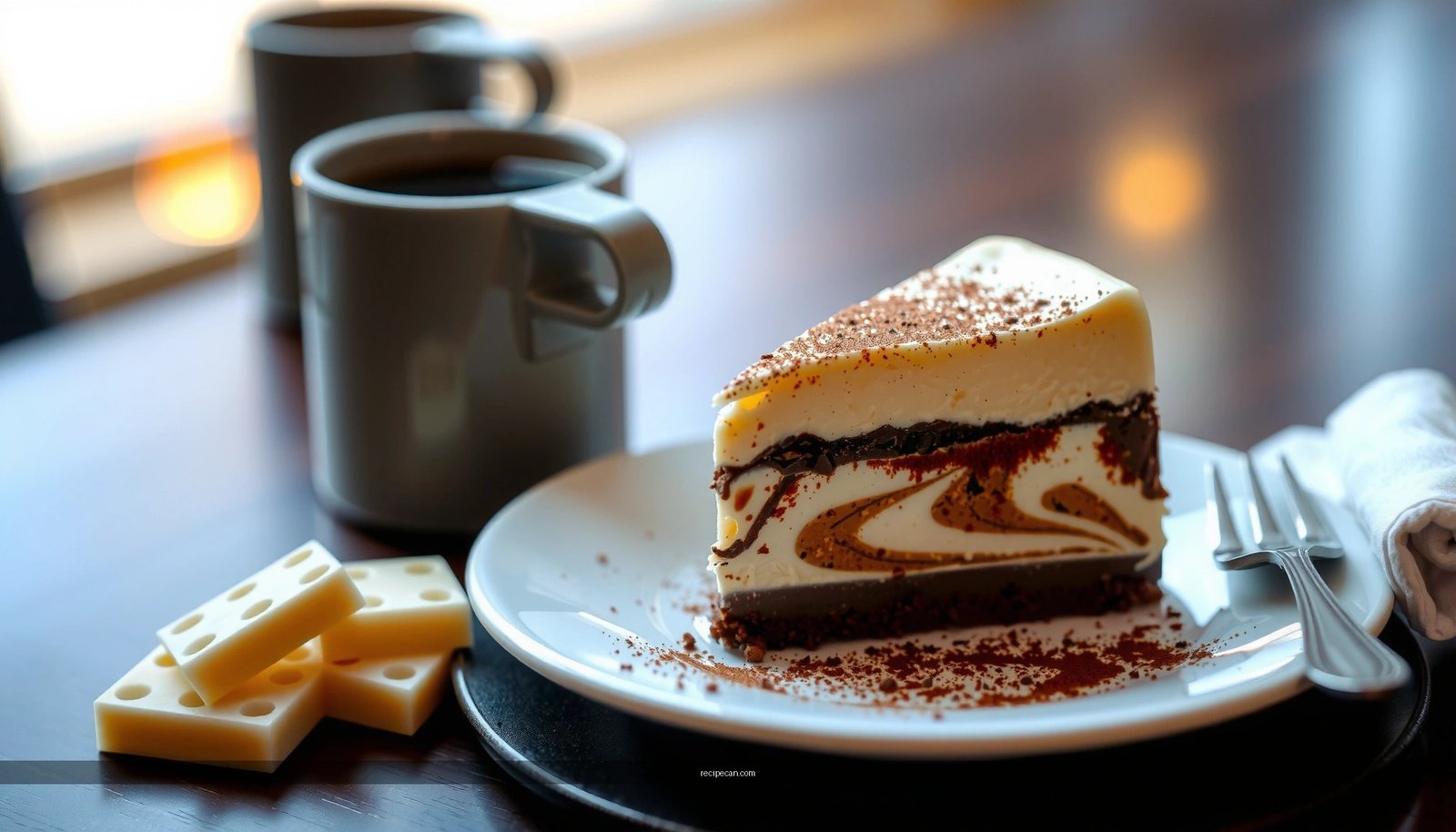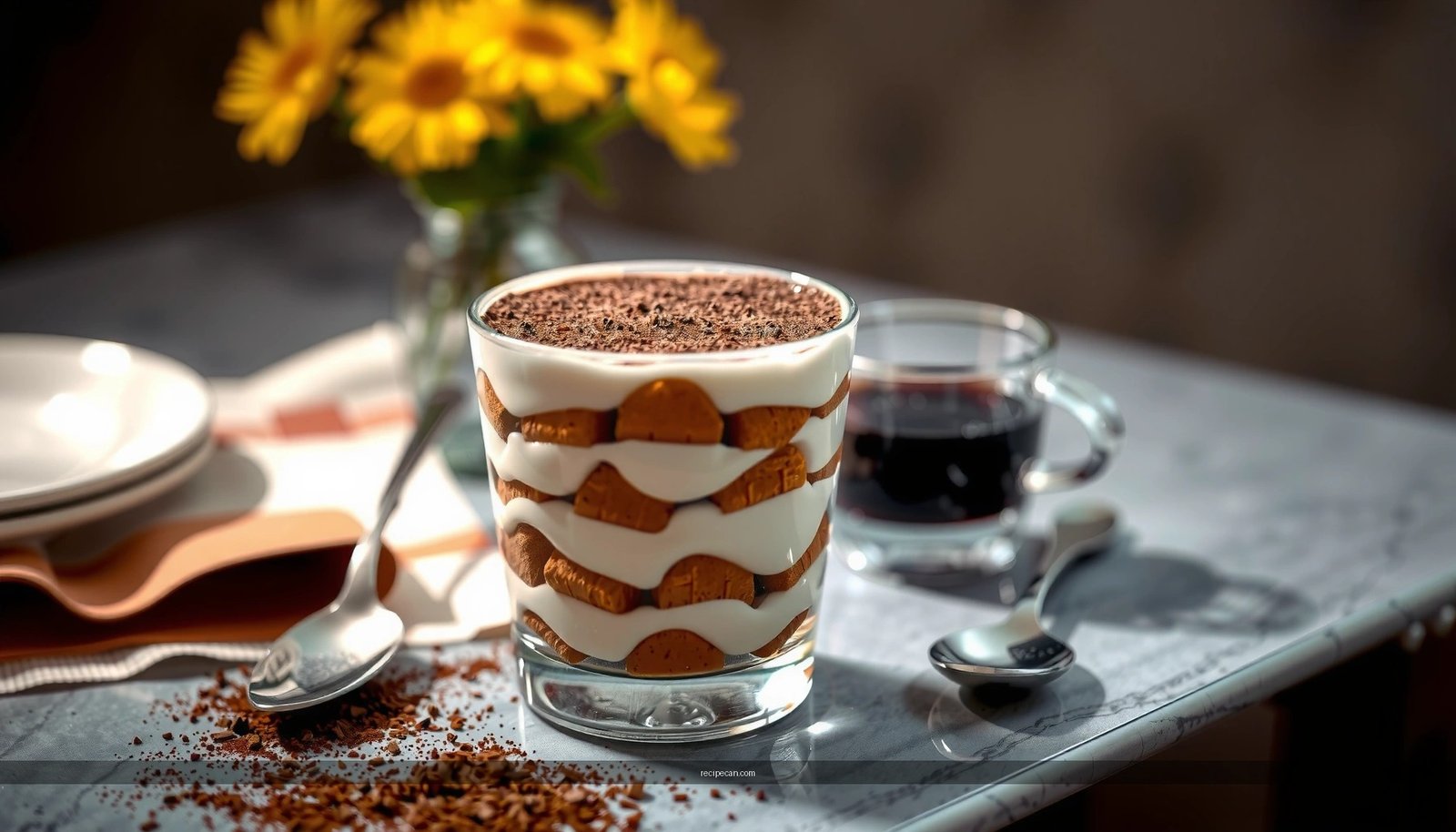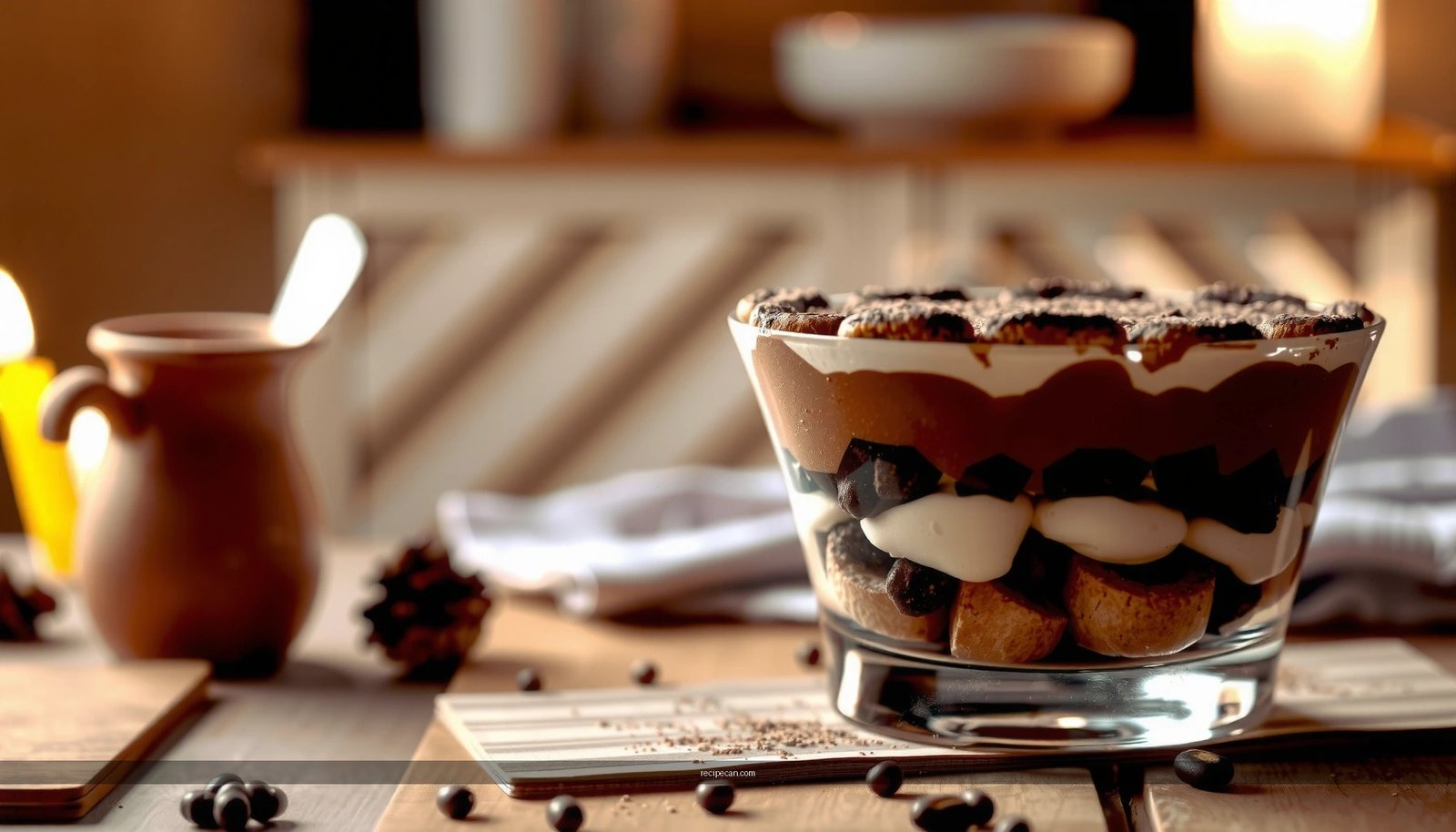
Want a tiramisu recipe with mascarpone cheese that turns out classic and rich on the first try? This guide delivers the winning method—so your mascarpone stays silky, your coffee-soaked layers hold their shape, and the dessert sets with clean, café-style texture. You’ll get straightforward, easy steps that make the traditional flavor achievable without guesswork.
Yes—you can make classic tiramisu at home by layering quickly dipped ladyfingers with a smooth mascarpone cream and chilling it until the layers set into a light, rich dessert. If you follow the key timing (short espresso dip), the correct cream technique (gentle folding, not overmixing), and a proper chill (at least 4 hours), you’ll get the signature structure: creamy in the center, tender at the edges, and intensely coffee-and-cocoa on the finish.
Gather Ingredients for Tiramisu with Mascarpone
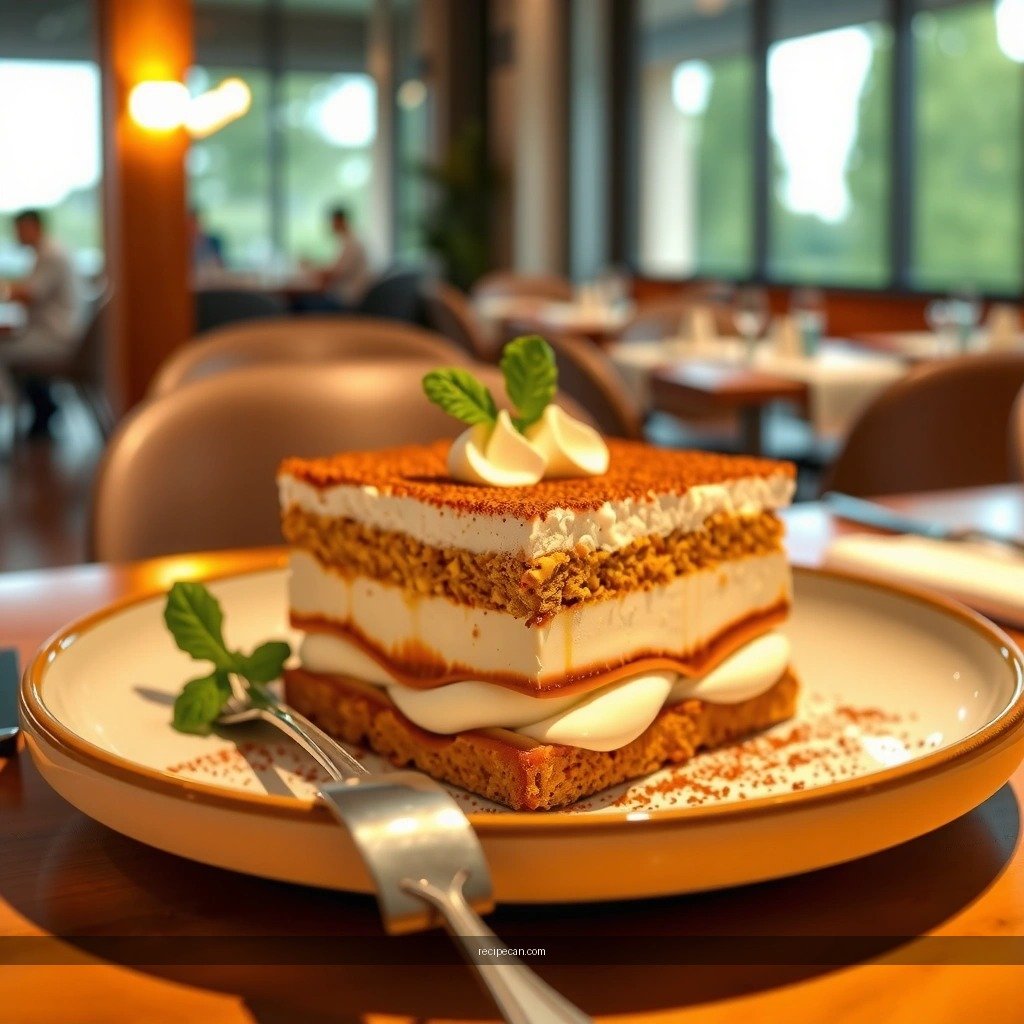
– Mascarpone cheese, espresso, and ladyfingers form the classic base
– Add eggs (or an alternative), sugar, and cocoa powder for flavor
A classic tiramisu recipe with mascarpone cheese typically centers on three flavor pillars: strong espresso, sweetened mascarpone cream, and cocoa dusting. The rest is about achieving the right texture balance—firm enough to slice, but soft enough to feel silky.
What you’ll need (classic approach)
For a standard 8×8-inch (or similar) baking dish, plan on:
– Mascarpone cheese (the cream’s structure and tangy richness)
– Ladyfingers (savoiardi-style works best)
– Espresso or very strong coffee (cooled slightly)
– Eggs and sugar (for the classic, airy custard-like blend)
– Cocoa powder (preferably unsweetened for contrast)
Egg-based vs. egg-free considerations
Many traditional recipes use egg yolks and whites for a light, mousse-like texture. If you’re concerned about raw egg safety, you have practical options:
– Use pasteurized eggs for the classic method.
– Or choose an egg-free mascarpone cream approach (e.g., mascarpone + whipped cream or stabilized dairy alternatives). The overall layering principle remains the same: espresso dip, cream layer, repeat, chill.
Ingredient quality matters more than quantity
– Mascarpone: buy it fresh; it should be thick, not watery.
– Coffee: strong espresso gives tiramisu its “adult” character. Weak coffee gets lost under dairy sweetness.
– Ladyfingers: ensure they’re dry enough to hold their shape after brief soaking.
| Quality Checkpoint | Target Spec | Why It Matters |
|—|—:|—|
| Espresso strength | ~1.5–2× stronger than drip | Prevents “milky coffee” flavor |
| Mascarpone texture | Thick, scoopable, smooth | Avoids grainy or loose cream |
| Ladyfinger dip time | 1–2 seconds per side | Flavor infusion without sogginess |
| Cocoa finish | Light-to-generous dust | Prevents a watery top and boosts aroma |
| Chill time | Minimum 4 hours | Sets layers for clean slices |
Tiramisu “Make-or-Break” Steps for Consistent Slicing (8×8 Dish)
| # | Step | Best Practice Target | Impact on Texture | Outcome Rating |
|---|---|---|---|---|
| 1 | Espresso strength | ~2× strong | Aroma + depth | ★★★★★ |
| 2 | Coffee dip time | 1–2 sec/side | Prevents sogginess | ★★★★☆ |
| 3 | Mascarpone mixing | Gentle, smooth | Maintains silk | ★★★★☆ |
| 4 | Cream fold method | Fold, don’t whip | Lightness + stability | ★★★★☆ |
| 5 | Layer thickness | Even 2–3 cm bands | Balanced slice texture | ★★★☆☆ |
| 6 | Top cocoa timing | Right before serving | Keeps top dry + aromatic | ★★★★☆ |
| 7 | Chill duration | 4–12 hours | Sets structure for clean slices | ★★★★★ |
Make the Mascarpone Cream
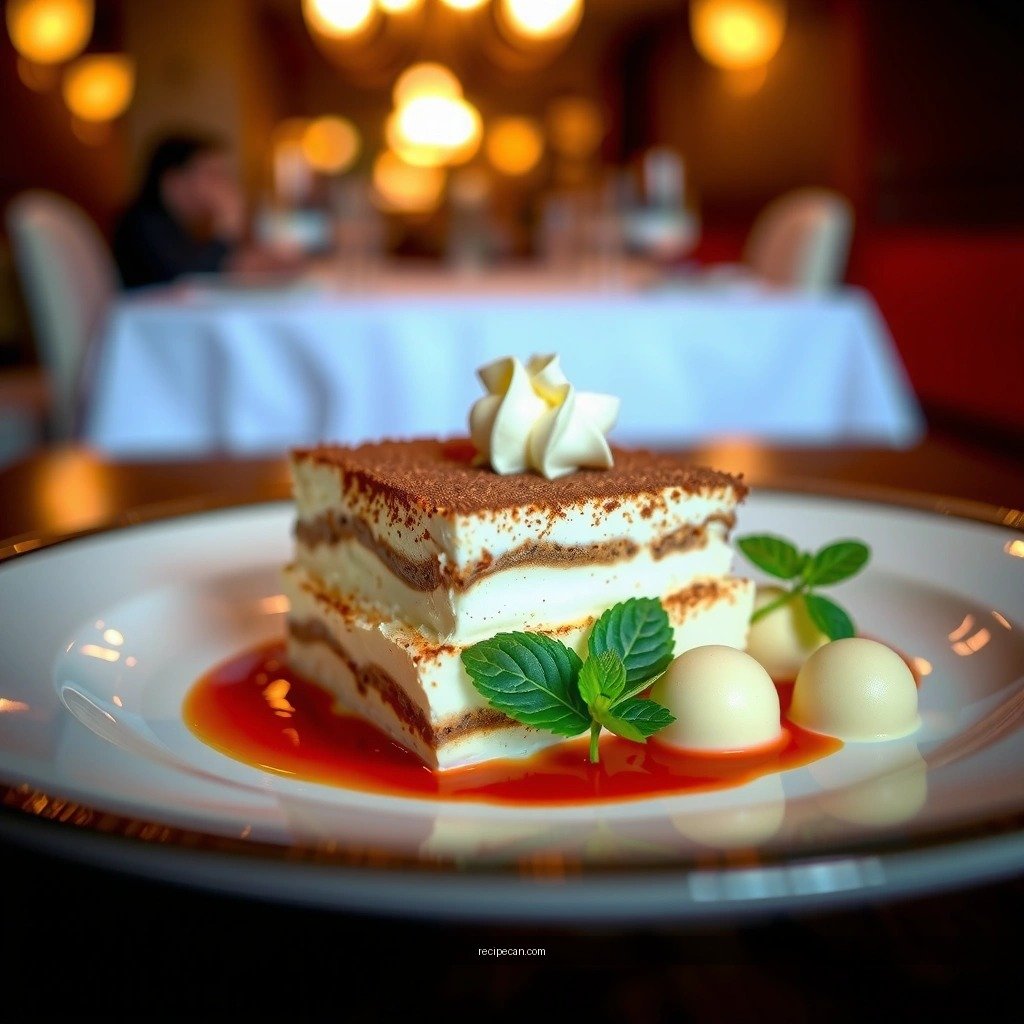
– Whip mascarpone until smooth, then fold in sweetened egg mixture (if using)
– Keep the cream light by gently combining—avoid overmixing
This is where many home versions either shine or fall flat. The goal is smooth, aerated cream that holds its shape but feels delicate on the palate.
Step-by-step technique
1. Soften mascarpone (optional but helpful): Let it sit at cool room temperature for 15–20 minutes so it mixes evenly.
2. Whip just to smooth: Whip until the mixture is glossy. Over-whipping can cause the cream to loosen.
3. Prepare the sweet egg component (if using): Typically, yolks are warmed or whisked with sugar, and sometimes whites are whipped separately. The exact method varies by tradition, but the principle is the same: add sweetness and lighten the base.
4. Fold gently: Combine the mascarpone with the sweetened eggs using a spatula and slow motion. Folding preserves air bubbles, producing that classic “light but rich” texture.
Common issues (and what to do)
– Grainy cream: usually from overmixing or mascarpone that was too cold. Warm slightly and fold again carefully.
– Runny cream: caused by over-whipping, warm ingredients, or an egg mixture added too hot. Chill the cream base briefly (10–15 minutes) before assembling.
– Dense texture: often from vigorous mixing after egg addition. Once combined, treat it like mousse—gentle is better.
Practical alternative for teams or hosts who prefer predictability
If you want a cream that’s simpler to execute reliably (especially when serving a group), consider:
– Mascarpone + sweetened whipped cream (egg-free) to replicate the airy mouthfeel.
Even with substitutes, the layering steps in this guide remain the same.
Prepare Espresso and Soak Ladyfingers

– Brew strong espresso (or coffee) and let it cool slightly
– Dip ladyfingers quickly so they absorb flavor without getting soggy
Think of the espresso soak as a flavor transfer, not a full soak. The ladyfingers should taste coffee-rich, but still maintain structure when sliced.
Brew and cool correctly
– Brew strong espresso (or very dark roast coffee).
– Cool it to warm room temperature. If it’s too hot, it can melt the ladyfingers unevenly and destabilize the cream layer.
The right dipping method
1. Hold a ladyfinger in the espresso briefly—about 1–2 seconds per side.
2. Lay it immediately on the dish.
3. Work efficiently; you’re aiming for consistency across every piece.
Why quick dipping matters
Over-soaked ladyfingers release liquid that can:
– thin the cream,
– blur the “defined layers,” and
– create a watery bottom that undermines the classic tiramisu texture.
If you want a more controlled dip, you can also “paint” espresso onto each side with a spoon—especially helpful when the ladyfingers are delicate.
Assemble and Layer Tiramisu
– Start with a layer of ladyfingers, then spread mascarpone cream evenly
– Repeat layers, finishing with cream on top for the best texture
Assembly is not just a visual step—it’s a structural one. Each layer needs to be evenly distributed so the final slice holds.
Layering blueprint
A common format is:
1. First layer: espresso-dipped ladyfingers in a single coverage layer.
2. Cream layer: spread mascarpone cream evenly to the edges.
3. Second layer: another row of dipped ladyfingers.
4. Final layer: mascarpone cream on top.
Best practices for evenness
– Use an offset spatula to smooth the cream.
– Press ladyfingers lightly into place so there are no large air pockets.
– Leave a small margin at the edges to prevent messy overflow when chilling firms everything.
How to think like a quality chef
From a process-control perspective, tiramisu succeeds when:
– the espresso distribution is consistent,
– the cream thickness is stable,
– and the top layer seals in moisture.
That’s why the finishing layer of cream (not cocoa) comes last—cocoa goes on after chilling, right before serving.
Chill for Best Flavor and Texture
– Refrigerate at least 4 hours (overnight is even better)
– Chill helps the layers set and the cream firm up
Chilling is the “hidden ingredient.” During refrigeration, several things happen:
– The cream firms, improving slice stability.
– Espresso diffuses slightly into the ladyfingers, intensifying flavor without making them collapse.
– Sugars and fats meld, producing that cohesive, balanced tiramisu profile.
Recommended chilling schedule
– Minimum: 4 hours
– Ideal: overnight (8–12 hours)
Practical hosting tip
If you’re serving guests, assemble it the day before. It’s the easiest way to reduce last-minute risk—especially around:
– slice integrity,
– cream thickness,
– and the aroma of cocoa sitting fresh on top (rather than dissolving).
Serve and Finish with Cocoa
– Dust generously with cocoa powder right before serving
– Slice cleanly and serve cold for the richest taste
For the best presentation and flavor, cocoa should be applied at the end—after chilling. This preserves the powder’s aroma and prevents it from turning gummy or wet.
How to dust like a pro
– Use a fine mesh sieve.
– Dust evenly, then add a touch more to create depth without over-darkening the top.
Slicing guidance for clean portions
– Use a sharp knife and wipe it between slices.
– Serve cold; tiramisu is at its most structured and flavorful straight from the refrigerator.
Flavor balancing
If you like a slightly stronger coffee punch, pair the dessert with:
– a small espresso,
– or a coffee-forward beverage served separately.
Avoid warming the tiramisu, which can soften the layers and blur the structure.
Quick comparison: Classic egg method vs. egg-free cream
Choosing the “right” tiramisu cream depends on your priority: tradition, safety, or repeatable results.
| Feature | Classic Mascarpone + Eggs | Egg-Free Mascarpone Cream |
|---|---|---|
| Primary texture goal | Airy, mousse-like | Silky, stable |
| Flavor character | Classic custard note | Pure mascarpone sweetness |
| Best for high-end presentation | ★★★★☆ | ★★★☆☆ |
| Repeatability | Medium (depends on technique) | High (simple mixing) |
| Safety considerations | Use pasteurized eggs | No raw egg concern |
| Mixing sensitivity | Higher (avoid overmixing) | Lower (treat gently) |
| Chill time sensitivity | Medium (still needs 4–12 hrs) | Medium (same chilling window) |
| Dietary flexibility | Limited | Easier to accommodate |
| Skill required | Advanced beginner to intermediate | Beginner-friendly |
| Best For | Traditionalists who can control mixing | Hosts prioritizing ease and safety |
Tiramisu with mascarpone cheese is all about creamy layers, quick espresso dipping, and proper chilling. Follow these steps, taste as you go, and then serve your chilled tiramisu with a fresh cocoa dusting—ready to impress in every bite.
When you balance strong espresso, gentle mascarpone cream technique, and sufficient refrigeration time, your tiramisu will slice cleanly and taste cohesive—not soggy, not dense, and unmistakably classic. Use the quick dip method to control moisture, fold for lightness, and chill overnight for the most restaurant-like results.
Frequently Asked Questions
What is the best tiramisu recipe with mascarpone cheese?
A classic tiramisu recipe with mascarpone cheese uses mascarpone, eggs, sugar, espresso, and ladyfingers soaked lightly in coffee. Whisk mascarpone with egg yolks (and optionally fold in whipped egg whites for a lighter texture), then layer with dipped ladyfingers and a coffee-mascarpone cream. Finish with a generous dusting of cocoa powder for the traditional tiramisu flavor and look. For best results, use strong freshly brewed espresso and let the assembled dessert chill for several hours so the flavors set.
How do I make tiramisu with mascarpone that doesn’t taste eggy?
To avoid an “eggy” flavor in a mascarpone tiramisu, use fresh eggs and cook the mixture gently (or temper the yolks) rather than relying on raw eggs. If your recipe uses raw yolks, whisk them thoroughly with sugar until thick and pale, which helps mellow the taste. Another tip is to balance the coffee and cocoa—strong espresso and unsweetened cocoa powder help mask any egginess. Chilling overnight also improves flavor smoothness.
Why does tiramisu with mascarpone cheese end up watery?
Watery tiramisu usually happens when the ladyfingers soak too long in espresso or when there’s excess liquid in the mascarpone mixture. Dip ladyfingers quickly—just a few seconds per side—so they absorb flavor without becoming soggy. Also make sure your mascarpone is well-drained if it seems looser than expected, and do not overmix after folding in whipped whites or cream. Finally, chill the dessert long enough for the layers to firm up and hold together.
Which espresso should I use for the best mascarpone tiramisu flavor?
For tiramisu with mascarpone, use a strong espresso or espresso-style coffee so the flavor stands up against the creamy mascarpone. Freshly brewed espresso is ideal, but you can also use high-quality instant espresso diluted with hot water for convenience. Avoid very weak coffee, flavored syrups, or overly sweet coffee, as they can make the dessert taste flat or muddy. A good balance of bitterness and aroma is key for authentic Italian tiramisu flavor.
How long should you chill tiramisu made with mascarpone cheese before serving?
Chill mascarpone tiramisu for at least 4–6 hours, but overnight is even better for best texture and flavor. During chilling, the cream firms slightly and the ladyfingers absorb the espresso, creating that signature sliceable consistency. If you serve too soon, the layers may taste separate and the dessert may feel loose. For clean slices, let it rest 5–10 minutes at room temperature before cutting.
References
- Tiramisu
https://en.wikipedia.org/wiki/Tiramisu - Mascarpone
https://en.wikipedia.org/wiki/Mascarpone - Tiramisu | Meaning, Ingredients, Origin, Desserts, & Taste | Britannica
https://www.britannica.com/topic/tiramisu - https://en.wikipedia.org/wiki/Ladyfinger
https://en.wikipedia.org/wiki/Ladyfinger - Espresso
https://en.wikipedia.org/wiki/Espresso - Cocoa powder
https://en.wikipedia.org/wiki/Cocoa_powder - List of liqueur brands
https://en.wikipedia.org/wiki/Coffee_liqueur - Google Scholar Google Scholar
https://scholar.google.com/scholar?q=Tiramisu+mascarpone+recipe - Google Scholar Google Scholar
https://scholar.google.com/scholar?q=Mascarpone+cheese+egg+yolk+tiramisu - Google Scholar Google Scholar
https://scholar.google.com/scholar?q=Tiramisu+history+mascarpone+egg+ladyfingers