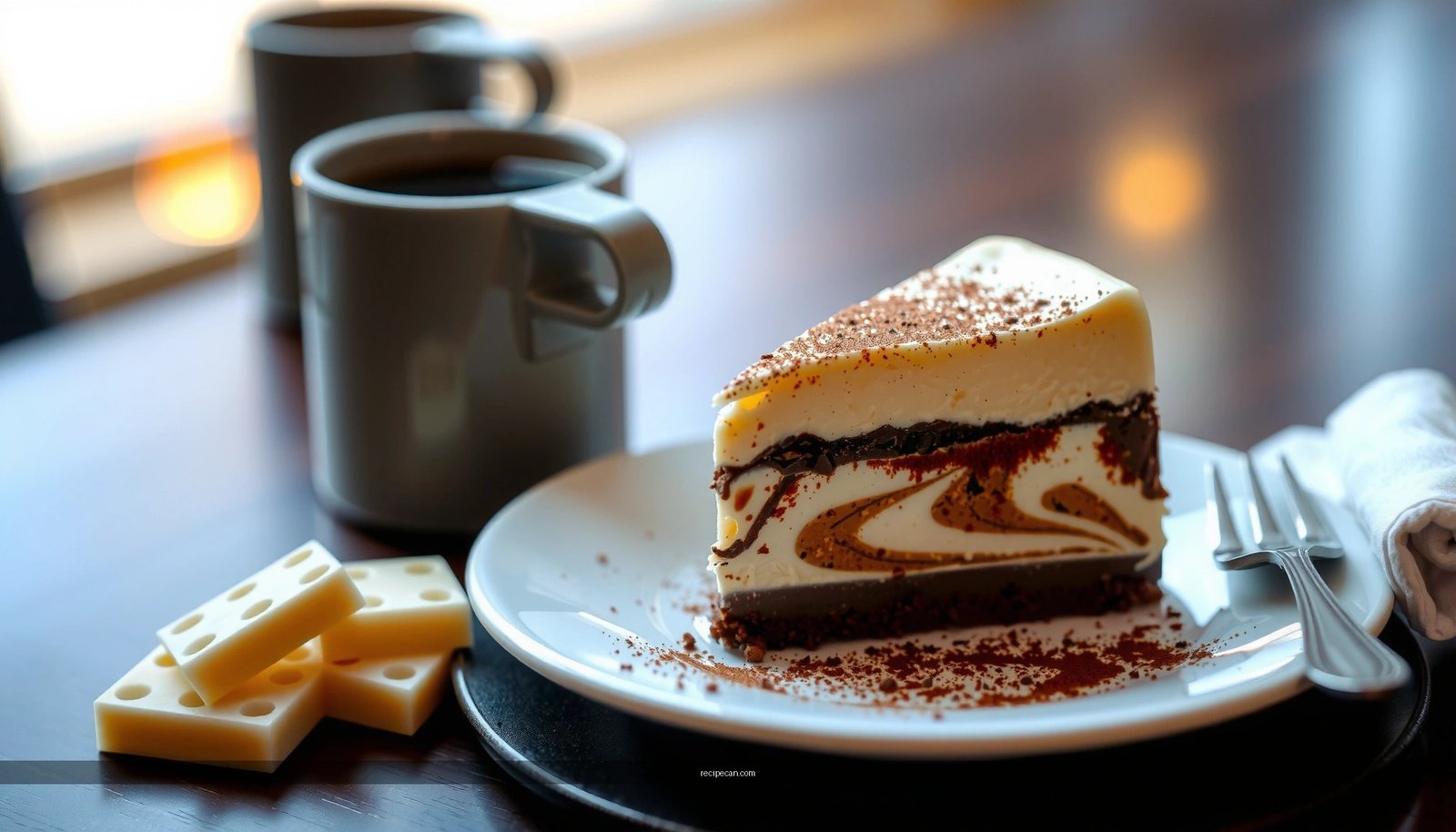
Get the exact tiramisu recipe ingredients for classic tiramisu, including the specific list you’ll need to nail the coffee-soaked layers and signature mascarpone cream. This ingredient guide tells you what to buy—ladyfingers, espresso or strong coffee, mascarpone, eggs (or pasteurized alternatives), sugar, cocoa powder, and any optional flavoring—so you can skip substitutions and get the real result. If you want classic tiramisu that tastes like it came from an Italian kitchen, this is your shopping list.
Classic tiramisu comes together fast once you assemble the right core tiramisu recipe ingredients—espresso (or strong coffee), mascarpone, eggs, sugar, ladyfingers, and cocoa powder—before you start layering. Get those essentials ready first, and you’ll avoid the most common failure points (weak coffee flavor, runny filling, and soggy layers), resulting in a clean, creamy dessert with the right balance of bitterness, sweetness, and richness.
Essential Ingredients for the Mascarpone Layer
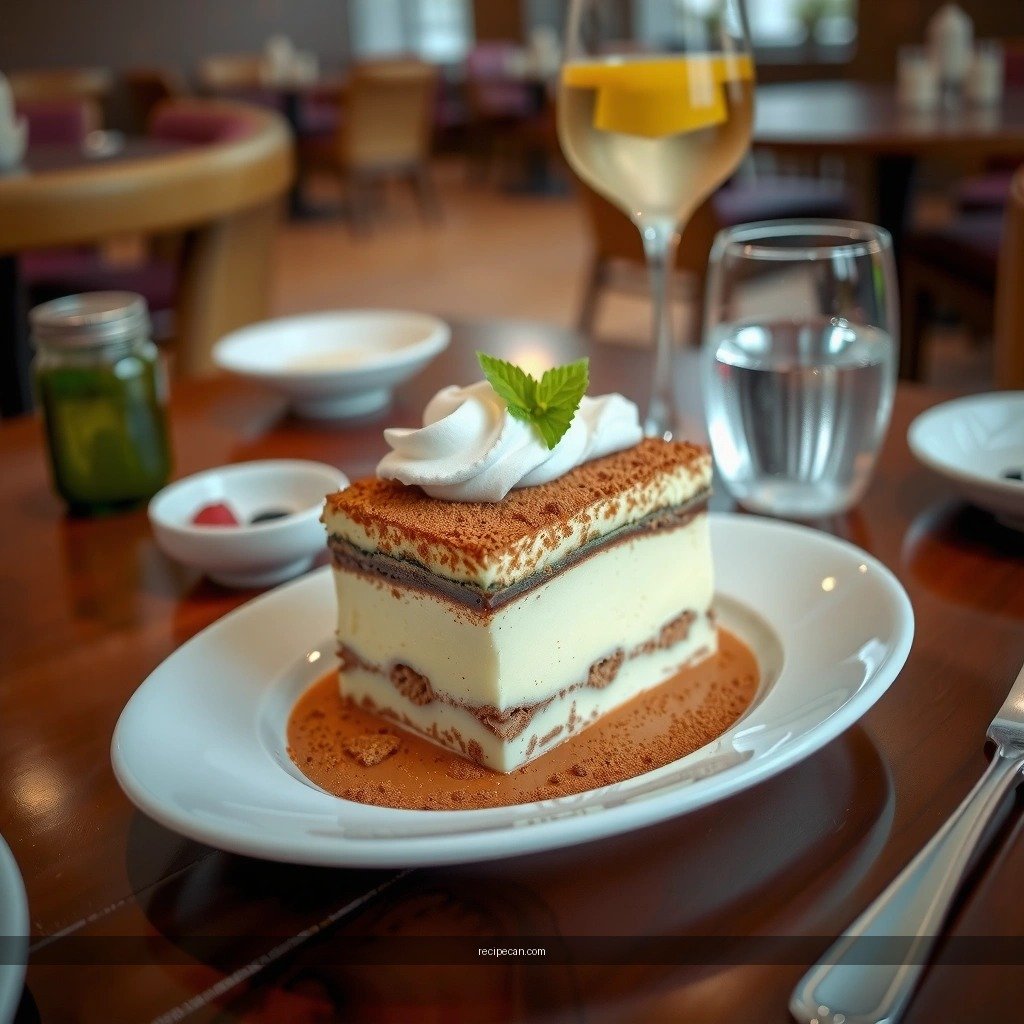
The heart of classic tiramisu is the mascarpone layer: it should be silky, stable, and lightly sweet, not overly airy or watery. Start with mascarpone cheese, which provides the signature tang and creaminess. In many kitchens, a small amount of heavy cream is used as an optional stabilizer—especially when ambient temperatures are warm or if your mascarpone is softer than expected. Heavy cream can help the filling hold its shape during assembly and slicing, without changing the classic flavor profile.
Next come the eggs and sugar. Traditional tiramisu relies on an egg-and-sugar mixture that becomes the base for mascarpone. When done correctly, the eggs add smooth body and a subtle richness that makes the dessert feel “restaurant-quality.” For a professional texture, focus on two points:
1. Egg technique: Separate and whip (if your method includes whipping) to introduce controlled air, or whisk to a smooth, thickened consistency if you’re using a cooked or semi-cooked approach.
2. Sugar dissolving: Fully dissolve the sugar to prevent graininess; sugar that hasn’t dissolved will stay gritty and can affect how the filling feels on the palate.
If you want consistent, reliable results for a layered tiramisu—particularly if you bake frequently—treat the mascarpone layer like a formula. Small variations matter: overly warm mascarpone can loosen; under-whipped egg components can lead to a filling that spreads too much in the pan.
Coffee and Soaking Components

The coffee component sets tiramisu’s overall taste direction. You want a bold espresso (or strong brewed coffee) because the filling itself is rich and sweet; without enough coffee intensity, tiramisu can taste flat or one-dimensional.
When choosing espresso or coffee, consider:
– Strength over sweetness: Use a concentrated shot or a coffee with a higher brew strength (dark roast often works well) so the bitterness can cut through the mascarpone.
– Freshness: Brew shortly before soaking. Stale coffee becomes dull and can taste harsh instead of pleasantly bitter.
– Temperature: Soaking is best when the coffee is warm or room temperature—hot coffee can soften ladyfingers too quickly, while cold coffee may not penetrate evenly.
For aroma and depth, many versions include a splash of rum or Marsala. This is optional, but it’s one of the easiest ways to “upgrade” classic tiramisu flavor without altering the core structure. Rum adds a darker, slightly vanilla-to-caramel note, while Marsala brings a fortified, raisin-like complexity that complements espresso bitterness. If you’re serving kids or avoiding alcohol, you can omit it entirely and rely on coffee strength plus vanilla (covered below) for balance.
A practical way to think about soaking: the goal is flavor contact, not saturation. You want the ladyfingers to absorb enough coffee to taste strongly of espresso on each bite—while remaining firm enough to layer cleanly.
The Biscuits: Ladyfingers (Savoiardi)
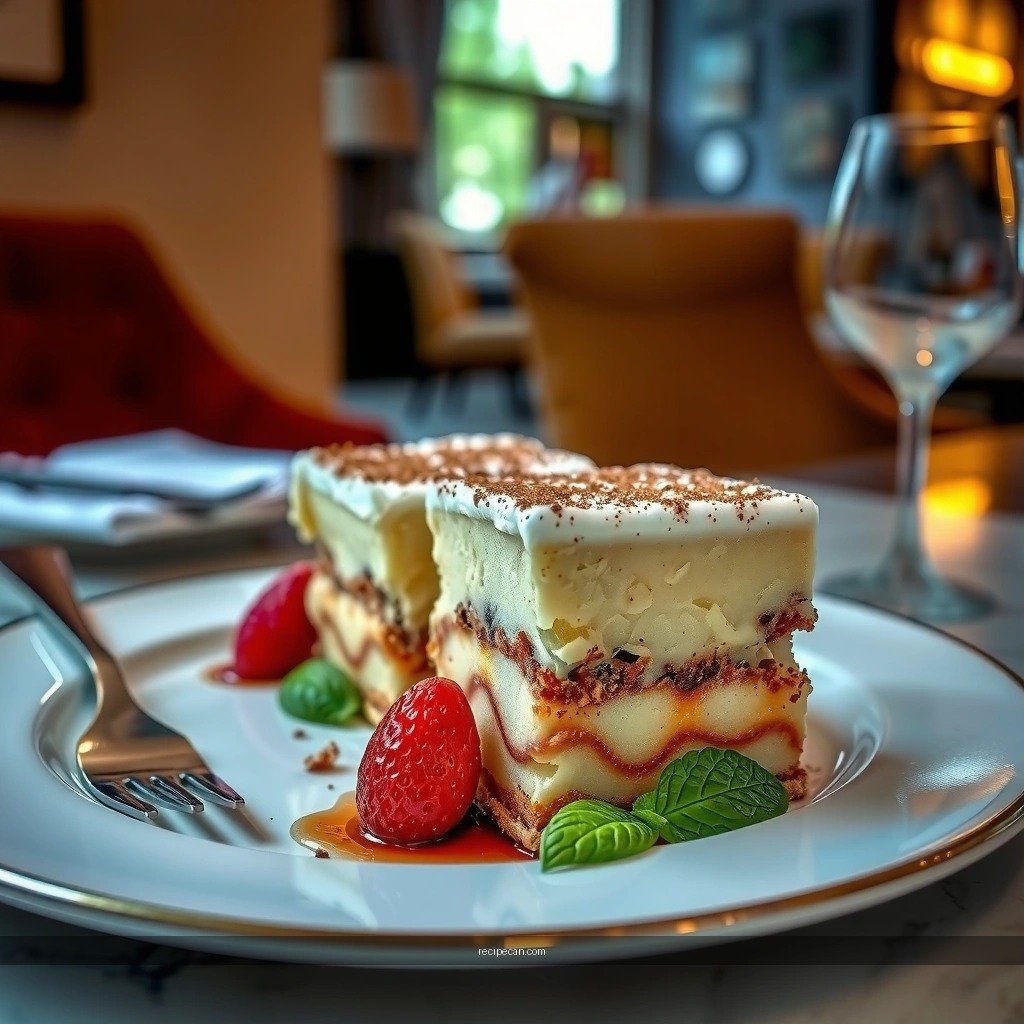
Ladyfingers are the structural ingredient. In classic tiramisu, they’re chosen specifically for their sponge-like interior and crisp exterior. Savoiardi (Italian ladyfingers) help create the characteristic layered look and the tender bite that snaps slightly before melting in the cream.
The biggest technical variable with ladyfingers is the soak time. Too brief and the tiramisu tastes weak; too long and you get gummy, soggy layers that collapse. A professional approach is to soak quickly and evenly—often dipping each side for a short moment—then move immediately to the dish.
To make the method repeatable, match soak strategy to your assembly plan:
– If you’re building layers immediately after dipping, you can soak slightly longer.
– If you need time to arrange biscuits, aim for shorter dips to prevent pre-softening.
– If your coffee is unusually strong or your ladyfingers are very absorbent, shorten soak time even more.
Also consider packaging differences: some ladyfingers are thicker or drier than others. If you notice your ladyfingers soften faster than expected, reduce soak time rather than compensating with less coffee—flavor should be consistent, while texture should be controlled.
Cocoa and Finishing Touches
The finishing element—unsweetened cocoa powder—is what makes tiramisu taste “classic” rather than just creamy dessert. Cocoa contributes a dry bitterness that rounds out the sweetness of mascarpone and sugar, echoing the espresso flavor. Use cocoa powder, not hot chocolate mix, because additives and sugar can overwhelm the intended balance.
For the garnish, chocolate shavings are optional. They add visual contrast and a richer chocolate aroma, especially if you’re serving for events or want a more “bakery-style” presentation. The key is to dust with cocoa at the right time:
– Dust right before serving for the freshest, most aromatic top.
– If you dust earlier, cocoa may absorb moisture and look less vibrant.
A common pro move is to apply cocoa in two steps: a lighter initial dust to distribute evenly, followed by a final dust just before serving to create a crisp, elegant top layer.
Tiramisu Ingredient Roles & Consistency Impact (Professional Benchmarks)
| # | Ingredient | Primary Function | Texture Risk if Mismanaged | Typical Adjustment |
|---|---|---|---|---|
| 1 | Espresso / Strong Coffee | Flavor backbone | Weak or watery taste | Increase brew strength or reduce dilution |
| 2 | Mascarpone | Creamy body + tang | Loose filling | Chill and avoid overmixing |
| 3 | Eggs | Silk + structure | Grainy or unstable texture | Whisk thoroughly; control temperature |
| 4 | Sugar | Sweetness + foam stability | Graininess | Dissolve fully before combining |
| 5 | Ladyfingers | Layer structure | Soggy, collapsed layers | Short, quick dips; assemble promptly |
| 6 | Unsweetened Cocoa | Aroma + bitterness balance | Muted top flavor | Dust immediately before serving |
| 7 | Rum / Marsala (Optional) | Aroma and depth | Overly strong or “hot” note | Use small splash; taste coffee first |
Optional Add-Ins and Substitutions
Classic tiramisu is forgiving, but it performs best when you substitute thoughtfully. A pinch of salt can sharpen the mascarpone flavor and help balance sweetness—small but meaningful in a dessert where sugar and dairy dominate. Vanilla is another common enhancement: it rounds out the coffee’s bitterness and makes the cream taste more aromatic.
If you need a dietary-friendly version, you can substitute gluten-free ladyfingers. The layering method should remain the same—quick soak, immediate assembly, and proper chilling. Use ladyfingers that are structurally similar (not overly soft) so they hold their shape in the tiramisu pan.
For alcohol-free versions, simply omit rum/Marsala and replace the aroma effect with one of these approaches:
– Brew coffee with a slightly darker roast (more natural caramel notes)
– Add vanilla (a few drops or a small teaspoon)
– Consider a coffee syrup aroma replacement, if available
The takeaway: substitutions should preserve the ingredient roles—structure, flavor intensity, and cream stability—rather than simply swapping labels.
Ingredient Quality Tips for Best Results
Even with the perfect tiramisu recipe ingredients list, quality and handling determine whether your tiramisu comes out creamy and cohesive or uneven and fragile. Focus on the following benchmarks:
– Use fresh mascarpone: Mascarpone that’s old or has separated can cause a filling that looks curdled or won’t set properly. Keep it refrigerated until assembly.
– Chill ingredients for stability: Cold mascarpone and properly chilled mixing tools help the filling maintain a smooth texture.
– Brew coffee/espresso strong and flavorful: Since ladyfingers dilute the coffee slightly, weak coffee results in under-seasoned dessert. Aim for a concentrated espresso or a coffee that tastes bold on its own.
– Whisk eggs and sugar thoroughly: Proper emulsification helps the filling become uniform, glossy, and stable.
– Assemble with timing in mind: After soaking, build the layers promptly so the texture stays controlled.
If you’ve ever had tiramisu that tastes great but doesn’t slice cleanly, the issue is usually temperature, egg technique, or soaking time. Treat those as controllable variables and you’ll improve quickly.
Tiramisu is simple when you have the right tiramisu recipe ingredients ready: mascarpone, eggs, sugar, coffee/espresso, ladyfingers, and cocoa. Gather these basics first, choose any optional flavor boosts you like, and follow the layering tips for clean, creamy results—then make your first batch and adjust to your preferred sweetness.
In short, classic tiramisu succeeds when coffee flavor is bold, the mascarpone filling is stable and smooth, and the ladyfingers are soaked just enough to absorb without collapsing. Start with high-quality espresso (or strong coffee), use fresh mascarpone with properly prepared eggs and sugar, layer with quick-soaked ladyfingers, finish with unsweetened cocoa, and your dessert will consistently deliver the signature balance of creamy richness and coffee-driven depth.
Frequently Asked Questions
What ingredients do I need for a classic tiramisu recipe?
A classic tiramisu recipe typically uses mascarpone cheese, espresso (or strong coffee), egg yolks, granulated sugar, and ladyfinger cookies. You’ll also need cocoa powder for dusting and a pinch of salt to balance sweetness. For best results, use espresso rather than instant coffee so the tiramisu has a deep coffee flavor that complements the mascarpone.
How do I choose the best coffee ingredients for tiramisu?
For tiramisu ingredients, strong espresso is ideal because it provides a bold, not-too-bitter coffee base for soaking the ladyfingers. If you don’t have an espresso maker, brew a very strong cup of coffee and cool it before assembly. Avoid overly watery coffee—thin liquid can make the dessert soggy instead of layered and set.
Which sweeteners and flavor add-ins work well in tiramisu ingredients?
Many recipes rely on granulated sugar to sweeten the egg yolks and mascarpone mixture, creating a smooth texture. Vanilla extract is a common add-in if you want a warmer flavor, while a small amount of cocoa or espresso powder can intensify the cocoa notes. If you prefer a lighter taste, you can also use a portion of powdered sugar for a softer mouthfeel, but keep the overall balance with the coffee and mascarpone.
Why do some tiramisu recipes use raw eggs, and what’s a safe alternative?
Traditional tiramisu ingredients often include egg yolks, which add richness and help thicken the mascarpone mixture for a silky consistency. However, raw or lightly heated eggs can raise food-safety concerns for some people. A practical alternative is to use a pasteurized egg product or heat the yolks gently with sugar (to avoid scrambling) before mixing—this keeps the creamy texture while improving safety.
Best way to prevent soggy layers when using tiramisu recipe ingredients?
The key is controlling how you soak the ladyfingers: dip them quickly into espresso and don’t let them sit, so they absorb flavor without becoming watery. Use cooled, not hot, coffee and assemble in layers promptly so the tiramisu can set as it chills. After assembling, refrigerate for at least 4 hours (preferably overnight) to firm up the mascarpone and stabilize the tiramisu layers.
References
- Tiramisu
https://en.wikipedia.org/wiki/Tiramisu - Tiramisu | Meaning, Ingredients, Origin, Desserts, & Taste | Britannica
https://www.britannica.com/topic/tiramisu - Mascarpone
https://en.wikipedia.org/wiki/Mascarpone - Lady finger
https://en.wikipedia.org/wiki/Ladyfinger - Cocoa powder
https://en.wikipedia.org/wiki/Cocoa_powder - https://www.fda.gov/food/buy-store-serve-safe-food/tips-avoid-illness-raw-eggs-eggs-and-related-foods
https://www.fda.gov/food/buy-store-serve-safe-food/tips-avoid-illness-raw-eggs-eggs-and-related-foods - Eggs | Food Safety and Inspection Service
https://www.fsis.usda.gov/food-safety/safe-food-handling-and-preparation/eggs - Google Scholar Google Scholar
https://scholar.google.com/scholar?q=tiramisu+ingredients+mascarpone+eggs+ladyfingers - https://scholar.google.com/scholar?q=tiramisu+recipe+coffee+cocoa+powder+marsala+ingredients Google Scholar
https://scholar.google.com/scholar?q=tiramisu+recipe+coffee+cocoa+powder+marsala+ingredients - Google Scholar Google Scholar
https://scholar.google.com/scholar?q=tiramisu+recipe+ingredients