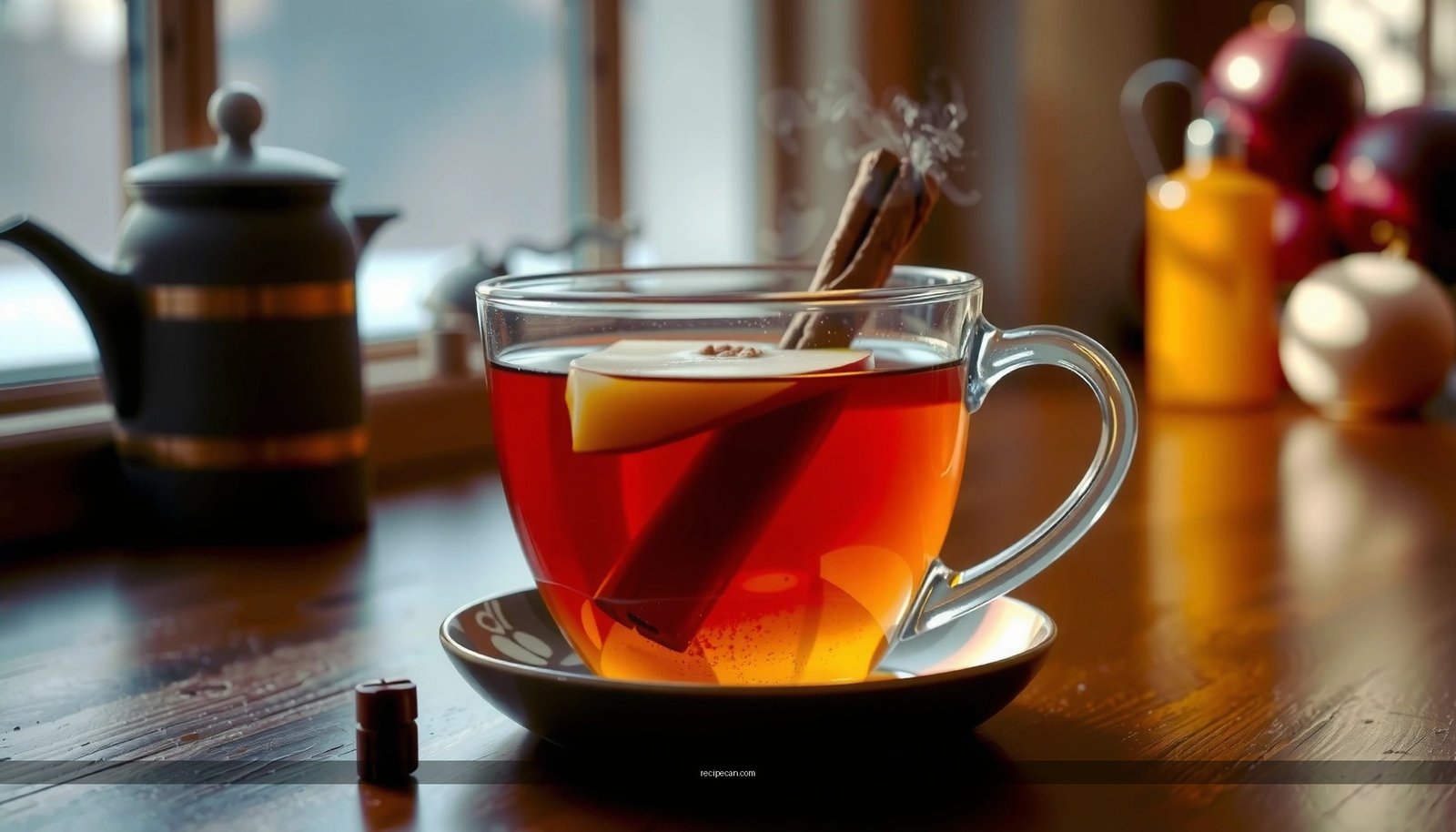
Get the easiest apple tea recipe with a clear, step-by-step method that delivers a fragrant, sweet-tart cup every time. This guide answers the question of how to make apple tea at home—what to use, how long to simmer, and how to balance flavor without guesswork. If you want a fast, reliable apple tea rather than complicated specialty tea, this is the winner.
Make cozy apple tea by simmering or steeping sliced apples (plus cinnamon) in hot water, then adding your preferred tea base for flavor. In practice, you’ll get the best balance—naturally fruity, aromatic, and easy to customize—by choosing the stovetop method for deeper apple flavor or the steeping method for a faster infusion.
Whether you’re brewing a warming hot apple tea for the afternoon or preparing iced apple tea for brunch, this recipe keeps the process simple: apples provide body and fruit notes, spices supply warmth, and a tea base adds tannins and complexity. Below you’ll find exact steps, practical ratios, and variations for caffeine-free and creamy versions—so you can match your taste in a repeatable way.
Ingredients for Apple Tea
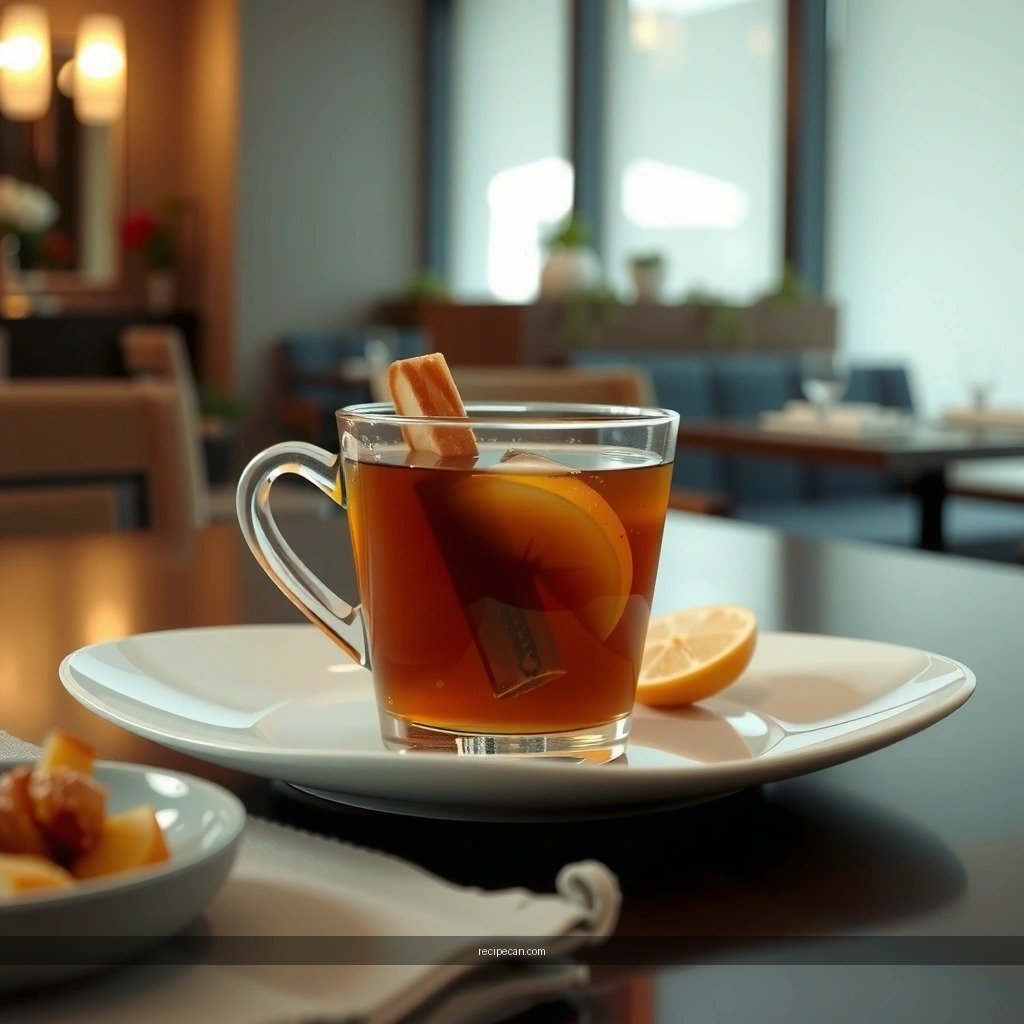
Apple tea is flexible, but a solid ingredient foundation makes the difference between “tastes good” and “tastes like you nailed it.”
– Use sliced apples (fresh or dried) plus water or apple juice as the base
Fresh apples (Honeycrisp, Gala, or Fuji) offer bright sweetness and floral aromatics. Dried apple slices intensify flavor and reduce brew time, but they can be more concentrated—so you may need slightly less cinnamon.
– Add flavor boosters like cinnamon, cloves, or lemon
Cinnamon is the signature, while cloves add depth and a subtle, almost mulled warmth. A small strip of lemon peel (or a few drops of lemon juice) prevents the drink from tasting flat by lifting apple sweetness.
– Choose your tea base (black tea, green tea, or herbal)
The “tea” part is where you control intensity and caffeine:
– Black tea (e.g., Assam or Ceylon) brings malty depth and pairs well with cinnamon.
– Green tea adds a lighter, grassy note that keeps apple tea crisp.
– Herbal tea (like rooibos or caffeine-free apple-cinnamon blends) makes it fully evening-friendly.
Practical ratio to start:
For a single mug (about 10–12 oz / 300–360 ml), use 2–3 thin apple slices (or 1–2 Tbsp dried apple slices), 1 cup water, 1 cinnamon stick or 1/2 tsp ground cinnamon, and 1–2 tsp tea leaves or 1 bag (depending on your tea base).
Recommended Flavor Pairings for Apple Tea (Practical Brewing Guide)
| # | Apple Tea Style | Best Tea Base | Cinnamon Amount | Brew Time Goal | Match Rating |
|---|---|---|---|---|---|
| 1 | Classic Spiced Hot Apple Tea | Black tea (Assam/Ceylon) | 1 cinnamon stick | 10–15 min total | ★★★★★ |
| 2 | Crisp & Light (Less Heavy) | Green tea | 1/2 tsp ground | 8–12 min total | ★★★★☆ |
| 3 | Mulled-Style Depth | Rooibos (tannin-rich) | 1 stick + 1 clove | 15–20 min | ★★★★★ |
| 4 | Caffeine-Free Evening Apple Tea | Herbal rooibos or apple-cinnamon blend | 1 cinnamon stick | 12–18 min | ★★★★★ |
| 5 | Iced Apple Tea (Bright Flavor) | Black tea or strong green tea | 1/2–1 tsp ground | 7–10 min total | ★★★★☆ |
| 6 | Apple Juice Base for Extra Fruitiness | Black tea (short steep) | 1 stick (short) | 10–12 min | ★★★★★ |
| 7 | “Less Cinnamon” for Subtle Spice | Green or white tea (if you use it) | Pinch of ground cinnamon | 8–10 min | ★★★☆☆ |
How to Make Apple Tea (Stovetop Method)

The stovetop method is ideal when you want a more apple-forward, naturally sweet cup with a deeper aroma. By simmering apples with spices, you extract pectin and flavor compounds, which can make the tea taste richer even before you add any sweetener.
– Simmer apples with spices until fragrant, then stir in tea and steep briefly
1. Add sliced apples to a pot with water or apple juice (start with about 1 cup per mug).
2. Add cinnamon (stick or ground) and optional cloves (1–2) or a small strip of lemon peel.
3. Simmer gently for 8–12 minutes until the liquid becomes fragrant and lightly colored.
– Strain the mixture and adjust sweetness if needed
4. Remove from heat and stir in your tea base:
– For black tea: add a tea bag or loose leaves and steep 2–4 minutes.
– For green tea: steep 1–2 minutes to avoid bitterness.
5. Strain out apple slices and spices.
6. Taste and sweeten gradually (honey, brown sugar, or maple syrup). Apple tea can go “too sweet” quickly once the cinnamon and tannins intensify.
– Serve hot or let it cool for a refreshing iced apple tea
7. Serve immediately hot, or cool and refrigerate. For iced apple tea, pour over ice and garnish with a few fresh apple slices for a clean presentation.
Stovetop troubleshooting (quick fixes):
– If it tastes too bitter, reduce tea steep time next round (especially green tea).
– If it tastes too weak, simmer apples slightly longer (2–3 minutes) or use less water.
– If it tastes flat, add lemon peel or a tiny squeeze of lemon juice to brighten the aromatics.
How to Make Apple Tea (Steeping Method)
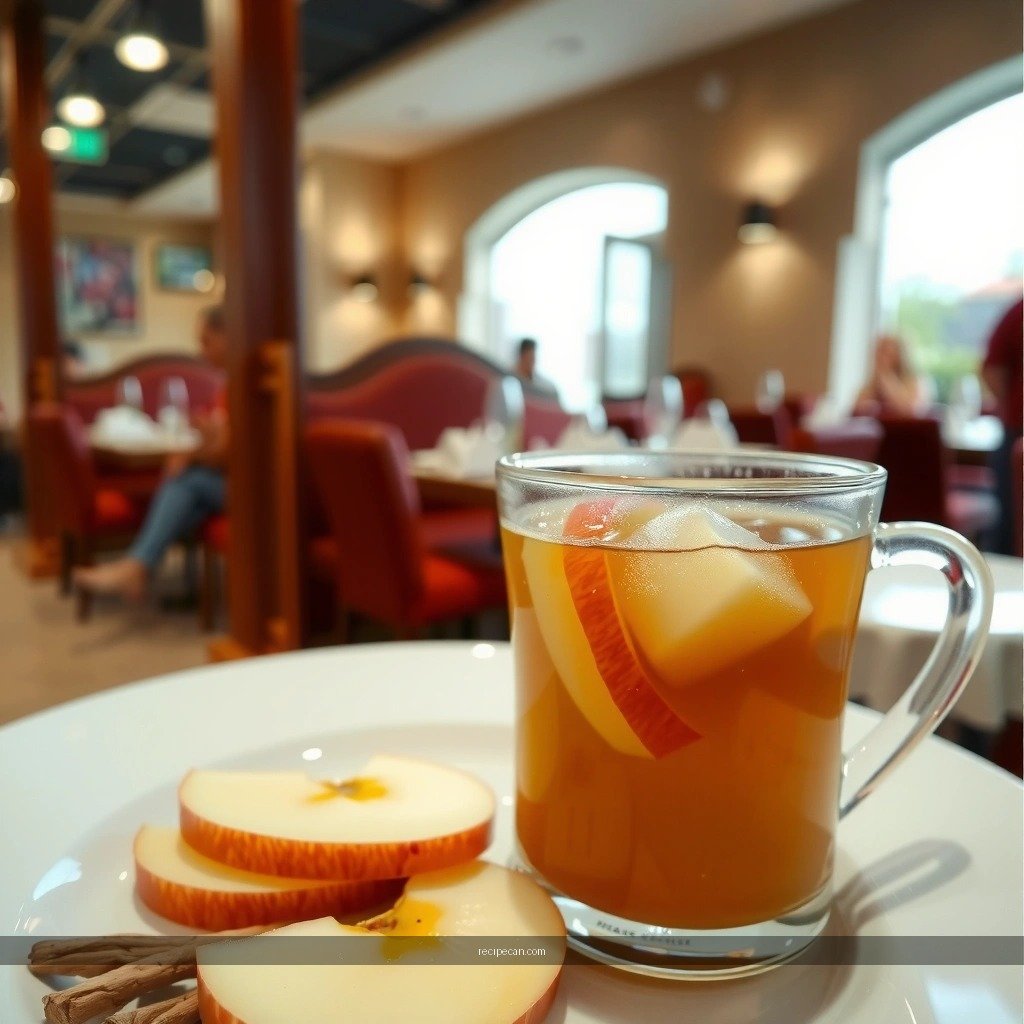
If you want speed without sacrificing flavor, the steeping method is a dependable choice. It’s best for busy mornings, office routines, or when you prefer a lighter infusion rather than a simmered reduction.
– Steep apple slices and spices in hot water for a quick infusion
1. Place sliced apples (or dried apple slices) into a heat-safe mug or teapot.
2. Add cinnamon and any optional spices (cloves, star anise, or lemon peel).
3. Pour hot water (near boiling for most tea bases; slightly cooler for green tea) and steep for 7–10 minutes.
– Add tea (or use herbal tea) for the final few minutes
4. Add your tea base for the last part of brewing:
– Black tea: 2–3 minutes
– Green tea: 1–2 minutes
– Herbal: 3–5 minutes depending on the blend
This “layered” timing prevents the tea from over-extracting while the apple flavor settles in.
– Strain and taste, then add honey or sugar to finish
5. Strain well (apple slices, cinnamon, whole spices).
6. Sweeten to taste. For many palates, a small amount of honey is enough because apples already contribute natural sweetness.
Steeping method advantage: it’s exceptionally consistent. Because you’re using defined steep times, you can dial in strength with less trial and error.
Flavor Variations to Try
Once your base recipe works, variations let you tailor apple tea to the season, your caffeine needs, and your preferred spice profile.
– Try a “spiced” version with cinnamon sticks and star anise
Star anise adds a gentle licorice note that makes apple tea feel more “bakery-like.” Use it sparingly (1 small star anise per 2 cups), because it can dominate.
– Go caffeine-free with herbal tea and extra apple flavor
Use rooibos or an apple-cinnamon herbal blend. For more body, simmer/steep a bit longer with dried apple slices, or use a mix of fresh + dried apples.
– Make it creamy by whisking in a splash of milk or oat milk
Add dairy or oat milk after straining and just warm through (don’t boil). The result is a softer mouthfeel that pairs extremely well with black tea and cinnamon.
If you’re preparing for others, these variations are also “service-friendly”—you can brew a base apple tea batch and then offer toppings like milk, honey, or extra cinnamon.
Sweetness, Strength, and Best Add-Ins
Apple tea is about control. The three levers you can adjust are brew time, spice level, and tea steep duration.
– Control intensity by simmering longer or steeping the tea longer
For deeper apple flavor, extend the apple simmer/steep. For stronger tea flavor, extend only the tea steep time slightly—especially with green tea to avoid bitterness.
– Balance tartness with honey, brown sugar, or maple syrup
Tart apples benefit from honey or maple syrup because they round off acidity. Brown sugar and molasses-style flavors complement cinnamon and cloves, giving a richer “spiced cider” impression.
– Enhance aroma with orange peel or a pinch of nutmeg
Orange peel adds a bright citrus oil aroma without requiring much sweetness. Nutmeg is potent—use a pinch—so the tea remains balanced rather than “dessert-only.”
Best add-ins by goal:
– Want it more “fall-forward”? Add a cinnamon stick + one clove.
– Want it more “bright and clean”? Add lemon peel (or a few drops of juice).
– Want it more “comfort drink”? Add nutmeg and a splash of milk/oat milk.
Storage and Serving Tips
Apple tea holds up well when stored correctly, but the key is to prevent over-extraction during cooling.
– Keep leftover apple tea in the fridge and rewarm gently
Refrigerate in a covered container and rewarm on low heat. If your apple tea includes loose tea that was left steeping too long, reheating can intensify bitterness—so it’s best to brew to target strength and then store promptly.
– Serve iced by pouring over ice and topping with fresh apple slices
For iced apple tea, cool the brewed tea quickly (room temperature first, then refrigerate) and pour over ice. Adding fresh apple slices right before serving helps maintain a crisp look and fresh aroma.
– Make a batch ahead for brunch or meal prep
Brew a larger pot, strain, and refrigerate. Add sweeteners when still warm so they dissolve fully. At service time, rewarm for hot cups or keep cold for iced apple tea.
Batch sizing quick guidance:
For a small batch (about 4 servings), use roughly 4 cups water/juice, 1.5–2 cups sliced apples, and 3–4 cinnamon sticks or 1.5 tsp ground cinnamon. Then steep your tea base once the apple infusion is ready.
Warm, spiced apple tea is an easy way to turn everyday apples into a comforting drink—using simple simmering or steeping steps. Choose your tea base (black, green, or herbal), follow the stovetop method for deeper apple flavor or the steeping method for speed, and adjust sweetness and spices until the cup matches your preference. Make one batch today, try one variation tomorrow, and you’ll quickly find your ideal apple tea formula.
Frequently Asked Questions
What is an easy apple tea recipe you can make at home?
An easy apple tea recipe starts with slicing 1 apple (with skin for extra flavor), simmering it in water with cinnamon sticks and a few cloves for 10–15 minutes, then steeping the mixture another 5 minutes. You can strain the liquid and sweeten with honey or maple syrup to taste. For an apple tea with more body, add a black tea bag during the last 3–5 minutes of simmering.
How do you make apple tea without bitterness?
To avoid bitterness in apple tea, don’t over-boil the spices or apple for too long—keep the simmer gentle and stop once the apple flavor is fragrant. If you’re using tea bags (black or green), steep them briefly and remove them promptly to prevent astringency. You can also balance stronger spices by adding a pinch of salt or a little extra apple juice or honey.
Why does apple tea taste better with cinnamon and cloves?
Cinnamon and cloves complement apple tea because their warm, aromatic compounds enhance the natural sweetness and “spiced apple” flavor. Adding them during simmering allows the flavors to infuse into the water, creating a richer tea than just steeping apple slices. Adjust the spice amounts to your taste—too much clove can overpower the apple.
What is the best way to sweeten apple tea—honey, sugar, or maple syrup?
The best sweetener depends on the flavor profile you want: honey adds floral notes, maple syrup gives a deep caramel taste, and sugar is the most neutral. For best results, stir honey or maple syrup into the apple tea after it’s slightly cooled (about warm, not boiling) so it keeps its flavor. Start with a small amount, then taste and adjust.
Which type of apple is best for apple tea recipes?
Crisp, aromatic apples like Honeycrisp, Gala, or Fuji work well because they stay flavorful as they simmer and bring natural sweetness. If you prefer a tart apple tea, choose Granny Smith apples to balance the cinnamon and create a brighter taste. Using a mix of sweet and tart apple varieties can also improve complexity in your homemade apple tea.
References
- https://www.fda.gov/food/buy-store-serve-safe-food/selected-questions-and-answers-apple-cider-and-food-safety
https://www.fda.gov/food/buy-store-serve-safe-food/selected-questions-and-answers-apple-cider-and-food-safety - Apple cider
https://en.wikipedia.org/wiki/Apple_cider - Apple cider
https://en.wikipedia.org/wiki/Mulled_cider - https://en.wikipedia.org/wiki/Spiced_cider
https://en.wikipedia.org/wiki/Spiced_cider - Tea
https://en.wikipedia.org/wiki/Tea - https://www.britannica.com/topic/tea
https://www.britannica.com/topic/tea - https://www.britannica.com/topic/apple
https://www.britannica.com/topic/apple - https://pubmed.ncbi.nlm.nih.gov/?term=apple+cider+polyphenols+tea
https://pubmed.ncbi.nlm.nih.gov/?term=apple+cider+polyphenols+tea - Google Scholar Google Scholar
https://scholar.google.com/scholar?q=apple+tea+recipe - Google Scholar Google Scholar
https://scholar.google.com/scholar?q=spiced+apple+cider+recipe+herbal+tea