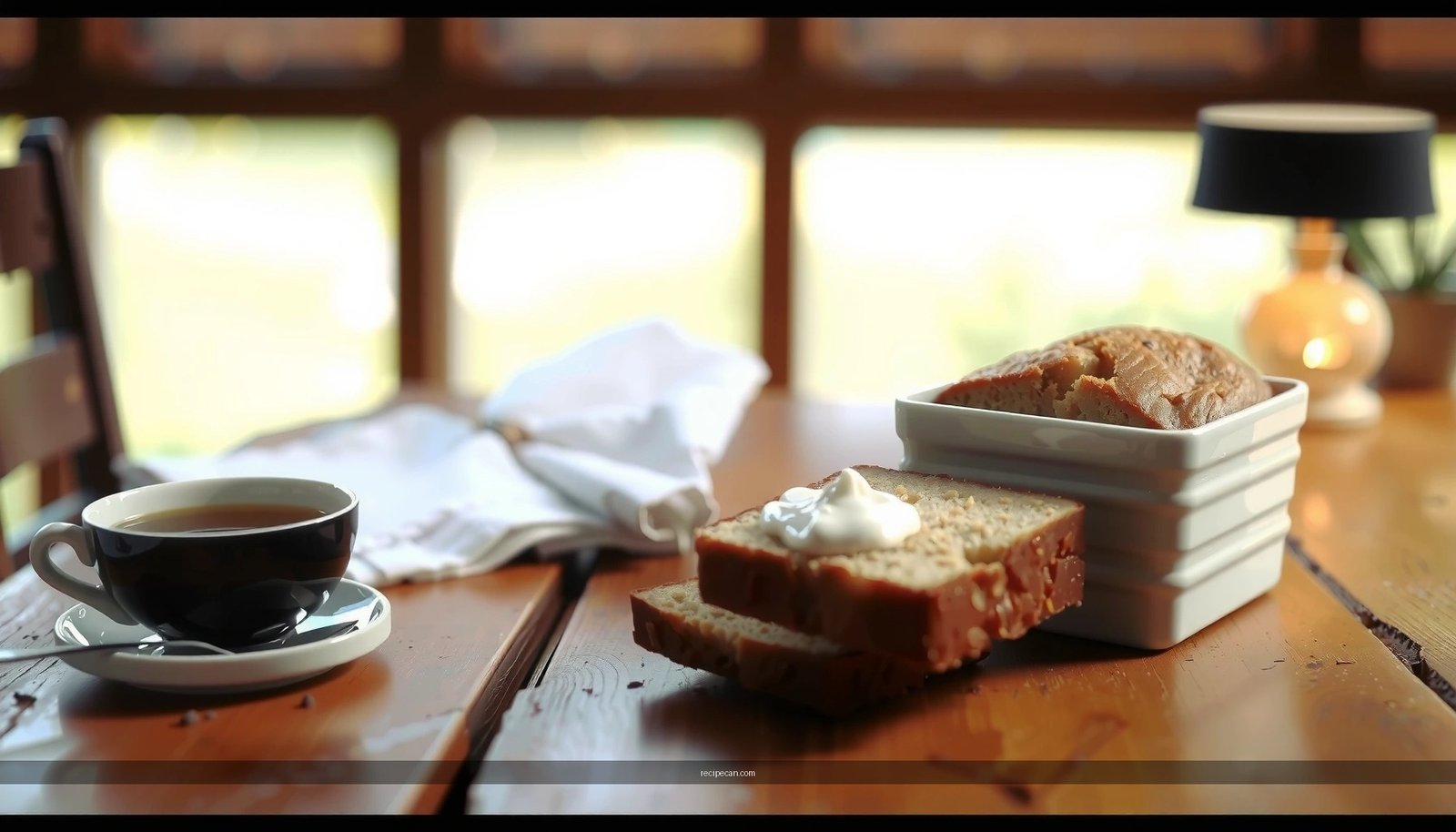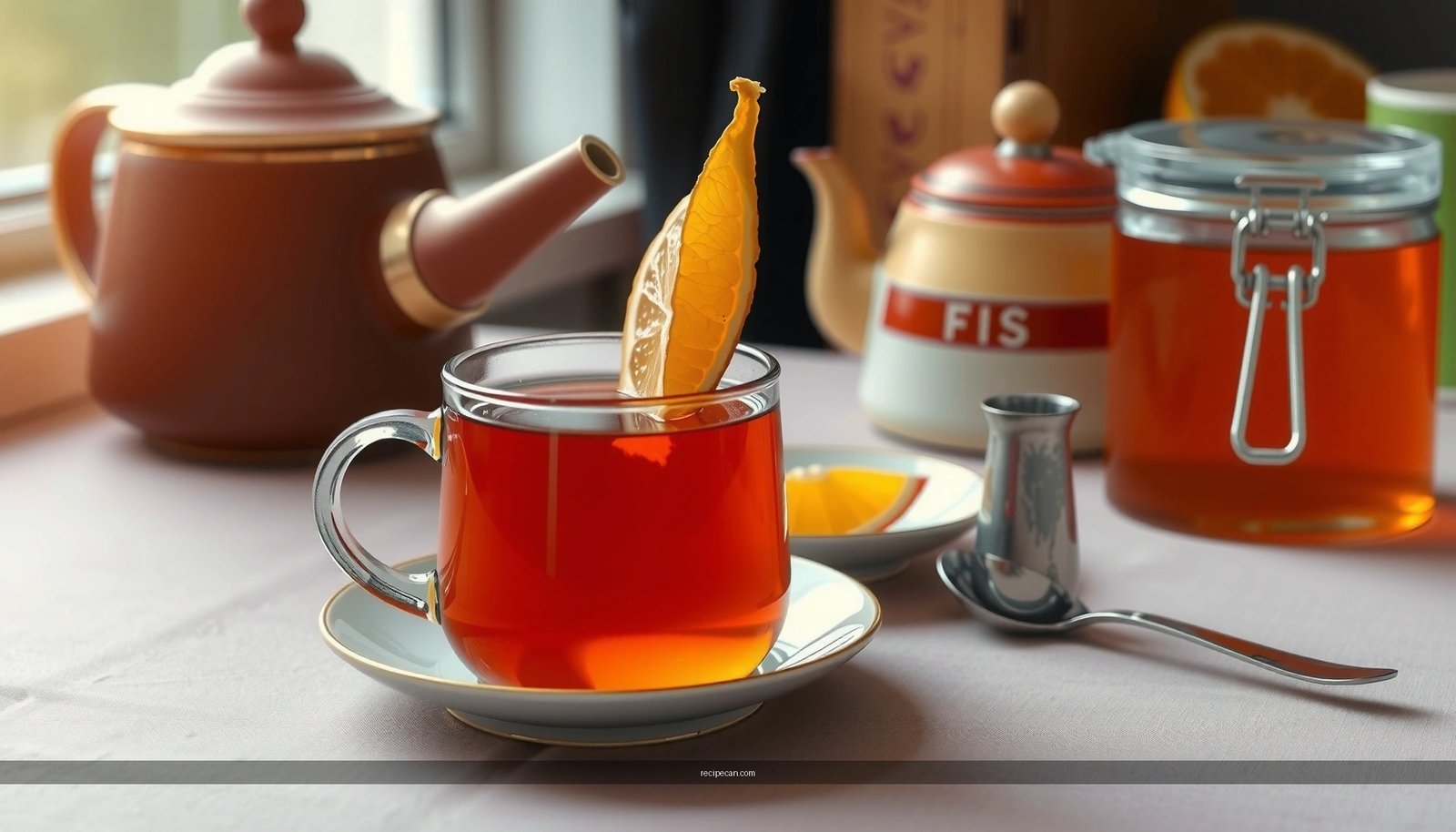
Find tea cookie recipes you can reliably bake—fast, flavorful, and ready for every occasion. This guide picks the best go-to cookie types and gives you straightforward batches that hold shape, taste rich, and pair perfectly with tea. If you want fewer failed tests and more “make again” results, start here.
Tea cookie recipes are easy to master when you infuse real tea flavor into the dough or glaze—then bake with the right timing for chewy-to-crisp texture. By matching tea strength to cookie style, balancing sweetness, and using reliable prep steps (like proper steeping and chilling), you can produce standout tea cookies at home for everyday snacking, gifting, or a tea party setup.
Choose Your Tea for Best Flavor
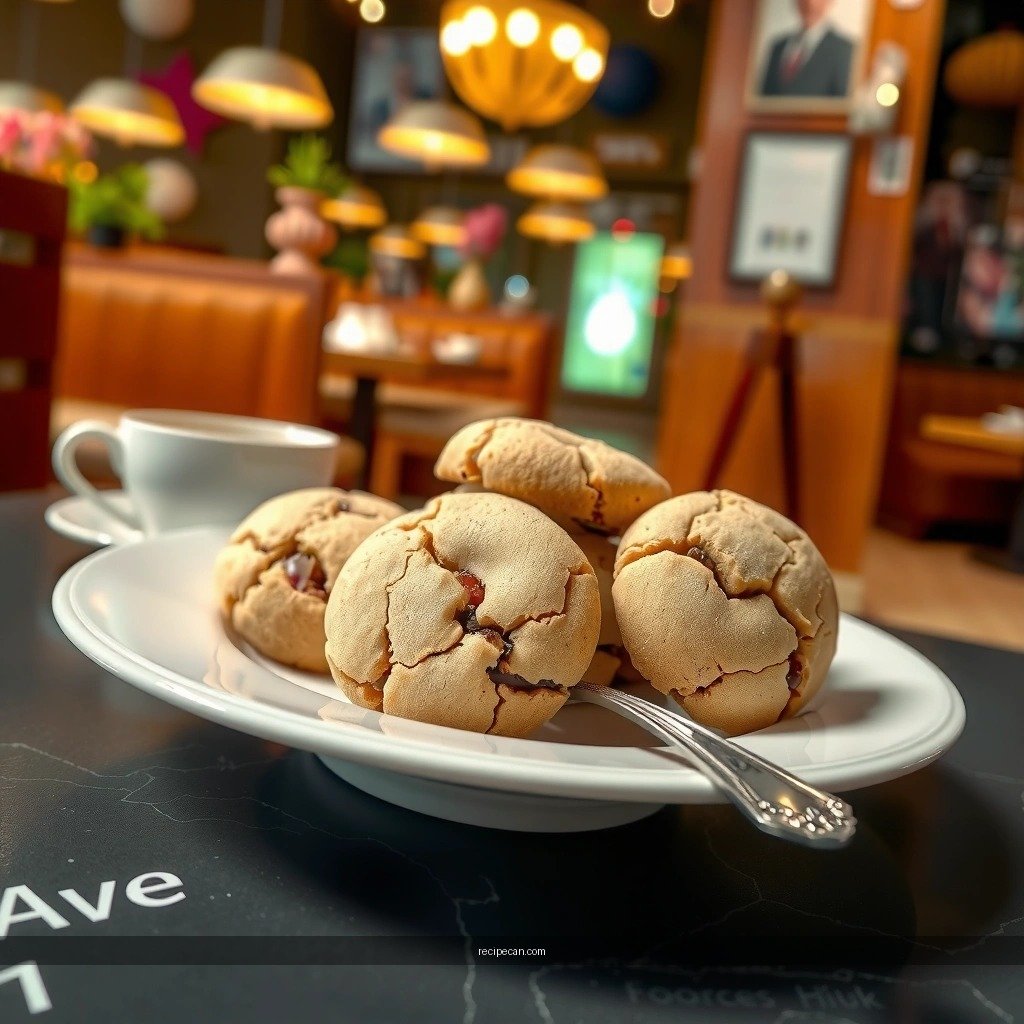
The “best” tea for cookies isn’t about the fanciest brand—it’s about compatibility between tea character and cookie structure. Think of tea as a flavor concentrate: bold teas can hold up to buttery dough and spices, while delicate teas perform best in lighter, smoother cookie bases.
– Match tea strength to your cookie type (light teas for shortbread, bolder teas for spiced cookies)
– Light, grassy, or floral teas (like green tea or jasmine) tend to disappear if the cookie is heavily spiced. They work best in shortbread-style cookies or simple sugar cookies where the tea notes can stay clear.
– Bolder teas (Earl Grey, chai, or strong black tea blends) can handle higher sweetness and mix-ins, making them ideal for cookies with ginger, cinnamon, or chocolate.
– Use Earl Grey, green tea, jasmine, or chai for distinct flavor profiles
Here’s how those flavors typically land:
– Earl Grey (bergamot): Bright, aromatic, slightly citrusy—excellent in sugar cookies, thumbprints, and glazed tea biscuits.
– Green tea: Toasty-grassy, subtly vegetal—works particularly well in buttery shortbread or crisp crinkle cookies.
– Jasmine: Soft florals—ideal in tender cookies with vanilla, honey, or a light glaze.
– Chai: Spiced warmth—perfect for gingerbread-like tea cookies, molasses-adjacent doughs, and chocolate pairings.
Actionable tip: If you’re unsure, start with tea you already enjoy drinking. Your cookie will taste like an “amplified version” of that tea, especially if you steep properly or use tea powder.
Tea Strength vs. Best Cookie Style (Practical Home Baking Guide)
| # | Tea flavor | Steeping strength target | Works best in | Best infusion method | Baking reliability* |
|---|---|---|---|---|---|
| 1 | Earl Grey | Medium-strong | Sugar cookies, thumbprints | Steeped tea in dough | ★★★★★ |
| 2 | Green tea | Medium | Shortbread, crisp cookies | Ground tea leaves or matcha | ★★★★☆ |
| 3 | Jasmine | Light-medium | Tender cookies, light glazes | Short steep + vanilla pairing | ★★★★☆ |
| 4 | Chai spice blend | Strong | Spiced cookies, chocolate pairings | Steeped tea + warm spices | ★★★★☆ |
| 5 | Chamomile | Light | Citrus- or vanilla-forward cookies | Tea-infused glaze | ★★★☆☆ |
| 6 | Oolong | Medium-strong | Buttery cookies with nutty add-ins | Reduced tea (concentrate) | ★★★★☆ |
| 7 | Black tea (non-bergamot) | Strong | Molasses-style tea biscuits | Steeped tea + dark sugar | ★★★☆☆ |
Essential Ingredients for Tea Cookies
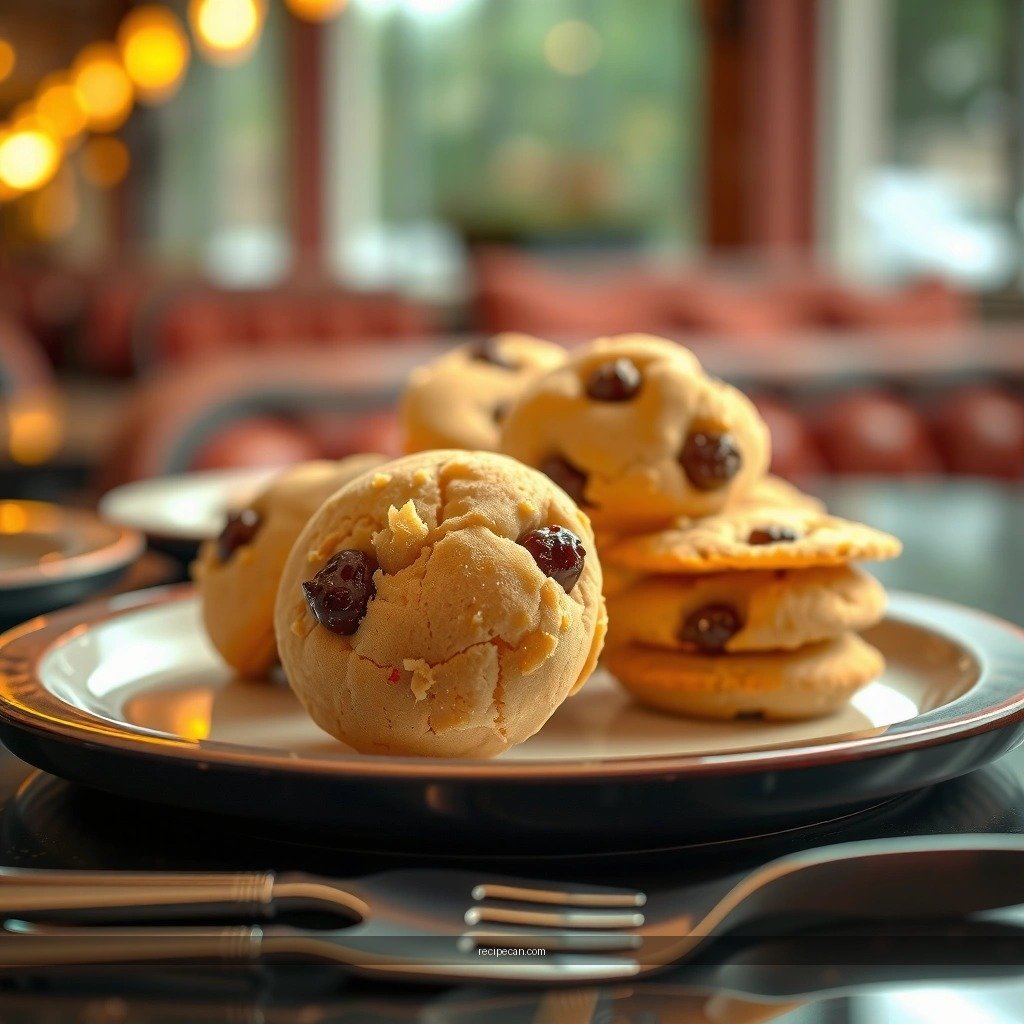
Tea cookie recipes rely on a core “cookie architecture” (fat + sugar + structure + moisture), and then you layer tea flavor into that system. When the ingredients are aligned, tea notes are pronounced without making the dough gummy or the cookies fragile.
– Combine flour, butter, sugar, and flavoring with tea-infused add-ins (tea powder or steeped tea)
– Flour provides gluten structure; keep it consistent for repeatable results.
– Butter carries aroma and browns evenly; it’s one of the best carriers for tea flavor.
– Sugar influences texture—more sugar can yield softer, more spread-prone cookies if you don’t chill.
– Tea-infused add-ins:
– Steeped tea (cooled) gives a liquid aroma profile and helps tea notes distribute.
– Tea powder (matcha or finely ground tea) intensifies flavor quickly and can add a faint “tea-dust” texture if overused.
– Add binders like eggs or yogurt to keep cookies tender and consistent
– Eggs give structure and help cookies set with a reliable crumb.
– Yogurt (or sour cream) adds tang, improves tenderness, and helps counterbalance tea bitterness—especially in green tea and jasmine cookies.
Practical ingredient ratios: For a standard batch (about 24–30 cookies), tea liquid usually replaces part of your milk/water, not everything. If you add too much steeped tea without balancing flour, the dough becomes too wet.
Step-by-Step Tea Cookie Base Recipe
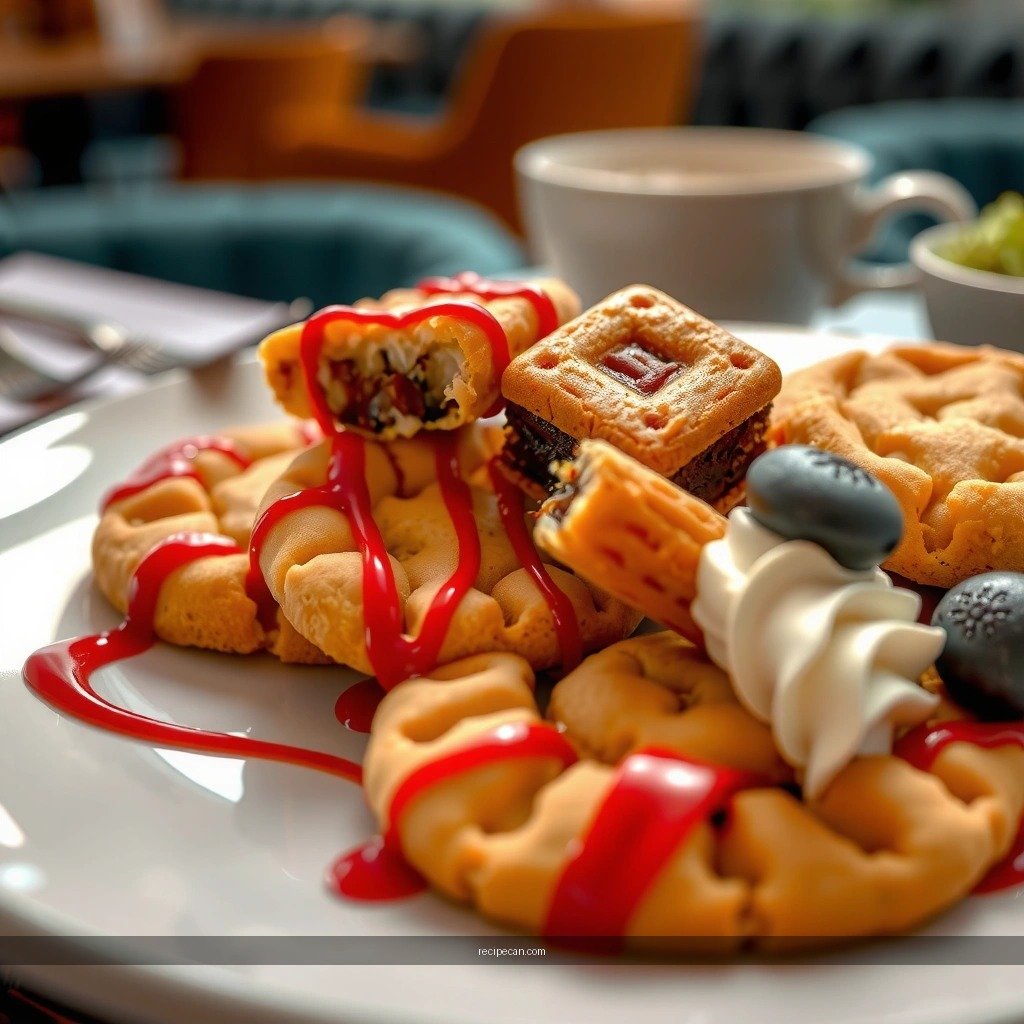
A dependable tea cookie base is less about complicated techniques and more about controlled infusion and dough handling. The goal: even tea flavor throughout the cookie, not just at the edges.
Base recipe (works with Earl Grey, green tea, jasmine, or chai):
1. Choose your infusion route
– Steeped tea route: Brew tea strongly (or longer), then cool to room temperature.
– Powder route: Use matcha or finely ground tea and whisk it into dry ingredients.
2. Mix dry ingredients
– Flour, baking powder (if using), and a pinch of salt. If using tea powder, blend it into the flour.
3. Cream butter and sugar
– Beat until lighter in color and fluffy—this helps cookies rise evenly.
4. Add binder
– Mix in egg (or yogurt) until the dough is cohesive.
5. Infuse and combine
– Add cooled steeped tea (or tea-infused glaze component) gradually. Stop once dough comes together.
6. Chill
– Refrigerate 30–60 minutes for better structure and fewer spreading issues.
– Brew or grind tea properly, then mix it into dough or glaze for even flavor
The most common mistake is using tea that’s either too weak (flavor fades) or too hot (butter melts, dough spreads). Brew, cool, then incorporate.
– Chill dough for better texture and fewer spreading issues while baking
Chilling is not optional if you want consistent results, especially when your tea infusion adds extra moisture.
Baking Tips for Perfect Texture
Texture determines whether tea cookies feel “bakery-level” or merely “okay.” Tea cookies can go from crisp and clean to overly soft if timing and cooling aren’t managed.
– Bake until edges set and centers look slightly soft for chewy-to-crisp results
Because tea aromatics intensify as cookies cool, it’s better to slightly underbake than overbake. A reliable visual cue: edges look set, and centers remain lightly puffy.
– Cool completely before glazing or storing to prevent soggy cookies
Warm cookies trap steam. If you glaze too soon, the icing melts into the surface and softens the crumb.
Target bake behavior (guideline):
– If you want chewier cookies: pull them when centers are just set around the perimeter.
– For crisper edges: bake 1–2 minutes longer, and cool on a rack to vent moisture.
Easy Variations and Flavor Combinations
Once your base is consistent, variations are about pairing tea with complementary ingredients—citrus for brightness, vanilla for roundness, and chocolate or nuts for depth.
– Try citrus zest (lemon/orange) with Earl Grey or vanilla with green tea
– Earl Grey + lemon zest: amplifies bergamot and creates a clean, sophisticated cookie.
– Green tea + vanilla: smooths vegetal notes and makes the flavor feel more rounded.
– Add mix-ins like white chocolate, nuts, or dried fruit to elevate each batch
– White chocolate: pairs beautifully with jasmine or Earl Grey because it stays sweet and lets floral/bergamot notes read clearly.
– Toasted nuts (almonds, pistachios, walnuts): work well with oolong and chai thanks to nutty undertones.
– Dried fruit (cranberries, apricots, chopped dates): adds concentrated sweetness to stronger teas like black tea blends or chai.
Variation strategy: Experiment with one change at a time (e.g., only zest + keep bake time constant). That makes your results measurable and improves consistency for future batches.
Storage and Serving Suggestions
Tea cookies are best the day they’re baked, but proper storage can preserve flavor and texture for several days—important for parties, office trays, or gifting.
– Store in an airtight container and refresh with a quick toast if needed
Airtight storage prevents tea aroma from fading and reduces staleness. If cookies soften, a 3–5 minute toast at low temperature can restore crispness.
– Pair with tea types you used in the recipe for a cohesive flavor experience
Serving tea alongside your cookies is more than a nicety—it’s a flavor design choice. For example:
– Earl Grey cookies + Earl Grey (or a bergamot tea)
– Jasmine cookies + jasmine green tea
– Green tea cookies + sencha or matcha latte
Serving tip for events: Plan a “cookie flight”—two tea types per table—so guests can compare how sweetness and tea bitterness balance in real time.
Tea cookie recipes are all about infusing the tea flavor effectively, then baking with timing and texture in mind. Pick your tea, follow a simple base method, and experiment with one variation at a time—then bake a fresh batch for your next tea break or gathering.
Frequently Asked Questions
What are the best tea cookie recipes for beginners?
The best tea cookie recipes for beginners are simple butter-cookie or shortbread-style doughs infused with tea flavor, like Earl Grey or chai. Look for recipes that use straightforward measurements, minimal chilling time, and clear baking temperatures so you can avoid dry or crumbly tea cookies. Starting with Earl Grey tea cookies is popular because the tea flavor distributes easily and the dough holds shape well in the oven.
How do you make tea cookie dough without bitterness?
To prevent bitterness, use tea that’s brewed or steeped briefly before incorporating it, rather than adding very strong dry tea powder directly. For recipes using loose-leaf Earl Grey or black tea, steep in warm butter or hot cream (or dissolve tea leaves into a small amount of milk) and let it cool before mixing. If you prefer matcha tea cookies, sift matcha powder and start with a smaller amount, then increase gradually to match your taste.
Why do my tea cookies turn out too dry?
Tea cookies can become dry when they’re overbaked or when the dough has too much tea powder relative to the flour and fat. Check the bake time early—tea cookies usually go from pale to browned quickly, and even a few extra minutes can dry them out. Also make sure you cream butter and sugar properly and measure flour accurately (spoon and level) so your cookie dough stays tender.
Which tea works best for flavoring cookies?
Earl Grey is a favorite for tea cookie recipes because bergamot adds a bright, aromatic flavor that complements vanilla and butter. Matcha works especially well for chewy or crisp tea cookies since it’s flavorful and naturally green, while chai tea is ideal if you want spiced tea cookies with cinnamon, ginger, and clove notes. If you want a lighter tea flavor, try green tea or jasmine tea, but steep gently and use modest amounts to keep the cookies balanced.
How can I infuse tea flavor into cookies without changing the texture?
The most reliable method is to infuse tea into a liquid component—such as melted butter, warm milk, or cream—then strain the mixture before adding it to the dough. This keeps the tea solids from disrupting the dough structure and helps maintain a smooth texture, whether you’re making butter tea cookies or shortbread. For matcha tea cookies, combine sifted matcha with a portion of dry ingredients to reduce clumping and ensure even distribution.
References
- Google Scholar Google Scholar
https://scholar.google.com/scholar?q=tea+cookie+recipes - Google Scholar Google Scholar
https://scholar.google.com/scholar?q=green+tea+cookies+matcha+baking+study - Google Scholar Google Scholar
https://scholar.google.com/scholar?q=black+tea+shortbread+biscuits+recipe - https://pubmed.ncbi.nlm.nih.gov/?term=green+tea+cookies
https://pubmed.ncbi.nlm.nih.gov/?term=green+tea+cookies - https://www.sciencedirect.com/search?qs=green%20tea%20cookies
https://www.sciencedirect.com/search?qs=green%20tea%20cookies - Biscuit
https://en.wikipedia.org/wiki/Tea_biscuit - Teacake
https://en.wikipedia.org/wiki/Tea_cake - Shortbread
https://en.wikipedia.org/wiki/Shortbread - Butter cookie
https://en.wikipedia.org/wiki/Butter_cookie - https://www.britannica.com/topic/shortbread
https://www.britannica.com/topic/shortbread