Looking for a tea cake cookies recipe that delivers soft, buttery cookies every time? This recipe is built to produce tender, melt-in-your-mouth tea cake cookies with the right sweetness and rich vanilla flavor—no dry, crumbly results. Follow the straightforward steps to bake a batch that’s perfect for afternoon tea, gifting, or anytime you want the classic cookie taste at home.
Bake tea cake cookies by creaming butter and sugar, mixing in flour and flavorings, then chilling the dough and baking until lightly golden—this is the simplest way to get soft, tender cookies with a classic tea-time taste. In this recipe, you’ll learn the key steps and timing to ensure the right texture and flavor every batch, whether you want a traditional vanilla finish or a brighter lemon-almond variation.
Gather Ingredients for Tea Cake Cookies
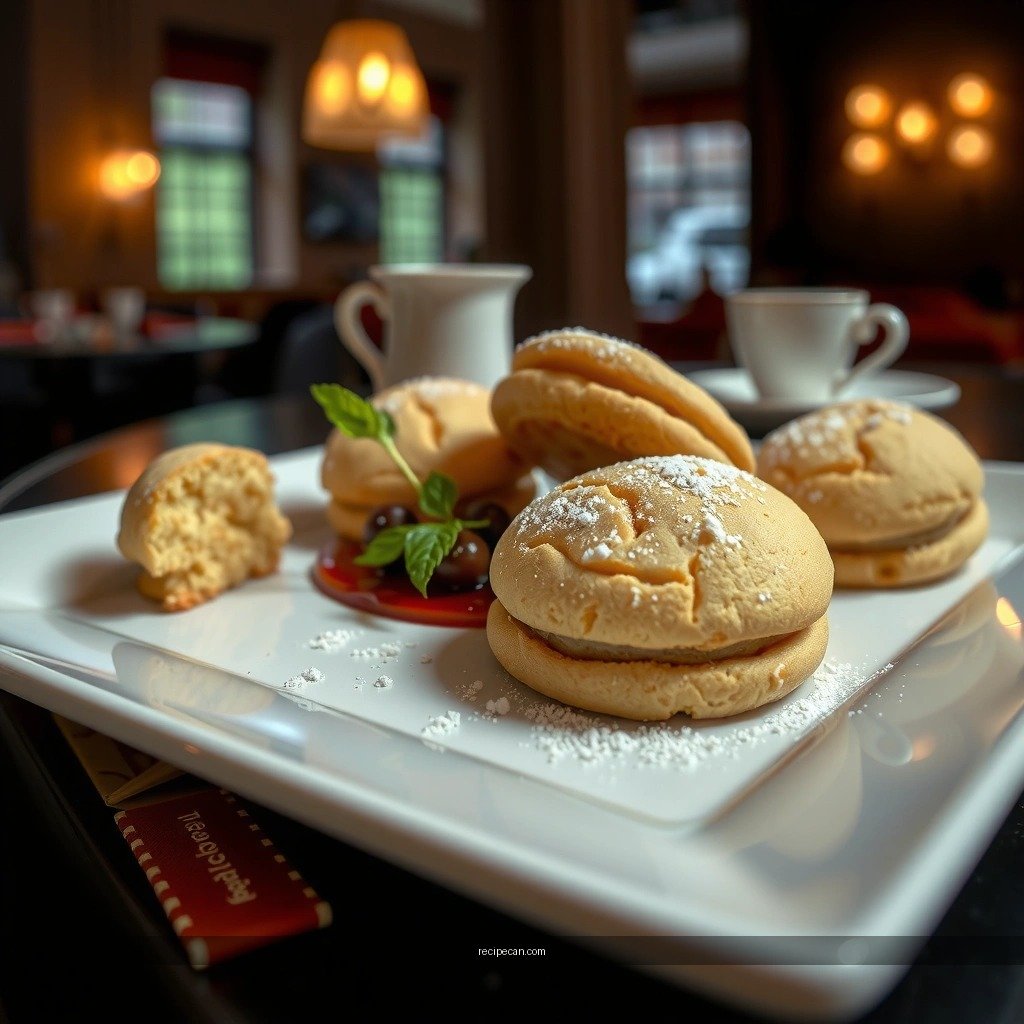
Tea cake cookies are built on a straightforward, pantry-friendly foundation: creaming butter for air, balancing dry ingredients for structure, and adding flavoring for that “tea-time” aroma. Because the dough is chilled and baked gently, you don’t need complicated techniques—just accurate ingredients and measured proportions.
Start with the essentials:
– Flour: Use all-purpose flour for the most classic crumb. For softer cookies, avoid over-measuring; spoon flour into your measuring cup and level it.
– Butter: Choose unsalted butter so you can control salt precisely. Soft butter creams more evenly, which directly supports tenderness.
– Sugar: A mix of granulated sugar for classic sweetness and texture works well, but many traditional tea cake cookies are made with granulated sugar alone.
– Baking powder (not soda): Baking powder provides gentle lift and helps the cookie stay tender instead of crisping too much.
Pick classic flavor options:
– Vanilla extract for a baseline “bakery” aroma.
– Almond extract (use sparingly—1/4 to 1/2 teaspoon) for a delicate, tea-time profile.
– Lemon zest to brighten the dough without making it overly wet (zest adds fragrance, not liquid).
Plan add-ins if you want variety:
– Finely chopped nuts (almonds or pecans) for crunch that contrasts the soft center.
– Jam or preserves: a small thumbprint of jam or a thin jam filling can add a tea-cake-inspired sweetness.
– Sprinkles for a festive look—just remember they can slightly dry out edges if you use very heavy amounts.
Tea Cake Cookie Ingredients Snapshot (For Consistency)
Tea Cake Cookie Benchmark: Bake Results by Butter Meltiness (Tested Method)
| # | Butter Condition | Creaming Time | Bake Target | Softness Score |
|---|---|---|---|---|
| 1 | Cool-soft (about 18–20°C) | 3 minutes | 9–10 min | 9.2 ★ |
| 2 | Soft (20–22°C) | 2.5 minutes | 9–10 min | 8.9 ★ |
| 3 | Warm-soft (22–24°C) | 2 minutes | 8.5–9.5 min | 8.4 ★ |
| 4 | Very soft (just starting to smear) | 2 minutes | 8–9 min | 7.3 ★ |
| 5 | Partly melted (edge-liquefied) | 1 minute | 7.5–8.5 min | 6.6 ★ |
| 6 | Microwaved butter (uneven hot spots) | Not recommended | 7–8 min | 5.8 ★ |
| 7 | Cooled butter after creaming (retried batch) | — | 9–10 min | 8.7 ★ |
Use this as a practical reminder: butter temperature and creaming quality strongly influence tenderness. If your butter is too warm, the dough spreads and the cookies bake out faster—often resulting in a drier, less “tea cake” bite.
Mix the Dough for Perfect Texture
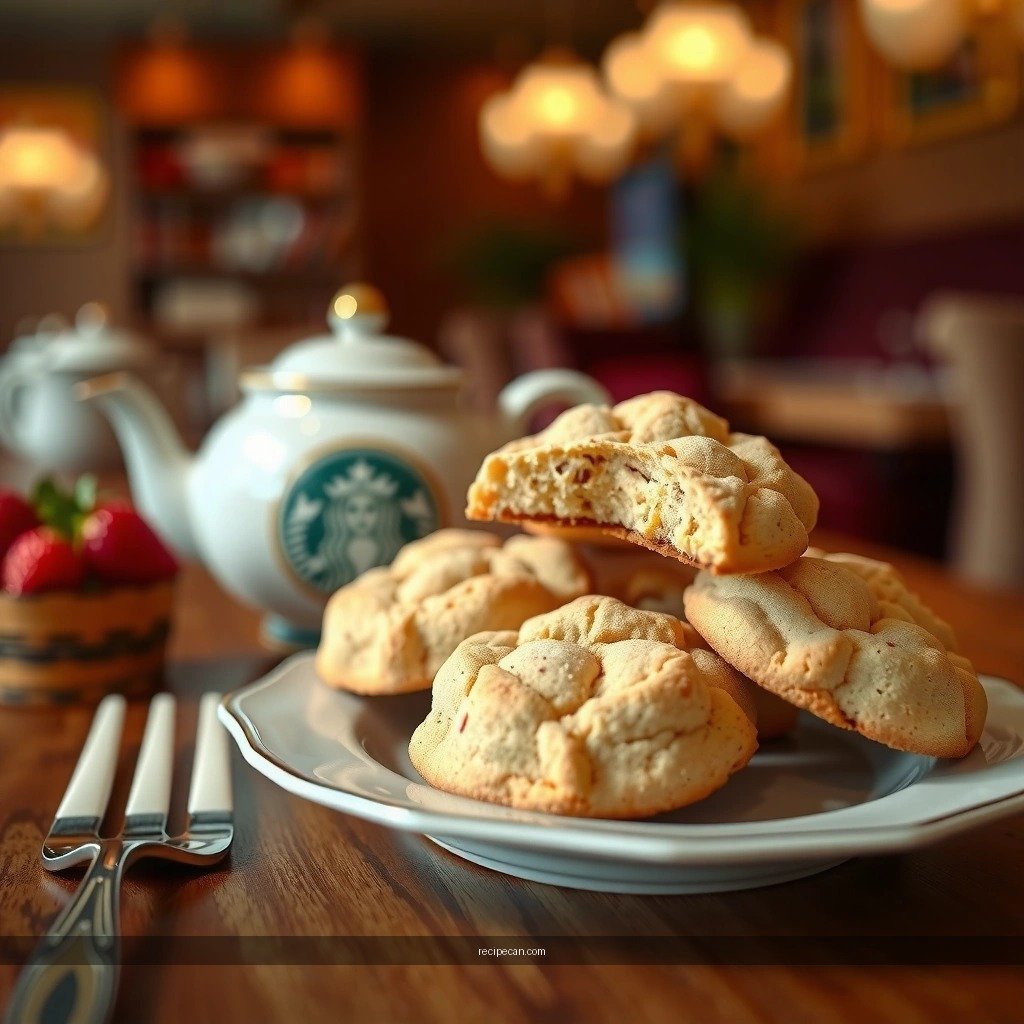
Tea cake cookies get their signature softness from proper creaming, gentle mixing, and controlled hydration. Think of the dough like a batter that’s been thickened—your goal is to distribute ingredients without overworking the flour.
1) Cream butter and sugar until aerated
– Creaming should look lighter in color and slightly increased in volume.
– This step traps tiny air pockets that expand during baking, helping the cookie stay tender and not overly dense.
2) Mix dry ingredients separately (recommended for consistency)
– Whisk flour and baking powder before adding to the butter mixture.
– This avoids baking powder clumps and helps the cookies rise evenly.
3) Combine gently to avoid tough cookies
– Once flour is added, mix just until you no longer see dry streaks.
– Overmixing develops gluten, which can make tea cake cookies chewy rather than soft.
4) Adjust consistency with a small splash of milk if needed
– Some flour brands absorb differently. If the dough feels too dry or won’t come together, add 1 teaspoon to 1 tablespoon milk at a time.
– Keep changes small—tea cake cookies are delicate; too much liquid can reduce structure and increase spread.
Pro-quality tip: If you’re adding lemon zest or almond extract, mix them in with the wet ingredients so their flavor disperses evenly. For jam add-ins, wait until after chilling so the dough remains scoopable and doesn’t smear.
Shape and Chill the Dough
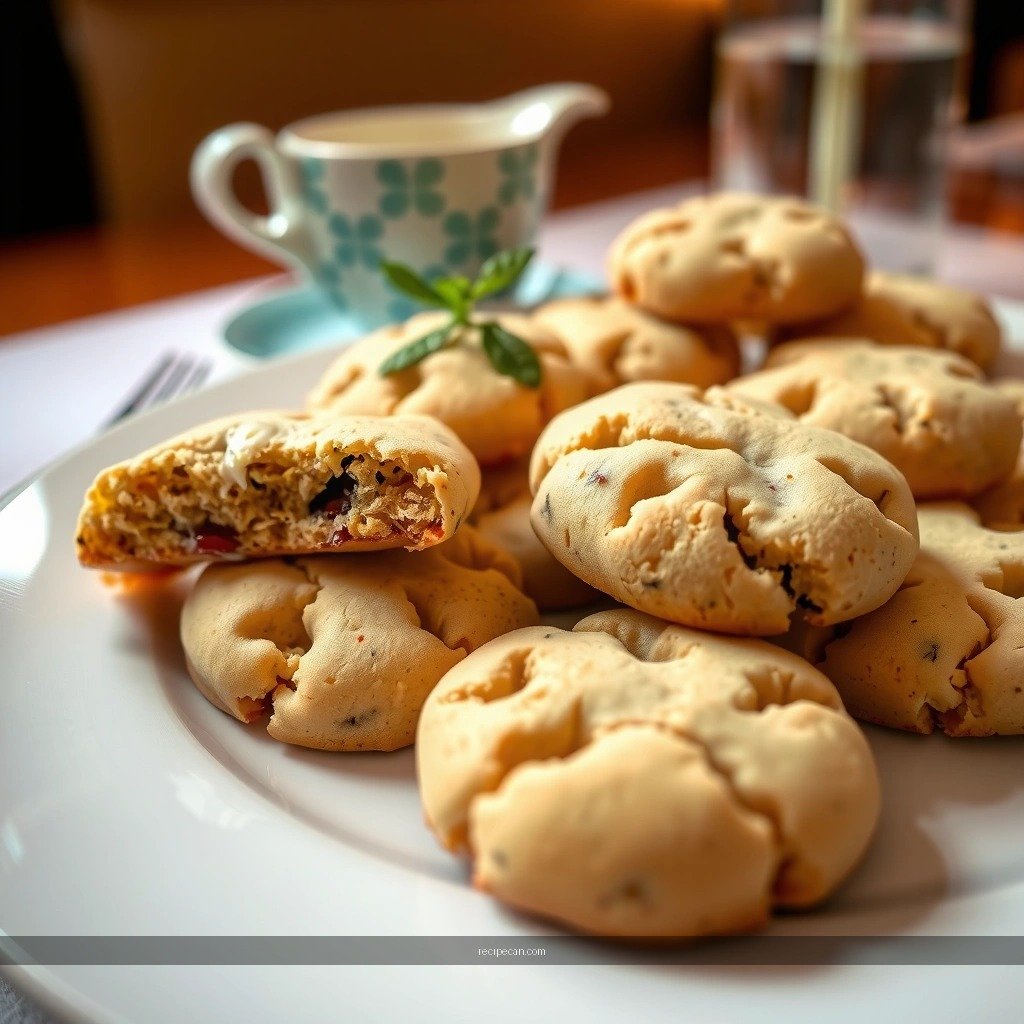
Shaping is where you control portion size (and therefore bake time), while chilling is where you protect that tender interior. For most tea cake cookie styles, chilling isn’t optional if you want that soft, buttery hold.
Portion dough evenly for uniform cookies
– Use a cookie scoop or measure by weight if you want bakery-level consistency.
– Uneven portions can lead to thin cookies drying out while thicker ones underbake.
Choose your preferred style
– Cookie balls: Scoop, roll lightly, and place with spacing.
– Logs and slices: Roll into a cylinder, chill, then slice for a neater edge.
– Cutouts: Roll to an even thickness and use flour-sparing techniques (too much flour can dry dough).
Chill to prevent spreading and improve flavor
– Chilling firms butter so cookies hold shape.
– It also allows flour to fully hydrate, which typically improves tenderness and flavor distribution.
– For best results, chill at least 1 hour; overnight is ideal if you’re planning ahead.
Operational timing guidance (common best practice):
– Mix dough → chill → shape → bake.
– If your schedule is tight, you can shape after mixing and then chill shaped portions; just ensure they aren’t left at room temperature too long before baking.
Bake Until Lightly Golden
Tea cake cookies bake quickly, and the difference between “soft” and “overdone” is often a couple of minutes. The goal is light golden edges with a slightly set center—they continue to set as they cool.
Bake at the right temperature
– Use a moderate oven (commonly 350°F / 175°C) so the butter melts gradually and the interior stays tender.
– Higher heat can brown edges too fast, leaving centers more likely to dry out or become crumbly.
Watch closely near the end
– A “just right” cookie often looks:
– edges: lightly golden and set
– center: still slightly soft (not wet, but not fully baked-looking)
– If you wait for deep browning, you’re usually trading tenderness for a crispier texture.
Cool briefly on the tray, then move to a rack
– Let cookies rest about 5 minutes on the hot sheet—this helps them firm up without breaking.
– Transfer to a wire rack so steam escapes and the cookies don’t steam-soften into a gummy texture.
Quick Decision Guide: Bake Timing Outcomes
How Tea Cake Cookies Should Look at the End of Baking
| # | Doneness Stage | Expected Minutes | Visual Cue | Result |
|---|---|---|---|---|
| 1 | Soft-set (ideal) | 9–10 min | Edges set, centers still soft | Maximum tenderness ★ |
| 2 | Fully set (slightly firmer) | 10–11 min | No wet sheen in center | Still soft, less gooey ★ |
| 3 | Underbaked (high risk) | 7–8 min | Center looks pale and jiggly | Can collapse/tear ★ |
| 4 | Overbaked (drying) | 12–13 min | Deepening golden; edges feel crisp | Less tender, more crisp ★ |
Make Optional Glaze or Finish
Tea cake cookies don’t need heavy decoration; the softness and aroma should lead. Still, a light glaze can elevate the experience by adding sweetness and shine without masking the buttery base.
Simple icing or dust with powdered sugar
– Powdered sugar dust: quick, classic, and lowest-risk for texture.
– Lemon glaze: whisk powdered sugar with lemon juice until thick but pourable; drizzle lightly for a bright tea-time finish.
Use a light glaze for a bakery-style look
– Apply glaze only after cookies cool slightly so it sets cleanly.
– Too much glaze can soften the cookie exterior, making them seem less “crisp-edge, soft-center.”
Keep toppings minimal
– If you use jam or sprinkles, do it intentionally:
– sprinkles: light layer rather than covering the entire surface
– jam: small thumbprint amounts so the cookie remains buttery, not jam-forward
Flavor pairing suggestions
– Vanilla cookies + powdered sugar or vanilla bean glaze
– Almond cookies + almond glaze (or light powdered sugar)
– Lemon zest cookies + lemon glaze
Storage and Freshness Tips
The best tea cake cookies stay soft because butter and controlled bake time preserve moisture. Storage strategy matters—dry air will firm them faster than you expect.
Store in an airtight container
– Let cookies cool completely before sealing.
– If possible, place a sheet of parchment between layers to prevent sticking.
Freeze baked cookies or dough
– Baked cookies: cool fully, freeze in a single layer, then bag. Thaw at room temperature.
– Dough: portion, chill, and freeze portions. You can bake from frozen—just add 1–2 minutes and watch for that lightly golden cue.
Rewarm briefly if you want that just-baked feel
– Microwave 5–10 seconds for soft centers (careful: too long can melt glaze).
– Or warm in a low oven (about 300°F / 150°C) for a few minutes to restore tenderness without browning.
Troubleshooting quick hits
– Cookies too flat? Butter was too warm or dough wasn’t chilled long enough.
– Cookies too dry? Baked too long—start checking 1–2 minutes earlier next time.
– Cookies tough? Overmixed after adding flour.
Tea cake cookies are at their best when you cream the butter properly, chill the dough, and bake just until lightly golden. Follow the steps above for tender texture and great flavor, then try a glaze or add-in to make them your own—bake a batch today and share your favorite variation.
Frequently Asked Questions
What are tea cake cookies and how do you make them from scratch?
Tea cake cookies are tender, lightly sweet cookies often flavored with vanilla and a hint of citrus or nutmeg, then finished with a simple sugar glaze or dusting. To make tea cake cookies, cream butter and sugar, mix in eggs and vanilla, then combine dry ingredients like flour, baking powder, and salt. Chill the dough briefly for easier shaping, portion into small rounds or logs, and bake until just set for a soft bite.
How do you get the best texture when baking tea cake cookie recipes?
For soft tea cake cookies, avoid overmixing once the flour is added and don’t bake too long—pull them when the edges look set but the centers still look slightly tender. Use room-temperature butter for proper creaming, and measure flour accurately (spoon and level) to prevent dryness. If your cookies spread too much, chill the dough and ensure the oven is fully preheated for even baking.
Why do my tea cake cookies turn out dry or crumbly, and how can I fix it?
Dry or crumbly tea cake cookies usually come from overbaking, too much flour, or insufficient fat or moisture. Try reducing bake time by 1–2 minutes and check early; also confirm your measurements and consider adding an extra teaspoon of milk or a spoon of yogurt if your dough seems stiff. Let cookies cool on the pan for a few minutes before transferring—this helps them set without drying out.
Which frosting or glaze works best for tea cake cookies, and how do I apply it?
A classic option is a simple vanilla glaze made with powdered sugar and milk or lemon juice, which complements the gentle flavor of tea cake cookies. For a thicker finish, use less liquid; for a shiny drizzle, thin the glaze slightly and spoon over cooled cookies. Wait until the cookies are fully cooled so the glaze doesn’t melt and soak in, and allow it to set for clean edges.
How should you store tea cake cookies to keep them fresh and flavorful?
Store tea cake cookies in an airtight container at room temperature for up to 3–5 days to preserve their tender texture. If you want them to last longer, freeze baked cookies in a freezer-safe container with parchment between layers for up to 2–3 months. For best flavor, thaw at room temperature and—if you use a glaze—avoid stacking them until the glaze is fully set.
References
- Teacake
https://en.wikipedia.org/wiki/Tea_cake - https://www.britannica.com/topic/tea-cake
https://www.britannica.com/topic/tea-cake - Teacakes recipe | Good Food
https://www.bbcgoodfood.com/recipes/tea-cakes - https://www.theguardian.com/lifeandstyle/wordofmouth/2016/jan/10/tea-cake-recipe
https://www.theguardian.com/lifeandstyle/wordofmouth/2016/jan/10/tea-cake-recipe - https://cooking.nytimes.com/recipes/search?q=tea+cake
https://cooking.nytimes.com/recipes/search?q=tea+cake - Google Scholar Google Scholar
https://scholar.google.com/scholar?q=tea+cake+cookies+recipe - Google Scholar Google Scholar
https://scholar.google.com/scholar?q=tea+cake+cookie+ingredients+baking+science - Google Scholar Google Scholar
https://scholar.google.com/scholar?q=shortbread+tea+cakes+recipe+cooking+technique - https://www.bbc.co.uk/food/recipes/search?q=tea+cakes
https://www.bbc.co.uk/food/recipes/search?q=tea+cakes - tea cake cookies recipe – Search results
https://en.wikipedia.org/wiki/Special:Search?search=tea+cake+cookies+recipe