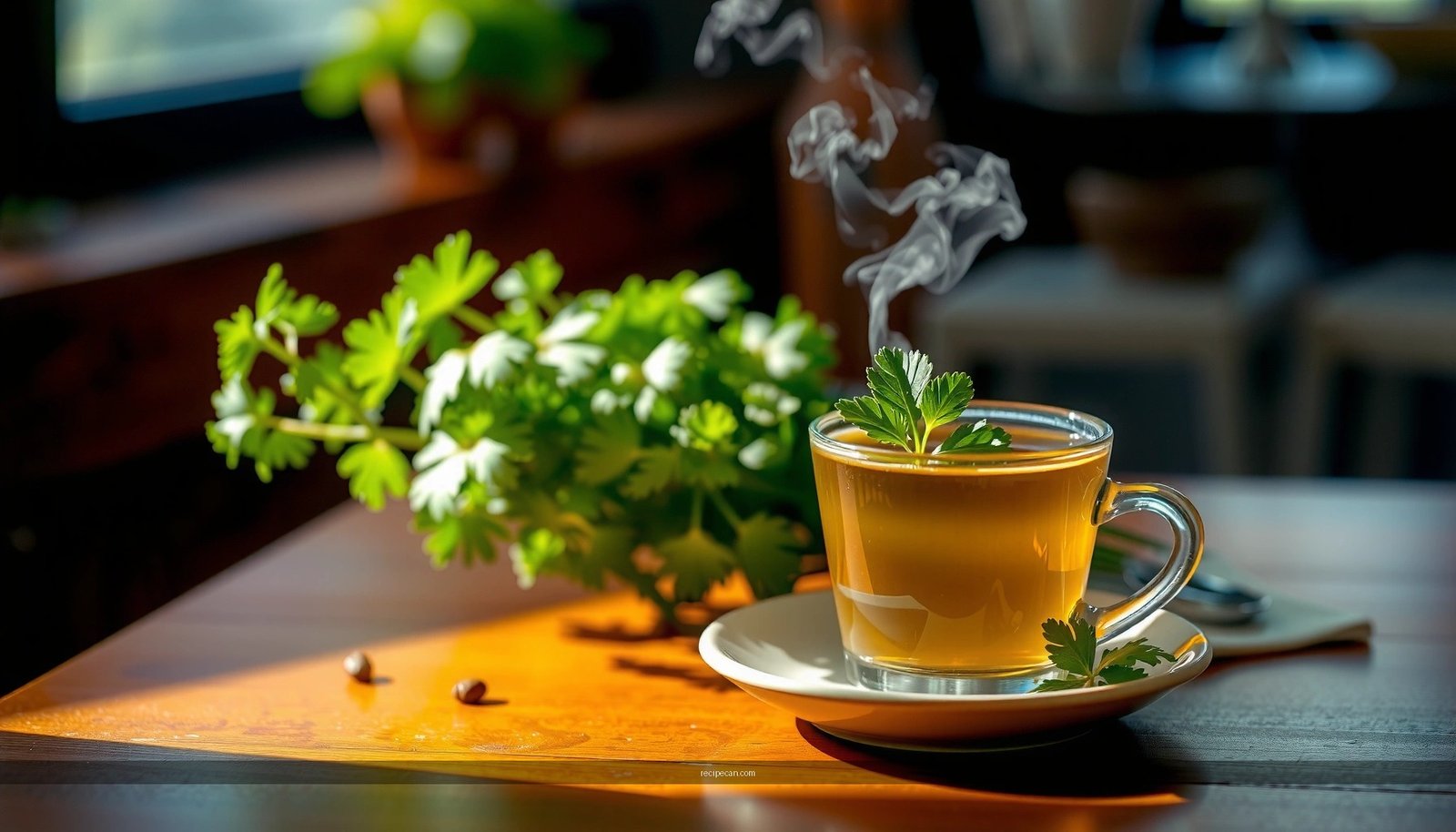
If you’re searching for a peppermint tea recipe that delivers a fresh, bright cup every time, this is the fastest path. You’ll get the exact steeping time, peppermint-to-water ratio, and simple method that extracts full flavor without turning bitter. Follow it once and you’ll know the precise approach for a clean, cooling mug—hot or iced.
Peppermint tea is simple: steep fresh or dried peppermint leaves in hot water for 5–10 minutes, then adjust strength and sweetness to your taste. In this guide, you’ll get a reliable peppermint tea recipe with practical timing guidance, flavor-boost options (like honey and lemon), and tips to serve hot or make it iced—so every cup tastes clean, bright, and consistently minty.
Recommended Spearmint vs. Peppermint Steep Strength for Tea Service (Cup Yield)
| # | Tea Base | Suggested Leaves (per 8 oz / 240 ml) | Steep Time | Flavor Rating | Aftertaste Perception |
|---|---|---|---|---|---|
| 1 | Fresh peppermint (leaves) | 8–12 leaves (about 1 tsp packed) | 5–7 min | ★★★★☆ | Clean & bright |
| 2 | Dried peppermint (loose) | 1–1.5 tsp | 6–8 min | ★★★★★ | Slightly stronger mint |
| 3 | Fresh peppermint + lemon (slice) | 8–10 leaves + 1 thin slice | 5–7 min | ★★★★☆ | Crisp, less “heavy” |
| 4 | Dried peppermint + honey | 1–1.25 tsp + 1 tsp honey | 6–8 min (sweeten after steep) | ★★★★★ | Soothing finish |
| 5 | Fresh peppermint (stronger blend) | 12–16 leaves | 7–9 min | ★★★☆☆ | Can feel intense |
| 6 | Dried peppermint (extra strong) | 2 tsp | 8–10 min | ★★★★☆ | Might taste “medicinal” |
| 7 | Peppermint tea bag (standard) | 1 bag | 4–6 min | ★★★★☆ | Consistent mint profile |
Ingredients for a Simple Pepmint Tea Recipe

To make a fresh, flavorful cup of peppermint tea, keep the ingredient list lean and then fine-tune strength and sweetness.
– Fresh or dried peppermint leaves (your choice)
Fresh peppermint delivers a greener, brighter aroma; dried peppermint tends to be more concentrated and delivers a fuller mint character. If you have both, start with the fresh option for a lighter cup and use dried when you want a stronger, more consistent brew.
– Hot water as the base
Use clean, cold water and heat it to near-boiling so you can extract the mint’s essential oils efficiently without scorching or flattening the flavor.
– Optional add-ins like honey, lemon, or sugar
Peppermint tea is naturally aromatic, so add sweeteners only after steeping (and after tasting). Honey is typically the smoothest option, while lemon adds acidity that makes the mint taste “crisper.”
—
Step-by-Step: How to Make Peppermint Tea

This peppermint tea recipe is designed to be repeatable—so you can brew one cup the same way every time, whether you’re using fresh leaves, dried leaves, or tea bags.
– Heat water to near-boiling and prepare your peppermint
Bring water to a near-boil (bubbles forming at the edges). Meanwhile, gently rinse fresh peppermint and pat it dry. If using loose dried peppermint, measure it consistently—mint can vary by leaf size and moisture content.
– Steep for 5–10 minutes depending on desired strength
Pour hot water over peppermint in a mug or teapot, cover if possible, and steep. A shorter steep yields a lighter mint flavor; a longer steep produces a more intense, cooling sensation.
– Strain (if using loose leaves) and sweeten to taste
Strain loose leaves (or remove the tea bag). Taste before adding honey or sugar. If you’re adding lemon, squeeze in a little after steeping so the acidity stays bright rather than muting the aroma.
Quick reference for a single cup (8 oz / 240 ml):
– Fresh: ~8–12 leaves, steep 5–7 minutes
– Dried: ~1–1.5 tsp, steep 6–8 minutes
Adjust upward only gradually if you want more strength.
—
Best Water Temperature and Steeping Time
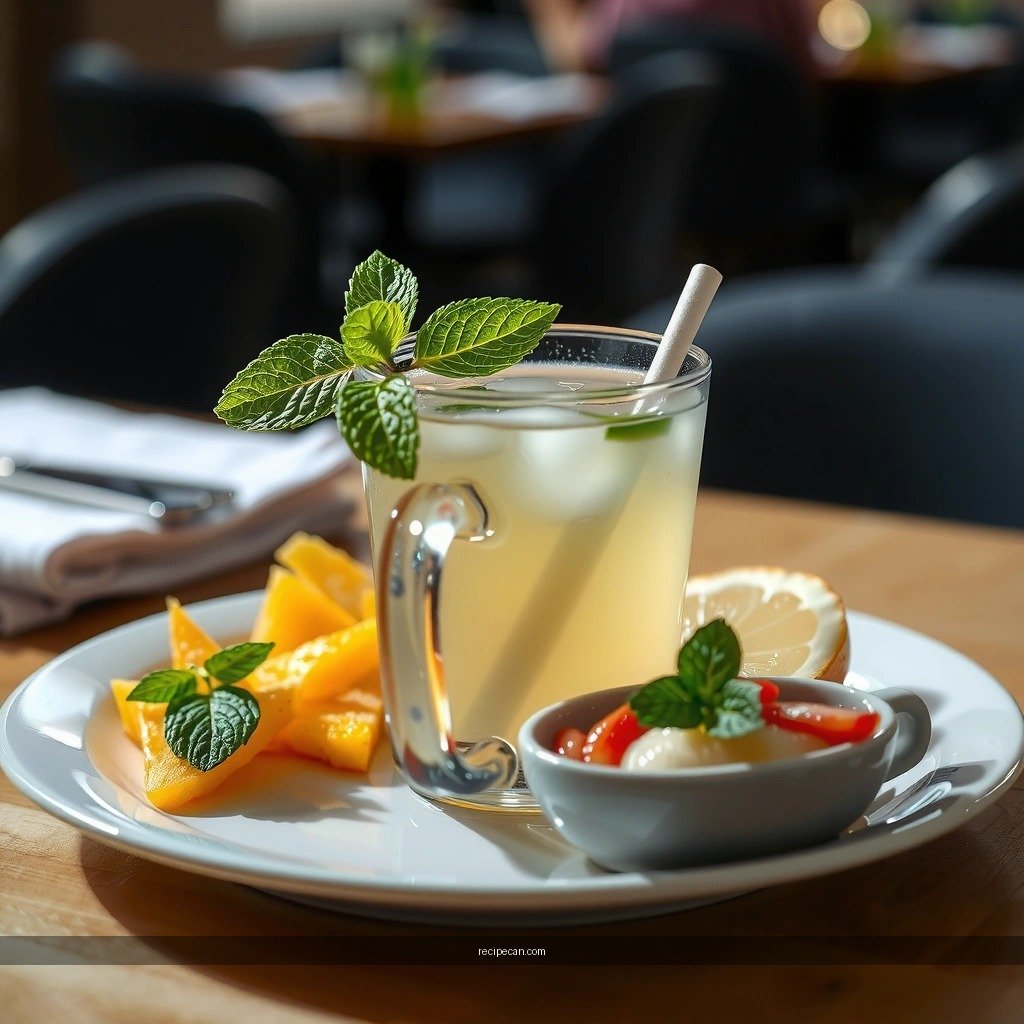
Peppermint tea flavor is strongly influenced by temperature and time because mint’s aromatic oils dissolve at different rates. The goal is to extract enough flavor without pushing the brew into bitterness or a “sharp” aftertaste.
– Use near-boiling water for full flavor extraction
Near-boiling water (just below the boil) helps pull key flavor compounds efficiently. If you use water that’s too cool, you may get a weaker mint profile that tastes thin or overly herbal.
– Short steeping = lighter taste; longer steeping = stronger mint
Think of steep time as your control knob:
– 3–5 minutes: subtle and aromatic
– 5–7 minutes: balanced, “fresh-mint” cup
– 8–10 minutes: bold, sometimes intense depending on freshness and leaf amount
If your peppermint ever tastes harsher than you’d like, reduce steep time first—before changing everything else.
– Adjust time for fresh vs. dried peppermint
Dried peppermint is more concentrated. For most people, dried peppermint needs a similar or slightly longer steep than fresh, but you should start with the middle of the range (about 6–8 minutes for dried) and taste.
Practical flavor diagnostics:
– Too faint? Increase steep time by 1–2 minutes or add a small amount more leaf.
– Too strong or “sharp”? Decrease steep time by 1–2 minutes or reduce leaf amount.
– Flavor seems “flat”? Ensure water is near-boiling and cover during steeping to trap aroma.
—
Flavor Boost Ideas (Optional Variations)
Peppermint tea is a flexible base. The best variations enhance clarity and aroma rather than overpowering peppermint.
– Add a slice of lemon for a brighter, fresher profile
Lemon’s acidity sharpens mint’s perceived freshness. Add a thin slice (or a small squeeze) after steeping, then taste. If you steep lemon too long, it can drift toward sharper bitterness.
– Stir in honey for a soothing, lightly sweet cup
Honey dissolves quickly in hot tea and rounds out peppermint’s natural intensity. Start with about 1 teaspoon per 8 oz and adjust based on your preference. If you’re serving multiple people, offer honey on the side to keep flavor consistent.
– Try cinnamon or ginger for a warm twist
For a comforting, “after-dinner” profile, add:
– Cinnamon stick (steep alongside peppermint for 5–8 minutes total)
– Fresh ginger slice (steep a few extra minutes, but taste carefully to avoid overpowering)
These spices pair well with peppermint’s cooling notes, especially during cooler months.
Business-friendly serving idea:
If you brew peppermint tea for guests or for a small office “wellness break,” prepare a base batch (fresh or dried only), and provide add-in stations (honey packets, lemon wedges, cinnamon sticks). This improves consistency while letting individuals customize.
—
Serving Tips and Storage
A good peppermint tea recipe doesn’t stop at steeping. Serving temperature, taste timing, and storage all affect the final cup.
– Serve hot, or let cool and chill for iced peppermint tea
For iced peppermint tea, brew slightly stronger than usual, let it cool, then pour over ice. Cooling can mute flavor slightly, so a stronger base helps the mint remain noticeable once diluted.
– Taste before adding sweeteners and adjust as needed
Mint can feel “sweet” even without sugar due to its aromatic compounds. Taste first, then sweeten gradually. If you add sugar or honey too early, it can mask under-extraction and make it harder to diagnose what’s off.
– Store unused peppermint properly to keep flavor strong
Peppermint—especially dried—can lose aroma over time. Store dried peppermint in an airtight container away from light and heat. For fresh peppermint, wrap leaves in a damp paper towel and refrigerate in a sealed bag. Fresher leaves generally give a higher-quality aroma and longer-lasting mint notes.
Storage timing guidance (simple and practical):
– Fresh peppermint: use within several days for best aroma
– Dried peppermint: store for months if sealed and protected, but expect diminishing intensity over time
—
When to Enjoy Peppermint Tea (and Who Should Be Cautious)
Peppermint tea is widely enjoyed for taste and ritual, and many people incorporate it into after-meal routines or evening wind-downs.
– Great for after meals, relaxation, or a refreshing hot drink
Many drink peppermint tea after eating because it feels refreshing and soothing. It’s also caffeine-free, making it a practical option for evenings, meetings, or late-day hydration when you don’t want stimulants.
– May help soothe digestion for some people
Some people find peppermint tea supportive after meals. Individual responses vary, and peppermint can feel very cooling—so if you’re sensitive to strong mint, start with a lighter brew.
– If pregnant, nursing, or on medication, check with a clinician first
Peppermint in culinary amounts is generally common, but concentrated peppermint (or frequent use) may not be appropriate for everyone. If you’re pregnant, nursing, or taking medications, consult a healthcare professional for personalized guidance.
Workplace note:
If you offer peppermint tea at an office, consider posting simple prep guidance (steep time, caffeine-free, optional lemon/honey). Clear instructions help employees and visitors drink it the way that works best for them.
—
Peppermint tea is a quick, customizable drink—steep peppermint in hot water, then adjust strength and sweetness to your taste. Use the simple timing guide (typically 5–10 minutes depending on fresh vs. dried), try one flavor variation like lemon or honey, and brew a fresh cup today for a minty, calming break.
Frequently Asked Questions
What is a simple peppermint tea recipe I can make at home?
To make a simple peppermint tea recipe, steep 1–2 teaspoons of dried peppermint (or 6–10 fresh leaves) in 1 cup of hot water for 5–7 minutes. Strain, then taste and sweeten with honey or sugar if desired. For extra flavor, add a slice of lemon or a pinch of cinnamon. This straightforward peppermint tea is great for everyday use and works well as a hot or iced drink.
How do I make peppermint tea with fresh peppermint leaves instead of dried?
Rinse fresh peppermint leaves and gently bruise them to release oils before steeping. Add 6–10 leaves to 1 cup of hot water and steep for about 5 minutes, then strain. If you want a stronger peppermint tea, add more leaves or steep for 7–8 minutes rather than using overly hot water. Fresh peppermint tea tastes brighter and can be more fragrant than dried versions.
Why does peppermint tea taste minty but sometimes turn bitter, and how can I fix it?
Peppermint tea can taste bitter if you over-steep or use water that’s too hot for too long. Try steeping for 3–5 minutes first, especially with fresh peppermint, and use hot (not boiling) water around 190–205°F / 88–96°C. If it’s already steeped too long, dilute with a bit more hot water and add a small amount of honey. Adjusting steep time is the easiest way to keep your peppermint tea recipe tasting clean.
Which peppermint tea is best for stomach discomfort—loose leaf, tea bags, or peppermint tea blends?
For stomach discomfort, many people prefer plain peppermint tea (loose leaf or quality tea bags) because it keeps the ingredients simple. Peppermint tea blends can be helpful, but they sometimes include strong additives like licorice or extra herbs that may not suit everyone. Look for products that list peppermint as the main ingredient and avoid ones with lots of added flavors if you want a straightforward peppermint tea. Loose leaf often delivers more consistent flavor, but tea bags are convenient and still work well.
What’s the best way to make peppermint iced tea using the same recipe?
Brew your peppermint tea recipe as a concentrate by steeping 2x the amount of peppermint for 4–6 minutes, then strain. Let it cool to room temperature, then refrigerate until fully chilled. To serve, pour over ice and add lemon, honey, or a splash of sparkling water for a refreshing twist. This method prevents the iced peppermint tea from tasting weak or watery.
References
- Peppermint
https://en.wikipedia.org/wiki/Peppermint - https://www.nccih.nih.gov/health/peppermint
https://www.nccih.nih.gov/health/peppermint - Peppermint | Plant, Leaves, Aromatic Herb, Medicinal Uses, Oil, & Facts | Britannica
https://www.britannica.com/plant/peppermint - https://www.mayoclinic.org/drugs-supplements/peppermint/art-20346635
https://www.mayoclinic.org/drugs-supplements/peppermint/art-20346635 - https://pubmed.ncbi.nlm.nih.gov/?term=peppermint+tea
https://pubmed.ncbi.nlm.nih.gov/?term=peppermint+tea - https://www.sciencedirect.com/search?qs=peppermint+tea
https://www.sciencedirect.com/search?qs=peppermint+tea - Google Scholar Google Scholar
https://scholar.google.com/scholar?q=peppermint+tea+recipe - Google Scholar Google Scholar
https://scholar.google.com/scholar?q=mentha+piperita+infusion+preparation - Google Scholar Google Scholar
https://scholar.google.com/scholar?q=peppermint+tea+brewing+instructions - peppermint tea recipe – Search results
https://en.wikipedia.org/wiki/Special:Search?search=peppermint+tea+recipe