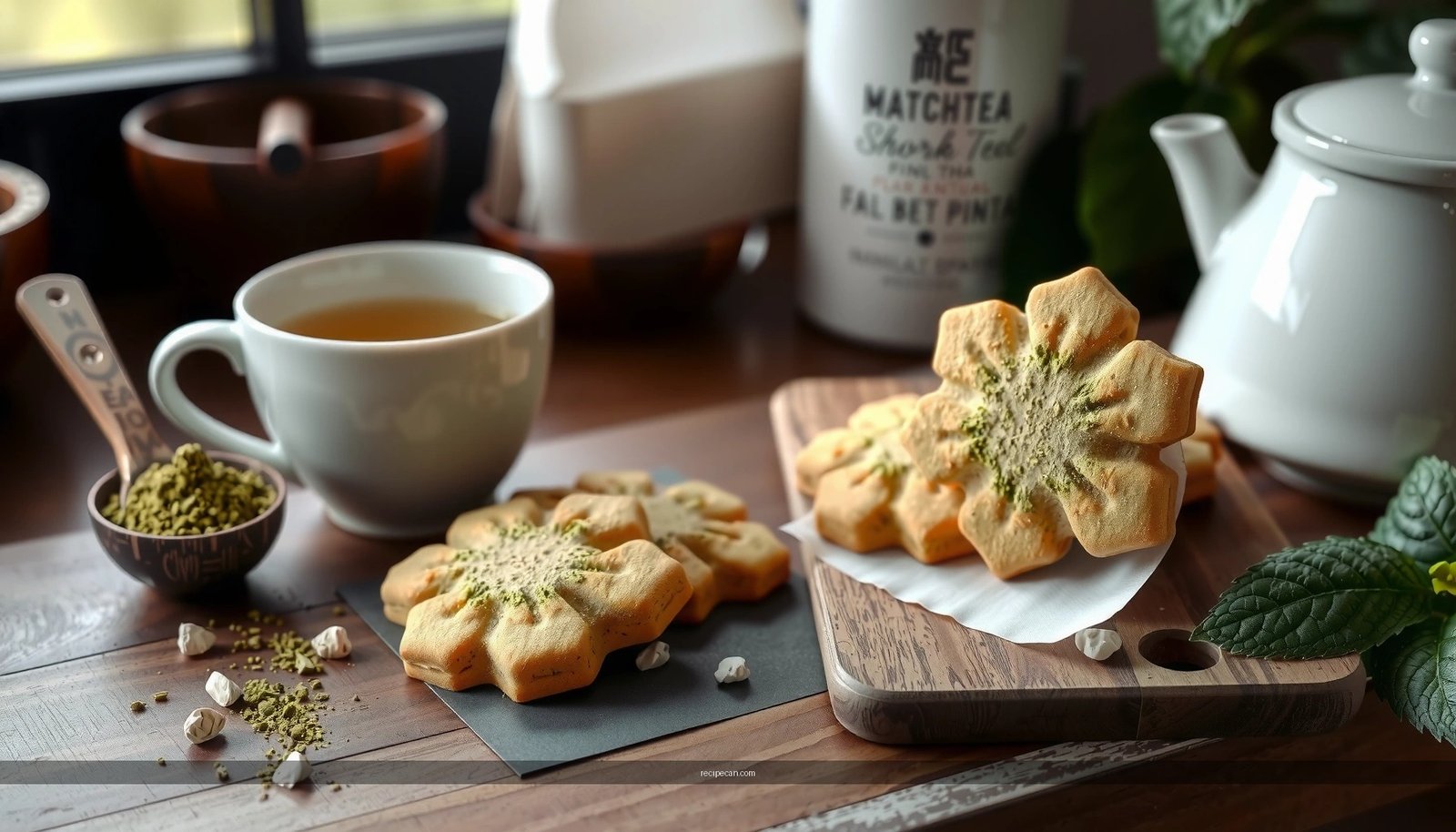
Want the best matcha tea cookies recipe that actually delivers bakery-level flavor at home? This easy matcha cookies recipe tells you exactly how to bake tender, green-tea-forward cookies with the right sweetness and a clean matcha finish. If you’ve struggled with bland matcha or dry cookies before, this is the fix—and you’ll know you nailed it after the first batch.
Yes—you can make tender matcha tea cookies at home with an easy dough and reliable baking steps. The secret is treating culinary matcha like a flavor ingredient (not just color): whisk it into dry ingredients for even distribution, then bake just until the edges set so the cookies stay soft with that signature green tea taste.
What You’ll Need for Matcha Tea Cookies

– Gather matcha powder, butter, sugar, flour, and vanilla (plus eggs if your recipe uses them)
– Use quality culinary matcha for the best color and flavor
– Have baking sheets and parchment ready to prevent sticking
To get consistent results with a matcha tea cookies recipe, you’ll want ingredients that behave predictably. Matcha powder varies widely in bitterness and aroma depending on grade; for cookies, you want a culinary-grade matcha that’s vibrant and not overly grassy. If your matcha tastes sharp or bitter when whisked with warm water, it will likely carry through the dough—so choose a matcha you enjoy drinking or whisking.
Core ingredient functions (quick, practical):
– Matcha powder: Provides flavor and green color. Sifting or whisking into dry ingredients reduces clumps.
– Butter: Delivers tenderness and flavor. Softened butter creams more easily for better structure.
– Sugar: Sweetness plus cookie spread control. Too little sugar can make cookies tight/dry.
– Flour: Sets the cookie’s base. Spoon-and-level helps avoid excess flour.
– Vanilla: Rounds out the tea notes and improves aroma.
– Eggs (optional but common): Add moisture and binding for a softer crumb.
Quick equipment checklist
– Parchment-lined baking sheets
– Mixing bowls and measuring tools
– Whisk (for dry ingredients)
– Hand mixer or stand mixer (for creaming)
Matcha Powder: Practical Flavor-Grade Guide for Baking (2024)
| # | Matcha type (for cookies) | Typical aroma | Bitterness trend | Baking performance |
|---|---|---|---|---|
| 1 | Culinary matcha (everyday) | Green, lightly roasted | Low to medium | Most consistent for cookie dough |
| 2 | Culinary matcha (bold) | Deep umami, brighter green | Medium | Strong matcha flavor with balanced sweetness |
| 3 | Ceremonial matcha (when used carefully) | Fresh, grassy-to-floral | Can be higher if overbaked | Excellent color; bake briefly to avoid harshness |
| 4 | Lower-cost matcha blend | Muted, less aromatic | Often medium to high | Flavor may taste “flat” unless adjusted |
| 5 | Matcha with added sugar (if any) | Sweet green tea | Lower perceived bitterness | May change dough texture and browning rate |
| 6 | Freshly opened matcha (best case) | Bright, clean green note | Low | Maximum aroma retention in cookies |
| 7 | Oxidized/older matcha | Duller, sometimes slightly stale | Can taste sharper | Color and flavor intensity drop |
How to Mix the Matcha Cookie Dough
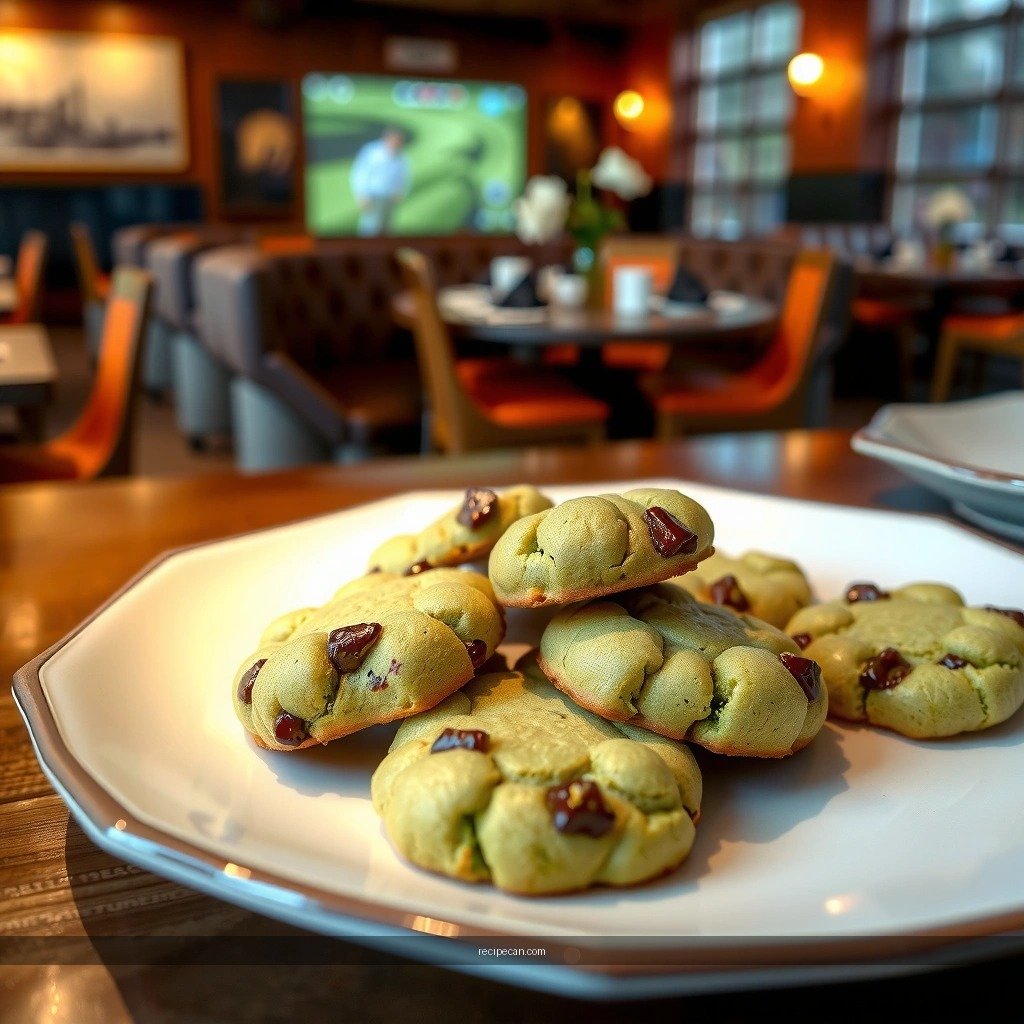
– Whisk dry ingredients (flour, matcha, baking powder/salt) to evenly distribute color
– Cream butter and sugar until light, then mix in egg(s) and vanilla
– Combine wet and dry gently to avoid overworking the dough
This step largely determines whether your matcha tea cookies bake up tender or end up tough. Matcha can clump, so mixing technique matters more than many people expect.
Step-by-step mixing method
1. Whisk the dry ingredients thoroughly.
In a medium bowl, combine flour, culinary matcha, baking powder (if using), and salt. Whisk until the mixture looks uniformly green—this reduces streaking and prevents bitter pockets.
2. Cream butter and sugar until light.
Beat softened butter with sugar until the mixture becomes paler and slightly fluffy (usually a few minutes). This traps air, helping cookies rise modestly and stay tender.
3. Add egg(s) and vanilla.
Mix just until incorporated. Overmixing at this stage can make the dough cohesive in a way that later bakes denser.
4. Combine wet and dry gently.
Add dry ingredients to wet and mix on low or fold with a spatula until no dry flour remains. Stop early—cookie dough continues to come together after mixing due to residual moisture.
Analytical note: why “even distribution” is critical
Matcha has a high surface area and absorbs moisture. If it’s not evenly whisked, it can draw liquid unevenly and create:
– Green streaks (aesthetic issue)
– Bitter clusters (flavor issue)
– Inconsistent spread (texture issue)
Whisking dry ingredients fixes the root cause.
Shaping and Preparing Your Cookies
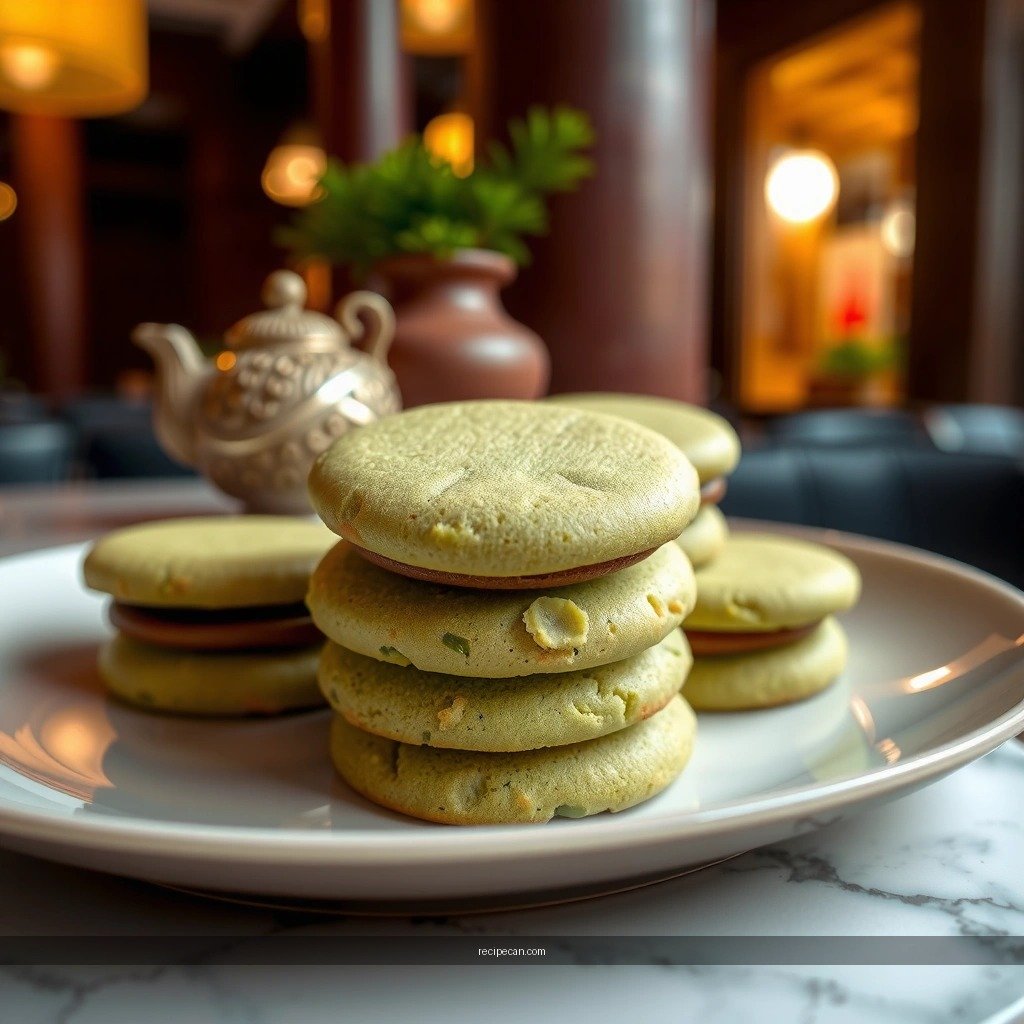
– Scoop dough and roll into even portions for consistent baking
– Chill dough if needed to prevent spreading
– Optional: press lightly or coat in extra matcha sugar for extra flavor
Shaping seems simple, but consistent portioning is what separates “homemade” from “professionally uniform.” For matcha tea cookies, where color is a defining feature, consistency also helps you hit the same doneness across the tray.
Portioning and sizing targets
– Use a cookie scoop (commonly 1½ to 2 tablespoons) so each cookie bakes at the same rate.
– Roll quickly between your hands for a smooth surface, or just scoop and place if you prefer a rustic look.
Chill strategy (when and why)
If your butter is soft or your kitchen is warm, chill the dough:
– 10–30 minutes if the dough looks greasy or spreads too easily
– Up to 1 hour for easier handling and cleaner edges
Chilling also lets matcha fully hydrate, which can improve tenderness.
Optional flavor intensifiers
– Extra matcha sugar: Mix a small amount of sugar with matcha powder, then lightly coat the tops before baking. This boosts visual “pop” and delivers a more pronounced green tea aroma at first bite.
– Light press on top: Flattening slightly can create a more “tea cookie” profile and reduces dome formation.
Baking Tips for Perfect Texture
– Bake until edges look set and centers still look slightly soft
– Avoid overbaking to keep cookies tender rather than dry
– Let cookies cool on the tray briefly, then transfer to a rack
Baking matcha cookies is less about “a fixed time” and more about watching doneness cues. Matcha flavor can turn from bright to slightly bitter if cookies overbrown, so precision pays off.
Doneness guide (practical)
– Oven temperature: Typically 325°F–350°F (165°C–175°C) works well for tender cookies.
– When they’re ready:
– Edges look set (matte rather than shiny)
– Centers appear slightly underbaked (soft and still a touch glossy)
– Carryover baking: Cookies firm as they cool, so pulling them slightly early prevents dryness.
Cooling workflow
1. Rest cookies on the tray 5–8 minutes to let structure set.
2. Transfer to a rack to stop cooking and prevent sogginess on the bottom.
Why matcha cookies dry out faster when overbaked
Matcha doesn’t just color dough; it influences perceived flavor intensity and moisture absorption. Overbaking removes water and can make the matcha note taste more intense in an undesirable way (often “dry” or “sharp”), even if the cookie is otherwise browned.
Flavor Variations and Add-Ins
– Add white chocolate chips or chunks for a sweeter contrast
– Stir in toasted nuts for a richer, crunchier bite
– Swap part of the sugar for brown sugar to deepen flavor
A good matcha tea cookies recipe is flexible. Once your base dough is consistent, add-ins become a controlled way to balance bitterness, sweetness, and texture.
1) White chocolate (sweet + creamy contrast)
White chocolate’s vanilla notes highlight matcha’s grassy-umami quality. For best results:
– Use chips for even distribution, or
– Use chunks for pockets of creamy sweetness.
Tip: Add after mixing the dry ingredients (once the dough is mostly combined) to avoid overmixing.
2) Toasted nuts (crunch + depth)
Toasted almonds, pistachios, or walnuts create a richer bite. Toast nuts first (about 6–10 minutes at 325°F/165°C) until fragrant, then cool before folding into dough.3) Brown sugar swap (deeper caramel notes)
Replace part of the granulated sugar with brown sugar (for example, 25–50%). Brown sugar contains molasses, which:
– increases moisture slightly,
– deepens flavor,
– improves tenderness.
Watch spread: brown sugar can sometimes soften cookies, so consider a brief chill if needed.
4) Optional finishing touch
– A pinch of flaky salt on top can sharpen matcha sweetness and make the tea flavor taste more vivid—especially with white chocolate.
Storage and Make-Ahead Instructions
– Store cookies in an airtight container for freshness
– Freeze unbaked dough balls for easy future baking
– Re-crisp if needed by warming briefly in the oven
For matcha cookies, freshness matters because aromatics fade over time. Your goal is to lock in moisture and prevent matcha oxidation tastes.
Storage best practices
– Room temperature (short term): Store airtight for 3–5 days.
– Texture expectation: Matcha cookies are best in the first couple of days when aroma is strongest.
– Longer shelf life: Freeze baked cookies once fully cooled.
Make-ahead dough workflow
1. Scoop dough into balls.
2. Place on a parchment-lined tray and freeze until firm (about 1–2 hours).
3. Transfer to a freezer bag/container.
Bake from frozen:
– Add 1–2 minutes to bake time, watching for set edges and soft centers.
Re-crisping (when cookies soften)
If cookies lose crispness (especially if stored with humidity), re-crisp:
– Warm in a 300°F (150°C) oven for 3–5 minutes.
– Cool briefly before eating to restore structure.
Freezing considerations for matcha
Freezing is generally safe for matcha cookies, but quality depends on your matcha’s freshness. If your matcha is already oxidized, freezing won’t “fix” dull flavor; it just preserves what you started with.
Freshly baked matcha tea cookies are best when the matcha flavor is strong and the texture is tender—follow the mixing, portioning, and baking tips above for consistent results. Try this matcha tea cookies recipe today, and if you love the matcha taste, experiment with add-ins like white chocolate or nuts for your perfect batch.
Frequently Asked Questions
What is the best matcha tea cookies recipe for beginners?
A beginner-friendly matcha tea cookies recipe uses simple pantry staples like flour, butter, sugar, egg, and culinary matcha powder, plus a pinch of salt. Look for a short mixing method: cream butter and sugar, mix in the egg and matcha, then add flour until just combined to prevent tough cookies. Baking time is usually around 10–14 minutes depending on thickness, so start checking early for the best soft-chewy texture.
How do you make matcha tea cookies without them turning bitter?
To avoid bitterness, use high-quality culinary matcha and add it gradually while mixing so it disperses evenly. Don’t overbake—matcha cookies can taste harsh when they’re too dry, so pull them when the edges look set but the centers still look slightly soft. If your matcha is very strong, slightly reduce the matcha powder or increase sugar by a small amount to balance flavors.
Why do matcha tea cookies spread or become too crumbly, and how can you fix it?
Cookies often spread too much if the butter is too warm or the dough isn’t chilled; chilling for 30–60 minutes helps the matcha dough firm up. Crumbliness usually comes from too much flour or overmixing once flour is added, so measure flour accurately and mix only until the dough forms. If needed, add 1–2 teaspoons of milk or water to bind the dough, then chill again before baking.
Which ingredients work best for a soft, melt-in-your-mouth matcha cookie texture?
For tender matcha tea cookies, use a higher-fat butter (unsalted butter) and slightly lower flour-to-fat ratio, which improves softness. Brown sugar or a mix of granulated and brown sugar can add moisture and a richer matcha cookie flavor. Using a fine-milled matcha powder and sifting it with flour also helps create a smoother dough and more even bake.
How can you store and keep matcha tea cookies fresh for days?
Store matcha tea cookies in an airtight container at room temperature for up to 3–5 days, and keep them away from humidity to maintain crispness. For longer storage, freeze baked cookies in a sealed bag or container for up to 2–3 months, then thaw at room temperature. If you want the matcha flavor to stay vibrant, keep the matcha powder tightly sealed and away from light before baking the cookies.
References
- Matcha
https://en.wikipedia.org/wiki/Matcha - Green tea
https://en.wikipedia.org/wiki/Green_tea - Catechin
https://en.wikipedia.org/wiki/Catechin - Polyphenol
https://en.wikipedia.org/wiki/Polyphenol - Theanine
https://en.wikipedia.org/wiki/L-theanine - Maillard reaction
https://en.wikipedia.org/wiki/Maillard_reaction - Shortbread
https://en.wikipedia.org/wiki/Shortbread - Google Scholar Google Scholar
https://scholar.google.com/scholar?q=matcha+cookies+recipe - Google Scholar Google Scholar
https://scholar.google.com/scholar?q=matcha+shortbread+recipe - Google Scholar Google Scholar
https://scholar.google.com/scholar?q=matcha+green+tea+baking+cookies