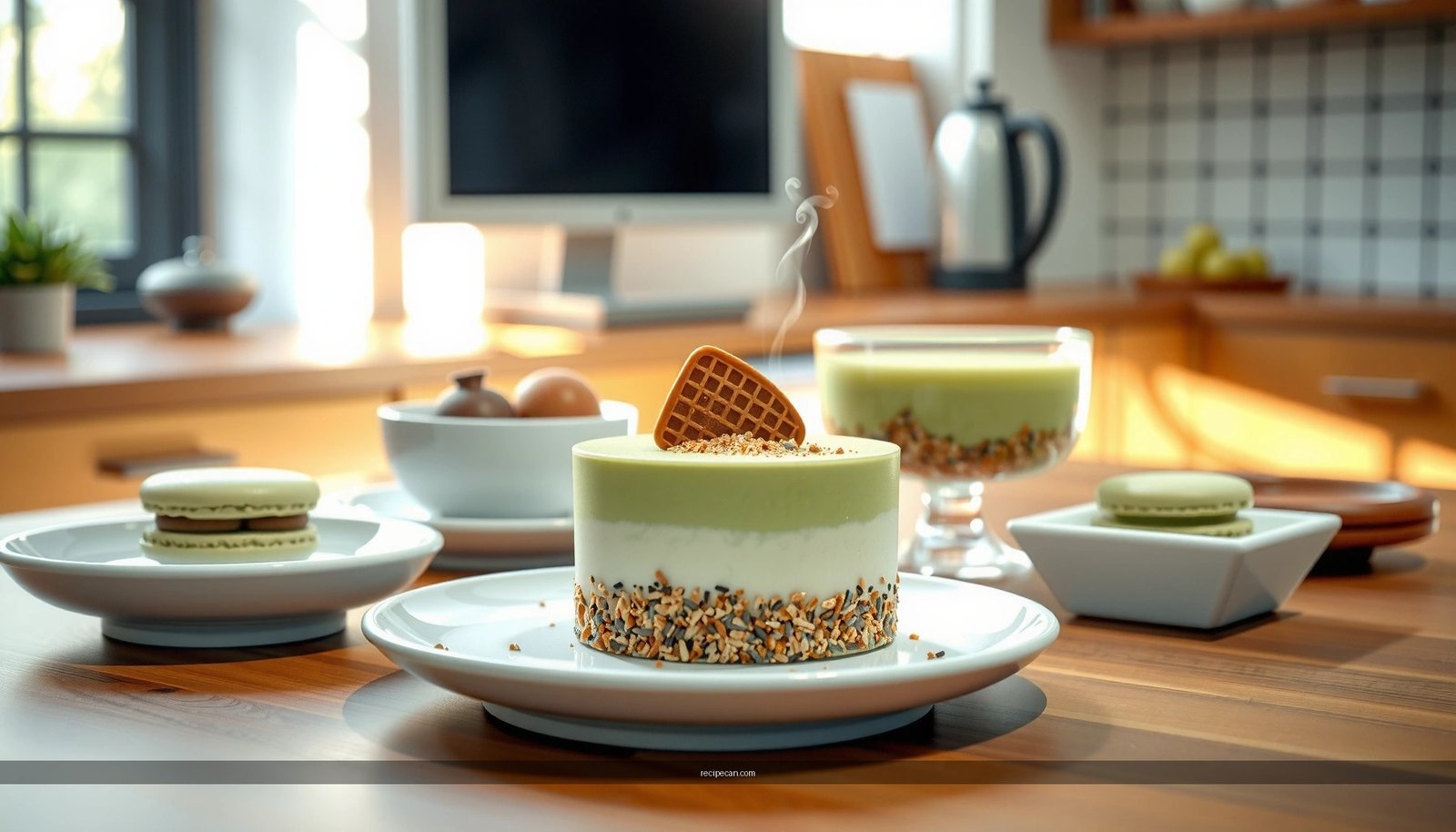
You want matcha green tea dessert recipes you can actually make at home—fast, reliably, and with real matcha flavor. This guide picks the easiest winners (from no-bake to quick-bake options) and tells you exactly how to pull them off step by step. If you’re trying to decide what to make first, you’ll have a clear shortlist of the best matcha desserts for beginners within minutes.
Matcha green tea dessert recipes are an easy way to create bright, lightly sweet treats with an earthy, layered flavor—without needing advanced baking skills. If you focus on three fundamentals—choosing the right matcha, sifting to eliminate clumps, and balancing sweetness against matcha’s natural bitterness—you can reliably make café-quality pudding, cakes, no-bake bites, and chilled desserts at home.
Choose the Best Matcha for Desserts
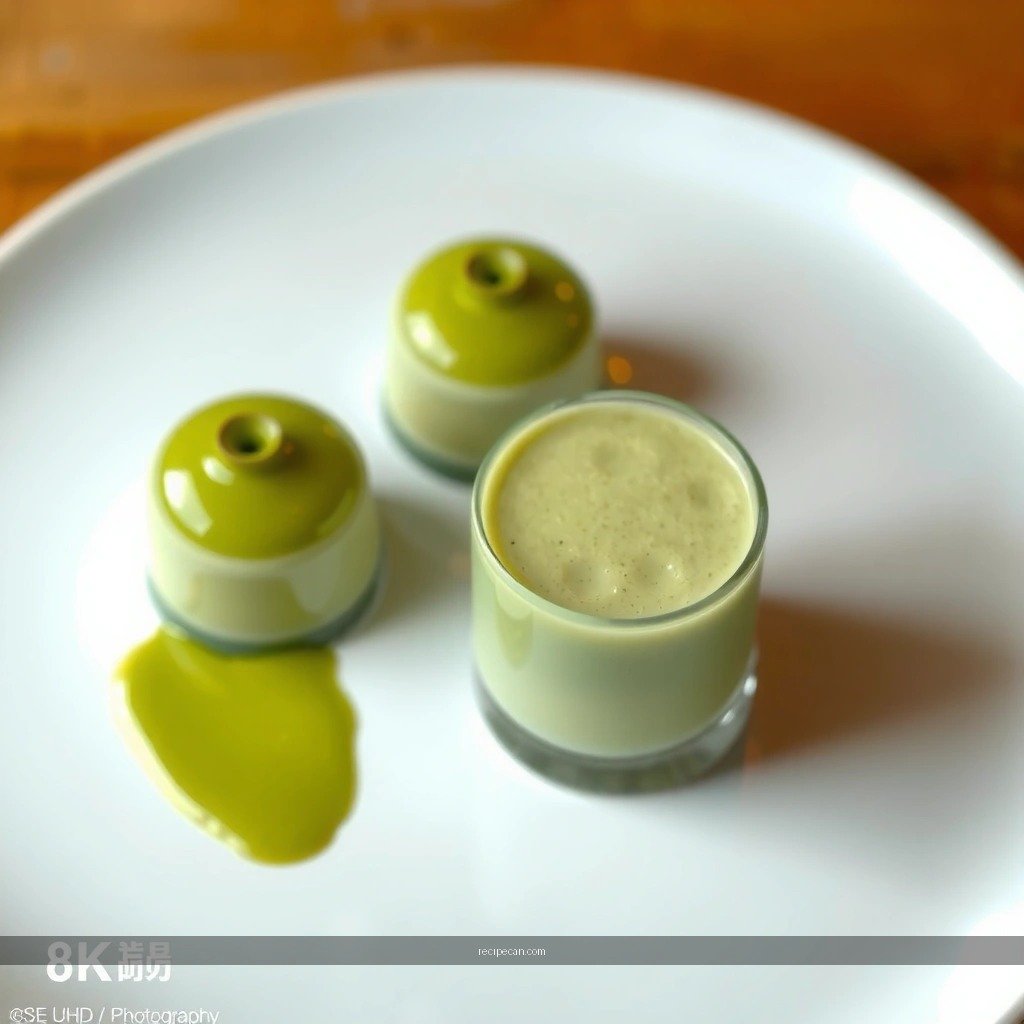
Selecting matcha is the biggest lever you have for both flavor and texture. In dessert applications, your goal is consistency: a powder that dissolves well, tastes “green” instead of harsh, and won’t create gritty or chalky spots in cream, custard, or ganache.
– Use culinary-grade matcha for everyday desserts
Culinary-grade matcha is typically formulated to hold up in sugar, dairy, and heat. It’s also the most cost-effective choice for frequent home baking—think cupcakes, brownies, puddings, and no-bake parfaits.
– Opt for ceremonial-grade if you want a smoother, richer flavor
Ceremonial-grade matcha is usually more delicate and aromatic. It shines in recipes where matcha is a main flavor (no-bake cheesecake bites, panna cotta, and ice cream base) and where you want a cleaner “umami sweetness” rather than a more robust tea edge.
– Sift matcha to prevent clumps in creams and batters
Even high-quality matcha can clump due to moisture absorption and powder fineness. Sifting before mixing is the difference between velvety desserts and speckled, uneven texture.
Practical mixing method: For hot or room-temperature liquids, whisk matcha with a small amount of warm water (or a few tablespoons of the recipe liquid) to form a smooth paste. Then fold that paste into the cream, custard base, or batter. This step is what professional kitchens use to prevent gritty results.
Matcha Selection at a Glance (Culinary vs. Ceremonial)
Matcha Grade Guide for Dessert Outcomes (Home Use)
| # | Matcha Type | Typical Best Use | Recommended Range (g per 500 mL) | Flavor Intensity | Dissolves Cleanly |
|---|---|---|---|---|---|
| 1 | Ceremonial | No-bake creams & chilled bases | 3–5 g | Medium-High | High |
| 2 | Culinary | Bakes & browns-in-mix desserts | 4–7 g | Medium | Medium-High |
| 3 | Stone-ground (ceremonial-style) | Panna cotta, curd, ice cream | 3–6 g | Medium | High |
| 4 | Usucha (thin-tea style) | Matcha syrup & drinks-to-dessert | 2.5–4.5 g | Medium | High |
| 5 | Koicha-style (thick-tea style) | Thicker creams, glazes, curds | 3.5–6.5 g | High | Medium-High |
| 6 | Budget culinary (aged/less refined) | Brownies & spice-forward desserts | 5–8 g | Medium-High | Lower |
| 7 | Organic culinary-grade | Everyday puddings & cakes | 4–7 g | Medium | Medium-High |
Classic Matcha Pudding and Custard Recipes
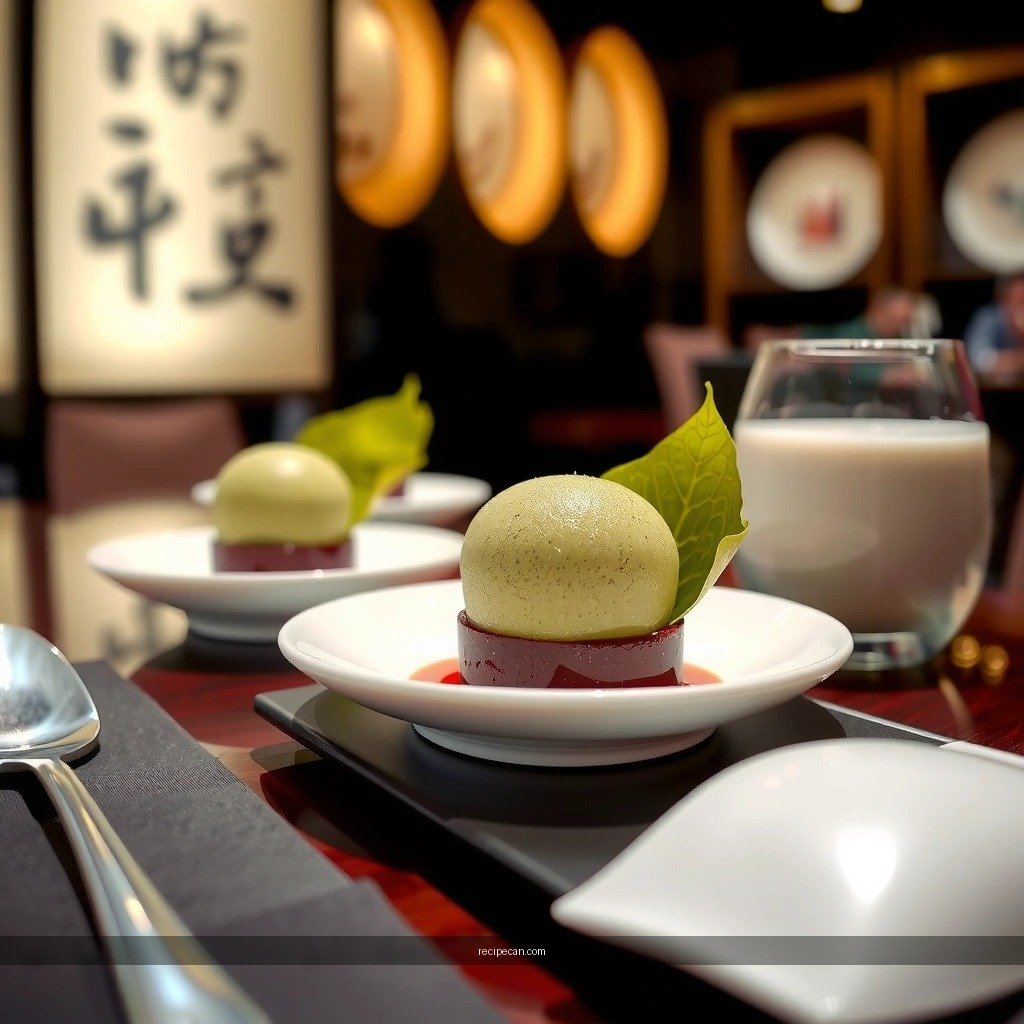
Classic matcha pudding and custard are where matcha’s flavor really “sets” into a dessert experience—silky, balanced, and spoonable. The key technical challenge is preventing bitterness and staying smooth when matcha meets dairy or starch.
– Try matcha pudding for a silky, spoonable finish
Pudding typically uses a starch thickener (cornstarch or gelatin, depending on style). For a smooth pudding:
1. Whisk matcha with a portion of milk/cream (or warm water) to dissolve.
2. Cook the mixture until it turns glossy and thick.
3. Strain if you see any undissolved particles.
Texture goal: thick enough to coat the back of a spoon, but not rubbery.
– Make matcha custard for a thicker, more “bakery-style” texture
Custards rely on egg proteins (often with cornstarch as support). Use gentle heat:
– Warm the dairy slowly.
– Temper eggs (add hot dairy gradually while whisking).
– Cook until it lightly thickens—avoid boiling.
Texture goal: sliceable set or a spoon that holds “waves” of custard rather than liquid.
– Sweeten gradually to balance the tea’s natural bitterness
Matcha bitterness is amplified when you add too little sugar early or reduce the dairy too aggressively. Start with a moderate sweetener amount, taste once matcha is fully dissolved, then adjust.
Easy ratio approach:
For most home pudding and custard recipes, start with about 10–20 g sugar per 100 g liquid base, then fine-tune after tasting the dissolved matcha mixture.
No-Bake Matcha Desserts (Fast and Fussy-Free)
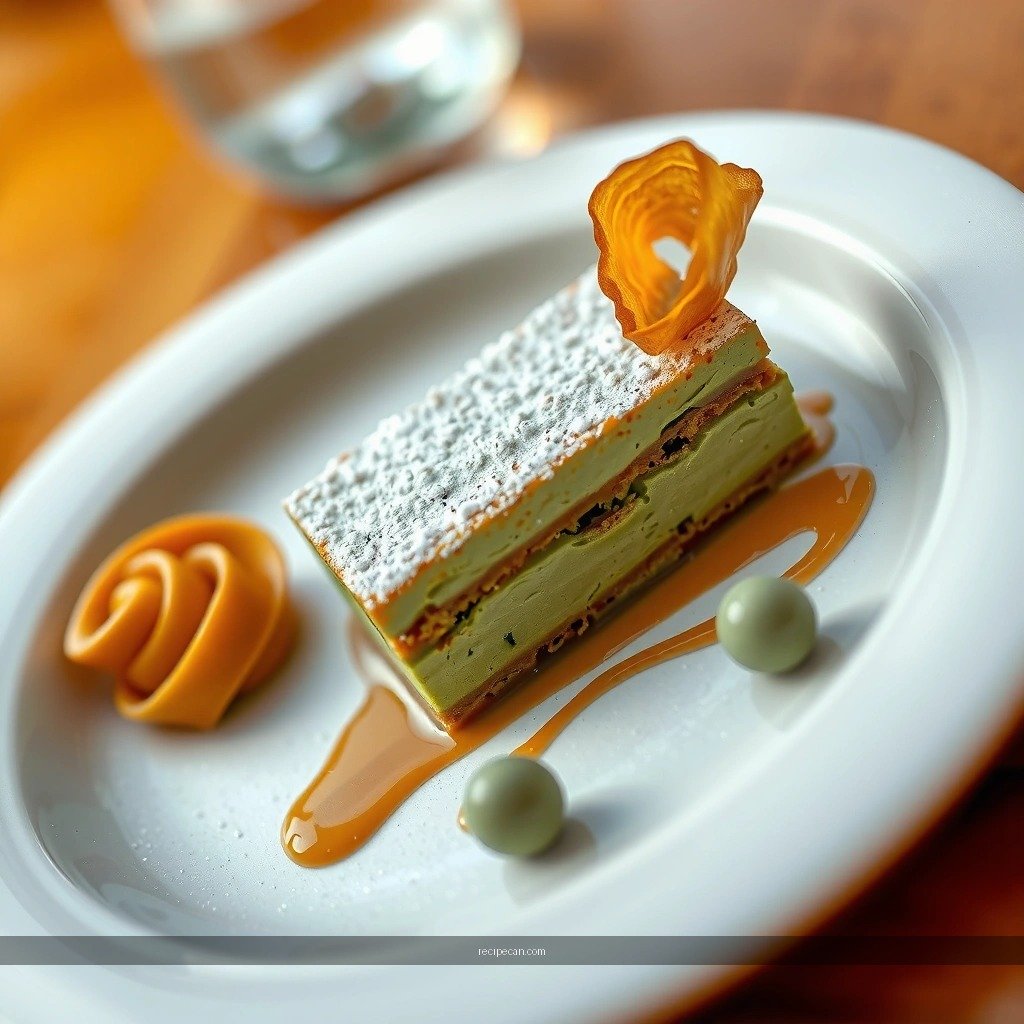
No-bake matcha desserts let you skip ovens while still getting that vibrant green and sophisticated flavor. They’re ideal for entertaining, meal prep, and “last-minute but impressive” desserts.
– Make matcha parfaits with layers of cream and fruit
Build parfaits in clear glasses so the color layers look intentional. Use:
– a matcha-whipped cream or sweetened yogurt base,
– crisp components like toasted oats or cookie crumbs,
– bright fruit like strawberries, raspberries, or mango.
Layering tip: chill each layer briefly before adding the next to prevent bleeding.
– Create no-bake matcha cheesecake bites
A cheesecake bite typically uses a soft cream cheese base blended with melted white chocolate (optional), sugar, and dissolved matcha. Portion into mini liners or a silicone mold, then chill until firm.
Flavor optimization: keep matcha amounts moderate; cheesecake flavors are rich, so too much tea can read as “dry” or grassy.
– Chill long enough for clean slices and better set
Time is texture. Most no-bake matcha desserts need at least 4–6 hours, often overnight. If you rush, you’ll get smearing or a loose center.
Workflow for speed: Mix base → portion → chill while you prepare toppings (fruit, crumble, syrup). This keeps the process smooth even on busy days.
Matcha Cakes, Cupcakes, and Brownies
Baked matcha desserts deliver a different experience: warm, mellow tea notes and a soft crumb (or fudgy bite in brownies). Baking with matcha is all about moisture control and mixing discipline.
– Use matcha for a subtle green color and mellow tea flavor
Matcha in batter usually produces a muted green rather than an electric neon shade. That’s normal and often desirable—especially for business-friendly, café-style presentation.
– Adjust moisture to avoid dry cakes (especially in brownies)
Matcha powder absorbs moisture. If your batter looks thicker than expected, loosen it with:
– a tablespoon of milk,
– a spoon of yogurt,
– or melted butter (for richness).
For brownies: aim for fudginess by avoiding overbaking and by balancing flour with fat.
– Don’t overmix after adding flour for tender results
Overmixing develops gluten and can make cakes tough. Mix just until flour disappears, then stop. For cupcakes, this prevents dense, chewy crumbs.
Matcha baking timing guidance:
If a toothpick comes out with moist crumbs (not wet batter), you’re likely on track—matcha cakes continue to set as they cool.
Matcha Ice Cream and Chilled Treats
Chilled desserts make matcha taste brighter and smoother because you’re not cooking it into bitterness. The main technique here is dispersion—making sure matcha is evenly suspended.
– Whisk matcha thoroughly before mixing into base
Always sift and whisk matcha into a paste first. Then blend into the base (custard base or no-churn mixture). This prevents green streaks and reduces gritty texture.
– Chill the base for smoother, creamier results
When you chill the ice cream base, fat solidifies and the mixture thickens slightly—both contribute to better aeration and a finer texture during churning.
– Consider add-ins like white chocolate or sweet azuki
White chocolate complements matcha’s umami while softening bitterness. Sweet azuki provides a traditional pairing that tastes “round” and nostalgic. Both are especially effective in matcha gelato-style preparations.
Serving idea: Top with a light dusting of culinary matcha and a small spoon of sweet red bean for visual contrast.
Toppings, Flavor Boosters, and Serving Ideas
Even when the dessert base is excellent, toppings determine the final impression—sweetness balance, aroma, crunch, and visual appeal. Think of toppings as a controlled “flavor system” rather than an afterthought.
– Pair with vanilla, coconut, berries, or citrus
Vanilla rounds out matcha’s earthiness. Coconut adds a creamy, tropical sweetness. Berries and citrus provide acidity that makes matcha taste more vibrant instead of flat.
– Add crunch with toasted sesame, granola, or crushed cookies
Crunch improves mouthfeel and prevents a dessert from tasting one-note. Toast sesame lightly to unlock aroma, and keep crumbs dry so they don’t dissolve too quickly.
– Serve with a lightly sweet syrup or whipped cream to soften bitterness
A simple syrup (or a spoon of flavored honey) can “tame” matcha for sweeter palates. Whipped cream adds fat and aeration, naturally reducing the tea’s perceived sharpness.
Fast café-style finishing move: Drizzle a small amount of matcha syrup over the top, then finish with fruit and a crunchy element—this makes the dessert look intentional and helps the flavor arrive in layers.
Matcha green tea dessert recipes let you go from everyday baking to café-style treats with just a few key techniques: pick good matcha, sift it well, and balance sweetness with the tea’s flavor. Pick one section to start today—whether it’s no-bake parfaits, matcha pudding, or a quick batch of cupcakes—and try your first recipe this week.
Frequently Asked Questions
What are easy matcha green tea dessert recipes for beginners?
Start with simple matcha green tea dessert recipes like matcha latte panna cotta, no-bake matcha cheesecake cups, or matcha mug cake. These options usually avoid complex tempering and require fewer steps, so you can focus on getting the matcha flavor right. Use culinary-grade matcha and whisk it thoroughly with a little warm milk or water to prevent clumps. If you’re new to baking, choose recipes with clear measurements and an oven temperature range.
How do you make matcha green tea desserts taste less bitter?
Matcha can taste bitter if it’s not properly mixed or if the temperature is too high, so whisk your matcha with warm (not boiling) liquid and let it dissolve fully. Choose desserts that include fat and sweetness—such as cream, yogurt, chocolate, or condensed milk—because they balance bitterness. Sifting the matcha powder also helps create a smoother texture and more even flavor. Finally, start with a smaller matcha amount and increase gradually to match your preferred strength.
Why does matcha change color or look dull in desserts, and how can you prevent it?
Matcha may look dull or fade if it’s exposed to high heat for too long, especially in custards or baked goods. To keep the vibrant green color, add matcha after the base has cooled slightly, and avoid overbaking once the matcha is incorporated. Using fresh, high-quality matcha green tea powder and storing it airtight in the fridge can also preserve color and flavor. For no-bake recipes, mix matcha in during the cooling stage for best results.
Which matcha green tea dessert is best for meal prep or make-ahead?
No-bake matcha green tea dessert recipes like matcha pudding, overnight matcha cheesecake, or matcha tiramisu cups are ideal for make-ahead because they set in the fridge. These desserts often taste even better the next day as the flavors meld and the texture firms up. Portion them into jars or cups for easy grab-and-go snacks and garnish just before serving to maintain visual appeal. Always cover tightly to prevent fridge odors from affecting the matcha flavor.
Best practices: what temperature and baking time should you use for matcha green tea cakes and cookies?
For matcha green tea cakes and cookies, bake at moderate temperatures (often around 325–350°F / 160–175°C) to reduce bitterness from overheating. Don’t overbake—start checking a few minutes early, since matcha flavor can intensify and turn slightly harsh when dried out. If a recipe involves custards or curds, keep the heat gentle and stir frequently to avoid scorching. Using parchment, accurate oven calibration, and cooling the dessert properly will help maintain a smooth texture and balanced matcha flavor.
References
- Matcha
https://en.wikipedia.org/wiki/Matcha - Wagashi
https://en.wikipedia.org/wiki/Wagashi - Matcha | Origins, Uses, Japanese Green Tea Type, & Health Benefits | Britannica
https://www.britannica.com/topic/matcha - https://ods.od.nih.gov/factsheets/Tea-HealthProfessional/
https://ods.od.nih.gov/factsheets/Tea-HealthProfessional/ - https://www.mayoclinic.org/healthy-lifestyle/nutrition-and-healthy-eating/in-depth/green-tea/art-20045204
https://www.mayoclinic.org/healthy-lifestyle/nutrition-and-healthy-eating/in-depth/green-tea/art-20045204 - https://pubmed.ncbi.nlm.nih.gov/?term=matcha
https://pubmed.ncbi.nlm.nih.gov/?term=matcha - https://www.sciencedirect.com/search?qs=matcha%20dessert
https://www.sciencedirect.com/search?qs=matcha%20dessert - Google Scholar Google Scholar
https://scholar.google.com/scholar?q=matcha+green+tea+dessert+recipe - Google Scholar Google Scholar
https://scholar.google.com/scholar?q=matcha+cake+cookie+wagashi - Google Scholar Google Scholar
https://scholar.google.com/scholar?q=matcha+green+tea+dessert+recipes