Want the best long island iced tea recipe that tastes right and comes together fast? This easy classic Long Island Iced Tea mix delivers the balanced, signature “not-too-sweet, not-too-strong” flavor you want—without guesswork. You’ll get a straightforward ingredient list and step-by-step method to make it the same way every time.
This Long Island Iced Tea recipe delivers a balanced “iced tea” flavor by using a straightforward five-liquor base, then finishing with cola and sour mix for the signature sweet-tart profile. Follow the exact measurements below for strength control, consistent results, and a crowd-friendly drink that tastes right the first time.
Essential Ingredients for Long Island Iced Tea
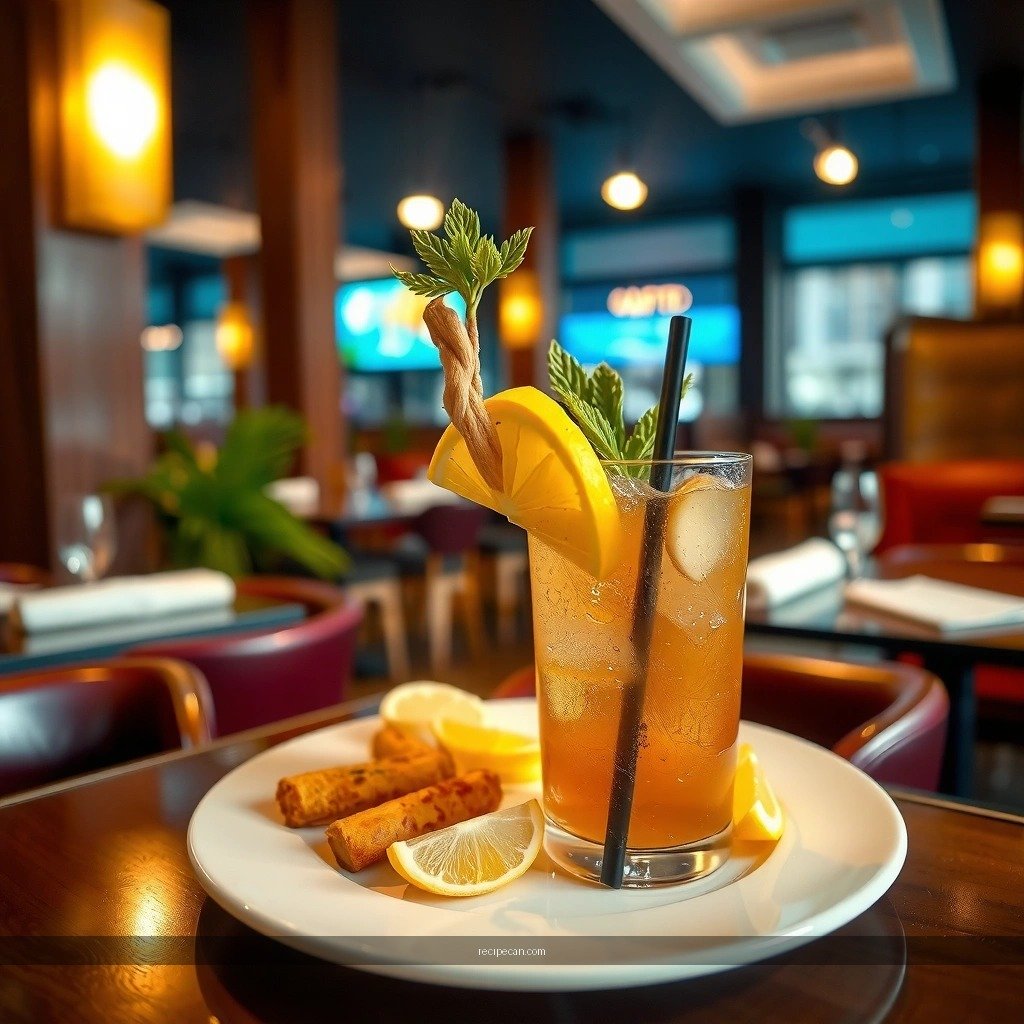
– Gather vodka, gin, rum, tequila, triple sec, sour mix, and cola
– Use fresh lemon juice or quality sour mix for best flavor
– Choose a neutral, good-quality vodka for a clean base
A classic Long Island Iced Tea is built on the idea of layering multiple spirits so no single bottle dominates—then “mimicking” iced tea through sourness, citrus, and cola. For best results, treat the ingredients as a system:
Core spirits (the five-liquor base):
– Vodka: The clean anchor that keeps the drink smooth and neutral.
– Gin: Adds a botanical backbone (juniper-like notes) that reads as “complex” rather than harsh.
– Rum: Contributes subtle sweetness and depth—especially noticeable when the drink is well-chilled.
– Tequila (blanco): Brings a crisp, agave-forward edge that prevents the drink from tasting flat.
– Triple sec: Acts as a citrus-friendly bridge between spirits and sour elements.
Mix components (where the “iced tea” identity comes from):
– Sour mix: Provides the tartness and body that make this drink feel like an “iced” beverage rather than a straight cocktail shot.
– If you’re optimizing quality, use a sour mix with a consistent citrus-forward flavor.
– If you prefer to DIY, fresh lemon juice works well paired with simple syrup and a pinch of salt (salt tightens the flavor).
– Cola: Supplies the tea-like dark color, gentle caramel notes, and carbonation. Cola is also your primary lever for sweetness and strength.
Practical ingredient tips (so your mix tastes right):
– Use fresh lemon (or reliably formulated sour mix). Bottled lemon juice can work, but flavor consistency matters.
– Pick neutral, good-quality vodka. If the vodka is harsh or overly flavored, it will show up across the entire drink because vodka is present in a meaningful ratio.
– Chill your glassware or at least ensure your ice is cold; dilution and temperature strongly affect perceived balance in a Long Island Iced Tea.
Long Island Iced Tea Balance: What You Taste vs. What You Adjust
| # | Drink Signal | Most Likely Cause | Primary Fix | Result |
|---|---|---|---|---|
| 1 | Too boozy on the first sip | High spirit perception from low cola | Increase cola by 1–2 oz | Softer, more “iced” finish |
| 2 | Not sweet enough | Cola and triple sec not contributing | Add 0.5–1 oz sour mix reduction + +0.5–1 oz cola | More approachable palate |
| 3 | Too sour / sharp | Sour mix ratio too high | Reduce sour mix by 0.25–0.5 oz | Smoother, tea-like body |
| 4 | Flat taste (little aroma) | Warm ice and/or over-dilution | Use extra-cold ice; shake spirits section only | More brightness and lift |
| 5 | Harsh alcohol burn | Vodka or tequila is aggressive | Use cleaner vodka; choose blanco tequila | Cleaner integration of flavors |
| 6 | Too dark / “cola-forward” | High cola volume | Reduce cola by 1 oz; keep spirit base steady | Less caramel, more balance |
| 7 | Tastes “thin” and watery | Too much ice dilution or weak shake | Shake spirits 10–15 seconds; strain into fresh ice | More body and consistent strength |
Step-by-Step Long Island Iced Tea Recipe
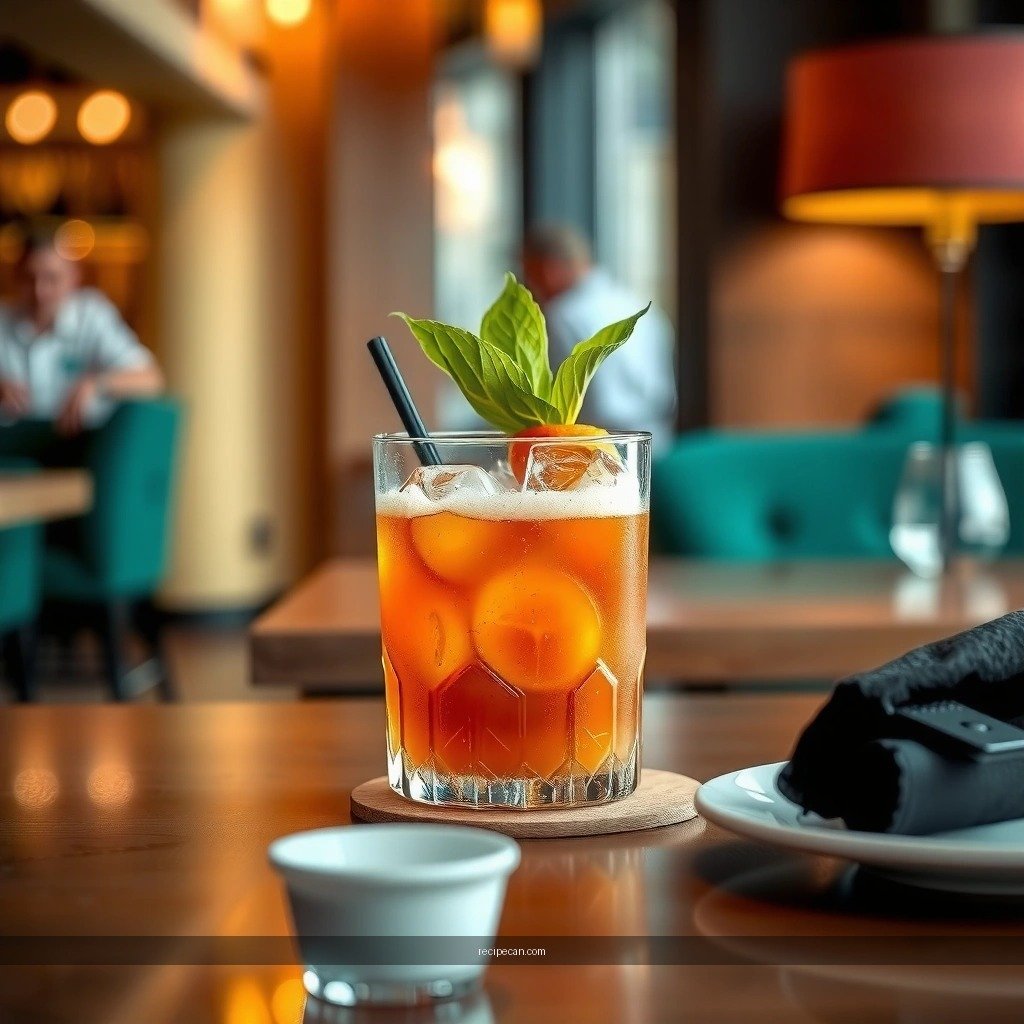
– Fill a shaker with ice and add all spirits plus sour mix
– Shake hard, then strain over fresh ice in a tall glass
– Top with cola and lightly stir to combine
The workflow matters as much as the recipe. The goal is to chill and dilute the spirits and sour base efficiently—then add cola last to preserve carbonation and aroma.
What to do (single drink)
1. Build the shaker base: Add plenty of ice to a shaker.
2. Add the spirits + sour mix:
– Vodka
– Gin
– Rum
– Tequila
– Triple sec
– Sour mix
3. Shake hard: Aim for vigorous shaking for about 10–15 seconds. This ensures the ice is doing its job: cold mixing, not warming.
4. Strain properly: Strain into a tall highball glass filled with fresh ice. Fresh ice prevents quick dilution and keeps the drink lively.
5. Top with cola: Pour cola over the top and give a gentle stir—just enough to blend.
Exact starting-point measurements (easy classic mix)
Use the following as your baseline “factory settings” for a crowd-pleasing Long Island Iced Tea:
– Vodka: 1/2 oz
– Gin: 1/2 oz
– Rum: 1/2 oz
– Tequila: 1/2 oz
– Triple sec: 1/2 oz
– Sour mix: 1 oz
– Cola: 2 oz (plus more to adjust to taste)
This six-component structure is the fastest path to the “iced tea” profile because it keeps the spirit base even and lets cola + sour mix do the flavor branding.
Proper Measurements and Flavor Balance
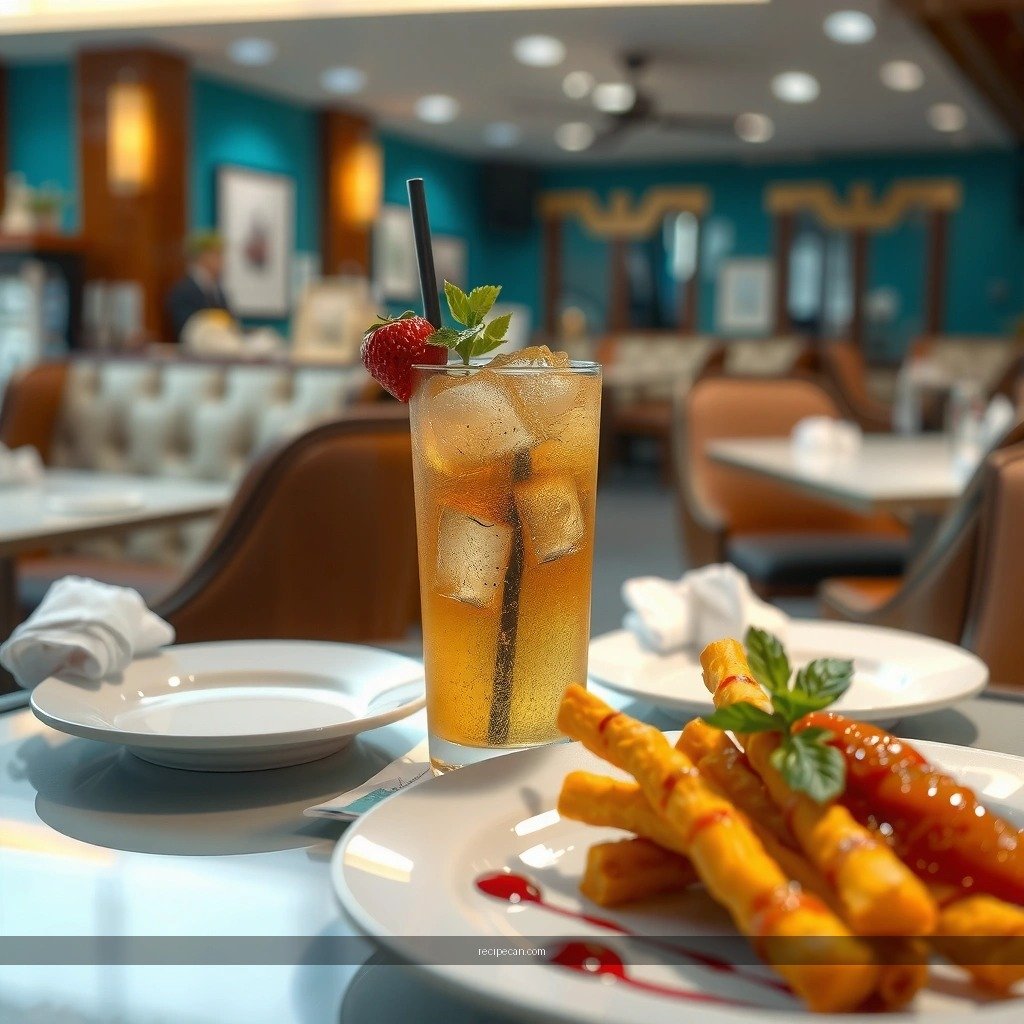
– Keep the spirit ratios even to avoid overpowering one flavor
– Adjust sour mix for tartness (less for sweeter, more for sharper)
– Tune strength by varying cola amount slightly
Long Island Iced Tea tastes forgiving, but it’s not random. The drink’s identity comes from balance, and balance comes from proportion.
1) Even spirit ratios prevent one bottle from taking over
When vodka, gin, rum, tequila, and triple sec each contribute equally, your palate experiences “one cocktail,” not five separate spirits fighting for attention. If you increase only one spirit—especially gin or tequila—the flavor direction changes quickly.
Analytical rule: keep the five spirits at equal volumes unless you’re intentionally creating a variation.
2) Sour mix controls the “tea-like” perception
Sour mix isn’t just tartness; it provides the structured tang that makes the drink feel refreshing and balanced rather than boozy syrup.
– Want it sweeter? Reduce sour mix slightly or increase cola modestly.
– Want it sharper? Add sour mix in small increments (0.25 oz at a time).
3) Cola tunes both sweetness and perceived strength
Cola dilutes and changes aromatic character through carbonation and caramel notes. It also affects how strong the drink feels.
– If it’s tasting too strong: add +1 oz cola and stir lightly.
– If it’s tasting too sweet/dark: reduce cola by ~0.5–1 oz, keeping the spirit base unchanged.
Consistency tip: change only one variable per adjustment. That way you can learn your preferred profile fast.
Choosing the Right Glass and Garnish
– Use a tall highball glass filled with ice for the classic look
– Add lemon wedge or a splash of citrus for bright aroma
– Garnish lightly so the drink stays crisp and refreshing
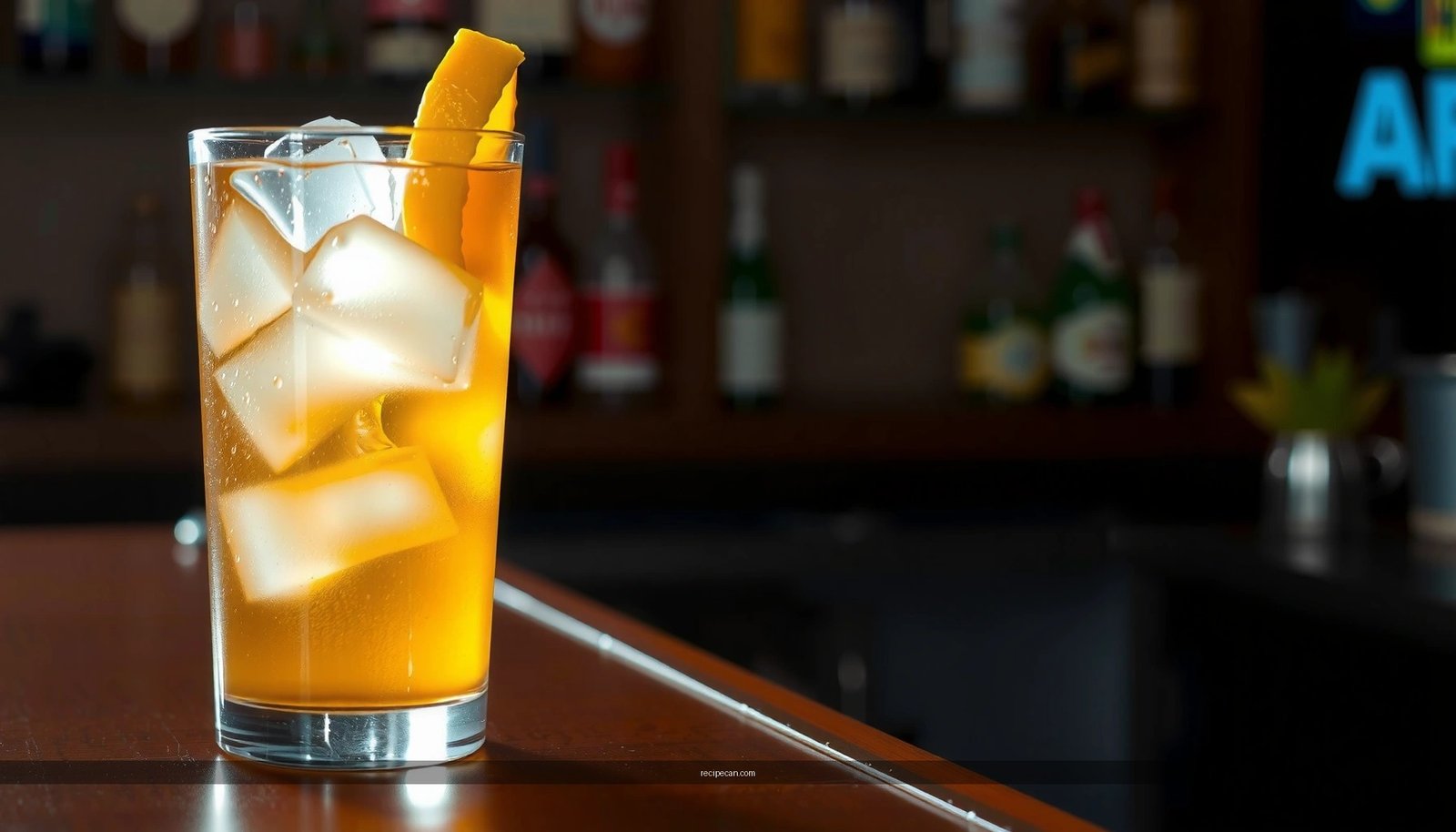
Presentation isn’t cosmetic here—it affects drinking experience. A tall glass helps maintain temperature longer and supports the visual “iced tea” look: pale-gold base, amber/dark cola top, and condensation.
Glass choice
– Highball / tall glass: Best for airflow and the classic silhouette.
– Fill with ice first: Always start with a generous ice bed to preserve chill after straining.
Garnish: bright, not heavy
– Lemon wedge: Adds a fresh aroma that complements triple sec and sour mix.
– Optional: a few drops of lemon juice only if you’re using less sour mix.
Avoid gummy garnishes, sugar rims, or heavy muddled fruit—these can compete with the cola and citrus profile and make it less “classic.”
Common Mistakes to Avoid
– Don’t use warm ice—always start with plenty of cold ice
– Avoid over-shaking after adding cola (top it last)
– Don’t skip measuring—balanced ratios define the drink
Long Island Iced Tea is easy—until it isn’t. These mistakes typically cause the most common “why doesn’t mine taste like the bar?” moments.
1. Warm ice = flat and watery
– If your ice isn’t cold, the drink warms quickly and dilution ramps up fast.
2. Adding cola too early
– Once cola goes in, agitation reduces carbonation. Top with cola at the end.
3. No measuring
– Eyeballing works for forgiving cocktails, but the “five-spirit” base is more sensitive than it seems. Even small changes can make gin or tequila dominate.
4. Over-shaking with cola
– Shake only the spirits + sour mix. Cola should be added after strain.
5. Inconsistent ice and dilution
– Strain into fresh ice every time. Straining onto already-melted ice weakens body and flavor.
Make It a Crowd-Friendly Pitcher Version
– Multiply ingredients by servings and keep proportions consistent
– Stir well and pour over ice right before serving
– Add cola at the end to maintain bubbles and flavor
Hosting is where the Long Island Iced Tea recipe really shines—because it scales cleanly when you keep proportions constant.
Pitcher method (how to scale)
Use this baseline per drink:
– 1/2 oz each spirit × 5 = 2.5 oz spirits total
– Sour mix = 1 oz
– Cola = 2 oz
For a practical serving plan, choose a batch size and multiply every component except cola first.
Example: 6 servings
– Spirits (2.5 oz × 6): 15 oz total, split evenly:
– Vodka 3.0 oz
– Gin 3.0 oz
– Rum 3.0 oz
– Tequila 3.0 oz
– Triple sec 3.0 oz
– Sour mix (1 oz × 6): 6 oz
– Cola: (2 oz × 6) 12 oz added at the end
Serving workflow (keeps carbonation)
1. Combine spirits + sour mix in a pitcher.
2. Stir thoroughly to unify the base.
3. Set out glasses with ice.
4. Add cola to the pitcher right before service, then pour immediately.
Quality control for parties: taste the base after mixing spirits + sour mix, then only finalize sweetness with cola at the last step.
This Long Island Iced Tea recipe delivers the classic, well-balanced punch with clear measurements and quick steps. Try it once as written, then adjust sour mix and cola to match your preferred sweetness and strength—grab your ingredients and make your first glass today.
Frequently Asked Questions
What is a Long Island Iced Tea recipe and what makes it different from a regular iced tea?
A Long Island Iced Tea recipe is a mixed drink that combines multiple spirits—typically vodka, gin, rum, and tequila—along with triple sec, sweet-and-sour mix or lemon juice, and cola (or sometimes a splash of lemon-lime soda). The “iced tea” part usually comes from cola color and the overall sweet-tangy profile. It’s stronger than many classic cocktails because it layers several liquors into one drink.
How do you make a Long Island Iced Tea at home without it tasting too strong or too sweet?
Start with a balanced base using sweet-and-sour mix (or fresh lemon juice plus simple syrup) and then add the spirits in the correct ratios—overpouring is the most common reason it tastes harsh. Use cola last and pour only enough to get the classic look and flavor without making the drink overly sugary. Taste as you go: if it’s too boozy, add a little more sour or a splash more citrus; if it’s too sharp, add a touch more sweet.
Why does my Long Island Iced Tea look cloudy or “off,” and how can I fix it?
A cloudy appearance can happen if ingredients aren’t properly chilled, if ice melts too quickly, or if sweet-and-sour mix is mixed with certain liqueurs in a way that emulsifies. Make sure your glass is packed with fresh ice, shake the cocktail ingredients (except cola) well, and then add cola gently so you keep the texture clean. Also double-check your measurements and avoid substituting the wrong citrus or sweet components.
What is the best Long Island Iced Tea recipe ratio for a classic, balanced cocktail?
Many classic versions use equal-ish spirit measures—often 1/2 to 3/4 oz each of vodka, gin, white rum, and tequila—plus about 1/2 oz triple sec. Then add roughly 3/4 oz sweet-and-sour mix (or a combination of lemon juice and simple syrup), and finish with cola to taste. This structure helps the drink stay flavorful and cohesive rather than dominated by a single liquor.
Which ingredients are essential for a Long Island Iced Tea, and what can you substitute if you’re missing something?
Essential ingredients usually include vodka, gin, white rum, tequila, triple sec, a sour component (sweet-and-sour mix or lemon juice), and cola. If you’re missing tequila, you can use more vodka or omit one spirit, but the flavor will shift—so keep the ratio balanced. If you don’t have triple sec, use a similar orange liqueur; for the sour, use lemon juice plus a simple syrup to recreate the sweet-tart balance.
References
- Long Island iced tea
https://en.wikipedia.org/wiki/Long_Island_Iced_Tea - Cocktail
https://en.wikipedia.org/wiki/Cocktail - List of cocktails
https://en.wikipedia.org/wiki/List_of_cocktails - Google Scholar Google Scholar
https://scholar.google.com/scholar?q=long+island+iced+tea+recipe - Google Scholar Google Scholar
https://scholar.google.com/scholar?q=long+island+iced+tea+ingredients+rum+vodka+tequila+gin+triple+sec - Google Scholar Google Scholar
https://scholar.google.com/scholar?q=long+island+iced+tea+history+origin+recipe - Long Island iced tea recipe | Good Food
https://www.bbcgoodfood.com/recipes/long-island-iced-tea - Cocktail | alcoholic beverage | Britannica
https://www.britannica.com/topic/cocktail - https://www.nytimes.com/guides/smarterliving/drinks-and-mocktails
https://www.nytimes.com/guides/smarterliving/drinks-and-mocktails - https://www.theguardian.com/food/recipes
https://www.theguardian.com/food/recipes