Looking for the karak tea recipe that makes authentic spiced milk tea at home? This guide delivers the clear winner: a warm, bold cup built on the right balance of strong black tea, simmered spices, and rich milk—so you get the classic North Indian café flavor instead of a watered-down version. Follow the steps and you’ll know exactly how to brew, spice, and finish karak tea for the thick, fragrant result.
Karak tea is made by simmering strong tea with fragrant spices, then finishing with milk and sweetener for a creamy, aromatic spiced milk tea. If you follow the right spice-to-water ratio and simmer gently after adding milk, you’ll get the bold, balanced flavor that defines an authentic karak tea recipe.
Ingredients for Karak Tea
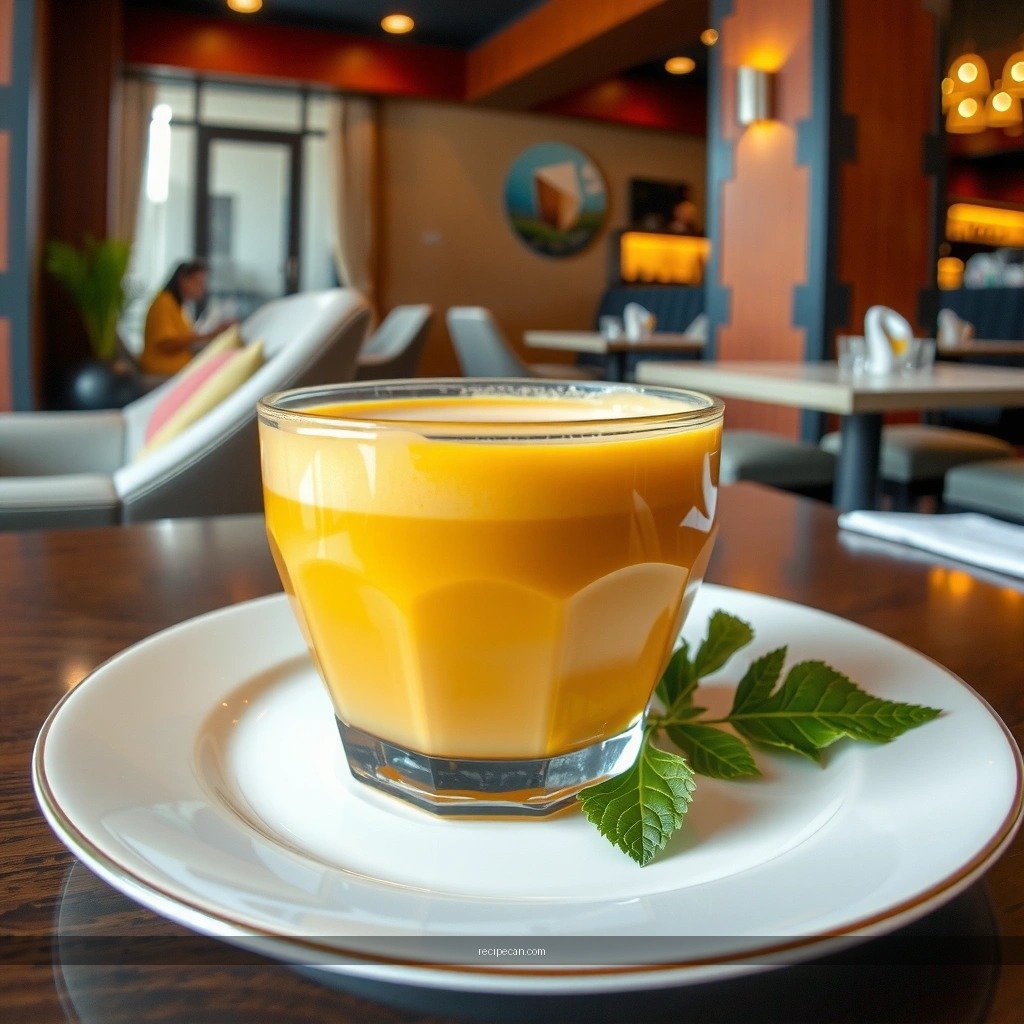
A great karak tea recipe starts with strong tea and properly chosen spices. The goal is not just “spiced,” but fragrant, warm, and well-rounded—with tea strength strong enough to stand up to milk.
– Strong black tea (or tea bags) plus fresh milk
Use black tea (e.g., Assam-style, Ceylon, or English Breakfast) for the most traditional flavor profile. Brew it strong enough that the final cup still tastes like tea after milk is added.
– Milk: whole milk is ideal for classic mouthfeel; if using lower-fat milk, you may need to adjust simmer time to maintain body.
– Spices like cardamom, ginger, and cinnamon (or cloves) for signature flavor
A typical authentic blend features:
– Cardamom for floral warmth
– Ginger for a gentle bite
– Cinnamon for round sweetness
– Cloves in small amounts for deeper aroma (optional but common in many regional versions)
To keep this practical, you can build flavor with “core spices” (cardamom, ginger, cinnamon) and optionally add one “depth” spice (cloves).
Spice Effectiveness for Karak Tea Aroma (Typical Tasting Strength)
| # | Spice (Role) | Recommended Quantity | Aroma Impact | Best For |
|---|---|---|---|---|
| 1 | Cardamom pods/seed (floral warmth) | 3 pods | ★★★★☆ | Signature karak aroma |
| 2 | Fresh ginger (peppery bite) | 2–3 thin slices | ★★★☆☆ | Comforting “spiced” edge |
| 3 | Cinnamon stick (round sweetness) | 1 small stick | ★★★★☆ | Balanced warmth |
| 4 | Cloves (deep aromatics; optional) | 1–2 cloves | ★★★☆☆ | Holiday-like depth |
| 5 | Black pepper (subtle kick; optional) | 2–3 pinches | ★★☆☆☆ | Teasing spiced aroma |
| 6 | Nutmeg (tiny amount; optional) | ⅛ tsp grated | ★★☆☆☆ | Creamy “roundness” |
| 7 | Sweetener (sugar or condensed milk) | 1–2 tbsp sugar* | ★★★☆☆ | Avoid overpowering spice |
\Quantities vary widely by preference and condensed milk strength; treat sweetener as a tuning lever.
Spice Preparation & Brewing
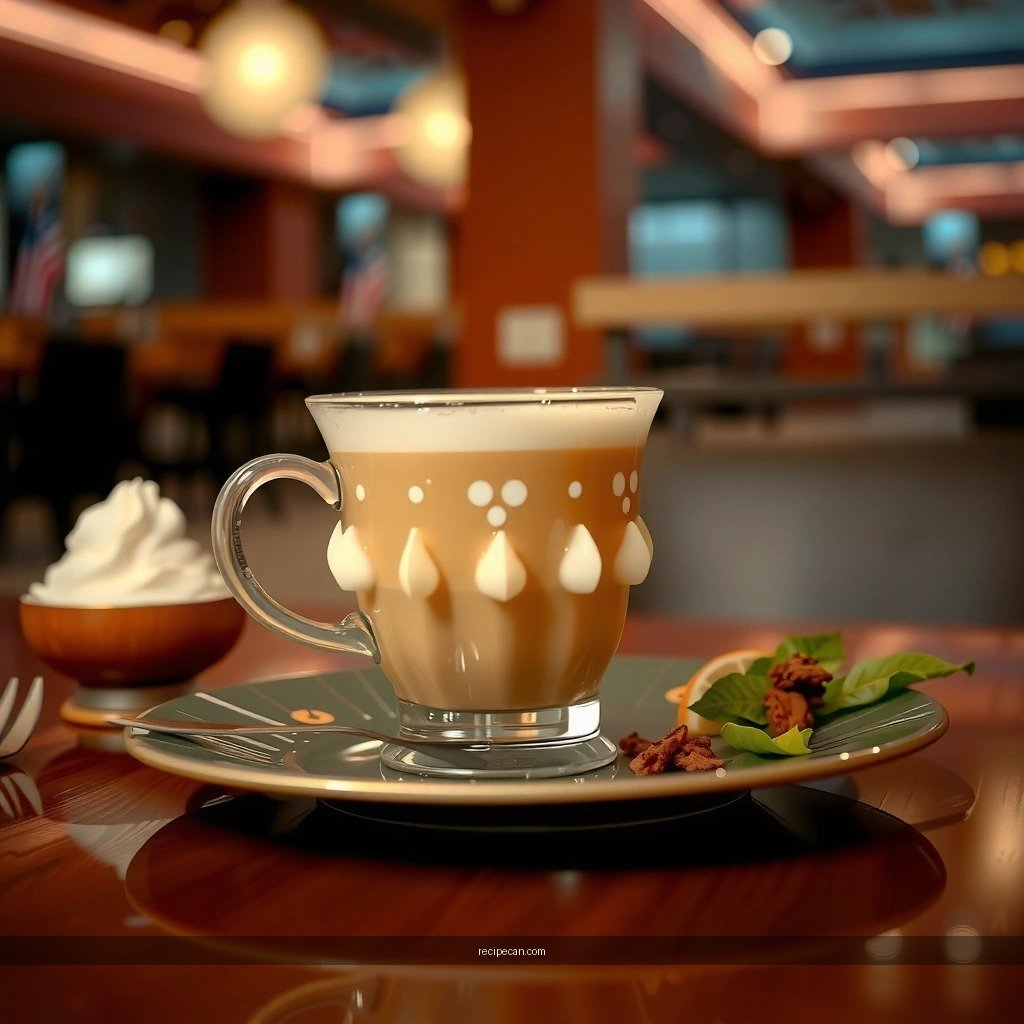
The biggest difference between “good spiced tea” and authentic karak tea is how you handle the spices. Whole or lightly crushed spices release aroma far more efficiently than spices thrown in intact.
– Lightly bruise or crush spices to release aroma
Crush cardamom pods (or lightly crack seeds), slice or bruise ginger, and break cinnamon into smaller pieces. This increases surface area and helps aromatics infuse without extracting harsh bitterness.
– Simmer spices with water/tea until the tea turns bold and fragrant
Use a two-stage brewing approach:
1. Infuse spices in hot water (or in the initial tea brew) to wake up the aromatics.
2. Add strong black tea and simmer briefly until the tea becomes noticeably dark and aromatic.
Actionable brewing targets (per 1 large mug, ~350–400 ml):
– Water start: 200–230 ml
– Spices: 3 cardamom pods, 2–3 thin slices ginger, 1 small cinnamon stick (plus 1–2 cloves if using)
– Simmer/infuse: 5–8 minutes, then add tea and simmer 2–4 minutes more
– Strain: if you used pods/spice pieces, strain for a smoother cup
This is where your karak tea recipe “locks in” its fragrance. If your tea smells bland, it’s almost always because spices weren’t crushed and simmered long enough, not because you need more sweetener.
How to Make Karak Tea with Milk
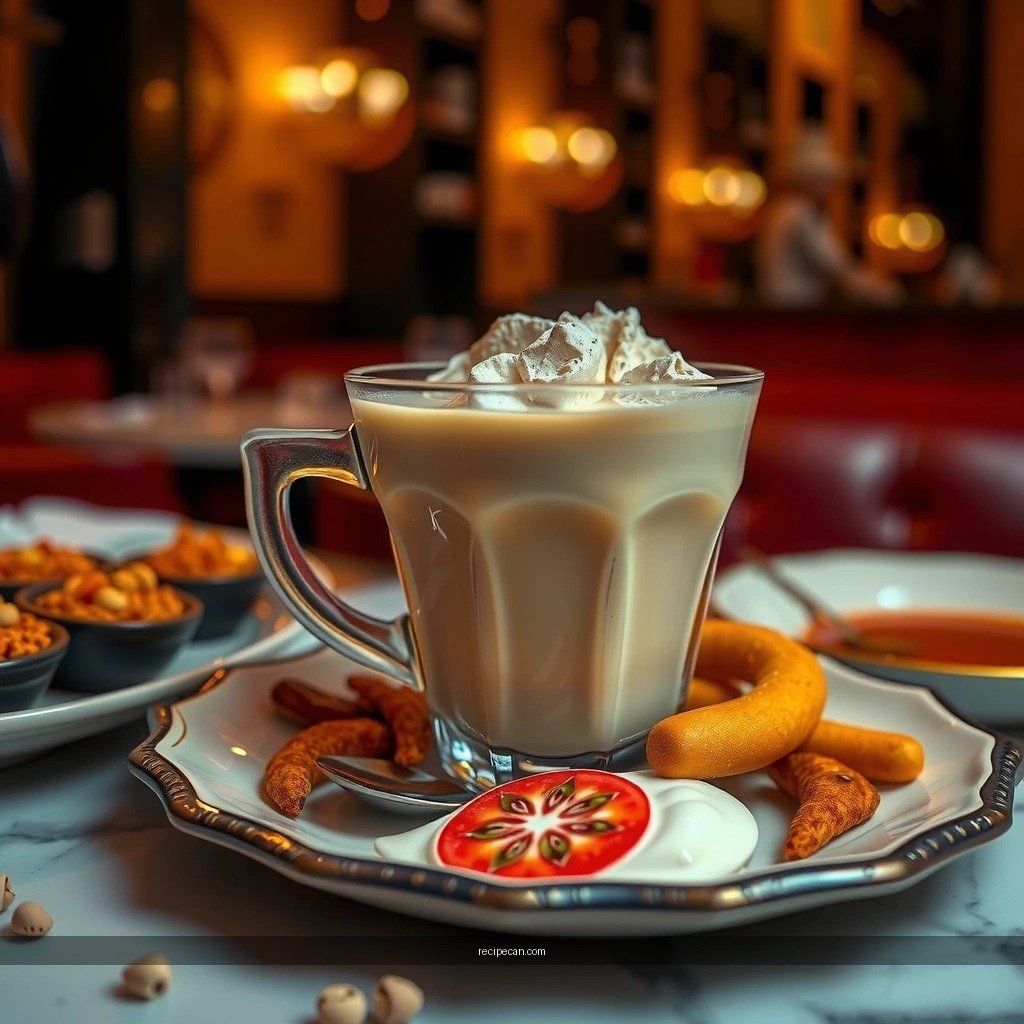
Once the spiced tea base is strong and aromatic, milk is added to create the signature creaminess. This stage should be gentle—aim for a controlled simmer, not a boil-over.
– Add milk and bring to a gentle simmer for creaminess
Pour in fresh milk (typically 150–200 ml for a single mug, depending on how strong you made the tea). Bring it to a gentle simmer and keep it there 2–5 minutes. This allows milk fats to round out the spices and tea tannins, producing the “silky” texture associated with classic spiced milk tea.
– Stir well to blend spices into the milk tea evenly
Stir occasionally while it simmers so the infused oils and spices distribute uniformly. If you don’t stir, you can end up with a cup where one sip tastes like cardamom while the next tastes like plain tea.
Pro method for deeper flavor (optional): after adding milk, whisk or stir more actively for 30–60 seconds, then let it simmer lightly. Many café-style karak teas develop a more cohesive taste this way because spices disperse more evenly into the milk.
Sweetening & Texture Tips
Sweetness in karak tea is less about masking and more about balancing. Spices, tea strength, and milk sweetness should create harmony—not a dessert-like overpowering flavor.
– Sweeten with sugar or condensed milk based on preference
– Sugar: cleaner sweetness; add gradually and stir until fully dissolved.
– Condensed milk: richer, thicker, and more “round” in flavor—often the preferred choice for a bold café-style texture.
– Aim for a slightly frothy texture by simmering and stirring
For a characteristic froth:
– Simmer the milk tea base gently (not violently)
– Stir consistently during the final 1–2 minutes
– If serving in small cups, a quick pour from slightly higher up can add a thin foam layer without over-aerating
Tasting logic:
If your cup tastes “too strong,” reduce tea concentration next time or add a bit more milk. If it tastes “flat,” adjust spice infusion time or crushing rather than jumping straight to more sweetener.
Serving Suggestions
Karak tea is best experienced immediately and served in a way that preserves aroma. Classic presentation is small cups, served hot.
– Serve hot in small cups for the classic karak tea experience
Smaller cups help you taste the full aroma profile—cardamom and cinnamon are volatile and fade faster in larger volumes. Pour when steaming, not lukewarm.
– Pair with snacks like pastries or biscuits for an authentic break-time feel
Traditional pairings typically include:
– Butter cookies or shortbread
– Date-filled pastries
– Plain biscuits or crackers
– Light pastries with mild sweetness (so the spices stay in front)
If you’re making this for guests, consider offering a “sweetener on the side” approach so people can control sweetness while still enjoying the same spiced foundation.
Troubleshooting Your Karak Tea Recipe
Even a reliable karak tea recipe can vary with tea quality, spice freshness, and milk fat level. Use these diagnostics to correct flavor fast.
– Too bitter? Reduce steeping time or dilute with more milk
Bitterness usually comes from over-extraction (too long with tea at high heat) or overly aggressive boiling.
– Fix: reduce tea simmer time by 1–2 minutes next batch
– Or dilute: add 30–60 ml more milk to mellow tannins
– Not aromatic enough? Add or re-crush spices and simmer a little longer
Aroma is driven by how well spices release essential oils.
– Fix: re-crush cardamom and ginger, then simmer the base 1–3 minutes longer before adding milk (best adjustment)
– If you’ve already added milk: simmer gently 1 minute more, then strain and serve
Quick calibration tip: keep a “spice strength log.” Write down the number of cardamom pods and how long you simmered the spiced base. Karak tea improves dramatically once you treat it like a repeatable brew rather than a one-off drink.
Karak tea comes out best when you simmer strong tea with spices, then finish with milk and a balanced sweetener. Follow the steps above, taste as you go, and tweak spice strength to match your preference—then brew a fresh batch and serve it hot right away.
Frequently Asked Questions
What is the traditional karak tea recipe and what ingredients do I need?
Traditional karak tea is made by simmering black tea with milk and a generous amount of water, then sweetening and spicing it for a bold, creamy cup. Common ingredients include black tea leaves (or tea bags), whole milk, water, sugar, and spices like cardamom and cinnamon (sometimes ginger). If you want the most authentic flavor, use fresh whole milk and brew the tea strong enough to stand up to the milk.
How do I make karak tea the right way at home without it tasting weak or watery?
Start by steeping strong black tea in water for a few minutes before adding milk, so the tea has enough body. Use a roughly 1:1 ratio of milk to strong tea (adjust slightly to preference), and simmer gently rather than boiling aggressively to keep the texture smooth. Finally, add sugar while it’s warm so it dissolves completely, and finish with crushed cardamom for that signature karak tea aroma.
Why is karak tea so strong and frothy, and how can I achieve that texture?
Karak tea gets its “strong” character from concentrating the tea first and then simmering it with milk, which thickens the flavor. For a slightly frothier result, whisk or pour the tea back and forth between two cups while it’s hot, or briefly increase the simmer at the end. Using full-fat milk also helps create the creamy mouthfeel people expect from karak tea.
Which spices are best for karak tea—cardamom, cinnamon, or ginger?
Cardamom is the classic spice and typically delivers the most authentic karak tea aroma, so it’s a great starting point. Cinnamon adds warmth and sweetness, while ginger brings a sharper, warming bite; both work well if used lightly. A simple approach is cardamom as the base, with a small pinch of cinnamon or a tiny amount of grated ginger depending on how bold you like your spiced chai.
What is the best karak tea recipe ratio for one cup, and how long should I simmer?
For one cup, try about 1/2 cup water to brew strong tea, then add 1/2 cup milk for a balanced, creamy karak tea recipe. Steep the tea in the water for 3–5 minutes, then simmer with milk for another 3–4 minutes so the flavors meld. Taste and adjust sugar and spices at the end, since karak tea is easy to tailor from lightly sweet to rich and dessert-like.
References
- Masala chai
https://en.wikipedia.org/wiki/Karak_tea - Chai
https://en.wikipedia.org/wiki/Chai - Masala chai
https://en.wikipedia.org/wiki/Masala_chai - Milk tea
https://en.wikipedia.org/wiki/Milk_tea - https://www.britannica.com/topic/chai
https://www.britannica.com/topic/chai - Cardamom
https://en.wikipedia.org/wiki/Cardamom - Cinnamon
https://en.wikipedia.org/wiki/Cinnamon - Google Scholar Google Scholar
https://scholar.google.com/scholar?q=karak+tea+recipe - Google Scholar Google Scholar
https://scholar.google.com/scholar?q=karak+tea+spices+cardamom+recipe - Google Scholar Google Scholar
https://scholar.google.com/scholar?q=karak+tea+preparation+milk+tea+black+tea