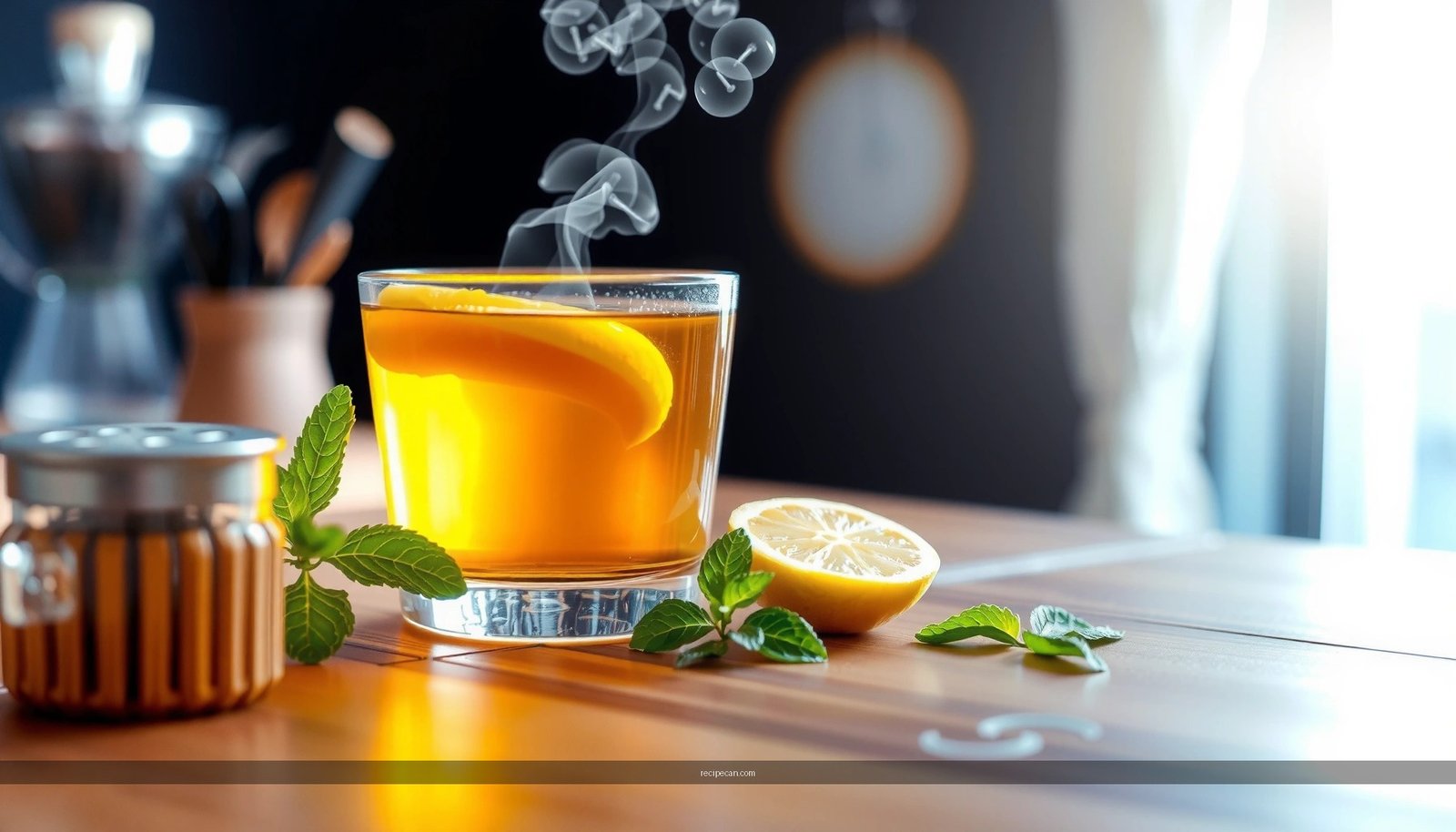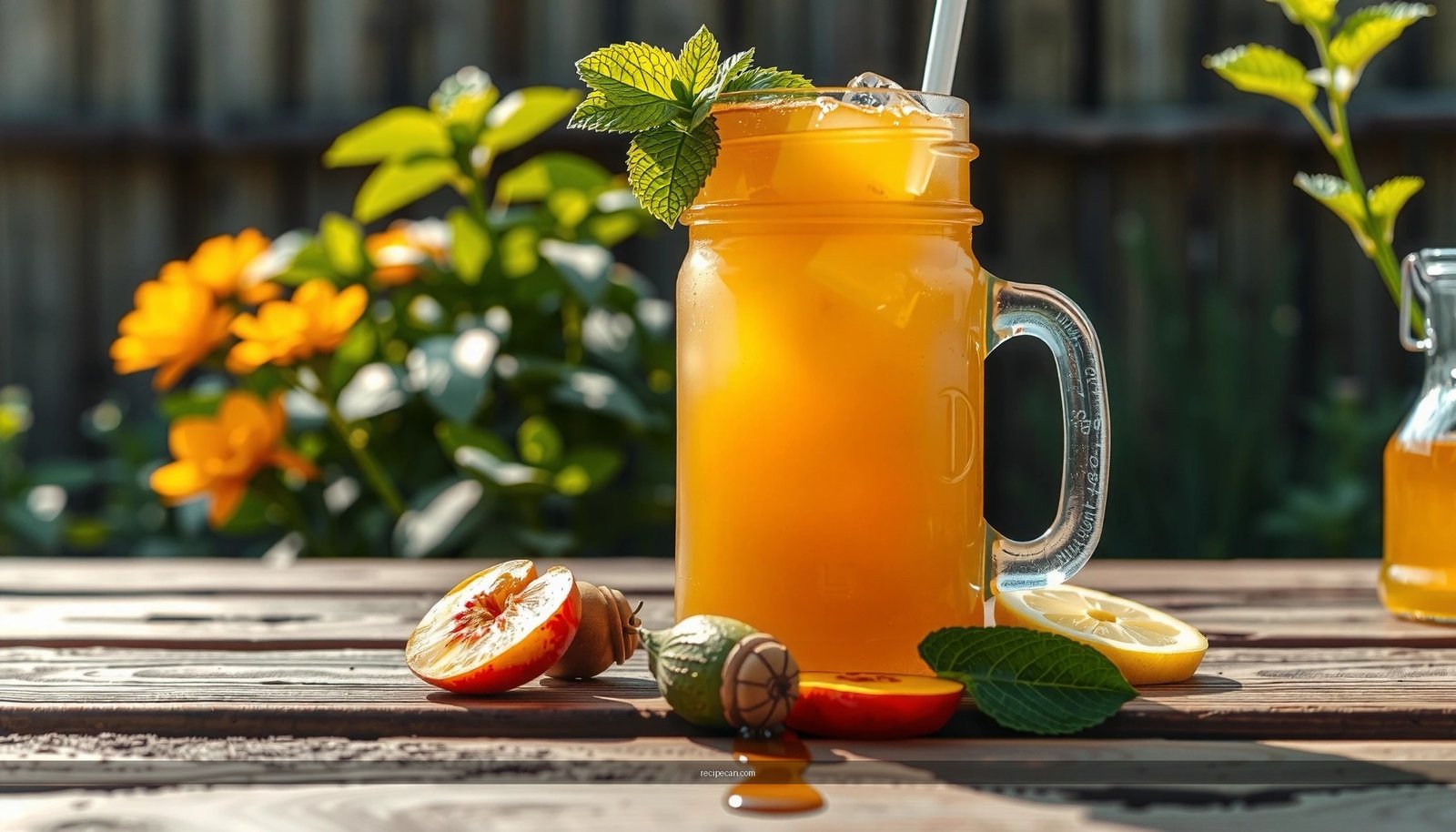
Grow a garden sweet tea recipe that actually tastes fresh: this guide shows the exact steps to plant, harvest, and brew the tea leaves (or mix-ins) you need for a cup you’ll want to pour twice. If you want the easiest path to bold flavor—without complicated techniques—follow this straightforward method from garden to pitcher. By the end, you’ll know what to grow, when to pick, and how to sweeten for consistently smooth sweet tea every time.
If you grow mint and a fruit partner (like peaches or berries) first, you can make a classic sweet tea that tastes noticeably fresher and more layered than store-bought versions. In this guide, you’ll learn what to plant, how to grow it for consistent flavor, and how to turn your harvest into a simple, sweet pitcher of tea that’s bright, aromatic, and easy to repeat.
Grow a garden for fresh ingredients—then use your harvest to make a simple sweet tea recipe with mint and/or peaches. In this guide, you’ll learn what to plant, how to grow it, and how to turn those homegrown flavors into a classic, sweet pitcher of tea.
Choose Garden Ingredients for Sweet Tea

Choosing the right plants is the fastest way to improve your sweet tea quality—because tea flavor is highly dependent on aromatics (mint/lemon balm) and fruit compounds (peach/berries). For sweet tea, you’re building a blend with two roles: aroma and natural sweetness.
– Pick plants that pair well with tea (mint, lemon balm, peaches/berries)
– Mint (spearmint is especially tea-friendly): Adds a clean, cool finish that stays pleasant even in hot-brewed beverages.
– Lemon balm: Brings a citrusy note that can make the tea taste “brighter” without adding more sugar.
– Peaches: Provide a softer, dessert-like sweetness when used properly (usually as slices or lightly muddled pieces rather than boiled hard).
– Berries (strawberry, blueberry, raspberry): Contribute tartness + aroma, which balances the sweetness of tea.
– Plan for sunlight and space so herbs thrive and fruit ripens
Mint and lemon balm do best with at least 4–6 hours of sunlight, while fruit crops need more. If you’re growing peaches, plan for full sun (often 8+ hours) and enough room for airflow. Airflow is not just plant health—it affects harvest quality and reduces the risk of off-flavors caused by stressed plants.
– Decide whether you’ll use fresh, frozen, or dried ingredients
You can build a year-round system:
– Fresh mint/lemon balm for peak aroma (best in the first 1–3 days after harvest).
– Fresh or frozen fruit depending on season; frozen berries can work especially well because they release flavor evenly when steeped.
– Dried mint or dried fruit as a backup; dried ingredients are more concentrated, so start with less and adjust.
A practical ingredient strategy: grow mint (or lemon balm) + one fruit option. That keeps your recipe consistent and makes it easy to dial in sweetness without turning the process into guesswork.
Planting Choices for Garden Sweet Tea (Typical Best Use by Harvest Form)
| # | Ingredient (for Tea) | Best Form | Flavor Role | Tea Compatibility Score |
|---|---|---|---|---|
| 1 | Spearmint | Fresh | Aroma + cool finish | ★★★★★ |
| 2 | Lemon balm | Fresh or dried (light) | Citrus brightness | ★★★★☆ |
| 3 | Peach (sliced) | Fresh | Soft sweetness + perfume | ★★★★☆ |
| 4 | Peach (frozen) | Frozen (cubed) | Consistent sweetness year-round | ★★★☆☆ |
| 5 | Strawberries | Fresh or frozen | Sweet-tart aroma | ★★★★☆ |
| 6 | Blueberries | Frozen (best) | Subtle sweetness + color | ★★★☆☆ |
| 7 | Raspberry | Fresh (small amounts) | Bright tartness | ★★★☆☆ |
Prepare Soil and Set Up Your Garden
Great sweet tea doesn’t only come from great ingredients—it comes from plants grown with stable moisture and nutrient availability. When herbs are stressed (too dry, too hot, or nutrient-poor), their flavors can skew harsh or thin. For fruit, inconsistent watering can cause splitting, muted sweetness, or fragrance loss.
– Use well-draining soil and add compost for steady growth
Aim for a loamy, well-draining mix. Add compost to improve structure and microbial activity. For most home gardens:
– Compost boosts steady nutrient release without overfeeding.
– Well-draining soil reduces root stress, which supports better aromatic leaf oils in mint and lemon balm.
– Water consistently so herbs stay flavorful and tender
Herbs generally want more consistency than you might expect. A good rule: water deeply rather than frequently—then let the top layer begin to dry before watering again. This encourages healthier rooting and improves leaf texture, which affects how cleanly mint flavors infuse tea.
– Keep soil ready with mulch to reduce weeds and moisture loss
Mulch is not cosmetic—it protects flavor quality by maintaining stable soil temperature and moisture. Use a thin layer around established plants. Be careful not to bury mint crowns too deeply; mint can be vigorous and sensitive to rot-prone conditions.
One operational tip: set up a simple watering schedule and observe for one week. If mint leaves wilt during midday heat and recover overnight, you’re close; if they don’t recover, adjust your watering rather than waiting for the harvest.
Planting and Growing Tips for Sweet Tea Herbs
Once your garden is set, the goal is simple: grow herbs that are robust, not leggy—and harvest them in a way that encourages continuous production. Mint especially can become wild, so planning matters.
– Start herbs early (or buy seedlings) and space them properly
Herbs benefit from early establishment so you can harvest often. If you’re in a cooler climate, start indoors for transplants. Space plants to maintain airflow; dense growth can increase mildew risk, which you definitely want to avoid in beverage ingredients.
– Pinch back herbs to encourage bushy growth
Pinching is a high-leverage technique:
– It redirects energy from vertical growth to lateral branching.
– You get more leaf mass per plant, which means more tea-ready harvest without thinning your garden.
For mint and lemon balm, pinch when plants are established and have multiple sets of leaves.
– Check for pests regularly and remove early for best flavor
Pests can change plant chemistry quickly. Scout at least twice per week during warm months:
– Look under leaves for chewing damage or stippling.
– Remove early rather than waiting for an outbreak—because damaged leaves can taste bitter or “weedy” after brewing.
If you want reliability for frequent sweet tea batches, consider growing mint in a container or using a physical barrier in-ground. Mint’s vigor is a feature in tea, but it can become a maintenance headache.
Harvest at the Right Time for Best Flavor
Harvest timing is where homegrown flavor becomes noticeably different. Aromatic herbs peak when leaves are lively and fully expanded, while fruit needs to be both ripe and fragrant—not just soft.
– Harvest mint/lemon balm in the morning for peak aroma
Essential oils in many culinary herbs are more concentrated earlier in the day. Morning harvest also reduces wilting and helps you keep leaves crisp for brewing.
– Pick fruit when fragrant and fully colored (or ripen off the vine)
For peaches and other stone fruit, “fully colored” is a starting point. The better indicator is fragrance. If your peaches don’t ripen well on the tree, you can pick when they show mature color and finish ripening at home—but keep an eye on scent and firmness rather than relying purely on calendar days.
– Store herbs briefly in the fridge or dry for later use
To preserve aroma:
– Wrap fresh herbs in a slightly damp paper towel and store in a ventilated bag in the refrigerator.
– Use within a couple of days for best results.
– If you dry mint, do it quickly in a shaded, airy area; prolonged sun exposure can dull flavor.
For operational consistency: harvest herbs first, then choose fruit that smells “like dessert.” If fruit smells bland, it will also taste flatter in sweet tea.
Simple Sweet Tea Recipe Using Your Garden
This recipe is designed to highlight garden flavors without turning the process into a complicated experiment. The key is brewing strong tea, dissolving sugar while hot, and steeping herbs/fruit in a controlled way so they add aroma instead of bitterness.
– Brew strong black tea, then stir in sugar while hot
Use black tea as the backbone—its tannins stand up well to sugar and fruit. Brew stronger than you would for drinking tea straight. While the tea is hot, add sugar and stir until fully dissolved so it integrates instead of settling.
– Add fresh herbs (mint/lemon balm) and fruit for natural sweetness
Add herbs near the end (or after you pour off heat) to preserve fragrance. For fruit:
– Peaches: slice and add after steeping tea briefly, then let the pitcher chill.
– Berries: use lightly muddled berries or whole berries and steep briefly so color and aroma transfer without overcooking.
– Chill thoroughly and taste before adjusting sugar or add-ins
Sweet tea improves as it chills; flavors meld and sharpen. Taste after several hours and adjust only if needed—either by adding more sugar syrup or adding fresh herb sprigs for aroma.
Pitcher method (about 1 gallon / 3.8 L):
1. Brew 8–10 cups water with black tea bags or loose black tea (use enough for a strong base).
2. While hot, whisk in 1 to 1½ cups sugar (start at the lower end; you can adjust after chilling).
3. Add fresh mint/lemon balm (a small handful of leaves) and fruit (e.g., 1–2 cups peach slices or 1½–2 cups berries).
4. Steep 10–20 minutes (remove fruit if you prefer a cleaner finish).
5. Chill until cold, then serve over ice.
Professional adjustment tip: if your tea tastes flat, it’s often under-brewing or insufficient chill time. If it tastes sharp or bitter, reduce steep time for herbs and fruit.
Serving Ideas and Storage for Garden Sweet Tea
Serving and storage determine whether your garden sweet tea stays fresh and aromatic—or becomes muted.
– Serve over ice with fresh herb sprigs or fruit slices
Garnish right before serving. A fresh mint sprig (or a peach slice) on top reintroduces aroma that can dissipate during refrigeration.
– Store in the fridge and use within a few days for best flavor
Refrigerated sweet tea typically holds best for 2–4 days depending on fruit use. If you used fresh fruit pieces, consider removing them after the first day to prevent flavor breakdown.
– Consider making a small batch syrup for quick future pitchers
For repeatable sweetness, make a simple tea-friendly syrup:
– Dissolve sugar in hot water (or reuse your brew base while hot).
– Cool and store in the fridge.
Then, for future pitchers, you can sweeten fast and consistently without reworking the recipe.
If you’re serving guests, pre-chill the pitcher and keep a separate small bowl of garnishes—mint leaves bruised slightly in a container will release aroma faster when added at the last moment.
Freshen up your sweet tea by growing the ingredients first—then brewing with your harvested herbs and fruit for real garden flavor. Start by planting mint/lemon balm and one fruit option, harvest at peak ripeness, and follow the simple recipe to make your first pitcher today.
By focusing on smart plant selection, soil and watering consistency, and harvest timing, you get a repeatable workflow that produces better sweet tea with less guesswork. Once you dial in your preferred herb (mint vs. lemon balm) and fruit partner (peaches vs. berries), you’ll be able to make classic pitcher sweet tea that tastes unmistakably homegrown—batch after batch.
Frequently Asked Questions
What’s the best way to grow a garden for sweet tea ingredients?
Plant sweet tea “starter” crops based on your local climate: black tea is store-bought, but you can grow flavor boosters like fresh mint, lemon balm, and herbs for a homemade garden sweet tea recipe. Choose a sunny spot (at least 6 hours of light) and use raised beds or containers for consistent moisture control. For pollinator-friendly growth, add companion plants like basil or calendula to keep the garden healthy and productive.
How do I grow mint and herbs that pair well with a garden sweet tea recipe?
Grow mint in a container with drainage holes because it spreads aggressively in most gardens. Water regularly, keep soil slightly moist, and pinch stems to encourage bushy growth for more leaves to steep. Harvest in the morning, then rinse and lightly dry the leaves so they hold flavor for your sweet tea recipe without turning bitter.
Why is homegrown lemon balm or citrus essential for sweet tea flavor?
Lemon balm adds a fresh, citrusy aroma that makes a garden sweet tea recipe taste bright without relying heavily on artificial flavorings. It can also help balance the tannins from tea when steeping properly, improving overall drink quality. If you’re using lemons, rotate plants or supplement with container citrus so you can reliably zest or juice during peak harvest.
Which tea and sweetener combination works best for a garden sweet tea recipe?
Many people prefer black tea (like Assam or English breakfast) because it provides a bold base that stands up to homemade herbs. For sweetness, try simple syrup (equal parts sugar and water simmered briefly) for smooth dissolving, or use honey for a floral note that complements garden mint and lemon balm. Brew the tea strongly first, then add sweetener to taste, so your garden sweet tea recipe isn’t watery or overly bitter.
How long should I steep tea and when should I harvest garden herbs for sweet tea?
Steep black tea for about 3–5 minutes for standard strength, then chill or add water/ice to reach your preferred sweetness and concentration for the garden sweet tea recipe. Harvest herbs right before you plan to make the drink—morning harvests often deliver the most flavorful leaves. If you’re steeping herbs, add them for the last 1–3 minutes (or steep longer for stronger infusion), then strain to avoid bitterness.
References
- Sweet tea
https://en.wikipedia.org/wiki/Sweet_tea - Iced tea
https://en.wikipedia.org/wiki/Iced_tea - Tea
https://en.wikipedia.org/wiki/Tea - Kitchen garden
https://en.wikipedia.org/wiki/Kitchen_garden - Mint
https://en.wikipedia.org/wiki/Mint - Camellia sinensis
https://en.wikipedia.org/wiki/Camellia_sinensis - https://www.cdc.gov/nutrition/data-statistics/added-sugars.html
https://www.cdc.gov/nutrition/data-statistics/added-sugars.html - Google Scholar Google Scholar
https://scholar.google.com/scholar?q=home+made+sweet+tea+recipe+brewing+time+temperature - Google Scholar Google Scholar
https://scholar.google.com/scholar?q=growing+mint+in+a+home+garden+horticulture+guide - Google Scholar Google Scholar
https://scholar.google.com/scholar?q=iced+tea+added+sugar+health+effects+review