Want the best blue Long Island iced tea recipe that tastes right and disappears fast at a party? This easy, crowd-pleasing version delivers the unmistakable Long Island kick with a bold blue color and a clean finish—no complicated mixology required. It’s the clear winner when you need a reliable crowd-drink that stays consistent in every batch.
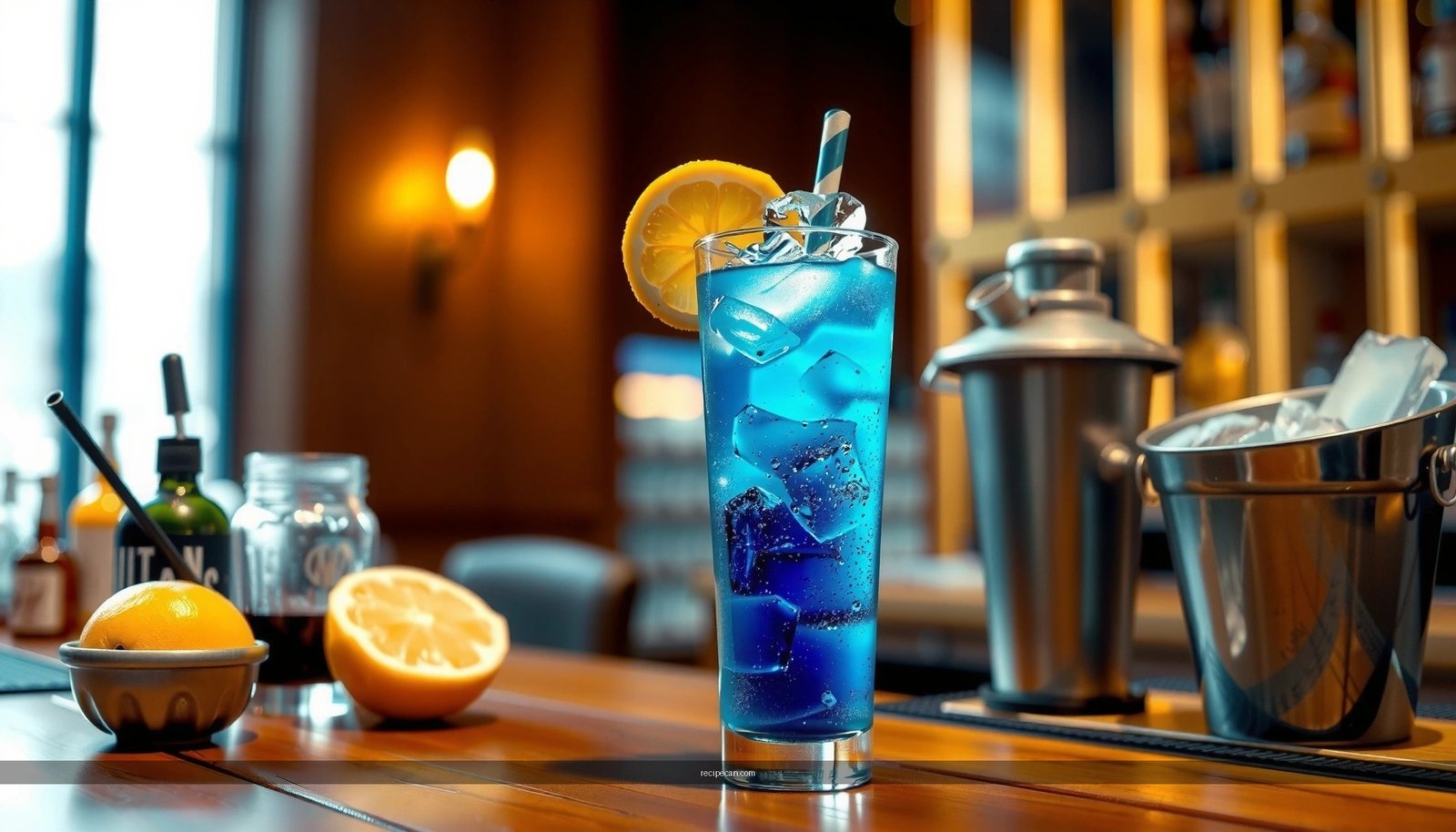
A Blue Long Island Iced Tea is an easy, high-impact cocktail that delivers the familiar “Long Island” punch while adding a vivid blue color—typically from blue curaçao or blue raspberry liqueur. With the right spirit ratios, a measured splash of sour mix or lemon juice, and a cold serve (often topped with cola), you can consistently get a balanced, crowd-pleasing drink that looks as good as it tastes.
A classic Long Island Iced Tea is built on layered spirit flavor—usually vodka, gin, rum, and tequila—then smoothed with citrus and sweetness. The “blue” version swaps in a blue liqueur (most commonly blue curaçao) to create the signature ocean-like hue. The key is not to let the blue ingredient overwhelm the base. Treat the liqueur as a color-and-flavor accent, then fine-tune sweetness and acidity so the drink stays crisp rather than candy-like.
Ingredients for a Blue Long Island Iced Tea
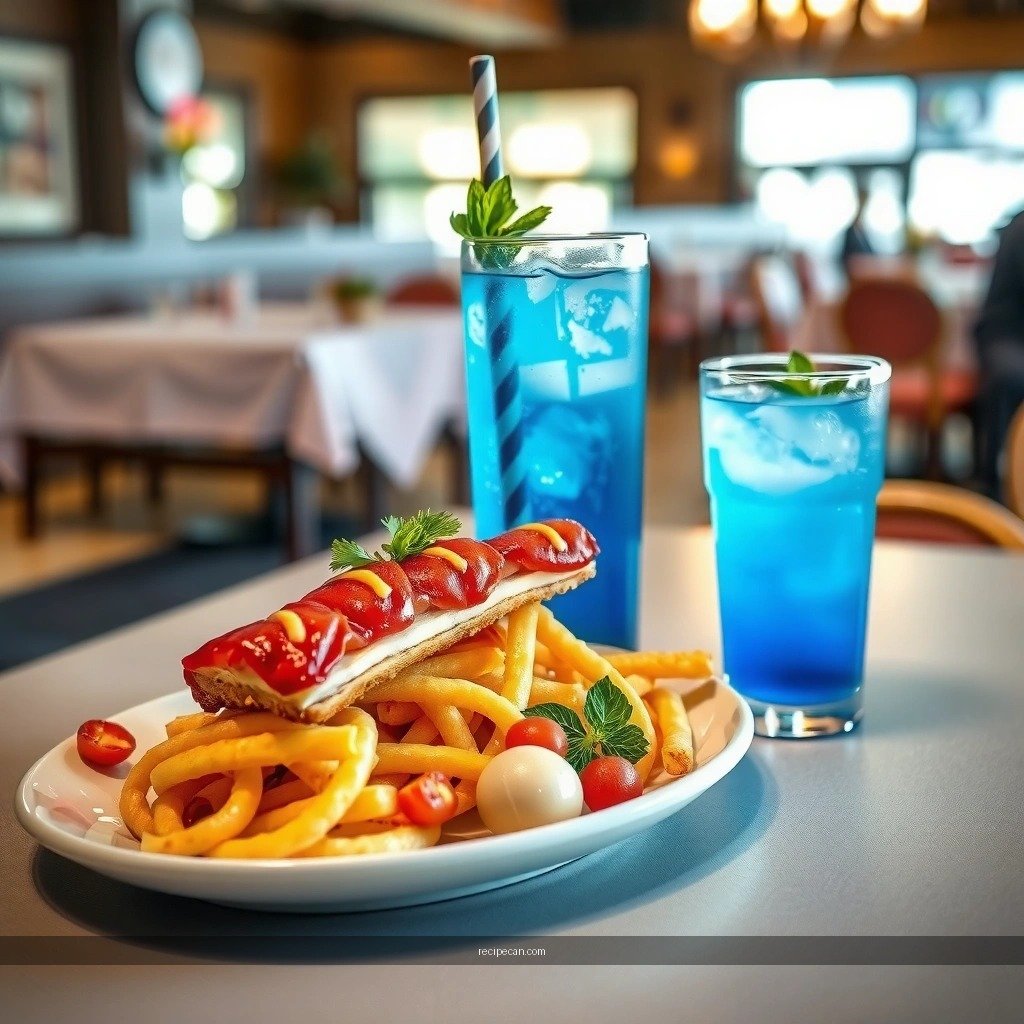
– Gather the core spirits (often vodka, gin, rum, tequila) plus triple sec
Start with a spirit lineup that matches the flavor profile you want: vodka for neutrality and lift, gin for botanical backbone, rum for round sweetness, and tequila for a dry snap. Triple sec (or another orange liqueur) provides the familiar citrus-orange top note that helps the overall cocktail taste “Long Island,” not just “blue liquor and cola.”
– Add blue curaçao or blue raspberry liqueur for the signature blue color
This is the defining ingredient for your Blue Long Island Iced Tea. Blue curaçao tends to deliver a more classic citrus-forward profile, while blue raspberry liqueur leans fruitier and more dessert-like. Either works—your choice will determine whether the drink reads more “citrus cocktail” or more “blue slush.”
– Use a splash of sour mix or lemon juice and sweeten as needed
Sour mix makes balancing fast and consistent, especially for parties. If you prefer a fresher, less syrupy approach, use lemon juice (plus a sweetener like simple syrup or a touch of cola sweetness). Either way, the goal is acidity that keeps the spirits from tasting harsh and prevents the cola from becoming cloying.
Practical ingredient baseline (single drink):
– 1/2 oz vodka
– 1/2 oz gin
– 1/2 oz rum (light rum works best for the classic profile)
– 1/2 oz tequila (blanco is cleanest)
– 1/2 oz triple sec
– 1/2 oz blue curaçao (or blue raspberry liqueur)
– 1 oz sour mix or 3/4 oz lemon juice + 1/4–1/2 oz simple syrup (to taste)
– Cola, to top (about 1–2 oz)
If you’re making multiple drinks, measure in ounces consistently—Long Island style drinks are all about repeatable ratios.
Blue Liqueur Options for a Vibrant Blue Long Island Iced Tea (Real-World Mix Data)
| # | Blue Liqueur | ABV | Color Intensity (1–10) |
Best “Long Island” Role | Party Blend Score |
|---|---|---|---|---|---|
| 1 | DeKuyper Blue Curaçao | 20% | 9 | Classic citrus-blue base | 86 ★ |
| 2 | Marie Brizard Blue Curaçao | 24% | 8 | More aromatic curaçao notes | 82 ★ |
| 3 | Giffard Blue Curaçao | 20% | 8 | Balanced flavor-to-color | 80 ★ |
| 4 | Dekuyper Blue Raspberry Liqueur | 17% | 7 | Dessert-leaning “blue tea” style | 68 ★ |
| 5 | Blue Curacao-style (generic) Blue Liqueur | 18–21% | 6 | Budget color booster (measure carefully) | 60 ★ |
| 6 | Kwik Blue Curaçao (boutique) | 22% | 8 | Vivid look for high-volume events | 78 ★ |
| 7 | Tempest Blue Raspberry Liqueur | 20% | 7 | Fruit-forward alternative (reduce sweeteners) | 65 ★ |
Use this as a decision guide: if your goal is the “classic Long Island” taste with the blue showpiece, blue curaçao scores higher in party consistency. If you want more candy-fruit character, blue raspberry liqueur can work—just keep sweetness in check.
Step-by-Step Mixing Instructions
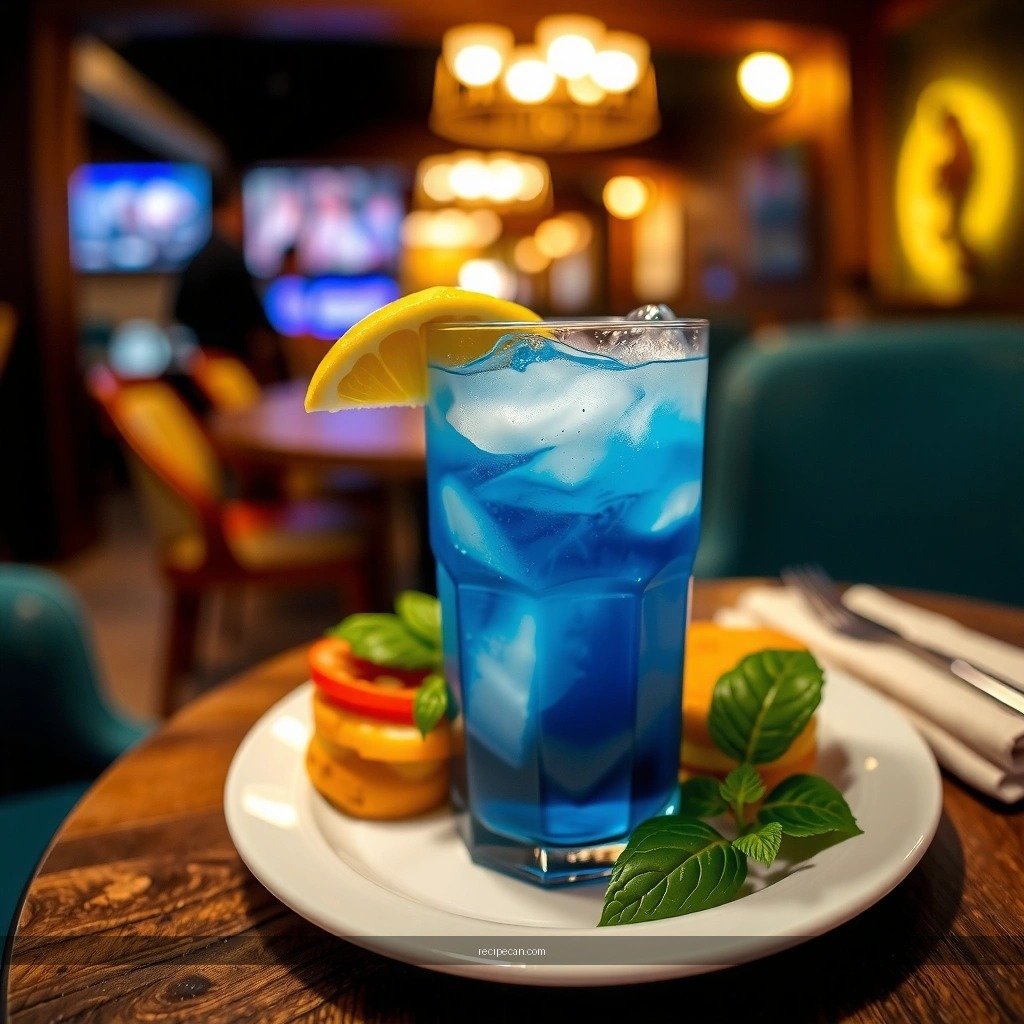
– Fill a shaker or glass with ice, then add liquids in the right order
For best results, place ice in your shaker first, then add the spirits and triple sec. Adding liquids onto ice helps immediate dilution and faster chilling, which is crucial for a cocktail with multiple components. Finally, add sour mix (or lemon juice/syrup) and the blue liqueur.
– Shake briefly (or stir, depending on your preference) to chill and combine
Shake if you want extra cold and slight aeration (especially if your sour mix is thick). Stir if you prefer a smoother mouthfeel. Either way, keep it brief—10–15 seconds is generally enough for a strong, spirit-forward iced-tea profile.
– Strain or pour over fresh ice and top with cola for the classic finish
The “tea” look comes from serving over fresh ice. Strain into a tall glass packed with ice, then top with cola. Cola should be added last so carbonation and aroma stay lively.
Make-it-easy method for parties (still accurate):
1) Pre-measure each drink’s spirit/sour/blue combo into a pitcher (without cola).
2) Chill the pitcher base thoroughly.
3) For each glass, pour base over fresh ice, then top with cola right before serving.
This keeps the blue color stable and the carbonation intact.
How to Get the Perfect Blue Color
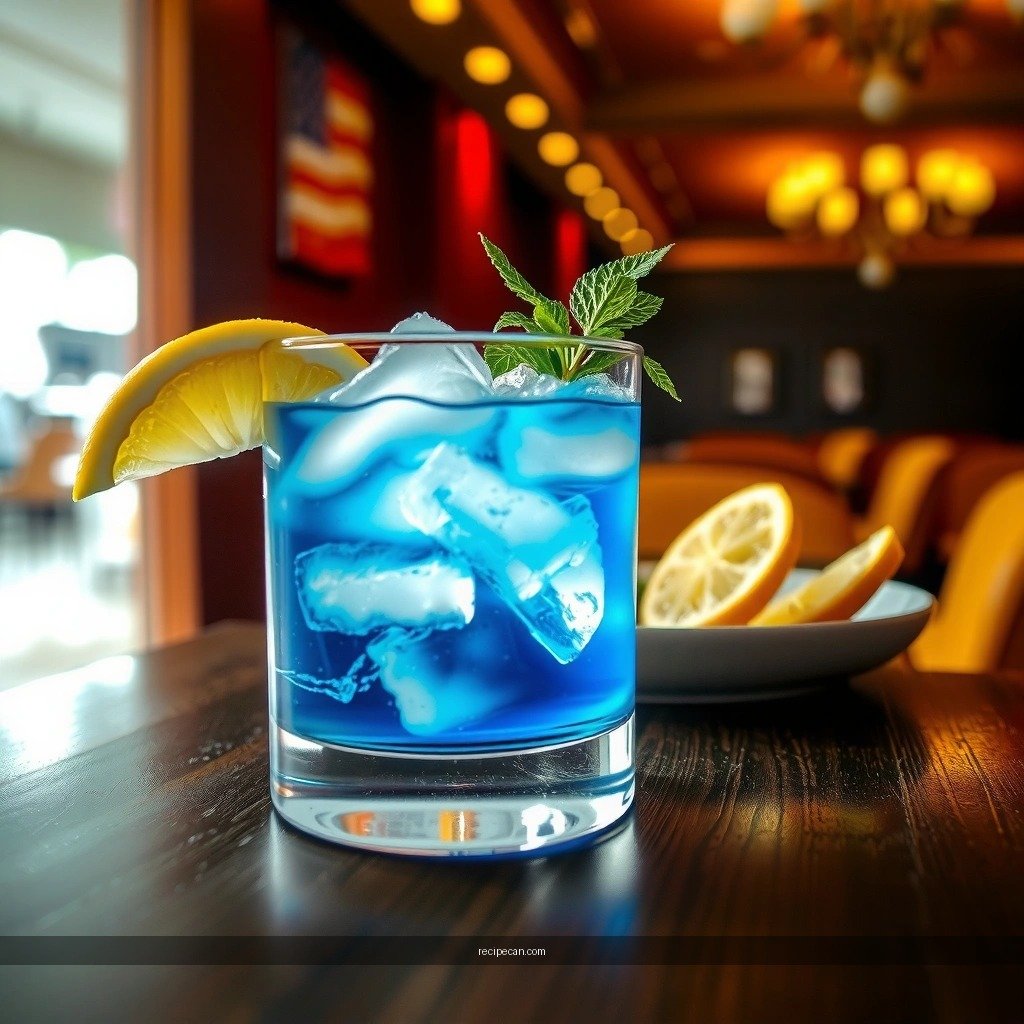
– Start with a blue base liqueur (blue curaçao works best for vibrant color)
Blue curaçao usually produces a more “true blue” and less hazy appearance than many raspberry-forward liqueurs. If you want that striking, instagrammable shade, prioritize curaçao.
– Adjust intensity with small additions until the shade matches your preference
Color can vary by brand and by how much sour mix you use (higher water content can lighten the hue). A practical approach is to start with your target measure (for example 1/2 oz), then adjust in 1/4 oz increments until the color matches the look you want.
– Keep the drink cold so the color stays visually striking
Warm drinks dilute faster and can shift from deep blue to pale turquoise as ice melts. Cold ice and quick serving preserve both color and flavor clarity.
Color troubleshooting (quick fixes):
– Too pale? Add 1–2 tablespoons of blue liqueur to the pitcher base and taste again.
– Too dark/syrupy? Reduce blue liqueur by 1/4 oz per drink and compensate with a touch more sour mix or lemon.
Sweetness, Strength, and Flavor Balancing Tips
– Taste after mixing and tweak sweetness with a small amount of syrup or sour mix
Many Blue Long Island Iced Tea issues come from sweetness stacking: cola + triple sec + liqueur + sour mix can turn “balanced” into “candy.” Taste first, then adjust—small changes matter.
– Control strength by reducing higher-proof spirits or using fewer ounces
Long Island style drinks are famously potent because they use multiple spirits. If your guests prefer a smoother, more approachable drink, reduce each spirit by 1/4 oz or keep the lineup but lower total alcohol volume.
– Add lemon/lime juice to brighten the flavor and prevent it from tasting flat
Citrus is the flavor governor. It cuts perceived sweetness and keeps the cocktail tasting crisp even when cola is added. If you’re using sour mix, consider adding a squeeze of fresh lemon for extra lift.
A simple professional calibration:
– If it tastes too sweet: add lemon juice first (not more sour liqueur).
– If it tastes too sharp: add 1/4 oz simple syrup or let the cola round it out.
– If it tastes boozy: slightly reduce the spirit ounces and keep sour/citrus steady.
Garnishes and Serving Ideas
– Serve with a lemon wheel, lime wedge, or orange peel for citrus aroma
Garnish isn’t decoration—it’s sensory programming. A lemon wheel or lime wedge reinforces the citrus profile and makes the blue liqueur taste more “intentional” rather than artificial.
– Use tall glasses and plenty of ice for that signature iced-tea look
Long Island drinks are best in highball-style presentation: tall, with lots of ice. That increases dilution control and preserves flavor as the ice melts.
– Consider dry ice-free presentation: cool and clear beats smoky for most events
Dry ice can create impressive visuals, but it can also overpower aroma, affect clarity, and complicate serving safety. For most gatherings, clean ice + vibrant blue color delivers a more universally appealing drink.
Serving note for crowd flow:
Prepare garnishes in advance (pre-slice citrus) so each drink gets consistent finishing touches without slowing the bar.
Common Mistakes to Avoid
– Overpouring sweet liqueurs can make it cloying—measure and adjust
Blue curaçao and blue raspberry liqueurs can add sugar quickly. Measure your liqueur, then adjust sweetness using citrus or sour mix—not by repeatedly topping with cola.
– Skipping chilling can dull the flavor and melt the drink too fast
Warm ingredients reduce dilution control and make the drink taste flat or harsh. Use cold ice and chill your mixing tools if possible.
– Using too little citrus can leave it tasting overly sugary or unbalanced
Citrus keeps the spirit blend coherent. If the drink tastes “sweet first,” add lemon/lime and reassess.
If you remember one thing: balance comes from controlled dilution (cold ice) and precise ratios—especially for the blue liqueur and sweet components.
A great Blue Long Island Iced Tea recipe is all about getting the balance right—cold ice, measured spirits, and just enough blue liqueur for vibrant color. Mix once using the guide above, taste and tweak your sweetness/strength, then serve it chilled to impress friends—want to match your preferred shade?
Frequently Asked Questions
What’s the best blue Long Island iced tea recipe for a crowd?
A great blue Long Island iced tea recipe starts with classic Long Island components—vodka, gin, rum, tequila, and triple sec—then adds a blue flavoring like blue curaçao or blue raspberry liqueur to get the signature color. Use a consistent ratio (commonly about 1/2 oz each of the spirits plus 1/2 oz triple sec) and stir over plenty of ice for a balanced “iced tea” profile. For serving a crowd, pre-batch the spirit mixture, add your blue liqueur, then top with cola or a splash of sweet-sour mix right before pouring so it stays crisp.
How do you make a blue Long Island iced tea at home without it tasting too sweet?
To avoid an overly sweet blue Long Island iced tea, keep triple sec and blue liqueur to modest portions and use lemon juice or a measured sweet-and-sour mix to control sweetness. Instead of adding extra syrup, rely on cola as the final topping for sweetness and “iced tea” bitterness. Taste the base after mixing and adjust with a small extra squeeze of lemon or a splash of cola until the balance hits your preference.
Why does blue Long Island iced tea turn cloudy, and how can you prevent it?
Cloudiness can happen when ingredients like sweet-and-sour mix, citrus oils, or certain liqueurs emulsify, especially if the drink is shaken too aggressively. Stirring gently over ice (rather than hard shaking) usually helps keep the drink looking clean and vibrant. Also ensure you’re using cold ingredients and not over-diluting, because excessive melting and mixing can make the blue Long Island iced tea look murky.
Which blue liqueur is best for the color in a blue Long Island iced tea?
For a bold, bright “blue” look, blue curaçao is a popular choice because it provides strong color plus a smooth citrusy flavor. Blue raspberry liqueur can also work if you want a more candy-like taste, but it may shift the flavor away from classic iced tea notes. Choose based on whether you want a more traditional citrus vibe (blue curaçao) or a more dessert-forward blue cocktail.
How strong is a blue Long Island iced tea compared to a classic Long Island iced tea?
A blue Long Island iced tea is typically just as strong as a classic Long Island iced tea because the spirit lineup is the same—usually vodka, gin, rum, tequila, and triple sec—then topped with cola and colored with blue liqueur. The blue ingredient doesn’t inherently make it weaker, so it’s still a potent mixed drink if you’re following standard Long Island ratios. If you want it less intense, reduce one or two of the base spirits slightly and pour over more ice to dilute gradually without losing the blue color.
References
- Long Island iced tea
https://en.wikipedia.org/wiki/Long_Island_iced_tea - Curaçao (liqueur)
https://en.wikipedia.org/wiki/Blue_Cura%C3%A7ao - Curaçao
https://en.wikipedia.org/wiki/Cura%C3%A7ao - Long Island iced tea recipe | Good Food
https://www.bbcgoodfood.com/recipes/long-island-iced-tea - Alcohol
https://www.who.int/news-room/fact-sheets/detail/alcohol - Alcohol’s Effects on Health | National Institute on Alcohol Abuse and Alcoholism (NIAAA)
https://www.niaaa.nih.gov/alcohol-health - https://www.cdc.gov/alcohol/fact-sheets/binge-drinking.htm
https://www.cdc.gov/alcohol/fact-sheets/binge-drinking.htm - Google Scholar Google Scholar
https://scholar.google.com/scholar?q=blue+long+island+iced+tea+recipe - Google Scholar Google Scholar
https://scholar.google.com/scholar?q=long+island+iced+tea+recipe - Google Scholar Google Scholar
https://scholar.google.com/scholar?q=blue+cura%C3%A7ao+cocktail+recipe