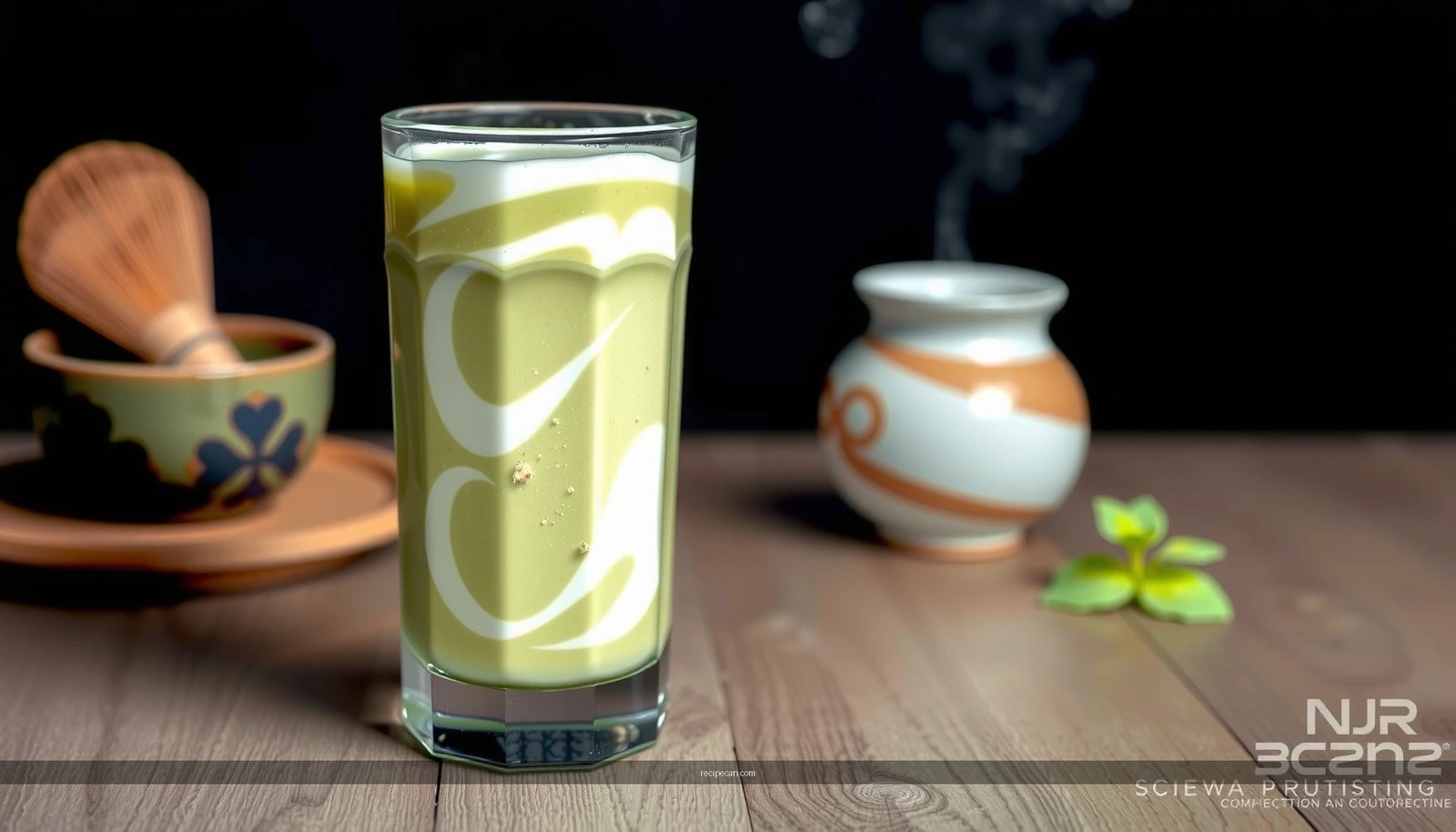
Get a creamy, energizing matcha tea smoothie recipe that actually delivers—no watered-down matcha, no bland flavor. This easy step-by-step guide answers whether you can blend matcha into a thick, satisfying drink and still keep it smooth and bright. If you want a café-style result in minutes, this recipe is the clear winner.
Make a creamy matcha tea smoothie by whisking matcha with a splash of warm water, then blending it with yogurt (or dairy-free milk), ice, and fruit until smooth. You’ll get a naturally energizing drink—easy to customize for sweetness and thickness—without any complicated technique.
Essential Ingredients for a Matcha Tea Smoothie
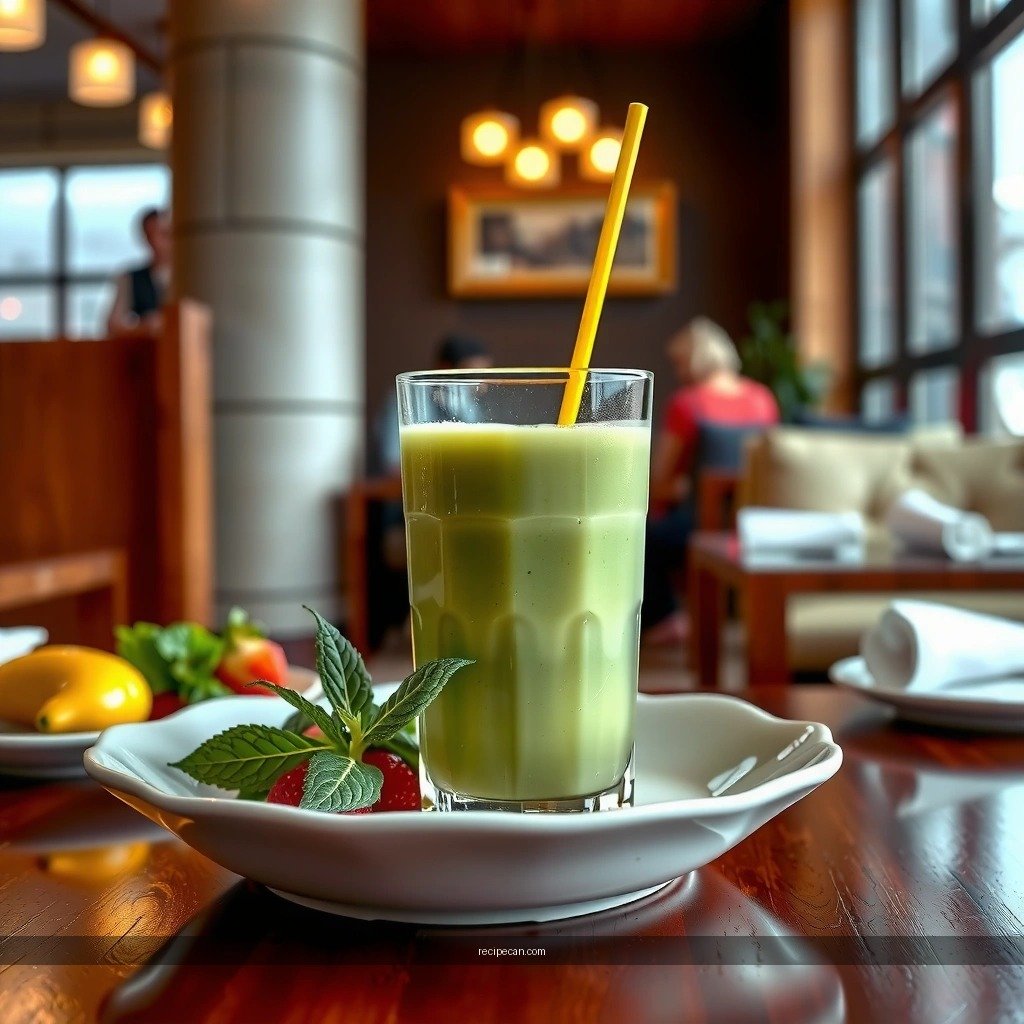
A great matcha smoothie balances two things: (1) matcha’s signature earthy, umami character and (2) enough creaminess and fruit acidity to keep each sip refreshing. Start with the core ingredients—then choose add-ins based on texture and dietary needs.
Matcha powder, milk (dairy or dairy-free), and ice as the base
– Matcha powder provides the tea flavor and the “green” energy profile. Look for culinary or ceremonial-grade matcha depending on your preference; both work, but finer, better-quality matcha typically tastes smoother.
– Milk (dairy or dairy-free) creates the creamy body that prevents matcha from tasting flat or overly dry.
– Ice chills and thickens. The more ice you use, the froster your smoothie will feel.
Choose a creamy add-in like yogurt or a banana for texture
– Greek yogurt (or Icelandic-style yogurt) makes smoothies taste richer and helps “round out” matcha’s earthy notes.
– Banana naturally sweetens and thickens, meaning you can reduce added sweeteners.
Add fruit like mango or berries for flavor balance
Matcha pairs well with both bright and tropical flavors:
– Berries add tartness that can make matcha taste cleaner and less bitter.
– Mango adds a soft sweetness that complements matcha’s umami profile.
– Citrus (optional)—a small squeeze of lemon—can sharpen flavor, but keep it small so it doesn’t overpower.
To support ingredient choices with practical nutrition planning, here are common ingredient targets by smoothie component—use these as a “guideline map” when you assemble your version.
Typical Macro Targets for a 1-Serving Matcha Smoothie (Approx. 16–20 oz)
| # | Smoothie Goal | Calories | Protein | Added Sugar |
|---|---|---|---|---|
| 1 | Light & Refreshing | 170–220 | 6–10 g | 0–8 g |
| 2 | Classic Creamy | 250–330 | 10–18 g | 6–12 g |
| 3 | Post-Workout (Higher Protein) | 300–430 | 25–35 g | 5–10 g |
| 4 | Low-Sugar (No Honey/Maple) | 210–290 | 10–20 g | 0–6 g |
| 5 | Indulgent & Thick | 350–520 | 12–22 g | 12–22 g |
| 6 | Kid-Friendly (Smoother Flavor) | 240–360 | 8–16 g | 10–18 g |
| 7 | Dinner Substitute (Balanced) | 420–650 | 25–40 g | 10–20 g |
Use these as a planning lens: if you’re aiming for lower added sugar, rely on fruit sweetness and yogurt; if you want indulgence, add banana, coconut cream, or nut butter while keeping matcha portion consistent.
Step-by-Step Matcha Smoothie Instructions
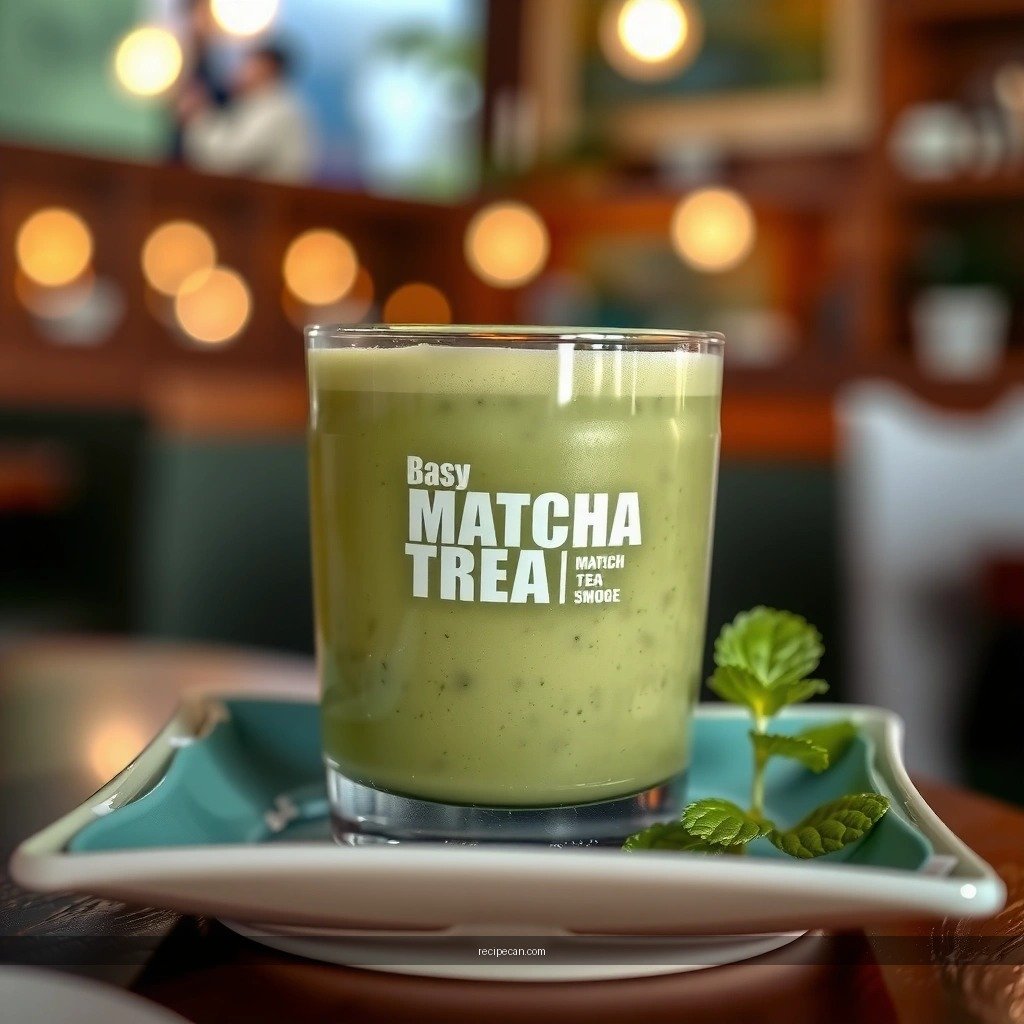
The method matters—especially for avoiding matcha clumps and bitterness. Follow this workflow and you’ll consistently get a creamy, well-mixed result.
1) Whisk matcha with a splash of warm water (prevents clumps)
Matcha powder disperses more evenly when it’s first “hydrated.” Start with about 1–2 teaspoons matcha and 1–2 tablespoons warm water (not boiling). Whisk until smooth and slightly frothy.
– If you skip this step, you’ll often get dry specks or an uneven distribution of bitterness.
2) Blend matcha, milk, fruit, and ice until smooth
Add your creamy base (yogurt or milk), then add:
– Fruit (fresh or frozen): berries, mango, banana, or a mix
– Ice: start with 1 cup and scale up as needed
Blend on high until there are no visible ice chunks and the texture looks uniform.
3) Taste and adjust with honey or maple syrup if needed
Matcha’s flavor intensity varies by brand and how much you use. If it tastes too earthy, adjust sweetness gradually:
– Honey or maple syrup: start with 1 teaspoon, blend again, and reassess.
– For a more “clean” sweetness, you can also add a small amount of fruit instead of sweeteners.
Practical serving target: Aim for a smoothie texture that drinks with a spoon—thick enough to feel satisfying, smooth enough to swallow easily.
Best Milk and Flavor Pairings
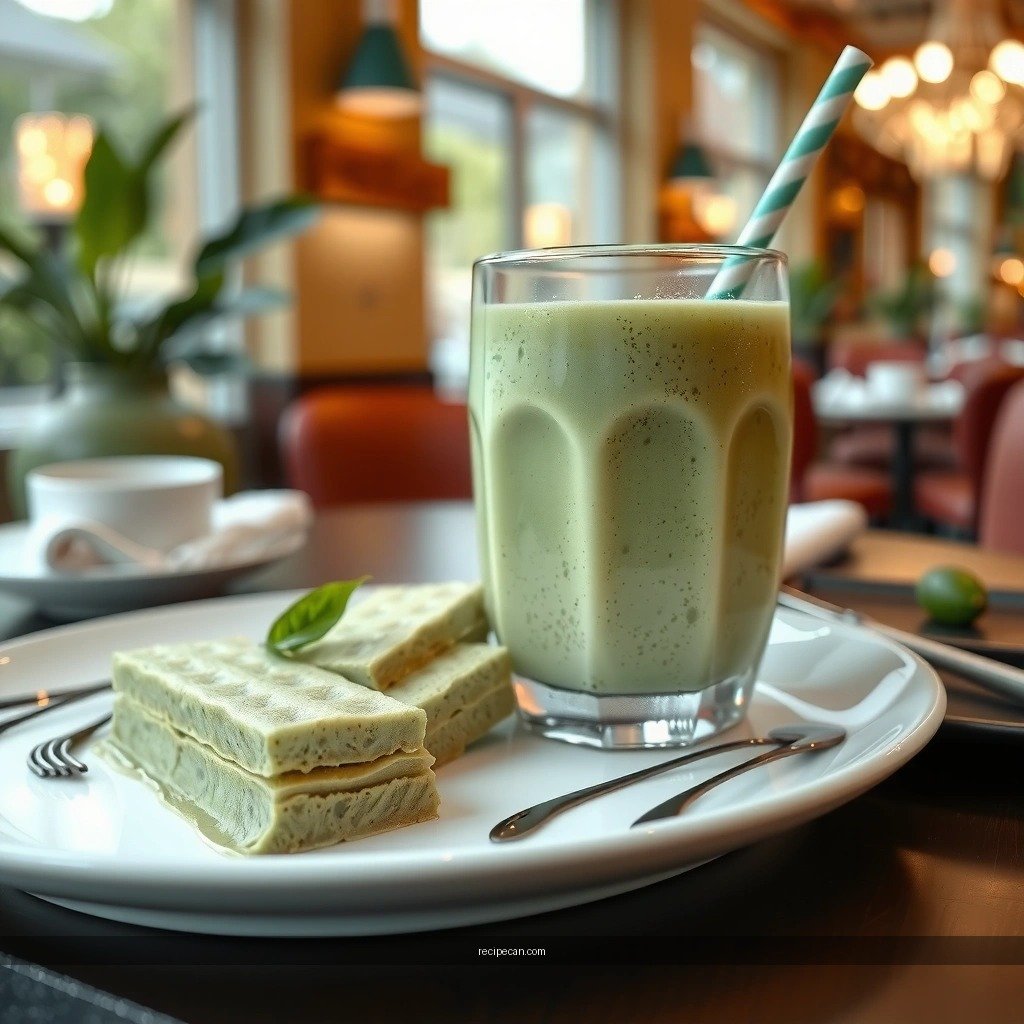
Choosing the right milk influences both mouthfeel and flavor chemistry—because matcha absorbs and carries aromas differently depending on fat content and sweetness.
– Use oat milk for a creamy, slightly sweet result
Oat milk tends to create a naturally velvety texture and complements matcha without needing much added sweetener. If your matcha smoothie often tastes “thin,” oat milk is a reliable upgrade.
– Pair matcha with banana for a classic smoothie taste
Banana’s sweetness and creamy structure reduce perceived bitterness. This combo is especially effective when you want a “breakfast smoothie” that feels familiar and easy for first-time matcha drinkers.
– Try berries or mango for a brighter, refreshing twist
– Berries: add a tart, refreshing contrast that can make matcha feel cleaner.
– Mango: adds tropical sweetness and softens matcha’s earthiness—great when you want a smoothie that tastes more like dessert but still feels energizing.
If you want a more professional “flavor system,” think in pairs:
– Umami herb (matcha) + cream (yogurt/milk) + acid/bright fruit (berries/mango) = balanced flavor with minimal added sugar.
How to Get the Perfect Thickness
Thickness is mostly controlled by ice, liquid ratio, and how creamy your base is. Use the levers below to dial in your preferred consistency every time.
– Add more ice for a thicker, frosty smoothie
Increase ice gradually (e.g., add 1/4 cup at a time). Too much ice can mute flavor and leave the smoothie slightly sharp.
– Use less ice or add extra milk to thin it out
If your smoothie becomes too dense, add 1–2 tablespoons milk and blend again. This preserves flavor balance better than adding more fruit in many cases.
– Blend longer for a smoother, more consistent texture
Even with the right ratio, under-blending can leave ice crystals. Blending longer can improve texture without changing the recipe.
Quick calibration tip: If your smoothie looks thick but tastes “watery,” it likely needs either more matcha whisked properly (for full distribution) or a longer blend to fully integrate the fat and fruit.
Make It Healthier (or More Indulgent)
One of the best reasons to make a matcha tea smoothie at home is controllable nutrition. You can increase fiber, protein, or micronutrients—or lean into richness when you want a treat.
– Boost nutrition with spinach, chia seeds, or protein powder
– Spinach: use a small handful. It blends easily and won’t overpower the matcha flavor if your fruit is strong.
– Chia seeds: add 1 tablespoon for fiber and a slightly thicker texture. Let it sit 3–5 minutes if you want more gel-like body.
– Protein powder: if you’re targeting post-workout nutrition, choose an unflavored or vanilla option that won’t clash with matcha’s earthy profile.
– Keep it light by using low-sugar yogurt or unsweetened milk
Choose unsweetened dairy or dairy-free milk and unsweetened yogurt. The fruit will supply most sweetness, and matcha’s character will remain clean rather than overly sweet.
– Make it indulgent with extra banana, coconut cream, or nut butter
If you want a dessert-like smoothie:
– Add 1/2 banana or a frozen banana for extra creaminess.
– Stir in a spoonful of coconut cream or nut butter (peanut, almond, or cashew).
– Consider reducing sweeteners, because nut butter and banana can make the smoothie taste richer even without extra honey.
A useful approach for health-focused adjustments: keep matcha quantity consistent and modify creaminess (yogurt/milk) and volume (ice/fruit) first—then decide if additional protein or fats are needed.
Storage and Serving Tips
Matcha smoothies are best when fresh, but you can still plan ahead with smart storage.
– Drink right away for the best flavor and texture
Fresh smoothies hold the most vibrant aroma and the smoothest texture. Over time, ice and fruit can slightly settle and the drink may thicken.
– Store leftovers in the fridge for up to 24 hours
Use an airtight container to reduce oxidation and flavor drift. Refrigeration keeps it safe, but texture will gradually change—especially with dairy-free bases.
– Reblend briefly with a splash of milk if it thickens
When you’re ready to drink again, add 1–2 tablespoons milk and blend briefly. This restores consistency without diluting the matcha flavor too much.
Serving suggestion: For a more “café-style” experience, pour into a chilled glass and garnish with a few drops of honey (optional) or a pinch of matcha powder sprinkled on top using a small sieve.
A great matcha tea smoothie comes down to properly whisking matcha first and blending with the right creamy base and fruit. Follow the steps above, then customize sweetness and thickness to your taste—use oat milk for creaminess, banana for a classic profile, and berries or mango for brightness. Once you dial in your preferred consistency, your matcha smoothie becomes a reliable, energizing routine you can make in minutes.
Frequently Asked Questions
What are the best ingredients for a matcha tea smoothie recipe?
For a creamy matcha tea smoothie, use Greek yogurt or a dairy-free yogurt as the base and add a liquid like milk, oat milk, or coconut milk. Sweeten gently with a banana, honey, or maple syrup, and consider adding spinach for extra nutrients without changing the flavor much. If you want more texture, include chia seeds, protein powder, or rolled oats. Finally, use culinary-grade matcha tea powder for the best taste and vibrant green color.
How do you make a matcha smoothie without clumps?
Sift your matcha tea powder first, or whisk it with a small amount of warm water until smooth, then add it to the blender. Blending with liquid at first helps evenly distribute the matcha, so add your milk/oat milk before the powder. Blend on high for 30–60 seconds and scrape down the sides to ensure everything is fully combined. If you still notice grit, strain once or blend for another 10–20 seconds.
Why does matcha tea taste bitter in smoothies, and how can you prevent it?
Matcha can taste bitter when the powder is too strong, the matcha isn’t fully dissolved, or the smoothie isn’t balanced with enough sweetness and fat. Use a smaller amount (start with 1/2 to 1 teaspoon culinary matcha) and add naturally sweet ingredients like ripe banana or mango. Incorporating yogurt, nut butter, or avocado can also mellow bitterness by rounding out flavors. Choosing a high-quality matcha tea powder and blending thoroughly will further improve the taste.
Which milk is best for a matcha tea smoothie recipe—dairy or non-dairy?
Dairy milk like whole milk or Greek yogurt-based smoothies tends to create a richer, creamier texture that helps matcha taste smoother. Non-dairy options can work great too: oat milk is a popular choice for thickness, while almond milk keeps the smoothie lighter. Coconut milk adds a slightly tropical flavor, and soy milk offers a protein boost. Choose based on whether you want creaminess, sweetness, or higher protein while keeping the matcha tea flavor balanced.
What is the healthiest matcha smoothie recipe you can make at home?
A simple healthy approach is to blend matcha tea powder with unsweetened yogurt or kefir, a banana or berries, and chia seeds for fiber. Add a handful of spinach if you want extra micronutrients without overpowering taste, and consider unsweetened protein powder if you’re using the smoothie for workouts. Keep added sugars low by relying on fruit sweetness and use a modest sweetener only if needed. This way you get a nutrient-dense matcha tea smoothie with sustained energy and less sugar.
References
- Matcha
https://en.wikipedia.org/wiki/Matcha - Smoothie
https://en.wikipedia.org/wiki/Smoothie - Google Scholar Google Scholar
https://scholar.google.com/scholar?q=matcha+tea+smoothie+recipe - Google Scholar Google Scholar
https://scholar.google.com/scholar?q=matcha+green+tea+smoothie+polyphenols - Google Scholar Google Scholar
https://scholar.google.com/scholar?q=matcha+green+tea+health+effects+review - https://pubmed.ncbi.nlm.nih.gov/?term=green+tea+catechins+health+effects
https://pubmed.ncbi.nlm.nih.gov/?term=green+tea+catechins+health+effects - Green Tea: Usefulness and Safety | NCCIH
https://www.nccih.nih.gov/health/green-tea - https://www.mayoclinic.org/drugs-supplements/green-tea/art-20361197
https://www.mayoclinic.org/drugs-supplements/green-tea/art-20361197 - https://www.hsph.harvard.edu/nutritionsource/green-tea/
https://www.hsph.harvard.edu/nutritionsource/green-tea/ - https://fdc.nal.usda.gov/fdc-app.html#/search/?query=matcha
https://fdc.nal.usda.gov/fdc-app.html#/search/?query=matcha