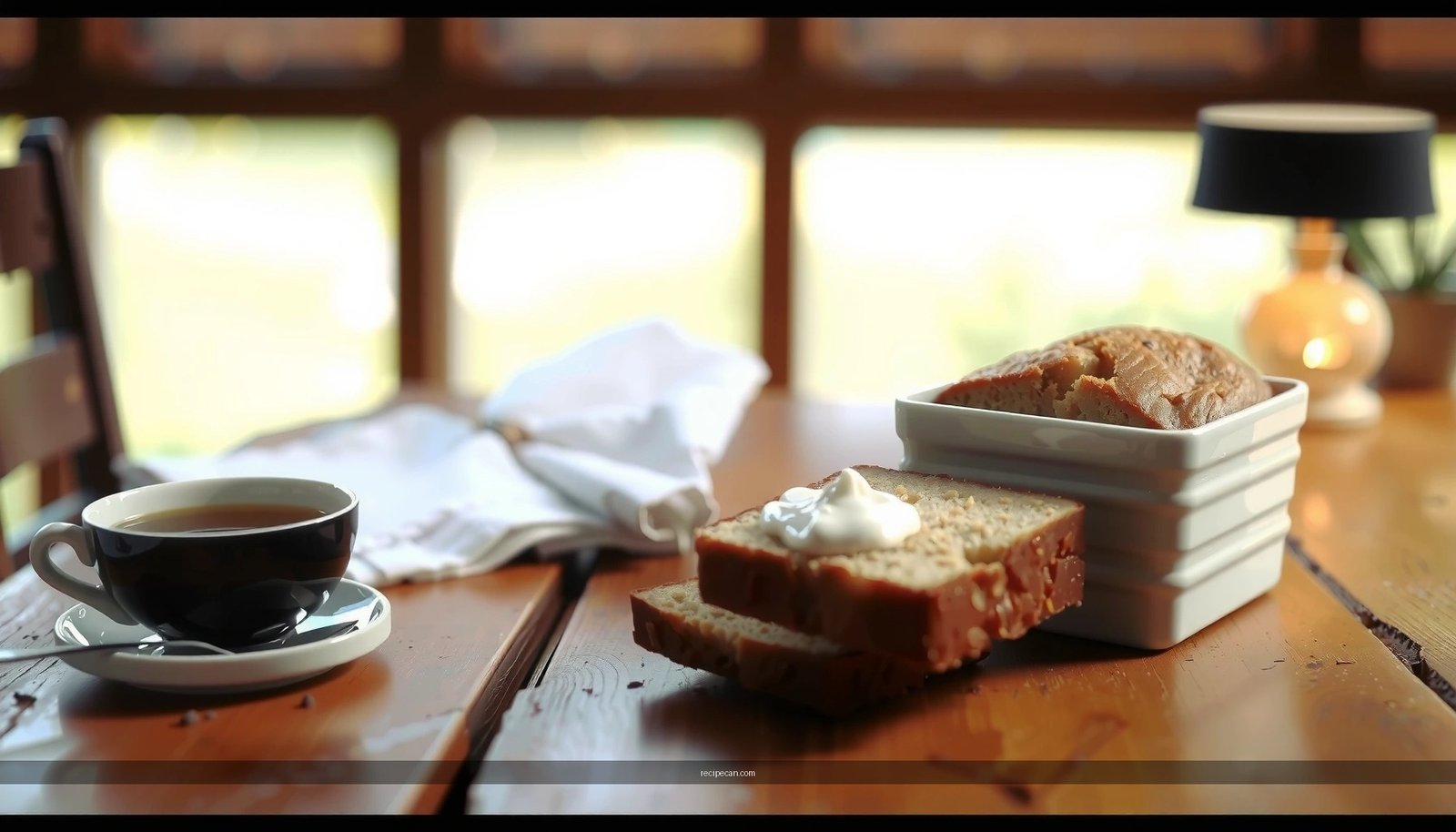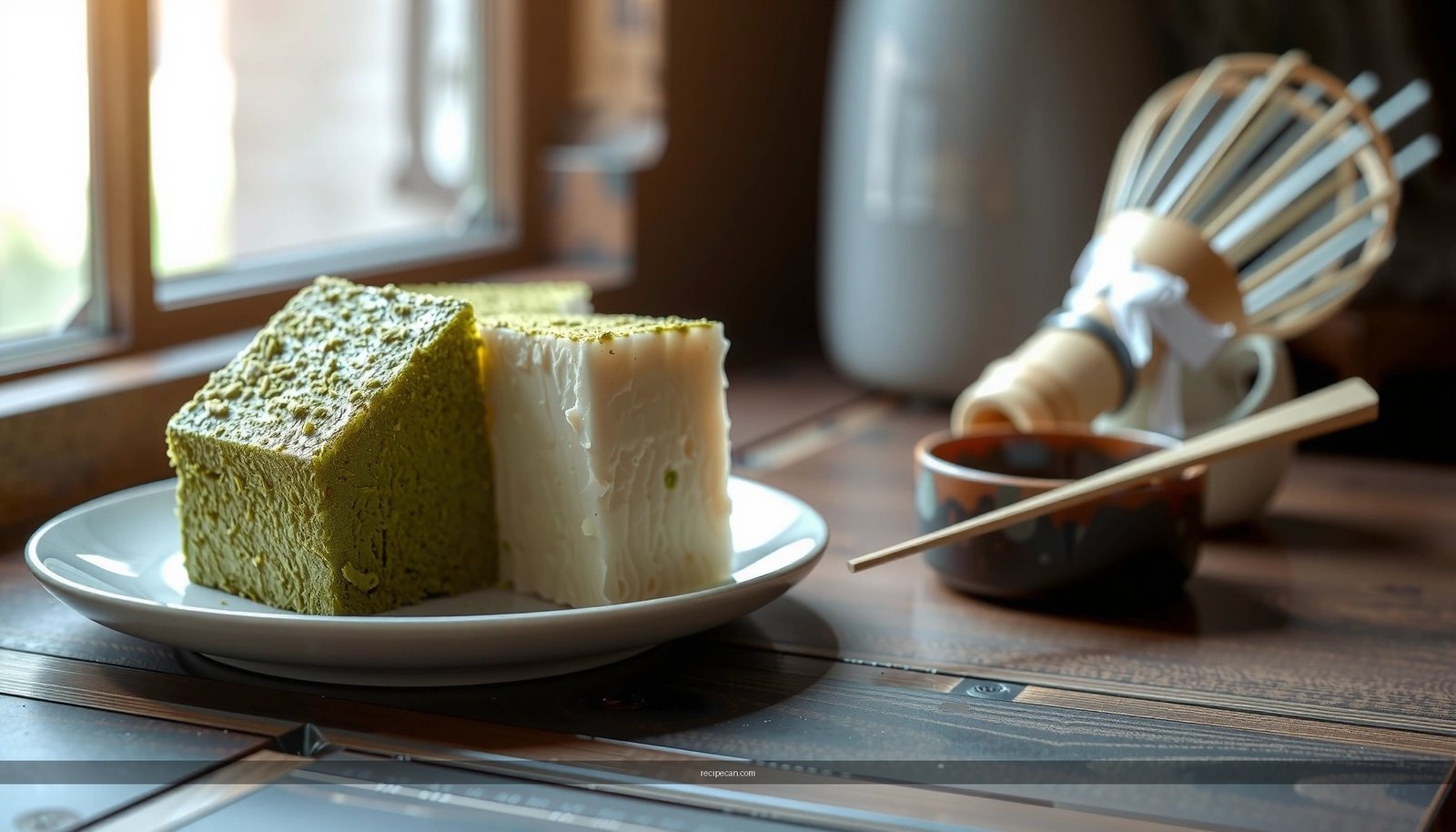
Get a matcha tea cake recipe that reliably turns out easy, fluffy, and intensely flavorful—without guesswork. This recipe answers the one question that matters: how to bake a soft, tender crumb with real matcha taste that doesn’t turn bitter. Follow the straightforward steps and you’ll get a cake that’s ready for coffee time or dessert with confidence.
Bake a moist, fluffy matcha tea cake by whisking matcha into the batter and balancing fat-to-flour so the crumb stays tender—no dryness, no bitterness. Follow the steps below to get vibrant green matcha flavor through smart ingredient prep, correct mixing, and precise doneness cues.
Gather Ingredients for a Perfect Matcha Tea Cake
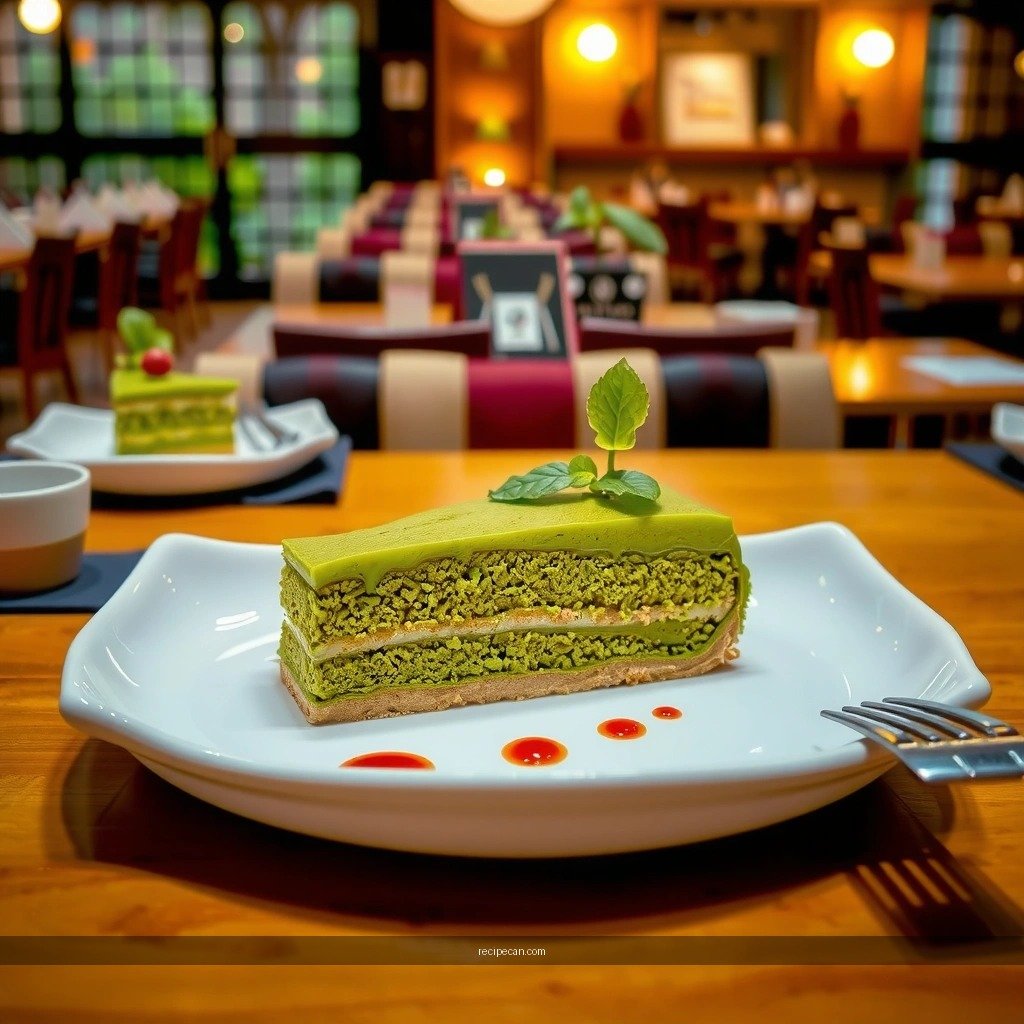
The foundation of a great matcha tea cake is ingredient quality and proportion. Matcha is delicate: the wrong grade, stale powder, or inaccurate measuring can mute color or introduce bitterness. Aim for consistency so you can focus on technique.
What to buy (and why it matters):
– High-quality culinary matcha for the best color and taste
Look for matcha labeled as culinary or ceremonial; culinary is typically more forgiving and brighter in baked goods. If your matcha tastes harsh or smoky, it will usually taste harsher after baking.
– Measure flour, sugar, baking powder, and salt accurately
Matcha cakes rely on leavening for lift and on salt/sugar for sweetness balance. Use a kitchen scale if possible. Even a small flour overage can make the cake dense.
– Have eggs, butter or oil, milk or yogurt, and vanilla ready
Eggs provide structure and lift; butter adds flavor, while neutral oil helps keep the cake ultra-moist. Milk or yogurt adjusts tenderness—yogurt is especially effective because its acidity slightly improves crumb softness.
Quick Ingredient Benchmarks (so you can troubleshoot fast)
Matcha tea cake recipes vary, but a reliable “tender crumb” baseline usually includes:
– Leavening: baking powder (for steady rise)
– Fat: enough butter/oil to coat flour particles and prevent dryness
– Moisture: milk or yogurt (yogurt often yields a more plush crumb)
Below is a data snapshot to help you choose a matcha form that aligns with flavor intensity and color payoff in baked cakes.
Matcha Powder Choices for Baked Flavor & Color (Practical 2024 Guide)
| # | Matcha Type (Common Use) | Best For | Typical Flavor Intensity | Baked Green Color Retention |
|---|---|---|---|---|
| 1 | Culinary Matcha (Bright) | Tea cakes, muffins, cookies | Medium ★★★★☆ | High |
| 2 | Ceremonial Matcha (Fine) | Premium flavor, lighter sweetness | Medium-High ★★★★☆ | High to Very High |
| 3 | Culinary Matcha (Toasted) | Broader audience palates | Medium ★★★☆☆ | Medium |
| 4 | Organic Matcha (Bright) | Sensitive taste preferences | Medium ★★★★☆ | High |
| 5 | Stone-Ground Matcha | Smoother batter, fewer lumps | Medium-High ★★★★☆ | High |
| 6 | Instant Matcha Powder | Speed mixing, less nuance | Low-Medium ★★☆☆☆ | Low-Medium |
| 7 | Old/Heat-Exposed Matcha | Avoid (color & taste fade) | Unreliable ★★☆☆☆ | Low |
Use this as a decision framework: for most home bakers, culinary (bright) matcha or ceremonial (fine) matcha gives the best balance of vibrant green and cake-friendly flavor.
—
Make the Matcha Batter
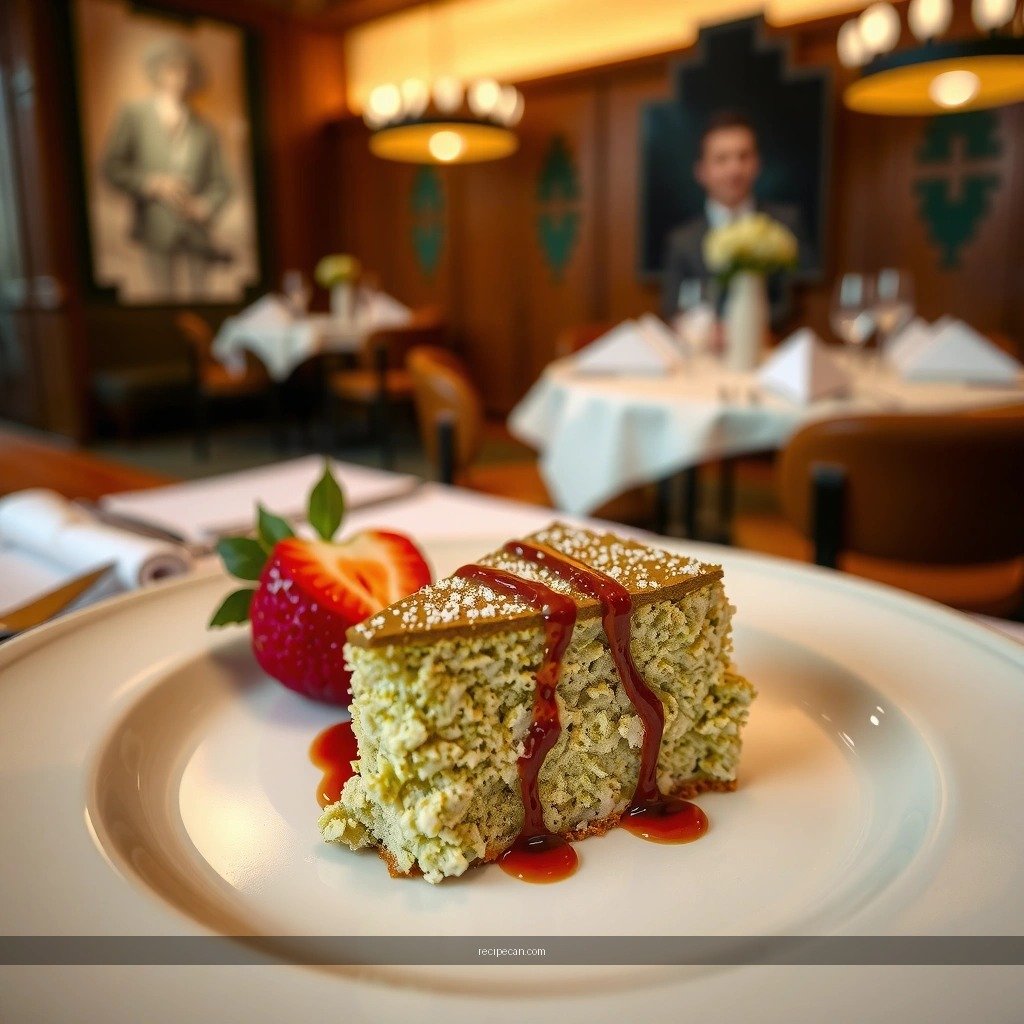
The batter is where matcha tea cake texture is either protected or compromised. Your goals are: (1) evenly disperse matcha, (2) create lift, (3) avoid overmixing.
Step-by-step batter method that prevents lumps and keeps it fluffy:
1. Sift the dry ingredients
Combine flour, baking powder, salt, and sugar in a bowl. Sifting breaks up flour clumps and aerates lightly, which supports a tender crumb.
2. Whisk matcha into a small amount of liquid first (highly recommended)
Matcha can clump because it hydrates unevenly in a thick batter. Whisk matcha into a tablespoon or two of milk (from your recipe total) until smooth. Then add it to the batter. This single step dramatically improves both color and flavor distribution.
3. Cream butter and sugar (or use oil-based mixing)
– Butter version: Cream butter with sugar until lighter and smoother. This traps air and helps the cake rise.
– Oil version: Whisk oil with sugar until glossy. Oil doesn’t trap air the same way as creamed butter, so rely more on baking powder and gentle mixing for lift.
4. Add eggs one at a time
Mix just until each egg disappears. Overmixing after eggs can tighten the batter and reduce volume.
5. Combine wet and dry gently
Add dry ingredients to the wet in two additions, alternating with milk/yogurt as needed. Mix only until no dry flour streaks remain. A dense cake is usually the result of excess mixing, not “too much matcha.”
Analytical note on fluffiness:
A matcha tea cake typically uses chemical leavening (baking powder). Chemical leaveners react best when evenly distributed and when batter isn’t overworked. Overmixing develops gluten, which can counteract lift and make the crumb feel gummy or heavy.
—
Bake for the Best Texture and Color
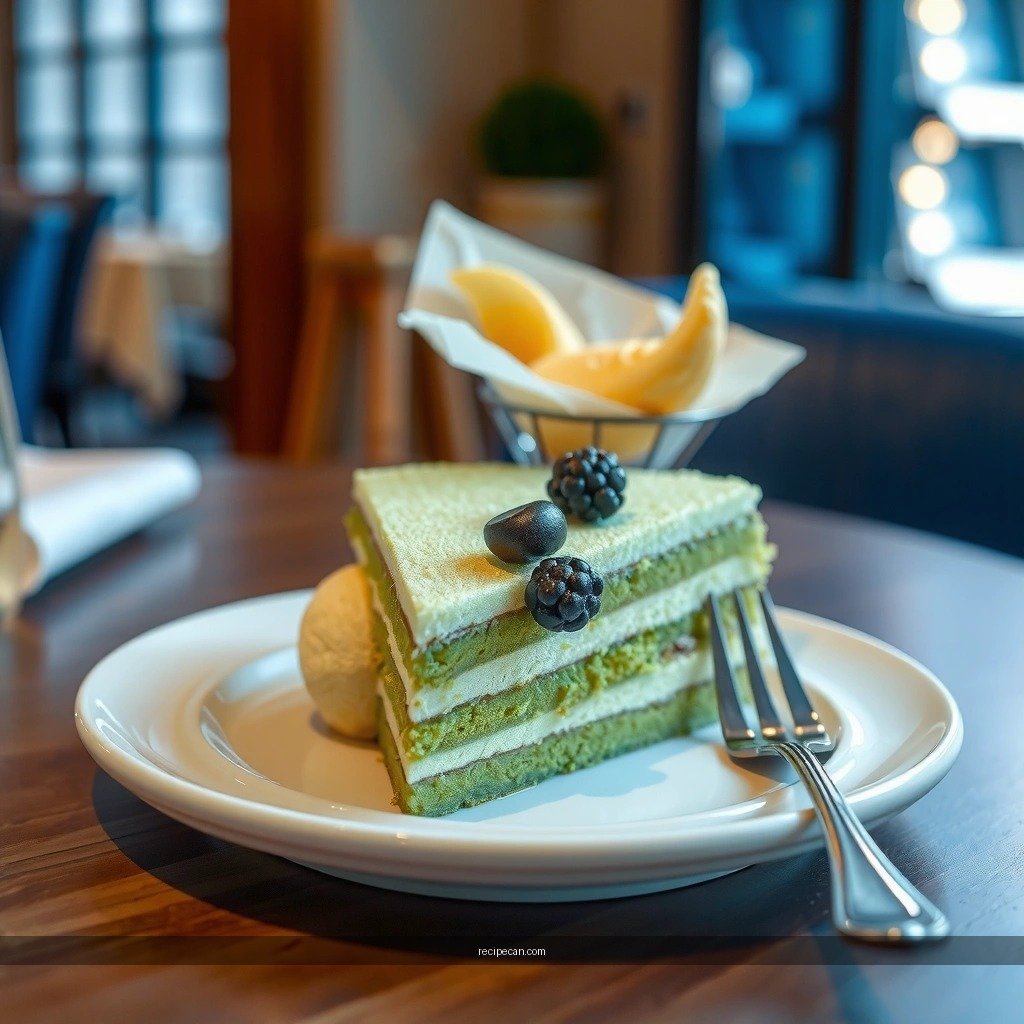
Bake process essentials:
– Preheat the oven (don’t skip)
Matcha cakes benefit from stable heat because they rise quickly and then set. Use the middle rack for more even browning.
– Line or grease your pan properly
A greased, lined pan prevents sticking and preserves the cake’s delicate crumb. For best results, lightly dust the pan with flour (or cocoa if your recipe allows it) after greasing.
– Bake until toothpick-done, but don’t overbake
For a moist matcha tea cake, aim for a toothpick test that returns:
– clean or with a few moist crumbs
If it comes out completely dry, you’ve likely baked past peak tenderness.
– Cool fully before slicing
The cake’s crumb firms as it cools. Cutting too early can lead to gummy texture and uneven slices.
Doneness guidance (fast reference)
– Start checking around 5–10 minutes before the low end of your bake-time range.
– If the top browns quickly but the center is underbaked, tent loosely with foil for the final minutes.
Color control tips:
Matcha can dull slightly in the oven due to oxidation and heat effects. To keep color vibrant:
– use fresh culinary/ceremonial matcha,
– sift and disperse it properly,
– avoid overbaking.
—
Add Optional Glaze or Simple Topping
A topping should amplify matcha without drowning it. Over-sweet glazes can mask the tea-forward character that makes matcha tea cake memorable.
Options that work well:
– Use a light matcha glaze for extra flavor and sweetness
Mix powdered sugar with a small amount of milk (or cream) and whisk in sifted matcha. Keep the glaze thin so it forms a delicate sheen rather than a thick coating.
– Try powdered sugar, whipped cream, or fresh berries for contrast
– Powdered sugar: quick and classic, emphasizes the green.
– Whipped cream: softens any bitterness and adds luxury.
– Fresh berries: acidity brightens matcha and balances sweetness.
– Keep toppings balanced so the cake’s matcha taste stays forward
If you choose a creamy or sweet topping, go lighter on the sugar.
Practical pairing ideas (texture-first):
– For a plain slice, add a thin glaze.
– For a party-style presentation, add a berry garnish and a small dollop of whipped cream.
—
Troubleshooting Common Matcha Tea Cake Issues
Even well-written recipes can fail if one variable goes off—matcha quality, mixing time, oven temperature, or ingredient freshness. Here are the most common problems and the most direct fixes.
– If the cake is dry, reduce bake time slightly next round
Dry matcha tea cake usually results from overbaking, especially in darker pans. Start checking early and pull the cake when the toothpick shows moist crumbs.
– If matcha clumps, always sift and whisk thoroughly
Clumps create pockets of bitterness and inconsistent color. Sifting + whisking matcha into a small amount of liquid is a reliable prevention method.
– If it’s too dense, avoid overmixing and check your leavening
Density often comes from overmixing (gluten development) or baking powder that has lost strength. Replace baking powder if it’s old or stored improperly.
Additional diagnostic insight:
– If the cake is gummy in the center but the edges seem set, it likely needs additional bake time—but not much. Lower oven swings can cause uneven setting; confirm oven temperature using a cheap oven thermometer.
—
Storage and Make-Ahead Tips
Matcha tea cake is best fresh, but it stores well when moisture is protected. Plan ahead for breakfasts, brunches, or batch cooking.
– Store at room temperature briefly, then refrigerate if needed
Keep it covered to prevent drying. If your kitchen runs warm or if you add whipped cream, refrigerate promptly.
– Keep it covered to preserve moisture and softness
Use an airtight container or wrap tightly in plastic wrap (or foil). Exposure to air turns the surface dry faster than you’d expect.
– Freeze slices for up to a few weeks and thaw before serving
Freeze individual slices so you can defrost only what you need. Thaw at room temperature for best texture, then glaze fresh if desired.
Make-ahead workflow:
Bake one day ahead, cool fully, and store covered. Most bakers find the crumb actually improves overnight as flavors settle—especially the vegetal sweetness of matcha.
—
When you bake with quality matcha, mix gently, and pull the cake at the right doneness, you’ll get a vibrant, tender matcha tea cake that tastes as good as it looks. Use sifted dry ingredients, whisk matcha to prevent clumps, don’t overmix, and cool fully for clean slices. Make this recipe once, then adjust bake time by a few minutes based on your oven—soon you’ll have a consistent, fluffy matcha tea cake you can rely on every time.
Frequently Asked Questions
What is the best matcha tea cake recipe for beginners?
A beginner-friendly matcha tea cake recipe usually uses simple ingredients like flour, sugar, baking powder, eggs, butter or oil, milk, and ceremonial matcha powder. Look for a recipe that specifies sifting the matcha to prevent clumps and includes clear bake-time guidance so you can avoid overbaking. If you’re new to baking, choose a basic sponge or pound-style matcha cake because the batter is straightforward and forgiving.
How do I make matcha tea cake moist and fluffy?
For a moist matcha tea cake, avoid overmixing the batter after adding the flour and bake just until a toothpick comes out clean or with a few moist crumbs. Using room-temperature eggs and butter (or measuring oil carefully) helps the crumb stay tender and fluffy. For extra softness, some recipes add a small amount of yogurt or sour cream, which complements the earthy flavor of matcha.
Why does my matcha tea cake taste bitter, and how can I fix it?
Matcha tea cake can taste bitter if the matcha is old, too high of a quantity is used, or it wasn’t properly dissolved when mixing. Sift your matcha and whisk it into the wet ingredients (or a little warm milk) to distribute it evenly, which improves the flavor balance. Also check bake time—overbaking can intensify bitterness, so start checking for doneness a few minutes early.
Which matcha powder is best for baking a tea cake?
For matcha tea cake recipes, culinary matcha is typically more cost-effective, while ceremonial matcha can deliver a brighter, more vibrant flavor. Choose a matcha labeled as “for baking” or “culinary” if you want consistent results and don’t mind a slightly deeper taste. Regardless of the type, pick a fresh matcha and store it airtight in the fridge to maintain color and aroma.
How do I prevent matcha clumps in my tea cake batter?
To prevent matcha clumps, always sift the matcha powder with the dry ingredients, especially the flour and baking powder. You can also whisk matcha into a portion of milk or melted butter until smooth before folding it into the batter. This step makes the green color more even and ensures your matcha tea cake bakes with consistent flavor throughout.
References
- Google Scholar Google Scholar
https://scholar.google.com/scholar?q=matcha+tea+cake+recipe - Google Scholar Google Scholar
https://scholar.google.com/scholar?q=matcha+cake+recipe+green+tea+powder - Google Scholar Google Scholar
https://scholar.google.com/scholar?q=matcha+baking+green+tea+powder+cake - Matcha
https://en.wikipedia.org/wiki/Matcha - Teacake
https://en.wikipedia.org/wiki/Tea_cake - Matcha | Origins, Uses, Japanese Green Tea Type, & Health Benefits | Britannica
https://www.britannica.com/topic/matcha - https://pubmed.ncbi.nlm.nih.gov/?term=matcha+baking
https://pubmed.ncbi.nlm.nih.gov/?term=matcha+baking - https://www.nytimes.com/search?query=matcha%20cake%20recipe
https://www.nytimes.com/search?query=matcha%20cake%20recipe - Search recipes – BBC Food
https://www.bbc.co.uk/food/search?q=matcha%20cake%20recipe - https://www.theguardian.com/search?q=matcha%20cake%20recipe
https://www.theguardian.com/search?q=matcha%20cake%20recipe