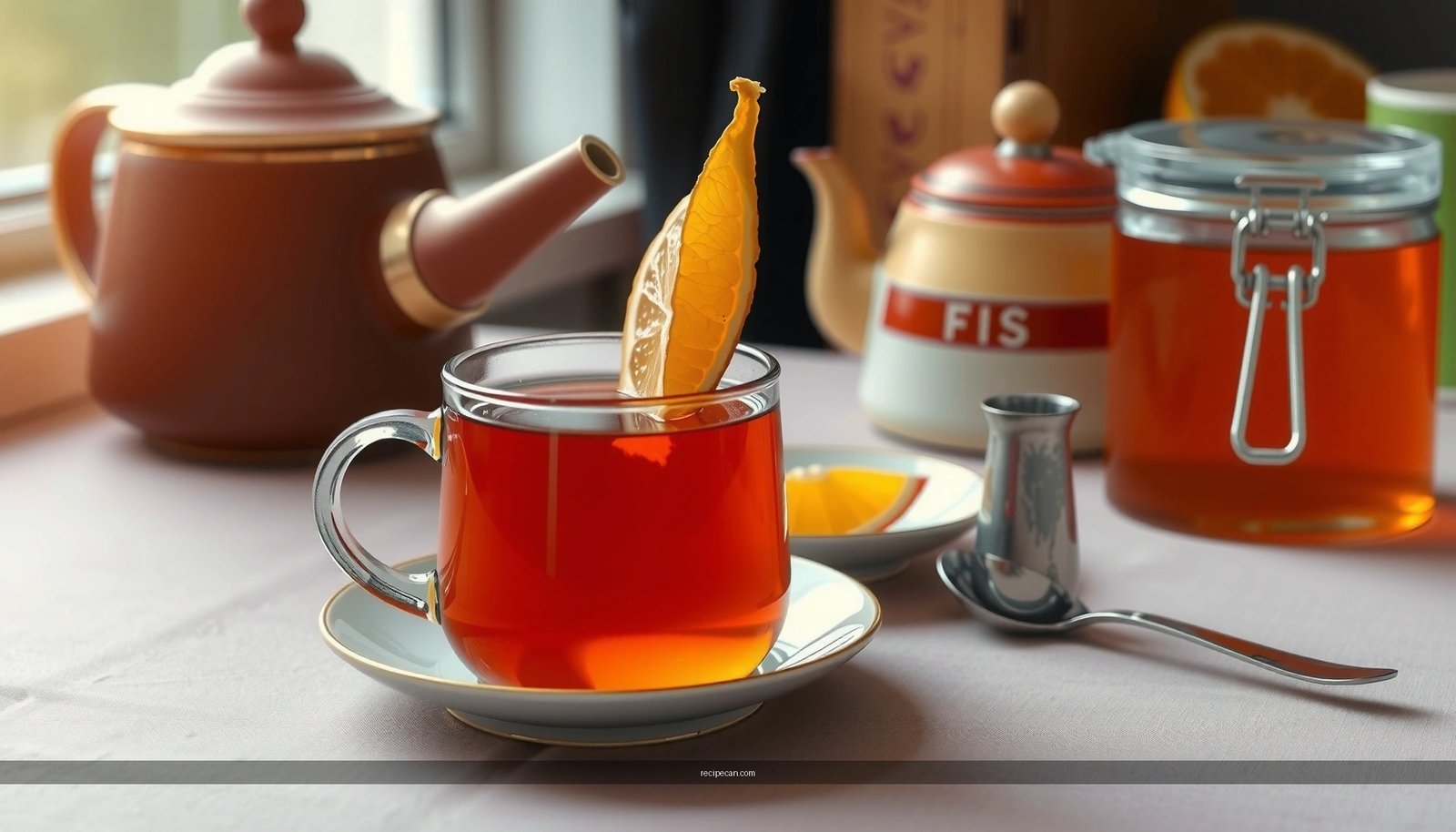
This cloves tea recipe shows you exactly how to make cloves tea at home with a bold, spicy flavor and no guesswork. Follow a simple steeping method and the right amount of cloves to get the strongest cup possible—ideal when you want fast warmth and a soothing sip. If you’ve been wondering how to brew cloves tea that actually tastes like it should, this is the quickest path to it.
Make cloves tea at home by steeping whole cloves in hot water for 5–10 minutes, then straining and sweetening if desired—simple, fast, and easy to control. In this guide, you’ll learn the right cloves-to-water ratio, how to adjust steeping time for mild vs. strong flavor, and how to serve, store, and reheat cloves tea safely and effectively.
What You Need for a Cloves Tea Recipe

– Whole cloves and water are the essentials
– Optional add-ins: honey, lemon, or ginger
– You’ll also need a kettle, mug, and strainer
To make a dependable cup of cloves tea, focus on ingredient quality and proper brewing tools. Whole cloves release their flavor gradually and strain cleanly, which helps you avoid sediment and bitterness. Use fresh, filtered water if possible, because minerals and impurities can noticeably affect the taste of spiced infusions. For brewing, a kettle for hot water and a mug for steeping are standard; a fine strainer is ideal so the cup feels smooth and drinkable.
Optional add-ins can meaningfully change the tea’s profile:
– Honey softens the sharp, warming spice and makes the cup feel rounder.
– Lemon adds brightness that balances the natural intensity of clove.
– Ginger increases the “warming” sensation and can make the tea taste more complex, especially in colder months.
Below is a practical reference for how different preparation choices influence flavor strength and perceived “spice warmth,” helping you decide what to brew for your preference.
Cloves Tea Brewing Choices and Expected Results (Per 8 oz / 1 cup)
| # | Brewing Setting | Cloves | Steep (min) | Aroma Intensity | Perceived Warmth | Taste Verdict |
|---|---|---|---|---|---|---|
| 1 | Mild, everyday cup | 4 | 5 | ★★★☆☆ | Moderate | Easy to drink |
| 2 | Balanced classic | 5 | 7 | ★★★★☆ | Comforting | Most popular |
| 3 | Strong spice, fuller body | 6 | 8 | ★★★★☆ | High | Best with honey |
| 4 | Very mild, first-time try | 3 | 5 | ★★☆☆☆ | Light | May feel subtle |
| 5 | Spicy-leaning, short steep | 5 | 6 | ★★★★☆ | Comforting | Good for tea beginners |
| 6 | Caffeinated routine alternative | 5 | 7 | ★★★★☆ | Moderate-high | Evenly spiced |
| 7 | Intense, risk of bitterness | 7 | 10 | ★★★★★ | Very high | Too intense for many |
Step-by-Step Cloves Tea Recipe

– Simmer or steep cloves in hot water for 5–10 minutes
– Strain the tea into a cup
– Taste and adjust by steeping longer or adding more cloves
There are two effective methods for making cloves tea—both yield a fragrant, spiced infusion.
Method 1: Steep (cleanest flavor control)
1. Boil water and pour it into your mug (or preheat the mug with hot water, then discard).
2. Add whole cloves directly to the hot water.
3. Cover the mug loosely (or use a saucer) and steep for 5–10 minutes.
4. Strain into a second cup using a fine strainer.
5. Taste and adjust: if it’s too mild, steep a bit longer next time (or add 1–2 cloves and steep briefly).
Method 2: Simmer (more concentrated, slightly deeper)
1. Add water and whole cloves to a small saucepan.
2. Bring to a gentle simmer and cook for about 3–6 minutes.
3. Turn off heat, let the tea sit for another 2–4 minutes, then strain.
Why taste-based adjustment matters: clove flavor can shift quickly as it extracts. If you’re aiming for a warm “spiced tea” rather than a medicinally intense infusion, start at the lower end of the steeping window and build gradually. This approach reduces trial-and-error and helps you standardize your results across different batches.
Best Cloves Tea Strength and Timing

– Start with 4–6 cloves per 8 oz (1 cup) of water
– Use shorter steeping for a milder flavor
– Extend steeping for a stronger, spicier cup
To dial in the best cloves tea at home, treat clove like a high-impact spice: small changes produce noticeable differences. A reliable starting point is 4–6 whole cloves per 8 oz (1 cup) of water. From there, adjust by time rather than drastically changing the amount.
Practical timing guidance (what you’ll notice):
– 5–6 minutes: lighter aroma and a softer spice profile—good for first-time drinkers or if you’ll be pairing the tea with honey or lemon.
– 7–8 minutes: a balanced cup where the clove reads clearly but doesn’t dominate.
– 9–10 minutes: strong, bold flavor; it can verge on bitter if you’re sensitive, especially if you also increase the number of cloves.
An analytical approach to “strength”: strength comes from two levers—number of cloves and steeping time. If your tea tastes underwhelming, choose one lever to adjust at a time so you learn your ideal formula. For example, if 5 cloves for 5 minutes is too mild, increase steeping to 7 minutes before adding more cloves.
Variations to Try (Optional)
– Add ginger slices for extra warmth
– Stir in honey after steeping for sweetness
– Add a squeeze of lemon for brightness
Once you have the base recipe, variations help you tailor cloves tea to mood and occasion—whether you want cozy warmth, brighter flavor, or a more complex “spiced beverage” profile.
1) Ginger Cloves Tea (extra warmth)
Add 2–4 thin slices of fresh ginger (or about 1/2 teaspoon grated ginger) with the whole cloves. Keep steeping within 6–9 minutes to avoid an overly pungent ginger note.
2) Honey Cloves Tea (smooth sweetness)
Steep your cloves tea first, strain, then stir in 1 teaspoon of honey (adjust to taste). Adding honey after steeping protects its delicate flavor and prevents it from becoming too strongly flavored by heat.
3) Lemon Clove Tea (bright, balanced)
Squeeze in lemon after straining. Start with a small squeeze (about 1–2 teaspoons). The acidity can cut through clove’s intensity, making the drink feel lighter and more refreshing.
4) “Cleaner” flavor option
If clove tastes too strong on its own, reduce to 4 cloves and aim for 5–7 minutes, then add honey or lemon to build a fuller flavor without harshness.
Serving, Storage, and Reheating Tips
– Serve hot for maximum comfort
– Let it cool, then refrigerate in a sealed container
– Reheat gently to avoid over-extracting flavor
Serving:
Cloves tea is best served hot, especially if you’re drinking it for comfort on cool mornings or evenings. For presentation, serve in a mug and garnish with a cinnamon stick (optional) or a slice of lemon on the side—purely visual, but it can make the routine feel intentional.
Storage:
If you make more than one cup, allow the tea to cool to room temperature first. Store in a sealed container in the refrigerator for up to 3 days. Spiced infusions continue to extract flavor over time, so refrigerated tea may taste stronger the next day—this is normal and can be adjusted with additional warm water upon reheating.
Reheating:
Reheat gently—avoid boiling. Use a microwave in short bursts or warm it on the stove until just hot. Gentle heating helps prevent additional extraction that can tip the flavor toward bitterness.
Safety and Flavor Tips
– Use whole cloves for smoother tea and easier straining
– Avoid very long steeping if you find it too intense
– If pregnant or on medication, check with a healthcare professional first
Cloves tea is generally straightforward, but a few safety and quality considerations will help you keep it enjoyable and responsible.
Flavor quality tips:
– Use whole cloves rather than ground clove. Whole cloves strain easily and produce a smoother cup without grit.
– Start with the lower range (4–5 cloves, 5–7 minutes). You can always strengthen the next batch.
– If you find clove tea too intense, don’t just “fix it” by adding sweetness—reduce either the number of cloves or steeping time.
Responsible use:
Clove contains naturally occurring compounds that can be quite potent. If you are pregnant, nursing, or taking medication, it’s wise to consult a healthcare professional before making cloves tea a frequent routine. Even naturally derived ingredients can interact with certain conditions or medications.
Sensory rule of thumb: if the tea tastes sharp, medicinal, or overly bitter, you’re likely over-extracting. Adjust by steeping less next time and consider shorter simmer/steep methods.
Enjoy your homemade cloves tea by following the simple steeping ratio and adjusting timing to match your taste. Try a variation like ginger or lemon next, and brew a fresh cup whenever you want a warm, spiced drink—save this recipe and make it your go-to.
Frequently Asked Questions
What is a simple cloves tea recipe you can make at home?
To make a simple cloves tea recipe, simmer 4–6 whole cloves in 2 cups of water for 8–10 minutes, then strain. Add honey or lemon to taste if desired. For a smoother flavor, start with fewer cloves and increase gradually. This method creates a warm, aromatic cloves tea that’s easy to prepare anytime.
How do you make cloves tea for sore throat or cold symptoms?
Brew cloves tea by simmering 3–5 whole cloves in 1.5–2 cups of water for about 10 minutes, then strain. Stir in honey after the tea cools slightly to avoid harming honey’s enzymes, and optionally add fresh ginger for extra comfort. Sip warm throughout the day and repeat as needed. The clove aroma plus warm water can feel soothing during cold season.
Why does cloves tea help with digestion, and how should you take it?
Cloves contain compounds like eugenol that may support digestion and help reduce feelings of heaviness after meals. For best results, drink a small cup of cloves tea 15–30 minutes after eating. Keep the brew mild—around 2–3 cloves per cup—especially if you’re sensitive to strong herbal flavors. If you experience stomach irritation, reduce the amount of cloves or frequency.
Which is the best ratio of cloves to water for a balanced flavor?
A widely used cloves tea recipe ratio is 4–6 whole cloves per 2 cups of water, simmered for 8–10 minutes. If you prefer a lighter tea, use 2–3 cloves per cup; for stronger, more “spiced” flavor, use up to 6 cloves per 2 cups but avoid going too high. Always strain the cloves and taste as you go to prevent bitterness. This helps you find the best strength for your palate.
How long should you steep cloves tea, and can you reuse the cloves?
Steeping cloves tea usually involves simmering for 8–10 minutes to extract flavor and aroma, then straining. You can reuse the same cloves once or twice, but the second brew will be milder, so adjust the time slightly if needed. For consistency, keep the same water amount and start with the same number of cloves. Store any leftover tea in the fridge and re-warm gently rather than boiling it again.
References
- Clove
https://en.wikipedia.org/wiki/Clove - Clove | History, Description, & Uses | Britannica
https://www.britannica.com/plant/clove - Eugenol | C10H12O2 | CID 3314 – PubChem
https://pubchem.ncbi.nlm.nih.gov/compound/Eugenol - Clove Oil – PubChem
https://pubchem.ncbi.nlm.nih.gov/compound/Clove-oil - https://pubmed.ncbi.nlm.nih.gov/?term=clove+tea
https://pubmed.ncbi.nlm.nih.gov/?term=clove+tea - Google Scholar Google Scholar
https://scholar.google.com/scholar?q=clove+tea+recipe - Google Scholar Google Scholar
https://scholar.google.com/scholar?q=Syzygium+aromaticum+tea+preparation - Google Scholar Google Scholar
https://scholar.google.com/scholar?q=clove+tea+eugenol+infusion+safety - Syzygium aromaticum – Books – NCBI
https://www.ncbi.nlm.nih.gov/books/?term=Syzygium+aromaticum - Healthcare & Patient Services | Mount Sinai – New York
https://www.mountsinai.org/health-library/herb/clove