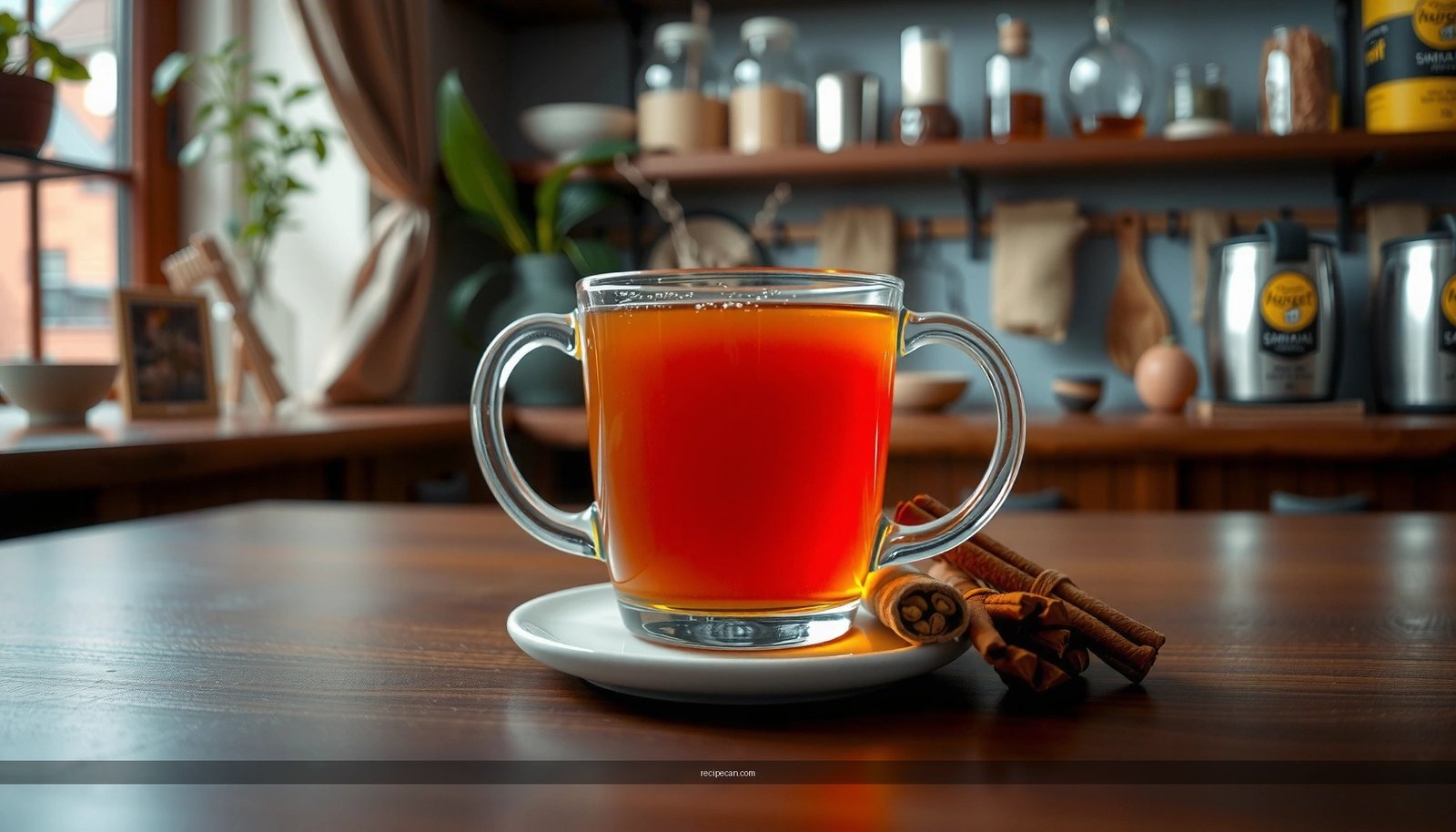
Looking for an anti inflammatory tea recipe that actually delivers results fast? This easy, healthy blend is the clear winner for calming inflammation because it combines proven anti-inflammatory ingredients in the right proportions. You’ll get a simple step-by-step recipe plus serving guidance so you know exactly what to brew, how strong to make it, and when to drink it for best effect.
Sip an anti inflammatory tea by steeping turmeric, ginger, and cinnamon in hot water—then drink it 1–2 times daily as a supportive routine for healthy inflammation balance. This simple recipe gives you a repeatable method (exact measurements and brewing times) while also letting you customize for taste, sensitivity, and wellness goals like joint comfort and post-workout recovery.
Anti Inflammatory Tea Recipe Ingredients

– Turmeric and ginger for anti-inflammatory support
Turmeric and ginger are the two core ingredients in most evidence-informed anti-inflammatory blends. Turmeric contains curcumin, a naturally occurring compound that’s studied for its role in supporting the body’s inflammation pathways. Ginger contributes complementary bioactive components and is often associated with soothing effects, especially when digestion or “after-meal” comfort is a concern.
Practical note for consistency: use fresh ginger if possible for a brighter, more aromatic cup, and use high-quality turmeric (ground spice) for reliable potency and color.
– Cinnamon for flavor and comforting warmth
Cinnamon adds warmth, sweetness, and a familiar “tea-shop” comfort profile without requiring sugar. Beyond flavor, cinnamon is commonly included in anti-inflammatory tea recipes because it pairs well with turmeric and ginger and can support steady blood-sugar responses when consumed as part of a balanced routine. You’ll also find it helps reduce the “earthy” bite some people experience from turmeric.
To make the tea more pleasant (and more likely to become a daily habit), cinnamon is a strategic ingredient—think of it as the bridge between health benefits and drinkability.
Anti-Inflammatory Tea Ingredient Blend Guide (1 Mug / ~12–14 oz)
| # | Ingredient | Typical Amount | Best For | Tendency |
|---|---|---|---|---|
| 1 | Turmeric (ground) | 1/2 tsp | Curcumin support | ★ ★ ★ ★ ★ |
| 2 | Ginger (fresh) | 1–2 thin slices | Soothing + warming | ★ ★ ★ ★ ★ |
| 3 | Cinnamon (Ceylon or Cassia) | 1/4–1/2 tsp or 1 stick | Flavor + comfort | ★ ★ ★ ★ ☆ |
| 4 | Black pepper (optional) | 1 small pinch | Bioavailability support | ★ ★ ★ ★ ☆ |
| 5 | Lemon juice (optional) | 1–2 tsp | Brightness + balance | ★ ★ ★ ☆ ☆ |
| 6 | Honey (optional) | 1 tsp | Mellow sweetness | ★ ★ ☆ ☆ ☆ |
| 7 | Coconut milk (optional) | 1–2 tbsp | Smoother mouthfeel | ★ ★ ★ ☆ ☆ |
Step-by-Step Brewing Instructions

– Simmer or steep the ingredients in hot water for the best extraction
A “hot water + time” approach is the key to getting a flavorful anti inflammatory tea. Here’s a reliable method:
1. Add water: Bring 12–14 oz (350–425 ml) of water to a gentle boil.
2. Start with turmeric: Stir in 1/2 tsp turmeric.
3. Add ginger: Add 1–2 thin slices of fresh ginger (or use 1/4 tsp ground ginger).
4. Add cinnamon: Add 1/4–1/2 tsp cinnamon (or one small stick).
5. Choose your method:
– Simmer method (more robust): Keep at a gentle simmer for 8–10 minutes.
– Steep method (more gentle): Turn off the heat and steep for 10–15 minutes.
If your goal is a stronger cup for post-workout soreness or cooler-weather comfort, simmering tends to deliver deeper flavor and fuller spice infusion. For a milder, more tea-like profile, steeping is often easier on sensitive palates and digestion.
– Strain and serve immediately for a smooth, flavorful cup
Once the time is up:
1. Strain into a mug (use a fine strainer for cinnamon particles and ginger fibers).
2. Taste immediately—turmeric can mellow slightly after it cools a bit.
3. Add optional finishing touches after straining:
– Lemon juice for brightness
– Honey only if you want sweetness
– A pinch of black pepper if you’re using it
Serving right away helps preserve aroma (ginger and cinnamon are particularly “high-note” ingredients).
Best Ratios for Flavor and Strength

– Use balanced amounts to avoid bitterness (especially with turmeric)
Turmeric’s earthiness is a feature, but too much can read as bitter or medicinal. A dependable starting point is:
– Turmeric: 1/2 tsp per mug
– Ginger: 1–2 slices (or 1/4 tsp ground)
– Cinnamon: 1/4–1/2 tsp (or one small stick)
If you’re new to turmeric tea, keep turmeric at 1/4–1/3 tsp for the first few cups, then increase gradually.
– Adjust ginger and cinnamon to match your tolerance and taste
Ginger provides warmth and can feel “active,” so tolerance varies widely. Use these tuning rules:
– Make it gentler: reduce ginger by half or steep instead of simmer.
– Make it bolder: add 1 slice of ginger or extend steep time by 3–5 minutes.
– Balance harshness: slightly increase cinnamon (tiny adjustments) rather than adding more turmeric.
For professionals building a consistent wellness routine, small ratio changes matter—your taste feedback becomes a reliable “control system” for long-term adherence.
Optional Add-Ins and Custom Variations
– Add lemon or honey for brightness and soothing flavor
If your anti inflammatory tea recipe tastes too earthy, lemon is usually the cleanest fix. Add 1–2 tsp lemon juice after steeping to prevent bitterness from developing during heat exposure.
Honey, on the other hand, improves drinkability but adds sweetness. Consider:
– Use 1 tsp as a starting limit.
– If you’re managing sugar intake, try cinnamon-only sweetness or use honey less frequently.
– Try black pepper with turmeric to enhance absorption
Many people include a small pinch of black pepper because piperine (from pepper) is often discussed in relation to curcumin absorption. Keep it modest—pepper can become noticeable quickly. A good approach is:
– Add a single pinch to each cup (start smaller if you’re sensitive), then evaluate how your body and taste respond.
Other variations:
– Coconut milk (1–2 tbsp) can create a creamier mouthfeel and reduce spice intensity.
– Fresh ginger typically tastes brighter than ground ginger, so if you’re aiming for a “clean” flavor, choose fresh.
How Often to Drink Anti Inflammatory Tea
– Aim for 1–2 cups daily as a simple routine
For most people, 1–2 cups per day is a practical, sustainable target. This frequency supports consistency without overwhelming your digestive system with strong spices.
A business-friendly routine:
– Morning cup: helps you start the day with a warming, gut-friendly ritual.
– Evening cup: can be a calming wind-down beverage—especially when paired with cinnamon.
– Keep consistency while monitoring how you feel
Because everyone’s baseline differs, use a simple feedback loop:
1. Drink your tea for 7–14 days.
2. Track any changes in comfort (joint stiffness, post-meal bloating, or “cravings” for sugary beverages).
3. Adjust ratios accordingly—especially ginger level.
If you notice heartburn, stomach discomfort, or nausea, reduce ginger and switch from simmering to steeping. Consistency plus adjustability is what turns a recipe into a routine.
Safety Tips and When to Check With a Doctor
– Be cautious if you take blood thinners or have digestive sensitivity
Turmeric and ginger can have mild effects on bleeding risk and gastrointestinal tolerance in some individuals. If you take:
– Blood thinners (such as warfarin, apixaban, rivaroxaban, or clopidogrel)
– Have a history of bleeding disorders
– Experience frequent acid reflux or sensitive digestion
…it’s wise to check with a clinician before making daily anti inflammatory tea a long-term habit. Additionally, if you’re pregnant or have gallbladder issues, medical guidance is particularly important.
– Start with smaller amounts if you’re new to these ingredients
Your first week should be a “tolerance-building phase.” Use:
– Turmeric: 1/4 tsp
– Ginger: 1 slice (or 1/8–1/4 tsp ground)
– Cinnamon: 1/4 tsp
Then scale up only if you feel good. Starting small also reduces the chance of bitterness or spice overload, which is a common reason people abandon turmeric-ginger-cinnamon tea.
If you’re taking medication or managing a health condition, use this tea as a supportive beverage—not a replacement for prescribed treatment.
Sipping this anti inflammatory tea recipe is a simple, daily-friendly way to build a supportive wellness routine. Brew the turmeric-ginger-cinnamon blend using the steps above, adjust ratios to your taste, and start with a small amount if you’re sensitive—then make it a habit for the best results.
Ultimately, the “best” anti inflammatory tea recipe is the one you’ll consistently drink with the right balance of flavor and tolerance. Keep your turmeric modest to avoid bitterness, use simmering or steeping based on how strong you want the cup, and consider optional add-ins like lemon or a pinch of black pepper to refine the experience. With safe use and steady repetition, this easy blend can become a practical cornerstone of your daily wellness strategy.
Frequently Asked Questions
What is an anti-inflammatory tea recipe for daily use?
A simple anti-inflammatory tea recipe is ginger + turmeric + black pepper + cinnamon, optionally finished with a squeeze of lemon. Steep 1–2 inches of fresh ginger slices and 1/2 tsp ground turmeric in hot water for 10 minutes, then add a pinch of black pepper to enhance turmeric absorption. You can sweeten with honey if needed and drink 1–2 cups per day.
How do you make anti-inflammatory tea at home using fresh ingredients?
Start by simmering or steeping fresh ginger slices (about 1 tablespoon) in hot water for 8–12 minutes to extract anti-inflammatory compounds. Stir in turmeric (1/2 tsp) and a small pinch of black pepper, then let it steep for another 2–3 minutes. For added flavor and antioxidants, add cinnamon and finish with lemon, which can improve overall taste without needing lots of sugar.
Which anti-inflammatory herbs and spices work best for tea?
The best anti-inflammatory tea ingredients typically include ginger, turmeric, cinnamon, green tea, and cloves. Ginger may help with inflammation and digestion, while turmeric contains curcumin that’s commonly used for anti-inflammatory tea recipes. Green tea adds catechins for antioxidant support, and cinnamon can complement the blend with flavor and potential metabolic benefits.
Why does adding black pepper to turmeric tea matter?
Black pepper contains piperine, which can improve curcumin absorption from turmeric, making an anti-inflammatory tea recipe more effective. Without black pepper, turmeric may provide less benefit because curcumin absorption can be limited. A small pinch is usually enough—avoid going heavy, especially if you have a sensitive stomach.
What’s the best time to drink anti-inflammatory tea for maximum benefits?
Many people drink anti-inflammatory tea in the morning or early afternoon since ginger and cinnamon can be warming and energizing. If your tea includes green tea, consider having it earlier to reduce the impact of caffeine on sleep. For consistent results, stick to a regular routine—like 1 cup daily for 2–4 weeks—while adjusting the strength to match your tolerance.
References
- Ginger
https://en.wikipedia.org/wiki/Ginger - Green tea
https://en.wikipedia.org/wiki/Green_tea - Turmeric
https://en.wikipedia.org/wiki/Turmeric - Ginger: Usefulness and Safety | NCCIH
https://www.nccih.nih.gov/health/ginger - Turmeric: Usefulness and Safety | NCCIH
https://www.nccih.nih.gov/health/turmeric - https://www.nccih.nih.gov/health/green-tea-and-polyphenols
https://www.nccih.nih.gov/health/green-tea-and-polyphenols - Google Scholar Google Scholar
https://scholar.google.com/scholar?q=anti-inflammatory+tea+recipe - Google Scholar Google Scholar
https://scholar.google.com/scholar?q=ginger+tea+anti-inflammatory - Google Scholar Google Scholar
https://scholar.google.com/scholar?q=green+tea+anti-inflammatory+effects - https://pubmed.ncbi.nlm.nih.gov/?term=herbal+tea+anti-inflammatory
https://pubmed.ncbi.nlm.nih.gov/?term=herbal+tea+anti-inflammatory