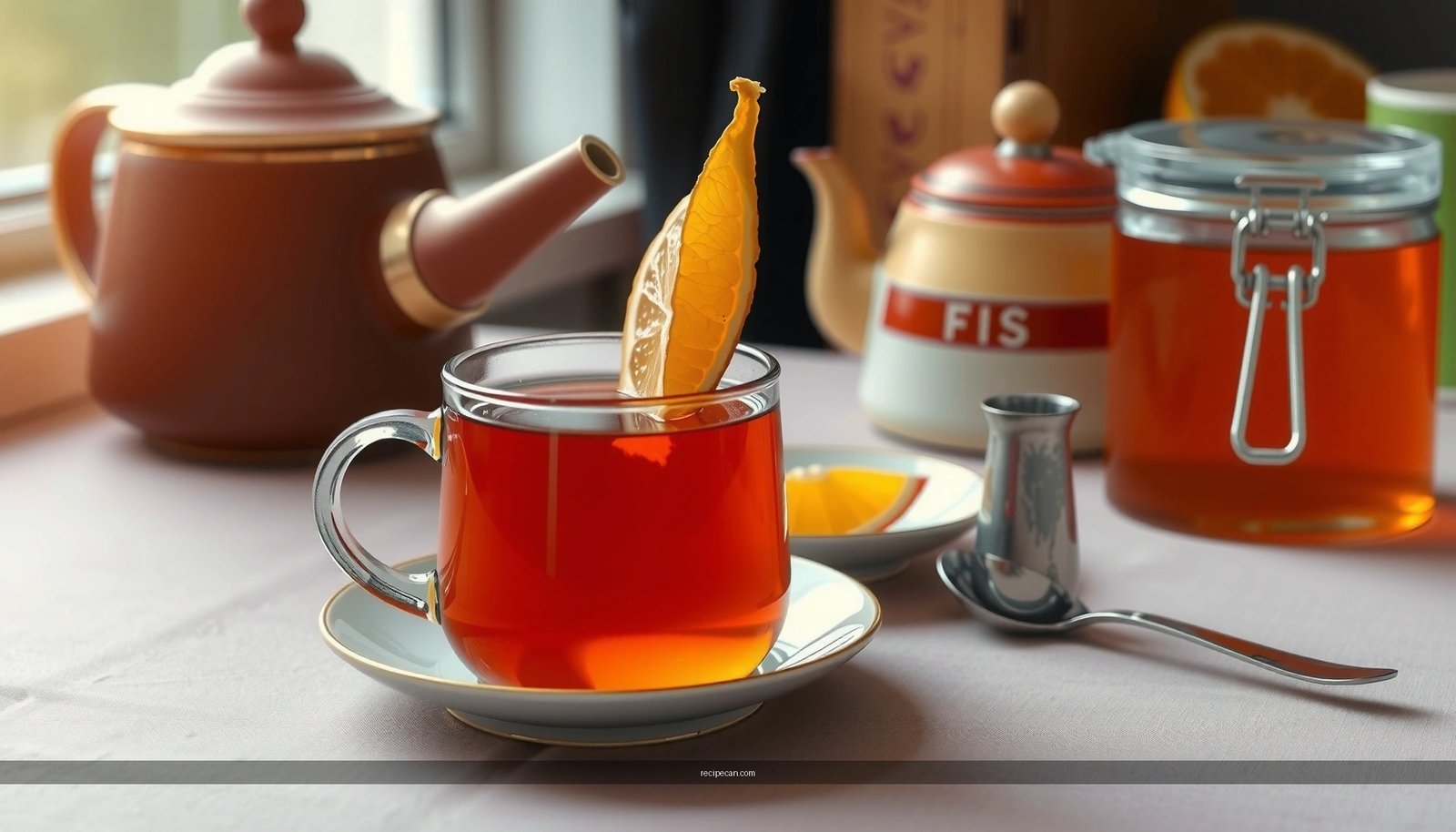
Looking for a mullein tea recipe? This guide shows you exactly how to make mullein herbal tea at home, including the right herb-to-water ratio, steeping time, and best strain-and-drink method. Follow it and you’ll get a consistent, drinkable cup—whether you’re brewing fresh or dried mullein.
Make mullein tea at home by steeping 1–2 teaspoons of dried mullein leaves in hot water for 10–15 minutes, then straining well. This simple mullein tea recipe delivers a warm, herb-forward cup, and with a few small adjustments to leaf amount and steep time, you can dial in the strength and consistency you want.
—
Mullein tea is a straightforward herbal brew: dried mullein leaves are steeped in hot water to extract their compounds and flavors, creating a soothing drink that many people reach for when they want comfort—especially during cooler months. Unlike typical black or green tea, mullein leaf tea is not dependent on oxidation or leaf “roll” technique; the quality of your dried leaves and how you control steep time are what determine the end result.
To get consistent cups, treat this like a repeatable process: measure your leaves, use adequately hot water, steep for a specific window, strain thoroughly, and adjust gradually rather than dramatically. If you do that, you’ll get a reliable baseline flavor profile each time.
To make this even easier, the table below shows a practical “range” approach—how leaf amount and steep time typically affect strength for a standard 8–12 oz mug.
Mullein Tea Strength Guide (8–12 oz cup)
| # | Leaf Amount | Steep Time | Typical Flavor Profile | Expected Strength | Taste Rating |
|---|---|---|---|---|---|
| 1 | 1 tsp | 10 min | Light, mild, slightly grassy | Low | ★★★★☆ |
| 2 | 1 tsp | 15 min | Mellow, herbal-forward | Medium-Low | ★★★★☆ |
| 3 | 1.5 tsp | 10 min | Balanced, warm herb aroma | Medium | ★★★★★ |
| 4 | 1.5 tsp | 15 min | Deeper, more body, classic herbal tea taste | Medium-High | ★★★★★ |
| 5 | 2 tsp | 10 min | Robust, fuller flavor, slightly drying finish | High | ★★★★☆ |
| 6 | 2 tsp | 15 min | Very strong, intense herbal character | Very High | ★★★☆☆ |
| 7 | 2 tsp + tea blend* | 12–14 min | Varies by blend; often smoother with added herbs | Medium-High | ★★★★☆ |
\Blends vary by manufacturer; adjust to taste and observe how you respond.
—
What You Need for a Mullein Tea Recipe

To brew the best mullein herbal tea, you don’t need special equipment—just a few essentials that make the process consistent.
– Dried mullein leaves (or tea blends): Look for clean, dried leaf material. If you’re using a pre-made blend, check that it contains mullein leaf as the primary component.
– Hot water and a mug/teapot: Bring water to near-boil (around 200°F / 93°C works well). A mug with a lid or a teapot helps retain heat during steeping.
– Optional: honey, lemon, or cinnamon: These are practical flavor “tools.” Honey rounds out the earthy notes, lemon brightens the cup, and cinnamon adds warmth without overpowering the herbal character.
Pro tip for consistency: Use the same water volume each time (for example, 8–12 oz per cup) so your leaf-to-water ratio stays stable.
—
Simple Mullein Tea Recipe (Step-by-Step)

This mullein tea recipe is designed for reliable results—simple enough to repeat daily, but specific enough to refine your cup.
– Steep 1–2 teaspoons dried mullein in hot water for 10–15 minutes
Start at 10 minutes for a lighter cup, then move toward 15 minutes if you want deeper color and stronger herb flavor.
– Strain well and serve warm
Dried mullein leaves can shed fine particles. Use a fine-mesh strainer or tea infuser basket, and strain again if your cup feels gritty.
– Adjust strength by increasing or decreasing the leaves
If you find the flavor too mild, increase leaves slightly rather than steeping far longer. If it tastes too strong, reduce leaf amount first—this typically preserves a smoother mouthfeel.
Serving workflow that keeps quality high:
1) Heat water, 2) measure leaves, 3) steep on a timer, 4) strain immediately, 5) sweeten or flavor only after straining so you can evaluate the “base” tea each time.
—
How to Choose Dried Mullein Leaves

The “best” mullein tea recipe in the world can’t overcome low-quality ingredients. If you want a consistent, pleasant cup, choose dried mullein leaves that are fresh, clean, and minimally processed.
– Look for food-grade or herbal-grade mullein
Avoid products that are clearly labeled for non-consumable uses. For tea brewing, you want ingredients intended for ingestion.
– Check for quality, freshness, and minimal additives
Whole or broken leaf pieces are typically fine. What matters most is how they’re stored (odor, discoloration, and dryness can signal age) and whether the packaging lists additives you don’t need.
– Start with reputable sources if you’re new to mullein tea
If you’re experimenting, consider buying from a vendor with transparent sourcing and clear product labeling. This helps reduce variability—especially important for taste and strength.
Quick sensory check (before brewing):
– The leaves should smell primarily earthy and herbal, not sour or stale.
– Color should look natural for dried leaf material (not overly dark, damp, or overly fragmented into dust).
—
Flavor and Serving Suggestions
Mullein tea has an earthy, herbal profile. Many people find it comforting and warm, but your taste preferences matter. The goal is to create a cup you’ll actually want to drink consistently.
– Add honey or lemon to improve taste
– Honey can make mullein tea feel smoother and more “comforting,” especially in the evening.
– Lemon adds brightness and can make the flavor seem less heavy.
– Drink plain if you prefer a more herb-forward cup
If you want the “true” mullein leaf flavor, skip sweeteners initially. Taste your first cup plain so you understand the baseline.
– Consider enjoying it in the evening or when you need comfort
Herbal teas are often most enjoyable when they become part of a routine. Pairing mullein tea with calming moments—reading, light stretching, or winding down—can reinforce the habit without complicating the process.
Optional refinement ideas (still simple):
– If you use honey, add it after straining while the tea is warm (not boiling) so it dissolves cleanly.
– If the tea tastes “too astringent,” reduce leaves slightly next time rather than extending steep time.
—
Safety Notes and When to Be Cautious
Herbal teas are widely used, but safety still matters. Use the mullein tea recipe responsibly and pay attention to how your body reacts.
– Avoid if you have known sensitivities to mullein
If you’ve reacted to mullein products before—whether as a tea or supplement—avoid repeating the exposure.
– Consult a healthcare professional if pregnant, nursing, or on medications
Interactions and individual considerations vary. A professional can advise based on your health profile and medication list.
– Discontinue use if you experience irritation or adverse effects
If you notice unusual irritation, discomfort, or any adverse reaction, stop drinking the tea and seek guidance.
Operational safety tip:
Start with the lowest practical strength (closer to 1 teaspoon) so you can monitor your response before increasing.
—
How Often to Drink Mullein Tea
There’s no universal “one-size-fits-all” frequency for mullein herbal tea. The most practical approach is conservative, consistent, and adjustable.
– Start with 1 cup per day and see how you feel
Take note of taste comfort and any body responses. If you’re using it for general comfort, consistency often matters more than frequency.
– Increase only if it suits you and your needs
Move slowly. If you want a stronger or more frequent routine, adjust one variable at a time—either leaves, steep time, or the number of cups.
– Keep consistency with your routine rather than overdoing it
Overuse can lead to unwanted side effects with certain herbs for some people. A steady routine is typically more sustainable than frequent, high-intensity brewing.
Practical recommendation for newcomers:
For the first week, aim for one cup daily, at a 10–12 minute steep, with 1–1.5 teaspoons. If you love the cup and feel fine, you can maintain or gently adjust.
—
Warmly summarize your goals (comfort, taste, and consistency) and follow the simple steps for the best results. Try this mullein tea recipe today—start with 1 teaspoon for 10–15 minutes, adjust strength to your preference, and if you have any health concerns, check with a professional before making it a regular habit. With the right leaves, careful steeping, and mindful frequency, you can turn a basic herbal tea into a dependable, soothing routine.
Frequently Asked Questions
How do I make mullein tea at home from dried mullein leaves?
To make mullein tea, steep 1 to 2 teaspoons of dried mullein leaves in 1 cup (8 oz / 240 ml) of hot water for 10 to 15 minutes. Strain the tea and sip it warm. If you want a stronger herbal tea, you can increase the amount of dried leaves rather than steeping for excessively long.
What’s the best mullein tea recipe for soothing cough and throat irritation?
For a soothing mullein tea recipe, use 1 tablespoon of dried mullein leaves per 2 cups of water and steep for 15 minutes, then strain. You can drink it 1 to 3 times daily, especially when you’re dealing with a dry or irritated throat. Adding a small amount of honey or lemon can help with taste and comfort, but keep honey optional for those who prefer not to add sweeteners.
Why does mullein tea taste “herbal” and how can I improve the flavor?
Mullein tea often has a mild, earthy, slightly sweet herbal flavor that some people find soothing while others find it grassy. To improve flavor, steep with a cinnamon stick or add ginger slices during the steeping process. You can also start with a smaller amount of dried mullein leaves and gradually increase until you find a strength and taste you like.
Which mullein tea dosage is safest for adults, and how often should I drink it?
A common starting point is 1 cup of mullein tea made from about 1 to 2 teaspoons of dried leaves, up to 1 to 3 times per day. Since herbal tea recipes can vary in leaf quality and strength, it’s best to start low and monitor how you feel. If you are pregnant, breastfeeding, taking medications, or have a chronic condition, check with a healthcare professional before using mullein tea regularly.
What are the key safety tips when brewing mullein tea, including steeping time and preparation?
Use only properly prepared mullein leaves (typically dried leaf) and steep them long enough to extract the beneficial compounds, usually 10 to 15 minutes, then strain thoroughly. Avoid using the tea for prolonged periods without breaks, and stop if you notice any adverse effects. Always follow a trusted mullein tea recipe and purchase from reputable sources to reduce the risk of contamination.
References
- Verbascum thapsus
https://en.wikipedia.org/wiki/Verbascum_thapsus - Mullein | Herb, Medicinal, Flowering | Britannica
https://www.britannica.com/plant/mullein - Healthcare & Patient Services | Mount Sinai – New York
https://www.mountsinai.org/health-library/herb/mullein - https://pubmed.ncbi.nlm.nih.gov/?term=mullein+tea
https://pubmed.ncbi.nlm.nih.gov/?term=mullein+tea - Google Scholar Google Scholar
https://scholar.google.com/scholar?q=mullein+tea+recipe - Google Scholar Google Scholar
https://scholar.google.com/scholar?q=Verbascum+thapsus+tea+traditional+use - Google Scholar Google Scholar
https://scholar.google.com/scholar?q=mullein+tea+cough+preparation - https://www.sciencedirect.com/search?qs=mullein%20tea
https://www.sciencedirect.com/search?qs=mullein%20tea - https://pubmed.ncbi.nlm.nih.gov/?term=Verbascum+thapsus+traditional+use
https://pubmed.ncbi.nlm.nih.gov/?term=Verbascum+thapsus+traditional+use - mullein tea recipe – Search results
https://en.wikipedia.org/wiki/Special:Search?search=mullein+tea+recipe