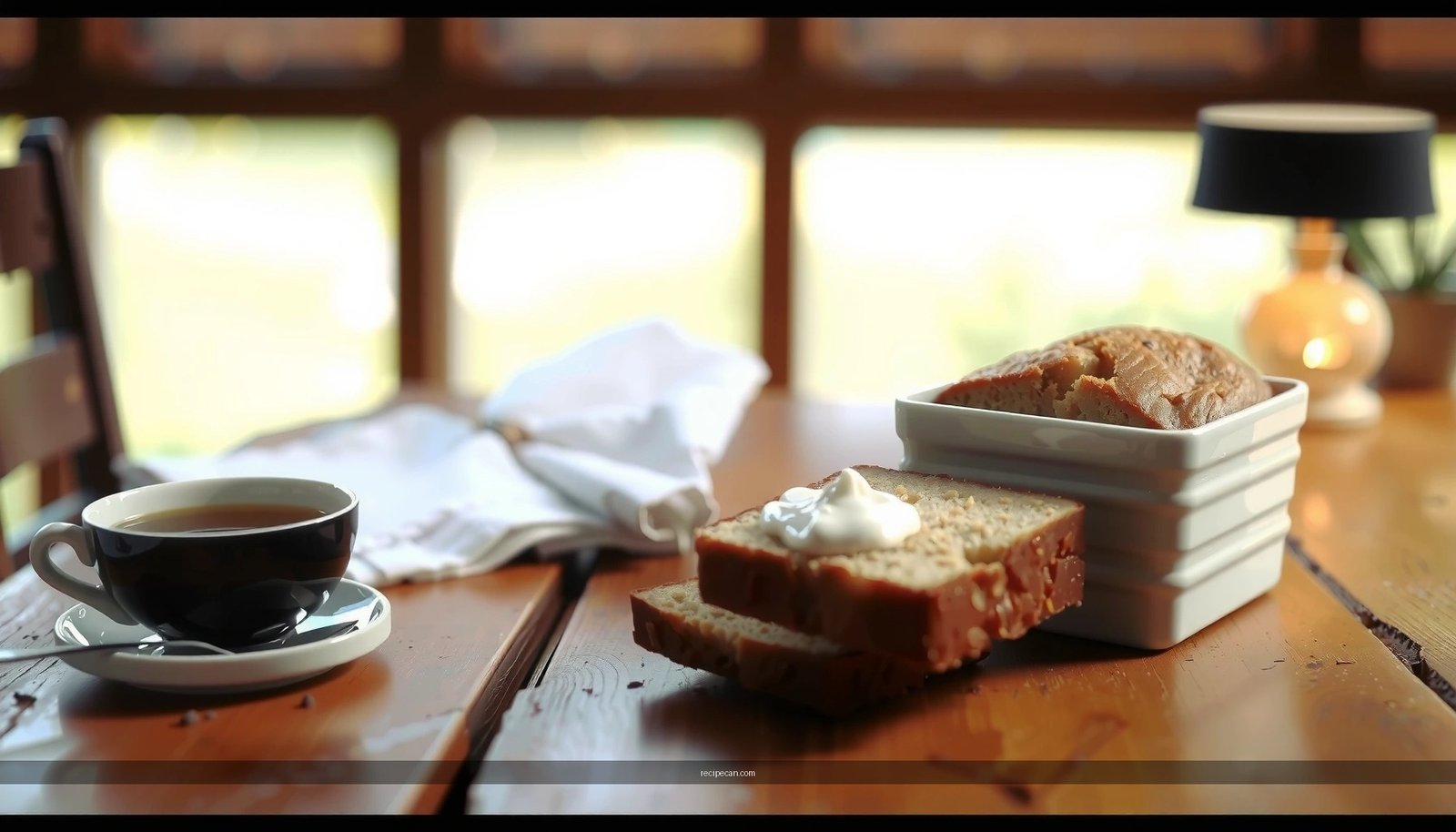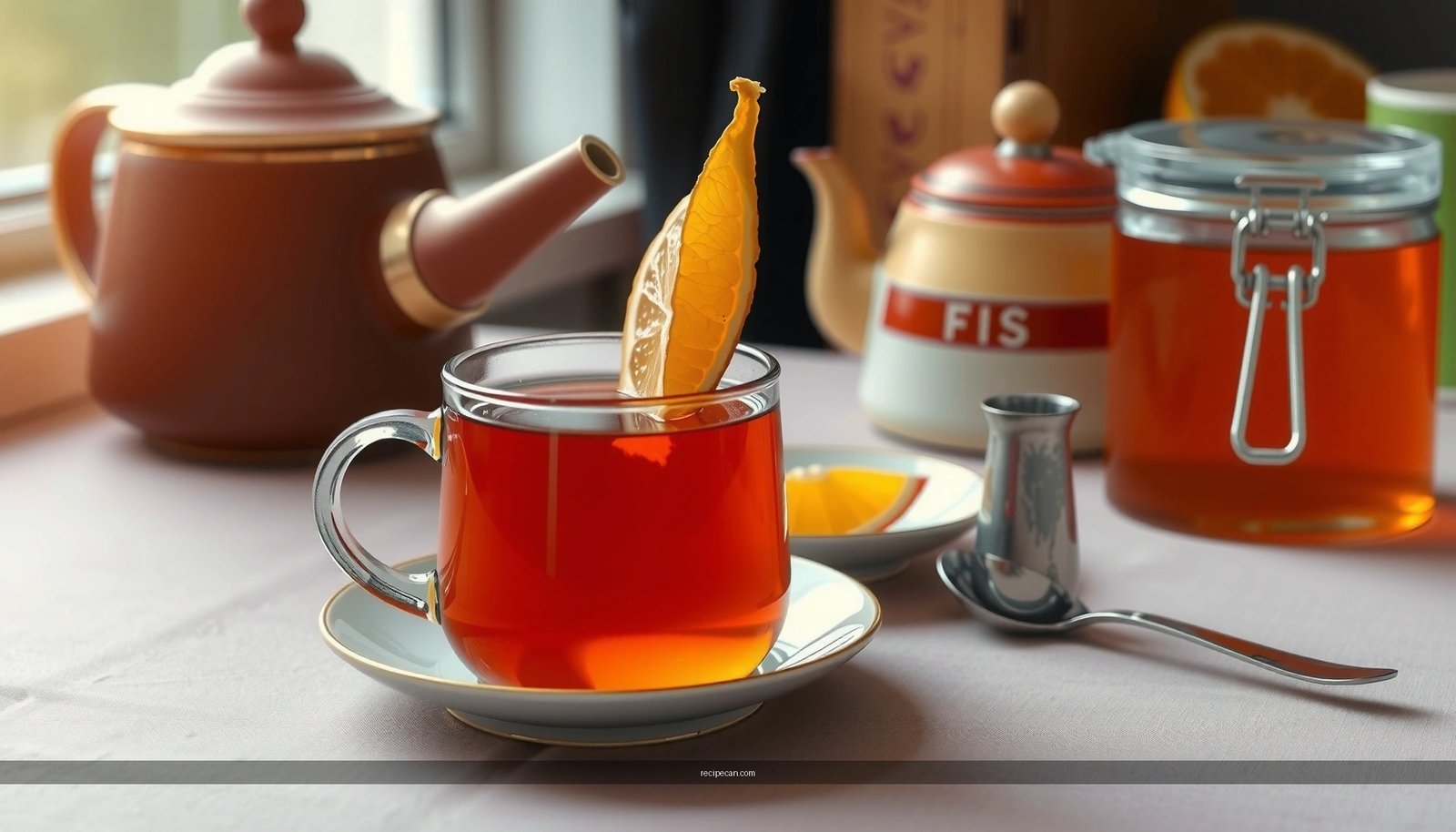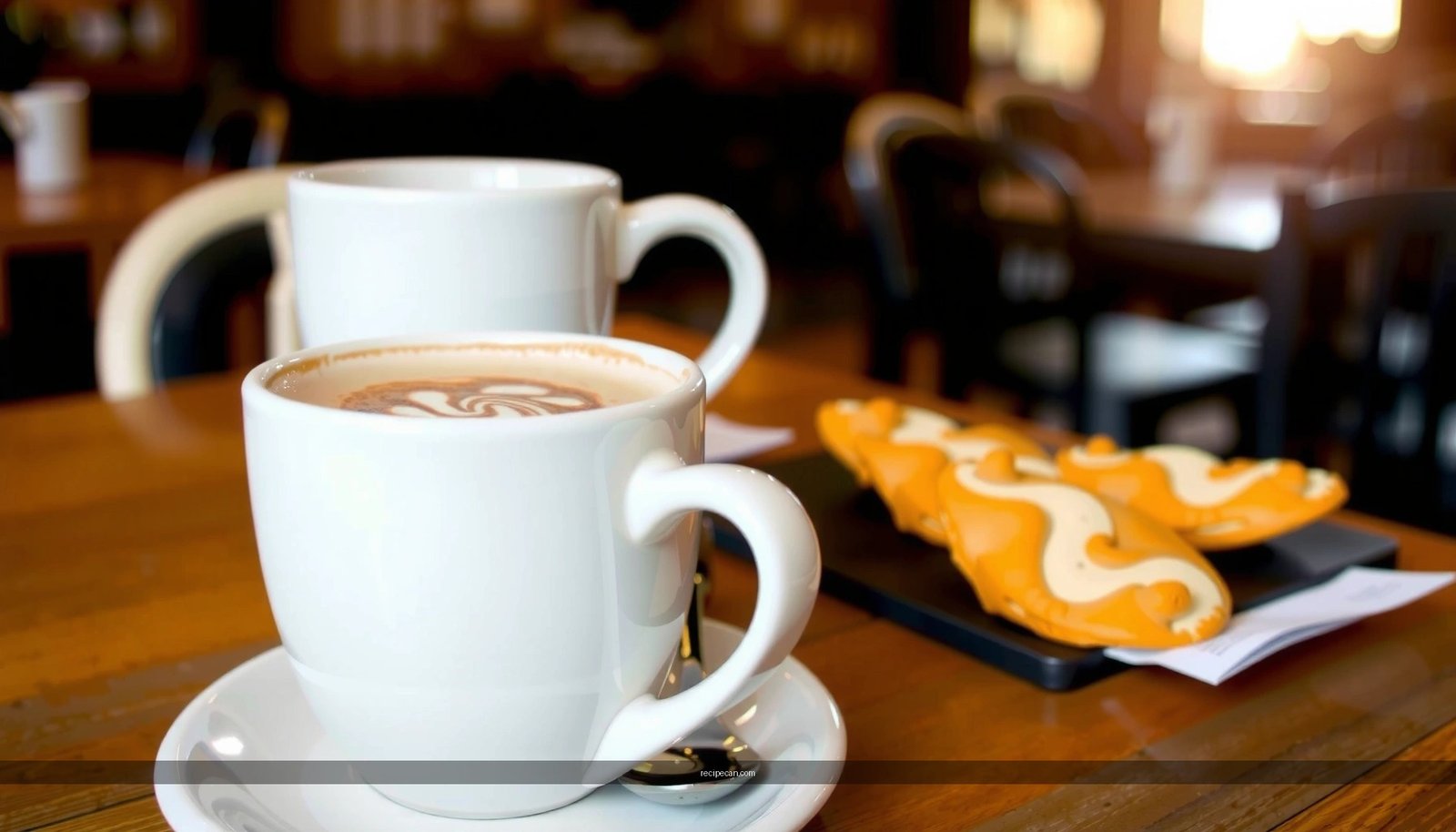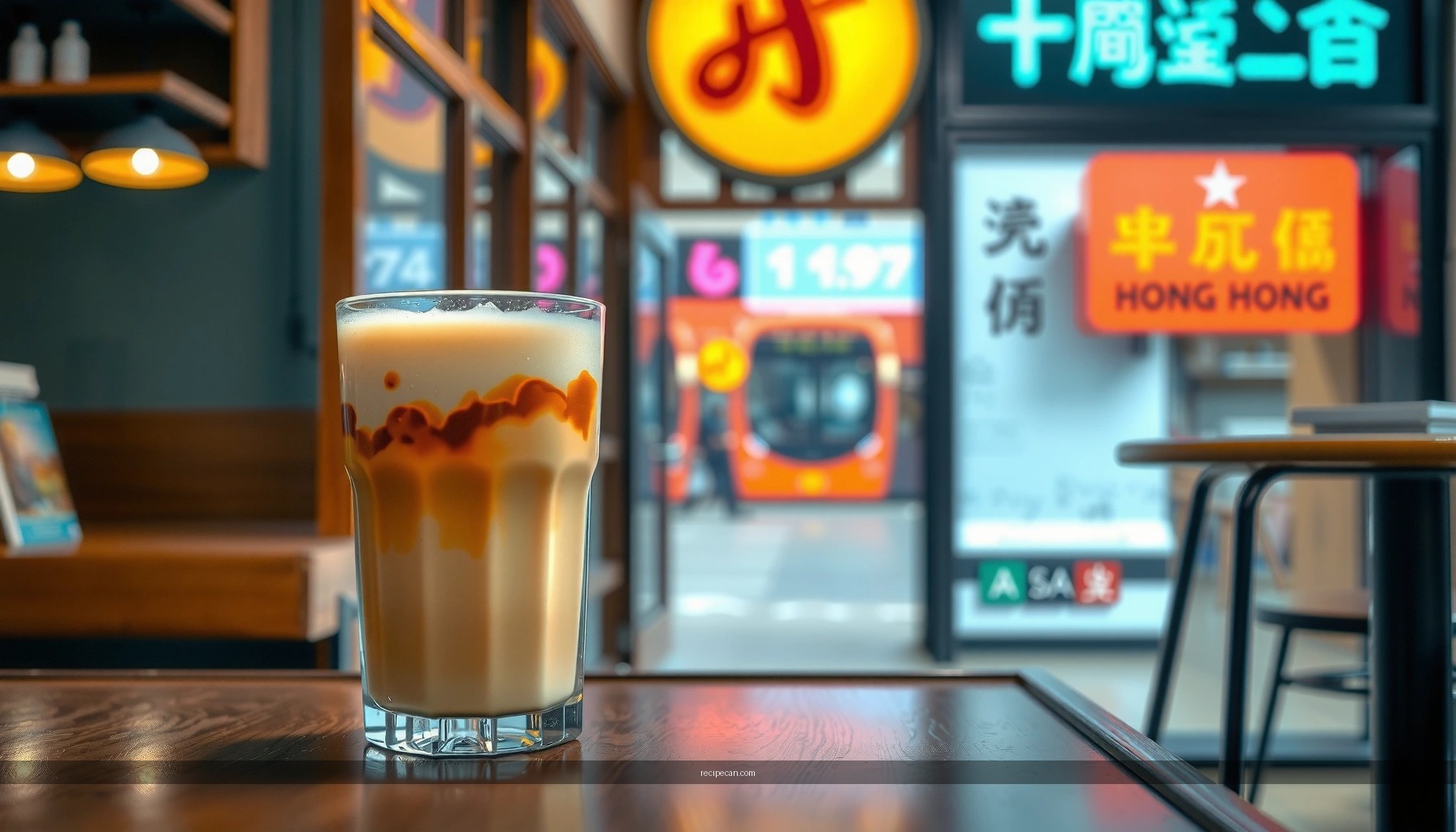
Get the Hong Kong milk tea recipe you want: a classic, sweet, silky cup that tastes like a neighborhood cafe. Follow this step-by-step method to brew strong tea, add the right balance of evaporated milk and condensed sweetness, and nail the signature color and flavor. If you want the authentic “sweet tea” result every time, this is the winner recipe to make.
You can make classic Hong Kong milk tea at home by starting with a bold, aromatic black tea and brewing it strong, then blending in the right dairy (usually evaporated or condensed milk) for a smooth, lightly sweet finish. In this guide, you’ll learn how to choose the best tea type, brew it at the right strength, and mix milk to achieve the signature creamy color and silky texture.
If you’ve ever tasted Hong Kong-style “silk stocking” milk tea—rich, creamy, and sweet but not cloying—you already know the difference isn’t just the milk. It’s the tea’s intensity, the steeping method, and the control of sweetness. Get those three factors right, and you’ll consistently recreate the classic cup, hot or iced.
—
Choose the Right Tea Leaves
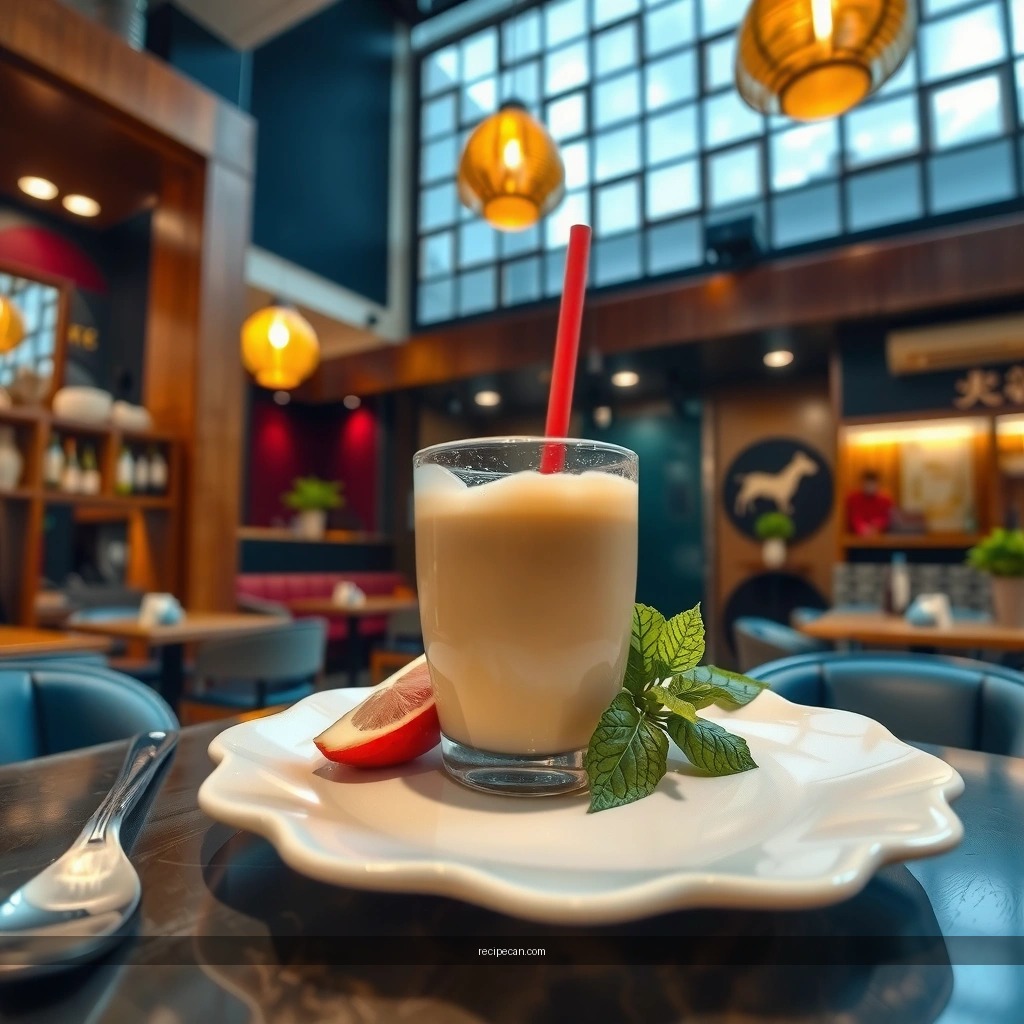
A true Hong Kong milk tea recipe starts with black tea designed to hold up under dairy and sugar. The most common base is a strong, aromatic black tea blend similar to what many Hong Kong–style brands use. Look for tea leaves labeled “assam,” “Ceylon,” or “HK-style milk tea blend,” and prioritize boldness and liquor color.
What to buy (and why):
– Assam (or assam-style blends): Thick, malty, and naturally robust—ideal because milk can mute sharper tannins.
– Ceylon (for lift): Adds brightness so the final cup doesn’t taste flat once milk and sweetness are added.
– “Milk tea” blends: Often balanced specifically for a creamy outcome and a consistent cup across batches.
How strong should the tea be?
In HK milk tea, the tea is usually brewed stronger than what you’d use for everyday black tea. That strength matters because milk reduces perceived bitterness while also diluting tea aromatics. If the tea is weak, the milk tea can taste watery or “thin,” even if you add enough condensed milk.
Avoid these common pitfalls:
– Too-light teas: Earl Grey and delicate flavored blacks often get overwhelmed by dairy.
– Overly smoky or very bitter teas: Milk won’t always fix harshness; you may end up with an off-balance cup.
Pro workflow tip: Buy one reliable tea base, then adjust sweetness using condensed milk/evaporated milk rather than switching teas every time.
—
Brew Strong and Let It Steep
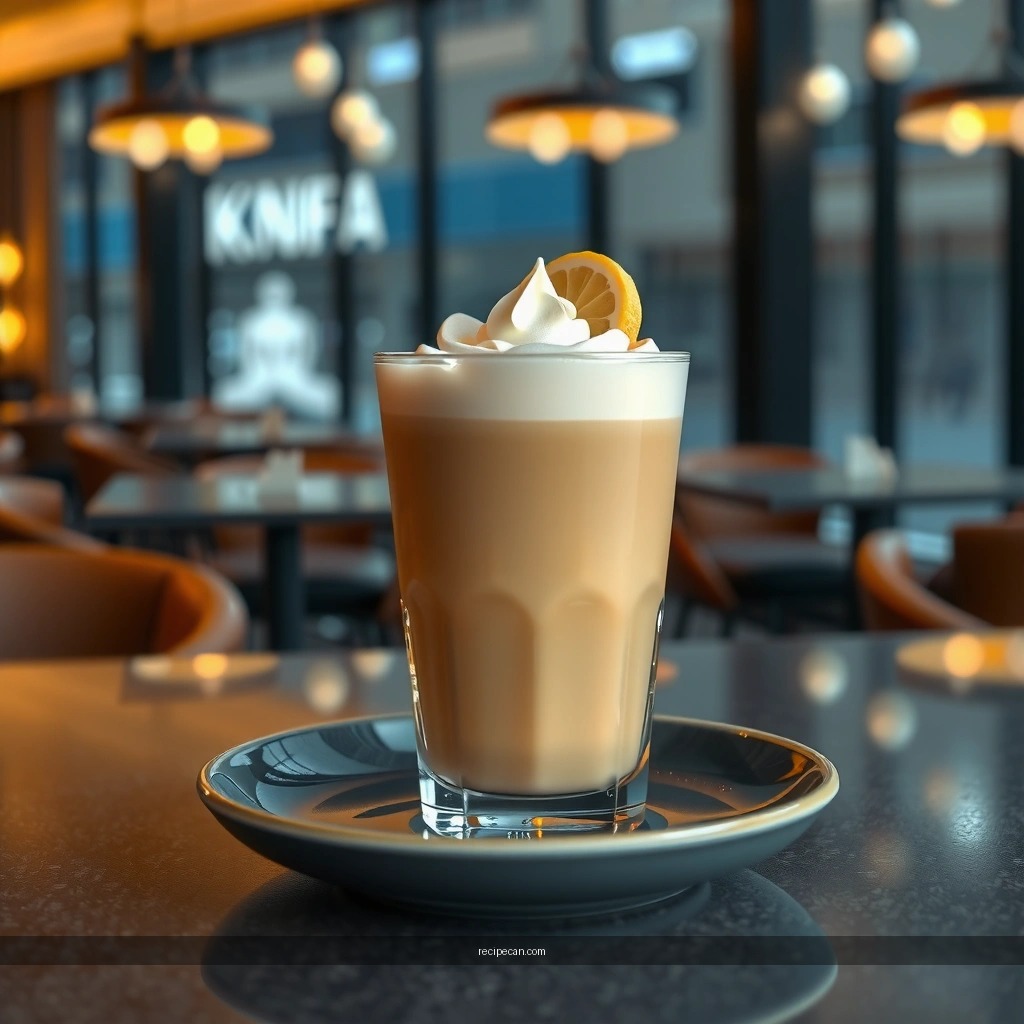
The “classic silky finish” of Hong Kong milk tea depends on extracting the tea properly, then straining carefully. For home brewing, you’re aiming for a concentrated tea base that can carry milk and sugar without becoming bitter.
A practical steeping approach:
– Use more tea than usual (roughly 2–3 teaspoons per 250–300 ml water for a strong base).
– Steep longer than everyday black tea. Many cooks find that 4–7 minutes produces the right balance—strong enough to stand up to milk, without crossing into overly tannic bitterness.
– Water quality and temperature matter: Use near-boiling water (around 95–100°C). For stronger extraction, keep temperature consistent.
Strain well for smooth texture:
HK milk tea is known for its clean, silky mouthfeel. If you don’t strain thoroughly, fine tea particles can make the drink look muddy and feel grainy, especially once milk proteins mix in.
Optional “silk” technique (professional-style consistency):
If you want a more classic texture, pour the finished tea-milk mixture through a fine strainer again, or gently “re-pour” between two cups to aerate and smooth the emulsion. This is not mandatory, but it helps reproduce that premium, cohesive feel.
To ground this decision in real-world tea strength, here’s a quick reference of how the tea base choice affects the resulting milk tea style you’re likely to get.
Tea Base Strength vs. Expected HK Milk Tea Outcome (Brewed Strong)
| # | Tea Base (Black Tea) | Typical Brew Style | Resulting Milk Tea Color | Flavor Profile After Milk | Consistency Score |
|---|---|---|---|---|---|
| 1 | Assam (malty) | 95–100°C, 5–7 min | Deep amber | Malty, smooth, low sharpness | ★★★★★ |
| 2 | HK-style milk tea blend | 95–100°C, 4–6 min | Cocoa-brown | Balanced tea aroma, classic sweetness-ready | ★★★★★ |
| 3 | Ceylon (strong) | 95°C, 5–6 min | Warm honey-brown | Bright top notes, slightly drier finish | ★★★★☆ |
| 4 | Assam + Ceylon blend | 95–100°C, 5–7 min | Deep caramel | Round body with gentle brightness | ★★★★★ |
| 5 | Earl Grey (black base) | 95°C, 3–5 min | Light brown | Citrus aroma competes with tea + milk | ★★★☆☆ |
| 6 | English Breakfast (strong) | 95°C, 5–6 min | Brown with orange tint | Classic black tea taste; can be slightly dry | ★★★★☆ |
| 7 | Very smoky black tea | 95°C, 3–5 min | Dark brown | Smokiness can dominate milk tea identity | ★★☆☆☆ |
—
Mix Milk for the Classic Creamy Texture
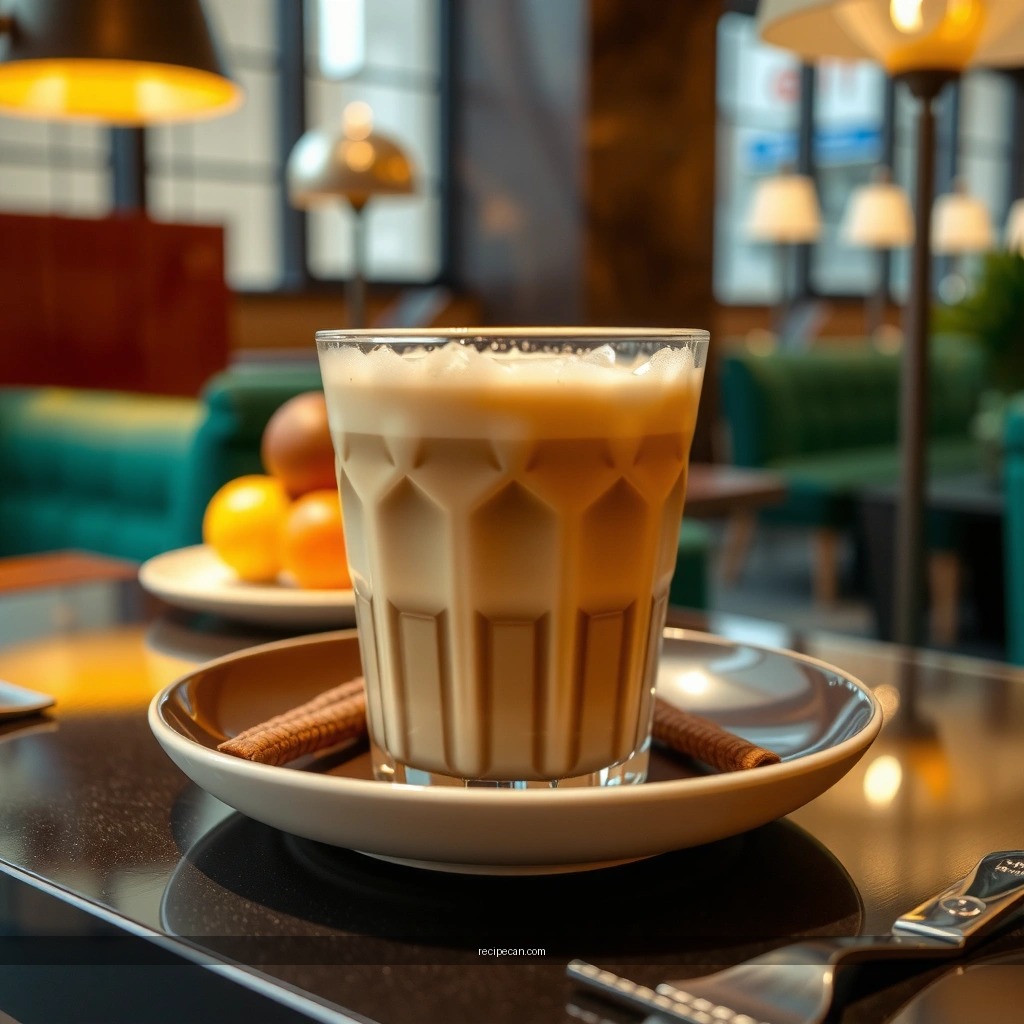
Once your tea is strong and strained, the next step is getting the milk component right. In most Hong Kong milk tea recipes, the goal is an emulsion that looks creamy, tastes rich, and maintains a smooth mouthfeel without turning heavy.
Common dairy options in Hong Kong-style tea:
– Evaporated milk: Creamier and more “milk-forward,” with less intense sweetness.
– Condensed milk: Sweeter and thicker, adding body and a classic caramel-like note.
How to mix for the best flavor and color:
1. Combine the hot tea base with milk gradually (especially if using condensed milk).
2. Stir thoroughly until fully dissolved and evenly colored.
3. If the tea looks streaky, keep whisking—usually the issue is incomplete mixing rather than a bad ingredient.
Recommended starting ratios (per ~300 ml tea base):
– Evaporated milk: ~120–180 ml for a richer, creamy cup.
– Condensed milk: start around 2–4 tablespoons, then adjust.
You can fine-tune these ratios depending on whether you want a lighter “tea milk” style or a dessert-like classic HK milk tea.
Why this matters:
If you add milk before the tea extraction is right, you’ll dull the flavors and may struggle to correct it. Strong tea first, then milk—this order helps preserve tea aroma while still achieving the iconic creaminess.
—
Sweeten to Taste (Traditional Options)
Sweetness in Hong Kong milk tea is a controllable variable, but it should be deliberate. Condensed milk and evaporated milk both contribute sweetness (condensed milk more strongly), so you can build sweetness in layers rather than dumping sugar.
Traditional options and how they behave:
– Condensed milk: Adds sweetness and viscosity, improving mouthfeel.
– Evaporated milk: Adds creaminess without as much sweetness—ideal if you want “lightly sweet” rather than syrupy.
How to adjust without overpowering the tea:
– Start with a modest amount of condensed milk.
– Stir, taste, and only then add more.
– If you accidentally oversweeten, you can correct by adding a small splash of hot tea base (or slightly more evaporated milk for dilution).
Professional practice mindset:
Treat sweetness like calibration. Aim for a balance where tea character still shows through—not a dessert drink where black tea becomes background flavor.
—
Serve Hot or Iced the Hong Kong Way
Hong Kong milk tea is enjoyed both hot and iced, and the method changes slightly so the flavor stays consistent.
For iced Hong Kong milk tea
– Brew your tea base strong.
– Let it cool briefly, then pour over ice.
– Stir once to cool evenly and prevent “warm milk pockets.”
– If you want a smoother result, chill the tea base in the refrigerator for 15–30 minutes before adding ice.
Key point: Iced drinks dilute differently than hot drinks. Using a strong tea base helps offset dilution from melting ice.
For hot Hong Kong milk tea
– Keep the tea base hot.
– Warm the milk slightly (optional but helpful), then combine and stir.
– Serve immediately to maintain the tea’s aroma.
Either way, the classic result depends on the same principles: strong tea extraction, correct milk choice, and controlled sweetness.
—
Optional Tips for Extra Flavor and Consistency
If you’re cooking for repeatable results—whether for personal taste or a small home routine—consistency is where quality lives.
Use fresh tea and track steep times:
Tea freshness affects both aroma and extraction. For repeatability, record:
– grams (or teaspoons) of tea,
– water temperature,
– steep time,
– and milk/sweetener amount.
Strain again for extra smoothness (especially for iced):
Even after the first strain, fine particles may settle. A second strain improves clarity and smoothness, particularly in cold drinks where suspended solids become more noticeable.
Stir and emulsify properly:
If you’re using condensed milk, mixing should feel effortless—no grainy sweetness or cloudy streaks. Whisk until uniform.
Adjust one variable at a time:
If your milk tea tastes “too strong,” reduce tea strength or steep time. If it’s “too weak,” increase tea quantity or steep slightly longer—don’t immediately compensate with extra condensed milk, or you’ll lose the HK tea identity.
—
This Hong Kong milk tea recipe is all about strong tea, the right milk choice, and controlled sweetness. Brew it bold, mix until creamy, and serve hot or iced—then tweak the milk and steep time to match your exact taste. Try it today and make a cup your way!
Frequently Asked Questions
What is the best Hong Kong milk tea recipe using evaporated milk and black tea?
A classic Hong Kong-style milk tea starts with strong brewed black tea (like Ceylon or Assam) and then blends it with evaporated milk and a touch of sweetener. Brew the tea very concentrated, strain it well, and cool it slightly before adding evaporated milk to create that smooth, creamy texture. For authenticity, many recipes also use condensed milk and a pinch of salt to balance sweetness and enhance flavor. Serve hot or iced depending on your preference, but keep the tea base strong for the signature taste.
How do you make Hong Kong milk tea without evaporated milk at home?
If you don’t have evaporated milk, use a mix of whole milk and a little extra cream or half-and-half to mimic the richer body. For a closer substitute to the caramel-like depth, you can also add a small amount of condensed milk or maple syrup to adjust sweetness and thickness. Brew your black tea stronger than usual, then stir in your milk alternative gradually to keep the flavor balanced. Strain again if needed so the final Hong Kong milk tea stays silky and not gritty.
Why does authentic Hong Kong milk tea taste so strong and creamy?
Hong Kong milk tea relies on a concentrated tea base—typically steeped longer or brewed with a higher tea-to-water ratio—so the black tea flavor stands up against the milk. The creamy texture comes from dairy with higher solids, such as evaporated milk or condensed milk, which helps create a smooth mouthfeel. Many recipes also use a little sugar and sometimes a tiny pinch of salt to round out bitterness and make the flavor taste more “rounded.” This combination is why HK milk tea feels bold, sweet, and silky at the same time.
Which black tea is best for a Hong Kong milk tea recipe—Assam, Ceylon, or something else?
Assam is a popular choice because it’s malty, bold, and naturally complements creamy milk tea. Ceylon can work well too, offering a slightly lighter, more aromatic profile, but you’ll still want it brewed strong to keep the flavor in line with Hong Kong milk tea. If you want the most authentic “Hong Kong-style” taste, consider using a black tea blend designed for milk tea and brew it with a higher concentration. Taste as you go and adjust steeping time so your HK milk tea base isn’t watery.
How can you recreate the frothy top and classic “Hong Kong” texture when making milk tea?
To get that frothy, aerated feel, pour your milk tea back and forth between two cups or from a height after mixing the tea and milk. This aeration creates a lighter foam layer and helps emulsify the ingredients for a smoother Hong Kong milk tea texture. Make sure your tea is strained and well-mixed before pouring, and don’t boil the milk after combining—warm is enough. For best results, serve immediately so the foam stays fresh and the flavor remains vibrant.
References
- Milk tea
https://en.wikipedia.org/wiki/Milk_tea - Cha chaan teng
https://en.wikipedia.org/wiki/Cha_chaan_teng - Google Scholar Google Scholar
https://scholar.google.com/scholar?q=%22hong+kong+milk+tea%22+recipe - Google Scholar Google Scholar
https://scholar.google.com/scholar?q=%22hong+kong+style%22+milk+tea+recipe+black+tea+evaporated+milk - Google Scholar Google Scholar
https://scholar.google.com/scholar?q=%22hong+kong+milk+tea%22+tea+to+milk+ratio - Whole Wheat Pancakes Recipe
https://www.thespruceeats.com/how-to-make-hong-kong-milk-tea-4685623 - https://www.woks-of-life.com/hong-kong-milk-tea/
https://www.woks-of-life.com/hong-kong-milk-tea/ - https://www.nytimes.com/guides/well/what-is-hong-kong-milk-tea
https://www.nytimes.com/guides/well/what-is-hong-kong-milk-tea - Google Scholar Google Scholar
https://scholar.google.com/scholar?q=hong+kong+milk+tea+recipe - hong kong milk tea recipe – Search results
https://en.wikipedia.org/wiki/Special:Search?search=hong+kong+milk+tea+recipe