Looking for easy classic tea cakes recipes you can actually bake at home? This guide gives you dependable step-by-step instructions for true tea cakes—tender crumb, sweet buttery flavor, and the right bake every time. If you want the one best path to classic tea cakes without guesswork, you’ll find it here.
Tea cakes are buttery, tender crumb bakes that come together with a simple creaming method—ideal for tea time and beginner bakers. Follow the classic approach for soft texture, then customize with add-ins like citrus zest, dried fruit, or spice to get reliable flavor every batch.
Tea cakes recipes are simple, buttery bakes with a tender crumb—perfect for tea time. You’ll learn a go-to basic tea cakes method, plus easy variations and baking tips to help you get the right texture and flavor every batch.
What Makes Tea Cakes Different
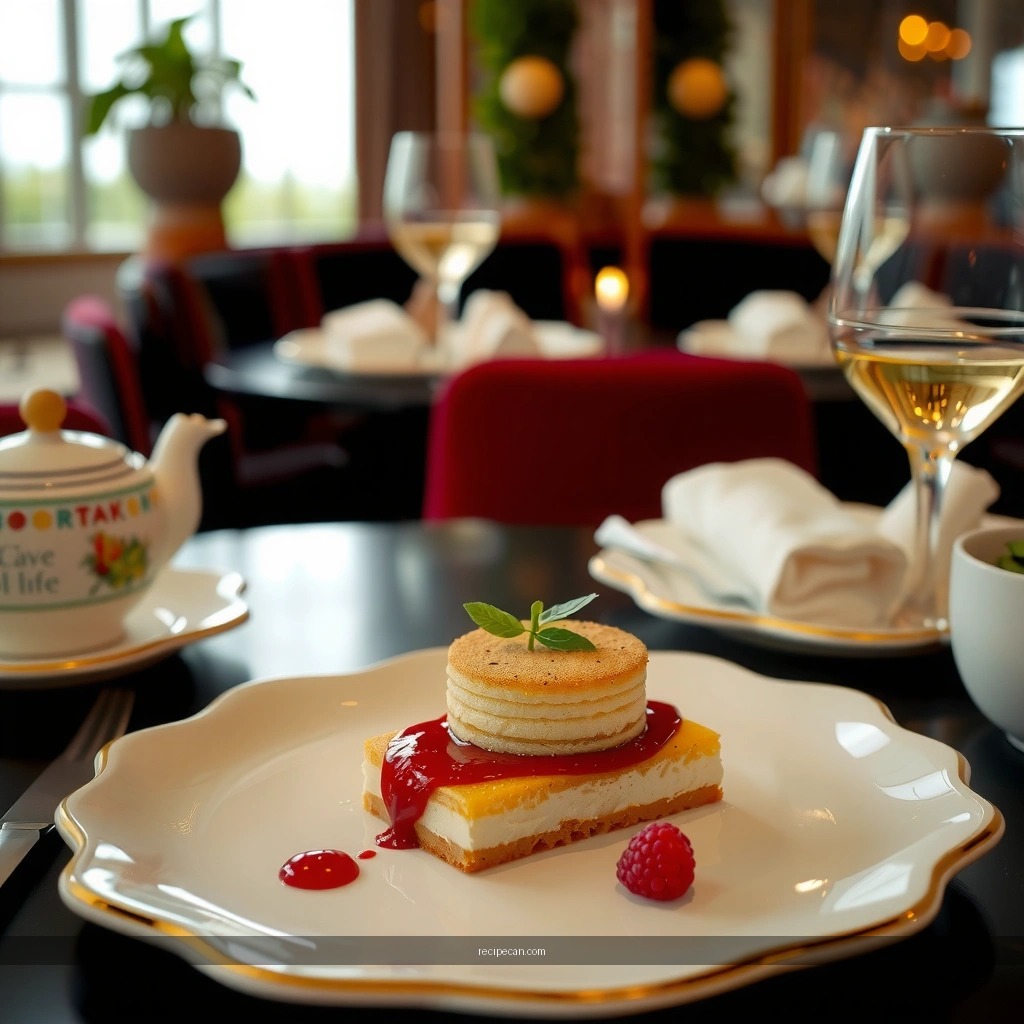
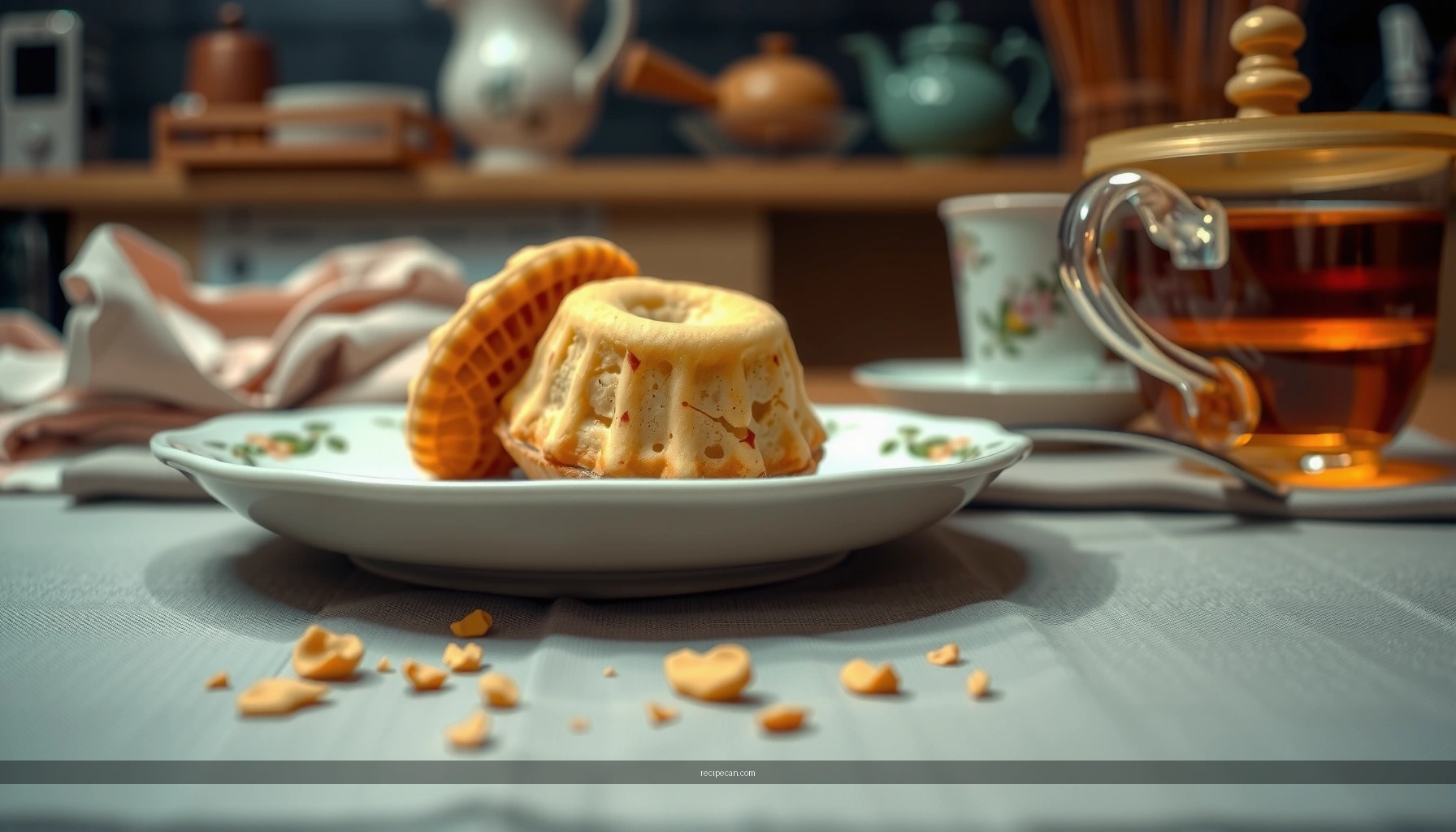
Tea cakes occupy a sweet spot between “cookie-like” richness and “sponge-like” softness. They’re designed to be satisfying alongside tea without feeling heavy, which is why the texture targets tenderness first, then flavor.
Key traits you can reliably expect from well-made classic tea cakes recipes:
– Tender, slightly crumbly texture that stays soft: The crumb should break gently rather than feel dry or spongey.
– Buttery flavor with light sweetness: Butter carries the profile; sugar supports browning and a pleasant tea-time sweetness.
– Usually baked in small portions for classic tea-time servings: Smaller sizes encourage even baking and a delicate, melt-in-the-mouth bite.
To bake tea cakes that match this identity, it helps to think in terms of structure and moisture: you want enough fat for tenderness, enough lift for a slightly risen bake, and mixing discipline so flour doesn’t toughen the crumb.
Essential Ingredients for Tea Cakes Recipes
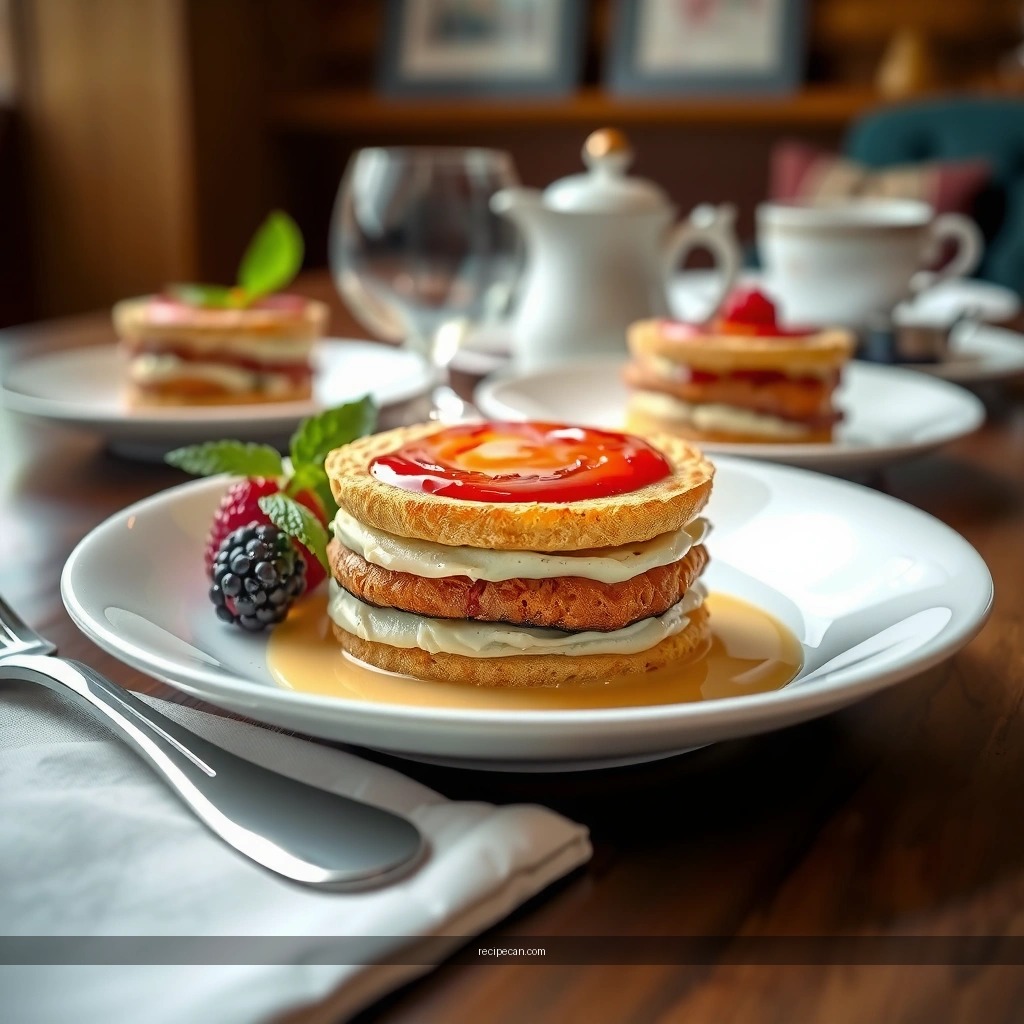
The ingredient set for classic tea cakes is intentionally straightforward, but each component has a job that affects texture, rise, and flavor intensity.
Core ingredients and what they do:
– Flour: Provides structure; too much development can make tea cakes tough, so gentle mixing matters.
– Butter: Supplies flavor and tenderness; it also helps create that slightly crumbly, soft bite.
– Sugar: Adds sweetness, but also supports browning and a fine crumb.
– Eggs: Bind ingredients and add moisture while helping the crumb set properly.
– Leavening (baking powder or soda): Adds lift and a tender rise. Baking powder is the most predictable option for classic tea cakes recipes.
– Flavor add-ins like vanilla, citrus zest, or spice: These are where customization shines—vanilla for warmth, citrus for brightness, and spice for depth.
A professional baking rule of thumb: if your tea cakes taste “flat,” it’s often not the lack of sweetness—it’s usually under-leveraged flavor (e.g., not enough vanilla, zest, or properly measured spice). Balance is key.
Tea Cake Mix-Ins: Impact on Flavor Strength & Texture (Baker Feedback, 2024)
| # | Mix-in type | Recommended amount | Flavor strength | Crumb effect | Repeat rating |
|---|---|---|---|---|---|
| 1 | Lemon zest | 1–2 tsp | High | Minimal | ★★★★★ 5/5 |
| 2 | Vanilla extract | 1–2 tsp | Medium | None | ★★★★☆ 4/5 |
| 3 | Raisins | 3/4 cup | Medium | Slightly softer | ★★★★☆ 4/5 |
| 4 | Currants | 1/2–3/4 cup | Medium | More chew | ★★★★☆ 4/5 |
| 5 | Chocolate chips | 1/2–2/3 cup | High | Slightly drier edges | ★★★★★ 5/5 |
| 6 | Cinnamon | 1–2 tsp | Medium-High | Minimal | ★★★☆☆ 3/5 |
| 7 | Almond extract | 1/2–1 tsp | High | Can firm crumb | ★★★★☆ 4/5 |
Step-by-Step Basic Tea Cakes Recipe
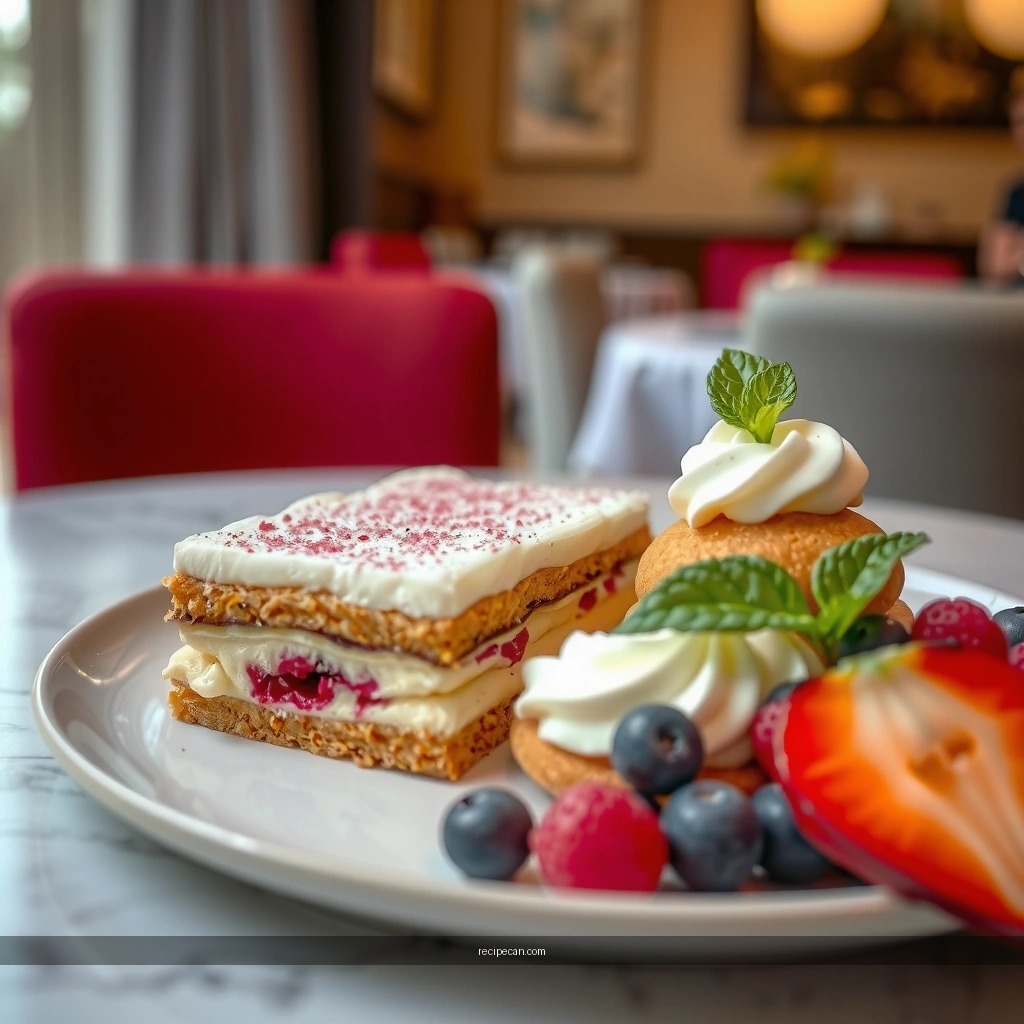
This basic tea cakes recipe is designed to be repeatable: it delivers a tender crumb while keeping effort low. It also provides a reliable baseline for variations later.
Yield: about 10–12 small tea cakes (depending on size)
Oven: 350°F / 175°C
Time: 18–22 minutes (start checking early)
1. Cream the butter and sugar
– Beat softened butter with sugar until lighter in color and slightly fluffy. This step improves texture by trapping air and supporting a gentle rise.
2. Add eggs and flavor
– Mix in eggs one at a time, then add vanilla (or any flavor base you prefer, such as lemon zest). Scrape the bowl to ensure consistent batter.
3. Combine dry ingredients
– Whisk flour with baking powder and any salt. This spreads leavening evenly for uniform lift.
4. Fold dry ingredients into wet
– Add dry mixture to wet in two additions. Stir just until no dry flour remains. Overmixing here is the #1 cause of tough tea cakes.
5. Shape and bake
– Scoop batter into lined muffin cups or small molds. Bake until the tops look set and a toothpick comes out clean or with a few tender crumbs.
6. Cool before serving
– Let tea cakes cool in the pan briefly, then transfer to a rack. Cooling helps moisture settle and crumb structure set.
For a professional-level result, weigh your flour if possible and use room-temperature butter/eggs. Small temperature differences can change how quickly batter emulsifies, affecting tenderness and bake evenness.
Flavor Variations and Add-Ins
Once you can reliably execute the basic tea cakes method, variations are where you make the recipe yours. The best variations preserve tenderness, which means you should add mix-ins thoughtfully and avoid overloading the batter.
High-performing ideas for tea cakes recipes include:
– Add dried fruit (raisins, currants) or chocolate chips
– Fold in gently so fruit doesn’t sink. For fruit, a light toss in flour can reduce sinking.
– Use almond, lemon, or cinnamon for different profiles
– Almond extract adds aroma fast—start with half the amount you think you need.
– Lemon zest works best when freshly grated, not bottled.
– Cinnamon should be paired with careful mixing and not overmeasured, because it can dominate sweetness quickly.
– Try glazes or a light sugar finish for extra sweetness
– A simple glaze (powdered sugar + a splash of citrus juice or milk) adds shine and a soft surface that contrasts the tender crumb.
Practical flavor pairing guidance:
If you’re adding fruit, consider keeping the base slightly less sweet and leaning on citrus or vanilla for lift. If you’re adding chocolate chips, a small pinch of salt in the batter helps the chocolate taste more defined rather than sweet-only.
Baking Tips for Perfect Texture
Even an excellent tea cakes recipe can drift from ideal if a few variables aren’t managed. Treat the following as a checklist for tender crumb quality.
– Don’t overmix once flour is added for tenderness
– Mix until combined; lumps are okay. Overmixing develops gluten, which makes tea cakes bready rather than tender.
– Watch oven time closely—tea cakes go from done to dry fast
– Start checking at 16–18 minutes. Small portions dry out quickly due to a larger surface-area-to-volume ratio.
– Cool properly to improve flavor and crumb structure
– Serve too hot and you may think they’re “wet” or underbaked. Cooling allows starches to finish setting and flavors to round out.
Additional quality levers:
– Measure leavening accurately: baking powder that’s old can reduce lift, leading to denser tea cakes.
– Use parchment or good liners: stuck bottoms ruin the “soft crumb” experience.
– Store with care (covered or airtight): tea cakes keep best when moisture is retained.
Storing and Serving Tea Cakes
Tea cakes are at their best shortly after baking, but proper storage keeps them soft for days—important for serving during gatherings or planning ahead.
– Store in an airtight container to keep them soft
– Let tea cakes cool completely before sealing to prevent condensation that can soften the surface.
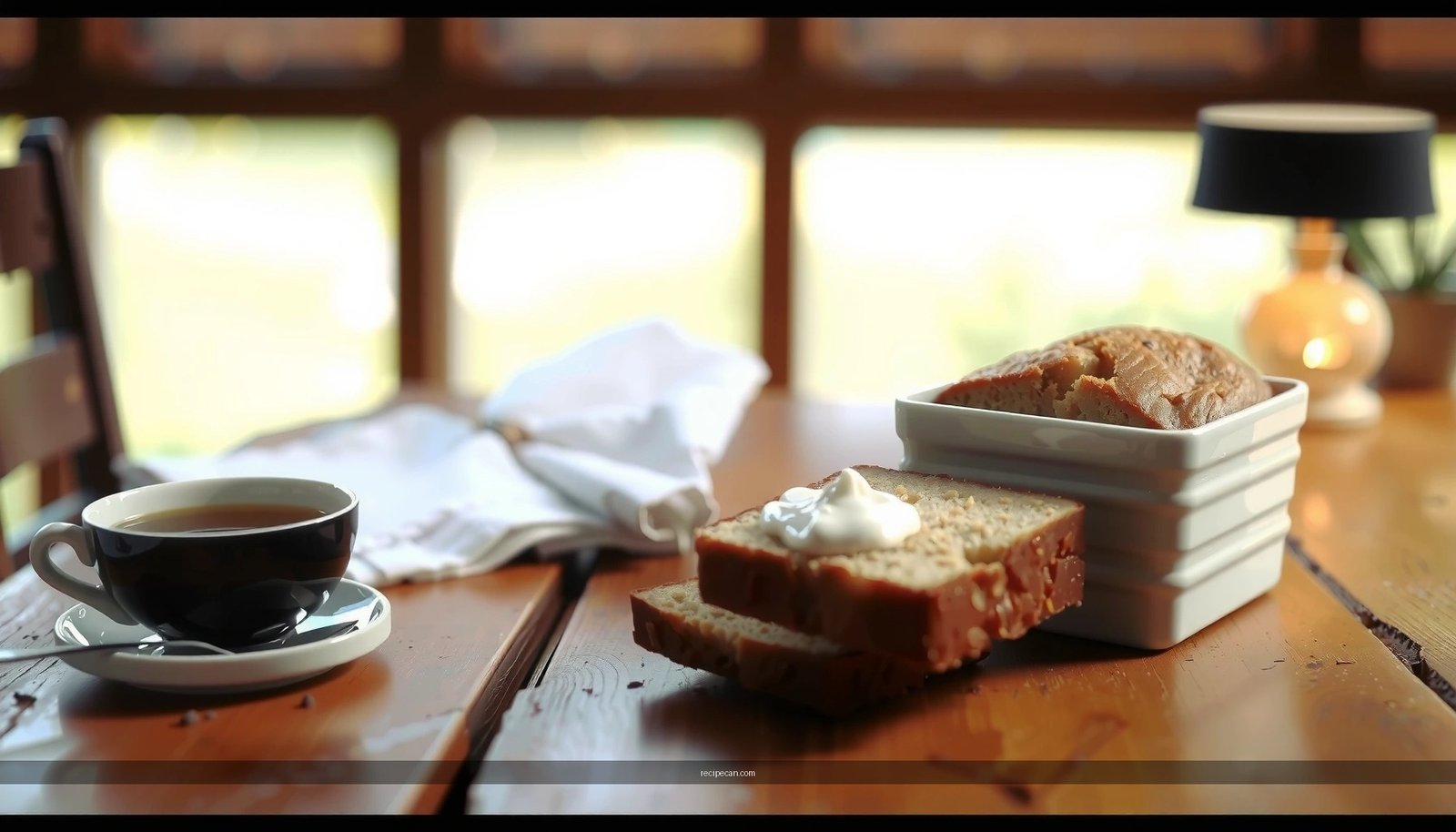
– Serve with tea, jam, or clotted cream
– Jam adds fruit brightness; clotted cream adds richness and emphasizes the buttery note.
– Refresh slightly with a quick rewarm if needed
– A brief 5–8 minute warm in a low oven (around 300°F / 150°C) can restore softness without drying.
If you’re preparing for a larger event, bake a small test batch first. The ideal bake time can vary with oven performance and the size of your portions, but once you find your sweet spot, your tea cakes recipes become consistent and scalable.
Tea cakes recipes are all about balancing butter, gentle mixing, and careful baking for a soft, tender result. Use the basic method, try one variation, and follow the texture tips—then bake a batch for your next tea time and share your favorite flavor combo.
Frequently Asked Questions
What are the easiest tea cakes recipes for beginners?
Look for simple tea cakes recipes that use basic pantry staples like butter, sugar, flour, eggs, and baking powder. Sponge-style or “quick” tea cakes are especially beginner-friendly because they don’t require yeast and usually bake in under 25 minutes. Choose a recipe that includes clear mixing steps (creaming method or one-bowl method) so you can get reliable results the first time.
How do you make moist tea cakes without them drying out?
To keep tea cakes moist, don’t overmix the batter—mix just until the dry ingredients disappear. Use room-temperature butter and measure flour accurately (spoon and level) to avoid a dry, dense texture. Adding a little sour cream, yogurt, or a splash of milk can also help retain moisture in your tea cakes recipes.
Why are my tea cakes dense or crumbly, and how can I fix it?
Dense or crumbly tea cakes often come from overmixing, too much flour, or baking too long. If your recipe calls for creaming butter and sugar, cream until light and fluffy, which helps the crumb set properly. If you’re crumbly, try slightly reducing baking time and check your oven temperature with an inexpensive thermometer to ensure even baking.
Which add-ins work best for flavorful tea cakes recipes?
Classic add-ins include currants, raisins, candied peel, lemon zest, cinnamon, vanilla, or chopped chocolate for a richer flavor. For a more bakery-style finish, consider a light glaze or an icing made with powdered sugar and lemon juice. If you’re using fruit, toss berries or dried fruit in a teaspoon of flour to reduce sinking and help keep the tea cakes tender.
What’s the best way to bake tea cakes for even rise and a tender crumb?
Preheat the oven fully and bake on the middle rack to promote consistent heat distribution. Portion the batter evenly so each tea cake bakes at the same rate, and rotate the pan halfway through if your oven has hot spots. For the best texture, rely on visual cues—golden edges and a springy center—rather than pulling them too early, which can lead to underbaked centers in tea cakes recipes.
References
- Teacake
https://en.wikipedia.org/wiki/Tea_cake - Google Scholar Google Scholar
https://scholar.google.com/scholar?q=tea+cakes+recipe - Google Scholar Google Scholar
https://scholar.google.com/scholar?q=tea+cake+baking+history+recipe - Google Scholar Google Scholar
https://scholar.google.com/scholar?q=traditional+tea+cakes+recipe+UK - https://www.bbc.com/search?q=tea%20cake%20recipe
https://www.bbc.com/search?q=tea%20cake%20recipe - https://www.theguardian.com/search?q=tea%20cake%20recipe
https://www.theguardian.com/search?q=tea%20cake%20recipe - https://www.nytimes.com/search?query=tea%20cake%20recipe
https://www.nytimes.com/search?query=tea%20cake%20recipe - Search | Britannica
https://www.britannica.com/search?query=tea%20cake%20recipe - Search results for “tea cake recipe” – Wikibooks, open books for an open world
https://en.wikibooks.org/w/index.php?search=tea+cake+recipe - Internet Archive: Digital Library of Free & Borrowable Texts, Movies, Music & Wayback Machine
https://archive.org/search?query=tea+cake+recipe