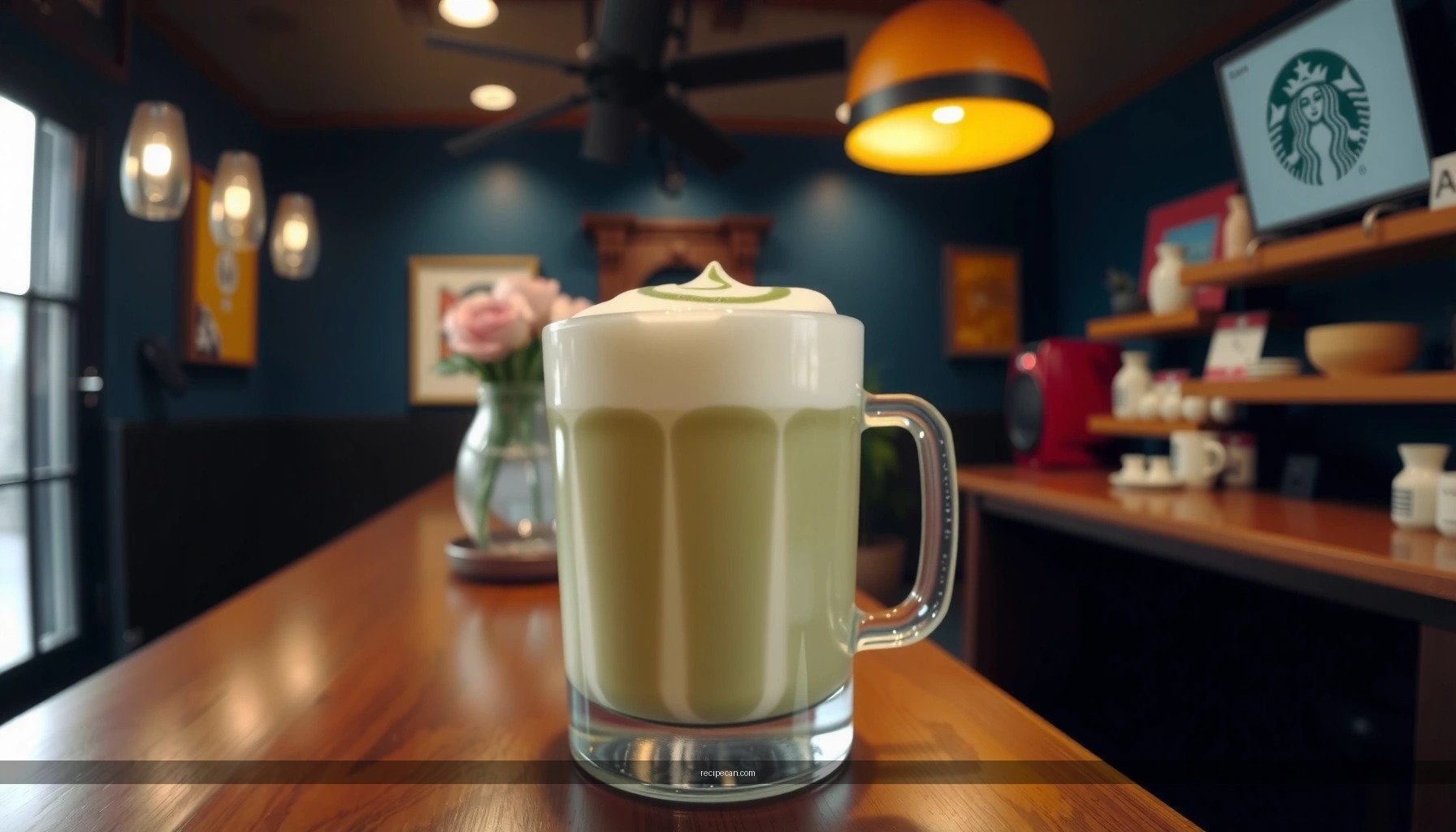
Looking for the Starbucks matcha green tea latte recipe you can make at home? This easy step-by-step version shows you exactly how to whisk quality matcha, sweeten it to the Starbucks-style balance, and steam or shake the milk for a smooth, café-level drink. If you want the closest result with minimal gear and no guesswork, this is the winner.
Make a Starbucks-style matcha green tea latte at home by whisking matcha with hot (not boiling) water until frothy, then combining it with steamed milk for a creamy, balanced cup. Below are the exact steps, ratios, and adjustments to help you nail the smooth texture and café-quality flavor—hot or iced.
Ingredients You’ll Need
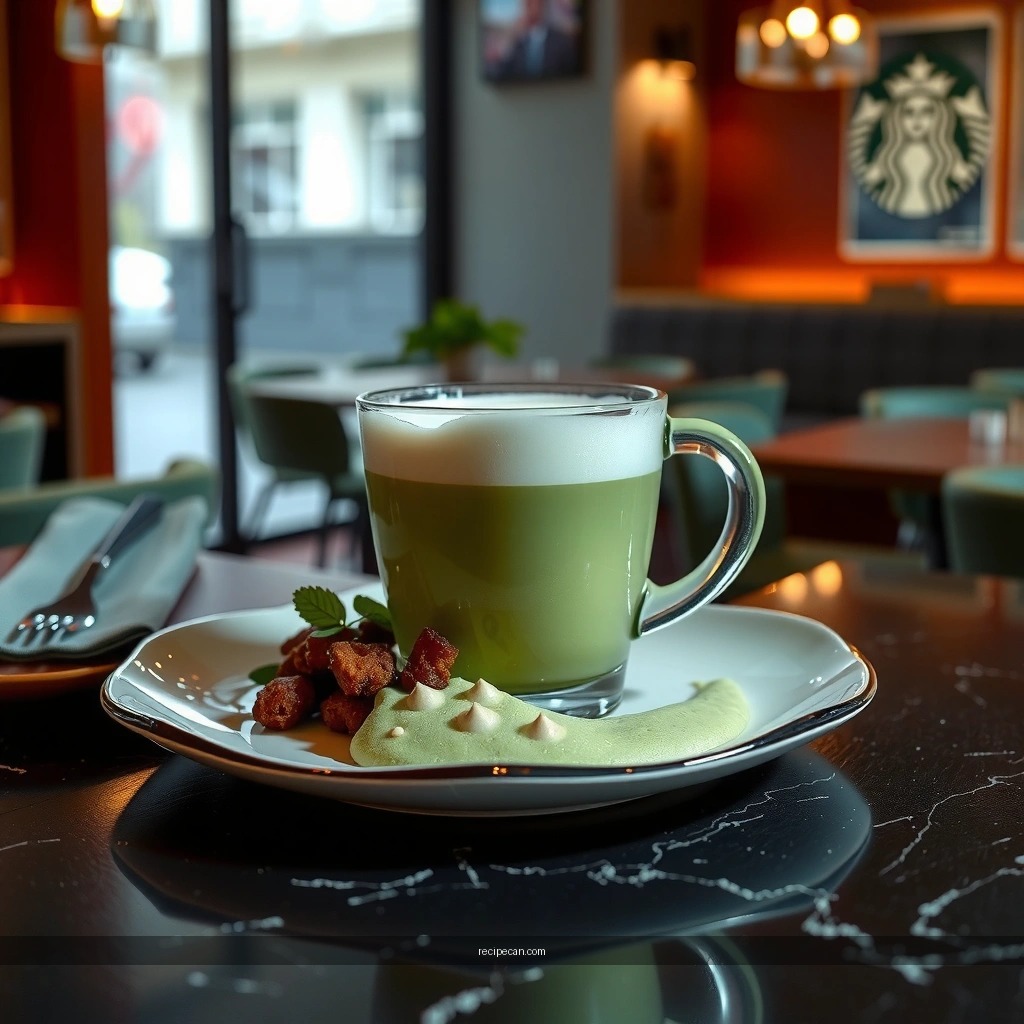
To recreate the Starbucks-style matcha green tea latte at home, you don’t need many ingredients—just the right matcha and a method that prevents clumps.
– Matcha green tea powder (culinary or ceremonial)
Culinary matcha works well for lattes (often less expensive, more forgiving). Ceremonial matcha tends to be smoother and more nuanced, but can be pricier and easier to overdo if you make it too strong.
– Milk of choice (dairy or oat/almond)
Whole milk delivers the classic creamy mouthfeel. Oat milk is especially popular for matcha lattes because it steams well and keeps the sweetness “round.” Almond milk works too, but may be thinner.– Optional sweetener (syrup, sugar, or honey)
Many people prefer a latte with a mild sweetness that offsets matcha’s natural bitterness. Start small and adjust after whisking.
Quick café-style note: Starbucks-style matcha drinks are typically sweetened. If you enjoy matcha’s earthy edge, you can keep it lightly sweet or even unsweetened—just adjust the ratio and taste early.
Matcha Latte Powder Strength Guide (Typical Brewing Range)
| # | Matcha Type | Water per 1 tsp (5 g) | Flavor Intensity | Best Use for Lattes | Overall Fit |
|---|---|---|---|---|---|
| 1 | Ceremonial (premium, finely milled) | 35–45 mL | High | Minimal sweetener | ★★★★★ |
| 2 | Culinary (everyday, latte-focused) | 45–60 mL | Medium | Classic sweetened latte | ★★★★☆ |
| 3 | Organic matcha (culinary style) | 45–55 mL | Medium | Smooth, balanced profile | ★★★★☆ |
| 4 | Stone-ground matcha | 40–55 mL | High | Strong matcha flavor | ★★★★☆ |
| 5 | Budget culinary matcha | 50–65 mL | Low–Medium | Heavily flavored/whisked | ★★★☆☆ |
| 6 | Smoked/roasted matcha (not traditional) | 30–40 mL | High | Flavor-forward variation | ★★☆☆☆ |
| 7 | Pre-sweetened matcha powder | 40–60 mL | Medium | No added sweetener | ★★★★☆ |
How to Make Starbucks-Style Matcha
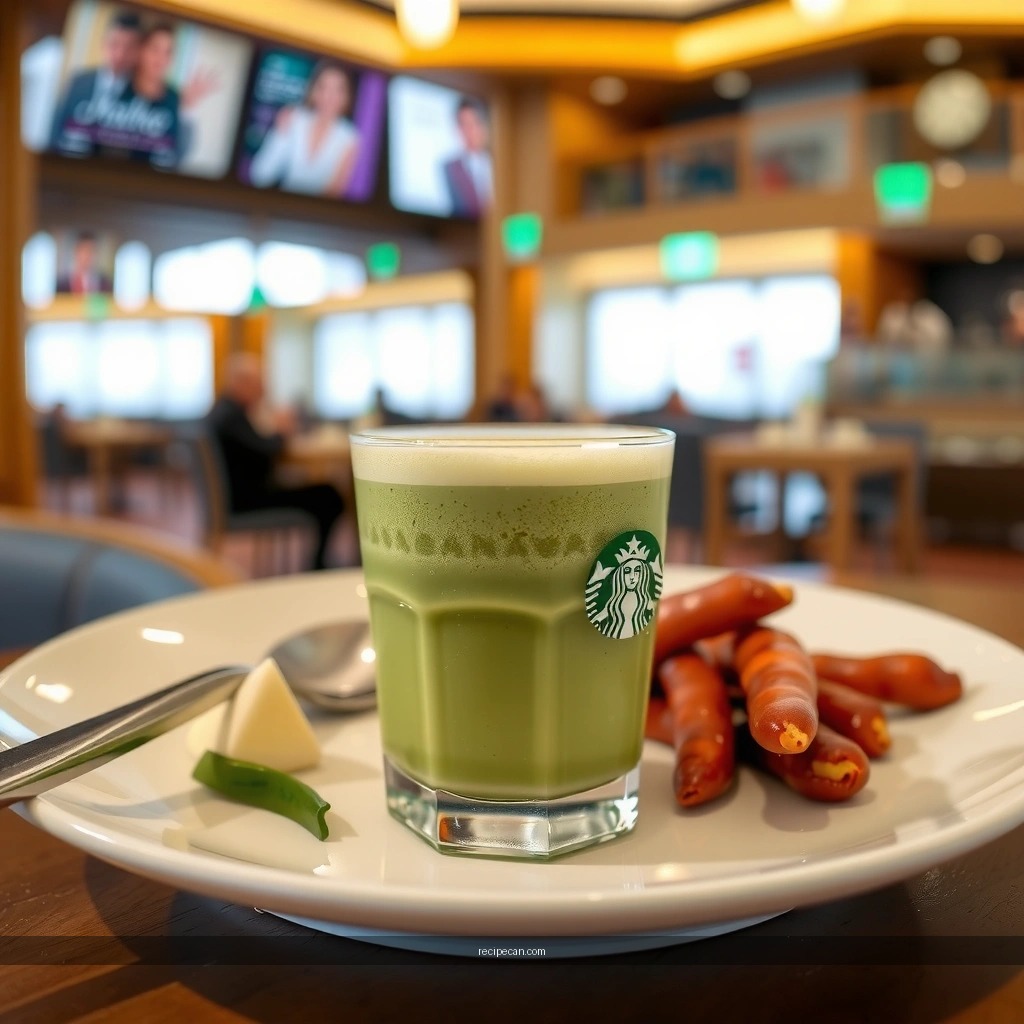
The biggest difference between “okay” and truly Starbucks-style matcha latte at home is how you dissolve the matcha first. Matcha clumps quickly, and if you don’t whisk the base properly, you’ll end up with gritty texture and uneven flavor.
– Sift matcha to prevent clumps
Sifting is the fastest insurance policy. Even high-quality matcha can form small lumps, especially if it’s been sitting open. If you don’t have a sifter, you can use a fine mesh strainer.
– Whisk matcha with hot water until smooth and foamy
Use hot water around 170–180°F (77–82°C). If you boil water, you can dull the vibrant green and intensify bitterness.
For a single latte, start with 1–2 tsp (about 2–5 g) matcha plus 35–60 mL hot water. Whisk briskly until you see a smooth suspension and a thin layer of foam.
– Taste and adjust sweetness as needed
This is where you create balance. If you’re using syrup or honey, mix it into the matcha base while it’s still warm so it dissolves evenly. Typical sweetness additions are small—start low, then adjust once the milk is incorporated.
Analytical tip: Whisking creates micro-bubbles that help matcha disperse. Those bubbles also make the latte feel lighter and frothier, similar to what you get when baristas use specialized frothing tools.
Combine and Steam the Milk

Once your matcha base is smooth, the next goal is creamy integration—not scorching and not over-aerating.
– Heat milk until steaming (not boiling)
Steam temperature matters. You want hot enough to create silkiness, not so hot that it tastes “cooked.” If you don’t have a steamer, heat milk in a small pot over medium heat and stop as soon as it’s steaming.
– Stir or froth for a creamy, latte texture
Frothing is optional but strongly recommended for mouthfeel. A handheld frother works well. Even vigorous stirring can add some foam, though it may be less stable than a proper steam cycle.
– Pour matcha into the milk and combine gently
Pour slowly while whisking or stirring lightly. Over-aggressive mixing can break foam and make the latte look less silky. The matcha should disappear into the milk, producing an even green color.
Flavor perspective: Milk proteins and fats mellow matcha’s bitterness and emphasize its natural “umami” notes. This is why steamed milk is not just for texture—it’s a flavor control mechanism.
Achieve the Perfect Flavor Balance
Starbucks-style matcha lattes are consistent because the ratio is intentional: strong enough to taste like matcha, but balanced by sweetness and milk.
– Use the right matcha-to-water ratio for strong taste
If your latte tastes weak, increase either matcha or reduce water slightly for the base. If it tastes too bitter or sharp, dilute the base a bit (more water) or shift toward a sweeter profile.
A solid starting point for homemade matcha lattes is 1 tsp matcha + ~45–60 mL water, then 8–12 oz milk depending on your preferred cup size.
– Add sweetener gradually to match your preference
Sweetener should be tuned, not guessed. Add your syrup/honey first to the matcha base (while hot), then reassess after combining with milk.
Practical method: start with 1/2 tsp syrup or honey, taste, then add another small increment.
– Aim for smoothness by whisking thoroughly
If the surface looks uneven or you see tiny specks, whisk again before adding milk. Once milk is in, it’s harder to fully rescue a clumpy matcha base.
Common balance targets (what “good” tastes like):
– Green tea flavor is present (not muted)
– Bitterness is softened, not eliminated
– Sweetness supports the flavor instead of overpowering it
Iced Matcha Green Tea Latte Option
Iced matcha is often simpler, but it needs one extra step to avoid watery taste or uneven sweetness.
– Shake or whisk matcha with cool water, then sweeten
For iced, whisk matcha with cool water or room-temperature water to form a smooth concentrate. Add sweetener now so it dissolves evenly.
– Pour over ice and add chilled milk
Fill a glass with ice, pour in the matcha base, then top with chilled milk. This keeps the matcha concentrated and prevents it from tasting diluted as the ice melts.
– Stir well to keep flavor even
As you drink, stir occasionally—ice can settle the concentrate at the bottom. If you’re making multiple drinks, pre-stir each time before serving.
Operational tip: If you want a café-like iced texture, choose milk that stays creamy when cold (oat or whole milk are reliable). Avoid overly watery milks if you want a richer mouthfeel.
Serving Tips and Common Mistakes
If you’ve ever had a matcha latte that tastes bitter, gritty, or strangely flat, the fixes are usually straightforward.
– Don’t use boiling water—hot (about 170–180°F / 77–82°C) works best
Boiling water can heighten bitterness and reduce that fresh, grassy aroma.
– Avoid skipping sifting if your matcha clumps
Clumps mean inconsistent extraction—some particles dissolve, others don’t. Sifting improves both texture and flavor consistency.
– Whisk before adding milk for the best froth
Froth needs time to form in the matcha base. Once milk is added, whisking can be less effective and foam can break faster.
Extra troubleshooting (quick):
– If it’s too bitter: use slightly cooler water next time, reduce matcha by 1/4–1/2 tsp, or increase sweetener slightly.
– If it’s too weak: increase matcha or reduce base water.
– If it’s cloudy with foam falling fast: whisk again right after sifting, and pour slowly into steamed milk.
Make your own Starbucks matcha green tea latte by whisking matcha smoothly with hot water, then combining it with steamed milk and adjusting sweetness to your taste. Try the hot version first, then switch to iced using the same matcha base for a quick café-style treat—save this recipe and make it again tomorrow.
A great matcha latte at home is less about fancy equipment and more about technique: dissolve matcha with hot-but-not-boiling water until genuinely smooth, steam milk to creamy warmth, and fine-tune sweetness after tasting the base. Use the iced method to keep flavor concentrated over ice, and follow the common troubleshooting tips to avoid bitterness and grit—so every cup reliably tastes like your favorite café version.
Frequently Asked Questions
What is the Starbucks matcha green tea latte recipe?
A Starbucks-style matcha green tea latte uses culinary matcha whisked with water, then mixed with steamed milk and typically lightly sweetened. The key flavors come from high-quality matcha powder and properly whisked matcha to avoid clumps. For a close Starbucks matcha green tea latte recipe at home, whisk matcha with hot water first, then add it to your steamed milk and optionally sweeten to taste.
How do you make a Starbucks-style matcha green tea latte at home?
Start by whisking matcha powder with a small amount of hot water until smooth and frothy. Warm your milk (dairy or oat) and steam it if you have an aerating device, then combine with the matcha mixture. Taste and adjust sweetness with vanilla syrup or simple syrup, since many Starbucks matcha lattes are lightly sweetened depending on size and customization.
Why does homemade matcha green tea latte taste bitter, and how can you fix it?
Bitterness usually comes from using too-hot water, whisking poorly (leaving uneven clumps), or using low-quality matcha. Try whisking matcha with water that’s hot but not boiling, and ensure it fully dissolves before adding to milk. Also use enough milk to mellow the flavor, and adjust sweetness (like vanilla syrup) if you want a more Starbucks-like taste.
Which milk works best for a Starbucks matcha green tea latte recipe?
Starbucks matcha lattes are typically made with dairy milk, which creates a creamy texture that balances matcha’s earthy notes. Whole milk gives the richest mouthfeel, while 2% is a lighter option; oat milk is also popular for a naturally sweet, creamy finish. Choose a milk you like for flavor and frothability—barista-style oat milk often froths best for lattes.
What are the best tips for getting a smooth, frothy matcha green tea latte?
Use high-quality ceremonial or culinary matcha and whisk it thoroughly—ideally with a bamboo whisk—to prevent lumps. Sift the matcha powder if you’re seeing clumps, and whisk with a small amount of hot water before mixing with the rest of the latte. For the froth, warm your milk properly and steam if possible, then pour and stir gently so the Starbucks matcha green tea latte texture stays creamy.
References
- Google Scholar Google Scholar
https://scholar.google.com/scholar?q=starbucks+matcha+green+tea+latte+recipe - Google Scholar Google Scholar
https://scholar.google.com/scholar?q=matcha+latte+recipe+milk+whisking+instructions - Google Scholar Google Scholar
https://scholar.google.com/scholar?q=matcha+preparation+technique+whisking+sieved+powder+water+temperature - Matcha
https://en.wikipedia.org/wiki/Matcha - Green tea
https://en.wikipedia.org/wiki/Green_tea - Matcha | Origins, Uses, Japanese Green Tea Type, & Health Benefits | Britannica
https://www.britannica.com/topic/matcha - https://www.mayoclinic.org/drugs-supplements/green-tea/art-20349695
https://www.mayoclinic.org/drugs-supplements/green-tea/art-20349695 - https://www.nccih.nih.gov/health/green-tea-and-extracts
https://www.nccih.nih.gov/health/green-tea-and-extracts - https://pubmed.ncbi.nlm.nih.gov/?term=matcha+green+tea+beverage+preparation
https://pubmed.ncbi.nlm.nih.gov/?term=matcha+green+tea+beverage+preparation - https://pubmed.ncbi.nlm.nih.gov/?term=matcha+tea+whisking+and+dissolution
https://pubmed.ncbi.nlm.nih.gov/?term=matcha+tea+whisking+and+dissolution