Learn how to make saffron tea at home with a simple, reliable saffron tea recipe that delivers noticeable color and flavor without guesswork. This step-by-step guide answers whether you should steep, simmer, or steep-and-strain, so you get the best cup in minutes. If you want the strongest result with the least effort, follow the method here for properly bloomed saffron and an ideal tea-to-water ratio.
Brew saffron tea by steeping saffron threads in hot water (or milk) for 5–10 minutes to unlock its signature color and flavor. Use a pinch of quality threads, steep at hot-but-not-boiling temperatures, and customize with honey, lemon, or milk to get a fragrant, soothing cup that tastes consistent every time.
Ingredients for Saffron Tea
To make saffron tea at home reliably, focus on quality saffron and correct ratios. Saffron threads are potent, so small amounts go a long way—especially when steeping time and water temperature are right.
– Choose quality saffron threads (a pinch is enough)
Look for threads that are deep golden-red, dry, and aromatic. Freshness matters: older saffron loses aroma, so you may need slightly longer steeping or a marginally larger pinch to reach the same flavor intensity.
– Gather water or milk
– Water produces a lighter, floral profile and keeps the tea crisp.
– Milk rounds out the flavor and makes saffron tea taste closer to a dessert-style warm beverage.
– Sweetener (optional)
Honey and sugar dissolve easily, but the best timing depends on your preference: add sweetener after steeping to avoid dulling delicate aromatics.
– Optional lemon/honey
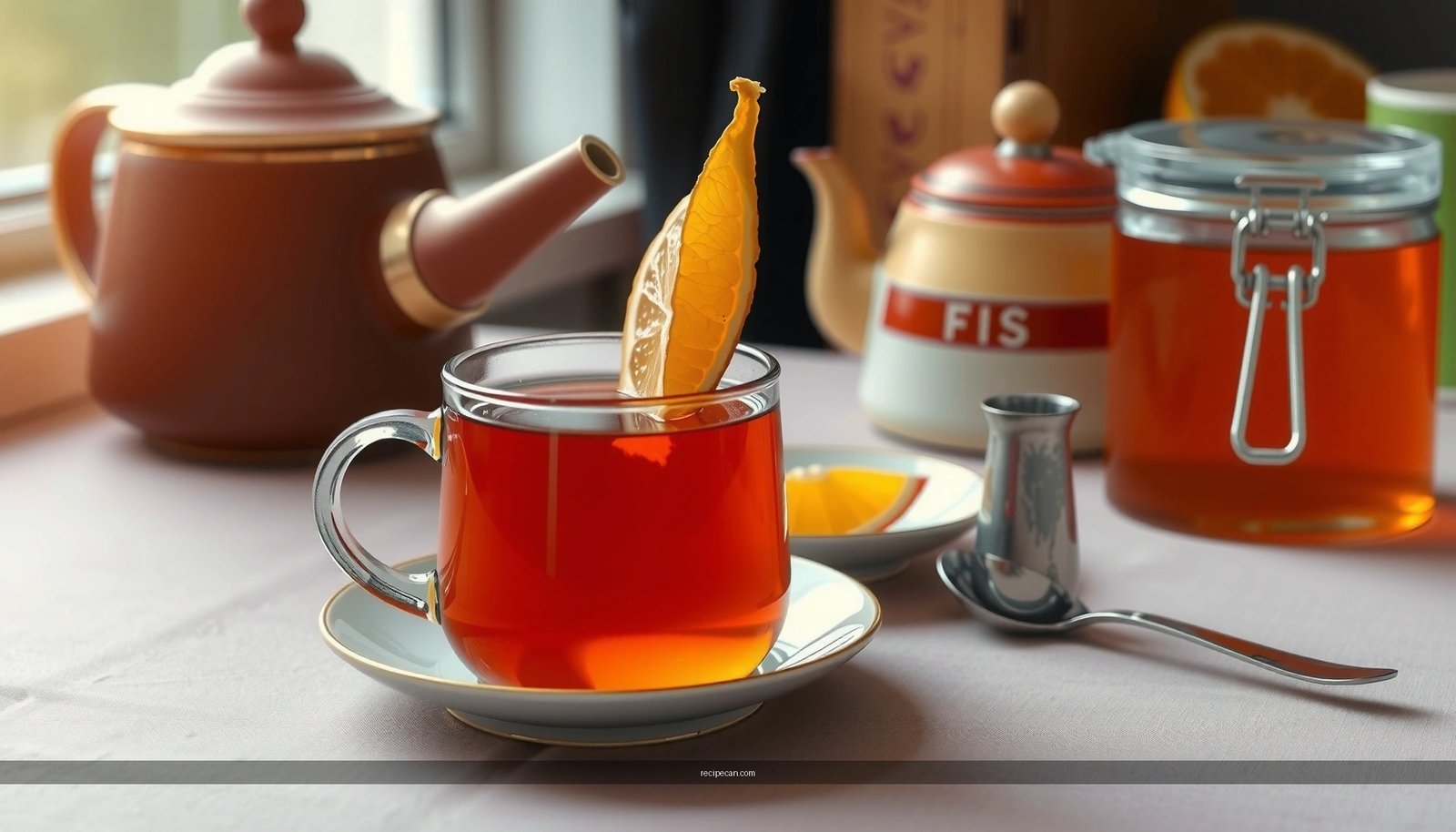
Lemon brightens saffron’s floral notes and can make the tea feel more “open.” Honey adds warmth and smooth sweetness.
Saffron Thread-to-Strength Guide (For ~250 ml Tea)
| # | Target Style | Threads (approx.) | Steep Time | Aroma & Color | Strength Rating |
|---|---|---|---|---|---|
| 1 | Light & floral (start here) | 6–8 threads | 5 minutes | Pale-golden | ★★★★☆ |
| 2 | Classic everyday cup | 10–12 threads | 6–7 minutes | Golden amber | ★★★★★ |
| 3 | Stronger aroma (morning) | 14–16 threads | 7–8 minutes | Deep golden | ★★★★★ |
| 4 | Creamy milk tea | 10–12 threads | 6–8 minutes | Warm amber, softer edges | ★★★★☆ |
| 5 | Herbal-balanced (with lemon) | 8–10 threads | 6 minutes | Golden with bright finish | ★★★★☆ |
| 6 | Very strong (late evening) | 18–20 threads | 8–10 minutes | Bold amber | ★★★☆☆ |
| 7 | Over-extracted (avoid) | 20+ threads | 10+ minutes | Dark, can taste harsh | ★★☆☆☆ |
How to Prepare Saffron Tea (Step-by-Step)

A reliable saffron tea recipe is less about complex technique and more about controlling extraction. Follow these steps to get repeatable color, aroma, and balance.
– Steep threads in hot water for 5–10 minutes until the tea turns golden
1. Warm your water (or milk) until it’s hot but not boiling.
2. Add saffron threads directly to the hot liquid.
3. Steep 5–10 minutes, stirring once at the halfway mark to help even extraction.
As the tea steeps, watch for the liquid to shift from pale to golden amber. That color change is a practical indicator that the flavor compounds are dissolving into the liquid.
– Strain (optional) and adjust sweetness to taste
If you prefer a smoother drink, strain out the threads using a fine mesh strainer.
Then taste and sweeten gradually—especially if you’re using honey, because it can quickly move the tea from “balanced” to “too sweet.”
Pro approach for consistency (especially for larger batches):
If you’re serving multiple cups, steep saffron in a larger quantity, then portion into mugs. This reduces cup-to-cup variability.
Flavor Boosters and Variations
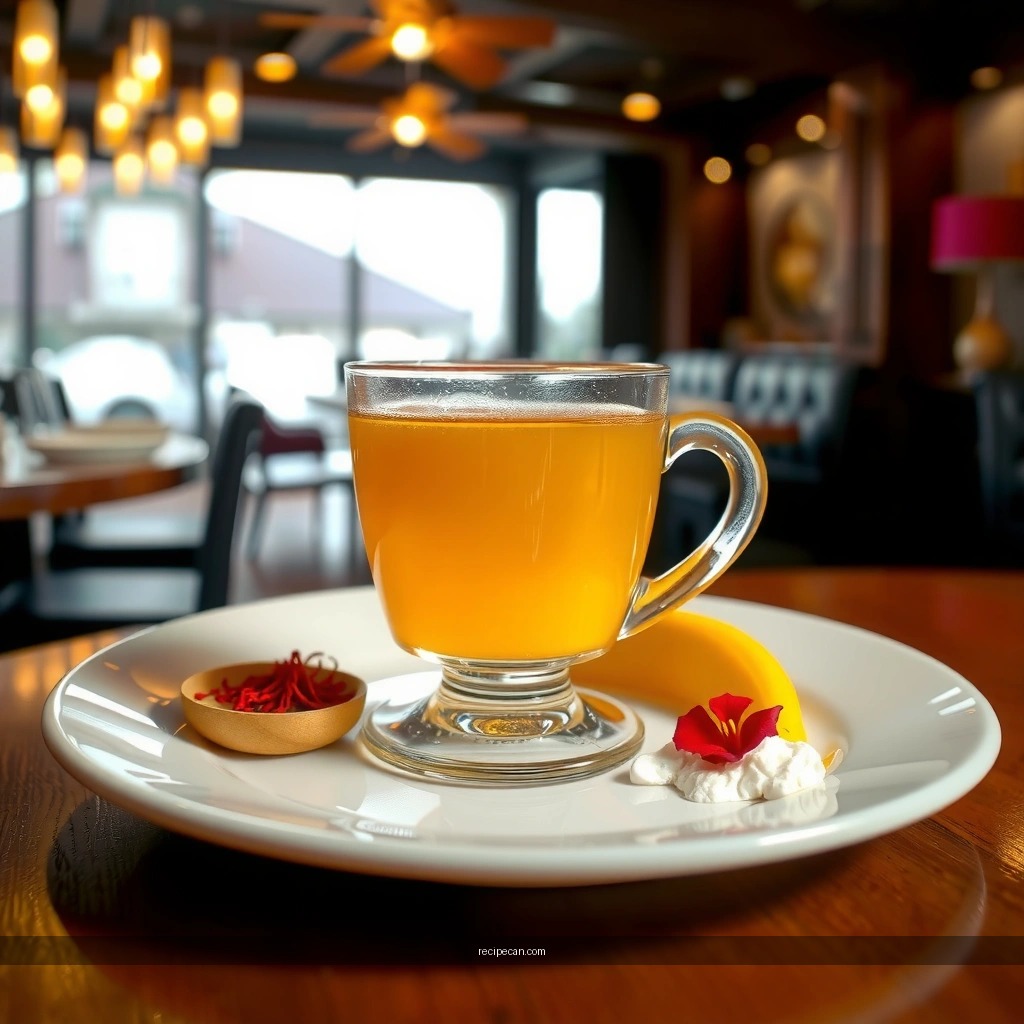
Saffron tea is naturally aromatic, which makes it an excellent base for small, targeted improvements rather than heavy modifications. The goal is to highlight saffron—not overpower it.
– Try adding honey, lemon, or cardamom for extra aroma
– Honey: Add after steeping. Honey rounds the floral notes and creates a gentle sweetness that doesn’t mask saffron.
– Lemon: Add a squeeze or a few drops right before serving. Lemon’s acidity helps the tea feel brighter and can reduce any perception of bitterness if you steeped a touch too long.
– Cardamom: A pinch of ground cardamom (or a lightly crushed pod) complements saffron’s warm, resinous character. Add it during steeping for best integration.
– Use milk for a creamier, dessert-like saffron tea
When using milk, keep heat gentle. Milk proteins can change how aromatics present themselves, making the tea taste more “silky.” For a premium effect, use whole or at least 2% milk.
Variation idea to match your preference:
– If you want a calming, bedtime-friendly cup: milk + honey + a tiny pinch of cardamom.
– If you want a light, refreshing version: water + lemon + optionally a touch of honey.
Best Water Temperature and Steeping Time

Saffron’s flavor is delicate. If the temperature is too high or steeping is too long, you can extract notes that feel heavier or slightly bitter. The “sweet spot” comes from controlled heat and time.
– Use hot (not boiling) water to preserve delicate aroma
Boiling can be too aggressive for threads because the heat can drive extraction faster than you can control. Instead, heat water until steaming and hot to the touch of the kettle spout—then pour and steep.
– Increase steeping slightly for a stronger flavor without bitterness
If your tea tastes faint:
– Increase steeping by 1–2 minutes first (e.g., 5 minutes to 6–7 minutes).
– Keep thread quantity modest. Over-adding threads often leads to a darker cup with diminishing returns.
A practical rule for consistent results: choose either a slightly longer steep *or* slightly more threads, but not both at once. That keeps your cup balanced.
Serving Suggestions
Saffron tea is flexible enough for both quiet, restorative routines and lighter social moments. Serve it in a way that supports the flavor profile you’re aiming for.
– Serve hot or let it cool for an easy iced saffron tea
To make iced saffron tea:
1. Brew as usual.
2. Cool to room temperature.
3. Pour over ice and stir.
If you added honey, ensure it fully dissolved during the initial steep so you don’t get sweetness that clumps at the bottom.
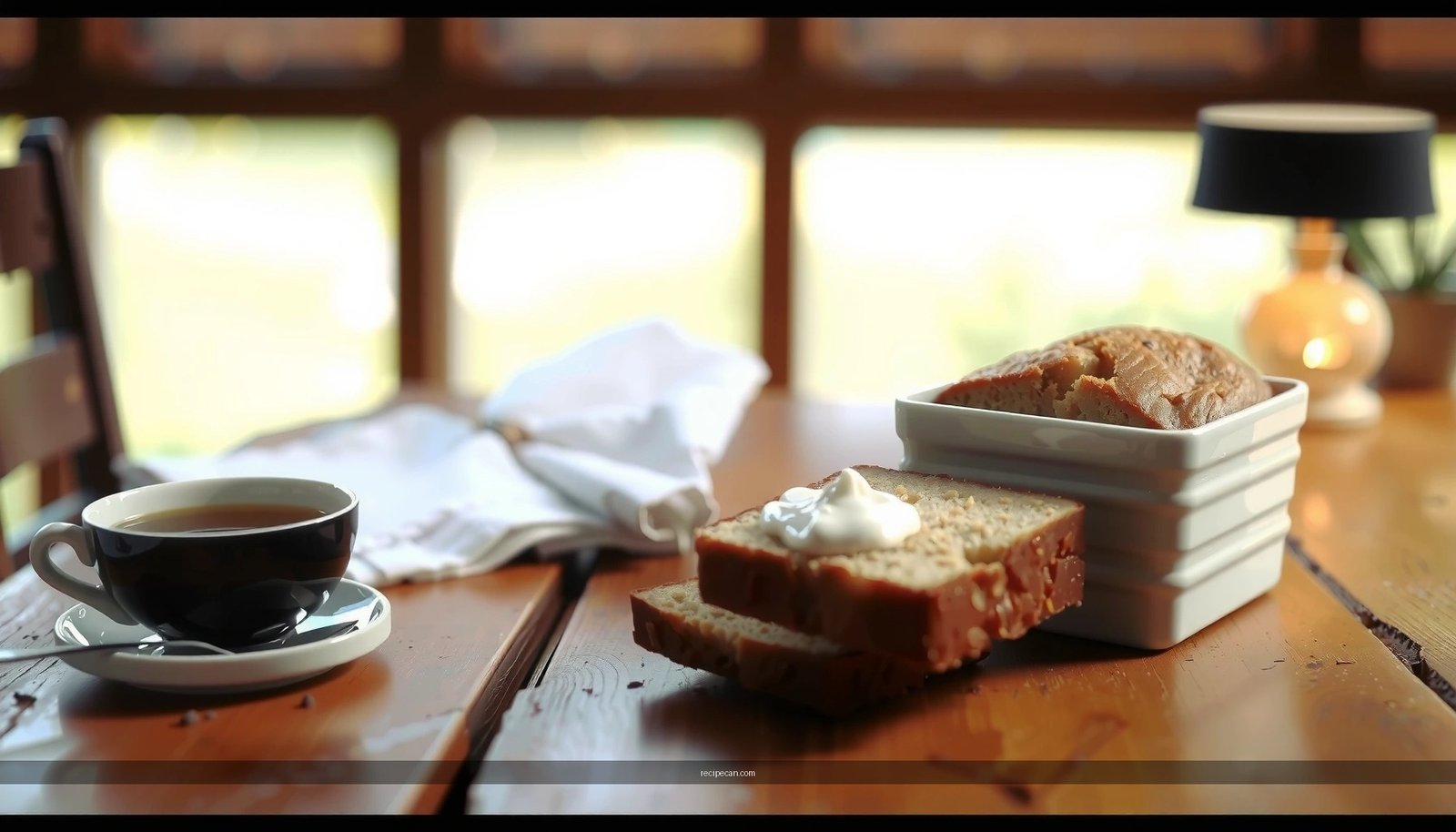
– Pair with light snacks or enjoy as a calming evening drink
Saffron tea pairs especially well with:
– Light pastries (e.g., almond cookies) to complement the nutty floral aroma
– Fresh fruit (citrus berries) when served with lemon
– Unsweetened or lightly sweet snacks if your tea already includes honey
For a business-audience “hosting” angle: saffron tea is visually appealing (golden color) and feels premium without requiring brewing complexity—an ideal option when you want something elegant but repeatable.
Storage and Reheating Tips
Saffron tea can be stored, but to preserve aroma and color, handle it like a delicate infusion. The goal is to prevent extended oxidation and avoid overheating.
– Store leftover tea in the fridge and consume within 1–2 days
Cool quickly after brewing, then refrigerate in a sealed container. Freshness matters because saffron aromatics are noticeable when freshly steeped and can fade after a day or two.
– Reheat gently to maintain saffron flavor and color
Reheat on low heat or in short bursts if using a microwave. Avoid bringing it to a hard boil—gentle warming helps keep the golden hue and prevents the flavor from turning flatter.
If you prefer batch brewing: brew, cool, refrigerate, and reheat only the amount you plan to drink. This reduces repeated temperature cycling.
Saffron tea is quick to make: steep a pinch of saffron threads in hot water, adjust sweetness, and customize with honey, lemon, or milk. Follow the steps for the right steeping time and temperature, then try a variation you’ll enjoy—make your first cup today and tweak it to your taste.
By mastering three variables—thread amount, hot-but-not-boiling temperature, and a controlled 5–10 minute steep—you’ll consistently produce a fragrant, golden saffron tea at home. Whether you serve it hot, iced, or milk-based, these techniques help you extract the best flavor without overdoing it, so each cup tastes intentional, balanced, and soothing.
Frequently Asked Questions
How do I make saffron tea at home from scratch?
To make saffron tea, steep a pinch of saffron threads in hot water for 5–10 minutes to release color and flavor. Start with 1–2 cups water (or water for one mug), bring it to a gentle simmer, then turn off the heat before adding saffron to avoid bitterness. Optionally add honey or lemon after steeping, and strain if needed for a smooth drink.
What is the best ratio of saffron to water for saffron tea recipe results?
A good starting point is about 10–20 saffron threads per cup, or roughly 0.1–0.2 grams if you measure by weight. Because saffron strength varies by quality, steeping time matters—try 5 minutes for a mild cup and 10–12 minutes for a more aromatic saffron tea. If it tastes too strong or bitter, reduce threads or shorten steeping time.
Why does saffron tea taste bitter, and how can I prevent it?
Bitterness usually happens when saffron is added to water that’s too hot and boiled too long, or when the threads aren’t steeped briefly enough to balance flavor. For a smoother saffron tea recipe, remove the pot from heat first, steep covered, and avoid prolonged simmering. Using fresh, high-quality saffron and straining after steeping can also improve taste.
Which ingredients pair well with saffron tea, like honey, milk, or lemon?
Saffron tea pairs well with honey for a soothing sweetness and lemon for brightness, which complements saffron’s floral notes. For a creamier version, you can blend saffron tea with warm milk (or plant milk) and add a small amount of sweetener. If you want a spiced flavor, consider adding a pinch of cardamom or cinnamon to the brew for warmth.
What are the potential benefits of drinking saffron tea, and is it safe for everyone?
Many people drink saffron tea for its calming ritual and potential wellness support, and saffron is often discussed for antioxidant content. However, saffron is potent—avoid overusing it and check with a healthcare professional if you’re pregnant, trying to conceive, or taking medications. For safety, stick to small amounts in your saffron tea recipe (like a pinch or 10–20 threads per cup) and stop if you experience adverse effects.
References
- Saffron
https://en.wikipedia.org/wiki/Saffron - Saffron | Description, Cultivation, Processing, History, & Uses | Britannica
https://www.britannica.com/plant/saffron - https://www.nccih.nih.gov/health/saffron
https://www.nccih.nih.gov/health/saffron - https://pubmed.ncbi.nlm.nih.gov/?term=saffron+tea
https://pubmed.ncbi.nlm.nih.gov/?term=saffron+tea - https://pubmed.ncbi.nlm.nih.gov/?term=saffron+infusion
https://pubmed.ncbi.nlm.nih.gov/?term=saffron+infusion - https://pubmed.ncbi.nlm.nih.gov/?term=traditional+saffron+beverage
https://pubmed.ncbi.nlm.nih.gov/?term=traditional+saffron+beverage - https://www.sciencedirect.com/search?qs=saffron%20tea
https://www.sciencedirect.com/search?qs=saffron%20tea - Google Scholar Google Scholar
https://scholar.google.com/scholar?q=saffron+tea+recipe - Google Scholar Google Scholar
https://scholar.google.com/scholar?q=saffron+infusion+tea+traditional+preparation - Google Scholar Google Scholar
https://scholar.google.com/scholar?q=saffron+tea+clinical+study