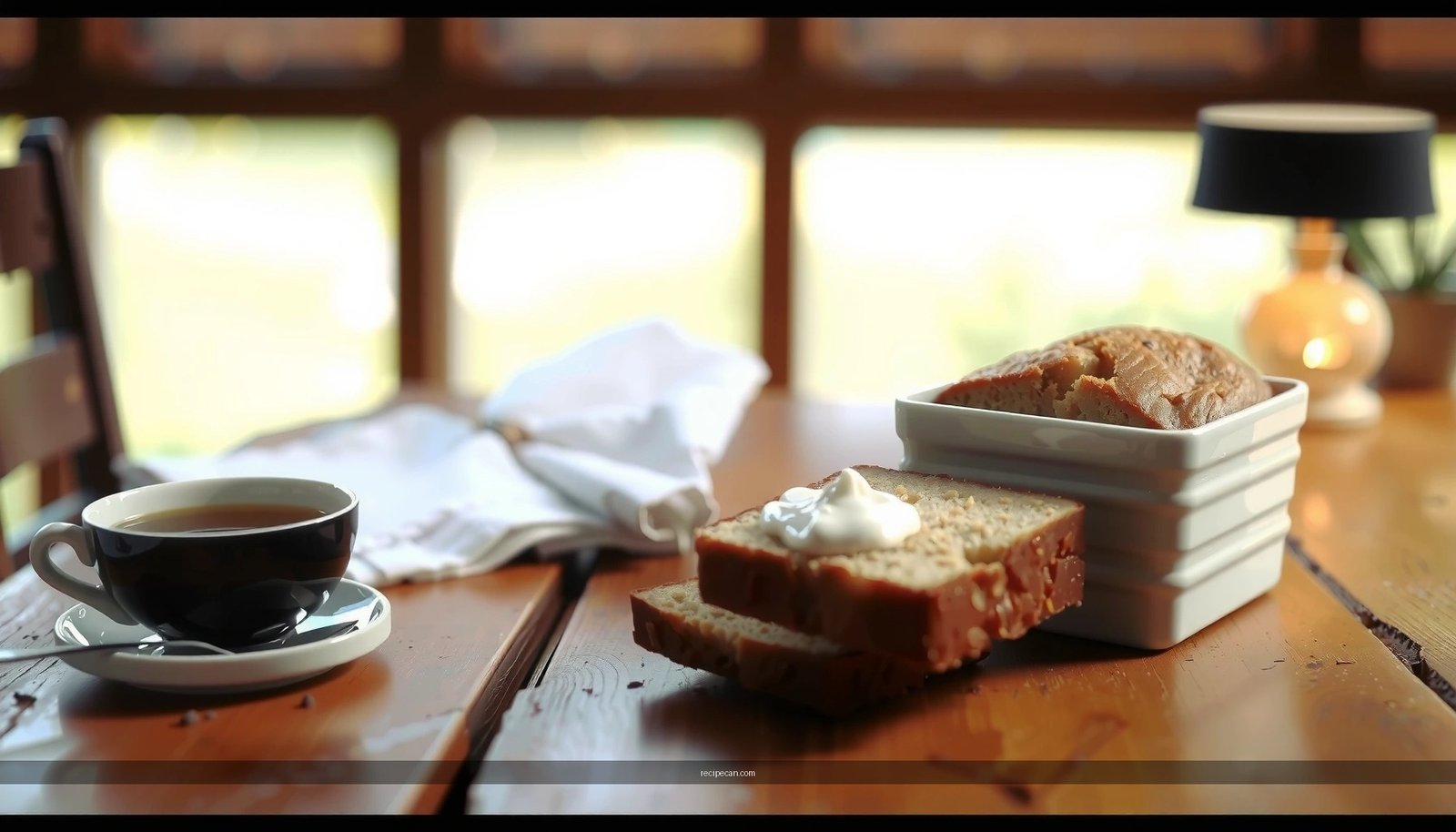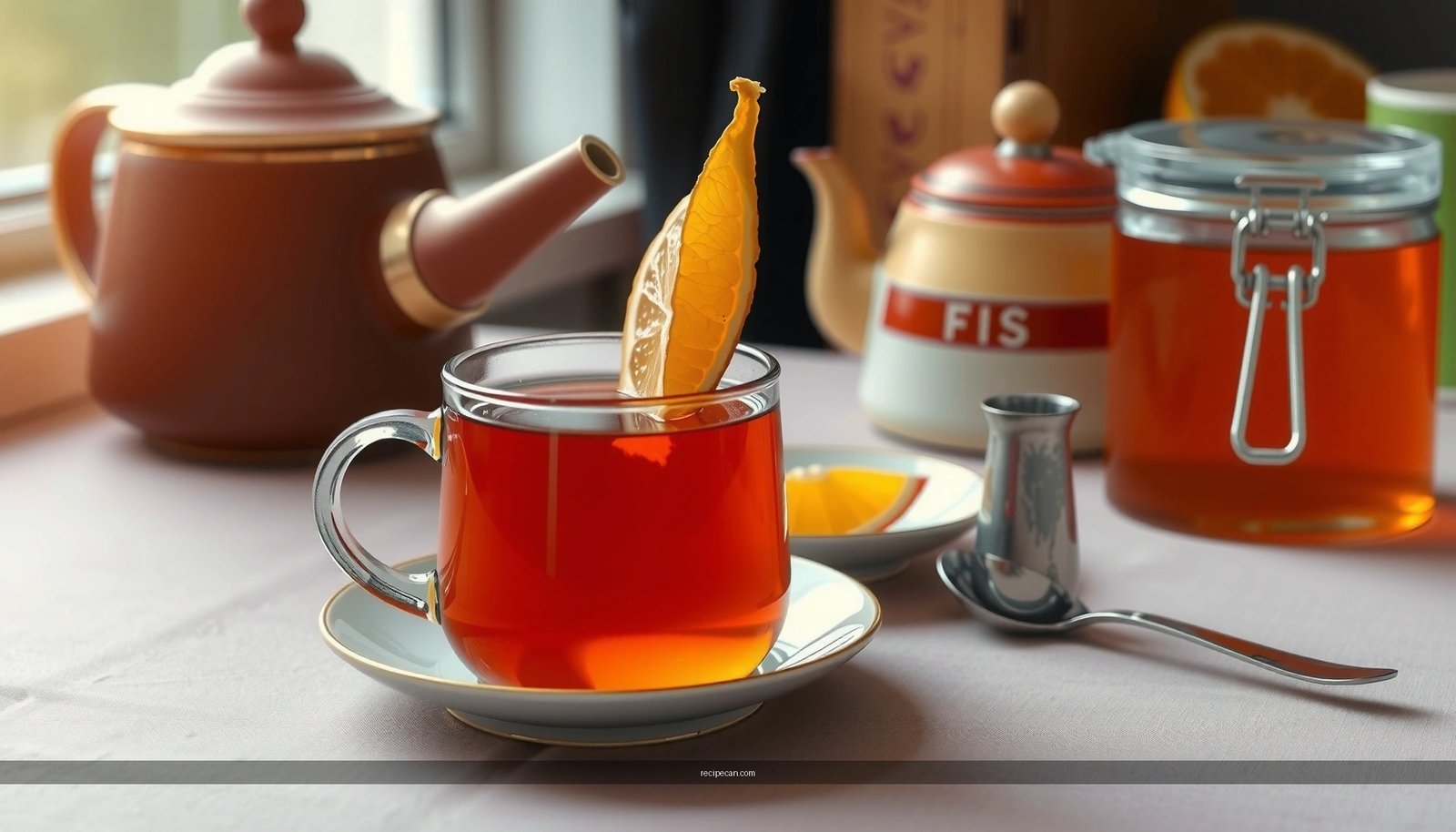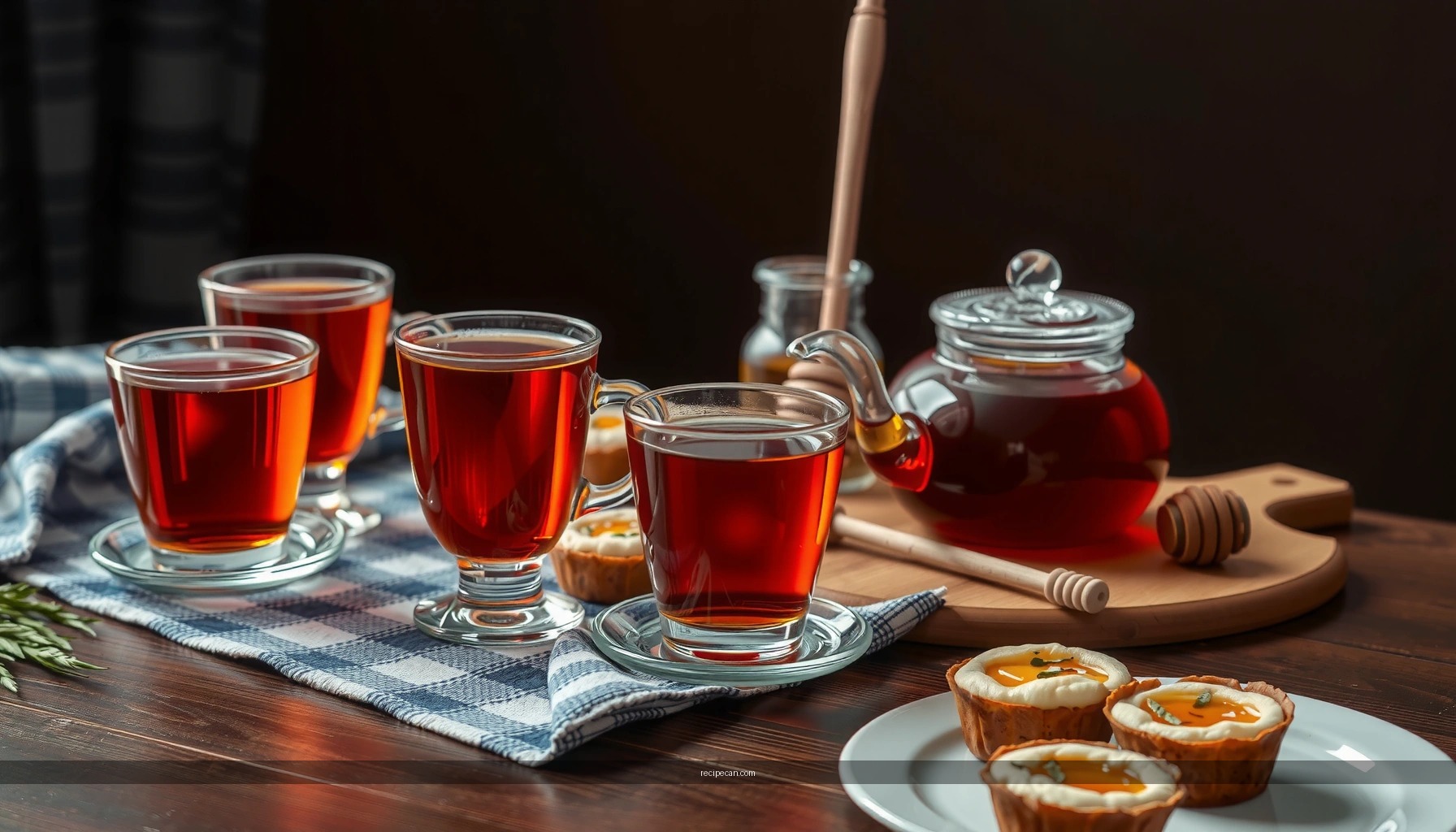
Recipes with tea are winning when you want standout flavor without complicated techniques: steeped teas, not extracts, create the base for cakes, marinades, and glazes that taste clearly of your favorite brew. This article answers which teas work best for specific recipes—like Earl Grey for citrusy desserts or smoky lapsang for savory meals—so you can cook with confidence. Expect direct, reliable ideas designed to help you turn a cup of tea into dinner or dessert fast.
Recipes with tea work because tea delivers real flavor compounds—aroma, tannins, and subtle sweetness—that you can extract with proper brewing and then use in place of (or alongside) water, broth, coffee, or dairy. In practice, the fastest path is to brew tea slightly stronger than you drink it, strain it well, and treat it like an ingredient: use it to infuse syrup, marinade proteins, or build dessert flavor with matcha, chai, or flavored black teas.
Tea can transform everyday cooking—use brewed tea, tea leaves, or tea-infused liquids to add aroma and flavor to sweet and savory recipes. In this guide, you’ll find practical ideas and easy ways to incorporate tea into cooking, from simple infusions to standout finished dishes.
Choose the Right Tea for Cooking
Selecting the right tea is less about “what sounds good” and more about matching tea chemistry to the dish you’re building. Different teas carry different profiles: black tea tends to be more tannic and malty, green tea is often grassy and delicate, and oolong sits in the middle with floral, caramel-like complexity. When you align those traits with your recipe’s ingredients, the tea becomes a genuine flavor layer—not just a background note.
– Match tea strength and flavor (black, green, oolong) to the dish type
– Black tea: great for sauces, glazes, braises, and anything that benefits from depth and gentle astringency.
– Green tea: ideal for lighter desserts, custards, and pastries where you want freshness without heaviness.
– Oolong: shines in marinades, vinaigrettes, and baked goods where you want a smoother, more aromatic profile.
– Use lighter teas for delicate flavors and bolder teas for robust meals
Think of green tea as “bright seasoning” and black tea as “structured flavor.” If your dish already has strong spices, go lighter with green or oolong so you don’t overcrowd the palate.
– Experiment with steeping time to control bitterness and aroma
Tea bitterness is largely driven by over-extraction. Start with shorter steep times (especially for green tea), then adjust. If your tea-based dish tastes harsh, the fix is usually to reduce steep time next batch or dilute the infusion.
Tea Types and Best Culinary Uses (Practical Cooking Guide)
| # | Tea Type | Typical Flavor Note | Steep Time for Cooking* | Best For (Use-Case) | Cookability Score |
|---|---|---|---|---|---|
| 1 | Assam Black Tea | Malty, brisk | 3–4 min | BBQ-style glazes & braises | 9/10 |
| 2 | Ceylon Black Tea | Bright, citrusy | 3–4 min | Lemon tea syrup & cakes | 8/10 |
| 3 | Sencha Green Tea | Grassy, clean | 1–2 min | Custards & light biscuits | 8/10 |
| 4 | Matcha (Powder) | Umami, vibrant | Whisk in warm (no steep) | Glazes & cakes (color boost) | 10/10 |
| 5 | Jasmine Green Tea | Floral aroma | 2–3 min | Poaching liquids & panna cotta | 7/10 |
| 6 | Taiwan Oolong | Toasty, floral | 3–5 min | Marinades & bread dough | 8/10 |
| 7 | Smoked Lapsang Souchong | Campfire-like smoke | 2–3 min | Stews & smoky sauce bases | 6/10 |
Steep time is a practical starting point for cooking infusions; adjust based on leaf size, quantity, and taste.
How to Brew Tea for Recipes with Tea

In tea-based cooking, the goal isn’t “perfect tea.” It’s predictable infusion strength you can scale across batches. Start with a ratio you can repeat, then adjust steeping time for the flavor intensity you want.
– Brew tea slightly stronger than you’d drink, then dilute if needed
Because many recipes—marinades, custards, sauces—get further diluted by other liquids (milk, stock, butter) or expanded by evaporation. A slightly stronger starting infusion gives you control over final flavor.
– Strain well to keep recipes smooth and consistent
Loose-leaf tea can leave micro-particles that discolor sauces or create gritty textures in desserts. A fine strainer or paper filter helps keep the infusion clean, especially for pudding, custard, and gelled drinks.
– Let infused liquids cool before adding to batters, sauces, or marinades
For baking and emulsions, temperature matters. Hot tea can seize chocolate, curdle dairy, or destabilize batters. For marinades, cooling also improves handling and helps the protein’s surface stay intact during soaking.
Practical brewing ratios (quick reference):
– For black/oolong cooking infusions: 2–3 g tea per 100 ml water (or roughly 1–2 tsp per cup), steep 3–5 minutes.
– For green tea infusions: reduce both time and heat exposure—steep 1–2 minutes and avoid letting it sit too long.
– For matcha-based recipes: whisk matcha into warm liquid (not boiling) to avoid clumps, then incorporate promptly.
Sweet Recipes with Tea (Desserts and Treats)
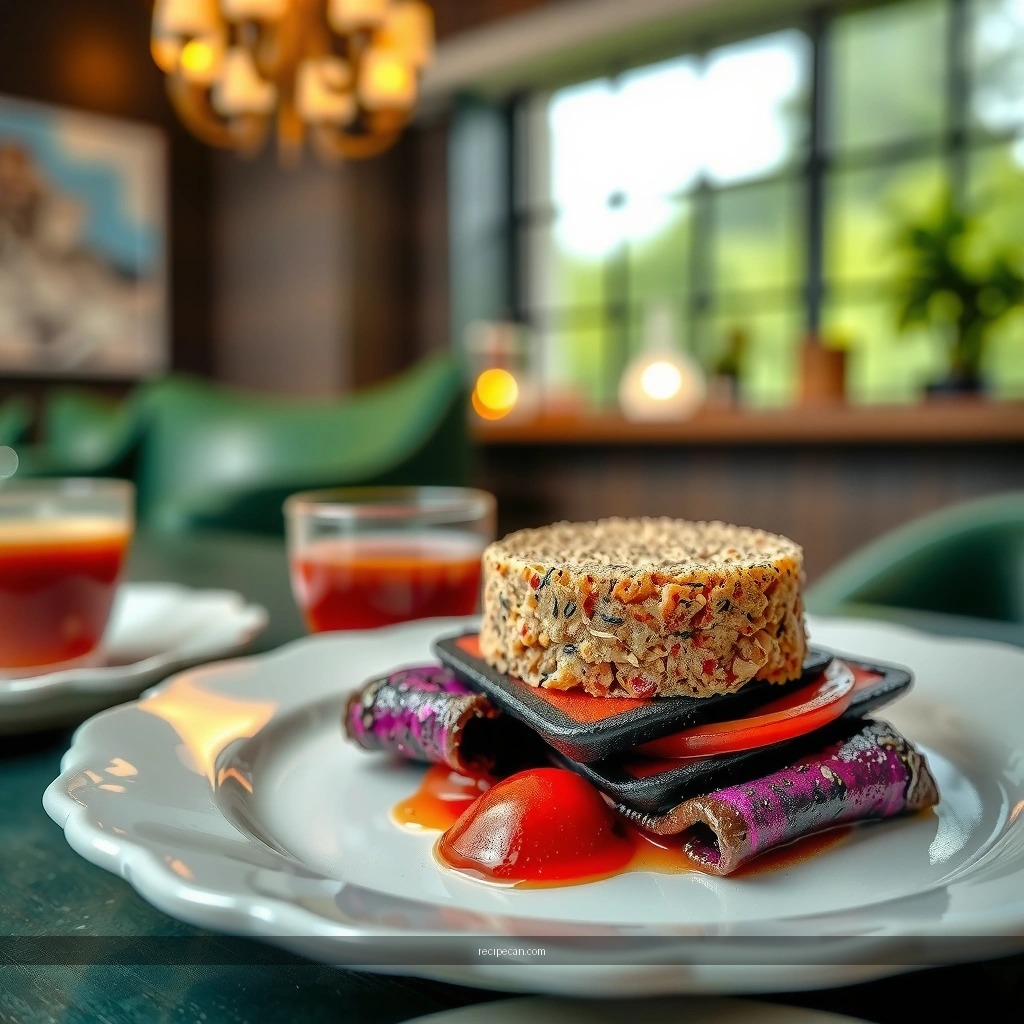
Tea elevates desserts by adding floral top notes, gentle bitterness (which improves perceived sweetness), and aromas that feel “bakery-level” without extra flavorings. If you’re new to recipes with tea, desserts are the most forgiving category because sweetness can balance tannins and variation.
– Make tea-infused cakes, cookies, and pudding with brewed tea or tea powder
Use brewed tea to replace part of the liquid in cake batter or to create a reduction syrup for soaking layers. Tea powder (like matcha or powdered chai blends) works well in batters where the goal is “flavor + color.”
– Try chai tea for warm spice flavors or matcha for vibrant color
– Chai brings cinnamon, cardamom, ginger, and clove impressions—ideal for pound cake, shortbread, or cookies.
– Matcha delivers a clean green hue and umami depth—excellent in sponge cake, financiers, or creamy frostings.
– Pair tea with complementary ingredients like citrus, vanilla, or honey
Citrus brightens tea’s aromatic notes. Vanilla rounds sharpness. Honey amplifies the caramel-like dimension of black tea and oolong, improving flavor continuity.
Actionable dessert ideas you can execute quickly:
– Earl Grey drizzle cake: Brew Earl Grey, reduce to a syrup, brush over warm cake, and finish with lemon zest.
– Matcha panna cotta: Replace part of the warm cream infusion with whisked matcha, then chill for a clean green set.
– Chai shortbread: Substitute chai infusion for some liquid components, or grind finely and blend tea spices into dough.
Savory Recipes with Tea (Meals and Marinades)
Savory recipes with tea often work because tea’s tannins and polyphenols act like a seasoning backbone—supporting browning, balancing richness, and adding a mild “aged” complexity. The key is to treat tea like you would a stock component: build a base, then reduce or emulsify to lock in flavor.
– Use tea as a flavorful base for glazes, sauces, and broths
Replace a portion of water or stock with tea infusion. Then simmer briefly to concentrate flavor. For glazes, reduction is critical: it turns tea into a sticky, glossy coating.
– Try tea-based marinades to add depth to chicken, beef, or tofu
Marinate proteins with tea infusion plus salt, aromatics, and an acid component (like citrus juice or vinegar). The result is a more aromatic crust and deeper flavor penetration.
– Use stronger black tea for smoky, umami-rich results
Assam or smoked black tea can introduce maltiness and a subtle “roasted” character that pairs naturally with soy, mushrooms, and barbecue flavors.
Concrete savory combinations to try:
– Chicken with oolong-ginger glaze: Reduce oolong tea with ginger, honey, and soy; brush during the last minutes of roasting.
– Tofu in jasmine tea marinade: Use jasmine tea infusion with garlic, sesame oil, and a touch of brown sugar for floral depth without overwhelming soy’s saltiness.
– Beef with smoky tea braise: Use smoked black tea infusion for braising liquid alongside bay leaf and black pepper; the smoke impression will mellow into the sauce.
Drinks and Quick Bites with Tea
Tea isn’t only for long-form cooking. Many of the most shareable recipes with tea are quick: infuse, reduce, and serve. This category is also where you can experiment freely—adjust sweetness, acidity, and spice without the cost of a full recipe overhaul.
– Create refreshing iced tea beverages with flavor add-ins (ginger, mint, citrus)
Brew strong tea, chill, and build flavor with fresh ginger, mint, orange slices, or a splash of lime. Use tea as the primary flavor and let add-ins work as accents.
– Bake or simmer tea into syrups for quick toppings
Tea reductions become versatile toppings for pancakes, yogurt, or simple sponge cakes. Because they concentrate aroma, a small amount goes a long way.
– Make simple tea custards or jellies for no-fuss snacks
Custards: steep tea into warm dairy, strain, then set.
Jellies: use tea infusion with gelatin or agar, then chill into elegant, portioned bites.
Quick-bite recipes that fit busy schedules:
– Iced chai tonic: Chai tea concentrate + sparkling water + lemon peel.
– Matcha syrup over fruit: Reduce matcha whisked with a little sugar and water; finish with strawberries or peaches.
Flavor Tips and Common Mistakes
Even experienced cooks run into tea-related issues—usually because tea behaves differently than typical cooking liquids. Tea infusions contain tannins and aromatic oils that can swing the final result if you don’t control extraction and balance.
– Avoid over-steeping to prevent bitterness from overpowering the recipe
If your dish tastes “dry” or harsh, shorten steeping time next batch or dilute the infusion. Green teas in particular can become bitter quickly.
– Balance tea flavors with fat, sweetness, or acidity when needed
– Fat (butter, cream, egg yolk) smooths tannins and makes flavors rounder.
– Sweetness counters perceived bitterness and emphasizes tea’s natural caramel notes.
– Acidity (lemon, lime, vinegar) brightens tea aroma and keeps sauces from tasting flat.
– Keep notes on steep time, temperature, and tea type for repeatable results
Tea is agricultural; leaves vary by harvest and blend. Cooking becomes consistent when you log your parameters—then you can predict how the next bag will behave.
Common mistake checklist (and the fix):
– Bitter dessert → reduce steep time, strain more thoroughly, or lower tea concentration.
– Cloudy sauce → filter infusion before simmering; avoid overheating matcha-based liquids.
– Flat savory flavor → reduce the tea infusion longer or add one balancing element (sweetness, salt, or acid).
Tea-based cooking is an easy way to add fresh aroma and layered flavor to both sweet and savory dishes. Start by choosing a tea you already love, brew it correctly for infusion, then try one dessert and one savory recipe this week—save your favorite combinations so your next round of recipes with tea is even better.
Frequently Asked Questions
What are the best recipes with tea for beginners?
Start with simple tea-infused drinks and no-fuss desserts like lemon-ginger iced tea, honey chai iced latte, or matcha overnight oats. For baking, try a basic earl grey tea cake or a black tea–poached pear that doesn’t require complicated techniques. These recipes use tea flavor naturally and are forgiving if you’re new to cooking with tea.
How can I use tea in desserts without making them bitter?
Use stronger tea leaves and shorter steeping times, then strain well so you don’t end up with harsh tannins. Choose milder teas like jasmine, oolong, or rooibos for sweet recipes, and sweeten appropriately to balance tea bitterness. You can also steep the tea in warm liquid (milk, cream, or syrup) and then remove the leaves before mixing into your batter for smoother flavor.
Which tea works best for savory cooking and marinades?
For savory recipes, black tea and lapsang souchong work great in marinades because they add depth and smoky notes, especially with beef, chicken, or tofu. Green tea can be used for lighter marinades or glazes, while rooibos is a good caffeine-free option that adds mild sweetness. Try using brewed tea as part of a braise liquid or to create an aromatic sauce base.
Why do tea recipes taste better when you brew tea first?
Brewing tea first helps you control the intensity and ensures consistent tea flavor across the recipe. Instead of adding dry tea directly, steep it in the liquid you’re using (water, milk, or broth) and then remove the leaves so the flavor distributes evenly. This approach prevents bitterness and makes recipes with tea more predictable every time.
How do I make tea-infused drinks like boba, chai, or iced tea at home?
Brew your tea concentrate first, then chill it quickly for iced tea or combine it with milk and spices for chai. For boba-style drinks, cook tapioca pearls according to package directions, then simmer them briefly in a simple syrup made from sugar and a little brewed tea for extra flavor. Finish with the right tea-to-milk ratio and adjust sweetness so your homemade recipes with tea taste balanced, not watery.
References
- Chai
https://en.wikipedia.org/wiki/Chai - Teh tarik
https://en.wikipedia.org/wiki/Teh_tarik - Bubble tea
https://en.wikipedia.org/wiki/Bubble_tea - Milk tea
https://en.wikipedia.org/wiki/Milk_tea - Matcha
https://en.wikipedia.org/wiki/Matcha - Teacake
https://en.wikipedia.org/wiki/Tea_cake - How to make iced tea | Good Food
https://www.bbcgoodfood.com/howto/guide/how-make-iced-tea - Google Scholar Google Scholar
https://scholar.google.com/scholar?q=tea+recipes+chai+bubble+tea+matcha+culinary - Google Scholar Google Scholar
https://scholar.google.com/scholar?q=green+tea+recipes+baking+desserts+matcha+cakes - Google Scholar Google Scholar
https://scholar.google.com/scholar?q=tea+beverage+preparation+technique+infusion+ratios+study