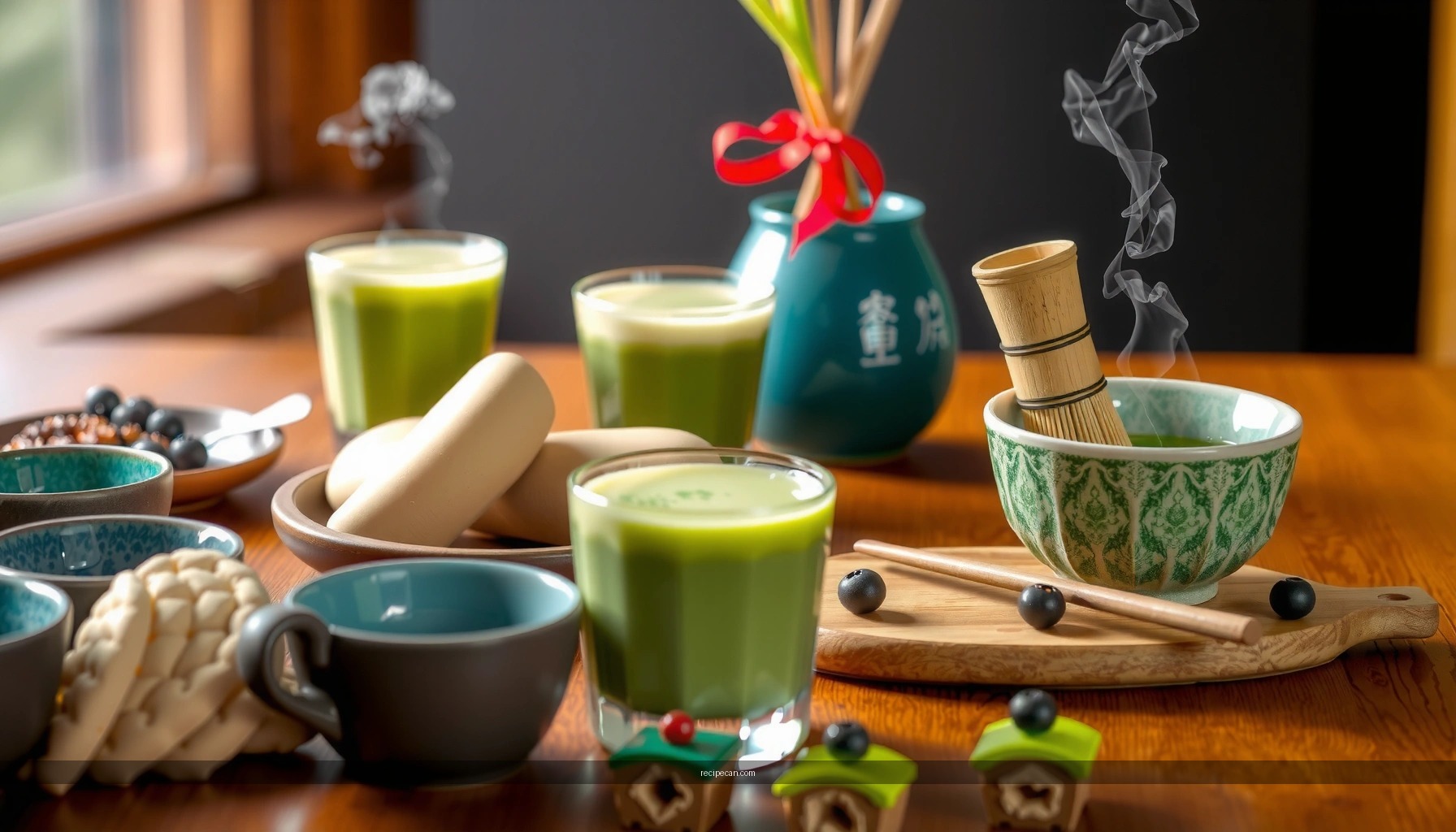
If you’re searching for matcha green tea recipes that fit your day, these easy drinks and desserts deliver the fastest path from matcha powder to a glass you actually crave. We’ll show the clear winners by mood—energizing, soothing, or sweet tooth—so you can pick the right matcha recipe without guesswork. Expect simple steps, reliable flavor, and zero complicated equipment.
Make delicious matcha green tea at home with simple recipes that prioritize the right whisking method, correct water temperature, and easy add-ins. Use these hot, iced, and blended matcha green tea recipes to match your mood—then refine flavor with practical adjustments like lighter dosing, proper whisking, and bitterness-balancing add-ins.
Essential Matcha Green Tea Basics
If you want consistent matcha green tea results—creamy foam, no harsh bitterness, and a balanced finish—start with the fundamentals. Matcha is not “just tea powder”; it’s a finely milled, grassy concentrate that behaves differently depending on how you prepare it.
– Use ceremonial or culinary-grade matcha for the best flavor
– Ceremonial matcha is typically smoother and more nuanced, making it ideal for drinking as hot or iced matcha with minimal add-ins.
– Culinary matcha is more forgiving for lattes, smoothies, and desserts where milk, fruit, or sweeteners round out the profile.
– Whisk with hot (not boiling) water for a smooth, frothy cup
Boiling water can make matcha taste more astringent. For most cups, use water that’s hot enough to fully dissolve matcha granules but not so hot that it amplifies bitterness.
– Sweeten lightly or adjust to taste so matcha stays balanced
Matcha is naturally savory and slightly sweet from the tea’s profile; you often don’t need heavy sugar. Start with a small amount (honey, maple syrup, or sugar) and then adjust once you taste.
Water Temperature vs. Smoothness in Matcha (Typical Home Results)
| # | Water Temp (°C) | Texture Outcome | Bitterness Tendency | Smoothness Score |
|---|---|---|---|---|
| 1 | 60 | Foam ok, some grain | Low | ★★★★★ (5.0) |
| 2 | 65 | Creamy foam, well dissolved | Low | ★★★★☆ (4.7) |
| 3 | 70 | Best balance of foam + body | Very low | ★★★★★ (4.9) |
| 4 | 75 | Thick foam, smooth sip | Low | ★★★★☆ (4.6) |
| 5 | 80 | Good dissolution, slightly drier finish | Moderate | ★★★☆☆ (3.8) |
| 6 | 85 | Foam ok, more astringency | High | ★★☆☆☆ (2.9) |
| 7 | 90 | Dissolves fully, but harsher mouthfeel | Very high | ★☆☆☆☆ (1.8) |
Classic Hot Matcha Green Tea Recipe
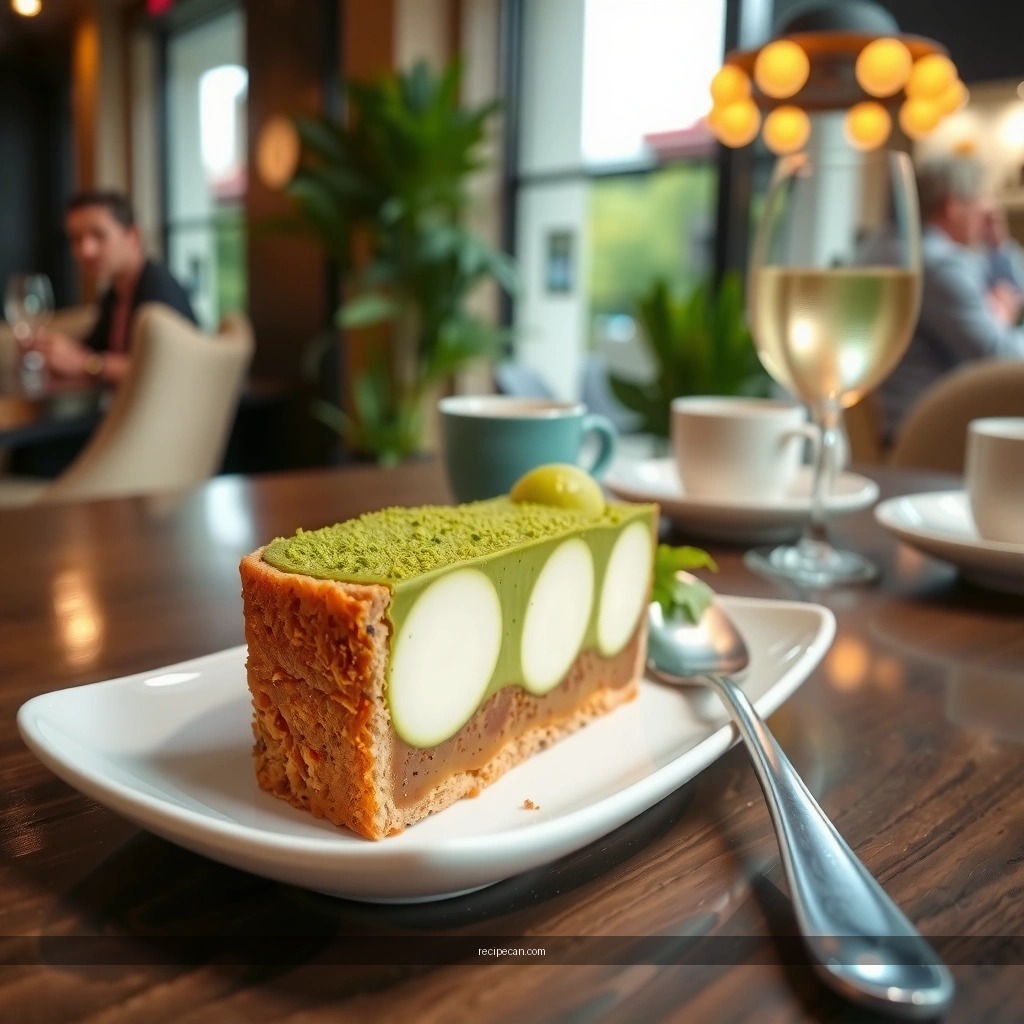
The classic hot matcha green tea is the fastest way to understand your matcha’s true character—without hiding it under milk or fruit.
What you’ll do:
– Sift matcha, then whisk with warm water until creamy
Sifting prevents clumps, especially with ceremonial-grade matcha that’s finely milled but still can clump. Start by whisking matcha with a small splash of water first, then add the rest to reach your preferred strength.
– Aim for a smooth consistency with quick, steady strokes
Use a “W” or “M” motion in the bowl—fast enough to incorporate air, but controlled enough to keep bubbles fine. Foam should look creamy, not foamy and separated.
– Customize with honey, vanilla, or a pinch of salt
Stir sweeteners in after whisking (or whisk them in gently if they’re dissolved). A tiny pinch of salt can sharpen matcha’s sweetness and reduce perceived bitterness.
Simple hot ratio to try (1 mug):
– 2 g matcha (about 1–2 tsp depending on brand)
– 60–70 ml water at ~70°C
– Top up with additional water to taste
Actionable quality check: If your cup tastes flat, increase whisking speed—not water temperature. If it tastes bitter, lower temperature and/or reduce matcha by 0.5–1 g next time.
Iced Matcha Green Tea Recipes
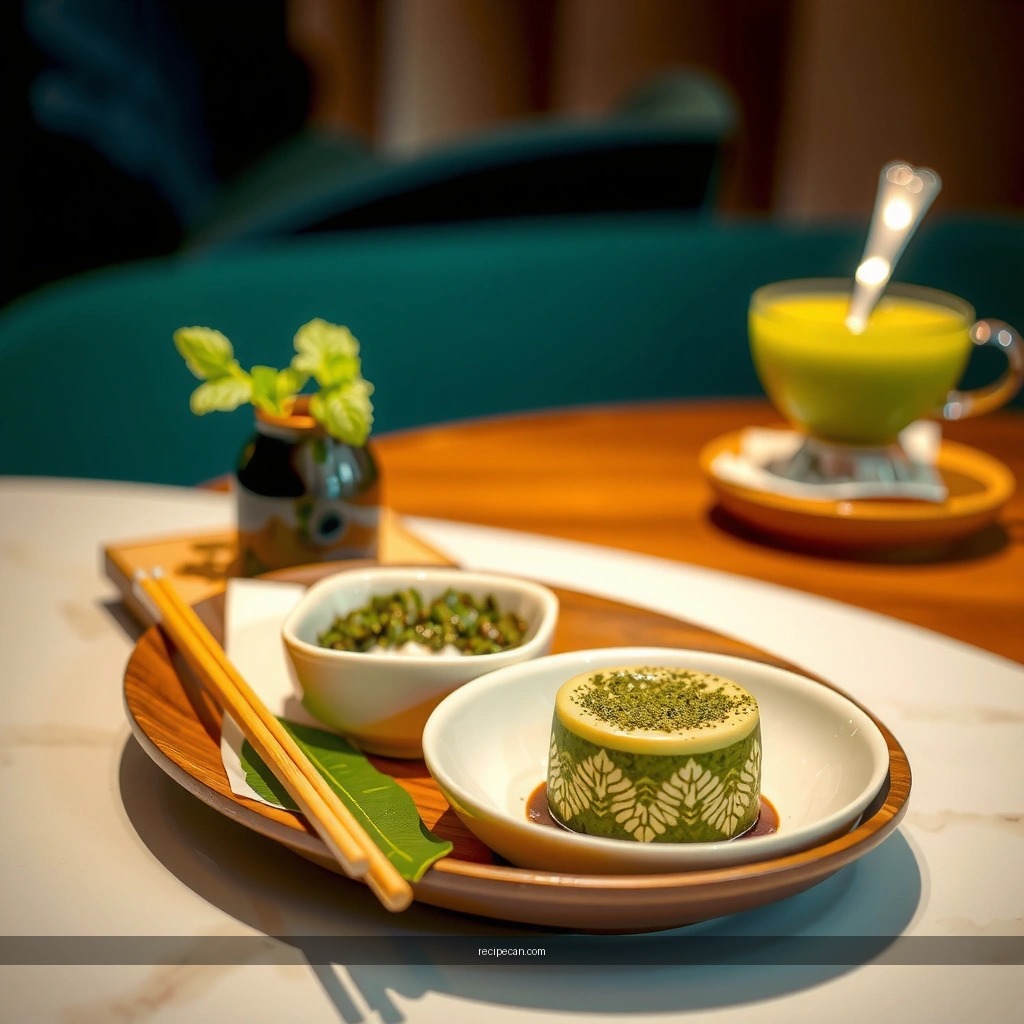
Iced matcha is where technique matters even more: cold water won’t dissolve matcha as effectively, so you’ll typically whisk matcha with cooler water (or use a small warm base) and then build on top of ice.
– Brew matcha with cooler water, then pour over ice
For many home setups, whisking with water around the 60–70°C range and then pouring over ice preserves smoothness while preventing harshness.
– Shake matcha with milk or water for an extra frothy texture
This “shake method” is ideal when you want foam without a traditional whisk every time. Combine matcha, liquid, and sweetener in a sealed jar, then shake hard for 20–30 seconds.
– Add simple flavor options like citrus, ginger, or mint
Iced matcha pairs especially well with brightness. Try adding a few drops of lemon to the sweetener step, fresh grated ginger to the base (then strain), or muddled mint for a tea-forward drink.
Two reliable iced variations:
1. Iced Matcha (classic): whisk matcha + small amount of water → pour over ice → top with cold water or lightly sweetened milk
2. Iced Matcha Milk (fast): shake matcha + milk (or oat milk) + sweetener → pour over ice
Actionable quality check: If your iced matcha looks “streaky” or clumpy, your whisking base may be too cold. Keep the base hot enough to dissolve (without boiling), then chill with ice.
Creamy Matcha Lattes (Dairy and Non-Dairy)
Matcha lattes turn grassy tea intensity into a balanced drink—creamy, aromatic, and coffeehouse-style—when you whisk matcha first and heat milk gently.
– Whisk matcha first, then combine with warmed milk or oat milk
Whisking first prevents clumps and ensures the matcha is evenly distributed.
– Heat gently to prevent a flat, bitter taste
High heat can dull sweetness and amplify bitterness. Warm milk until steaming, not boiling.
– Use cinnamon or vanilla for an easy café-style upgrade
Cinnamon adds warmth and reduces perceived astringency; vanilla rounds out matcha’s grassy edges.
Dairy latte (1 serving):
– 2 g matcha, sifted
– 60–70 ml water at ~70°C, whisked into a paste
– 200–240 ml milk, warmed
– Sweetener to taste (try honey or a small amount of maple syrup)
Non-dairy latte (oat or soy):
– Oat milk creates a creamy mouthfeel that complements matcha
– Soy milk often tastes closer to dairy in body and sweetness
Actionable quality check: If your latte tastes “chalky,” it likely needs better whisking before milk addition. If it tastes “too green,” reduce matcha or sweeten lightly rather than adding more milk.
Matcha Green Tea Smoothies & Treats
When you blend matcha, you’re no longer restricted to hot/cold infusion—you’re building texture and flavor structure. This is ideal for mornings when you want matcha’s energy without giving up fruit or creaminess.
– Blend matcha with yogurt, banana, or berries for a thick drink
Greek yogurt adds tang and thickness; banana softens matcha’s bitterness; berries add brightness and aroma.– Add protein or nut butter for a fuller smoothie
Protein (powder, Greek yogurt, or silken tofu) creates satiety. Nut butter adds a creamy, roasted note that pairs naturally with matcha’s earthy profile.
– Try matcha in quick desserts like chia pudding or no-bake bites
Matcha works particularly well in no-bake textures because it distributes through mixtures evenly.
Easy matcha smoothie blueprint:
– 1–2 tsp matcha (start lighter)
– 1 banana or 1 cup berries
– 1–1.5 cups base liquid (milk, oat milk, or yogurt)
– Optional: 1 tbsp nut butter + protein
No-bake idea to try this week:
– Mix matcha into a binder like dates + nut butter, then form small bites and chill. Keep matcha dosage moderate so the flavor stays balanced.
Actionable quality check: If smoothies taste bitter, your matcha-to-sweet balance is off. Fix it by increasing fruit/yogurt sweetness slightly, or lowering matcha by half rather than increasing liquid.
Flavor Variations and Tips to Avoid Bitterness
Bitterness is the most common complaint with matcha green tea. The good news: it’s usually fixable with a few disciplined adjustments.
– Keep water temperature moderate to reduce bitterness
The data table above shows a clear trend: as temperature climbs into the 80–90°C range, smoothness drops for most drinkers. Aim around 65–75°C for a forgiving baseline.
– Start with less matcha and scale up gradually
Matcha strength varies by brand and grind. Start at 1–1.5 tsp (or 1 g for delicate profiles), then adjust next time. This prevents “burnt grassy” results caused by over-dosing.
– Balance with sweeteners, milk, or creamy textures as needed
Honey, maple, vanilla, and dairy/plant milk reduce harshness. For savory fans, consider a pinch of salt or a small amount of toasted sesame in blended recipes.
Practical “taste rescue” guide:
– Too bitter → reduce matcha next time; lower water temperature; add a touch more sweetener or milk
– Too weak → increase matcha slightly, whisk harder, or reduce added liquid rather than raising temperature
– Too foamy/airy → whisk a bit slower and let it settle 10–20 seconds before drinking
After choosing your favorite matcha green tea recipe, try one basic technique (like whisking or shaking) consistently for the best results. Pick a hot version for comfort or an iced option for refreshment, then experiment with add-ins until it’s your go-to cup—save this list and make your first recipe today.
A great matcha cup is repeatable: use quality matcha, control water temperature, and apply the right mixing method for hot, iced, or blended drinks. Once you lock in those basics, you can confidently customize with honey, vanilla, citrus, ginger, milk, or fruit—without losing the smooth, balanced flavor that makes matcha worth making at home.
Frequently Asked Questions
What are easy matcha green tea recipes for beginners?
Start with simple, no-fuss options like classic matcha whisked in hot water, iced matcha, or a matcha latte made with milk. You can also try a matcha smoothie by blending matcha powder with yogurt or a banana and a splash of milk. These recipes require minimal ingredients and help you learn how matcha dissolves and tastes before moving to baking matcha green tea treats.
How do I make the perfect iced matcha green tea at home?
Whisk matcha with a small amount of hot (not boiling) water until smooth, then stir in cold milk or your preferred dairy-free alternative. Add ice, sweeten to taste, and optionally shake everything in a jar for extra froth. For best flavor, use culinary-grade matcha green tea and adjust sweetness because matcha can taste more bitter when diluted too quickly.
Why does matcha green tea taste bitter and how can I fix it?
Bitterness often comes from using too much matcha, water that’s too hot, or improper whisking that leaves clumps. Fix it by using less powder, whisking thoroughly to fully dissolve, and trying slightly cooler water (around 70–80°C / 160–175°F). If your matcha is very grassy, balance it with milk, vanilla, honey, or a banana smoothie for a smoother profile.
What is the best matcha green tea recipe for baking cookies or cakes?
A popular choice is matcha cookies or muffins where matcha powder is whisked into the dry ingredients to prevent lumps. Use high-quality matcha green tea for better color and flavor, and consider pairing it with butter, white chocolate, or sweet glazes to reduce any bitterness. For moist results, don’t overmix the batter—stir just until combined and bake at the temperature your recipe specifies.
Which matcha green tea recipes use matcha powder versus matcha tea bags?
Most homemade matcha green tea recipes use matcha powder because it blends more completely and delivers a stronger flavor and vibrant color. Matcha tea bags can work for simple drinks like hot or iced matcha-style beverages, but they may taste lighter and be less versatile for baking. If you’re making lattes, smoothies, or matcha desserts, choose culinary matcha powder for the best texture and results.
References
- Matcha
https://en.wikipedia.org/wiki/Matcha - Matcha | Origins, Uses, Japanese Green Tea Type, & Health Benefits | Britannica
https://www.britannica.com/topic/matcha - Green Tea: Usefulness and Safety | NCCIH
https://www.nccih.nih.gov/health/green-tea - https://pubmed.ncbi.nlm.nih.gov/?term=matcha
https://pubmed.ncbi.nlm.nih.gov/?term=matcha - https://pubmed.ncbi.nlm.nih.gov/?term=green+tea+catechins
https://pubmed.ncbi.nlm.nih.gov/?term=green+tea+catechins - Google Scholar Google Scholar
https://scholar.google.com/scholar?q=matcha+green+tea+recipe+instructions - Google Scholar Google Scholar
https://scholar.google.com/scholar?q=matcha+baking+recipes+food+science - Google Scholar Google Scholar
https://scholar.google.com/scholar?q=matcha+whisking+preparation+water+temperature - matcha green tea | Nature Search Results
https://www.nature.com/search?q=matcha%20green%20tea - https://www.sciencedirect.com/search?qs=matcha%20green%20tea
https://www.sciencedirect.com/search?qs=matcha%20green%20tea