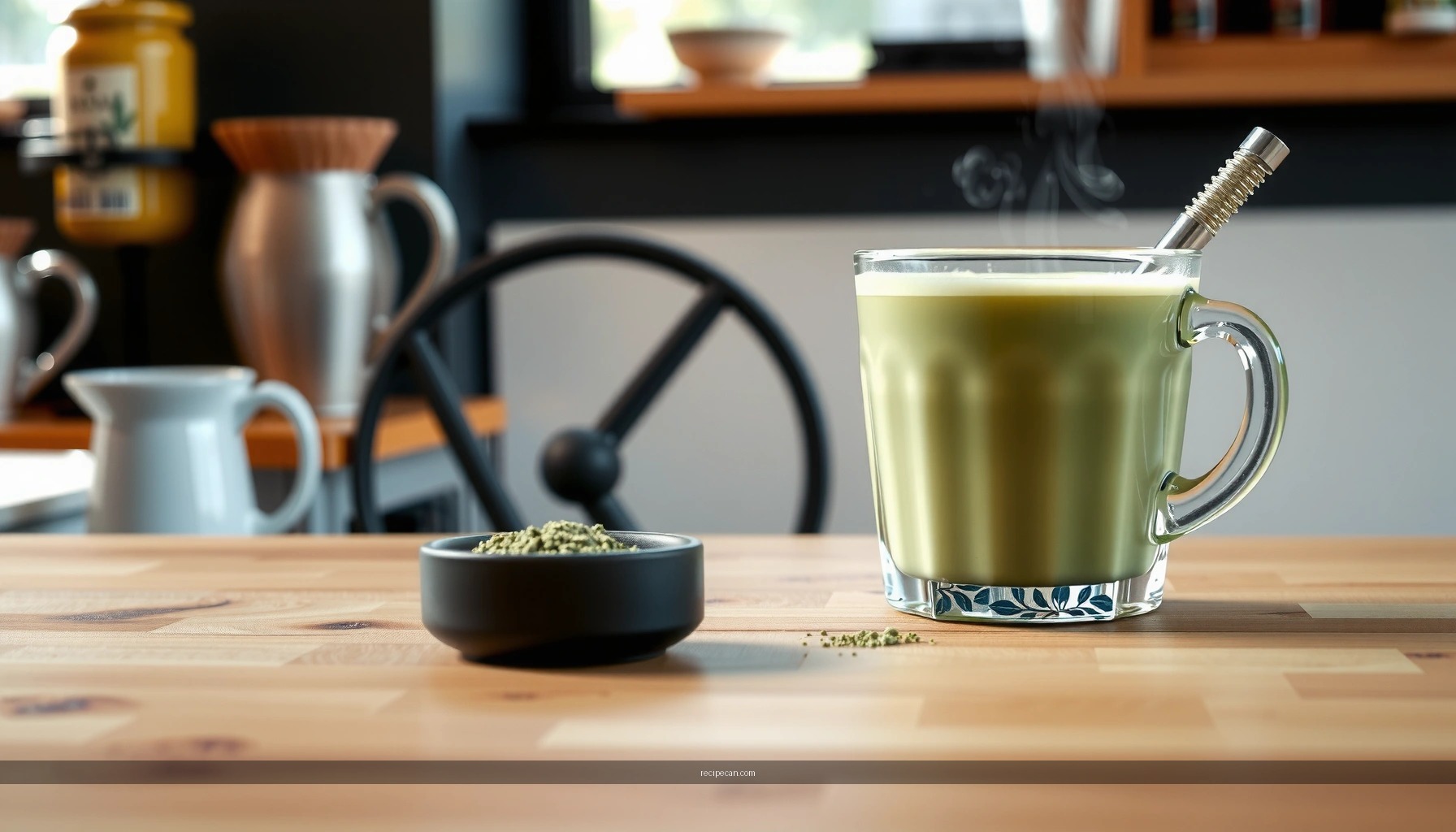
Want a matcha green tea latte recipe that reliably tastes creamy and not bitter? This easy homemade version shows you exactly how to whisk matcha for smooth, lump-free flavor and how much milk and sweetener to use for the right balance. If you want cafe-style results without the wait or guesswork, this is the quickest path there.
Make a smooth matcha green tea latte at home by whisking matcha with a small splash of hot (not boiling) water first, then topping with steamed milk. This easy method uses the right ratios and whisking technique to prevent lumps and deliver a creamy, frothy latte you can customize for hot or iced drinks.
What You Need for a Matcha Green Tea Latte
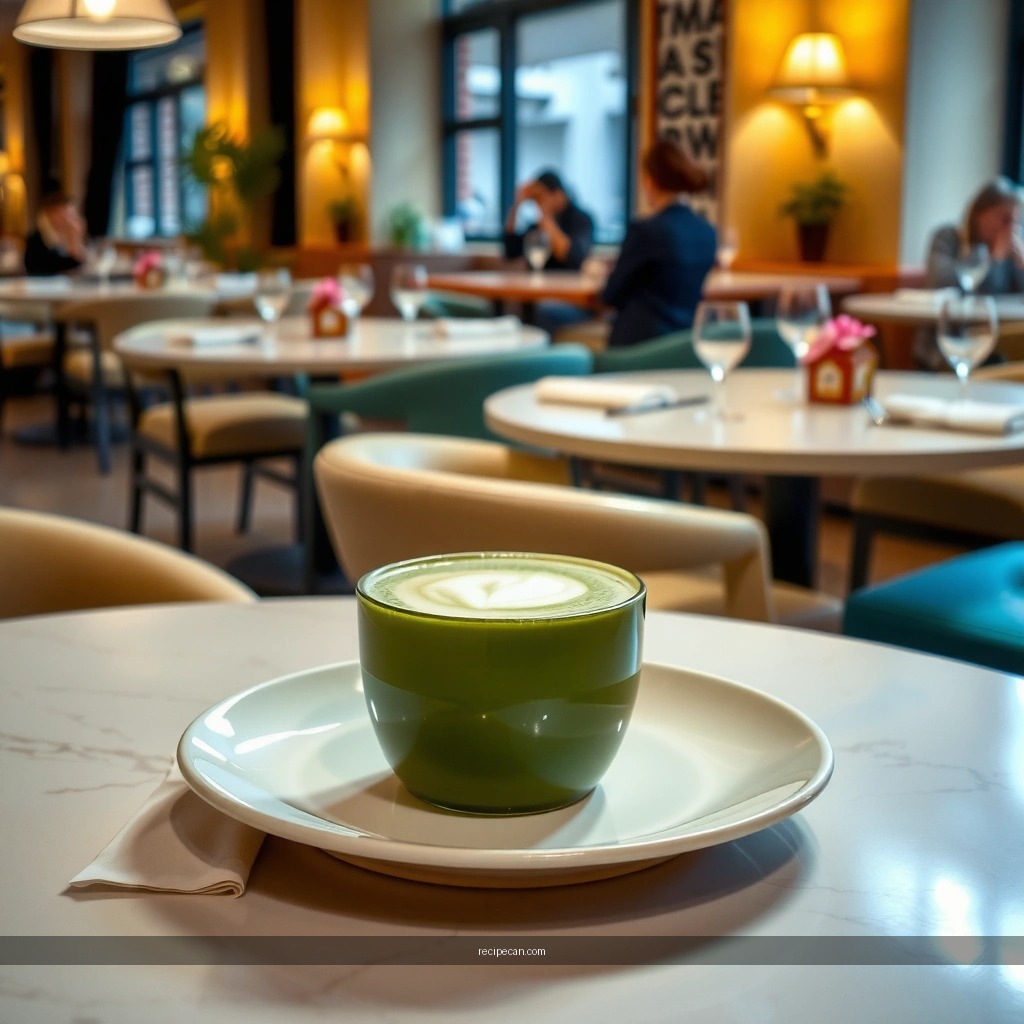
To make a consistent matcha green tea latte recipe—restaurant-style smoothness included—start with a short ingredient list and a couple of practical tools.
Ingredients
– Matcha powder (culinary or ceremonial grade; ceremonial tends to taste sweeter and more delicate)
– Hot water (about 175–185°F / 80–85°C; hot but not boiling)
– Milk (dairy or plant-based such as oat or almond)
– Optional sweetener (honey, sugar, maple syrup, or vanilla syrup)
– Optional flavor boosters (vanilla extract, cinnamon, or a pinch of salt)
Tools
– Whisk (traditional bamboo chasen is best, but a small metal whisk works)
– Small bowl (to whisk matcha thoroughly)
– Steamer (preferred) or milk frother (for quick aeration)
– Sieve (optional but helpful if your matcha clumps)
Practical ratio targets (1 latte, ~12 oz / 350 ml)
– Matcha: 1 to 1½ tsp
– Water for whisking: 1½ to 2 tbsp
– Milk: 8 to 10 oz (more for a lighter drink)
How to Prepare Matcha (No Lumps)
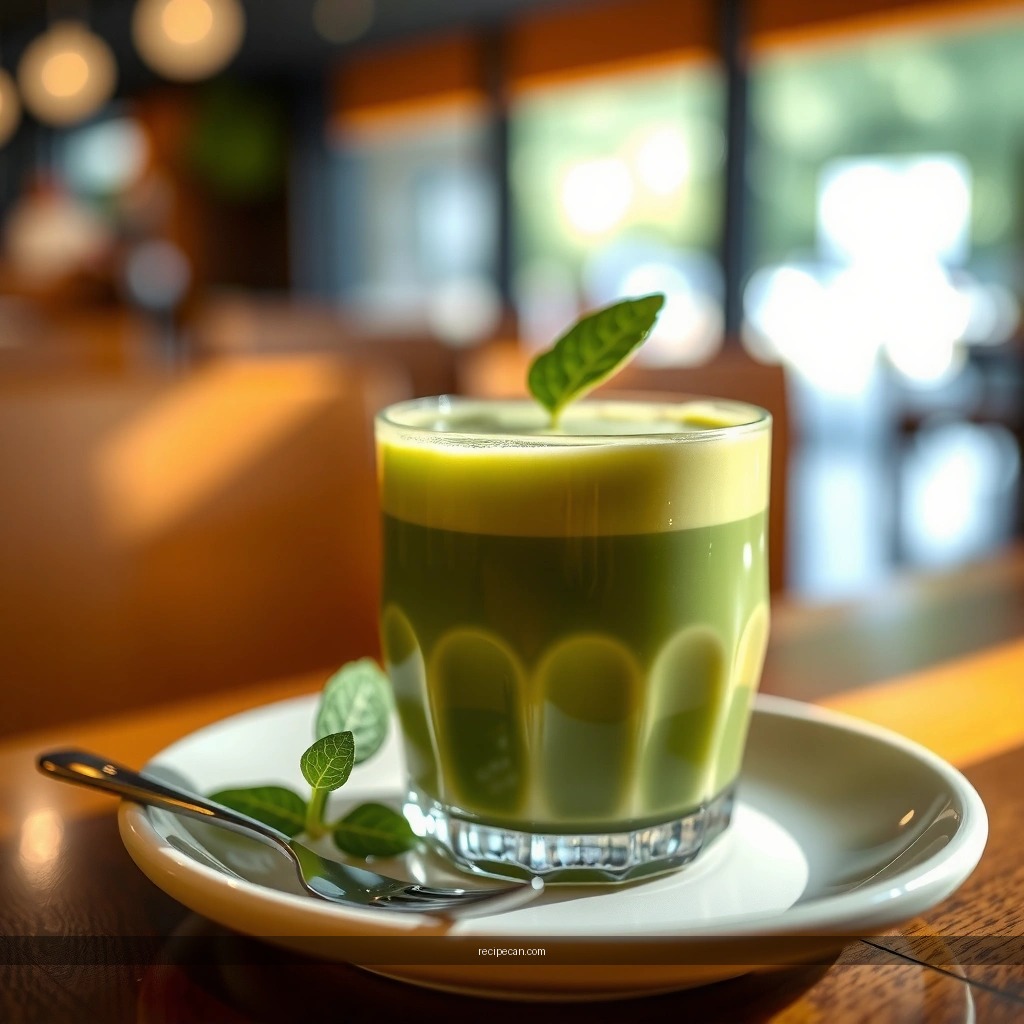
The secret to a lump-free matcha latte is emulsification: you’re creating a smooth matcha base by mixing powder and water before introducing milk. If you skip this step, matcha particles clump and float instead of blending evenly.
1. Warm your matcha bowl and prepare hot water.
Heat water to a range that’s hot enough to dissolve matcha, but not boiling—boiling water can make matcha taste sharper or more bitter. If you boil water, let it sit for about 30–60 seconds before whisking.
2. Sift or pre-mix matcha with a small amount of water.
– Add 1 to 1½ tsp matcha to a small bowl.
– Pour in 1½ to 2 tbsp hot water.
– Sift first if your powder tends to clump.
3. Whisk briskly until smooth and slightly frothy.
Use a whisking motion that creates friction and aerates the mixture. Whisk for 20–45 seconds, scraping the sides and bottom as needed, until the matcha looks uniform and forms a light foam.
4. Keep the texture consistent.
Once whisked, the matcha base should look glossy and creamy—not dry or grainy. If you notice dryness, whisk for a few more seconds with no extra water; the goal is to fully hydrate the powder before mixing with milk.
Why this works (analytical perspective): matcha is finely milled green tea, but it still contains particles that need water to fully hydrate. Pre-whisking creates a stable suspension, so when you add milk, the latte stays smooth and the foam remains on top instead of collapsing into streaks.
Recommended Matcha Latte Build (Per 12 oz / 350 ml Serving)
| # | Latte Style | Matcha (tsp) | Whisk Water (Tbsp) | Milk (oz) | Sweetener (optional) | Smoothness Rating |
|---|---|---|---|---|---|---|
| 1 | Classic Hot Latte | 1.25 | 2 | 9 | 0–1 tsp honey | ★★★★☆ (4.6) |
| 2 | Bold & Creamy | 1.5 | 2 | 8 | 1 tsp vanilla syrup | ★★★★★ (4.8) |
| 3 | Light Green Tea Latte | 1.0 | 1.5 | 10 | 0.5 tsp sugar | ★★★☆☆ (3.9) |
| 4 | Oat Milk Latte | 1.25 | 2 | 9 | 0–1 tsp maple | ★★★★★ (4.9) |
| 5 | Almond Milk (Silky) | 1.25 | 2 | 9 | 1 tsp honey | ★★★★☆ (4.4) |
| 6 | Iced Latte (Clean & Layered) | 1.25 | 2 | 8 | 1 tsp sugar (dissolved) | ★★★★☆ (4.5) |
| 7 | Low-Sugar, Natural Matcha | 1.5 | 2 | 9 | Pinch of salt only | ★★★★☆ (4.3) |
Assemble the Creamy Latte

Once your matcha base is smooth, assembling is fast. The main goal is to combine without destroying the foam you just whisked.
1. Pour the whisked matcha into your mug first.
This ensures the matcha base disperses evenly when milk arrives.
2. Steam or froth your milk.
– For hot lattes: steam until glossy and lightly foamy.
– For extra creaminess: aim for microfoam (tiny bubbles), not big foam.
3. Add steamed milk and stir gently.
Pour milk over the matcha, then stir just enough to unify the color—typically one or two slow stirs. Keep some foam on top for that classic latte look and feel.
4. Optional: adjust thickness.
If you want a thicker, dessert-like texture, reduce milk by ~1 oz or increase matcha slightly. If it tastes too intense, add more milk next time.
From a quality standpoint, this step determines mouthfeel: robust milk aeration creates a smoother, more balanced finish, while over-stirring can flatten foam and reduce perceived creaminess.
Sweeten and Flavor Options
Matcha’s flavor ranges from vegetal and grassy to mellow and slightly sweet depending on grade, whisking quality, and water temperature. Sweetening should support—never overpower—those notes.
– Add sweetener after whisking.
Stir in honey, sugar, or syrup once your matcha base is already smooth. This helps prevent graininess and gives you better control.
– Taste and adjust in small increments.
Start with ½ to 1 tsp sweetener per 12 oz latte, then refine. Over-sweetening is one of the most common reasons homemade matcha lattes taste “flat” or artificial.
– Try structured flavor pairings:
– Vanilla (extract or syrup) for a smooth, dessert-like profile
– Cinnamon for warmth and aroma—use a light pinch
– Pinch of salt to enhance matcha’s natural complexity, especially in low-sugar versions
Iced tip: sweeten fully before chilling. Dissolved sugar and honey integrate better when your drink is cold, reducing undissolved bits and uneven sweetness.
Hot vs. Iced Matcha Green Tea Latte
Both hot and iced lattes can be silky—just handle temperature and layering differently.
– Hot latte (best for aroma and crema):
– Steam milk and pour over prepared matcha.
– The warmth enhances matcha’s grassy aroma while keeping a smooth, cohesive texture.
– Iced latte (best for clean layers and refreshment):
1. Whisk matcha as usual.
2. Chill milk and matcha base before assembling.
3. Pour over ice slowly to maintain a “layered” look (dark matcha base at the bottom blending upward).
– Adjust matcha slightly if serving with lots of ice.
Ice dilutes the drink quickly. If your cup is packed with ice cubes, consider increasing matcha by ~0.25 tsp or reducing milk volume slightly to keep flavor strong.
A practical way to think about it: hot lattes benefit from perceived aroma and creaminess; iced lattes benefit from dilution management and temperature control.
Common Mistakes to Avoid
If your homemade matcha latte doesn’t taste right, the cause is usually one of these preventable issues.
– Skipping pre-whisking can cause clumps.
Always whisk matcha with hot water before adding milk—this is non-negotiable for a smooth texture.
– Using too hot water can make matcha harsher.
Boiling water can intensify bitterness. Aim for hot-but-not-boiling water (80–85°C / 175–185°F).
– Over-sweetening can overpower the natural matcha flavor.
Matcha should remain the star. Add sweetness gradually, then stop when the vegetal notes feel balanced rather than masked.
– Over-frothing or over-stirring can change mouthfeel.
Large bubbles can taste airy or unstable. Stir lightly after pouring to preserve foam.
– Making iced lattes without cooling can muddle flavor.
Cold drinks need cold components for a stable texture and consistent sweetness distribution.
After you whisk matcha smoothly, simply steam your milk (or use a chilled version for iced) and combine at the right ratios for a creamy, frothy latte. Now try this matcha green tea latte recipe today—tweak the sweetness and milk type to find your perfect cup.
By following the whisking-first method, using the correct water temperature, and assembling with gentle mixing, you’ll consistently get a lump-free, café-quality matcha green tea latte. Keep your adjustments simple—matcha strength for flavor, milk type for texture, and sweetener for balance—and you’ll master both hot and iced versions quickly.
Frequently Asked Questions
What is the best matcha green tea latte recipe for beginners?
Start with 1–2 teaspoons culinary-grade matcha, 2–4 oz hot water (about 160–175°F / 70–80°C), and 8–10 oz steamed milk. Whisk the matcha with the hot water until fully smooth, then add sweetener to taste (honey, maple syrup, or vanilla) and pour in the warm milk. This simple method delivers a creamy matcha latte without clumps and is easy to replicate at home.
How do I make a matcha green tea latte without lumps?
Sift the matcha into a mug first, then add a small amount of hot water and whisk vigorously using a bamboo whisk (chasen) or a small milk frother. Keep the water temperature around 160–175°F so the matcha dissolves well without turning bitter. If you still see specks, whisk longer and let the matcha sit for 30 seconds before adding milk.
Why does my matcha latte taste bitter, and how can I fix it?
Bitter matcha is often caused by using water that’s too hot, whisking too little, or adding too much matcha for the amount of milk. Try lowering the water temperature to about 160–170°F, use 1 teaspoon matcha to start, and adjust sweetness to balance the flavor. For a smoother taste, use dairy or oat milk and froth just enough to create a creamy texture.
Which milk works best for a matcha green tea latte?
Dairy milk like whole milk or oat milk are popular because they create a creamy texture that balances matcha’s earthy flavor. Oat milk is especially common for matcha lattes since it froths well and tastes naturally sweet, while almond milk can work but may be thinner depending on the brand. Choose a milk you enjoy and, if possible, use barista-style versions for better foam and consistency.
Can I make an iced matcha green tea latte, and how?
Yes—whisk matcha with hot water as usual, then let it cool for a few minutes or chill it briefly in the fridge. Pour the matcha mixture over ice and add cold milk (or your preferred milk alternative), then stir well. For extra flavor, you can use sweetener in the matcha base and consider adding a splash of vanilla to enhance your iced matcha green tea latte.
References
- Google Scholar Google Scholar
https://scholar.google.com/scholar?q=matcha+green+tea+latte+recipe - Google Scholar Google Scholar
https://scholar.google.com/scholar?q=how+to+make+matcha+tea+whisk+technique+milk - Google Scholar Google Scholar
https://scholar.google.com/scholar?q=matcha+milk+caffeine+catechins+study - Matcha
https://en.wikipedia.org/wiki/Matcha - Green tea
https://en.wikipedia.org/wiki/Green_tea - Latte
https://en.wikipedia.org/wiki/Latte - Matcha | Origins, Uses, Japanese Green Tea Type, & Health Benefits | Britannica
https://www.britannica.com/topic/matcha - Green Tea: Usefulness and Safety | NCCIH
https://www.nccih.nih.gov/health/green-tea - https://www.mayoclinic.org/drugs-supplements/green-tea/art-20361491
https://www.mayoclinic.org/drugs-supplements/green-tea/art-20361491 - https://pubmed.ncbi.nlm.nih.gov/?term=matcha
https://pubmed.ncbi.nlm.nih.gov/?term=matcha