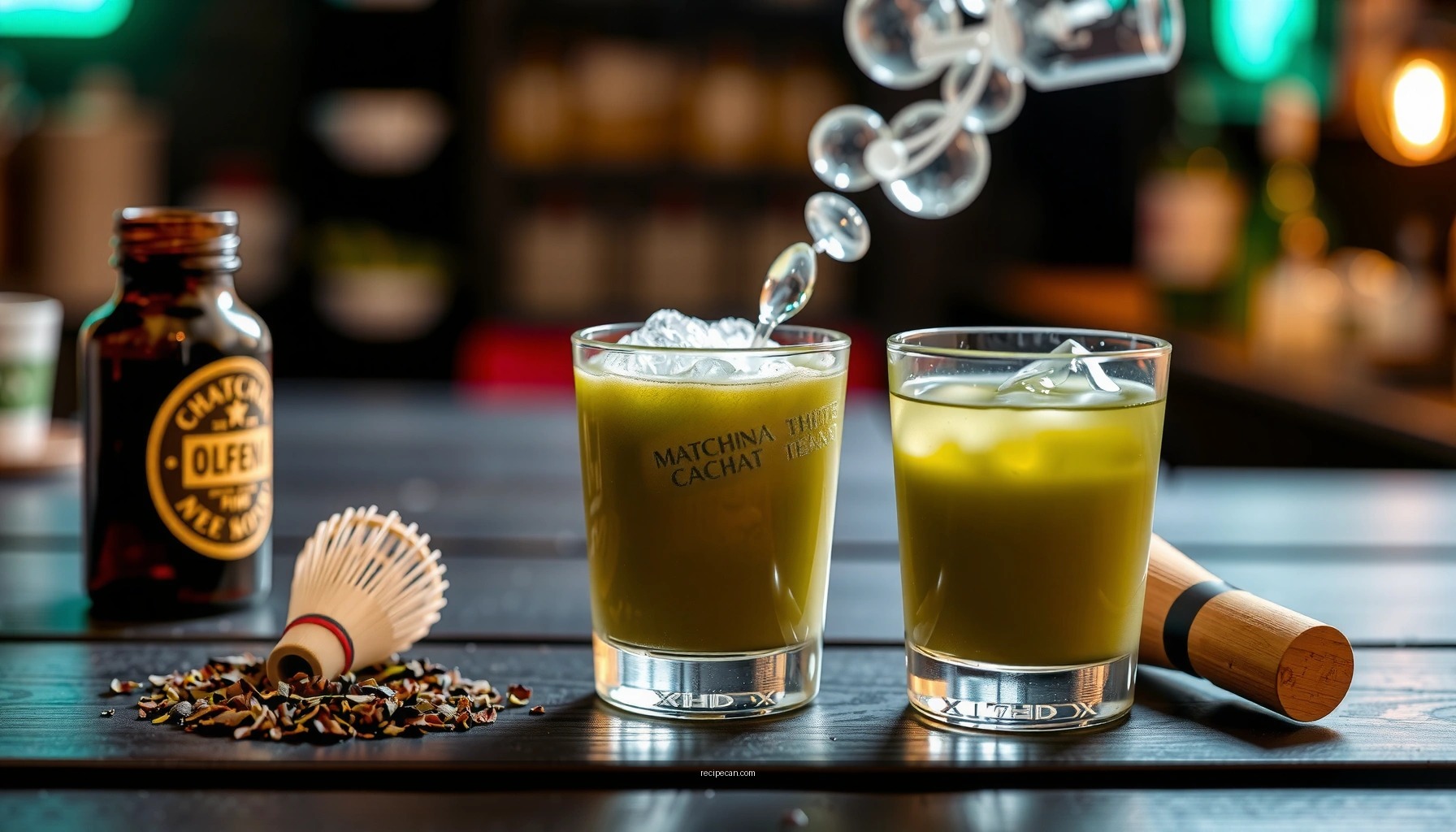
Get the best iced chai tea latte recipe with simple, cold, creamy steps that deliver cafe-style flavor at home. This guide answers how to brew chai, chill it fast, and build a smooth, spiced latte without curdling or watery results. If you want a dependable cold drink you can make in minutes, this is the method to follow.
Make a bold iced chai tea latte by brewing your chai strong (so the spice holds up after it hits the ice), sweetening while it’s warm, then pouring over ice and adding milk smoothly. This step-by-step method gives you a rich, aromatic drink with the right ratios—so your chai flavor stays front-and-center instead of tasting diluted.
Choose Your Chai Base
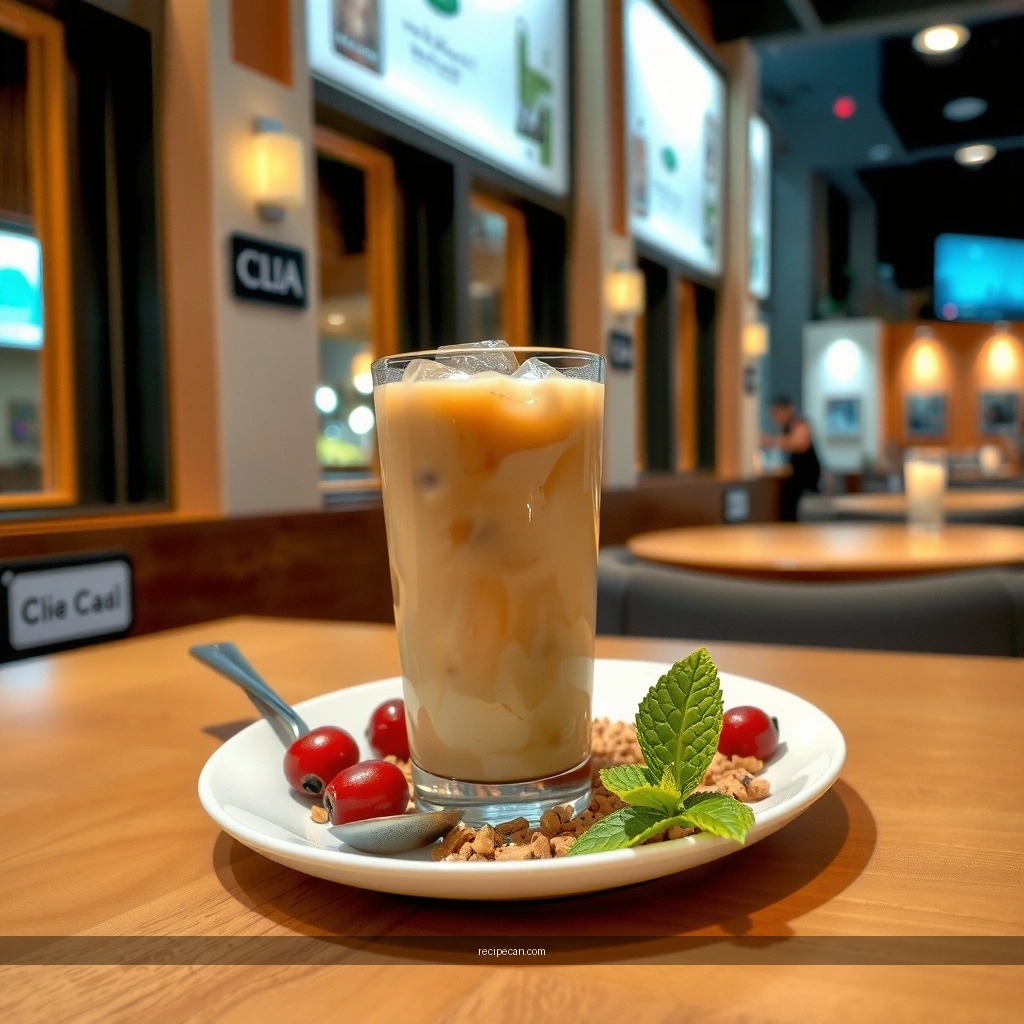
The quality of an iced chai tea latte starts with the chai base you choose. You have three practical options, and each one affects flavor intensity, convenience, and sweetness control.
1. Black tea bags or loose-leaf tea (simple chai approach):
Use black tea as the backbone and add spices separately (or rely on a chai blend). This is often the most cost-effective and gives you control over strength.
2. Bottled or powdered chai concentrate (maximum convenience):
Concentrates are formulated to taste like spiced chai, usually with a consistent balance of tea strength and spice. For iced drinks, they’re reliable because they’re designed to be mixed with liquid.
3. Pre-made chai tea (ready-to-brew teabags labeled chai):
Chai teabags typically contain black tea plus spices. They’re easy to brew and scale for multiple servings.
Decision point:
– If your priority is predictable, bold flavor fast, choose bottled concentrate or strong chai teabags.
– If your priority is maximum customization (more ginger, more cardamom, less sweetness), use black tea + spices or loose-leaf.
A key business-quality principle applies here: consistency. Pick a base you can repeat, then tune only two variables—brew strength and sweetener level—to get dependable results every time.
Brew Strong Chai for Best Flavor

Ice will reduce perceived intensity because it adds volume and chills the drink. The fix is straightforward: brew your chai stronger than you would for hot chai.
What “stronger” means in practice
– Increase steep time slightly (within safe bitterness limits).
– Use slightly more tea (or concentrate) than the package instructions for a hot drink.
– Brew hotter than lukewarm—heat helps extract spice aromatics.
Practical ratios (per ~12–16 oz / 350–475 ml)
– Tea-bag / loose-leaf method:
Brew about 1.5 to 2 tea bags worth for the same water you’d use for hot tea, and steep 5–8 minutes.
– Spice-from-scratch method:
Simmer spices briefly in water first (or infuse with the tea), then steep the tea as normal. This prevents spices from tasting “flat” when chilled.
– Concentrate method:
Use concentrate at a higher concentrate-to-water ratio than you’d use for hot drinks, then still pour over ice.
Why steep length matters for iced chai specifically
Chai character depends heavily on aromatic extraction—cardamom, cinnamon, and ginger all contribute volatile notes that develop as the brew sits hot. If you under-steep, ice will make the cup taste like warm water with a faint spice hint. If you over-steep the black tea too far, you may get harshness. Aim for “bold” rather than “bitter.”
Boldness Benchmarks for Iced Chai (Per ~12 oz / 350 ml Final Drink)
| # | Chai Base Method | Tea/Concentrate Amount* | Steep/Simmer Time | Iced Flavor Outcome | Operator Rating |
|---|---|---|---|---|---|
| 1 | Chai teabags (strong infusion) | 2 bags / 10–11 fl oz hot brew | 6–8 min | Bold spice, minimal tea bite | ★★★★☆ |
| 2 | Loose-leaf black tea + chai spices | 2.5–3 tsp / 10–11 fl oz | 7 min steep + optional 2 min spice simmer | High aroma retention after ice | ★★★★★ |
| 3 | Bottled chai concentrate (bolder mix) | 2.5–3 oz concentrate / 8–9 fl oz water | Heat then cool (no steep) | Most consistent “chai-forward” taste | ★★★★☆ |
| 4 | Normal-strength chai teabags | 1 bag / 10–11 fl oz | 3–5 min | Flavor turns tea-light after ice | ★★★☆☆ |
| 5 | Black tea only + spices added later | 2 tsp black tea / 10–11 fl oz | 5 min steep; spices infused after | Spice can taste muted when cold | ★★★☆☆ |
| 6 | Over-steeped strong tea (riskier) | 3 tsp / 10–11 fl oz | 10–12 min steep | Bold but can turn dry/bitter | ★★☆☆☆ |
| 7 | Ice dilution control (small batch trick) | Brew strong; pour over less ice first | Standard steep (5–8 min) | Better consistency across cups | ★★★★☆ |
Amounts are optimized targets for a typical 12–16 oz iced chai latte; adjust slightly to match your tea brand and your desired sweetness level.
Mix and Sweeten to Taste
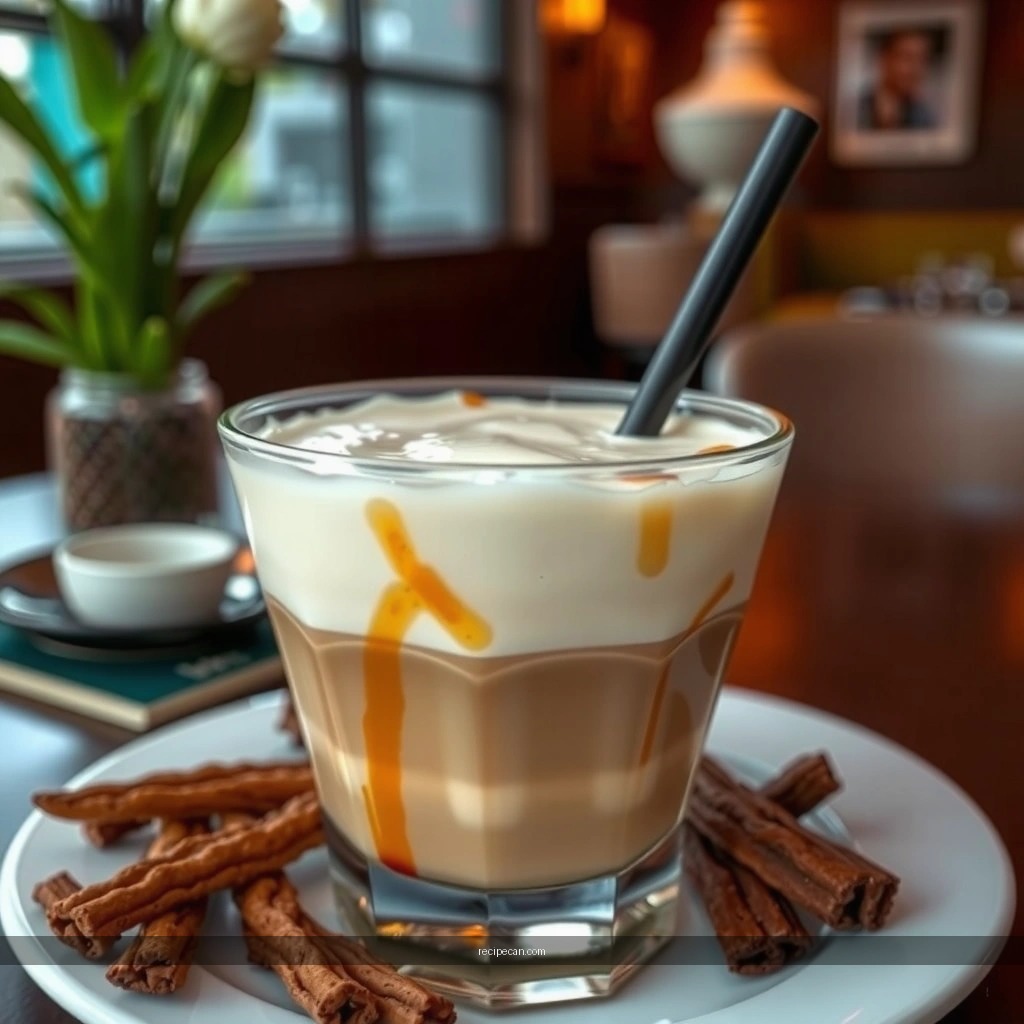
Sweetening while the chai is warm is not just traditional—it’s practical. Warm liquids dissolve sugars faster and evenly, which prevents gritty sweetness and inconsistent flavor.
Choose a sweetener strategy
– Granulated sugar: clean sweetness, easy to measure.
– Honey: adds floral depth and blends well with cinnamon-leaning chai profiles.
– Vanilla syrup: provides a dessert-like aroma that complements chai spices.
How much to use (starting points)
Begin with small adjustments:
– Start around 1–2 teaspoons sugar (or ~1 tablespoon honey) per 12 oz (350 ml) before milk.
– If your milk is unsweetened, you’ll likely add a bit more.
– If using a concentrate that’s already sweetened, taste first—many brands are sweet enough on their own.
Why milk choice affects sweetness
Dairy milk is richer and can soften spice edges, making the cup feel “rounder.” Non-dairy options vary widely:– Oat milk tends to add natural sweetness and body.
– Almond milk is lighter and may require slightly more sweetener to feel balanced.
A reliable workflow is: sweeten the chai, then add milk, then do a final taste after everything is cold and integrated.
Assemble the Iced Chai Tea Latte
Now you’re ready to build the drink with the right flow so it stays smooth and creamy.
1. Chill the chai (optional but recommended):
Brew your chai and let it cool to room temperature, then refrigerate briefly. If you’re in a hurry, pour chai over a portion of ice first to lower temperature quickly.
2. Fill the glass with ice:
Use enough ice to keep the drink cold without creating excessive dilution. If you dislike watered drinks, use fewer but larger ice cubes.
3. Pour chilled chai over ice:
Start with the chai as the base. This ensures the spice intensity dominates from the first sip.
4. Add milk slowly and stir:
Pour milk in gradually while stirring to help emulsify and prevent separation (especially with non-dairy creamers).
“Creamy” without guesswork
If you want a barista-style texture, keep the pour controlled and stir consistently for 10–15 seconds. The goal is stable integration, not just mixing.
Add Dairy or Non-Dairy Milk Options
Milk selection changes mouthfeel, temperature perception, and how spices read on the palate.
Dairy milk (classic creaminess)
– Whole milk: best for a rounded, traditional latte texture.
– 2% milk: slightly thinner but still reliable.
– Half-and-half (if you’re aiming for extra creamy): use carefully, as it can mute spice notes if overdone.
Non-dairy milk (lighter or allergy-friendly)
– Oat milk: usually the closest to dairy in texture; ideal for a creamy iced chai latte.
– Almond milk: lighter and nutty; may require a touch more sweetener and/or a longer chai brew for balance.
– Coconut-based creamers: can add sweetness and richness; taste before adding extra syrup.
Integration tip: If you’re sweetening right at the edge of your preferred taste, consider warming the milk briefly (just to room-warm) before mixing. This helps sweeteners dissolve more evenly, even in iced drinks.
Customize: Spice, Texture, and Temperature
Customization is where your iced chai tea latte becomes “yours.” Make one change at a time so you can tell what improved the drink.
Spice upgrades (aroma control)
Add a small amount of:
– Cinnamon: warm, familiar sweetness.
– Cardamom: bright, aromatic, premium chai character.
– Ginger: punchy and energizing; pairs especially well with honey.
– Vanilla: smooths spice edges and enhances perceived sweetness.
Start with a pinch and taste—spices are potent in cold drinks.
Texture upgrades (frosted, latte-like)
For a frothier latte:
– Shake: add chai + milk to a jar, shake vigorously, then pour over ice.
– Blend: blend chai with milk for 15–30 seconds and pour immediately.
– Use a frother: warm chai + milk first, then cool over ice for consistent foam.
Temperature control (avoid the “ice-cold spice fade”)
If your chai loses intensity quickly, your ice and dilution rate may be the culprit. Practical fixes:
– Use fewer ice cubes initially.
– Add additional ice after mixing, or use larger cubes.
– Brew slightly stronger rather than adding more sweetener—this keeps spice structure intact.
Making it Your Go-To Method
Consistency is the real advantage of this recipe. Use the same brew strength every time, sweeten while warm, and assemble with pour-over-ice plus milk integration. If you want faster performance, keep a jar of brewed chai concentrate in the fridge and simply build each latte on demand—same flavor, less prep.
Quick next step to try today
Make your first adjustment based on preference:
– Want more spice? Brew 1–2 minutes longer (not shorter).
– Want more creaminess? Switch to oat milk or use whole milk.
– Want stronger chai? Increase the tea/concentrate ratio slightly and taste after cooling.
Save these steps, and your iced chai tea latte will be reliably bold, creamy, and smooth—every single time.
In conclusion, the secret to an exceptional iced chai tea latte is controlling dilution and extraction: brew chai strong enough to stand up to ice, sweeten it while warm for even flavor, then pour over ice and add milk gradually for a creamy finish. Follow the brew-strong, sweeten-well, and pour-over-ice method, and you’ll get a consistent drink that tastes like real chai—not watered-down tea.
Frequently Asked Questions
What’s the best iced chai tea latte recipe for a café-style taste at home?
Start by brewing strong chai tea (black tea plus chai spices) and letting it cool before assembling your iced chai tea latte. Combine the cooled chai with milk (dairy or oat milk) and sweeten to taste with honey, brown sugar, or vanilla syrup. Shake or whisk for a minute, pour over ice, and finish with a light dusting of cinnamon for that café-style aroma.
How do I make an iced chai tea latte without the tea tasting bitter or watery?
Use concentrated chai by steeping longer or using a stronger tea-to-water ratio, then chill it fully before pouring over ice. If you’re using loose-leaf chai, strain well and avoid overboiling the spices, which can cause bitterness. For less dilution, pour your cooled chai over ice cubes made from chai so your iced chai tea latte stays flavorful as it melts.
Which milk works best for an iced chai tea latte—dairy or non-dairy?
Whole milk creates a creamy, slightly sweet iced chai tea latte, while 2% milk still works well if you want a lighter option. Oat milk is a popular choice because it froths and tastes naturally sweet, giving you a smooth chai latte texture. Almond milk is thinner, so consider using a barista-style version or slightly increasing chai-to-milk ratio for balance.
Why does my iced chai tea latte separate, and how can I prevent it?
Separation usually happens when hot chai is added to cold milk or when the milk isn’t suited to the tea’s temperature. Let the chai cool (or chill it) before mixing with milk, and stir thoroughly so the chai and milk emulsify evenly. For the smoothest results, use a chai concentrate or pre-chilled brewed chai, then assemble your iced chai tea latte over ice.
What’s the easiest way to make iced chai tea latte with chai concentrate or tea bags?
If you’re using concentrate, mix concentrate with water according to the label, then chill it before combining with milk. For tea bags, steep 2–4 bags in hot water for several minutes to make a stronger base, cool it, and then pour over ice with milk and sweetener. This approach is quick while still producing a rich, spiced iced chai tea latte flavor with minimal prep.
References
- Google Scholar Google Scholar
https://scholar.google.com/scholar?q=iced+chai+tea+latte+recipe - Google Scholar Google Scholar
https://scholar.google.com/scholar?q=chai+tea+concentrate+spices+brown+sugar+milk+recipe - Google Scholar Google Scholar
https://scholar.google.com/scholar?q=tea+brewing+temperature+iced+tea+black+tea+catechins - Chai
https://en.wikipedia.org/wiki/Chai - Iced tea
https://en.wikipedia.org/wiki/Iced_tea - Tea
https://en.wikipedia.org/wiki/Tea_brewing - Milk tea
https://en.wikipedia.org/wiki/Milk_tea - Latte
https://en.wikipedia.org/wiki/Latte - https://www.britannica.com/topic/chai
https://www.britannica.com/topic/chai - https://pubmed.ncbi.nlm.nih.gov/?term=chai+tea
https://pubmed.ncbi.nlm.nih.gov/?term=chai+tea