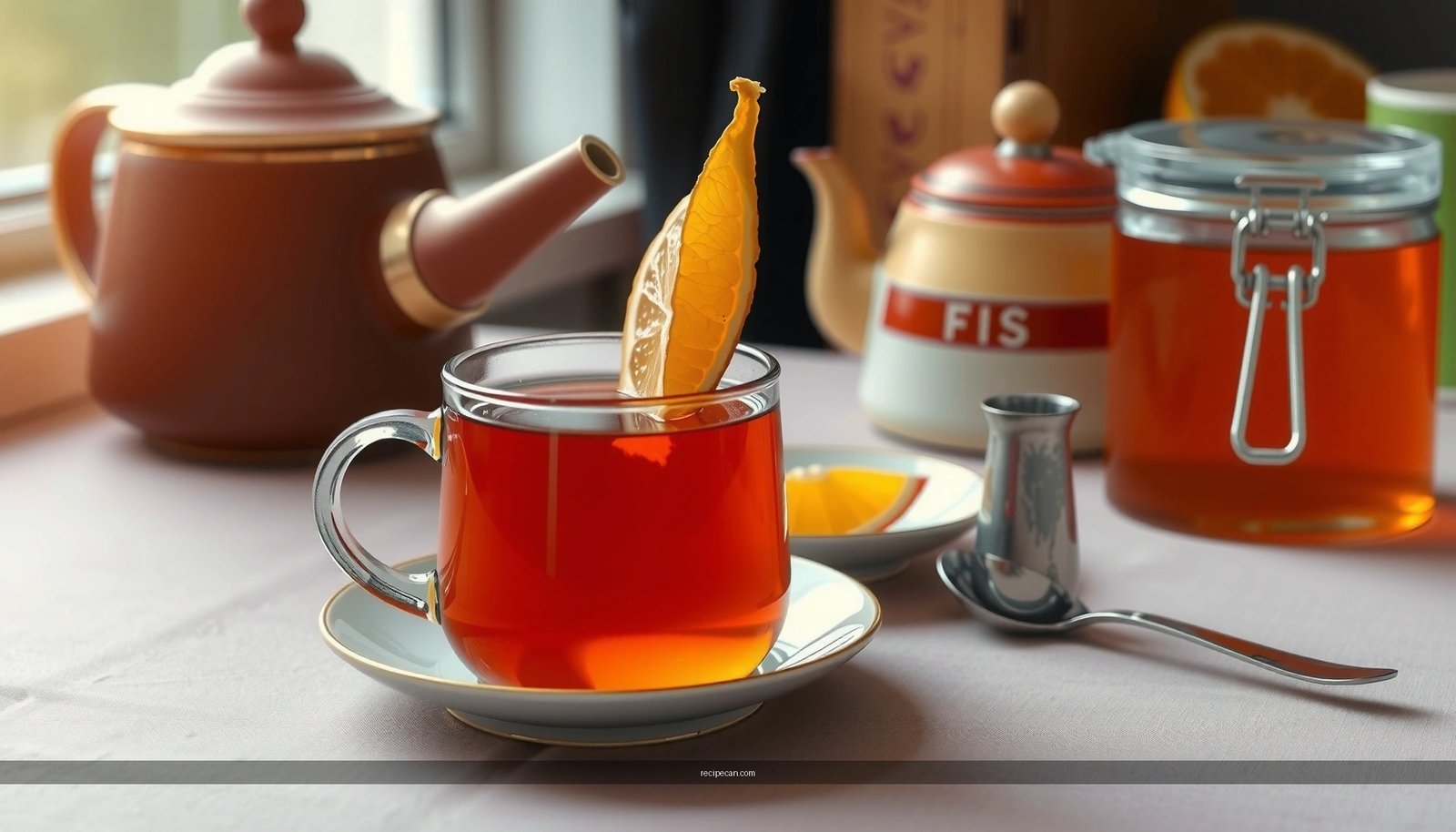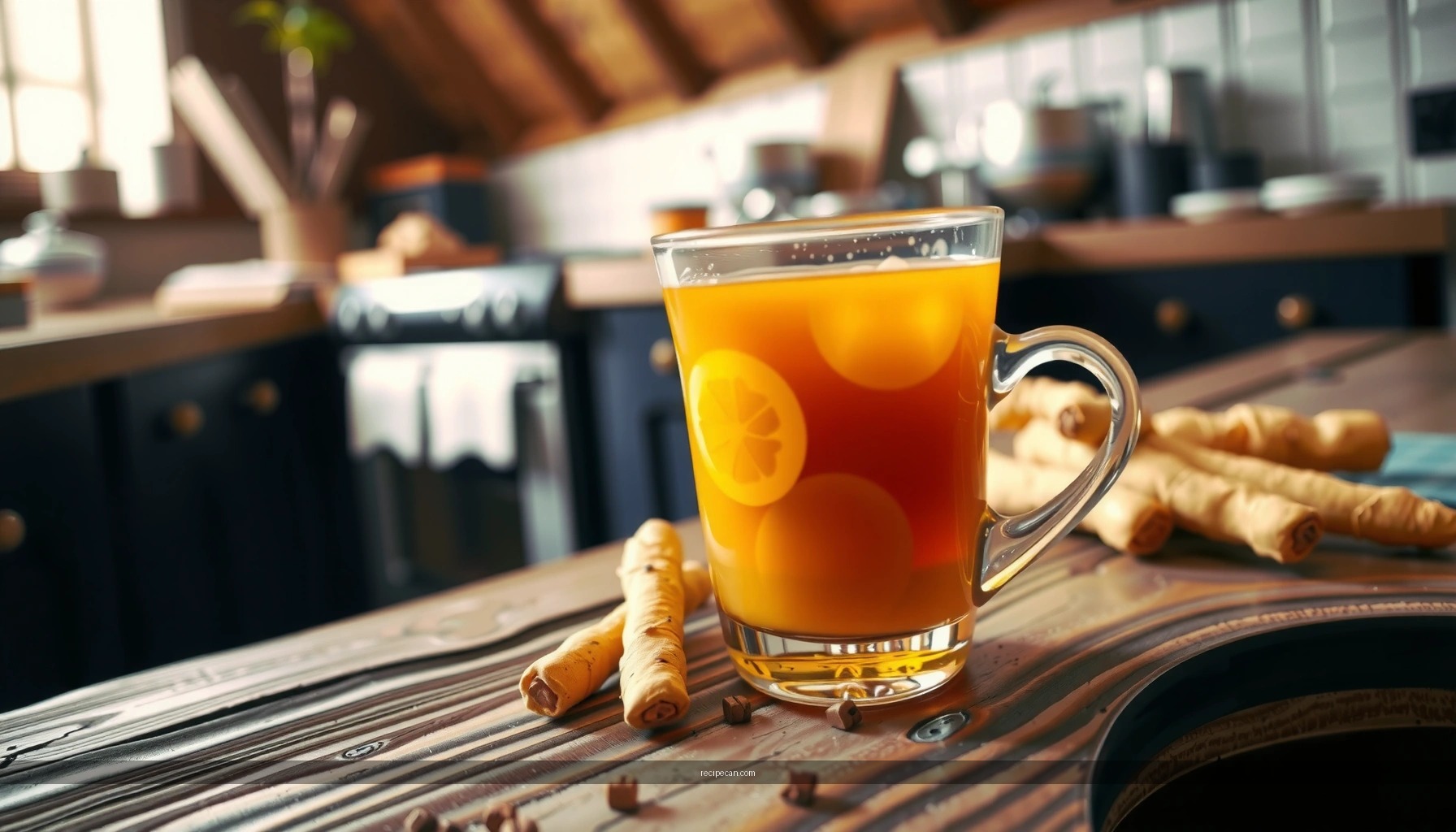
Here’s the simplest how to make turmeric tea recipe with a clear, step-by-step method you can follow from mug to finish. You’ll learn exactly how much turmeric to use, how to simmer it for the right flavor, and how to sweeten or enhance it without ruining the balance. If you want a warm, reliable turmeric tea in minutes, this is the fastest route that still tastes great.
To make a turmeric tea recipe that tastes great and delivers the benefits people look for, simmer (or steep) turmeric in water first, then layer in ginger, cinnamon, and a sweetener of choice. In the steps below, you’ll get exact measurements, practical brewing tips (including black pepper for absorption), and customization ideas so your homemade turmeric tea is balanced—not bitter or overpowering.
Gather Ingredients for Turmeric Tea
A successful turmeric tea starts with the right base and a few purposeful add-ins. Turmeric can be earthy and slightly bitter, so your goal is to build warmth and aroma around it.
What to use
– Choose ground turmeric or fresh turmeric for your base.
– Ground turmeric is easiest and most consistent.
– Fresh turmeric is bright and “rooty,” but requires peeling and grating.
– Add optional flavor boosters like ginger and cinnamon.
– Ginger adds zing and helps offset turmeric’s bitterness.
– Cinnamon gives a cozy, dessert-like warmth.
– Select a sweetener (honey or maple syrup) and add-ins (black pepper).
– Honey and maple syrup improve palatability without masking the tea.
– Black pepper is commonly used because it contains piperine, which may support turmeric’s absorption.
A reliable starting formula (1 mug, ~12–16 oz / 350–470 ml)
– Water: 1 to 1¼ cups (240–300 ml)
– Ground turmeric: ½ tsp (or fresh turmeric: 1 tsp grated)
– Ground ginger: ¼ tsp (or fresh ginger: thin 2–3 slices)
– Cinnamon: ⅛–¼ tsp (or 1 small cinnamon stick)
– Black pepper: a pinch (about 1–2 grinds or ⅛ tsp ground pepper)
– Sweetener: 1–2 tsp honey or maple syrup (optional)
– Milk (optional): 2–3 tbsp to ¼ cup (or to taste)
Quick sourcing note: If you use pre-ground spices, keep them sealed and replace older powders occasionally—stale turmeric and cinnamon can taste dull and flat.
Turmeric Tea Brew Guide: Flavor Strength vs. Key Ingredients
| # | Brew Style | Turmeric | Simmer/Steep Time | Ginger | Cinnamon | Taste Score |
|---|---|---|---|---|---|---|
| 1 | Mild & Smooth | ¼ tsp ground | 5 min | ⅛ tsp | ⅛ tsp | ★★★★☆ |
| 2 | Classic Everyday | ½ tsp ground | 7–8 min | ¼ tsp | ¼ tsp | ★★★★★ |
| 3 | More Warming | ¾ tsp ground | 9 min | ⅜–½ tsp | ¼ tsp | ★★★★☆ |
| 4 | Spiced & Bold | 1 tsp ground | 10 min | ½ tsp | ⅜ tsp | ★★★★☆ |
| 5 | Ginger-Forward | ½ tsp ground | 7 min | ¾ tsp | ⅛–¼ tsp | ★★★★☆ |
| 6 | Less Turmeric (Sensitive) | ⅛–¼ tsp | 6 min | ¼ tsp | ⅛ tsp | ★★★☆☆ |
| 7 | Over-Strength (Avoid) | 1½ tsp ground | 12–15 min | ½ tsp | ½ tsp | ★★☆☆☆ |
Make the Turmeric Tea Base

The base is where you extract flavor. The simplest approach—matching how turmeric tea is commonly brewed—is to simmer turmeric (or steep turmeric tea) in water, then build from there.
Step-by-step (stovetop)
1. Add water to a small saucepan and bring it to a gentle simmer.
2. Whisk in ground turmeric (½ tsp for a classic mug) to prevent clumps.
3. Simmer for 5–10 minutes.
– 5 minutes = lighter flavor
– 8–10 minutes = more robust, “golden” intensity
4. Add black pepper once the tea is hot (pinch or a few grinds).
– This is an easy, practical enhancement for people optimizing their turmeric routine.
Extraction and taste control
– If the tea tastes too earthy or strong, reduce the next brew time (closer to 5–7 minutes) or reduce turmeric by ¼ tsp increments.
– If it tastes weak, simmer slightly longer or increase turmeric gradually—turmeric flavor intensifies faster than you may expect.
Fresh turmeric tip
Fresh turmeric can be fibrous. Use it like:
– Peel → grate → simmer gently 7–10 minutes, then strain for a smoother cup.
Add Flavor and Customize to Your Taste
Once your turmeric base is brewed, it’s time to layer in the aromatics that make this turmeric tea recipe feel like a premium beverage—not just a health drink.
Add the supporting spices
– Ginger: Add ¼ tsp ground ginger during the last 2–3 minutes of simmering (or add sliced fresh ginger at the start if you prefer deeper flavor).
– Cinnamon: Stir in ⅛–¼ tsp cinnamon or add a small cinnamon stick during the same final window.
– Salt (optional): A tiny pinch of salt can improve overall balance and reduce the perception of bitterness.
Sweeten like a professional barista
– For best control, sweeten after simmering, while warm.
– Start with 1 tsp honey or maple syrup, stir, and taste.
– Honey is typically best paired with ginger and cinnamon; maple syrup rounds out cinnamon notes well.
Add milk or keep it dairy-free
– With milk: add 2–3 tbsp to ¼ cup, then warm gently (do not aggressively boil).
– Dairy-free options: oat milk, almond milk, or coconut milk all work—choose based on the mouthfeel you want.
– Oat milk = creamier, more “latte-like”
– Coconut milk = richer and slightly tropical
Practical flavor examples
– “I want it cozy”: slightly more cinnamon (⅜ tsp) and a touch of honey.
– “I want it spicy”: add extra ginger and keep cinnamon at ⅛–¼ tsp so it doesn’t dominate.
– “I want it neutral”: use less cinnamon and sweeten lightly.
Strain, Serve, and Store Properly
Presentation and storage matter, especially if you plan to drink your turmeric tea across the week.
Straining
– If you used fresh turmeric or fresh ginger slices, strain through a fine mesh sieve.
– If you used only ground spices, you can drink as-is, but straining can improve texture—particularly for thicker grinds.
– Hot: pour into a mug and finish with an extra pinch of cinnamon or black pepper if desired.
– Iced: chill after brewing, then pour over ice.
– For iced turmeric tea, you may want to sweeten slightly more because cold reduces perceived sweetness.
Storage and reheating
– Refrigerate leftovers in a sealed container for up to 3–4 days.
– Reheat gently on the stove or microwave in short bursts to preserve flavor and prevent scorching.
Color expectation
A properly simmered turmeric tea should look warm golden to deep amber depending on turmeric quantity. If it looks pale, your brew time or turmeric dose may be too low.
Health and Safety Tips
While turmeric tea is widely enjoyed as part of wellness routines, responsible use is important—especially if you’re using it frequently or for specific health goals.
Start small
– If you’re sensitive to turmeric, begin with ¼ tsp ground turmeric and shorter simmer time.
– Increase gradually only if your body tolerates it well.
Consider medication interactions
– If you take blood thinners or have a medical condition, consult a clinician before using turmeric regularly.
– Turmeric and supplemental curcumin have been discussed in the context of anticoagulant effects; brewed tea is still a food, but moderation and medical guidance are prudent.
Avoid overdoing it
– A daily-friendly routine typically means moderate amounts rather than “stronger is always better.”
– Over-strength brews can taste harsh and may increase the risk of digestive discomfort for some people.
How to Make It Quickly (For Busy Days)
You don’t need a long cooking session to make a satisfying turmeric tea. With the right technique, you can get the same core flavor and routine benefits in minutes.
Fast method with pre-ground turmeric
– Add ½ tsp ground turmeric to a mug or saucepan with hot water (not boiling if you prefer gentler flavor).
– Stir well, then steep 5 minutes.
– Add ginger, cinnamon, and a pinch of black pepper, then sweeten to taste.
Quick method with tea bags or concentrated turmeric
– Some products use turmeric powder in tea bags or concentrated mixes.
– Follow the label, then adjust strength by steeping longer rather than adding more concentrate at first.
Batch for grab-and-go iced turmeric tea
– Brew a larger batch (for example, 4 mugs at once).
– Cool quickly, refrigerate, and pour over ice.
– Add sweetener and milk right before drinking for best texture and flavor.
Consistency tip: Keep your ratio consistent (turmeric amount per cup of water). That way your morning or afternoon routine stays predictable.
Warmly summarize your results: simmer turmeric with water, boost flavor with ginger/cinnamon, and finish with sweetness and optional milk. Follow the steps above to brew a tasty, well-balanced turmeric tea recipe—then try a batch this week and adjust the strength until it’s perfect for you.
This turmeric tea recipe is designed for repeatable results: you’ll simmer (or steep) turmeric as the foundation, layer in ginger and cinnamon for aroma and balance, and finish with black pepper and sweetener to refine the taste. Brew it hot for comfort or iced for convenience, store leftovers safely, and use the health and safety tips to keep your turmeric habit moderate and sustainable.
Frequently Asked Questions
How to make turmeric tea recipe at home for beginners?
To make a simple turmeric tea recipe, simmer 2 cups of water with 1–2 teaspoons ground turmeric for 5–10 minutes. Add 1 teaspoon grated fresh ginger (optional), a pinch of black pepper, and a sweetener like honey or maple syrup to taste. Strain if desired, then add lemon juice for brightness and serve hot. You can also batch it and refrigerate for up to 3 days, reheating as needed.
What’s the best way to get turmeric’s benefits in turmeric tea?
Turmeric tea is more effective when you include black pepper (or another piperine source), because it helps your body absorb curcumin. A common ratio is about a pinch of black pepper per cup of tea, plus 1–2 teaspoons turmeric per 2 cups of water. If you prefer, you can also add a small splash of milk or a plant-based creamer, since fat can help curcumin absorption. These steps make your turmeric tea recipe more functional, not just flavorful.
Why does turmeric tea need black pepper and how much should you add?
Black pepper contains piperine, which can increase curcumin absorption, helping you get more from your turmeric tea recipe. Start with a small amount—typically 1/8 to 1/4 teaspoon of freshly cracked black pepper total per 2 cups of water—so the tea doesn’t turn too spicy or bitter. If you’re sensitive, use less and taste as you go. This tiny addition often makes a noticeable difference in both flavor and perceived effects.
Which ingredients can you add to customize your turmeric tea recipe for taste?
You can customize turmeric tea with ginger for warmth, cinnamon for a sweeter, deeper flavor, and lemon juice for a tangy finish. For a soothing version, add honey while the tea is still warm (not boiling) to preserve flavor. If you want it creamier, use milk or coconut milk, and if you want it caffeine-free and lighter, stick to water plus spices. These options let you tailor your turmeric tea recipe to your preferences without changing the core method.
How long should turmeric tea simmer, and what’s the best serving method?
For the best flavor extraction, simmer ground turmeric for about 5–10 minutes, then steep off the heat for an additional 2–3 minutes if you want it stronger. Strain to remove sediment, or leave it unstrained for a thicker feel. Serve hot for comfort or chill it over ice for an “iced turmeric tea” style drink. If you’re storing it, cool quickly and refrigerate within 2 hours, reheating gently to avoid boiling.
References
- Turmeric tea
https://en.wikipedia.org/wiki/Turmeric_tea - Turmeric | Description, History, & Uses | Britannica
https://www.britannica.com/science/turmeric - https://www.cdc.gov/dietarysupplements/turmeric.html
https://www.cdc.gov/dietarysupplements/turmeric.html - https://www.mayoclinic.org/drugs-supplements-turmeric/art-20364690
https://www.mayoclinic.org/drugs-supplements-turmeric/art-20364690 - https://www.nccih.nih.gov/health/turmeric-and-curcumin
https://www.nccih.nih.gov/health/turmeric-and-curcumin - https://ods.od.nih.gov/factsheets/Curcumin-HealthProfessional/
https://ods.od.nih.gov/factsheets/Curcumin-HealthProfessional/ - https://pubmed.ncbi.nlm.nih.gov/?term=turmeric+tea+recipe
https://pubmed.ncbi.nlm.nih.gov/?term=turmeric+tea+recipe - https://scholar.google.com/scholar?q=turmeric+tea+recipe Google Scholar
https://scholar.google.com/scholar?q=turmeric+tea+recipe - Google Scholar Google Scholar
https://scholar.google.com/scholar?q=how+to+prepare+turmeric+tea+curcumin+brown+ginger - https://www.who.int/health-topics/diet-and-healthy-eating
https://www.who.int/health-topics/diet-and-healthy-eating