Looking for the best Russian tea recipe with Tang—and whether to make it hot or iced—this guide gives you the single winner. You’ll get a simple, reliable mix you can stir up fast, plus the exact steps to get bold flavor whether you’re serving it steaming or over ice. If you want the easiest way to nail that classic sweet-tang taste, follow these directions.
If you want a quick, comforting citrus-spiced drink, this Russian Tea recipe with Tang delivers it in minutes by mixing Tang with hot or cold water, warm spices, and optional lemon. You’ll get a reliable flavor balance—bright, mildly sweet, and aromatic—then choose hot or iced with the same simple method.
Gather Ingredients for Russian Tea with Tang
Russian tea variations share a common idea: a citrus base (often lemon or orange) balanced with warming spices and a gentle sweetness. Using Tang as the foundation makes that process fast because Tang already provides concentrated, consistent citrus flavor.
Core ingredients for a standard batch (about 2 servings):
– Tang (citrus base): 4–6 teaspoons (start at 4 for a milder drink)
– Water: 2–2.5 cups (adjust for strength and sweetness)
– Sugar (optional): 1–3 teaspoons, depending on how sweet you want it
– Lemon juice (optional): 1–2 teaspoons for extra brightness and “tea-like” tang
Warm spices (the signature Russian-tea profile):
– Cinnamon: 1/4 to 1/2 teaspoon (or 1 cinnamon stick)
– Cloves (optional but classic): 1–3 whole cloves or a pinch (cloves are strong)
– Nutmeg (optional): a pinch for warmth without overwhelming flavor
– Allspice (optional): a pinch if you enjoy a deeper spice note
Practical ingredient notes (for better results):
– If you’re aiming for a more “tea-shop” flavor, lean into cinnamon + a very small amount of cloves; cloves add depth, but too much can make the drink taste medicinal.
– If you prefer a cleaner citrus profile, keep spices light and rely on Tang + lemon for brightness.
– For a consistent result, measure your Tang and water rather than estimating—powder-to-water ratio is the main driver of strength.
Mix the Russian Tea Base
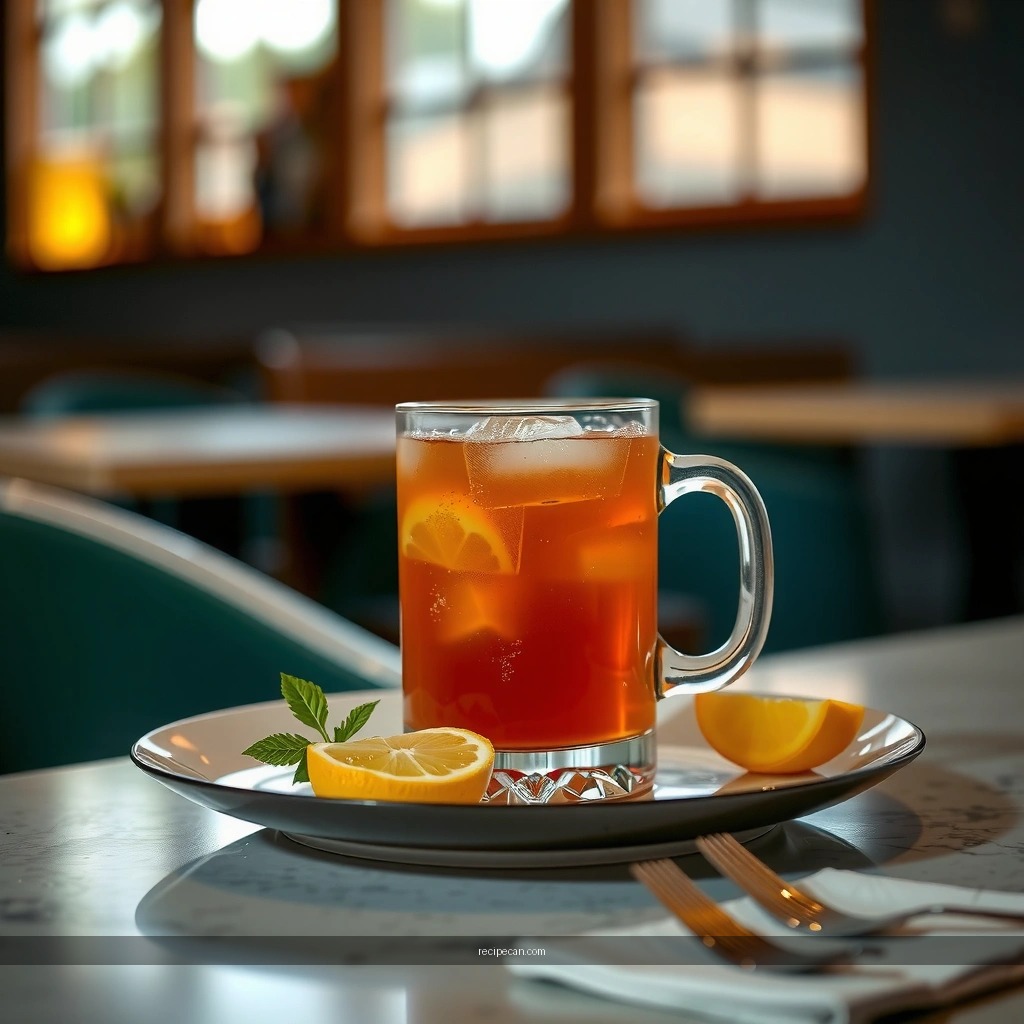
The base is where you lock in the drink’s flavor strength. Because Tang is a powder concentrate, the goal is to dissolve it completely so you avoid a chalky texture and get an even citrus profile in every sip.
Best approach:
1. Add water first (especially for cold/iced prep) so you can control how concentrated the drink becomes.
2. Stir in Tang gradually until fully dissolved.
3. Add sugar (optional) once Tang is mostly dissolved, then stir again until you don’t feel any grit.
Suggested mixing ratios (simple and repeatable):
– Mild: 4 tsp Tang + 2 cups water (about 1 cup per serving)
– Standard: 5 tsp Tang + 2 cups water
– Strong / crowd-pleaser: 6 tsp Tang + 2 cups water
Why stirring technique matters:
– Even if Tang dissolves quickly, stir for 30–60 seconds and scrape the bottom of the glass or pitcher. This reduces separation and improves texture—important for iced Russian tea, where undissolved powder can settle on the bottom.
Optional flavor boost at this stage:
– Add lemon juice (1–2 tsp) after Tang dissolves. This preserves citrus brightness and helps the drink taste “fresh,” even when served hot.
Serving Strength Guide (What to Expect)
Tang-to-Water Strength Settings for Russian Tea
| # | Batch Goal | Tang (tsp) | Water (cups) | Expected Citrus Intensity | Sweetness Impact |
|---|---|---|---|---|---|
| 1 | Light & Refreshing | 4 | 2.5 | Low | Mild (add sugar only if needed) |
| 2 | Everyday Comfort | 5 | 2.5 | Medium | Balanced (often no extra sugar) |
| 3 | Classic Hot Cup | 5 | 2.0 | Medium-High | Slightly sweet (1–2 tsp sugar optional) |
| 4 | Bold & Spice-Forward | 6 | 2.0 | High | May feel sweet if adding sugar too |
| 5 | Iced (Pre-Strength) | 6 | 2.0 | High | Keeps flavor after dilution from ice |
| 6 | Family Batch (More Cups) | 10 | 4.0 | Medium | Easy to scale; sugar adjustable per taste |
| 7 | Decaf-Style Relaxation | 4 | 2.0 | Medium | Comfort without extra caffeine |
Add Spices for the Classic Russian Tea Flavor
This is where Russian tea becomes unmistakable. The spices should complement the citrus rather than compete with it. In professional beverage terms, you’re aiming for a spice “top note” (aroma) plus a warm “body” (flavor).
A reliable spice blend to start:
– Cinnamon: 1/4 to 1/2 teaspoon (or 1 cinnamon stick)
– Cloves: a pinch or 1–2 whole cloves
– Nutmeg: a tiny pinch (optional)
– Allspice: optional pinch
Hot method vs. iced method for spice infusion:
– Hot: Simmering or steeping for 1–3 minutes helps cloves and cinnamon bloom into the liquid. This is usually the fastest path to a rich aroma.
– Iced: If you’re starting cold, you can still bloom spices by using warm water for 30–60 seconds, dissolving Tang/spices, then chilling. This avoids under-extracted clove flavor.
Taste-adjustment strategy (the analytical part that improves consistency):
– If it tastes flat, add more cinnamon first (it reads as warm, not harsh).
– If it tastes too sweet, reduce or skip sugar and add a bit more lemon.
– If it tastes too “clovey,” dilute with water and reduce cloves next time—cloves are the most dominant spice in this profile.
Make It Hot or Iced (Two Simple Options)
This Russian tea recipe with Tang works in both directions because the core mixing step is the same—only temperature handling changes.
Hot Russian Tea Directions
1. Mix base: Stir Tang (and optional sugar) into hot or warm water until dissolved.
2. Bloom spices: Add cinnamon and cloves. Let steep 1–3 minutes.
3. Finish: Stir in lemon juice if using.
4. Serve immediately in mugs.
Flavor tip for hot cups:
Hot beverages intensify aroma. If you’re sensitive to clove, use half the cloves you’d use for iced tea, then steep briefly.
Iced Russian Tea Directions
1. Mix concentrated base: Use Tang, optional sugar, and spices in slightly stronger ratio (see the table above).
2. Cool quickly: Chill in the refrigerator 30–60 minutes, or pour over a tray of ice to bring temperature down faster.
3. Serve over fresh ice: Pour into a glass filled with ice.
4. Stir once before sipping to redistribute any settling.
Iced-specific quality improvements:
– Use fresh ice (ice that hasn’t been sitting too long absorbs odors).
– Consider less sugar if you plan to sweeten at the table—ice can make flavors taste “duller,” and you may want controlled sweetness.
Serve and Store Your Russian Tea
Presentation and storage are where home preparation can mirror professional service quality—consistent, safe, and ready to enjoy.
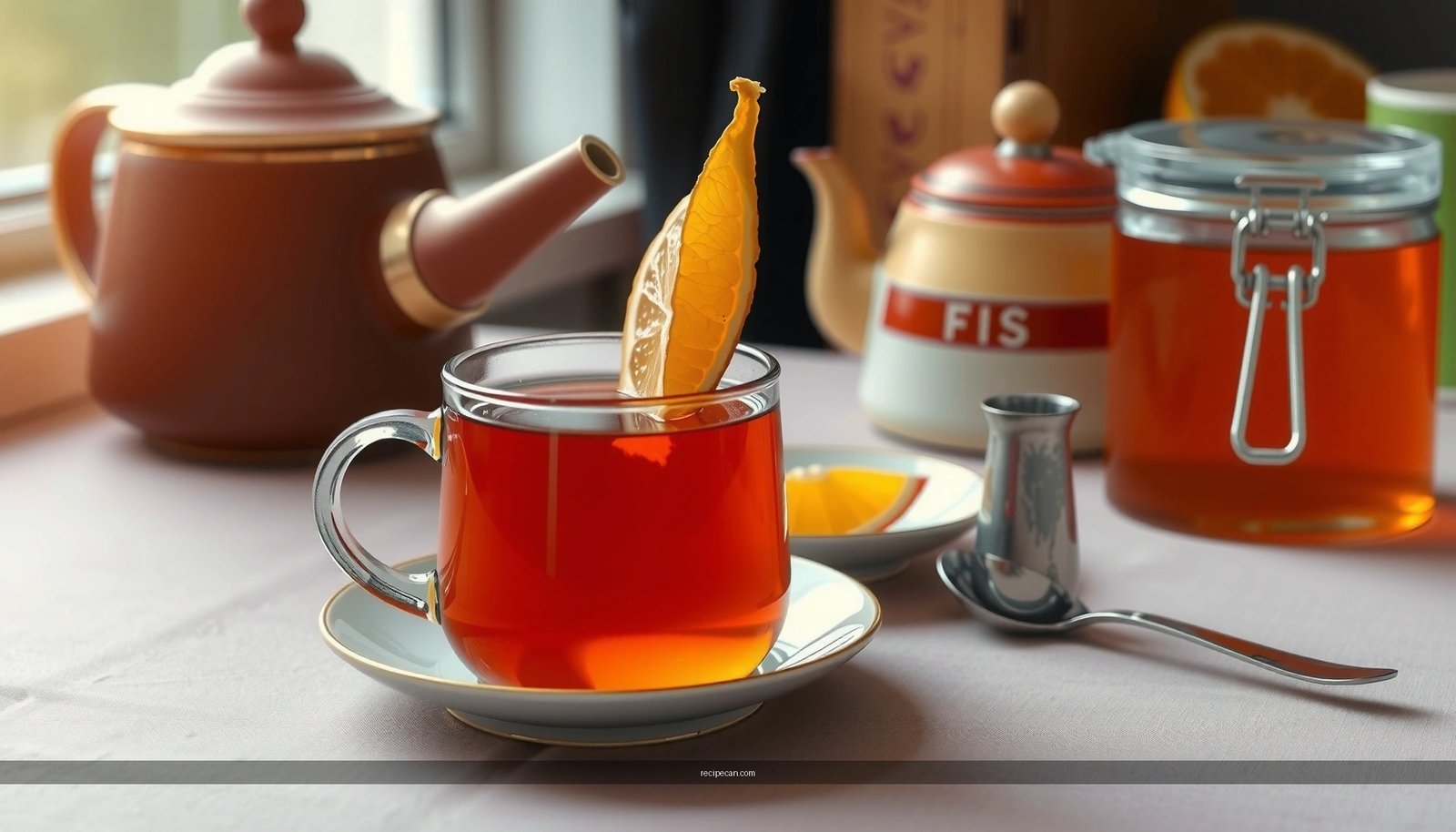
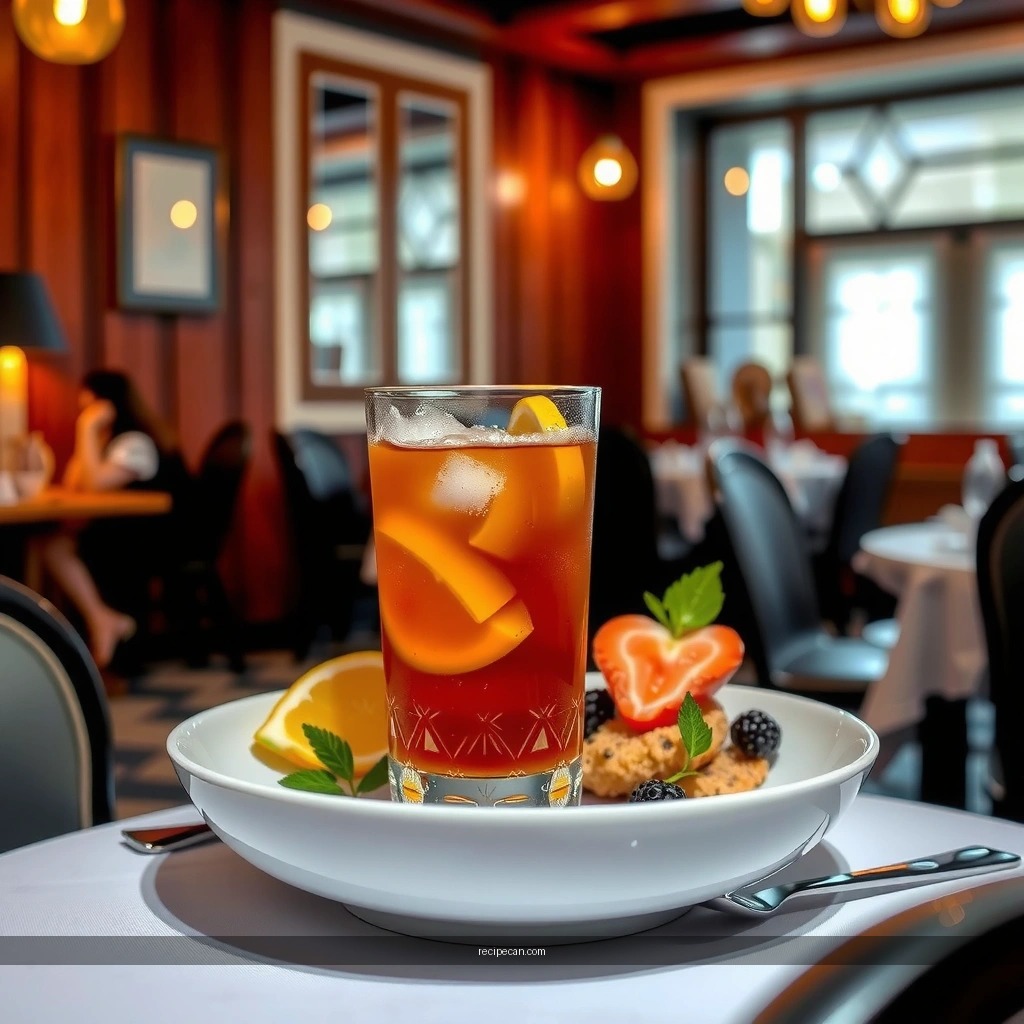
– Garnish with a thin lemon slice or a lemon peel twist to enhance citrus aroma.
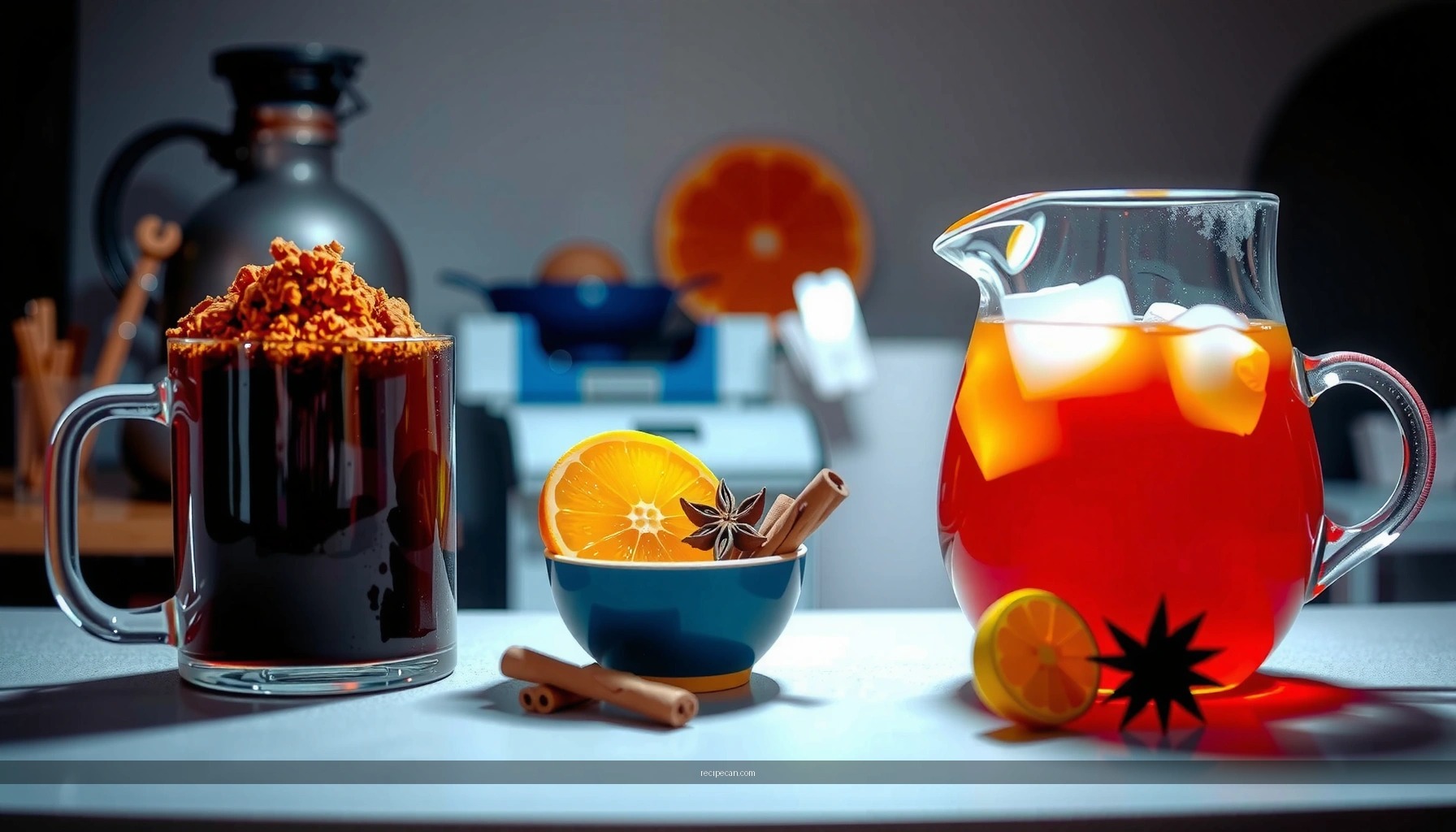
– Add a cinnamon stick to a serving pitcher (remove after steeping if it becomes too strong).
– For a lighter look, use a clear glass to show the orange-citrus tone and spice aroma.
Storage guidance (for leftovers):
– Refrigerate in a covered container.
– Keep for up to 3–4 days for best flavor.
– When reheating (for hot versions), warm gently—don’t boil aggressively, which can dull citrus brightness.
Stir-before-serving principle:
Tang can settle slightly over time, particularly after chilling. Stir or shake the container before pouring to maintain uniform flavor.
Quick Troubleshooting Tips
Even with a reliable recipe, taste can drift based on Tang batch, spice potency, water hardness, and your preference for sweetness. Use these fast fixes instead of starting over.
– Too strong? Add more water (or a splash of lemon juice if you want it brighter rather than just weaker), then stir.
– Too weak? Add a little more Tang one teaspoon at a time, then reassess. For spices, add gradually—cinnamon first, then cloves.
– Too sweet? Reduce sugar and add more lemon juice; acidity often restores balance without increasing sweetness.
– Not aromatic enough? Steep cinnamon/cloves for an extra 1–2 minutes (hot) or briefly warm the mixture before chilling (iced).
– Spices taste “stale” or harsh? Cloves may be overdone; reduce clove next time and rely on cinnamon + a pinch of nutmeg for smoother warmth.
Russian tea with Tang is an easy, fast drink you can tailor to your sweetness and spice preferences. Follow the mix-and-stir steps, choose hot or iced, and adjust to taste—then make a batch and enjoy it whenever you want a comforting citrus-spiced cup.
A reliable Russian tea with Tang comes down to three controllable variables: the Tang-to-water ratio for citrus strength, the cinnamon/clove balance for warmth and aroma, and temperature handling for hot vs. iced flavor. Once you master those, you can scale the recipe for guests, tweak sweetness with lemon or sugar, and confidently serve a consistently delicious cup every time.
Frequently Asked Questions
What is a Russian tea recipe with tang and what does it taste like?
A Russian tea recipe with Tang is a warm, lightly sweet beverage mix made by combining Tang orange powder with hot tea or hot water, often alongside spices like cinnamon and cloves. It typically tastes like a spiced orange tea or orange chai—bright, tangy, and gently aromatic. Many versions are served family-style and can be adjusted from mild to bold by changing the amount of Tang and spices.
How do you make a Russian tea recipe with Tang from scratch?
Start by brewing black tea (or steeping tea bags) and then mixing in Tang orange powder while the liquid is still hot so it dissolves fully. Add spices such as cinnamon sticks, ground cinnamon, cloves, or allspice, and sweeten to taste with sugar or honey. Simmer briefly if you want a deeper spiced flavor, then strain (optional) and serve hot. For a smoother drink, stir thoroughly and let it sit for a few minutes before serving.
Why do people add Tang to Russian tea recipes, and is it a good substitute for traditional ingredients?
People add Tang because it provides a consistent citrus “tang” flavor and adds an easy, no-measure-needed sweetened profile that many Russian tea variations aim for. It can also reduce the need for squeezing fresh citrus because the orange notes are already baked into the powder. While it won’t exactly match every traditional ingredient list, Tang works well for achieving that signature orange tea taste reliably.
What are the best spices and flavor add-ins for Russian tea with Tang?
Cinnamon is the most common and pairs perfectly with Tang’s orange flavor, especially if you use cinnamon sticks for infusion. Cloves and allspice add warmth, while a pinch of nutmeg can make the Russian tea recipe with Tang taste more “cozy” and dessert-like. Optional add-ins include a splash of vanilla extract, sliced oranges for garnish, or a small amount of ginger for extra zing—just keep portions small so the Tang flavor stays balanced.
Which Russian tea recipe with Tang is easiest for parties—single-serve or make-ahead batch?
For parties, a make-ahead batch is usually easiest because you can scale the Russian tea recipe with Tang and keep it warm with minimal effort. Mix Tang and spices into a large pot of hot brewed tea, then hold it on low heat so it stays fragrant without boiling too hard. If serving individual cups, keep a “base” warm tea ready and stir Tang in per serving to maintain consistent flavor; batch versions are fastest, while single-serve offers the most control.
References
- Google Scholar Google Scholar
https://scholar.google.com/scholar?q=Russian+tea+Tang+recipe - Google Scholar Google Scholar
https://scholar.google.com/scholar?q=Tang+powdered+drink+mix+history - Google Scholar Google Scholar
https://scholar.google.com/scholar?q=Russian+tea+tea+punch+history+origin - Russian tea culture
https://en.wikipedia.org/wiki/Russian_tea - https://en.wikipedia.org/wiki/Tang_(brand
https://en.wikipedia.org/wiki/Tang_(brand - https://en.wikipedia.org/wiki/Tea_punch
https://en.wikipedia.org/wiki/Tea_punch - Drink mix
https://en.wikipedia.org/wiki/Drink_mix - Lemonade
https://en.wikipedia.org/wiki/Lemonade - https://en.wikipedia.org/wiki/Citric_acid
https://en.wikipedia.org/wiki/Citric_acid - https://en.wikipedia.org/wiki/Sugar
https://en.wikipedia.org/wiki/Sugar