If you’re searching for a Southern sweet tea recipe, this easy classic sweet tea method delivers the best glass fast—rich, sweet, and properly brewed every time. You’ll get exact brewing steps for strong tea, the right amount of sugar to hit that signature Southern taste, and a simple cooling plan so it’s ready to serve. Use it when you want the real classic result, not a watered-down shortcut.
If you want classic southern sweet tea that tastes rich, bold, and never gritty, brew a strong black tea base first, then dissolve sugar while the tea is still hot—finally chill it until perfectly clean-tasting. In this guide, you’ll learn the exact steeping approach for strong flavor, the correct sugar-dissolving method, and practical chilling and serving tips to help you get consistent, refreshingly smooth results every time.
Brew Strong Tea Base
Strong sweet tea starts with the tea itself. Many “weak” sweet tea problems aren’t really sugar problems—they’re brewing problems. If you under-steep, the sugar can only amplify diluted tea flavor, which tastes thin and flat, even when it’s sweet.
For the classic southern profile, use black tea (often Ceylon or Assam blends, or any traditional black tea). Black tea has the tannin and body that stand up to sugar and ice, producing that characteristic caramel-like depth when chilled.
How to steep for a strong base (the practical method):
– Use enough leaf or enough tea bags to make the tea concentrated.
– Bring water to a full boil, then steep without rushing.
– Give the tea time to fully extract color and flavor before you add sugar.
A useful way to think about it: sweet tea should taste “slightly intense” while it’s still hot. Once you chill it and add ice, flavors mute a bit. Brewing strong upfront accounts for that dilution.
Recommended baseline (for home batches):
– Tea concentration: aim for about 2 family-size tea bags per 1 quart (or roughly 1/3 cup loose leaf per 1 gallon, adjusted to your leaf strength).
– Steep time: 8–12 minutes for tea bags; loose leaf often needs 3–5 minutes longer depending on grind and thickness.
– If you can, brew with a kettle and timer—sweet tea quality improves dramatically when steep time is consistent.
Brewing strength at a glance (typical household outcomes)
Common Sweet Tea Brewing Profiles (1 Quart, Black Tea)
| # | Brewing Profile | Tea Bags | Steep Time | Typical Strength | Overall Score |
|---|---|---|---|---|---|
| 1 | Classic strong (baseline) | 2 family-size | 10 minutes | Rich, full-bodied | ★★★★ |
| 2 | Extra-steep for bold tea | 2 family-size | 12 minutes | Very deep, slightly tannic | ★★★★ |
| 3 | Slightly lighter | 2 family-size | 8 minutes | Balanced, less intense | ★★★ |
| 4 | Under-steep (weak risk) | 2 family-size | 6 minutes | Thin after chilling | ★★ |
| 5 | Tea bags too few (weak risk) | 1 family-size | 10 minutes | Light body | ★★ |
| 6 | Tannic but strong | 3 standard bags | 10 minutes | Very strong base | ★★★★ |
| 7 | Too long (bitterness risk) | 2 family-size | 15 minutes | Bitter edge | ★★ |
Sweeten the Tea Right
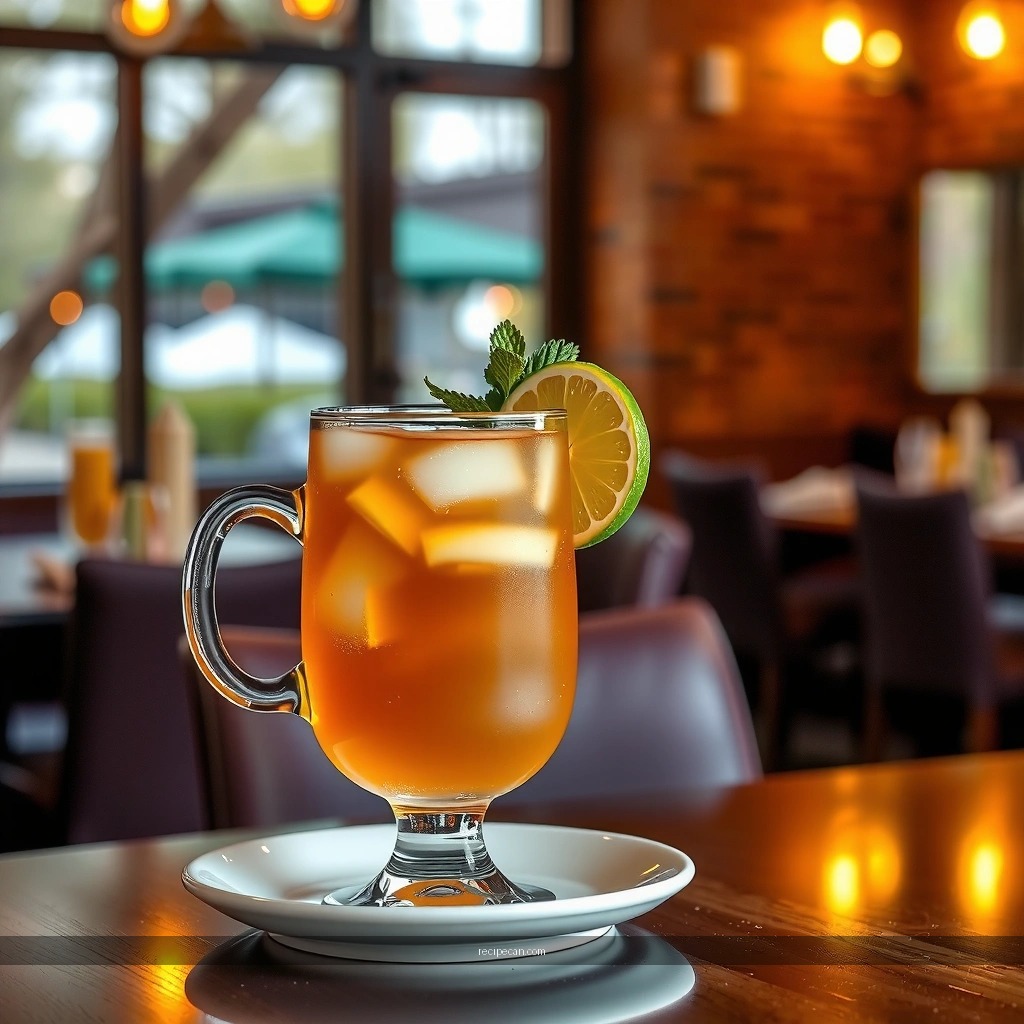
The single most overlooked step in sweet tea is when you add sugar. If you wait until the tea cools, sugar may dissolve slowly—or not fully—leading to a grainy mouthfeel and inconsistent sweetness in every glass.
For best results, add sugar while the tea is hot. Heat increases sugar solubility and helps ensure a uniform flavor profile from first pour to last. Then stir until the solution is clear and consistent.
Practical sugar guidance (balanced classic sweetness):
– Start with roughly 1 cup sugar per 1 gallon for a traditional southern sweetness level (adjust to taste).
– For 1 quart, that’s about 1/4 cup sugar.
– If you prefer sweeter tea, increase gradually; if you prefer less sweetness, reduce in small steps.
Why hot dissolving matters (analytical perspective):
Sugar affects more than sweetness—it also changes perceived body. Dissolved sugar thickens the flavor impression, making the tea taste smoother and more “rounded.” Grainy sugar, on the other hand, makes the drink feel rough and less premium, even if the tea itself is strong.
Stirring technique:
– Stir slowly at first to prevent splashing and to help sugar settle into solution.
– Then stir more vigorously until you no longer feel or see undissolved sugar at the bottom.
Chill for Best Flavor
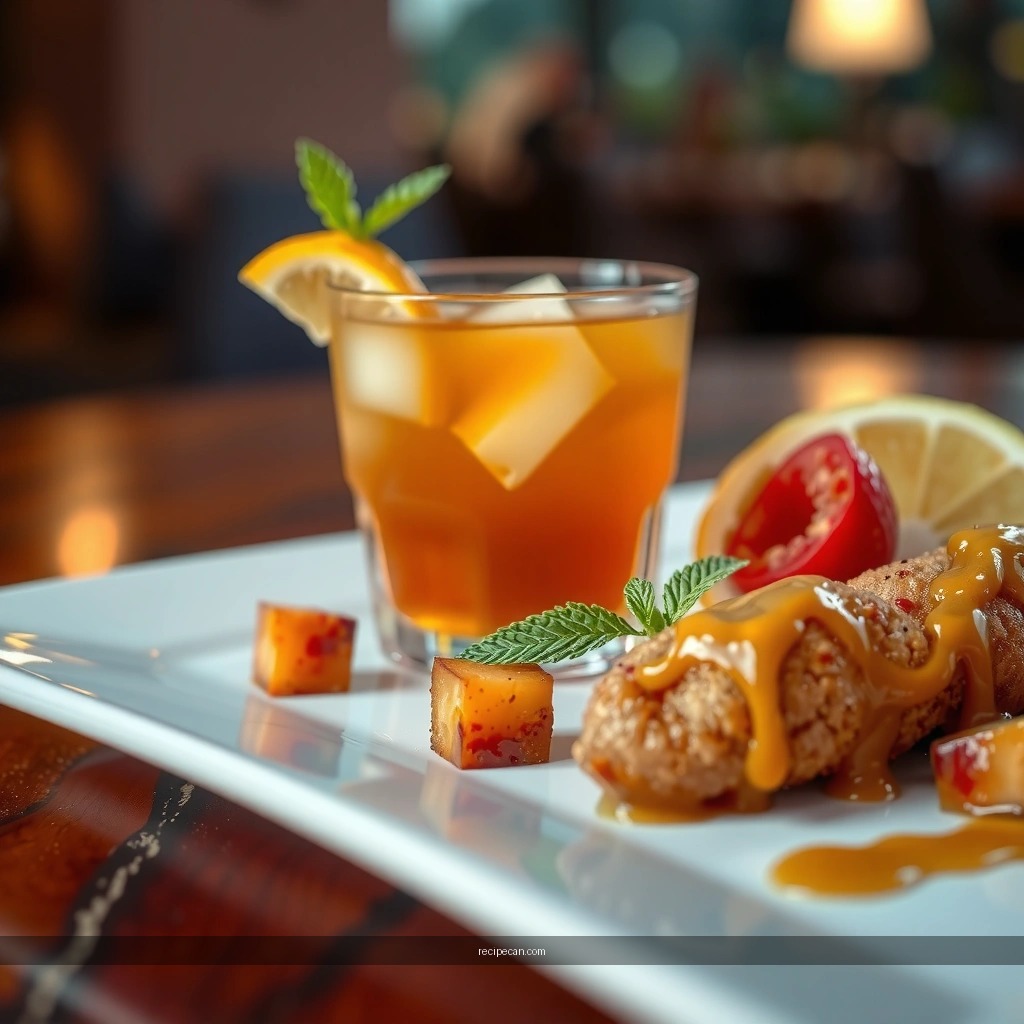
Chilling isn’t just a convenience step—it’s part of how sweet tea becomes “clean.” Hot tea tends to carry sharper tannin notes; once chilled, the flavor integrates and mellows into that signature southern profile.
Cool quickly, then refrigerate:
– Let the sweetened tea cool to room temperature first (don’t leave it sitting warm for hours).
– Refrigerate until cold—typically at least 2–4 hours, though overnight often produces the best clarity and balance.
Serving over ice for maximum refreshment:
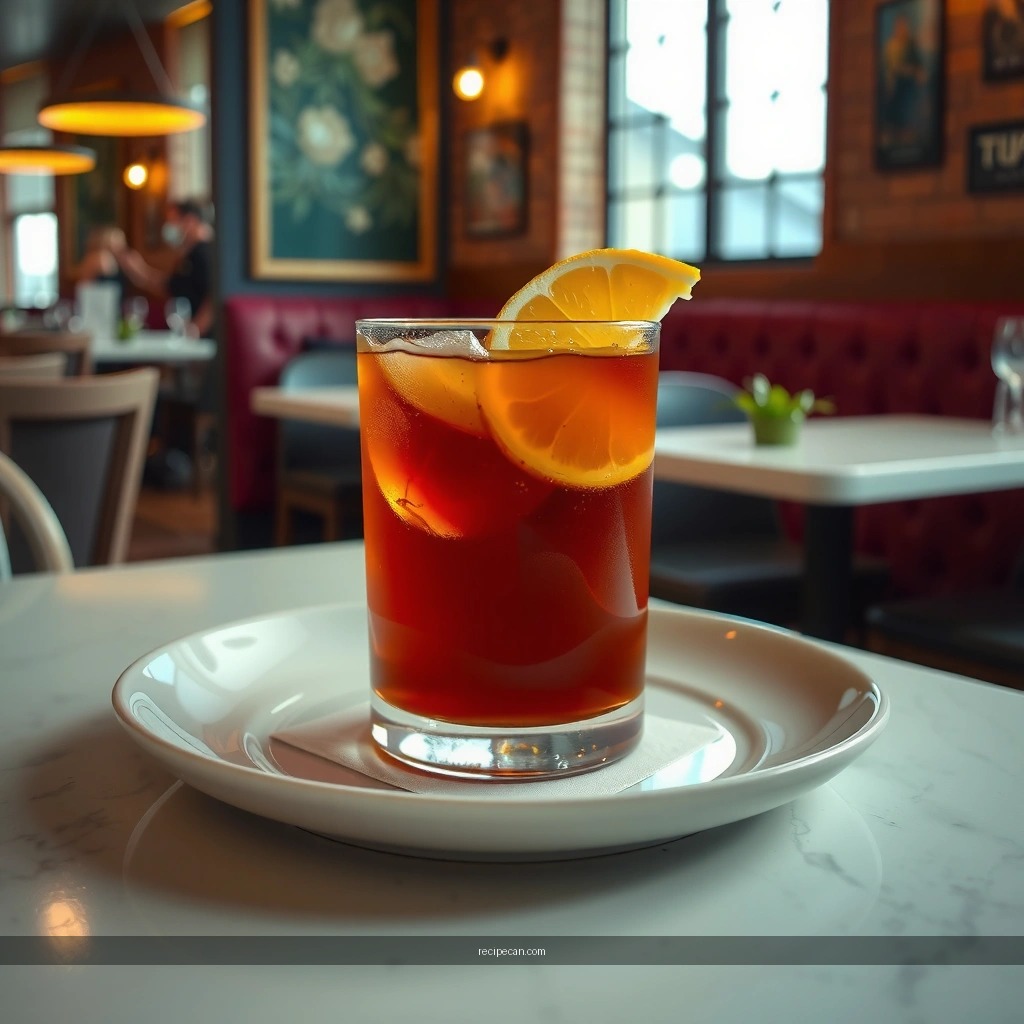
Ice dilutes the tea, so your “hot” taste should be slightly stronger than you’d want in the final glass. Using plenty of ice also prevents temperature spikes that can change sweetness perception.
Water quality and ice handling:
If your water tastes off, your tea will too. For best clarity and flavor consistency:
– Use fresh, cold water for brewing.
– Use clean ice cubes (avoid freezer odors).
Flavor and Variation Options
Sweet tea is flexible, but changes work best when you understand what you’re adjusting: steep strength, citrus brightness, and sweetness level.
Lemon-bright variation
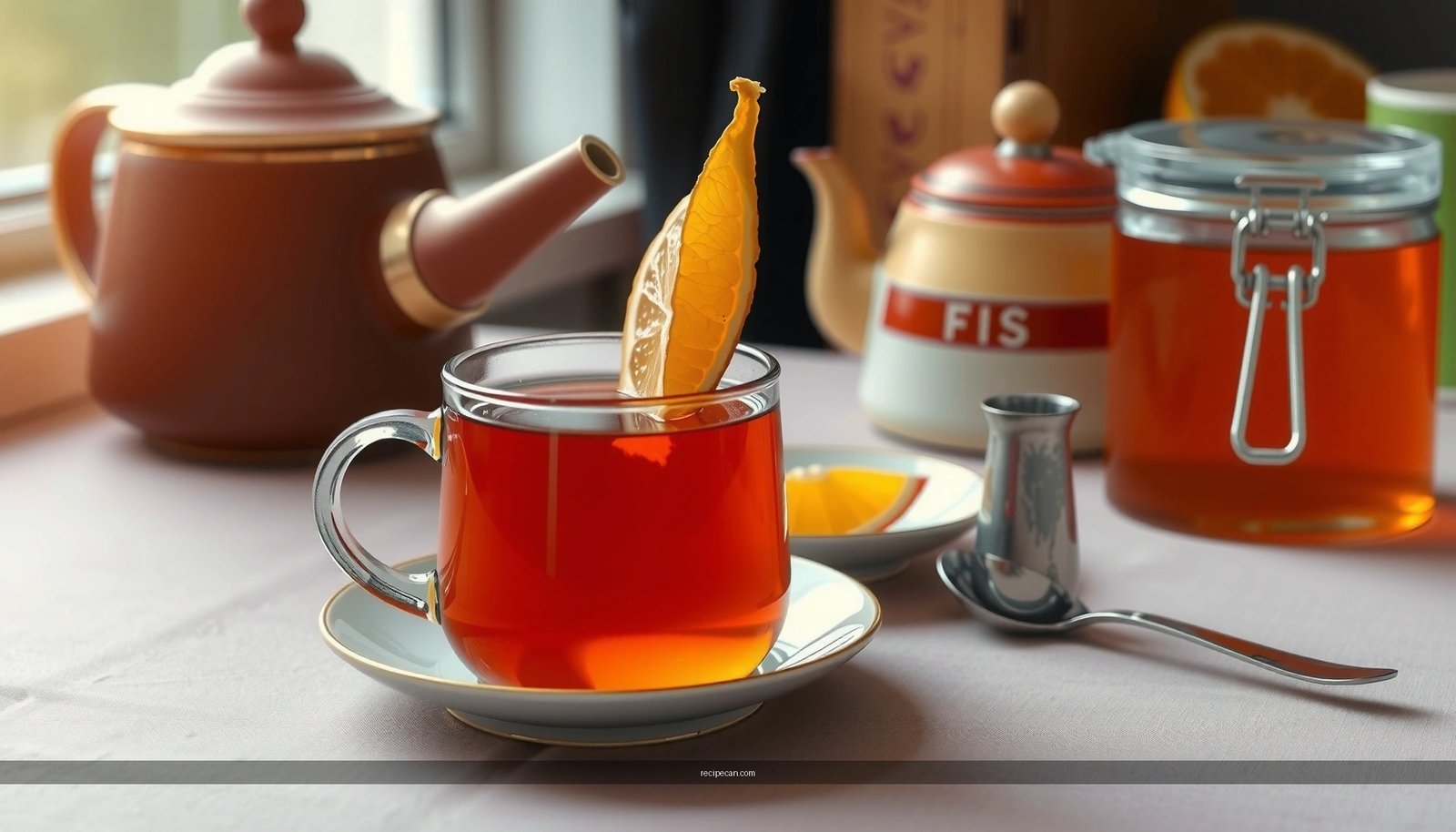
A squeeze of lemon adds a brighter finish and can make the tea taste less flat. Add it after sweetening (while still warm is okay, but avoid boiling the citrus). Start with:
– 1–2 tablespoons fresh lemon juice per quart, then adjust.
What to expect: lemon tends to sharpen aroma and reduce the “heavy” impression of sugar, without changing the tea’s core character.
Lighter tea variations (steep time control)
If you want a lighter version, don’t just cut sugar—adjust tea concentration:
– Reduce steep time by 1–2 minutes and taste.
– Keep sugar dissolved hot so you maintain smoothness.
This approach is more predictable than adding “more water after.” It maintains a stable tea flavor structure while dialing intensity down.
Batch scaling considerations
If you’re brewing for a crowd, keep ratios consistent:
– Scale tea quantity and steep time proportionally.
– Keep sugar dissolving step the same (hot tea + enough stirring).
Serving Tips and Storage
Even a great sweet tea recipe can fall short if serving and storage are mishandled. For consistent results—especially at events—follow these field-tested practices.
Serving clarity and taste stability:
– Use plenty of ice and pour from a chilled container.
– Fill glasses fully so the tea doesn’t warm quickly.
– Consider using a pitcher with a spout to maintain flow control and reduce residue.
Storage in the refrigerator:
– Store sweet tea covered in the fridge.
– Plan to drink it within 3–5 days for best flavor.
– If you’re “topping off” with more ice, pour off the previous ice-melted portion or stir before serving to avoid uneven sweetness.
Recommended storage and safety timeline (practical guidance)
Sweet Tea Storage & Refreshing Practices
| # | Scenario | Best Practice | Expected Result |
|---|---|---|---|
| 1 | Fresh-brewed & fully chilled | Refrigerate in covered pitcher | Cleaner, balanced flavor |
| 2 | 3–5 day fridge window | Consume within 5 days | Best sweetness integration |
| 3 | Refilling during events | Stir before serving; avoid constant top-offs | Even strength per glass |
| 4 | Freezer option | Freeze in portions; thaw refrigerated | Works for later batches |
Troubleshooting Your Sweet Tea
Even seasoned cooks run into issues. The good news: most sweet tea “failures” are diagnosable and fixable with small changes to steep time, tea amount, or chilling strategy.
If it tastes weak
Common causes:
– Insufficient steep time
– Too few tea leaves/tea bags
– Brewing water not hot enough
Fix:
– Next batch, steep 2–3 minutes longer.
– Or increase tea concentration slightly (for tea bags, move from 1 to 2 family-size per quart).
If it’s too strong or bitter
Bitter sweet tea usually comes from over-extraction:
– Steeping too long
– Using excessively strong tea concentration
– Letting tea sit too long after steeping
Fix:
– Shorten steep time by 1–3 minutes.
– If using loose leaf, reduce the quantity or choose a blend with softer tannin character.
If it’s gritty or unevenly sweet
This is almost always sugar handling:
– Sugar wasn’t fully dissolved while hot
– Tea cooled too much before sweetening
– Not enough stirring
Fix:
– Add sugar only when the tea is hot.
– Stir thoroughly until there’s no sediment at the bottom.
Serving and process recap (what to do every time)
This southern sweet tea recipe is simple in the best way: brew strong, sweeten while hot, then chill and serve cold. Brew strong with black tea and consistent steep time, dissolve sugar properly before chilling, and use enough ice (plus fresh cold water) to keep each glass balanced.
Make a batch today, tweak the steep time to your taste, and enjoy a homemade classic every time.
Frequently Asked Questions
What is the best way to make Southern sweet tea at home?
Brew a strong batch of black tea first, usually using loose leaf or tea bags, and let it steep longer than you would for drinking tea. Pour the hot tea over sugar while it’s still warm so it dissolves quickly, then chill thoroughly in the refrigerator. Finish with fresh water or ice to reach your preferred strength and serve Southern sweet tea over a full glass of ice.
How do I get the perfect tea strength for Southern sweet tea?
Use black tea as the base and aim for a strong concentrate before adding sugar and chilling. If your sweet tea tastes weak, steep longer or use slightly more tea per cup, since iced tea often becomes more watery as it cools. For consistent results, measure your water and tea each time and chill until the flavor is fully developed.
Why is Southern sweet tea often made with a specific sugar ratio?
Traditional Southern sweet tea relies on enough sugar to balance the bold, slightly bitter notes of black tea. Start with a simple sugar-to-water approach for your batch, then adjust after brewing while the tea is still warm so sweetness is even throughout. If you under-sweeten, the tea can taste flat once cold, so it’s important to get the sweetness right before serving.
Which black tea works best for authentic Southern sweet tea?
Classic Southern sweet tea is typically made with black tea, such as English Breakfast or a strong Assam-style tea, because it brings a rich, malty flavor. Many people also use traditional bagged black tea brands, but the key is choosing a tea that steeps up bold enough to stand against the sugar. Using tea that’s too light can make your Southern sweet tea taste watery even after chilling.
How long should Southern sweet tea steep and cool before serving?
Steep your black tea hot for about 5–10 minutes, then dissolve the sugar while the tea is warm for the smoothest Southern sweet tea. Let the brewed mixture cool completely, ideally refrigerating for at least a couple of hours, so the flavors meld and the tea is properly chilled. Serve immediately over ice and stir gently to keep the sweetness uniform.
References
- Sweet tea
https://en.wikipedia.org/wiki/Sweet_tea - Iced tea
https://en.wikipedia.org/wiki/Iced_tea - https://www.fda.gov/food/buy-store-serve-safe-food/keep-food-safe-safe-temperature
https://www.fda.gov/food/buy-store-serve-safe-food/keep-food-safe-safe-temperature - https://www.fsis.usda.gov/food-safety/safe-food-handling-and-preparation/food-safety-basics/food-temperature-chart
https://www.fsis.usda.gov/food-safety/safe-food-handling-and-preparation/food-safety-basics/food-temperature-chart - https://www.cdc.gov/foodsafety/keep-food-safe.html
https://www.cdc.gov/foodsafety/keep-food-safe.html - https://pubmed.ncbi.nlm.nih.gov/?term=sweet+tea
https://pubmed.ncbi.nlm.nih.gov/?term=sweet+tea - Google Scholar Google Scholar
https://scholar.google.com/scholar?q=southern+sweet+tea+recipe - Google Scholar Google Scholar
https://scholar.google.com/scholar?q=black+tea+brewing+parameters+for+iced+tea - Google Scholar Google Scholar
https://scholar.google.com/scholar?q=sweet+tea+microbial+growth+food+temperature - https://www.foodsafety.gov/keep-food-safe/cold-food-safety
https://www.foodsafety.gov/keep-food-safe/cold-food-safety