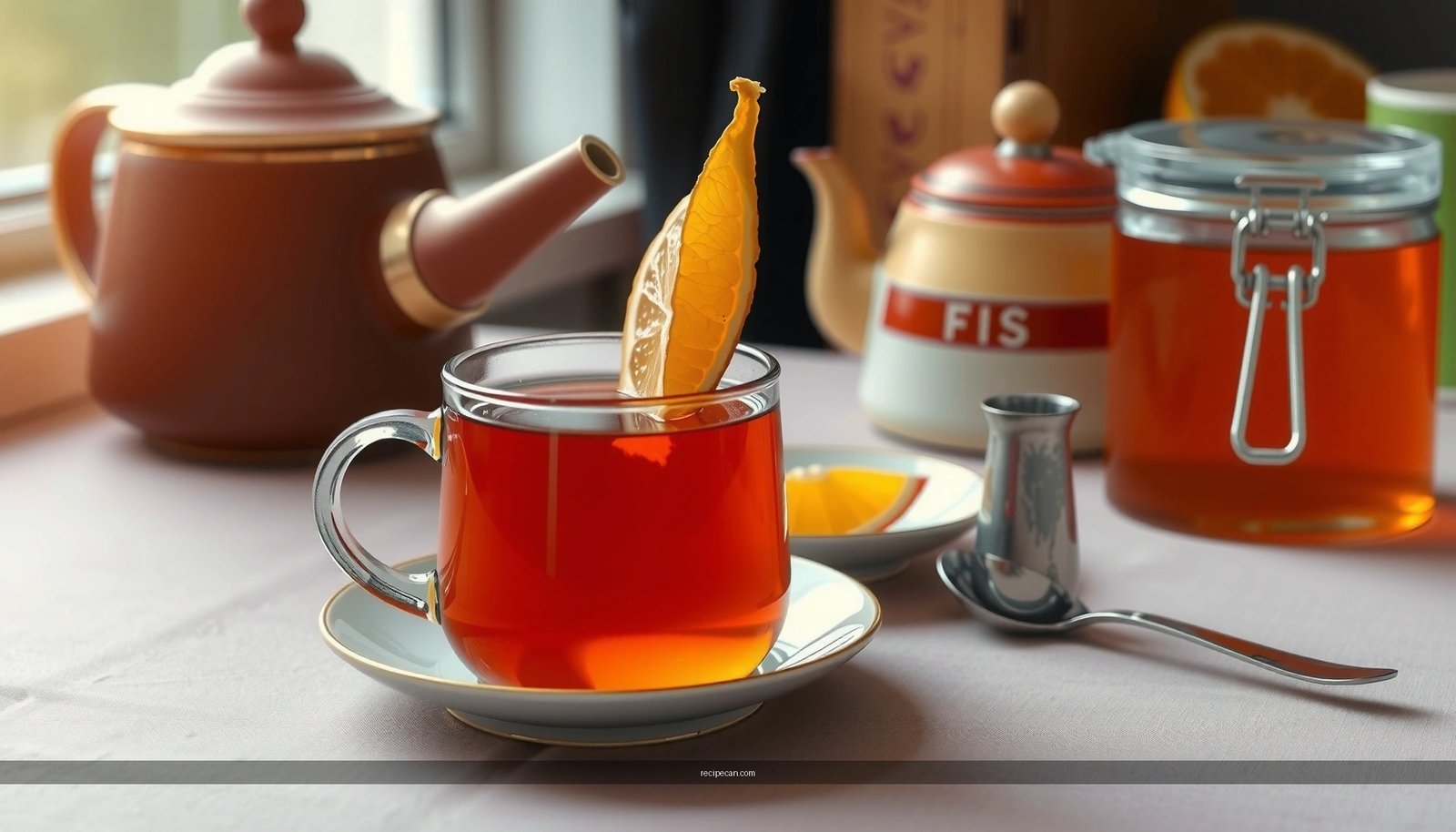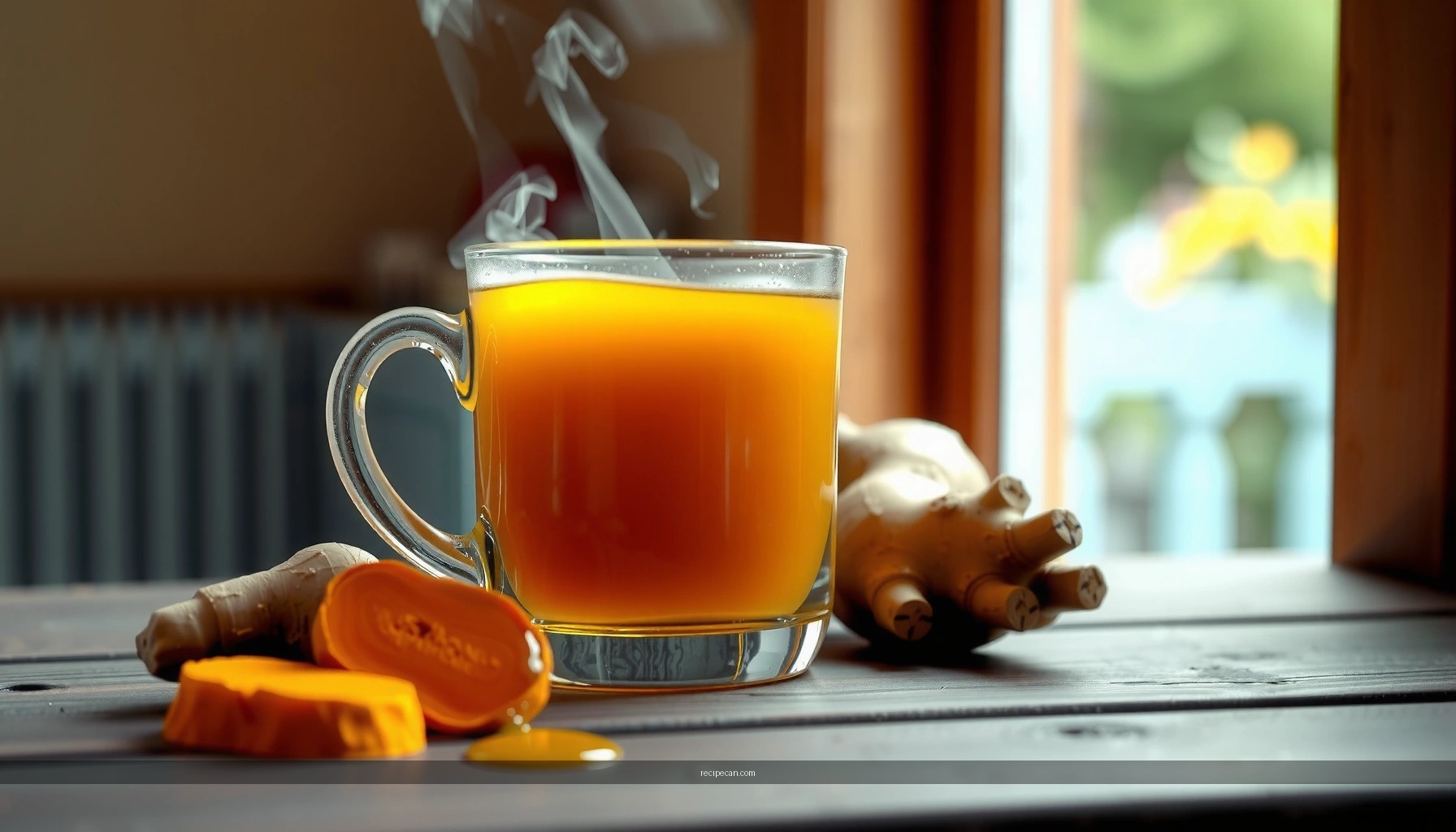
Searching for a turmeric ginger tea recipe that actually tastes good and delivers quick soothing benefits? This easy turmeric ginger tea recipe walks you through the exact ingredients and simple steps for a warm, spiced cup that supports everyday wellness. If you want a fast remedy for cold-season comfort or digestion support, this is the clear winner.
This turmeric ginger tea recipe is quick to brew—simply simmer fresh ginger and turmeric in water, then customize with lemon, honey, and optional black pepper for absorption. In under 20 minutes, you’ll get a warm, spicy herbal drink designed for everyday comfort, digestion support, and wellness-minded routines.
Benefits of Turmeric Ginger Tea
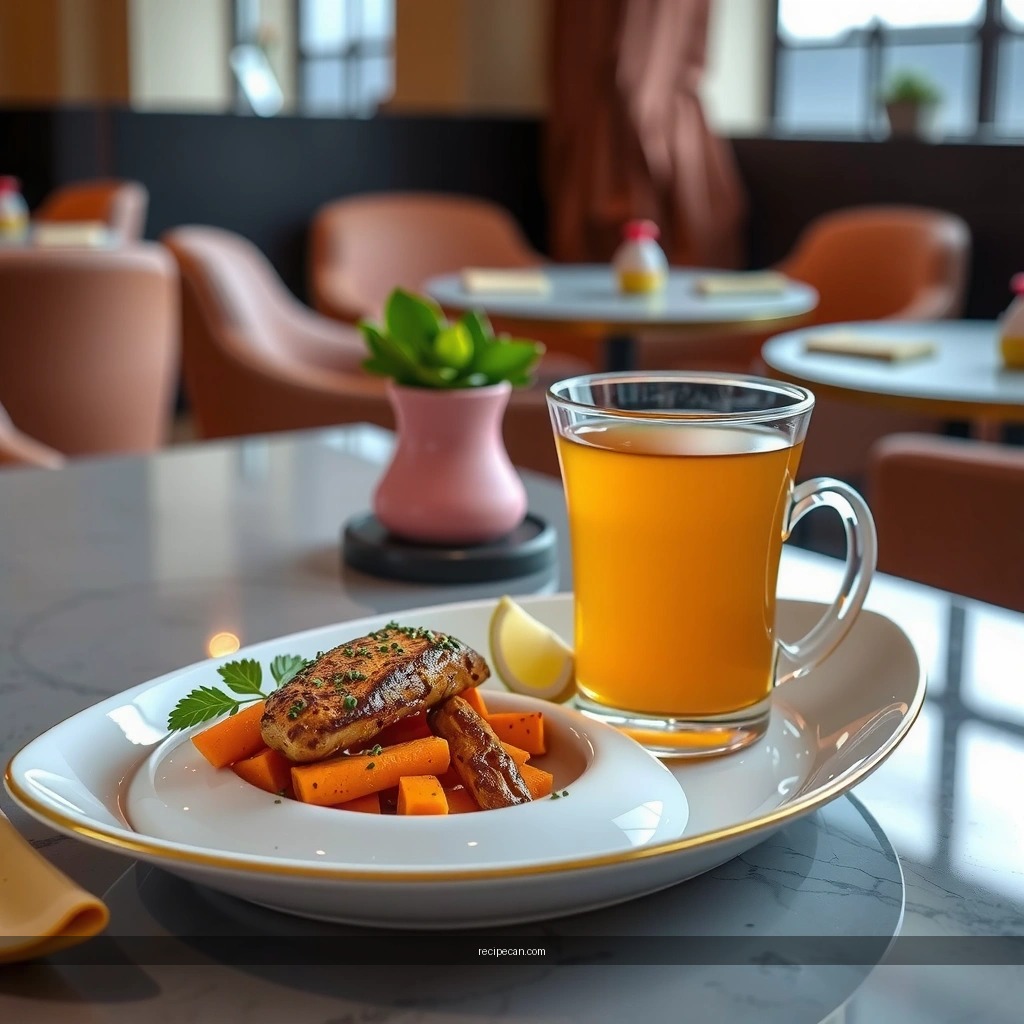
Turmeric ginger tea is popular because it blends two well-studied botanicals with complementary properties. Turmeric (especially its active compound curcumin) and ginger both contribute to the tea’s reputation for calming and wellness support, particularly when used consistently as part of a balanced lifestyle rather than as a standalone “cure.”
From a practical wellness perspective, warm beverages can also make healthy habits easier to maintain. The heat itself often feels soothing—many people report greater comfort after meals, during seasonal weather shifts, or when they want a gentle, caffeine-free alternative to coffee or black tea. Importantly, turmeric ginger tea is easy to scale: you can brew a single mug or a larger batch, adjust the strength to tolerance, and keep it aligned with your dietary goals (with or without honey, and with or without pepper).
Below is a helpful comparison of common brewing variables and how they tend to affect the tea’s perceived profile (strength, bite, and “comfort factor”). While individual experiences vary, this can guide you toward a repeatable result.
How Brewing Choices Commonly Shift Tea “Profile” (Mug Size)
| # | Brewing Variable | Typical Impact | Strength (1–10) | Perceived Bite (1–10) | Comfort Fit (1–10) |
|---|---|---|---|---|---|
| 1 | Ginger: 10g fresh + Turmeric: 2g powder | Mild baseline | 4 | 4 | 8 |
| 2 | Ginger: 15g fresh + Turmeric: 3g powder | Balanced warmth | 6 | 6 | 9 |
| 3 | Longer simmer: 15 minutes (instead of 8–10) | Deeper flavor extraction | 7 | 5 | 8 |
| 4 | Add black pepper: 1/8 tsp | More pungent finish | 6 | 7 | 7 |
| 5 | Increase turmeric: 5g powder + normal ginger | Earthier, more turmeric-forward | 8 | 4 | 7 |
| 6 | Add lemon after simmering (1–2 tbsp) | Brighter, less “heavy” taste | 5 | 5 | 9 |
| 7 | Use honey (1 tsp) vs no sweetener | Softer finish, easier daily adherence | 5 | 4 | 8 |
Ingredients You’ll Need
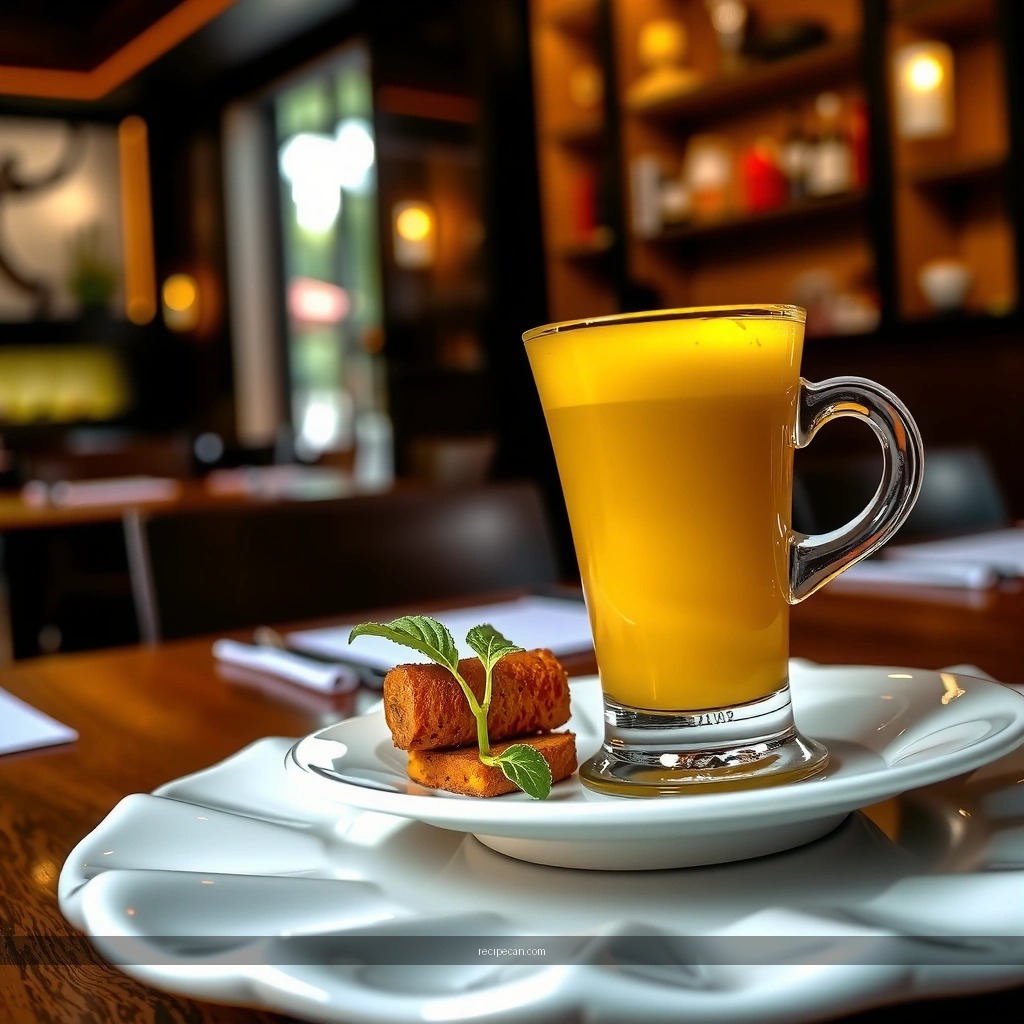
The beauty of this turmeric ginger tea recipe is its flexibility. You can keep it minimal for a clean, classic flavor or expand it for a more “tailored” cup that suits your day.
– Fresh ginger: Look for firm roots with a strong aroma. Fresh ginger typically delivers a bright, spicy bite.
– Turmeric (powder or fresh):
– Powdered turmeric is convenient and consistent.
– Fresh turmeric tends to taste slightly fresher and can feel less intense than powder for some people.
– Water: Enough to create a mug (or small pot batch).
– Optional lemon: Added after simmering to preserve its fresh, citrus edge.
– Honey or maple syrup (optional): For sweetness and to make daily drinking more enjoyable.
– Optional black pepper: A small amount can support turmeric’s absorption profile.
Practical note: turmeric can stain cups and countertops. Using a light simmer and wiping spills promptly keeps cleanup simple.
Step-by-Step Turmeric Ginger Tea Recipe
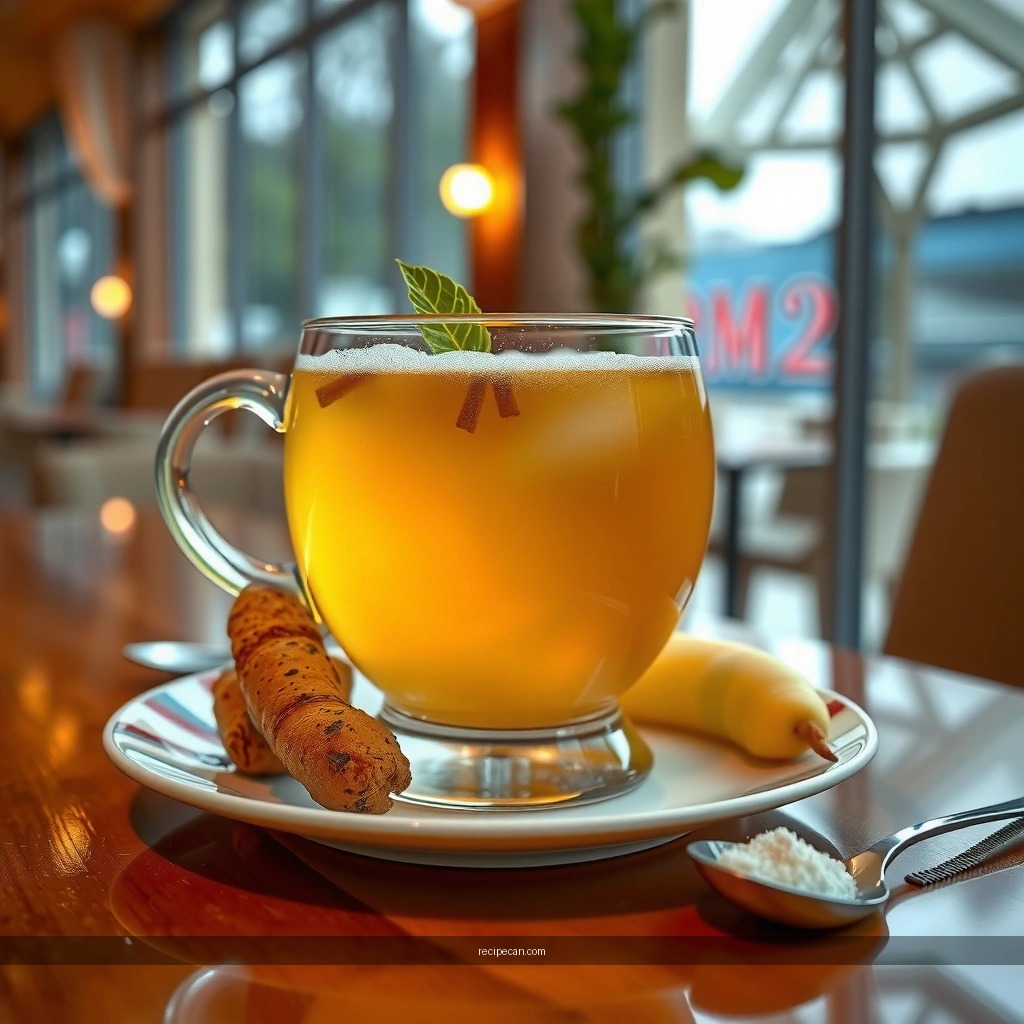
This method is designed for maximum flavor extraction without overcomplicating the process. It’s also easy to repeat, which matters if you want this to become a consistent wellness ritual.
– Step 1: Prepare your base.
Add water to a small saucepan (or pot). Add fresh ginger (sliced or lightly crushed) and turmeric (powder or sliced fresh). Stir briefly so the spices disperse.
– Step 2: Simmer for flavor.
Bring the mixture to a gentle simmer and cook for 8–15 minutes.
– 8–10 minutes: lighter, more approachable
– 12–15 minutes: deeper, more robust warmth
– Step 3: Finish with lemon and sweetness (optional).
Turn off heat and let the tea rest for about 1 minute. Then add lemon juice/zest and honey or maple syrup if you want it.
– Step 4: Strain for a smoother cup (optional).
If using fresh ginger/turmeric pieces, strain through a fine mesh. If you used powder and want a smoother drink, a quick strain can also improve texture.
Suggested starter ratio (1 mug):
– Water: ~1 cup (240 ml)
– Fresh ginger: 10–15 g (about a small knob, sliced)
– Turmeric: 1/2–1 tsp powder or 1–2 thin slices fresh turmeric
How to Customize Your Tea
Customization is where turmeric ginger tea becomes truly “yours.” Instead of chasing a single perfect recipe, treat your mug like a dial: adjust one variable at a time and note how it changes flavor and tolerability.
– Stronger tea (more depth):
Use extra ginger and/or turmeric and simmer longer (closer to 15 minutes). This will increase perceived intensity.
– Powder vs. fresh turmeric:
– Powder turmeric: more predictable and often easier to measure.
– Fresh turmeric: can feel brighter and more aromatic, but it varies by root size.
If you switch between them, start with a smaller amount of fresh turmeric and ramp up gradually.
– Add extra warmth (optional):
Consider small additions such as:
– Cinnamon (a thin stick or pinch) for a mellow sweetness
– Cayenne (tiny pinch) for heat
– Cloves (one clove or micro-pinch) for a deeper, spiced profile
If you’re sensitive to strong flavors, add one “booster” at a time. Ginger is particularly potent for some people, so the safest approach is to start mild and scale thoughtfully.
Best Time to Drink & Serving Tips
When you drink turmeric ginger tea matters less than consistency, but choosing a time that matches your goals can improve adherence.
– Morning: A mug in the morning can feel like a flavorful reset—especially if you’re replacing a sweetened caffeine habit with a warming, caffeine-free option.
– Evening: The same tea can support a calming routine, particularly when you’re winding down and want comfort without stimulant effects.
Serving ideas that work in real life:– Hot: Brew as written and enjoy immediately for maximum aroma.
– Iced: Cool brewed tea, pour over ice, and adjust lemon/honey after chilling if needed.
– Batching: Make a small batch for the week (refrigerate in a sealed container) and reheat gently—avoid boiling repeatedly, which can mute aroma.
For meal timing, many people find it most enjoyable between meals or after lighter dinners. If you notice sensitivity, avoid brewing it extra strong late at night.
Best Use-Cases by Flavor Strength (1–5 Stars)
| # | Use-Case | Mild | Balanced | Strong |
|---|---|---|---|---|
| 1 | Morning routine replacement | ★★★☆☆ | ★★★★☆ | ★★★★★ |
| 2 | Post-meal digestion comfort | ★★★★☆ | ★★★★☆ | ★★★☆☆ |
| 3 | Seasonal “warmth” ritual | ★★★★☆ | ★★★★★ | ★★★★☆ |
| 4 | Iced refresh on warm days | ★★★★☆ | ★★★★☆ | ★★★☆☆ |
Safety Notes & When to Adjust
Turmeric ginger tea is generally well tolerated, but “healthy” doesn’t mean “risk-free.” Because ginger and turmeric are biologically active ingredients, it’s wise to personalize—especially if you take medications or have sensitivities.
– Blood thinners and medical conditions:
If you take blood thinners or have a relevant medical condition, check with a healthcare professional before making turmeric ginger tea a frequent, concentrated habit.
– Ginger sensitivity:
Ginger can be potent and may contribute to reflux or stomach irritation for some people. If you’re sensitive, start with a smaller amount of ginger and aim for the shorter end of the simmer time.
– Turmeric + pepper irritation:
If you add black pepper and notice irritation, reduce or skip it. Similarly, if turmeric causes discomfort, dial back the amount or switch from fresh turmeric to a lighter dose of powder.
A smart method is to keep a simple “brew log” for a week: record how much you used, the simmer time, and how your body felt afterward. That turns trial-and-error into an informed routine.
Warm up your routine with this easy turmeric ginger tea recipe—simply simmer, customize, and enjoy. Try the basic version first, then adjust ginger, turmeric, and sweetness to make it yours; brew a cup today and note what flavor strength you like best.
Turmeric ginger tea is a practical, everyday blend: it’s simple to make, easy to adjust, and well suited for both morning and evening routines. Start with a mild batch, simmer to your preferred strength, finish with lemon and optional honey, and prioritize comfort and consistency—so your “healthy tea habit” actually sticks.
Frequently Asked Questions
How do I make turmeric ginger tea at home?
Start by simmering water with fresh ginger slices for 5–10 minutes, then add ground turmeric (or grated turmeric) and stir well. Turn off the heat and let it steep for another 5 minutes for deeper flavor. For best results, add lemon juice and a pinch of black pepper, then sweeten with honey or maple syrup if desired. Strain and drink warm for a soothing turmeric ginger tea recipe.
What ingredients make the best turmeric ginger tea for flavor and health?
The core ingredients are fresh ginger, turmeric, and hot water, with black pepper recommended to improve turmeric absorption. Add lemon for brightness, cinnamon for warmth, or honey for a gentler taste. If you prefer a smoother cup, consider using grated ginger instead of thick slices and whisking turmeric into a small amount of hot water before combining. This balanced turmeric ginger tea recipe helps create a satisfying, spicy-sweet beverage.
Which is better: fresh ginger or ground ginger for turmeric ginger tea?
Fresh ginger typically offers a brighter, more robust flavor and a stronger “fresh bite,” which many people prefer in a homemade turmeric ginger tea recipe. Ground ginger is more convenient and consistent, but it can taste less vibrant unless you use it with a short simmer and adequate steeping time. A good approach is to use about 1 teaspoon ground ginger per cup (or roughly 1 tablespoon freshly grated ginger), then adjust to taste.
Why should you add black pepper to turmeric ginger tea?
Turmeric contains curcumin, which is poorly absorbed on its own, and black pepper helps increase its bioavailability. Adding a pinch of freshly ground black pepper to your turmeric ginger tea recipe can make a noticeable difference in how “active” the turmeric feels for many people. Keep it mild if you’re sensitive to spice, and balance with honey or lemon to maintain a pleasant flavor.
What’s the best way to store and reheat turmeric ginger tea?
Let the tea cool to room temperature, then refrigerate in a sealed container for up to 3–4 days. When reheating, warm it gently on the stove or microwave in short intervals—avoid boiling aggressively, which can dull flavor. For best taste, you can re-squeeze fresh lemon and add a small additional pinch of black pepper after reheating. This makes your turmeric ginger tea recipe easy to meal-prep while staying flavorful.
References
- Google Scholar Google Scholar
https://scholar.google.com/scholar?q=turmeric+ginger+tea+recipe - https://scholar.google.com/scholar?q=turmeric+ginger+tea+curcumin+gingerol+evidence Google Scholar
https://scholar.google.com/scholar?q=turmeric+ginger+tea+curcumin+gingerol+evidence - Google Scholar Google Scholar
https://scholar.google.com/scholar?q=ginger+turmeric+hot+water+infusion+health+benefits - Turmeric
https://en.wikipedia.org/wiki/Turmeric - https://en.wikipedia.org/wiki/Ginger
https://en.wikipedia.org/wiki/Ginger - https://www.nccih.nih.gov/health/turmeric-and-curcumin
https://www.nccih.nih.gov/health/turmeric-and-curcumin - Ginger: Usefulness and Safety | NCCIH
https://www.nccih.nih.gov/health/ginger - Turmeric | Description, History, & Uses | Britannica
https://www.britannica.com/science/turmeric - Ginger | History, Taxonomy, Description, Cultivation, Flavor, & Facts | Britannica
https://www.britannica.com/plant/ginger - https://pubmed.ncbi.nlm.nih.gov/?term=ginger+turmeric+tea
https://pubmed.ncbi.nlm.nih.gov/?term=ginger+turmeric+tea