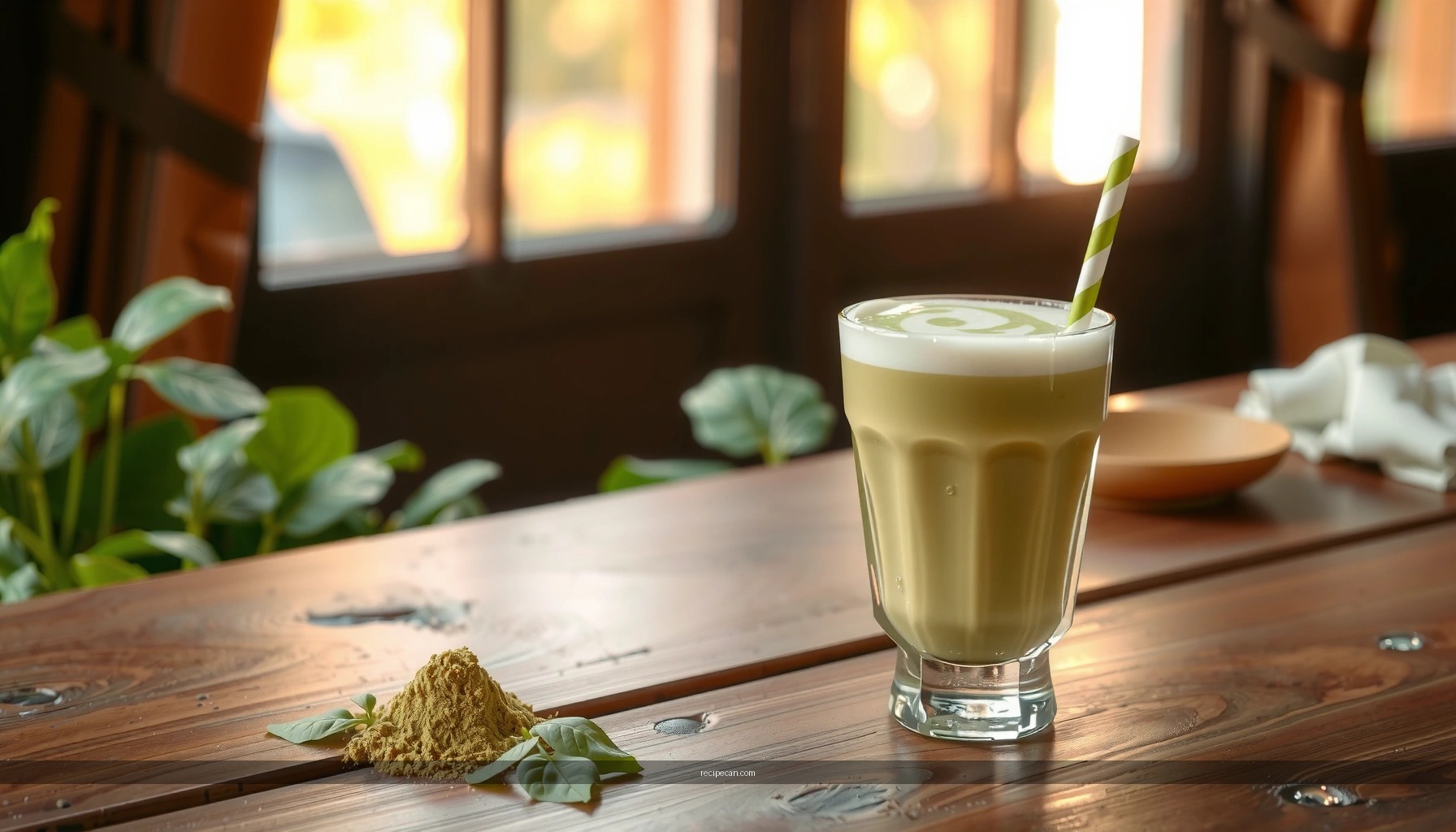
Looking for smoothie recipes with matcha green tea that are actually easy and taste great? These matcha smoothie ideas are the clear win when you want a bright, energizing drink without complicated prep—most can be blended in minutes. You’ll get straightforward combinations that balance matcha’s earthy flavor with fruit, yogurt, or milk for consistently smooth results.
Blend high-quality matcha into a creamy base (like yogurt or banana), then balance matcha’s natural bitterness with fruit sweetness and a touch of citrus—easy. Below are straightforward matcha green tea smoothie ideas plus practical technique tips so you consistently get great color, a smooth texture, and the flavor profile you want.
Matcha Smoothie Basics (So It Tastes Right)
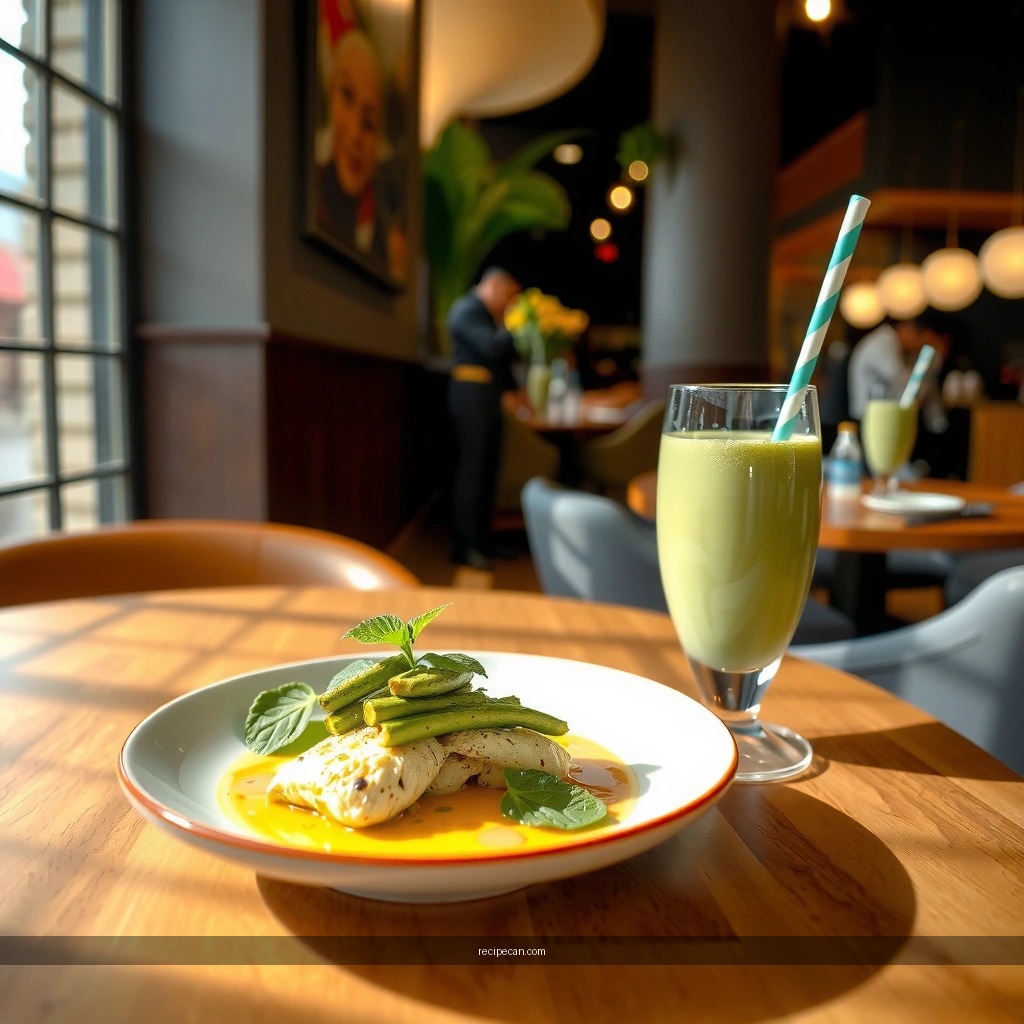
Getting a matcha smoothie right isn’t about complicated steps—it’s about controlling three variables: matcha quality, base thickness, and flavor balance.
1) Use culinary-grade matcha—and treat it gently
– Choose culinary-grade or ceremonial-grade matcha (culinary grade works beautifully for smoothies because it’s easy to dissolve and still delivers rich flavor).
– Sift the matcha into your liquid/base to prevent clumps, especially if the powder has been stored in humidity.
– If you notice a chalky texture, it’s usually from undissolved matcha particles—sifting + proper mixing fixes most issues.
2) Choose a creamy base for stable texture
A creamy base also helps matcha disperse evenly:
– Banana: naturally sweet and makes smoothies thick and smooth.
– Greek yogurt or skyr: adds tang and protein; helps the smoothie feel “restaurant-thick.”
– Milk (dairy or unsweetened plant milk): creates a lighter texture and makes matcha taste smoother.
3) Balance bitterness with “smart sweetness”
Matcha bitterness is normal; the goal is to balance it:
– Use honey, maple syrup, or dates if you want gentle sweetness.
– For a cleaner flavor, add sweetness gradually—start with half your target amount and taste.
– A small amount of citrus (lemon or orange) brightens the green flavor and reduces perceived bitterness.
Practical serving target: most people love a smoothie that tastes like “green tea latte + fruit,” not like straight matcha powder.
Matcha-Ready Smoothie Base Choices (Typical Use in Cafés & Home Blends)
| # | Smoothie Base | Best Texture Goal | Common Matcha Use Case | Taste Impact (Relative) |
|---|---|---|---|---|
| 1 | Banana (fresh or frozen) | Thick & silky | Classic “matcha banana” | ★ Sweetens + smooths |
| 2 | Greek yogurt | Creamy & spoonable | Protein-focused matcha | ★ Tang + body |
| 3 | Skyr | High-protein, smooth | Lean “matcha power” blends | ★ Brightens flavor |
| 4 | Unsweetened almond milk | Light, easy blend | Daily matcha refreshers | ★ Mild & clean |
| 5 | Oat milk | Creamy & rounded | Matcha “latte-style” texture | ★ Smooth + fuller body |
| 6 | Coconut milk (carton) | Rich & indulgent | Tropical matcha smoothies | ★ Creaminess with subtle sweetness |
| 7 | Coconut water + yogurt | Light but creamy | Hydration-forward matcha | ★ Refreshing, less “heavy” |
Best Ingredients for Matcha Green Tea Smoothies
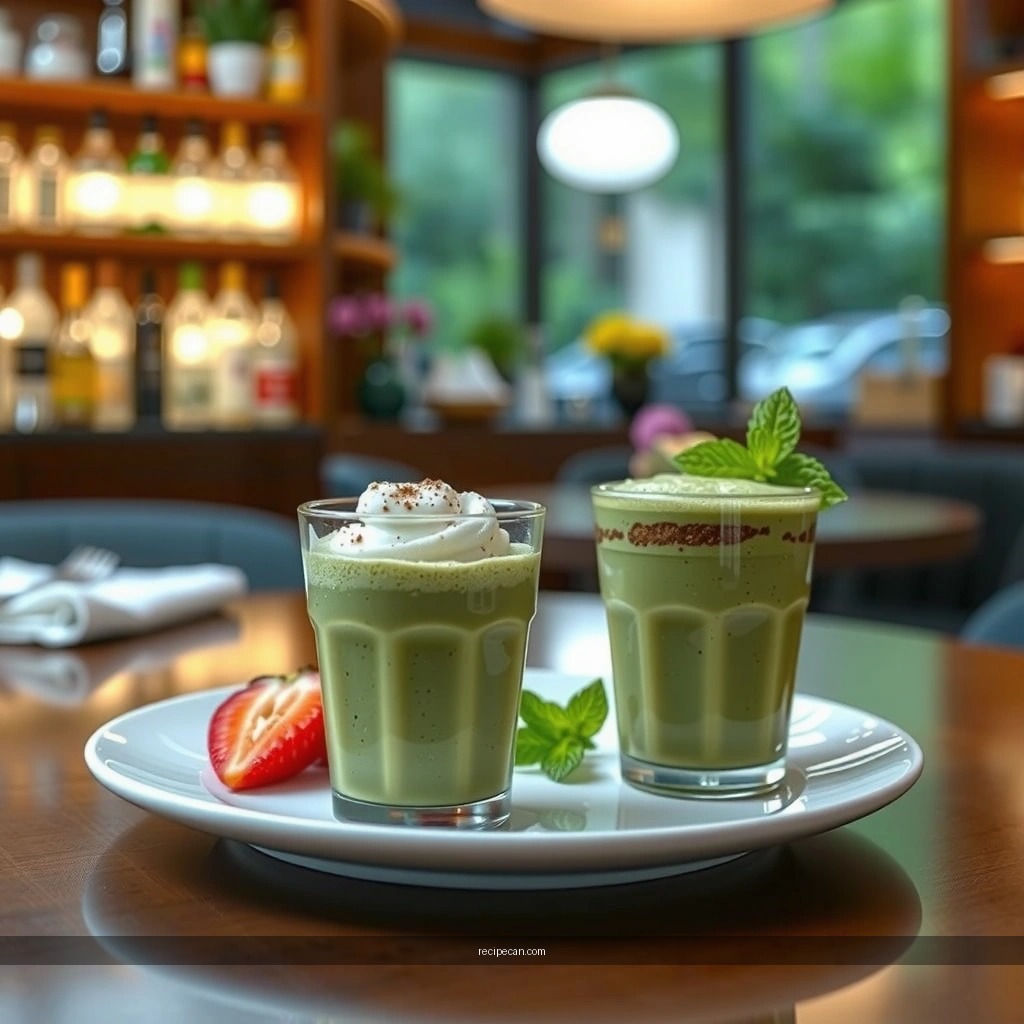
Once you nail matcha quality and base choice, the fun part is building flavor. The best ingredients for matcha green tea smoothies share two traits: they either mask bitterness gently or complement matcha’s earthy notes.
Fruit pairings that work reliably
– Banana: classic, creamy, and forgiving—ideal for beginners.
– Mango: tropical sweetness that makes matcha taste less “tea-like” and more dessert-like.
– Berries (blueberries, strawberries, raspberries): add tartness, which balances matcha bitterness and gives a vibrant green tone that looks great in a glass.
– Pineapple: adds acidity and brightness; works especially well with coconut milk.
Add healthy boosters without ruining the taste
– Chia seeds: provide fiber and a thicker texture. Let them hydrate for a few minutes after blending if you want a more pudding-like finish.
– Flaxseed (ground): blends smoothly and adds omega-3 fats.
– Protein powder: choose a flavor that doesn’t clash—vanilla or unflavored generally harmonize best with matcha. Start with half a scoop to prevent matcha flavor getting overwhelmed.
Flavor accents for a more “crafted” smoothie
– Vanilla: rounds out matcha and makes it taste more latte-like.
– Cinnamon: warms the flavor and pairs especially well with banana.
– Ginger: adds a lively kick that can make citrus-forward matcha blends feel “clean” and refreshing.
A simple balancing formula
If your smoothie tastes too bitter:
– Add more fruit (banana or mango) or a small sweetener (honey/maple).
– Add citrus (lemon juice works particularly well).
– Reduce matcha slightly and keep the same base.
5 Matcha Green Tea Smoothie Recipes to Try
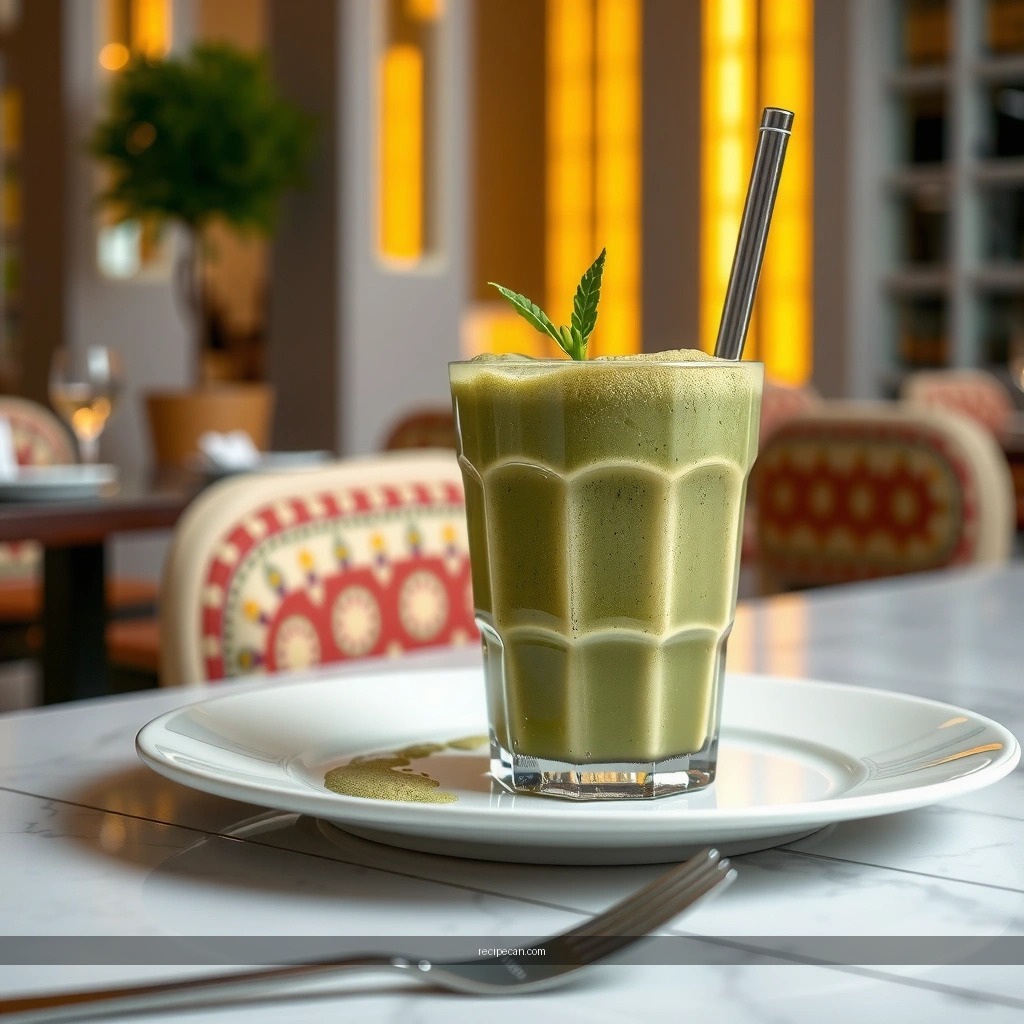
Below are five easy matcha green tea smoothie recipes with clear flavor intentions—so you can pick based on your mood and adjust portion sizes confidently.
Classic Matcha Banana Smoothie (Creamy + lightly sweet)
Flavor goal: smooth, familiar, and easy to drink.
– Base: 1 frozen banana + 1 cup milk (or yogurt for extra thickness)
– Matcha: 1–2 tsp sifted matcha
– Optional: 1–2 tsp honey or maple, pinch of salt
– Blend with ice until thick and glossy
Pro tip: Add a squeeze of lemon if you want the matcha to taste brighter.
Matcha Berry Antioxidant Smoothie (Bright + vibrant)
Flavor goal: tangy berry notes that counter matcha bitterness.
– Base: 1 cup mixed berries + 1 cup Greek yogurt or skyr
– Matcha: 1–1.5 tsp sifted matcha
– Sweetening: 1–2 dates (or 1 tsp maple if needed)
– Optional: splash of orange juice
Pro tip: If you prefer it less tart, use fewer berries and add more banana.
Tropical Matcha Green Smoothie (Pineapple/mango + refreshing finish)
Flavor goal: juicy, tropical sweetness with a clean green finish.
– Base: 1 cup pineapple + 1/2–1 cup mango (fresh or frozen)
– Add: coconut milk for a creamy tropical texture
– Matcha: 1–2 tsp sifted matcha
– Optional: lime juice + pinch of ginger
Pro tip: Coconut milk can mute matcha a bit—start with 1 tsp matcha and increase.
Chocolate Matcha Smoothie (Cacao + matcha dessert vibe)
Flavor goal: dessert-like richness without tasting “too grassy.”
– Base: milk (or yogurt) + frozen banana (for body)
– Add: 1–2 tbsp cacao powder
– Matcha: 1 tsp sifted matcha (start small—cacao is strong)
– Sweetening: 1–2 tsp maple/honey or a few dates
Pro tip: A pinch of salt makes the chocolate taste more “bakery-style.”
Matcha Coconut Smoothie (Rich + rounded)
Flavor goal: full body, creamy mouthfeel, and gentle matcha presence.
– Base: coconut milk + banana or mango
– Matcha: 1–1.5 tsp sifted matcha
– Optional: chia seeds (1 tbsp) for thickness
– Add citrus: a few drops of lemon or lime
Pro tip: If the smoothie tastes flat, add citrus before adding more sweetener.
How to Make Matcha Smoothies Smooth (No Lumps)
Lumps usually come from one of three issues: undissolved matcha, insufficient blending time, or adding dry matcha directly to cold ingredients.
1) Pre-mix matcha into a liquid
– Whisk sifted matcha with a small splash of warm water or warm milk (about 2–3 tbsp).
– Then add it to the blender with the rest of your ingredients.
This step dramatically improves smoothness and consistent green color.
2) Blend in the right order
A reliable order for matcha green tea smoothies:
1. Liquids first (milk/yogurt base)
2. Soft ingredients (banana, berries)
3. Boosters (chia seeds, protein powder)
4. Ice last, if you’re using it
3) Adjust thickness intentionally
– Too thick? Add milk (1–2 tbsp at a time).
– Too thin? Add more banana, yogurt, or a small spoonful of chia (and let it sit 5–10 minutes).
Color check tip: a smooth blend should look evenly green. If you see streaks, it usually means matcha wasn’t fully dispersed—pre-mix and blend a little longer.
Health & Nutrition Tips for Matcha Smoothies
Matcha smoothies can be a healthy routine when you control portions and ingredients. The key is to think in “nutrient balance,” not just flavor.
1) Start with a moderate matcha amount
– Many people love 1–2 tsp matcha per smoothie.
– If you’re new to matcha, increase gradually and watch how you feel (energy, sleep quality, and how strong the bitterness tastes).
2) Add protein or fiber to stay full longer
– Protein options: Greek yogurt/skyr, or protein powder (vanilla or unflavored).
– Fiber options: chia seeds, flaxseed, or berries (naturally fiber-rich).
3) Watch sugar levels
Even healthy fruits add up quickly:
– If you use mango, banana, and dates, you’ll get more sweetness and calories.
– If you’re monitoring sugar, consider: berries + yogurt, or reduce sweet fruits and rely on cinnamon/vanilla for perceived sweetness.
4) Don’t ignore acidity
Citrus doesn’t just taste good—it can improve the overall perceived balance and reduce the need for extra sweeteners.
Storage, Prep, and Make-Ahead Ideas
Smoothies are at their best when the blend is fresh, but prep makes the habit realistic.
1) Make mornings faster with ingredient prep
– Pre-measure matcha into small containers.
– Slice banana and freeze portions.
– Pre-portion berries and store them in labeled bags.
2) Store blended smoothies safely
– If you blend ahead, store in an airtight container and refrigerate for up to 24 hours.
– For best quality, consider storing thicker bases separately (yogurt + fruit) and blend at the last moment with liquids.
3) Restore texture after thawing
– Smoothies can separate slightly in the fridge.
– Before drinking, shake, stir, or re-blend for 10–15 seconds until creamy again.
– If it thickened too much, add a splash of milk or water and blend briefly.
Quality note: the flavor is usually still great within a day, but the color and aroma can soften after longer storage.
Matcha smoothie recipes are an easy way to enjoy matcha green tea with creamy, flavorful combinations—without complicated steps. Pick one recipe, follow the no-lump mixing tips, and adjust sweetness and thickness to your taste; then try a new variation each week for variety.
Frequently Asked Questions
What are the best smoothie recipes with matcha green tea for beginners?
Start with simple matcha smoothie recipes that balance bitterness and sweetness, like a banana-matcha smoothie with Greek yogurt or a creamy coconut milk matcha smoothie. Use 1/2 to 1 teaspoon matcha green tea powder per serving, then add fruit (banana, mango, berries) and a creamy base (yogurt, kefir, or milk) to keep the flavor smooth. If you want extra protein, mix in a scoop of protein powder or chia seeds.
How do I make matcha smoothies taste less bitter?
Whisk matcha green tea powder with a small splash of warm water first, then stir it into your smoothie to reduce clumps and harsh flavor. Choose sweeter fruits like mango, banana, or pineapple, and pair matcha with creamy ingredients such as yogurt or nut butter. You can also add a pinch of salt or a natural sweetener like honey to round out the taste.
Which milk or non-dairy base works best for matcha green tea smoothies?
Dairy options like milk and Greek yogurt create a richer, smoother texture that helps balance matcha’s earthy notes. For non-dairy smoothies, oat milk and coconut milk are popular because they add natural creaminess and mild sweetness. If you prefer almond milk, consider adding yogurt or a tablespoon of nut butter to prevent a watery result.
Why does my matcha smoothie clump, and how can I prevent it?
Matcha green tea powder can clump when it’s added directly to cold liquids or when it isn’t evenly dispersed. To prevent this, sift the powder if needed and whisk it with warm water until smooth, or blend on high for 30–60 seconds to fully emulsify. Using a blender plus a creamy base (yogurt or nut butter) also improves consistency.
How much matcha green tea should I use in a smoothie for the right flavor and energy?
A common starting point is 1/2 teaspoon matcha green tea powder for a mild flavor, or 1 teaspoon for a more noticeable boost. If you’re sensitive to caffeine, begin with 1/2 teaspoon and adjust in subsequent batches. For a stronger “green tea smoothie” effect, keep the dose moderate and increase flavor with fruit and creamy ingredients rather than adding too much matcha at once.
References
- Google Scholar Google Scholar
https://scholar.google.com/scholar?q=matcha+green+tea+smoothie+recipe - Google Scholar Google Scholar
https://scholar.google.com/scholar?q=smoothie+matcha+green+tea+catechins - Google Scholar Google Scholar
https://scholar.google.com/scholar?q=matcha+green+tea+polyphenols+health+effects - Matcha
https://en.wikipedia.org/wiki/Matcha - Smoothie
https://en.wikipedia.org/wiki/Smoothie - Matcha | Origins, Uses, Japanese Green Tea Type, & Health Benefits | Britannica
https://www.britannica.com/topic/matcha - https://www.mayoclinic.org/drugs-supplements/green-tea/art-20360545
https://www.mayoclinic.org/drugs-supplements/green-tea/art-20360545 - https://ods.od.nih.gov/factsheets/GreenTea-Consumer/
https://ods.od.nih.gov/factsheets/GreenTea-Consumer/ - https://pubmed.ncbi.nlm.nih.gov/?term=matcha+green+tea+catechins
https://pubmed.ncbi.nlm.nih.gov/?term=matcha+green+tea+catechins - https://www.sciencedirect.com/search?qs=matcha+green+tea+catechins
https://www.sciencedirect.com/search?qs=matcha+green+tea+catechins