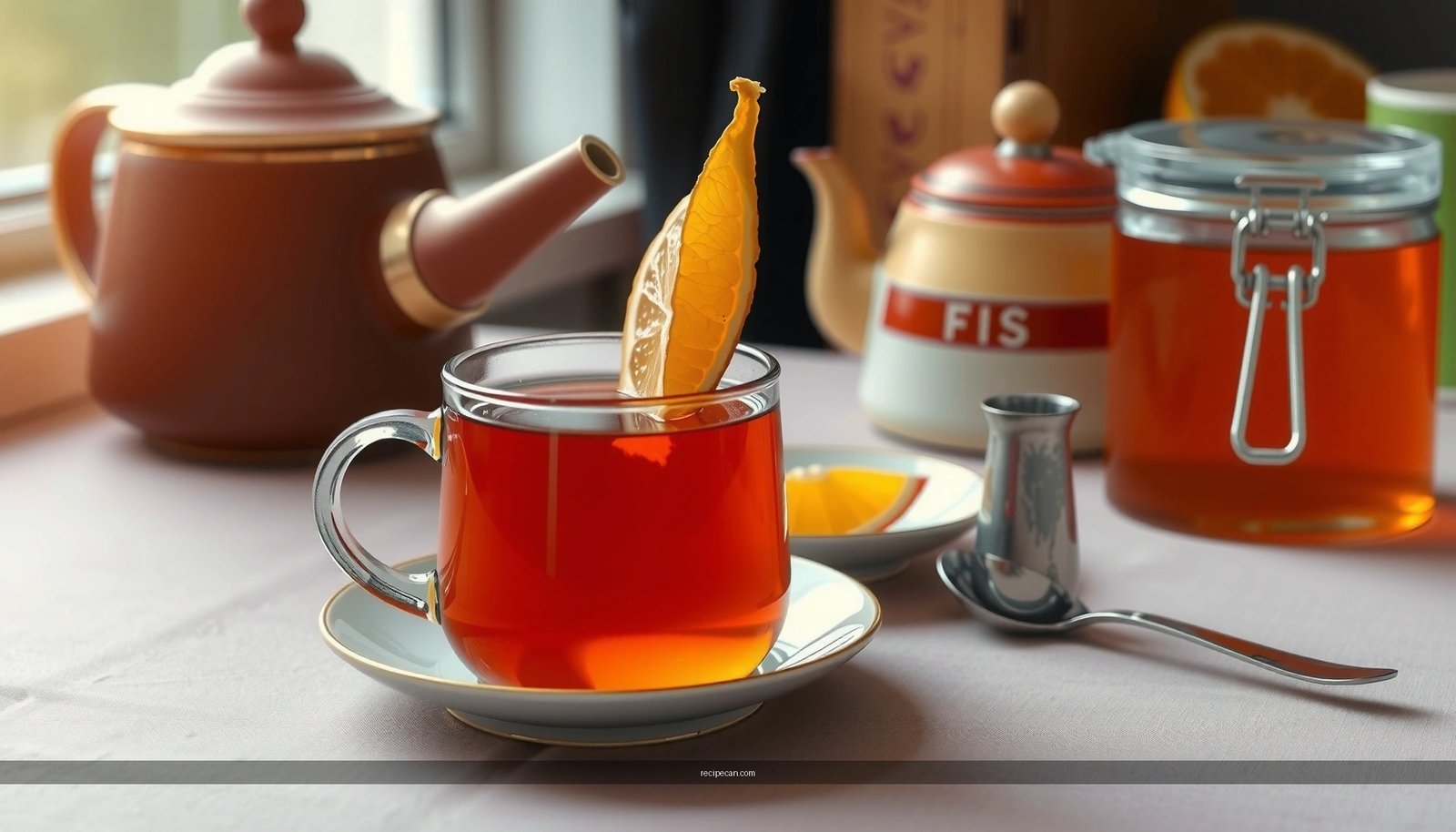
This iced green tea recipe gives you a crisp, not-bitter glass in minutes—so you get the refreshing result you’re searching for, without guesswork. Follow the easy steps for brewing the tea, cooling it properly, and sweetening (or not) to your taste. If you want the fastest way to make iced green tea at home that actually tastes like green tea, this is it.
Brew strong green tea, cool it quickly, then pour it over ice—keeping steep time short so it tastes crisp instead of bitter. Use a reliable tea-to-water ratio, chill promptly (or assemble with ice immediately), and customize sweetness with lemon or simple syrup for an iced green tea recipe that’s both fast and consistently refreshing.
Green tea is prized for its fresh aroma and the delicate balance between sweetness and astringency. But that balance is easy to disrupt when you brew too hot for too long or when the tea sits warm while you “wait for the ice to melt.” The good news: with a few controlled variables—temperature, steep time, and cooling method—you can make iced green tea at home that rivals café quality and tastes clean, not harsh.
To keep this guide practical, you’ll see recommendations you can apply whether you’re using loose-leaf sencha, bagged green tea, or jasmine green tea. You’ll also learn how to prevent bitterness and how to tune flavor and sweetness without masking the tea.
Green Tea Brewing Settings for Consistent Iced Results
| # | Tea style (examples) | Recommended tea-to-water | Steep time (2nd control window) | Bitterness risk |
|---|---|---|---|---|
| 1 | Sencha (regular) | 2.5 g / 200 ml | 2:30–3:00 | Low |
| 2 | Sencha (higher-grade) | 2.0 g / 200 ml | 2:15–2:45 | Very low |
| 3 | Jasmine green tea | 2.5 g / 200 ml | 2:00–2:30 | Low |
| 4 | Matcha (ceremonial vs. latte) | 2.0 g / 100 ml (mixed) | N/A (mix + chill) | Low |
| 5 | Bagged green tea | 1 bag / 200 ml | 2:30–3:00 | Medium |
| 6 | Gyokuro-style (very shade-grown) | 2.0 g / 200 ml | 1:30–2:15 | Medium |
| 7 | Toasted/leafy blends | 2.5 g / 200 ml | 2:30–3:00 | Medium |
Choose Your Green Tea

Selecting the right green tea for iced green tea is less about “best brand” and more about choosing a tea that stays aromatic when chilled and diluted by ice.
– Use sencha or jasmine green tea for a clean, aromatic base. Sencha is a reliable everyday option with a grassy, fresh profile that still reads clearly after the ice cools it. Jasmine green tea adds a floral top note that often comes through even at lower temperatures—making your iced green tea taste lively rather than flat.
– Brew slightly stronger to stand up to ice. Ice inevitably dilutes beverages as it melts. If you brew green tea to “standard hot tea strength,” your iced version may taste weaker than you expect. A small increase in tea amount (or slightly shorter, controlled steeping) helps the flavor remain balanced and not watery.
Practical selection tips
– If you want a crisp, light finish, lean toward sencha.
– If you want an aromatic, fragrant cup, pick jasmine.
– If you like thicker, creamy textures, consider a matcha-style option (covered later) where dilution is less about melting and more about how you mix.
Brew the Tea Correctly

Bitterness in iced green tea typically comes from over-extraction: too much time, too much temperature, or too much agitation during steeping. Green tea is more sensitive than black tea, so small adjustments matter.
– Use hot water (about 175–185°F / 80–85°C) and steep 2–3 minutes. This temperature range extracts flavor and aroma while reducing the harshness that often appears when you steep at boiling temperatures.
– Avoid over-steeping to prevent bitterness. Start with a controlled window (2 to 3 minutes) and taste. Because the tea will be cooled after brewing, you generally don’t need extended steep time the way you might with some herbal teas.
Tea-to-water ratio that works for most people
A consistent starting point is about 2.5 g of loose-leaf green tea per 200 ml water (adjust down slightly for delicate or higher-grade teas). If you’re using bags, a common baseline is 1 bag per 200 ml, then adjust to taste.
How to prevent bitterness (high-impact changes)
1. Measure temperature. If you don’t have a thermometer, let boiling water sit for ~1 minute before pouring over leaves (timing varies by kettle size, altitude, and room temperature).
2. Set a timer. Don’t “eyeball” steep time.
3. Don’t keep the leaves steeping while you cool. The moment steeping ends, you should remove leaves or pour out of the infuser.
Chill and Sweeten

The cooling step affects both flavor clarity and mouthfeel. A faster chill preserves freshness and reduces the chance that the tea tastes “cooked” or overly tannic.
– Cool the tea, then refrigerate or pour directly into a carafe of ice. For best results, cool quickly: strain the brewed tea, then either transfer it to a container with ice or refrigerate promptly.
– Sweeten with simple syrup, honey, or sugar to taste. If you plan to sweeten, consider dissolving sweetener while the tea is still warm enough to mix easily—then chill. This prevents grainy sweetness or uneven distribution.
Simple, repeatable workflow
– Brew → strain → cool immediately (ice bath or fridge) → taste → sweeten → serve.
This prevents the common mistake of adding sweetener after the tea is cold and then forgetting to stir thoroughly.
What to sweeten with (and when)
– Simple syrup dissolves fastest and tastes neutral—ideal for clean, professional iced tea flavor.
– Honey adds floral complexity but can slightly mute green notes; use it for a more rounded taste.
– Sugar is straightforward, but you may need extra stirring.
Build the Glass
A great iced green tea is built on correct glass assembly. This is where aroma and balance either land perfectly—or drift into watery territory.
– Fill glasses with plenty of ice for a crisp, cold finish. More ice means less dilution over the time you’re sipping.
– Pour tea over ice, leaving room for garnishes. Pour slowly so the tea disperses and cools evenly.
Assembly guidance
– Use fresh, cold ice (not warm fridge ice).
– For stronger flavor, consider pouring from a chilled concentrate rather than brewing extremely bitter tea—taste should remain clean, not harsh.
– If you’re serving a crowd, pre-portion ice into pitchers, then pour once.
Add Flavor and Garnishes
A simple iced green tea becomes “restaurant-level” when you add one or two deliberate flavor signals. Citrus and mint are particularly compatible with green tea because they sharpen perceived freshness without overpowering the base.
– Try lemon slices, mint, or a splash of citrus juice. Lemon brightens the green notes and reduces the perception of bitterness. Mint adds an aromatic lift that feels crisp, especially on hot days.
– For creamy iced green tea, add a small amount of milk or oat creamer. A light touch works best—too much can dull the tea aroma. Start with a small amount, then adjust.
Flavor customization that keeps tea dominant
– Lemon first: Add lemon juice (a few drops to 1 teaspoon per glass) before more sweetener. Citrus often makes tea taste “cleaner,” so you may not need as much sugar.
– Mint last: Add mint leaves near serving time; they lose brightness if left to sit too long.
– Dairy alternatives: Oat and other plant creamers pair well with jasmine and sencha because they add gentle sweetness and body.
Serving Tips and Variations
To make your iced green tea consistently good, treat steep time and sweetness as variables you calibrate for your tea brand. Different teas extract differently due to leaf size, oxidation levels, and packaging.
– Adjust sweetness and steep time based on your tea brand. If you taste bitterness, reduce steep time by 15–30 seconds or lower tea dose slightly. If you taste thinness, increase tea amount a touch or shorten the cooling delay before pouring over ice.
– Make it “matcha-style” by mixing matcha with a small amount of hot water, then chilling. This variation creates a more emulsified, smooth drink. Because matcha is already finely ground, it doesn’t require a traditional steep window—just careful mixing to avoid clumps, then chill and serve.
Variation ideas that stay aligned with the base recipe
– Iced lemon-green tea: Brew strong, chill, sweeten lightly, then add lemon slices.
– Jasmine mint iced tea: Choose jasmine green tea, cool quickly, and garnish with a few mint leaves.
– Citrus simple syrup: Replace plain sweetener with syrup infused with lemon peel for a more complex finish.
Batching for efficiency
If you’re making more than one serving:
1. Brew in a larger container at the same tea-to-water ratio.
2. Cool the entire batch quickly (ice bath or direct refrigeration).
3. Sweeten after cooling so you can adjust taste uniformly across servings.
Taste after chilling—many people find iced green tea needs slightly less sweetness than they expected once it’s cold.
Enjoy your homemade iced green tea by following the simple brew-to-chill steps, keeping steep time short, and customizing with citrus or mint. Make a batch, taste and tweak sweetness, and try one variation today—then save your favorite version for next time.
With the right green tea selection, a controlled brew (80–85°C and 2–3 minutes), and quick chilling before serving over plenty of ice, you can make iced green tea that stays bright, aromatic, and clean. Once you’ve dialed in tea-to-water ratio and avoided over-steeping, customization—lemon, simple syrup, honey, mint, or creamy additions—becomes an easy, repeatable upgrade rather than guesswork.
Frequently Asked Questions
What is the best way to make an iced green tea recipe without bitterness?
Start with steeping green tea at a lower temperature (about 70–80°C / 160–175°F) and for a short time (1–2 minutes). Over-steeping is the most common reason iced green tea turns bitter. After brewing, let the tea cool slightly, strain if needed, then pour over ice and add sweetener (if desired) only after it tastes balanced.
How do I brew green tea for an iced tea recipe so it tastes fresh?
Brew with the correct ratio—typically 1–2 teaspoons of loose-leaf green tea or 1 tea bag per 8 oz (240 ml) of water. Use filtered water if possible, then cool the brewed tea quickly by placing the kettle or pitcher in an ice bath. Once it’s chilled, assemble your iced green tea by filling a glass with ice and topping with the cooled green tea.
Why does my iced green tea taste weak or watery, and how can I fix it?
Watery flavor usually comes from brewing too lightly or using too much ice too early. Brew the tea slightly stronger than you’d drink hot, then cool it before pouring over ice. If you want extra control, you can pour concentrated green tea into the glass first and add ice afterward, or use fewer ice cubes and top off gradually.
Which sweeteners work best for iced green tea, and how much should I use?
Honey, simple syrup, and sugar dissolve well and keep the flavor smooth in an iced green tea recipe. If you’re using sugar or honey, dissolve it in warm (not boiling) tea while it’s hot so it won’t sink or leave grainy texture. Start with small amounts (about 1 teaspoon per 8 oz) and adjust to taste, especially if your tea is naturally grassy or lightly vegetal.
How can I make iced matcha green tea using a classic iced green tea recipe method?
To make iced matcha, whisk 1–2 teaspoons of matcha with a small amount of hot water (about 2–3 tablespoons) until smooth, then stir in cold water or milk. Pour the mixture over ice, then adjust sweetness and consistency as needed. This method keeps a bold green tea flavor and helps prevent clumps, unlike simply mixing matcha directly into cold water.
References
- Iced tea
https://en.wikipedia.org/wiki/Iced_tea - Green tea
https://en.wikipedia.org/wiki/Green_tea - Google Scholar Google Scholar
https://scholar.google.com/scholar?q=iced+green+tea+recipe+brewing+time - Google Scholar Google Scholar
https://scholar.google.com/scholar?q=cold+brew+green+tea+water+temperature+extraction - Google Scholar Google Scholar
https://scholar.google.com/scholar?q=green+tea+iced+beverage+preparation+and+quality - https://pubmed.ncbi.nlm.nih.gov/?term=iced+green+tea
https://pubmed.ncbi.nlm.nih.gov/?term=iced+green+tea - https://pubmed.ncbi.nlm.nih.gov/?term=green+tea+cold+extraction+water+temperature
https://pubmed.ncbi.nlm.nih.gov/?term=green+tea+cold+extraction+water+temperature - https://pubmed.ncbi.nlm.nih.gov/?term=green+tea+polyphenols+stability+iced+tea
https://pubmed.ncbi.nlm.nih.gov/?term=green+tea+polyphenols+stability+iced+tea - https://pubmed.ncbi.nlm.nih.gov/?term=green+tea+catechins+cold+brew
https://pubmed.ncbi.nlm.nih.gov/?term=green+tea+catechins+cold+brew - green tea cold brew | Nature Search Results
https://www.nature.com/search?q=green%20tea%20cold%20brew