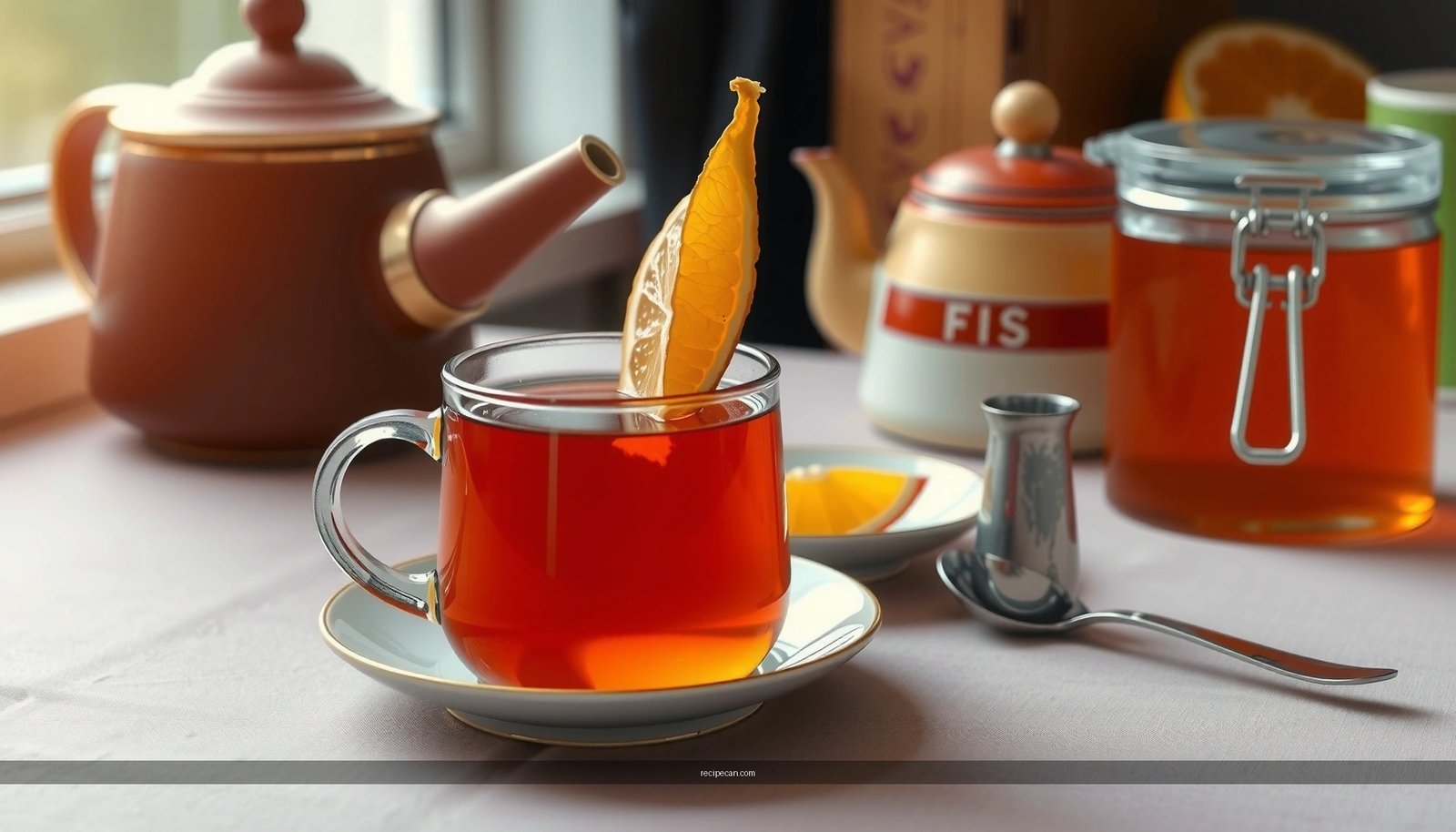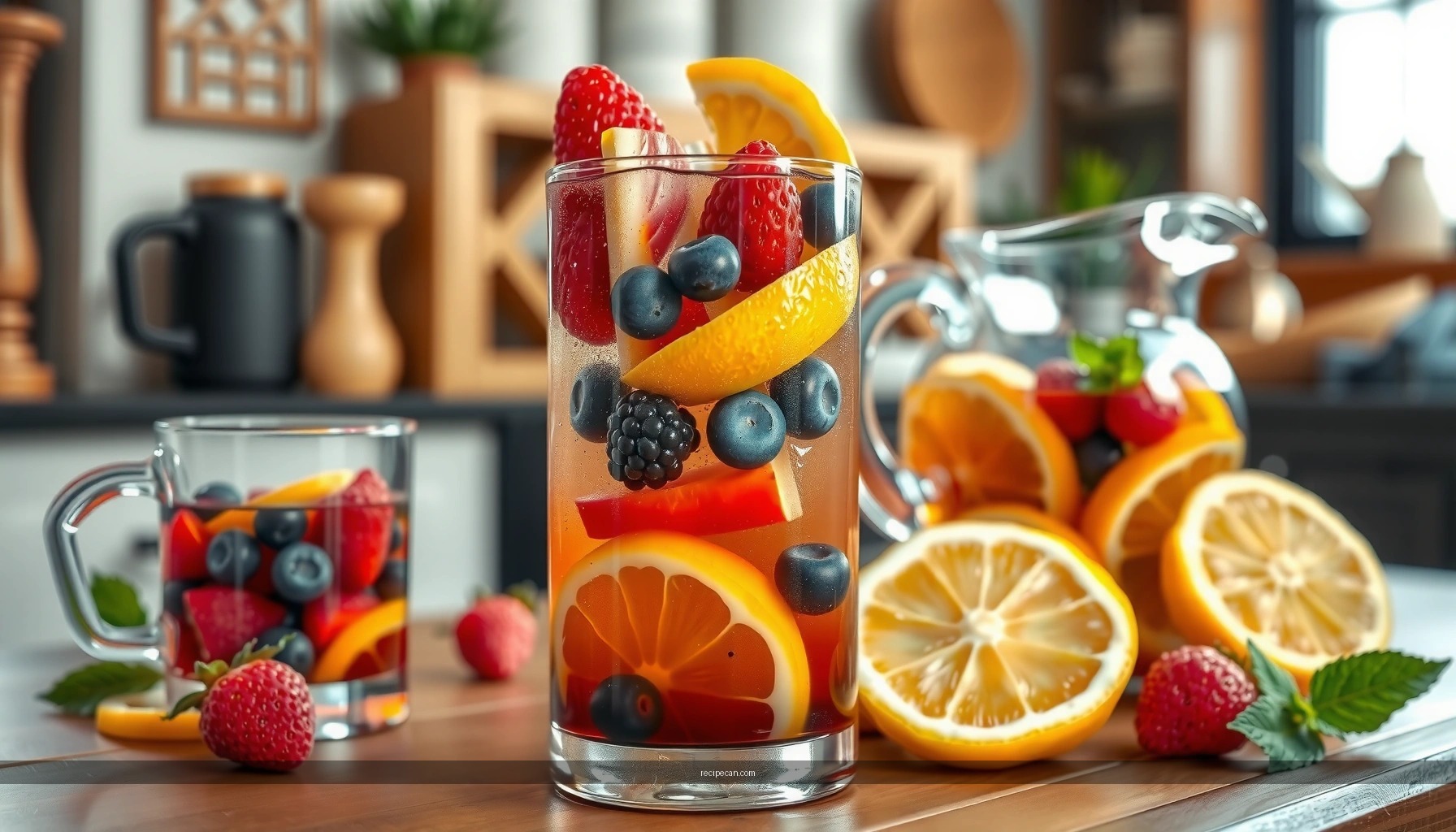
Find out how to make fresh, flavorful fruit tea with a simple fruit tea recipe you can finish in minutes—no complicated prep, no bland results. This guide delivers the exact method for steeping fruit, balancing sweetness and acidity, and getting a bright, refreshing cup every time. If you want fruit tea that tastes like fresh fruit, not tea-flavored water, follow this winning approach.
Make fruit tea by steeping fruit (or fruit flavor) in hot water, then sweeten and chill to taste—so you get bright aroma, balanced sweetness, and consistent strength. With this fruit tea recipe, you’ll learn how to choose the right fruit, control infusion time, and dial in flavor intensity so every batch is reliably refreshing.
Choose Your Fruit and Flavor Base
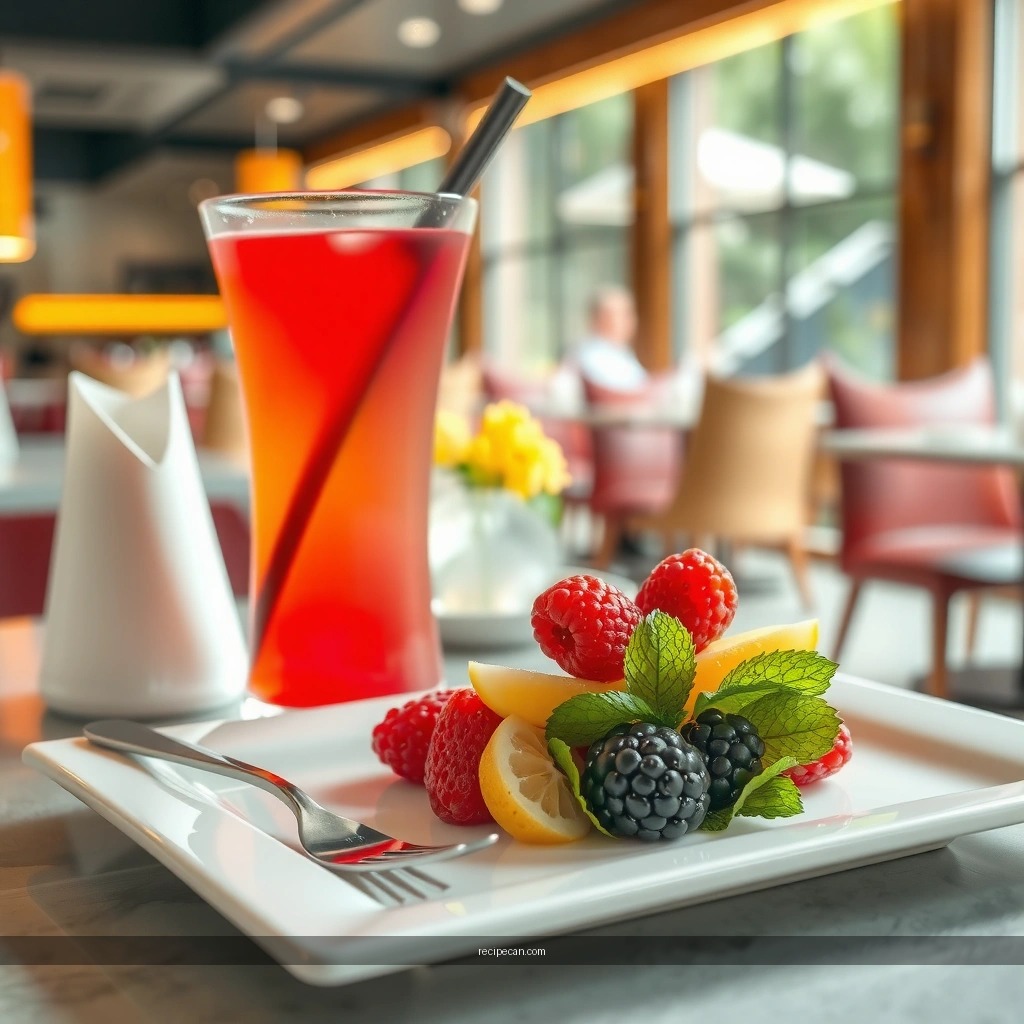
The foundation of a great fruit tea recipe is the flavor base—either whole fruit (fresh or frozen) or a concentrated “fruit flavor” component you can steep. The key business-minded takeaway: treat your fruit choice like an ingredient portfolio. Each fruit brings different sweetness, acidity, aroma compounds, and color, and that mix determines whether the tea tastes crisp, smooth, or cloying.
Use fresh fruit (berries, citrus, mango) or pre-made fruit mixtures
– Citrus (lemon, lime, orange): Typically brighter and more “tea-like” because their oils and acids lift other flavors.
– Berries (strawberry, raspberry, blueberry): Provide strong aroma and color; however, sweetness can vary widely by season.
– Tropical fruit (mango, peach): Often sweeter and more aromatic, which means you may need less added sweetener.
Pick a flavor profile: bright (citrus) or sweet (mango/peach)
– Bright profiles (citrus + lighter tea): Pair especially well with green tea or white tea because they won’t overpower delicate fruit oils.
– Sweet profiles (mango/peach + black or herbal): Black tea adds body and a malty backbone that complements fruit sweetness.
A quick pairing framework:
– Want fresh + sharp? Choose lemon/lime and steep green or herbal tea.
– Want juicy + dessert-like? Choose mango/peach and steep black tea or a vanilla-forward herbal blend.
Prepare the Fruit (Fresh or Frozen)
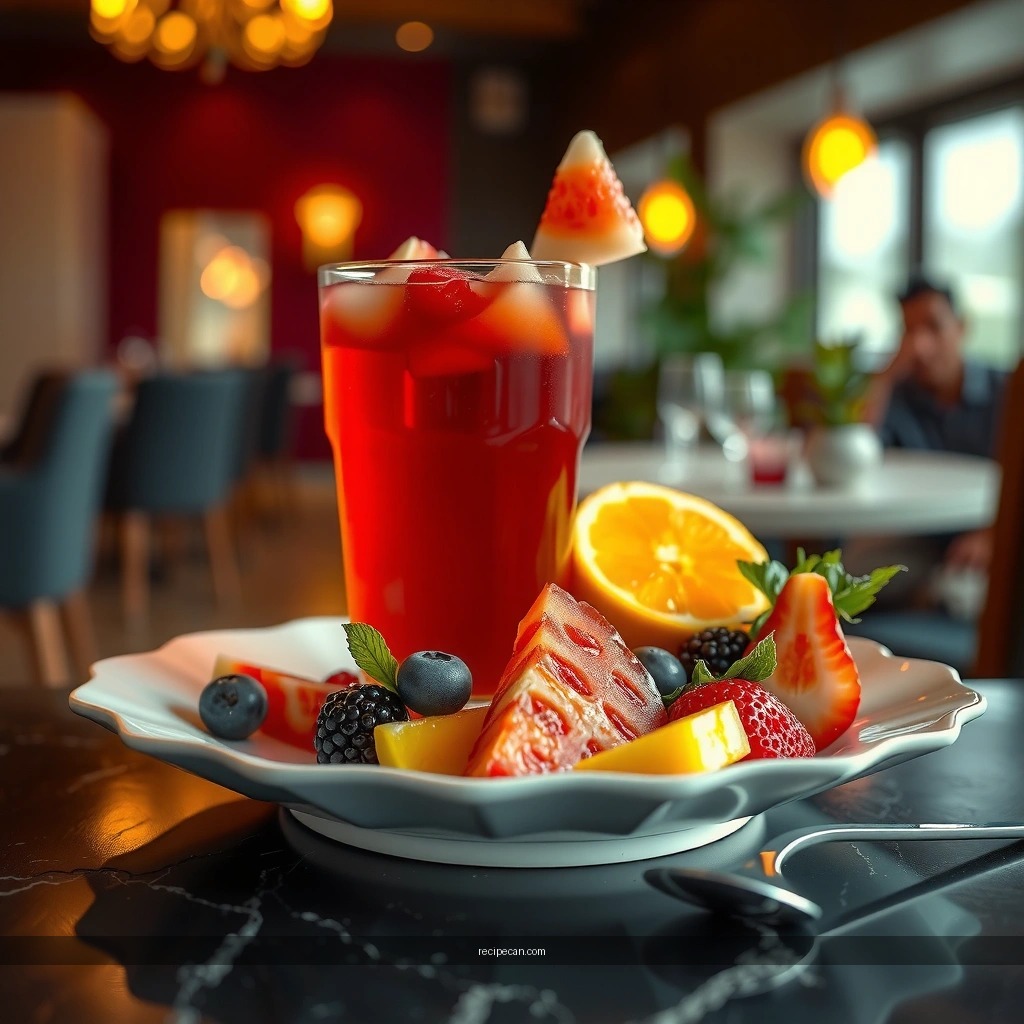
Once you’ve selected fruit, preparation determines how quickly flavor transfers into the tea. Faster release = more aroma and stronger flavor with less steep time—useful if you want repeatable results for serving guests or building a batch.
Slice citrus thin for faster flavor release
Citrus flavor comes from two sources: juice (water-soluble) and essential oils (aroma oils). Thin slices increase surface area and release both.
– Slice lemon/lime/orange into very thin rounds or half-moons.
– If you’re using orange, consider removing thicker pith portions for a less bitter finish.
Lightly mash berries or fruit to boost aroma and color
Berries have smaller, more compact flavor cells. Mashing helps extract pigments and aroma compounds without turning everything into pulp.
– Muddle lightly—you want aroma extraction, not a completely broken texture.
– If you prefer a cleaner drink, strain after infusion.
Practical tip: if you’re using frozen fruit, don’t fully thaw it. Slightly thawed fruit can release water and dilute flavor; keeping it cold can help control dilution, especially when serving over ice.
Brew the Tea Base

Your tea base sets the “structure” of the drink. Without the right strength, even excellent fruit can taste muted. This is where most fruit tea recipes fall short—people add fruit to hot water but don’t control the tea strength, resulting in inconsistent flavor.
Steep your tea (black, green, or herbal) for the right strength
– Black tea: Best for mango/peach and bold fruit-forward blends. It provides tannins and body that hold up to sweet add-ins.
– Green tea: Great for citrus and lighter berry profiles because it stays fresher and less malty.
– Herbal tea: Ideal if you want a caffeine-free fruit tea. It also works well if you’re using strongly flavored fruit like hibiscus or pineapple-based blends.
Use water that’s hot enough for your tea type, then adjust timing
– Green tea: Use slightly cooler water (often around the “near-boil” range) and steep briefly to avoid bitterness.
– Black tea: Use hotter water and allow a slightly longer steep for depth.
– Herbal tea: Boiling water is usually fine, but steep according to the blend’s instructions to prevent “medicinal” notes.
For repeatability, decide your target “strength” first:
– Light: shorter steep, fewer fruit pieces, minimal sweetener
– Balanced: standard steep + moderate fruit infusion
– Strong/serve-immediately: slightly longer steep or more fruit, then chill promptly
Recommended Tea-to-Fruit Ratios (for consistent batch results)
Fruit Tea Brewing Ratios for 1 Liter (Fresh/Frozen Fruit)
| # | Fruit Profile | Fruit Amount | Tea Base | Steep Time | Suggested Sweetener |
|---|---|---|---|---|---|
| 1 | Lemon | 160 g | Green tea | 6 min | 30–45 g sugar |
| 2 | Lime + Mint | 140 g | Herbal (lemongrass/rooibos) | 8 min | 20–35 g honey |
| 3 | Orange | 180 g | Black tea | 4 min | 15–25 g sugar |
| 4 | Strawberry | 220 g | Green tea | 6–7 min | 35–55 g sugar |
| 5 | Raspberry | 200 g | Herbal (hibiscus blend) | 8 min | 25–40 g honey |
| 6 | Mango | 170 g | Black tea | 5 min | 15–30 g syrup |
| 7 | Peach | 200 g | Herbal (black tea + peach-floral) | 7 min | 20–35 g sugar |
Combine and Sweeten
This step is where your fruit tea recipe shifts from “good” to “optimized.” Combine fruit with the brewed tea, then infuse briefly. Over-infusion can make fruit tea taste flat (too much bitterness) or overly jammy (too much pectin and pulp).
Add fruit to the brewed tea and let it infuse briefly
– Add prepared fruit to the brewed tea base.
– Let it infuse for 5–15 minutes depending on fruit intensity and whether you’re serving immediately or chilling.
If you want a cleaner profile, strain after infusion. If you want body and texture, serve with fruit pieces.
Sweeten with honey, sugar, or syrup to match your taste
Sweetening is not one-size-fits-all because fruit sweetness can vary by ripeness. Start with less than you think you need, then adjust.
– Honey: dissolves well and adds floral notes; it’s ideal for citrus-mint and herbal fruit teas.
– Sugar: neutral and easy to dose consistently.
– Syrup (simple syrup or fruit syrup): great for batch prep because it distributes instantly and scales well.
Professional shortcut: sweeten while the tea is warm enough that sugar dissolves fully. Then chill to stabilize flavor and texture.
Chill, Serve, and Adjust
Chilling isn’t just for temperature—it also changes perceived sweetness, aroma intensity, and balance. For fruit tea, the same formula can taste “too tart” warm and “perfect” after cooling.
Serve over ice or chill in the fridge for stronger flavor
– Ice service (faster): Infuse fruit briefly, sweeten, then pour over ice. Expect a fresher, lighter profile.
– Fridge chilling (stronger): Chill for at least 1–3 hours, or up to overnight for more intense flavor extraction.
Taste and fine-tune sweetness or fruit intensity before serving
Use a controlled tasting approach:
1. Taste before fully chilling if you want a target direction.
2. Taste again after it cools—then adjust.
3. If it’s too tart: add sweetener gradually (start with 1 teaspoon increments per glass, scaling for batch).
4. If it’s too mild: extend fruit infusion next time (or slightly increase fruit amount).
Dilution control matters. If you expect heavy ice melt, reduce the fruit amount slightly or prepare concentrate (tea + fruit) and top with cold water after.
Optional Variations to Try
Once you nail the core fruit tea recipe, variations help you build a reliable “menu” of flavors. The best variations don’t just add ingredients—they add a functional role (aroma lift, spice warmth, or carbonation contrast).
Add mint, ginger, or citrus zest for extra freshness
– Mint: Brightens berry and lime flavors and creates a “spa-fresh” finish.
– Ginger: Adds warmth and complexity; start small to avoid overpowering delicate citrus oils.
– Citrus zest: Zest delivers essential oils without adding too much acidity—use it when you want intense aroma with a cleaner taste.
Try sparkling fruit tea by topping with soda after brewing
For sparkling fruit tea:
1. Brew fruit tea as usual (sweeten to taste).
2. Chill.
3. Add cold soda water just before serving.
This keeps carbonation crisp and prevents the tea from going flat in storage. Sparkling versions are especially effective for entertaining because they feel “premium” with minimal effort.
Enjoy your fruit tea recipe by starting with your favorite fruit, steeping the tea properly, and infusing until the flavor hits the sweet spot. Next, make a batch, taste, and adjust sweetness and infusion time—then experiment with one new fruit or add-in each time.
Fruit tea is forgiving, but consistency comes from method: choose your flavor profile, prepare fruit for rapid extraction, control tea strength, sweeten while warm, and chill long enough for balance. Follow that workflow and you’ll produce fresh, flavorful fruit tea that tastes intentional—whether you’re making one glass or preparing a full batch for sharing.
In the end, the best fruit tea recipe is the one you can repeat. Use your chosen fruit as the flavor engine, brew the tea base to a dependable strength, infuse just long enough to extract aroma and color, and fine-tune sweetness after chilling. With that approach, you’ll reliably create a refreshing cup every time—bright when you want it, sweet when you crave it, and always balanced to your taste.
Frequently Asked Questions
What is the easiest fruit tea recipe at home?
Start with fresh or frozen fruit (like berries, sliced peaches, or oranges), then simmer water with fruit for 10–15 minutes. Strain the liquid and add your choice of tea—black, green, or herbal—steeping according to the tea type. For extra flavor, sweeten lightly with honey or sugar and finish with a squeeze of citrus. This simple fruit tea recipe works whether you make it hot or iced.
How do you make fruit tea without it tasting bland?
Use a fruit base with strong flavor—citrus rinds, berries, or lightly crushed fruit release more aroma. Simmer fruit longer (about 10–20 minutes) before adding tea, and don’t skip steeping time once the tea goes in. Add a pinch of salt or a small amount of lemon juice to brighten flavors, and consider spices like cinnamon or ginger for depth. Adjust sweetness after tasting so your fruit tea stays balanced, not muted.
Why does fruit tea lose flavor in the fridge, and how can you prevent it?
As time passes, the fruit compounds and tea aromatics can fade, especially if you pre-mix everything. For best results, store the fruit infusion separately from brewed tea and combine when serving, or keep the tea concentrated and top up with water or ice. Use fresh citrus or zest additions right before serving to keep the fragrance strong. This approach helps maintain a vibrant fruit tea flavor for multiple servings.
Which tea type is best for a fruit tea recipe?
Black tea pairs well with apple, peach, and berry fruit teas because it adds body and a malty backbone. Green tea is ideal for lighter blends with citrus and melon, keeping the flavor fresh rather than heavy. For caffeine-free fruit tea, use herbal bases like hibiscus, rooibos, or mint, which let fruit flavors shine. Choose the tea type based on whether you want a bold fruit tea or a more delicate, refreshing cup.
Best way to make iced fruit tea—how do you prevent it from becoming watered down?
Brew a more concentrated fruit tea base by using slightly less water and adding ice only after chilling or serving over fresh ice. You can also freeze fruit tea into ice cubes and use them to keep the drink flavorful as it melts. Chill the brewed fruit infusion in the fridge first, then add tea (or cold-steep) to preserve aroma. This method keeps your iced fruit tea tasting fresh and aromatic from first sip to last.
References
- Herbal tea
https://en.wikipedia.org/wiki/Fruit_tea - Herbal tea
https://en.wikipedia.org/wiki/Tisane - https://en.wikipedia.org/wiki/Infusion_(food
https://en.wikipedia.org/wiki/Infusion_(food - Hibiscus tea
https://en.wikipedia.org/wiki/Hibiscus_tea - Iced tea
https://en.wikipedia.org/wiki/Iced_tea - https://www.britannica.com/topic/tea
https://www.britannica.com/topic/tea - https://pubmed.ncbi.nlm.nih.gov/?term=hibiscus+tea+preparation
https://pubmed.ncbi.nlm.nih.gov/?term=hibiscus+tea+preparation - Google Scholar Google Scholar
https://scholar.google.com/scholar?q=fruit+tea+recipe - Google Scholar Google Scholar
https://scholar.google.com/scholar?q=fruit+infused+tea+homemade+recipe - Google Scholar Google Scholar
https://scholar.google.com/scholar?q=hibiscus+tea+recipe+preparation