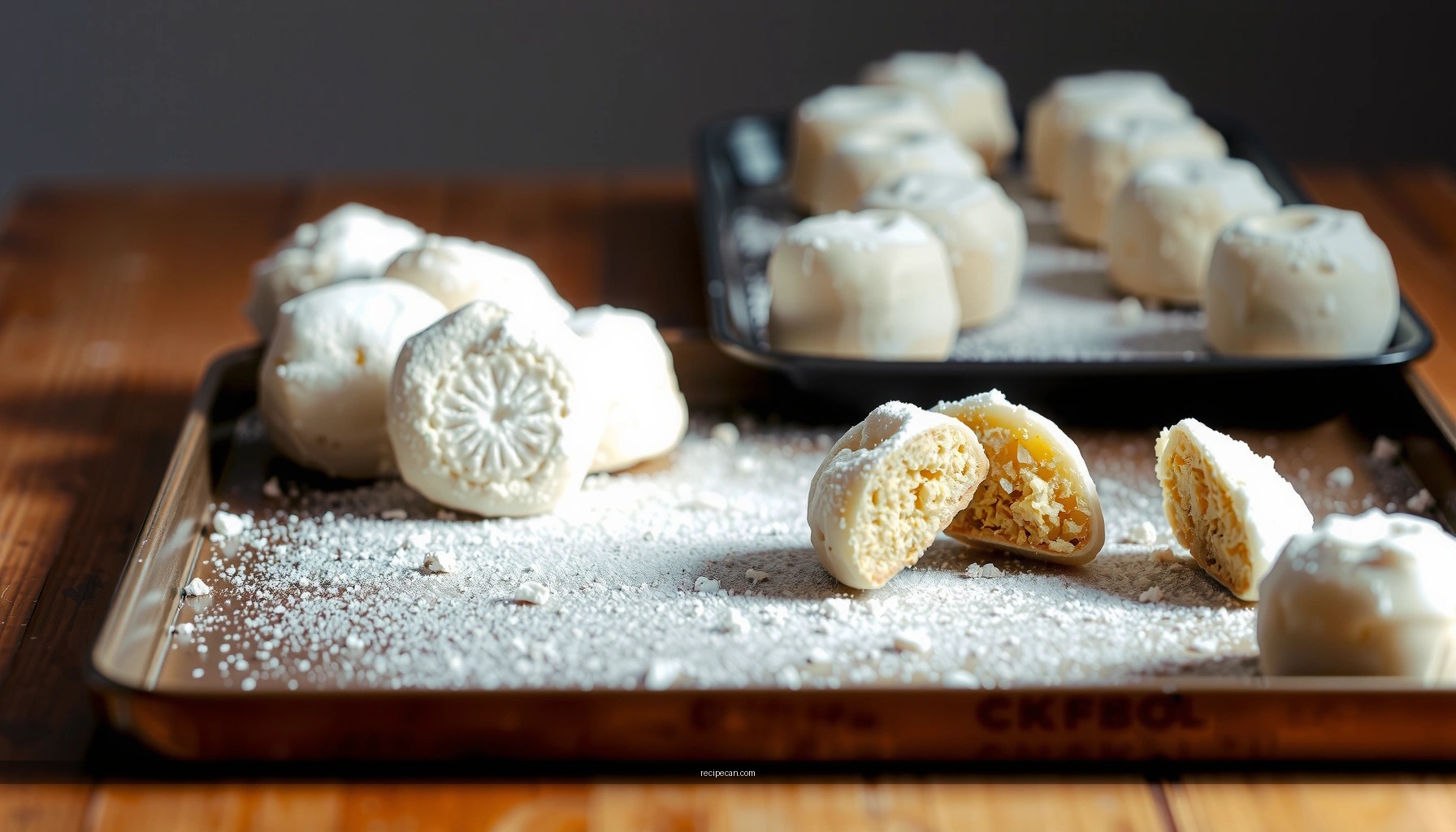
Get a reliable Russian tea cake recipe for classic snowball cookies that turns out tender, crumbly, and properly sugar-dusted every time. This step-by-step guide answers the real question—how to bake the cookies so they hold their snowball shape while still melting in your mouth. If you follow the method exactly, you’ll know when the dough is ready to bake and when to roll them in powdered sugar for the best finish.
Yes—you can bake classic Russian tea cake “snowball” cookies that are tender inside and perfectly coated in powdered sugar by creaming butter and sugar thoroughly, baking just until set, and rolling them while warm. This guide walks you through the ingredients, an easy method, and the practical timing details that determine whether your cookies melt-in-your-mouth or turn dry and crumbly.
Essential Ingredients for Russian Tea Cake
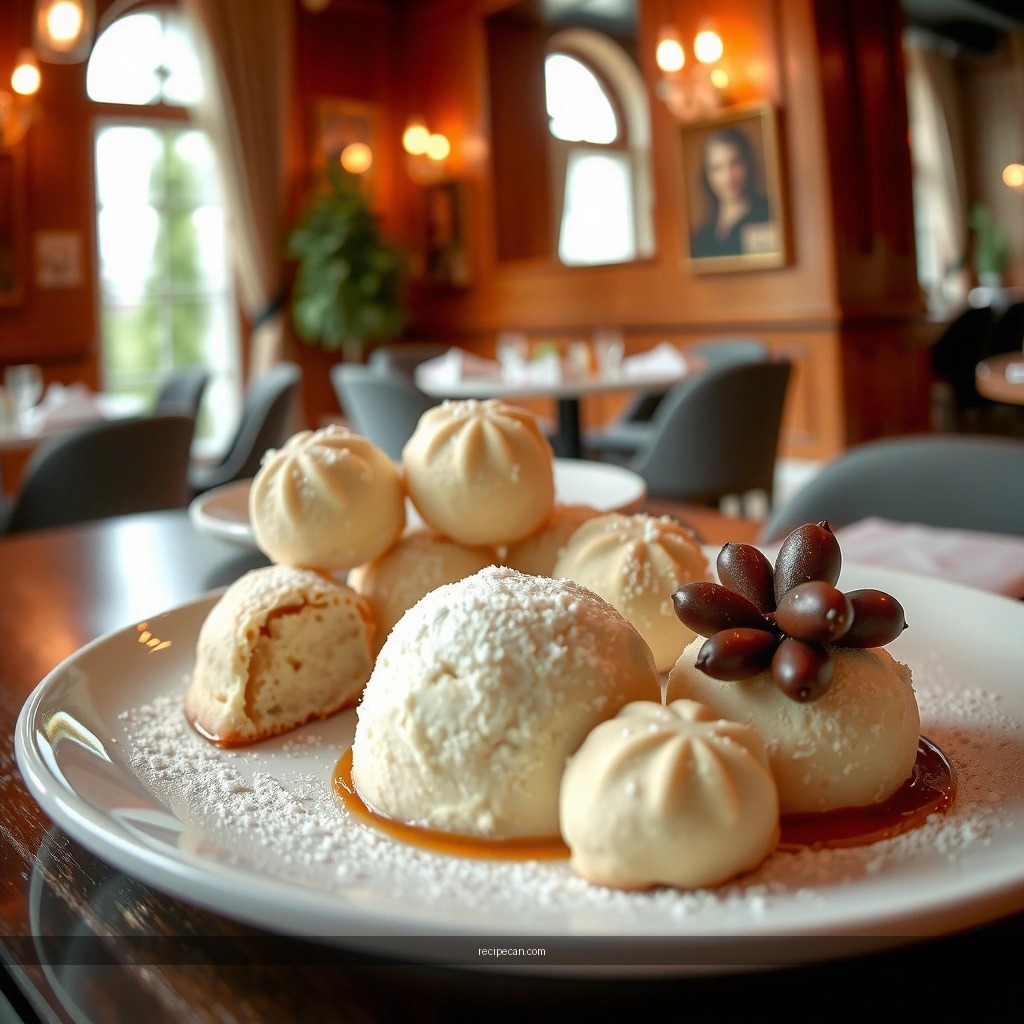
Russian tea cake (also called snowball cookies) is fundamentally a butter-forward shortbread-style cookie. The “nutty, buttery, snowy” character comes from a simple ingredient set and one critical technique: coating baked cookies with powdered sugar before the sugar dissolves into the crumb.
– Butter, powdered sugar, and vanilla create the signature rich flavor
Use unsalted butter for better control of salt. Powdered sugar in the dough supports a fine texture and tenderness. Vanilla rounds out the buttery profile so the nuts taste more aromatic instead of harsh.
– Chopped nuts (usually pecans or walnuts) add the classic texture
Chopped pecans or walnuts provide toasted, earthy flavor and a gentle crunch that contrasts with the cookie’s melt-soft interior. For the most balanced texture, chop nuts into small pieces—not nut flour, not large chunks.
– Flour and a leavening pinch help the cookies bake up tender
A modest amount of flour keeps the dough cohesive. Many recipes include a small baking powder or pinch of leavening to prevent the cookie from becoming too dense. The goal is “tender rounds,” not bready cookies.
To support ingredient choices with consistent results, here’s what typically matters most when building the dough and coating system:
Baking Targets for Russian Tea Cake Texture (By Batch Size)
| # | Batch (Cookies) | Oven Temp | Bake Time | Ideal Doneness Signal | Texture Priority |
|---|---|---|---|---|---|
| 1 | 18–24 | 325°F / 163°C | 12–14 min | Bottom set, tops matte | Tender crumb |
| 2 | 25–30 | 325°F / 163°C | 13–15 min | Edges just firm, no browning | Snowball integrity |
| 3 | 31–36 | 320°F / 160°C | 14–16 min | Very light golden underside | Melt-in-mouth softness |
| 4 | 37–44 | 320°F / 160°C | 15–18 min | Centers hold, not wet | Consistent coating |
| 5 | 45–54 | 315°F / 157°C | 16–19 min | Slightly firm top, no cracking | Avoid dryness |
| 6 | 55–66 | 315°F / 157°C | 18–21 min | Set bottom, restrained browning | Stable “snowball” shape |
| 7 | 67–84 | 310°F / 154°C | 20–24 min | Firm edges, tender centers | Uniform texture across tray |
Step-by-Step Instructions (Easy Method)
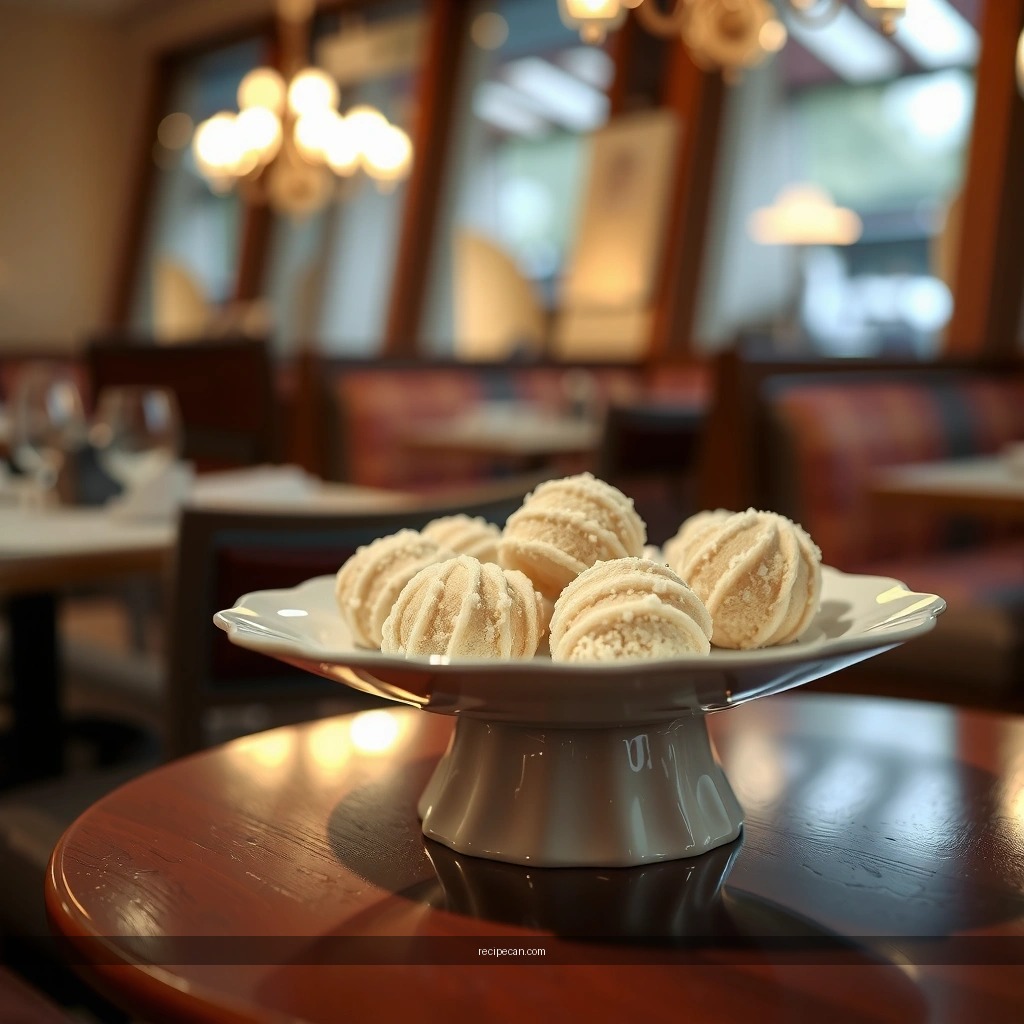
This is the straightforward Russian tea cake method that most home bakers can execute without specialty equipment. The key is to treat the dough gently and respect the rolling window after baking.
1. Prep and measure
– Preheat your oven to 325°F / 163°C.
– Line baking sheets with parchment paper.
– Measure ingredients and chop nuts into small, even pieces so every cookie bakes consistently.
2. Cream butter and powdered sugar
– In a mixing bowl, cream butter + powdered sugar until smooth and lighter in texture.
– Mix in vanilla (and any other extract you’re using). This step is where you build a soft, tender crumb base—don’t rush it.
3. Blend in nuts
– Add chopped nuts and mix just until distributed.
– If the dough looks dry at this stage, it’s usually not a “fix with more flour” situation—trust the next step with the dry ingredients.
4. Combine dry ingredients and form dough
– Whisk together flour with a pinch of leavening (often baking powder).
– Add dry ingredients to the butter mixture in two additions, mixing until a cohesive dough forms.
– The dough should be scoopable and shapeable. If it feels sticky, chill it 15–30 minutes; if it feels sandy and dry, you may have measured flour too heavily.
5. Scoop, shape, and bake
– Scoop dough into evenly sized portions (for classic snowball cookies, aim around 1 tablespoon per cookie or slightly more for larger bites).
– Roll gently into rounds using your hands if needed.
– Bake until cookies are set—tops will look matte and edges won’t be deeply browned.
6. Roll in powdered sugar—while warm
– Immediately roll baked cookies in powdered sugar.
– Let them sit briefly on a rack to set the sugar before finishing the rest of the batch.
A practical production tip
If you’re baking for a holiday tray or a weekly snack box, set up a “coating station” right next to the oven: powdered sugar in a wide bowl, cooling rack nearby, and a spoon or small spatula for transferring cookies without breaking them.
How to Get the Perfect Powdered Sugar Coating
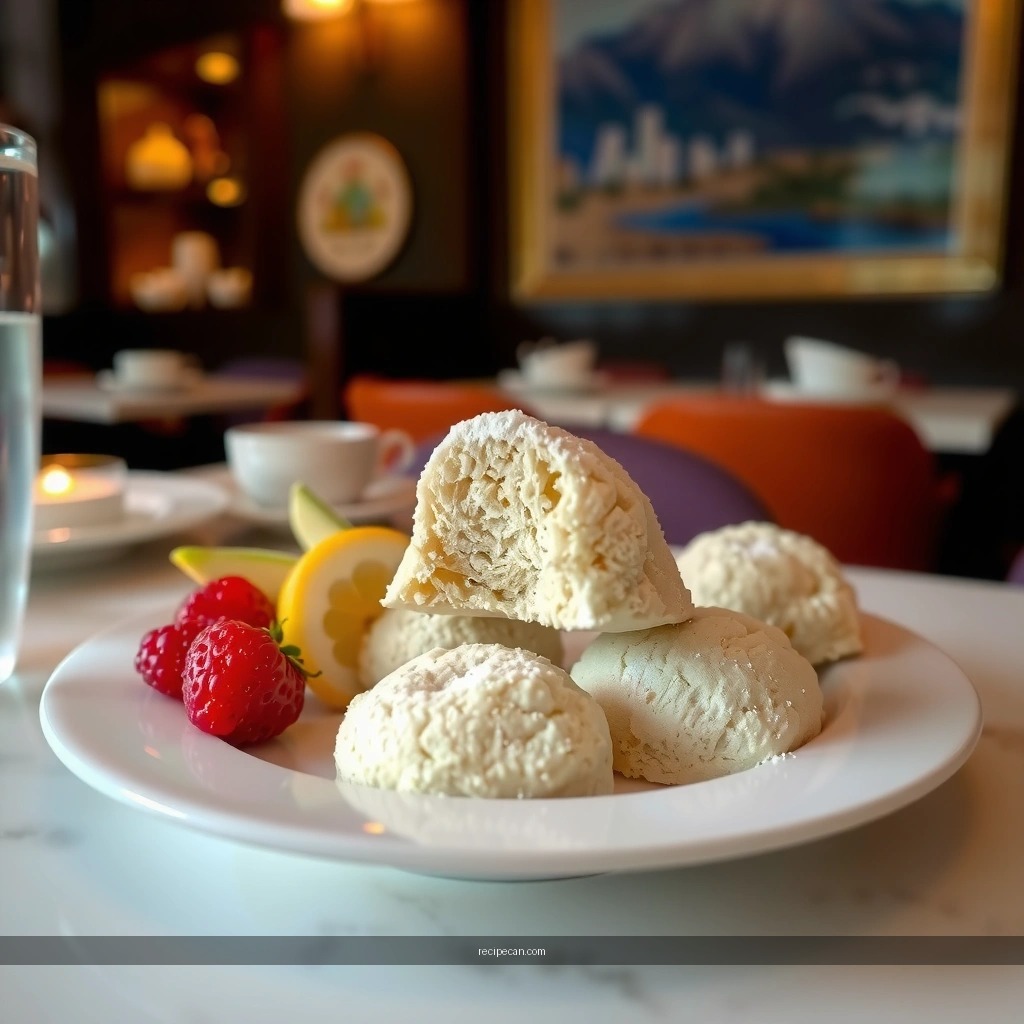
The powdered sugar coating is not just a finishing touch—it’s a core part of the cookie’s identity. Timing controls whether the coating stays snowy and crisp or turns into a gritty film.
– Roll cookies immediately after baking while they’re slightly warm
Warm cookies allow the powdered sugar to adhere and partially melt at the surface, creating that classic “snowball” look. If you wait too long, the coating won’t cling evenly.
– Repeat the coating for thicker “snowball” coverage
Many bakers roll once, cool, then roll again. This second coating thickens the sugar layer and improves visual impact for cookie trays and gifting.
– Let cookies cool fully before serving for the right crumb and set
After the sugar application, allow cookies to cool so the interior sets and the exterior stabilizes. Cooling prevents collapsing and helps maintain that tender bite.
Troubleshooting guide:
– Coating falls off: You likely waited too long before rolling or the cookies were underbaked and fragile.
– Coating turns clumpy or wet-looking: Cookies may be too hot, or powdered sugar may be humid—use fresh, sifted powdered sugar.
– Sugar layer is uneven: Balls may not be uniform; use consistent scoops and light, even rolling.
Flavor Variations to Try
Russian tea cake recipes are flexible: the butter-and-nut structure is the constant, while flavor comes from your nut choice and small enhancements.
– Use pecans or walnuts, or swap in almonds for a different nutty note
Pecans tend to taste slightly sweeter and rounder. Walnuts deliver deeper, more robust flavor. Almonds add a gentler, more aromatic finish.
– Add a touch of cinnamon or espresso powder for extra warmth
A small amount of ground cinnamon adds holiday warmth without overpowering butter. Espresso powder (even 1–2 teaspoons per batch) brings a mocha-like depth that pairs exceptionally well with nuts.
– Try different extracts (like almond) to customize the taste
Almond extract intensifies the cookie’s “bakery” style profile. Because extracts vary in strength, start with a conservative amount and adjust next batch.
If you want a “signature” flavor that still reads as classic Russian tea cake, a strong approach is walnuts + vanilla + a pinch of cinnamon—familiar, balanced, and crowd-pleasing.
Storage and Make-Ahead Tips
Russian tea cake keeps well because the dough is rich in butter and the cookies are dry on the outside with a sugar coating that can protect the crumb.
– Store in an airtight container to keep the cookies fresh and tender
Use parchment layers between cookies if possible. Airtight storage prevents moisture loss from drying out the crumb.
– Freeze baked cookies (or uncoated dough) for easy batch prep
For best texture, you can:
– Freeze uncoated baked cookies and roll in powdered sugar after thawing, or
– Freeze coated cookies, understanding the sugar may look slightly less crisp after thawing.
Either way, freeze in a sealed container and label with the date.
– Re-roll with powdered sugar before serving for a fresh look
If you’re preparing in advance for events, a final roll right before serving gives you the most snow-like presentation and keeps the cookie tray looking “just baked.”
Common Mistakes to Avoid
Even though Russian tea cake is simple, small timing and measurement errors show up quickly—especially in a butter-based dough.
– Overbaking can dry out the cookies—watch for just-set edges
These cookies should be tender, not toasted. Start checking early; the difference between “set” and “dry” can be a couple of minutes.
– Letting cookies cool too long before rolling can weaken the coating
Aim for “warm, not steaming.” If the cookies become fully cool, the sugar may not adhere and you’ll lose that classic snowball effect.
– Using too much flour can make them crumbly instead of melt-in-your-mouth
For accurate flour measurement, spoon flour into the measuring cup and level off—don’t pack it. If your dough consistently feels dry, recalibrate measuring or consider gently mixing in a teaspoon of butter if needed (only if texture clearly indicates dryness).
Finally, remember that oven performance varies. If your oven runs hot, reduce temperature slightly or shorten bake time to preserve tenderness.
Russian tea cake is all about buttery dough, chopped nuts, and the timing of rolling in powdered sugar right after baking. Follow the steps carefully—cream thoroughly, bake just until set, and coat while warm. Make one variation you love (pecans vs. walnuts, or a hint of espresso), bake a batch for next week’s snack box or a holiday cookie tray, and then share your results—especially what worked best for your oven and your preferred flavor twist.
Frequently Asked Questions
What is the classic Russian tea cake recipe, and what makes it different from other holiday cookies?
The classic Russian tea cake recipe (also known as Mexican wedding cookies or snowball cookies) is a buttery, tender cookie made with chopped nuts, often walnuts or pecans, and finished with a thick coating of powdered sugar. What makes it different is the “melt-in-your-mouth” texture from butter and nuts combined with a simple, flour-based dough. After baking, the cookies are rolled in powdered sugar while warm so the sugar adheres properly and gives that signature snowy look.
How do you make Russian tea cake cookies that don’t crumble or become dry?
To prevent crumbling, use softened—not melted—butter and mix just until the dough comes together, since overmixing can make the cookies dry. Measure flour accurately (spoon and level) and chill the dough briefly if it’s too soft to roll. Bake just until the edges are lightly set (usually around 12–16 minutes depending on size), then roll in powdered sugar while warm to help them hold together.
Why do Russian tea cakes crack or split when rolling in powdered sugar?
Cracking usually happens when cookies are too hot and the sugar forms unevenly, or when cookies are slightly overbaked and drier than intended. Let the cookies cool for a few minutes on the tray—warm, not scorching—before rolling in powdered sugar. For best results, roll gently and consider a second dusting after the cookies cool completely to enhance the sugar coating without breaking them.
Which nuts are best for a Russian tea cake recipe, and can I substitute them?
Walnuts and pecans are the most common nuts because they bake up rich and flavorful without overpowering the butter. You can substitute almonds, hazelnuts, or a nut mix, but keep the chop size consistent so the dough bakes evenly. If you’re avoiding nuts, use a nut-free alternative like toasted sunflower seeds or omit nuts and increase flour slightly, though the classic texture and flavor will change.
What’s the best way to store Russian tea cakes so they stay fresh for days?
Store Russian tea cake cookies in an airtight container at room temperature, layered with parchment to prevent sticking and sugar transfer. They typically stay fresh for 4–7 days, and the powdered sugar may slightly absorb into the cookies over time. For longer storage, freeze the baked cookies in a sealed container; thaw at room temperature and roll or dust with powdered sugar again if you want that freshly coated look.
References
- https://en.wikipedia.org/wiki/Russian_tea_cake
https://en.wikipedia.org/wiki/Russian_tea_cake - Google Scholar Google Scholar
https://scholar.google.com/scholar?q=Russian+tea+cake+recipe - Google Scholar Google Scholar
https://scholar.google.com/scholar?q=Russian+tea+cakes+powdered+sugar+butter+cookies - Google Scholar Google Scholar
https://scholar.google.com/scholar?q=shortbread+cookie+powdered+sugar+Russian+tea+cakes - https://scholar.google.com/scholar?q=russian+tea+cake+recipe Google Scholar
https://scholar.google.com/scholar?q=russian+tea+cake+recipe - russian tea cake recipe – Search results
https://en.wikipedia.org/wiki/Special:Search?search=russian+tea+cake+recipe - https://www.ncbi.nlm.nih.gov/search/research-articles/?term=russian+tea+cake+recipe
https://www.ncbi.nlm.nih.gov/search/research-articles/?term=russian+tea+cake+recipe