Need easy matcha tea recipes that actually deliver smooth, vibrant flavor? This guide shows the best way to make matcha—quick whisked tea, creamy matcha lattes, and foolproof variations—so you get great results whether you’re using ceremonial or everyday matcha. If you want dependable measurements and simple steps, you’ll find the clear winners here.
Make matcha tea at home by whisking matcha powder with hot (not boiling) water, then sweetening or flavoring to taste. Once you nail the basics—quality matcha, the right water temperature, and consistent whisking—you can reliably create classic hot matcha, iced matcha, creamy lattes, and flavor-forward variations for any mood.
Matcha Tea Basics (What You Need)
Matcha is not just “green tea powder”—it’s finely ground, shade-grown tea leaves designed to be whisked into a smooth emulsion. That’s why your results depend heavily on both the matcha you choose and how you mix it.
– Use ceremonial-grade matcha for best flavor and color
If your goal is a bright, grassy aroma with a naturally sweet finish, ceremonial-grade matcha is the safest starting point. It’s typically more finely milled and more balanced than culinary-grade matcha, which is often blended for cooking and tends to taste more muted when prepared straight. For consistent at-home results, look for packaging that clearly states ceremonial (or “highest quality”) and avoid products that describe themselves mainly as “for baking” if you want classic matcha tea.
– Whisk with a bamboo chasen or frother for smooth texture
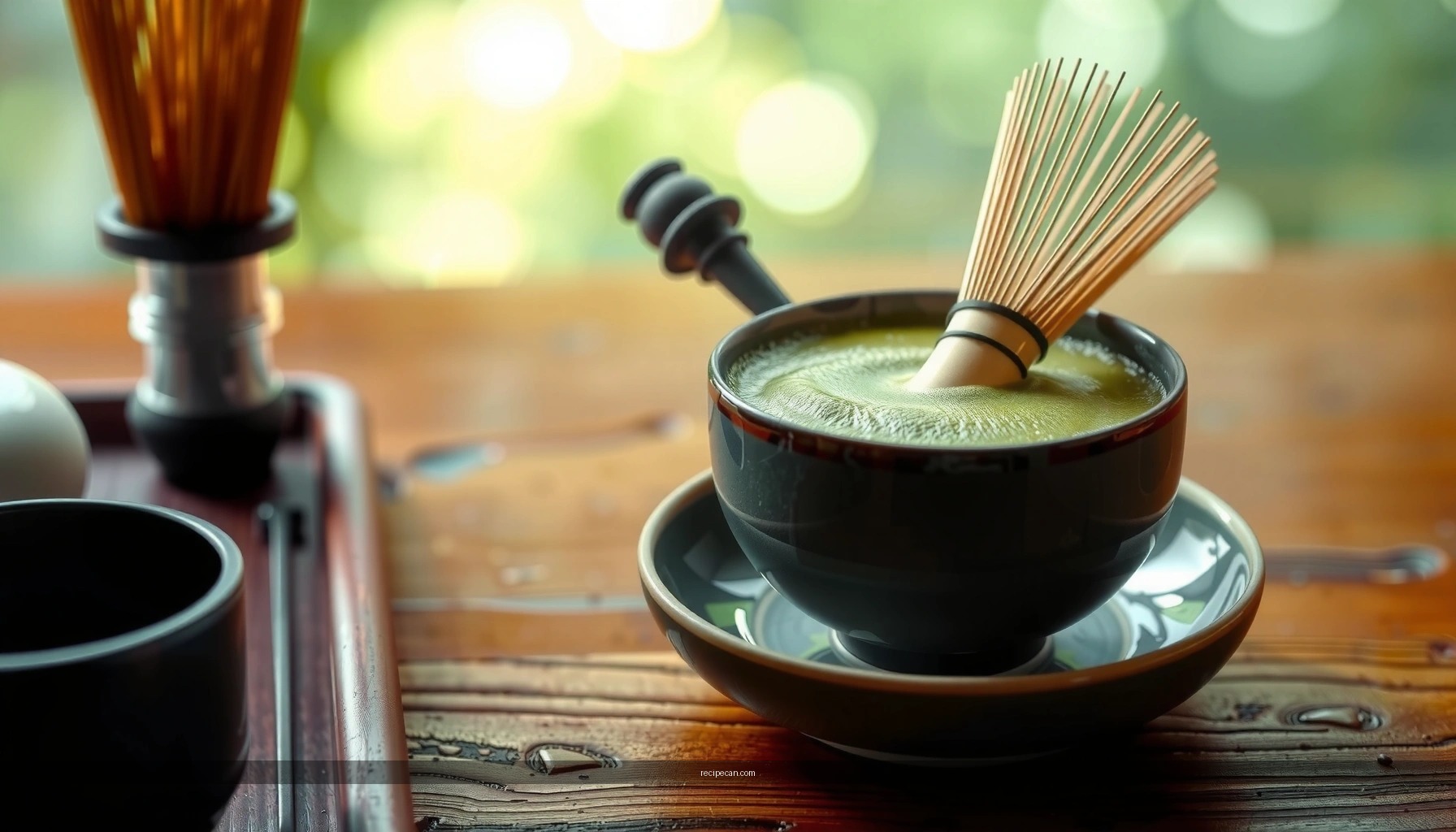
Traditional results come from the bamboo chasen (whisk). Its fine prongs create microfoam and emulsify matcha so you don’t get gritty clumps. If you don’t have a chasen yet, a battery-operated frother can perform similarly for many people—especially for iced matcha where texture matters less than in pure hot matcha. The key is to whisk immediately after adding water so the powder hydrates evenly.
– Measure with intention (consistency beats guesswork)
A practical baseline is 1–2 teaspoons matcha per 6–8 oz (180–240 ml) water. Use the lower end for a lighter tea, and increase gradually until you reach your desired strength. This matters because too much powder can overpower sweetness and amplify any bitterness.
– Use the right temperature—hot enough to bloom, not hot enough to scorch
Boiling water can mute matcha’s sweetness and make it taste harsher. Aim for hot but not boiling, typically 160–180°F (70–80°C) for most classic preparations. If your matcha tastes bitter, it’s usually a temperature or ratio issue—not a “bad batch” problem.
How Temperature Impacts Flavor Balance & Bitterness (7 Ranges)
| # | Water Temp | Best For | Foam & Smoothness (Score/10) | Bitterness Risk |
|---|---|---|---|---|
| 1 | 140°F / 60°C | Mild matcha, softer aroma | 6 | Low |
| 2 | 150°F / 65°C | Gentle sweetness, less edge | 7 | Low–Medium |
| 3 | 160°F / 70°C | Reliable classic profile | 8 | Low–Medium |
| 4 | 165°F / 74°C | Balanced sweetness & vivid color | 9 | Medium |
| 5 | 170°F / 77°C | Stronger taste, still smooth | 9 | Medium–High |
| 6 | 180°F / 82°C | Use only if your matcha is very mild | 8 | High |
| 7 | 190°F / 88°C+ | Not recommended (taste can turn harsh) | 6 | Very High |
How to Make Classic Matcha Tea
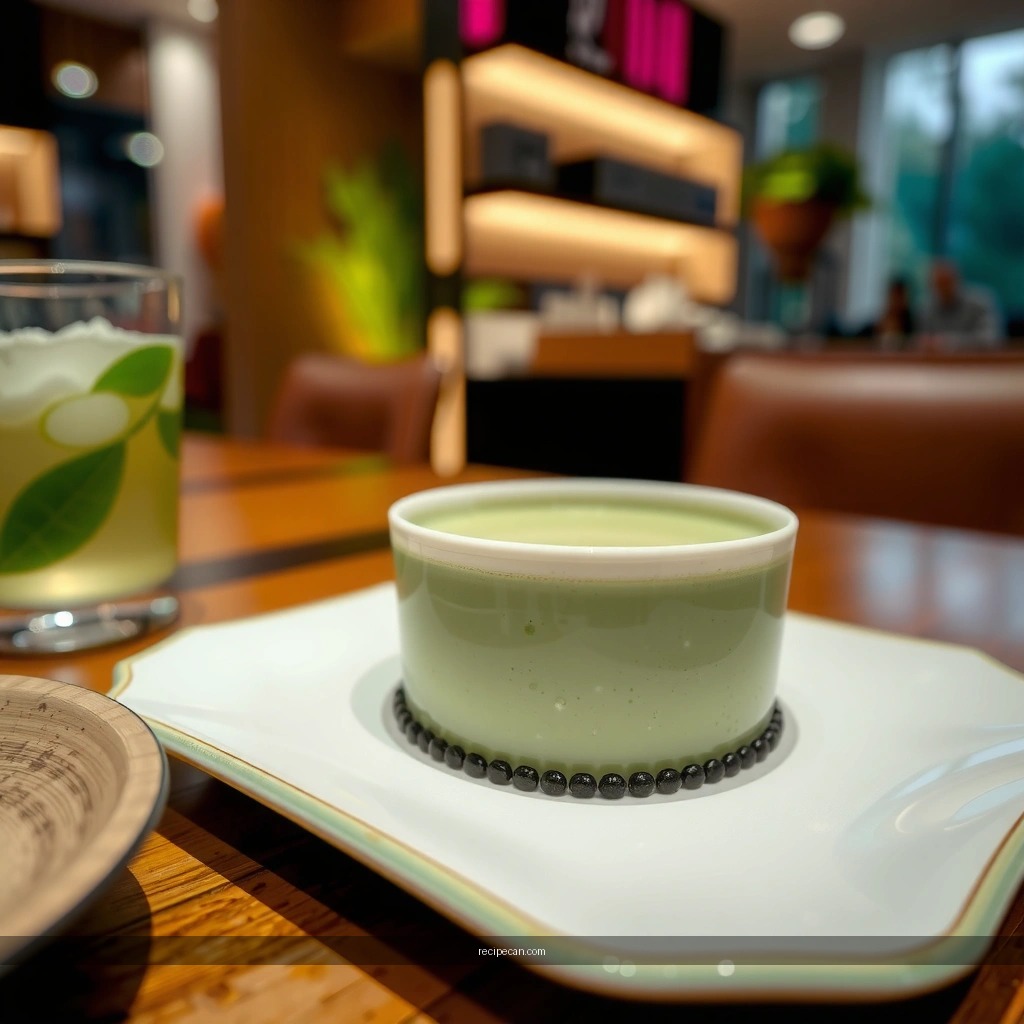
A great cup of classic matcha is essentially a controlled whisking process: you hydrate the powder, emulsify it, and then adjust strength with more hot water. The moment you whisk, you’re building texture—so your technique matters as much as your ingredients.
– Sift matcha into a bowl to prevent clumps
Even high-quality matcha can clump when it hits water. Sifting breaks up dry pockets and improves consistency. Use a small fine mesh sieve, or if you’re in a hurry, press out any visible lumps with the back of a spoon before whisking.
– Whisk in quick “W” motions with hot water around 160–180°F (70–80°C)
Start by adding a small amount of hot water to the matcha (about 2–3 tablespoons for every 1 teaspoon matcha). Whisk using fast “W” strokes until the mixture becomes glossy and smooth. Then top up with the remaining hot water to reach your cup size.
This two-step approach helps you avoid both clumps and uneven concentration—two common reasons matcha tastes gritty.
Actionable baseline recipe (hot):
1. Add 1–2 tsp ceremonial matcha to a bowl and sift.
2. Add 2–3 tbsp hot water (70–80°C).
3. Whisk vigorously with “W” motions for 15–30 seconds.
4. Add additional hot water to taste.
5. Sweeten (if desired) with honey, sugar, or syrup—start small and adjust.
What “good” looks like: a uniform, creamy surface with a light foam layer and a vivid green color (especially with ceremonial-grade matcha). If the color is dull or the texture is grainy, revisit water temperature and whisking speed.
Iced Matcha Tea Recipes (Cool + Refreshing)
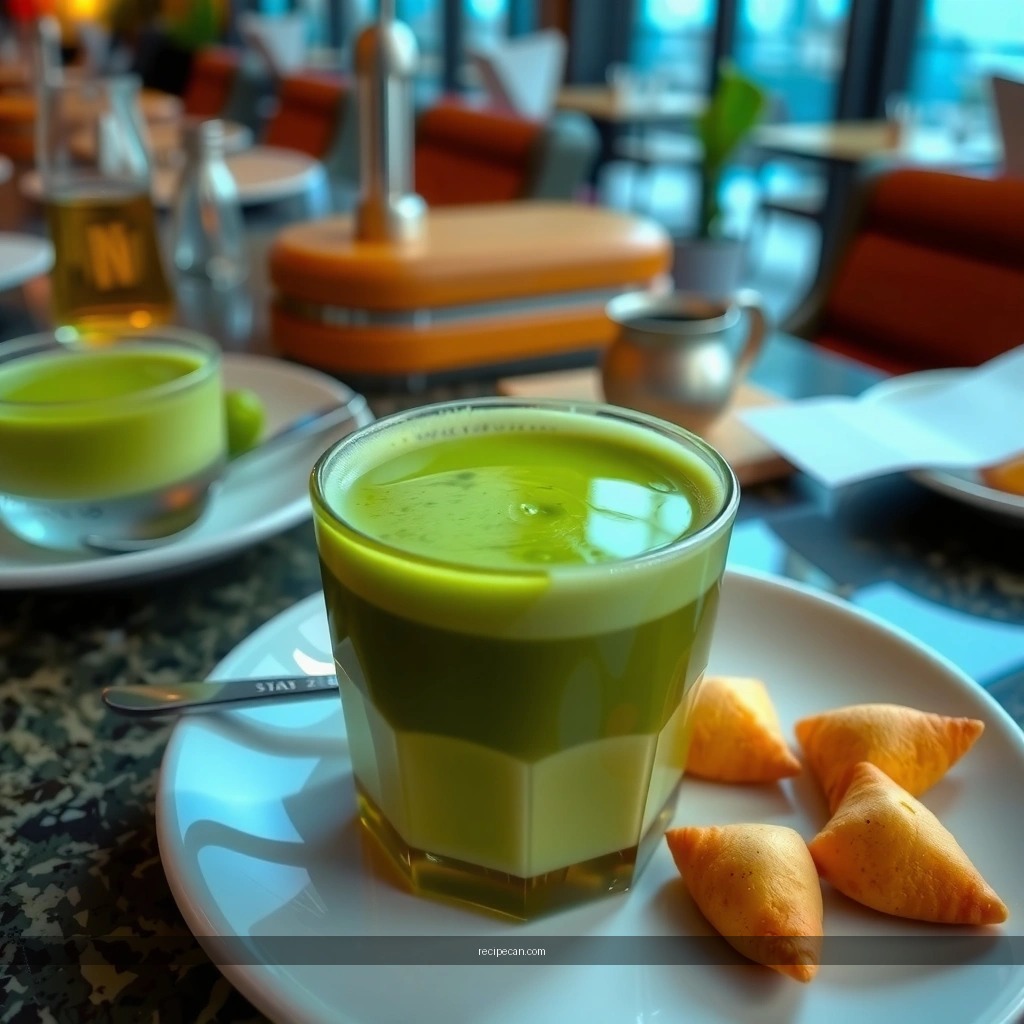
Iced matcha solves two problems at once: it reduces the perception of harshness and makes your drink more forgiving—especially if you like a lightly sweetened style. Texture still matters, but you can correct it with whisking and dilution.
– Pour matcha over ice with chilled water or milk alternatives
For iced matcha, many people mix matcha with a small amount of hot water first (to emulsify), then chill it over ice. This usually yields a smoother, more consistent drink than mixing matcha directly in cold water.
– Add sweetener (honey, sugar, or syrup) to match your taste
Since iced drinks read as less sweet, you may need slightly more sweetener than you would for hot matcha. If you’re optimizing for flavor clarity, dissolve sugar or syrup fully before combining—especially with cold liquids.
Quick iced matcha method (best texture):
1. Sift 1–2 tsp matcha into a bowl.
2. Whisk with 1–2 tbsp hot water (70–80°C) until glossy.
3. Fill a glass with ice.
4. Add cold water (or milk alternative) and whisk gently or stir.
5. Sweeten to taste.
Flavor upgrades that work well iced:
– Vanilla syrup or a splash of vanilla extract (smooth, dessert-like finish)
– Citrus zest (orange or lemon, added after whisking)
– A pinch of salt (surprisingly effective at amplifying sweetness)
Professional tip: If your iced matcha looks darker or tastes muted, reduce the matcha ratio slightly or lower the water temperature used in the initial hot whisk.
Matcha Latte Recipes (Creamy Variations)
Matcha lattes are where technique meets comfort. The goal is to keep the matcha vibrant while creating a creamy mouthfeel that rounds out any bitterness. The cleanest results happen when you emulsify matcha first, then integrate with warm (not boiling) milk.
– Whisk matcha first, then combine with warmed milk for a smooth latte
Always whisk matcha with a small amount of hot water first. This step prevents “powder pockets” that can show up in lattes and ensures a stable, creamy texture.
– Try different milks (dairy, oat, almond) for unique flavor
Different milks change the latte’s sweetness, viscosity, and overall balance:
– Oat milk: naturally sweet and creamy; great for classic café-style lattes.
– Almond milk: lighter body; pairs well with vanilla and cinnamon.
– Dairy milk: offers the most rounded, traditional taste.
Simple matcha latte recipe (hot):
1. Whisk 1–2 tsp matcha with 2–3 tbsp hot water (70–80°C).
2. Warm 6–8 oz milk (steamed or lightly hot; avoid boiling).
3. Combine whisked matcha with milk.
4. Sweeten if desired (start with 1–2 tsp and adjust).
5. For extra foam, use a frother for 10–20 seconds after combining.
Iced latte option: follow the same steps but pour over ice, and keep milk cold after warming (or chill before combining).
Matcha Sweet Treat Pairings (Flavor Boosters)
Matcha’s profile—vegetal, subtly sweet, and sometimes a touch mineral—pairs best with flavors that either amplify sweetness or add aromatic lift. Think in terms of contrast and balance, not overpowering.
– Add vanilla, cinnamon, or citrus zest for quick upgrades
– Vanilla: improves perceived sweetness and makes matcha taste more “dessert-like.”
– Cinnamon: adds warmth without clashing with matcha’s earthiness.
– Citrus zest: brings brightness that can cut through creaminess and refresh the palate.
A practical rule: start with small amounts. In matcha, strong flavor additives can dominate quickly because the tea is already flavorful.
– Pair with simple snacks (cookies, mochi, or toast) for a balanced moment
For a satisfying, balanced pairing:
– Shortbread or butter cookies: complement matcha’s grassy notes with gentle sweetness.
– Mochi: chewy texture works well with matcha’s creamy mouthfeel.
– Toasted bread with jam or honey: adds simple sweetness that doesn’t compete with matcha.
Best pairing strategy (for consistent enjoyment):
Matcha is often best when the snack is simple and not overly acidic. If you want fruit-forward pairings, choose mild flavors (like berry preserves) rather than sharply sour profiles.
Troubleshooting Common Matcha Issues
Even with good ingredients, matcha can disappoint if the process slips. The good news: most issues have clear causes and fixes.
– Fix bitterness by lowering water temperature and using less powder
Bitterness usually comes from overheating, over-concentrating, or both. If your cup tastes harsh:
1. Drop water temperature closer to 70°C (or just under your usual target).
2. Reduce from 2 tsp to 1 tsp per cup.
3. Sweeten slightly more if needed, but try temperature and ratio changes first.
– Prevent lumps by sifting matcha and whisking thoroughly right away
Lumps form when dry powder hydrates unevenly or sits too long before whisking. Your checklist:
– Always sift matcha for hot preparations.
– Whisk with the small initial splash of water until glossy.
– Then top up immediately—don’t let the initial mixture sit.
If your foam disappears quickly: you may be whisking too gently, using water that’s too hot, or adding cold liquid too fast. Whisk until glossy, then combine carefully.
If the color looks dull: your matcha may be old or your temperature may be too high. Store matcha sealed and cool, and stick to the 70–80°C range for most cups.
—
Matcha tea recipes are all about the right matcha, proper water temperature, and a good whisking technique—then you can customize with iced, latte, or flavored variations. Pick one recipe to try today (classic hot, iced, or a creamy latte), adjust sweetness to your preference, and save your favorite method for repeat sips that taste consistent—cup after cup.
Frequently Asked Questions
How do I make matcha tea at home without clumps?
Sift your matcha powder first, then whisk with a small amount of hot water (about 60–80°C / 140–175°F) using a bamboo whisk in fast “W” motions. Start with roughly a 1:1 ratio of matcha to water to form a smooth paste, then add the remaining water to your preferred strength. Using a ceramic bowl and whisking immediately after adding water also helps prevent lumps.
What’s the best way to brew matcha tea for maximum flavor?
Use water that’s hot but not boiling—too-high temperatures can make matcha taste bitter and dull the sweetness. Whisk until it looks frothy and uniformly green, and aim for a consistent ratio like 1–2 teaspoons of matcha per 6–8 oz of water (adjust to taste). For the freshest flavor, use culinary-grade or ceremonial-grade matcha and consume right away rather than letting it sit.
Why does matcha taste bitter, and how can I fix it in my recipe?
Bitter matcha is often caused by using boiling water, over-whisking with very hot liquid, or using too much powder. Try lowering the water temperature to 60–80°C and reduce the amount of matcha by 1/4 to 1/2 teaspoon, then whisk again. If you want a smoother drink, add honey, vanilla, or a splash of milk to balance the flavor.
Which matcha tea recipes are easiest for beginners—hot or iced?
Both can be simple, but iced matcha is especially beginner-friendly because it allows you to chill the drink quickly and adjust sweetness. For iced matcha, whisk matcha with a small amount of hot water to dissolve, then stir in cold water or milk over ice and sweeten to taste. Hot matcha is also quick—use the same whisking method, but serve immediately for a classic matcha tea experience.
What’s the best matcha latte recipe using milk or plant-based alternatives?
Whisk matcha with a small amount of hot water until frothy, then heat and steam dairy milk (or froth oat/almond milk) to your preferred temperature. Combine the matcha base with milk, then sweeten with honey, maple syrup, or a sugar-free syrup if desired. This method helps create a smooth matcha latte with natural green color and reduces clumping, making it ideal for everyday matcha tea recipes.
References
- Matcha
https://en.wikipedia.org/wiki/Matcha - Matcha | Origins, Uses, Japanese Green Tea Type, & Health Benefits | Britannica
https://www.britannica.com/topic/matcha - Google Scholar Google Scholar
https://scholar.google.com/scholar?q=matcha+tea+recipe+how+to+prepare - Google Scholar Google Scholar
https://scholar.google.com/scholar?q=matcha+whisking+method+chawan+chasen+recipe - Google Scholar Google Scholar
https://scholar.google.com/scholar?q=matcha+tea+preparation+water+temperature+powder+dissolution - https://pubmed.ncbi.nlm.nih.gov/?term=matcha+tea+preparation
https://pubmed.ncbi.nlm.nih.gov/?term=matcha+tea+preparation - https://www.sciencedirect.com/search?qs=matcha+tea+preparation
https://www.sciencedirect.com/search?qs=matcha+tea+preparation - matcha tea preparation | Nature Search Results
https://www.nature.com/search?q=matcha+tea+preparation - matcha tea preparation – Search Results – PMC
https://www.ncbi.nlm.nih.gov/pmc/?term=matcha+tea+preparation - match tea preparation – Books – NCBI
https://www.ncbi.nlm.nih.gov/books/?term=matcha+tea+preparation