You can brew matcha hot tea at home with reliable results—here are easy matcha hot tea recipes that produce a smooth, fully blended cup. If you’re asking how to make matcha hot tea without bitterness and with the right foam every time, this guide gives the clear method, step-by-step. Follow these instructions and you’ll get a consistent perfect cup in minutes.
Matcha hot tea recipes are straightforward: whisk matcha with hot (not boiling) water until smooth, then customize the sweetness or add milk for your ideal flavor and texture. If you focus on correct water temperature (about 175–185°F / 80–85°C) and consistent whisking, you’ll get a creamy, frothy cup every time—whether you want a simple umami brew or a warm matcha latte.
Basic Matcha Hot Tea Recipe
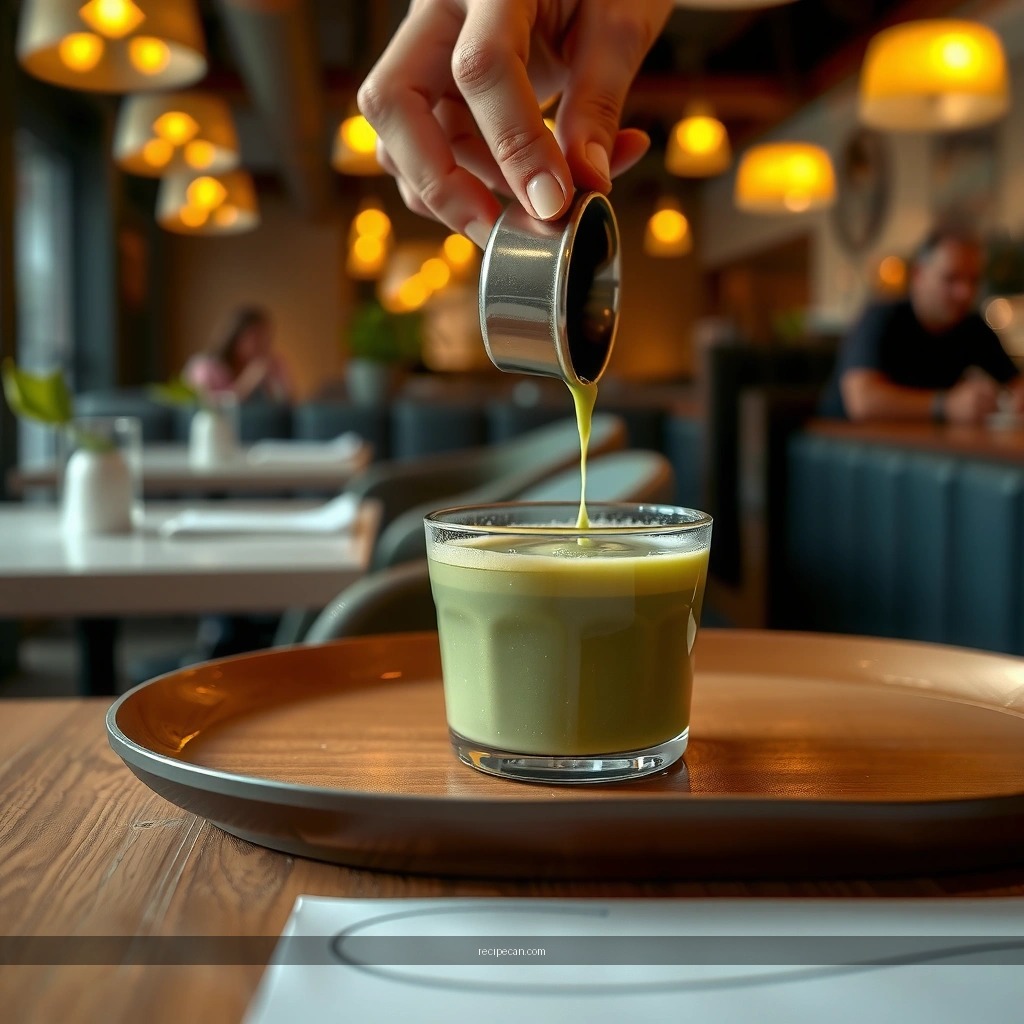
– Use hot water around 175–185°F (80–85°C) for best flavor
– Whisk 1–2 teaspoons matcha with water until fully dissolved
A perfect basic matcha hot tea is the foundation for every other variation. Because matcha is finely milled green tea, it extracts flavor quickly—so water that’s too hot can push the cup toward bitterness and harshness, while water that’s too cool may leave a flat, under-extracted taste. The goal is to hit the “sweet spot” where the tea’s natural sweetness, grassy aroma, and umami body come through without sharp edges.
What to do (1 cup):
1. Warm your water to 175–185°F (80–85°C). If you don’t have a thermometer, let recently boiled water sit for ~1–3 minutes and then adjust based on taste (you can always fine-tune later).
2. Sift the matcha into your bowl (optional, but highly effective if your matcha tends to clump).
3. Add 1–2 teaspoons matcha to the bowl, then pour in 2–4 oz (60–120 ml) of hot water—start with less water for more intensity.
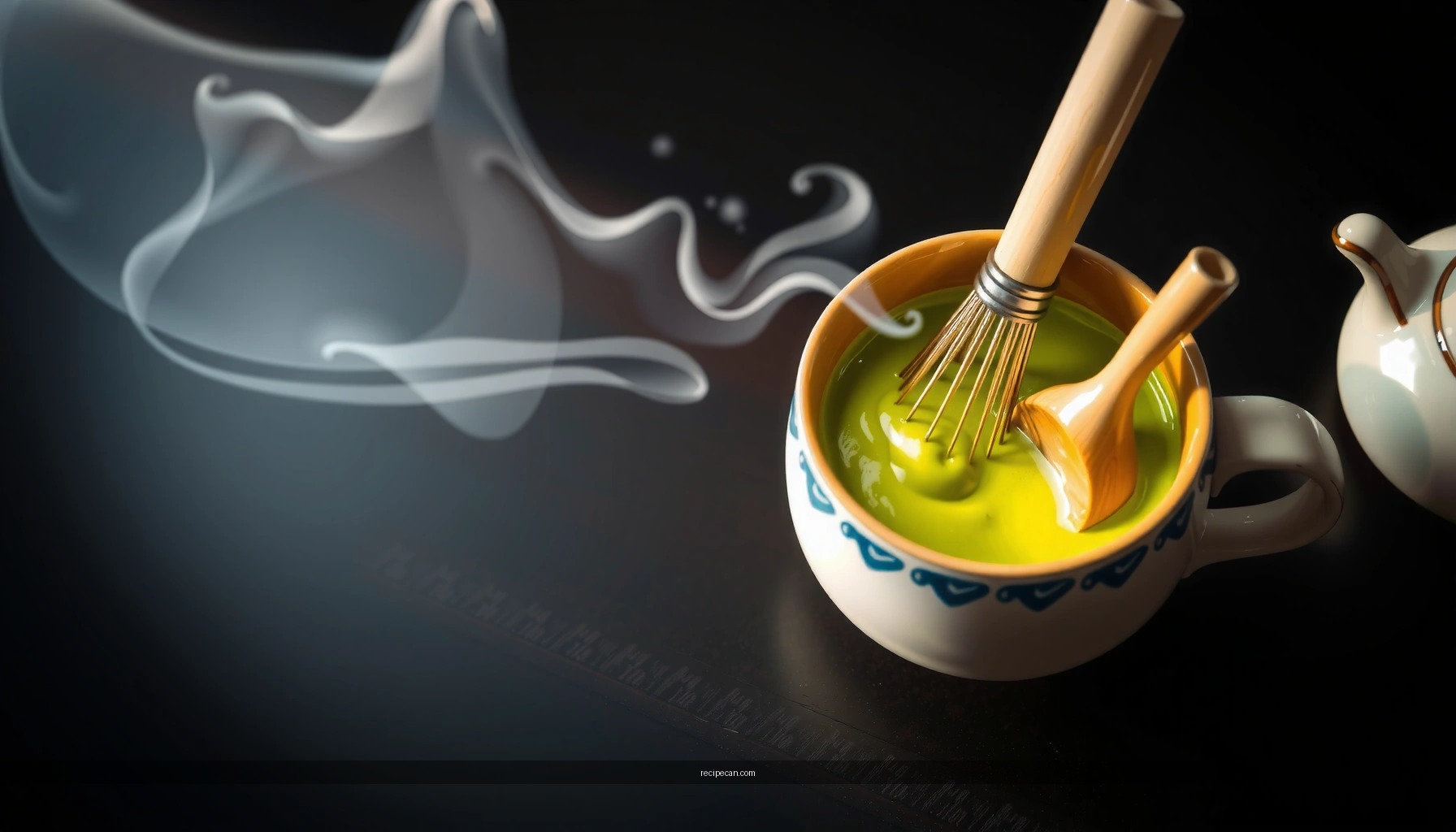
4. Whisk vigorously using a chasen or a small whisk, making repeated “W” motions until no dry matcha remains and the surface looks foamy.
How to judge success: The foam should be creamy, not just bubbly, and the liquid should look uniform (no floating specks). If you see clumps, whisk longer or sift next time.
Water Temperature vs. Taste Outcome for Matcha (Brewed Hot)
| # | Brew Range | Typical Taste Profile | Froth Quality | Overall Rating |
|---|---|---|---|---|
| 1 | 160°F (71°C) | Milder, slightly muted | ★ ★ ★ ☆ ☆ | 3.0/5 |
| 2 | 170°F (77°C) | Balanced but less “punchy” | ★ ★ ★ ★ ☆ | 3.7/5 |
| 3 | 175°F (80°C) | Sweet, umami-forward | ★ ★ ★ ★ ★ | 4.4/5 |
| 4 | 180°F (82°C) | Richer body, still smooth | ★ ★ ★ ★ ★ | 4.6/5 |
| 5 | 185°F (85°C) | Bright green with gentle depth | ★ ★ ★ ★ ☆ | 4.3/5 |
| 6 | 195°F (91°C) | More astringency, less sweetness | ★ ★ ★ ☆ ☆ | 3.4/5 |
| 7 | 212°F (100°C) | Bitter edge, “cooked” taste | ★ ★ ☆ ☆ ☆ | 2.6/5 |
Classic Sweetened Matcha Latte (Hot)
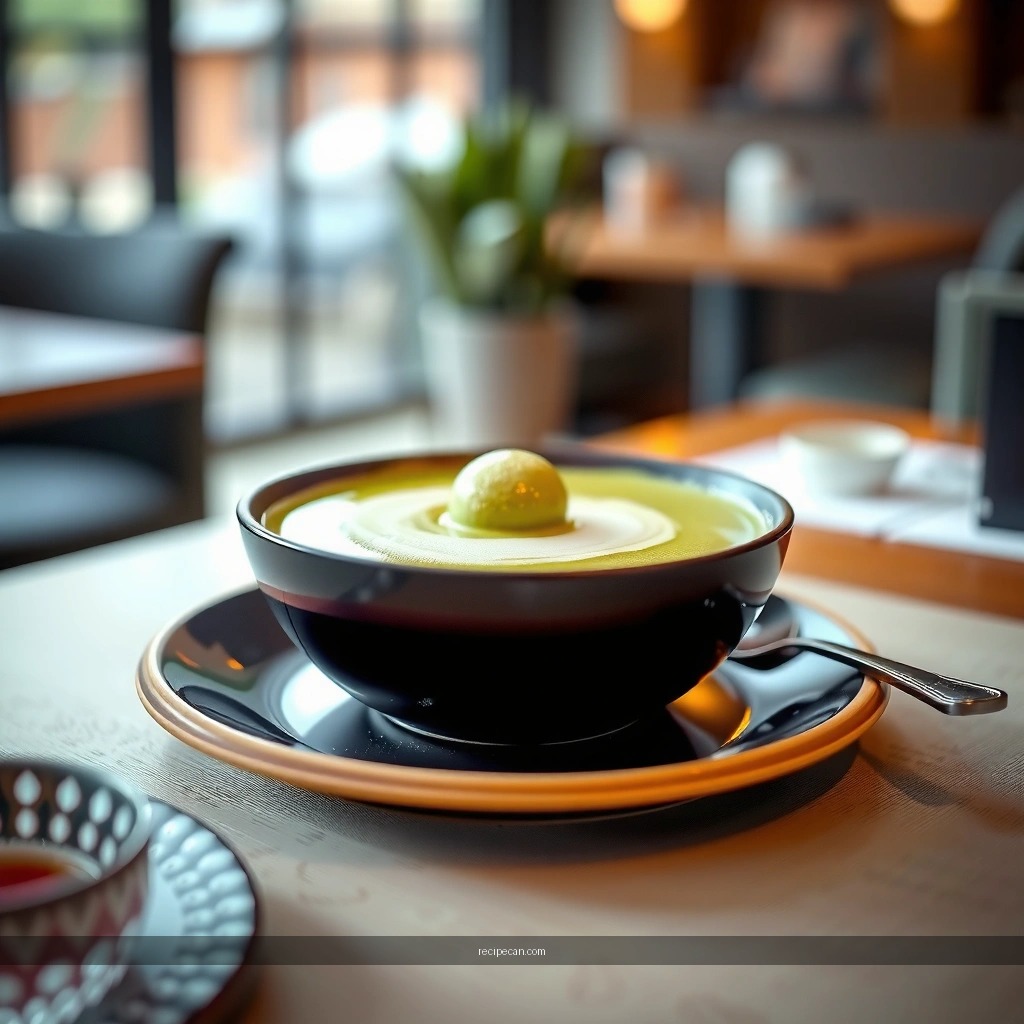
– Stir in honey, sugar, or syrup after whisking the matcha
– Add warmed milk (dairy or oat) and whisk briefly for creaminess
If your goal is a dessert-like cup that still tastes “clean,” a hot matcha latte is often the easiest next step. The key is timing: whisk the matcha first, then sweeten. Matcha powder can clump when it meets sugar too early, and sweetness can mute the tea’s aroma if it’s not integrated correctly.
Recommended approach (latte-style):
1. Whisk matcha with 2–3 oz (60–90 ml) of hot water at 175–185°F (80–85°C) until fully smooth.
2. Sweeten after whisking: stir in honey, sugar, or syrup until dissolved. Start conservatively (e.g., 1 teaspoon honey) and adjust.
3. Warm your milk separately. Heat until hot but not boiling. Then add slowly to avoid reducing foam.
4. Whisk briefly or stir vigorously to combine. For a latte with a smoother texture, use a small handheld frother for 5–10 seconds.
Choosing sweeteners like a pro:
– Honey adds floral notes and blends well with matcha’s natural umami.
– Vanilla sugar or caramel syrup can create a “matcha dessert” profile.
– Sugar is the most neutral—good when you want matcha to be the star.
– Oat milk often pairs exceptionally well because it adds creaminess without overwhelming the tea.
Texture target: A good matcha latte should feel thick and velvety, with foam that sits on top rather than disappearing instantly.
Unsweetened Umami Matcha Hot Tea
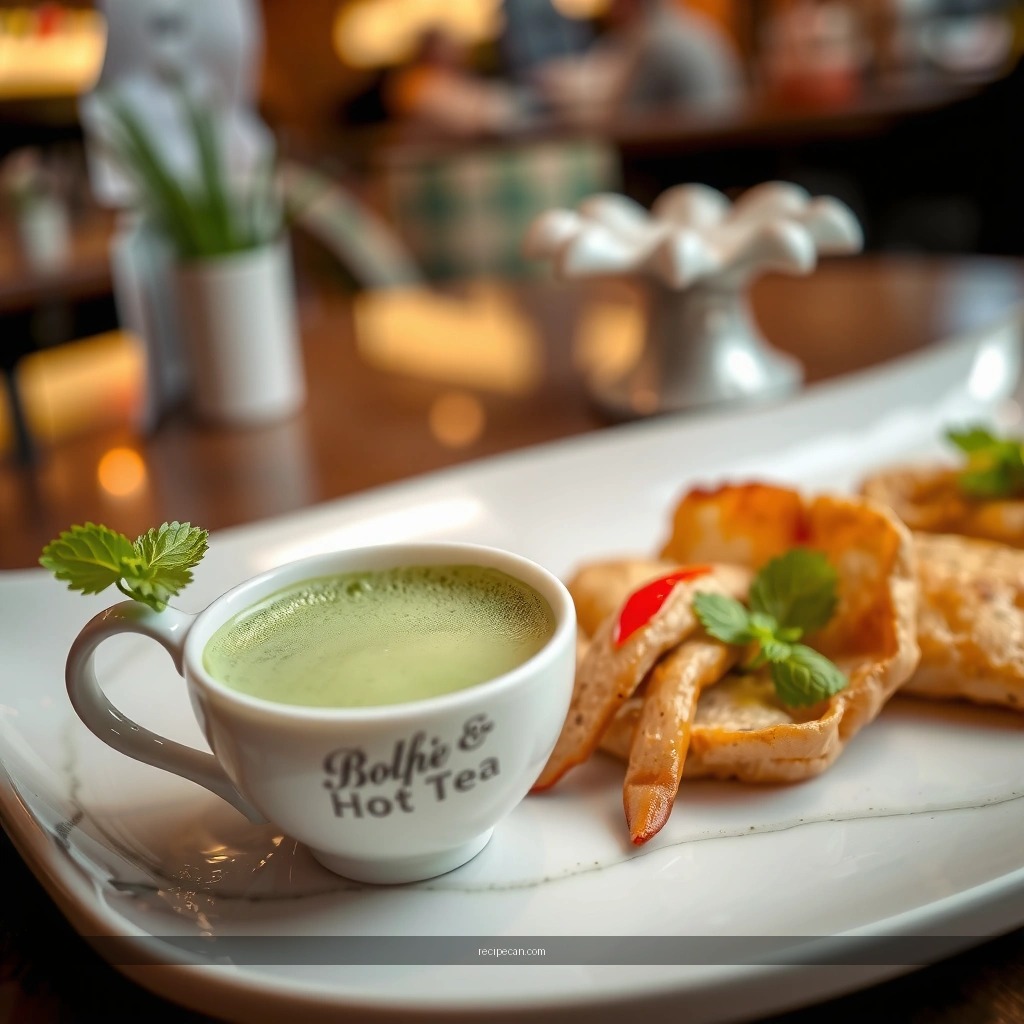
– Keep it minimal: matcha + hot water for a clean, bold taste
– Start with less matcha (about 1 teaspoon) and adjust to preference
Unsweetened matcha hot tea is the purist approach—and it’s also where technique matters most. When you remove sweeteners and flavorings, the cup becomes a direct reflection of water temperature, whisking method, and matcha quality. The most common mistake is starting with too much powder, which can make a drink seem “too strong” even when the brew is technically correct.
How to dial in strength:
– Start with 1 teaspoon matcha for a single serving.
– Use 2–3 oz (60–90 ml) hot water.
– Whisk until smooth, then taste. If you want more depth, increase to 1½ teaspoons rather than jumping straight to 2 teaspoons.
What umami-forward tea should taste like:
– A savory backbone (umami)
– Gentle sweetness on the finish
– Clean vegetal aroma—not harsh or burnt
If your umami cup tastes bitter, the first lever to adjust is water temperature (move toward 175–180°F / 80–82°C). If it tastes weak, the lever is matcha amount and whisking time—not boiling water.
Matcha with Vanilla or Cinnamon
– Add a drop of vanilla extract or a pinch of cinnamon to the cup
– Whisk matcha first, then mix in your flavoring for even blending
Flavoring matcha is a simple way to make the drink more approachable without turning it into a completely different beverage. The most effective method is to add flavor after the matcha base is already smooth. That’s when vanilla or cinnamon disperses evenly, and you avoid stuck clumps.
Vanilla matcha hot tea (balanced and aromatic):
1. Whisk matcha with hot water (175–185°F / 80–85°C).
2. Add a drop of vanilla extract (start with 1/8–1/4 teaspoon).
3. Stir or whisk for 5–10 seconds until uniform.
Cinnamon matcha hot tea (warm and cozy):
1. Whisk matcha base first.
2. Add a pinch of cinnamon (too much can turn the cup dry or spicy).
3. Whisk briefly, then let it sit for 1 minute so cinnamon can fully hydrate.
– Use extract sparingly—vanilla is powerful.
– For cinnamon, consider using cassia-free or Ceylon cinnamon if available; it can feel smoother in sweetness-free cups.
– If you use a sweetener, add it after whisking and before milk (for lattes) or right after whisking (for unsweetened-style drinks).
Iced-to-Hot Matcha Style (Bright Flavor)
– Use the same matcha to water ratio, but keep water slightly cooler than boiling
– Whisk longer to keep the drink smooth and well-aerated
This method is designed for people who like bright, lively matcha—often the profile you notice in well-made iced matcha. “Iced-to-hot” simply means: keep the extraction gentle so it tastes fresh, even though the beverage is served hot.
Technique adjustments:
1. Use the familiar ratio (roughly 1 teaspoon matcha per 2–3 oz / 60–90 ml, depending on strength).
2. Brew with slightly cooler water than the standard hot recommendation—aim around 170–180°F (77–82°C).
3. Whisk longer than usual to compensate for reduced extraction temperature. The extra whisking helps smooth out texture and increases aeration.
Why it works: Matcha can taste more vivid when you avoid aggressive heat. Longer whisking also helps prevent a chalky mouthfeel by fully wetting matcha particles.
Serving tip: If you plan to drink it immediately, pour into a pre-warmed cup for aroma retention. If you let it sit, stir gently before sipping.
Troubleshooting: No Foam, Too Bitter, or Clumpy
– Too bitter? Lower water temperature and reduce matcha amount
– Clumpy? Sift matcha and whisk vigorously with a steady wrist
– No foam? Use fresh matcha and whisk in a zigzag motion
Even with a reliable recipe, matcha can behave differently based on matcha freshness, bowl cleanliness, and water temperature. Use the troubleshooting guide below as a quick diagnostic system—identify the symptom, then apply the fix.
No foam (or very thin foam):
– Likely causes: old matcha, insufficient whisking time, water that’s too cool, or a bowl with residue.
– Fix: use freshly opened matcha when possible; whisk longer; start with 175–180°F (80–82°C) water; and use a technique like a zigzag or “W” motion to create consistent aeration.
Too bitter:
– Likely causes: water too hot, too much matcha, or over-aggressive whisking at high heat.
– Fix: move down to 175–180°F (80–82°C) first, then reduce matcha quantity by about 25–33% (e.g., 1 teaspoon instead of 1½).
Clumpy matcha:
– Likely causes: matcha not sifted, water poured too quickly, or weak whisking.
– Fix: sift matcha into the bowl, add a small initial splash of hot water to form a smooth paste, then add the remaining water and whisk vigorously with a steady wrist.
A quick “reset” workflow (if your cup goes sideways):
1. Stop and discard if it’s severely clumpy.
2. Re-brew with correct temperature.
3. Sift matcha next time and focus on whisking technique before changing multiple variables at once.
Warm, flavorful matcha hot tea is all about the right temperature, whisking, and simple customization. Try the basic recipe first, then experiment with latte, unsweetened, or flavored variations—adjust sweetness and matcha amount until it’s perfect. Brew your next cup now, and bookmark your favorite matcha hot tea recipe for repeat wins.
Frequently Asked Questions
What is the correct way to make matcha hot tea at home?
Sift 1–2 teaspoons of matcha powder into a mug to remove clumps, then add a small splash of hot water (about 60–80°C / 140–175°F) to form a smooth paste. Pour in the rest of the water and whisk vigorously with a bamboo whisk (chasen) until frothy. This method helps you get a clean, balanced matcha flavor without bitterness.
How do you whisk matcha hot tea to avoid lumps and bitterness?
Start by whisking the matcha with a little water first, using fast “W” or zigzag motions to fully dissolve the powder. Avoid very boiling water, because higher temperatures can drive out bitterness and make the taste harsh. If your matcha still looks grainy, keep whisking for an extra 15–30 seconds and consider sifting the powder next time.
Why does matcha hot tea taste bitter, and how can you fix it?
Matcha can taste bitter when water is too hot, the matcha-to-water ratio is off, or the powder isn’t properly dissolved. Try lowering the water temperature to around 70°C, using 1–2 teaspoons per mug, and whisking well until the surface is creamy. For extra balance, you can add a small amount of honey or a splash of milk to mellow the flavor.
Which matcha hot tea recipe is best for beginners who want a smooth, sweet cup?
A beginner-friendly option is a “classic” hot matcha with optional sweetener: whisk 1 teaspoon matcha with a little warm water, then top with hot water and taste before adjusting sweetness. If you prefer a smoother profile, add a small splash of warm milk (or frothed oat milk) and whisk again for a creamier texture. Keeping the temperature moderate and the whisking thorough is the key to a drinkable first cup.
What is the best way to make matcha hot tea with froth, like café-style?
Use a fine ceramic mug and whisk aggressively once you’ve made the initial matcha paste with a splash of water, then add the remaining hot water. For maximum foam, whisk until you see a light, creamy layer on top—usually 30–60 seconds depending on your matcha quality. Choose ceremonial-grade matcha and sift it first; both choices help you achieve thicker froth and a more vibrant matcha hot tea recipe result.
References
- Matcha
https://en.wikipedia.org/wiki/Matcha - Matcha | Origins, Uses, Japanese Green Tea Type, & Health Benefits | Britannica
https://www.britannica.com/topic/matcha - Google Scholar Google Scholar
https://scholar.google.com/scholar?q=matcha+hot+tea+recipe+whisking+technique - Google Scholar Google Scholar
https://scholar.google.com/scholar?q=matcha+preparation+method+water+temperature - Google Scholar Google Scholar
https://scholar.google.com/scholar?q=matcha+tea+making+instruction - https://pubmed.ncbi.nlm.nih.gov/?term=matcha+tea+preparation
https://pubmed.ncbi.nlm.nih.gov/?term=matcha+tea+preparation - https://pubmed.ncbi.nlm.nih.gov/?term=matcha+whisking+water+temperature
https://pubmed.ncbi.nlm.nih.gov/?term=matcha+whisking+water+temperature - https://pubmed.ncbi.nlm.nih.gov/?term=matcha+hot+tea+brewing
https://pubmed.ncbi.nlm.nih.gov/?term=matcha+hot+tea+brewing - matcha tea preparation – Search Results – PMC
https://www.ncbi.nlm.nih.gov/pmc/?term=matcha+tea+preparation - matcha tea preparation | Nature Search Results
https://www.nature.com/search?q=matcha%20tea%20preparation