Get the classic desi chai tea recipe for how to make masala chai that tastes like it came from your favorite Indian stall. This step-by-step guide delivers the winning spice balance—ginger, cardamom, cinnamon, and cloves—plus the right brewing time and milk-to-tea ratio for a rich, fragrant cup. Follow it for consistently bold flavor every single batch, not guesswork.
Make classic masala chai by simmering black tea with whole spices, ginger, milk, and a sweetener until fragrant and creamy—then strain and fine-tune immediately. This desi chai tea recipe gives you a reliable spice blend and practical timing so your cup tastes balanced (not bitter), aromatic (not muted), and silky (not gritty).
What You Need for Desi Chai Tea

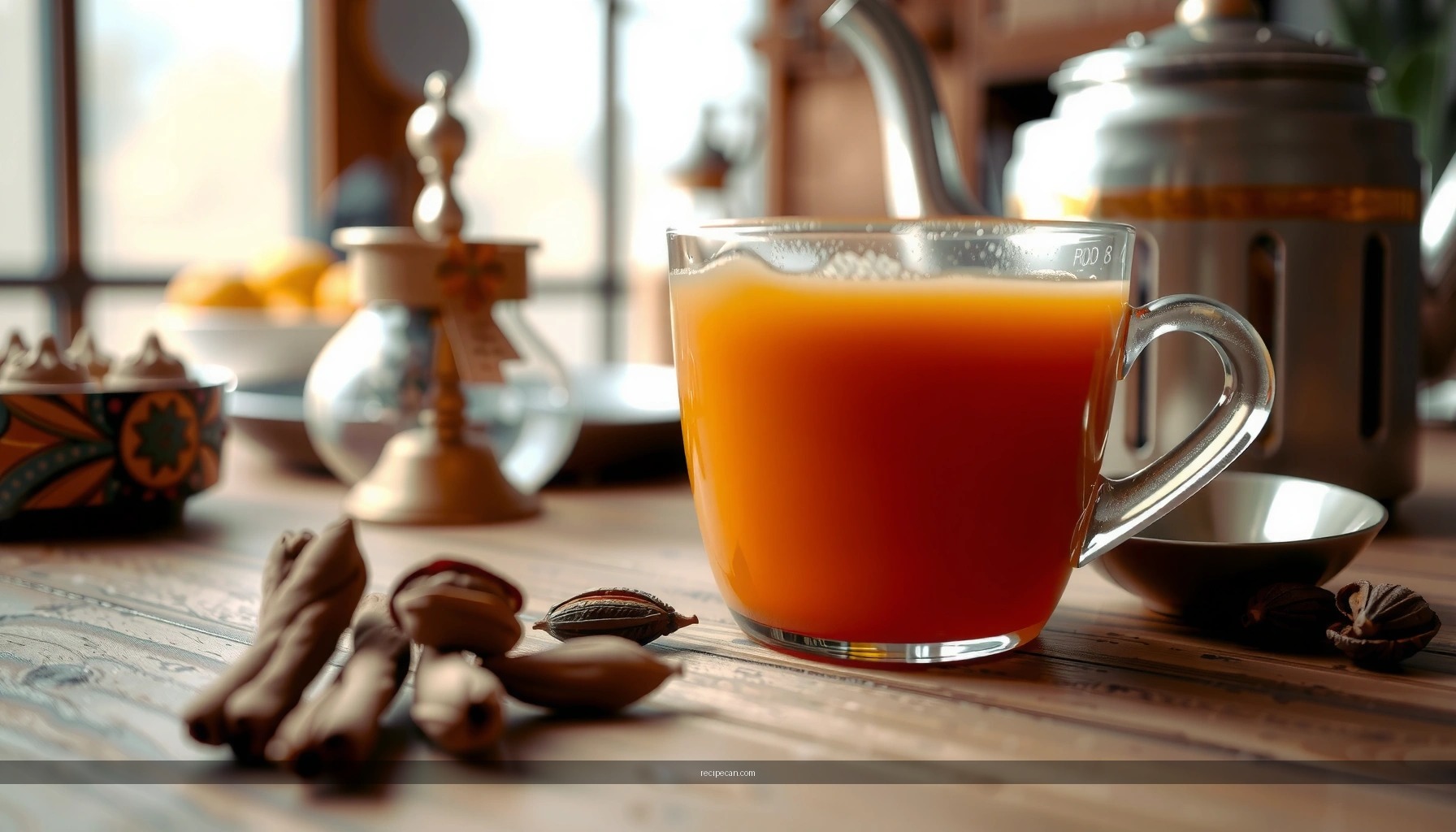
– Gather black tea, milk, water, ginger, cardamom, cinnamon, and cloves
Use black tea leaves (or tea bags) for the best traditional masala chai base; whole spices create the signature aroma when simmered gently.
– Choose sweetener (sugar or jaggery) based on your preferred taste
Sugar delivers a cleaner sweetness, while jaggery adds a deeper caramel-like note that many people associate with restaurant-style chai.
– Optional add-ins: black pepper, vanilla, or nutmeg for extra warmth
A small pinch of black pepper can sharpen the spice profile; vanilla rounds it out; nutmeg adds a cozy, dessert-like warmth.
To make your preparation fast and consistent, it helps to know what each spice “does” in the final cup: ginger provides a bright, zesty heat; cardamom contributes floral sweetness; cinnamon adds mellow woody warmth; cloves add intensity and depth. When these are simmered in the right order, masala chai tastes layered instead of one-dimensional.
Masala Chai Spice Strength Guide (Per 1 Cup / ~240 ml)
| # | Spice | Suggested Use | Aroma Impact | Flavor Strength | Best For |
|---|---|---|---|---|---|
| 1 | Fresh Ginger | ~5–7 g (1–1.5 tsp) | ★ ★ ★ ★ ☆ | High | Classic kick |
| 2 | Green Cardamom | 2–3 pods (lightly crushed) | ★ ★ ★ ★ ★ | Medium-High | Aromatic finish |
| 3 | Cinnamon | 1 small stick or ~0.5 tsp powder | ★ ★ ★ ☆ ☆ | Medium | Warm body |
| 4 | Cloves | 1–2 cloves (whole) | ★ ★ ★ ★ ☆ | High (use sparingly) | Depth + intensity |
| 5 | Black Pepper (optional) | 1 pinch (freshly cracked) | ★ ★ ☆ ☆ ☆ | Low-Medium | Sharper palate |
| 6 | Nutmeg (optional) | ¼ tsp freshly grated | ★ ★ ★ ☆ ☆ | Low-Medium | Dessert-like warmth |
| 7 | Tea Base (Assam-style) | 2–2.5 g leaves or 1.5–2 bags | ★ ★ ★ ★ ★ | High (controls strength) | Robust chai body |
Step-by-Step Desi Chai Tea Recipe
– Simmer water with spices first, then add black tea and steep briefly
Start by bringing water to a gentle boil with ginger, cinnamon, and cloves. After ~3–4 minutes (for spice extraction), add cardamom and black tea, then steep briefly—typically 2–3 minutes—so the tea base becomes strong without turning harsh.
– Pour in milk and simmer until the chai turns creamy and cohesive
Add milk (preferably whole or 2%) and bring it back to a light simmer. Simmer 4–7 minutes, stirring occasionally, until the color looks richer and the mixture feels slightly thick and unified.
– Strain into cups and adjust sweetness right after simmering
Strain through a fine mesh sieve to remove spice fragments. Then taste and adjust sugar or jaggery immediately—too-late adjustments can lead to uneven sweetness because the chai may already be thickened.
Timing logic (why this order works):
Spices need a short extraction window in water before milk arrives; black tea needs only a brief steep to deliver body; milk then “rounds” the flavors and helps the chai feel creamy rather than sharp.
Best Tea-to-Water and Milk Ratios

– Use a stronger tea base by balancing water with your chosen tea quantity
For classic masala chai, you want the tea to stand up to milk. A practical baseline for one cup is about 120 ml water + 2–2.5 g Assam-style tea leaves (or 1.5–2 standard bags), then you top up with milk afterward during simmering.
– Add milk gradually to control creaminess and richness
Start with ~120 ml milk per cup and simmer until the final appearance matches your preference. If you prefer a lighter chai, use a bit more water initially or simmer for a shorter window.
– Aim for a quick, even simmer so the flavors don’t get bitter
Aggressive boiling can “flatten” aroma and intensify tannins from tea. Keep it at a gentle simmer—small bubbles at the edges—so the chai remains smooth, not astringent.
If you’re cooking for a group, scale consistently: keep the spice-to-water extraction ratio steady, and scale milk last so the final thickness is predictable.
Spice Tips for a Strong, Authentic Flavor
– Lightly crush spices to release aroma before simmering
Bruising cardamom pods and cracking cloves help volatile oils bloom faster, reducing the need for long, bitter simmer times.
– Don’t overcook cardamom—add it early but simmer gently
Cardamom is aromatic but can become medicinal or overpowering with extended heat. Adding it early during the spice stage (rather than later) still gives aroma, while gentle simmering prevents harsh notes.
– Keep ginger fresh or use a moderate amount of dried for consistency
Fresh ginger is brighter and more complex; dried ginger can work reliably but often feels stronger per teaspoon and may dull if over-simmered. For dried ginger, start with about half the amount you’d use fresh.
Quality matters: if your ginger is old or your cardamom pods are stale, the chai may taste flat even with correct measurements. Fresh spices make a measurable difference in aroma retention.
How to Get the Right Texture and Thickness
– Simmer long enough to reduce slightly, thickening the chai naturally
Thickness in classic masala chai is primarily a function of reduction: as water evaporates, the mixture concentrates. For most stovetop batches, 4–7 minutes after adding milk is the sweet spot.
– Stir occasionally to help the milk and tea combine smoothly
Stirring keeps the milk from scorching at the bottom and helps spices distribute evenly. Avoid constant aggressive stirring; gentle, periodic mixing is enough.
– Strain well for a silky texture without grit from spices
Use a fine mesh strainer. If you prefer absolutely no grain, you can strain twice—first through mesh, then through a cloth or extra-fine sieve.
Pro tip for “creaminess without extra fat”:
Let the chai simmer until it looks slightly lighter than full caramel but richer than thin tea. Over-thickening can make it taste heavy and can amplify spice bitterness.
Make It Your Own (Custom Variations)
– Try a bolder masala chai by adding pepper or extra ginger
A pinch of black pepper adds a subtle warming bite; extra ginger increases sharpness. Increase one variable at a time so you can learn what changes the flavor most.
– Make it lighter with less milk or a shorter simmer time
If you want a more tea-forward profile, reduce milk slightly and reduce the milk simmer window by 1–2 minutes. You’ll keep aroma while controlling heaviness.
– Use jaggery for a deeper caramel-like flavor instead of sugar
Jaggery blends beautifully with cloves and cinnamon. Start with a smaller amount than you would with sugar; jaggery varies by batch and sweetness level.
Two practical customization ideas (for consistent results):
1) Keep the “spice-to-water” stage constant, and vary milk to change body.
2) Keep the tea quantity constant, and vary steep time only by small increments (30–60 seconds) to avoid bitterness.
When you follow this desi chai tea recipe—spice simmer first, tea steep, then milk simmer—you’ll get a fragrant, authentic cup every time. Try the classic version, then tweak ratios and spices to match your taste; make a batch today and enjoy it warm with your favorite snack.
Masala chai is best treated like a controlled brew: extract spices gently, steep black tea just long enough for body, and simmer with milk until you reach the texture you like. With the right order and timing—plus a consistent tea base and a careful sweetness adjustment right after simmering—you can reliably recreate that restaurant-style desi chai tea at home, cup after cup.
Frequently Asked Questions
How do I make a classic desi chai tea recipe at home?
Start by simmering water with whole spices like cardamom, cinnamon, and ginger, then add black tea leaves or tea powder. In a separate step, bring milk to a gentle boil and let it simmer with the tea for a few minutes to get a creamy texture. Sweeten to taste with sugar (or jaggery), strain, and serve hot. For an authentic desi chai tea recipe, avoid boiling aggressively once milk is added.
What is the best desi chai tea recipe ratio for strong and creamy tea?
A common starting point is 1 cup water to 2–3 tablespoons milk, plus 1–2 teaspoons black tea for strong flavor. To get “creamier” chai, increase the milk slightly and simmer the tea longer before straining. If you prefer it less strong, reduce the tea quantity or shorten the simmer time. Adjust sugar and spices last so the desi chai tea recipe stays balanced.
Why does my desi chai tea taste bitter, and how can I fix it?
Bitterness usually comes from over-steeping or boiling the tea leaves too long, especially after milk is added. Try simmering the tea base for 3–5 minutes before adding milk, then keep the milk-chai simmer gentle for another 2–3 minutes. Also, ensure you’re using fresh black tea and not too many clove or very strong spices. Straining promptly after simmering helps maintain a smooth desi chai taste.
Which spices should I use for an authentic desi chai tea recipe?
The most popular desi chai spices are ginger, cardamom, cinnamon, and cloves, with black pepper sometimes added for warmth. Use whole spices for better infusion: lightly crush cardamom and ginger, and add them early in the simmer. Keep clove in moderation because it can overpower the tea quickly. A well-spiced desi chai tea recipe should smell fragrant and taste warm rather than medicinal.
What’s the easiest way to make desi chai tea recipe without condensed milk or fancy ingredients?
Use pantry staples: black tea, milk, ginger, cardamom, and sugar or jaggery. Simmer water with spices first, then add tea and let it steep, followed by milk and a brief simmer. Sweeten at the end so the flavor stays balanced and the milk doesn’t reduce too much. This straightforward method creates a classic desi chai tea recipe with rich flavor and a traditional texture.
References
- Chai
https://en.wikipedia.org/wiki/Chai - Masala chai
https://en.wikipedia.org/wiki/Masala_chai - Masala chai
https://en.wikipedia.org/wiki/Chai_latte - https://www.britannica.com/topic/chai
https://www.britannica.com/topic/chai - https://pubmed.ncbi.nlm.nih.gov/?term=masala+chai
https://pubmed.ncbi.nlm.nih.gov/?term=masala+chai - https://pubmed.ncbi.nlm.nih.gov/?term=ginger+black+tea
https://pubmed.ncbi.nlm.nih.gov/?term=ginger+black+tea - https://pubmed.ncbi.nlm.nih.gov/?term=cinnamon+tea
https://pubmed.ncbi.nlm.nih.gov/?term=cinnamon+tea - https://pubmed.ncbi.nlm.nih.gov/?term=cardamom+tea
https://pubmed.ncbi.nlm.nih.gov/?term=cardamom+tea - Google Scholar Google Scholar
https://scholar.google.com/scholar?q=desi+chai+recipe - Google Scholar Google Scholar
https://scholar.google.com/scholar?q=masala+chai+recipe+milk+spices