Looking for a ginger root tea recipe that actually delivers—fast? This guide gives you simple, step-by-step instructions to brew a soothing cup with the right ginger-to-water ratio, plus easy tweaks for stronger flavor or gentler heat. If you want a reliable remedy-style brew without guesswork, you’ll know exactly what to do from start to sip.
Make ginger root tea by steeping fresh ginger slices in hot water for 10–15 minutes, then sweeten and season to taste. This simple method lets you control heat and intensity—so you can create a soothing, stomach-friendly ginger brew that fits your sensitivity, schedule, and flavor preferences.
Ginger root tea (often called ginger tea) is a practical wellness drink because it’s fast to make, naturally aromatic, and easy to customize. While many people associate ginger with nausea relief and digestive comfort, the value of this recipe for everyday use is its consistency: you can standardize how much ginger you use, how long you steep, and which add-ins you choose. That matters in real-life routines—especially if you’re making tea at home rather than buying pre-made sachets with fixed flavor strength.
—
What You’ll Need for Ginger Root Tea
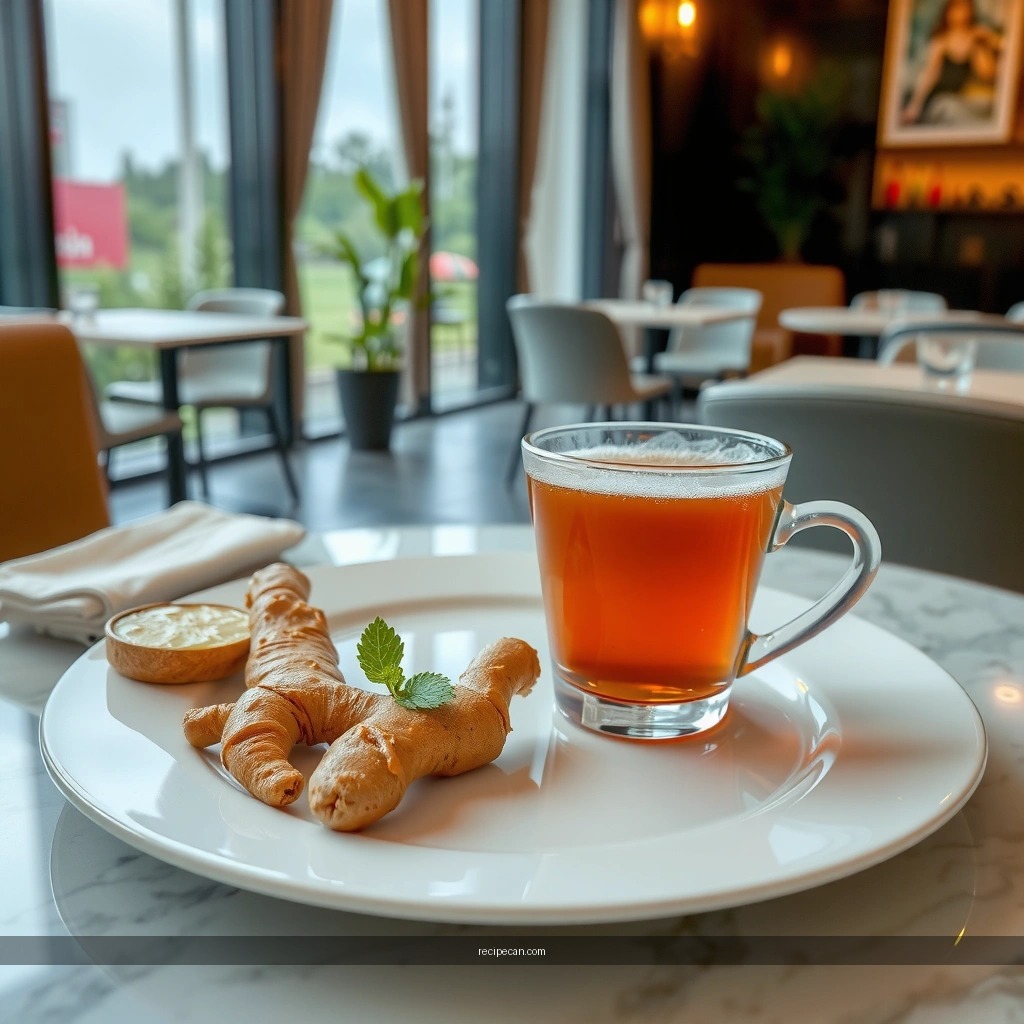
To make a reliable ginger root tea, you only need a few basics, plus optional ingredients for balancing sharpness and heat. Using fresh ginger (rather than dried powder) generally gives a more vibrant, “clean” profile and lets you adjust strength by how you slice or grate it.
– Fresh ginger root (sliced or grated)
– Water and a mug or teapot
– Optional add-ins like honey, lemon, or cinnamon
Why fresh ginger matters (and what to look for)
When shopping, choose ginger that feels firm and has taut skin—avoid pieces that look shriveled or smell overly sour. The aroma is a quick quality signal: good ginger smells peppery and bright. You can slice it thin for a milder cup or grate it for a faster, more intense extraction.
—
How to Make Ginger Root Tea (Step-by-Step)
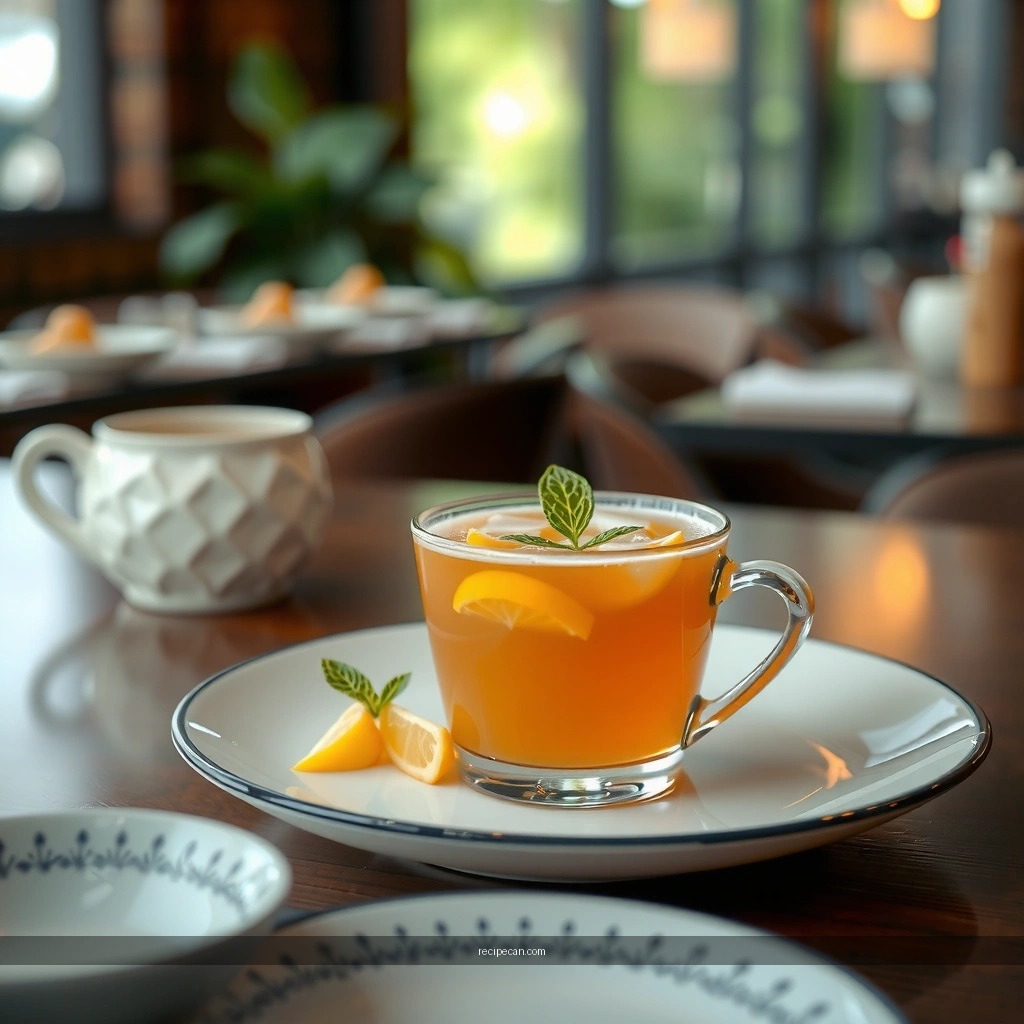
This step-by-step method is designed for consistency: hot water extracts ginger’s active compounds effectively, while steeping (or gentle simmering) preserves flavor without turning the tea harsh.
– Simmer or steep ginger in hot water for 10–15 minutes
– Strain and taste for your preferred strength
– Add honey, lemon, or other flavorings after steeping
Step 1: Prepare the ginger
– For slices: Use 5–7 thin slices of fresh ginger per mug (about 1 inch / 2.5 cm of ginger root total).
– For grated ginger: Use roughly 1–2 teaspoons grated ginger per mug.
Slicing takes a little longer to extract, which is helpful if you prefer a gentler tea. Grating extracts faster and results in a bolder flavor—use this if you want a quicker, more “spicy” cup.
Step 2: Heat the water
Bring water to a boil, then reduce to a steady simmer or pour directly over ginger if steeping off-heat. For most home setups:
– Best practice: Use water that’s hot but not aggressively boiling once the ginger is added, so you avoid a bitter edge.
A good starting point is 8–12 oz (250–350 ml) of water per mug.
Step 3: Steep or simmer for 10–15 minutes
– Steeping (no boil): Pour hot water over ginger, cover, and steep for 10–15 minutes.
– Simmering (on heat): Simmer very gently for 8–12 minutes, then let it sit 2–3 minutes.
Covering the vessel helps trap aromatic compounds, giving the tea a more rounded ginger fragrance.
Step 4: Strain, then taste
Strain into your mug. Taste immediately—ginger root tea often “opens up” a little as it cools by a few degrees, so the first sip is the most honest read of strength and balance.
Step 5: Add sweeteners and flavorings after steeping
Add-ins should generally go in after steeping:
– Honey: mixes best when the tea is hot but not scorching.
– Lemon: adds brightness without needing to be cooked.
– Spices: cinnamon or turmeric can be added briefly after steeping, but cooking them too long can make flavors taste flat or overly earthy.
—
Ginger Tea Batch Guide: Ginger Amount vs. Flavor Strength
| # | Ginger Form | Per Mug | Steep Time | Strength Rating | User Preference |
|---|---|---|---|---|---|
| 1 | Thin Slices | 5–6 slices | 10 min | ★ ★ ☆ ☆ ☆ | Great for first cup |
| 2 | Thin Slices | 7 slices | 12 min | ★ ★ ★ ☆ ☆ | Balanced everyday tea |
| 3 | Thin Slices | 8–9 slices | 15 min | ★ ★ ★ ★ ☆ | For “strong” preference |
| 4 | Grated | 1 tsp | 10 min | ★ ★ ★ ☆ ☆ | Fast and flavorful |
| 5 | Grated | 1.5 tsp | 12 min | ★ ★ ★ ★ ☆ | Most requested strength |
| 6 | Grated | 2 tsp | 8–10 min | ★ ★ ★ ★ ★ | Use carefully if sensitive |
| 7 | Lightly crushed slices | 6–7 slices | 12 min | ★ ★ ★ ☆ ☆ | Good “mug-to-mug” consistency |
—
Flavor and Strength Adjustments
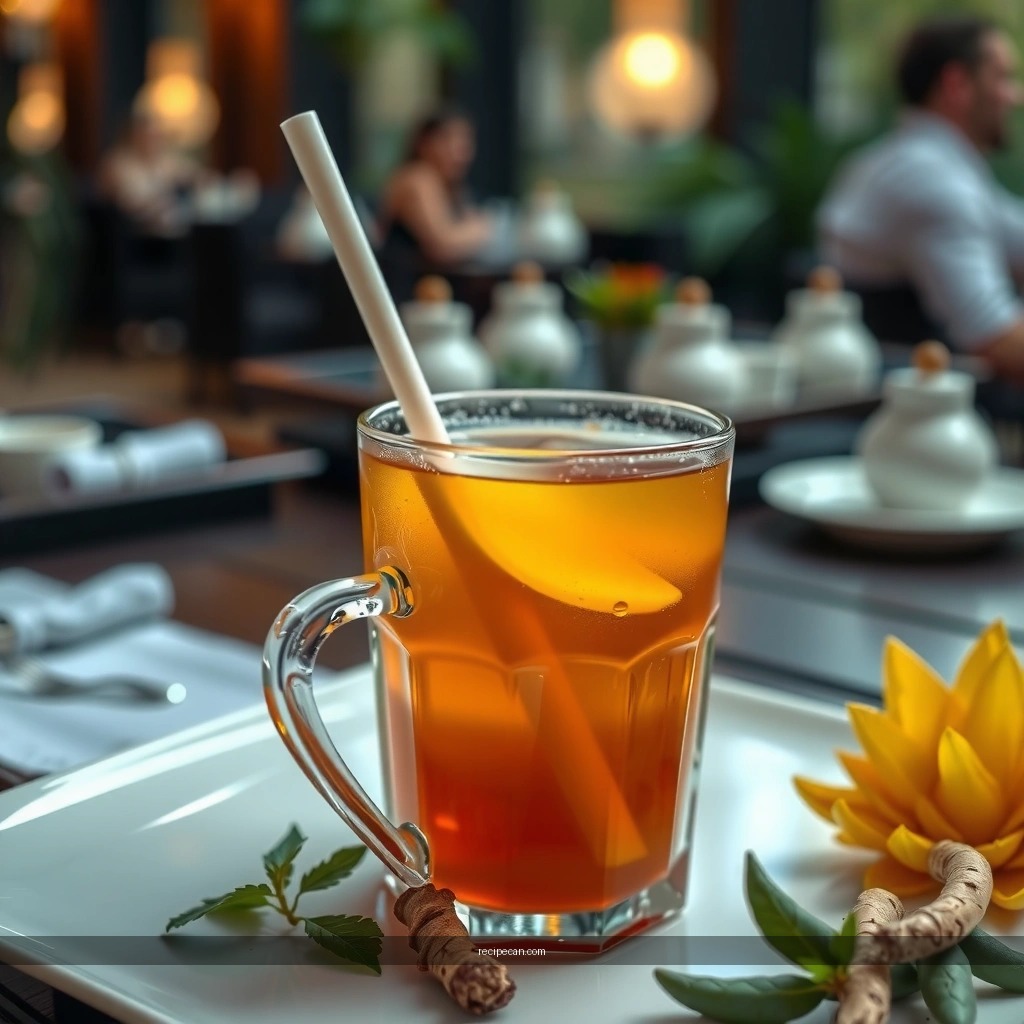
If your goal is soothing comfort rather than intense heat, you’ll get better results by adjusting three variables: ginger quantity, extraction speed (slicing vs grating), and steep time.
– Use more ginger for a stronger, spicier tea
– Grate ginger for faster extraction and bolder flavor
– Shorten steep time for a milder cup
Stronger tea without bitterness
To increase intensity:
1. Increase ginger slightly (e.g., from 5–6 slices to 7–8 slices per mug).
2. Keep steep time within 10–15 minutes to avoid an overly sharp, concentrated finish.
Ginger flavor can turn “too hot” before it turns “better.” If you’re chasing strong but smooth, prioritize ginger amount and keep time steady.
Milder tea for sensitive stomachs
If you’re new to ginger root tea or prone to heartburn:
– Use fewer slices (start with 5–6).
– Consider steeping closer to 10 minutes.
– Add lemon after steeping; it brightens flavor and can reduce the need for extra ginger.
Grated vs sliced: what changes chemically and practically
Grated ginger exposes more surface area to water, increasing extraction. Sliced ginger is slower and gives a more controlled infusion—use slices when you want a “tea-like” cup that doesn’t feel too peppery.
—
Optional Add-Ins for Extra Benefits
Add-ins transform ginger root tea from a one-note brew into a targeted comfort drink. The key is timing: steep ginger first, then add delicate flavors so they don’t dull.
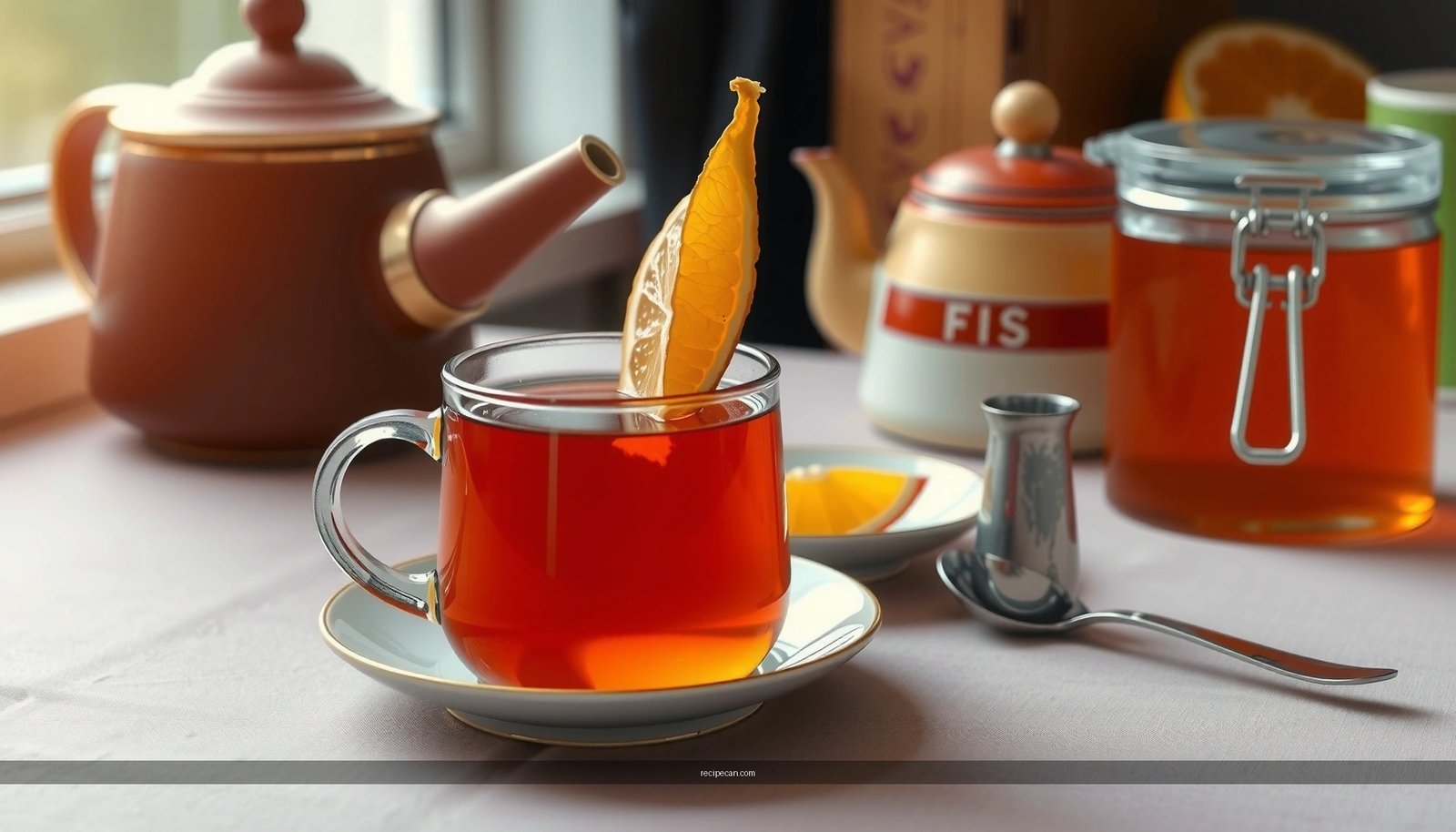
– Lemon for a bright, citrus finish
– Honey for soothing sweetness (add after heating)
– Cinnamon or turmeric for warmth and depth
Lemon (brightens and balances heat)
A few drops or a small wedge of lemon:
– adds a clean citrus finish
– makes the tea taste less “medicinal”
– complements ginger’s natural warmth
If you’re using lemon, taste before adding more—citrus can quickly overpower ginger.
Honey (soothing sweetness)
For most people, honey works best when:
– the tea is hot but not boiling
– you stir thoroughly so the flavor distributes evenly
Start with 1/2 to 1 teaspoon per mug and adjust to preference.
Cinnamon or turmeric (warmth and complexity)
– Cinnamon: add a small stick for the last 2–3 minutes of steeping or just after straining (depending on how strong you want it).
– Turmeric: use a small pinch; turmeric’s earthy profile pairs well with ginger and can create a “golden” warmth.
If you’re experimenting, change only one add-in at a time so you can identify what each addition does to taste.
—
Best Ways to Drink and Store Ginger Root Tea
Consistency matters: ginger tea is best when served at a temperature that matches your goal—comfort, digestion, or hydration.
– Drink hot for comfort or chill and serve over ice
– Reheat gently to preserve flavor
– Store leftover tea in the fridge for up to 2–3 days
Hot vs iced: how to choose
– Hot: ideal for soothing routines—especially morning starts or evenings when you want comfort.
– Iced: great if you find hot tea too intense. Cool it quickly, pour over ice, and consider adding lemon after cooling for the brightest flavor.
Reheating without degrading taste
Reheat gently on the stove or in a microwave at reduced power. Avoid bringing it back to a hard boil, which can make ginger notes taste flatter.
Storage best practices
To keep ginger root tea tasting fresh:
– Cool rapidly before refrigerating (about 1 hour max at room temperature).
– Store in a sealed container in the fridge for up to 2–3 days.
– If separation occurs, stir and taste—ginger compounds can settle, especially with grated ginger.
—
Safety and When to Avoid Ginger Tea
Ginger root tea is generally well tolerated, but safety still deserves attention—particularly if you take medications or have specific health considerations.
– Start with smaller amounts if you’re sensitive to ginger
– Talk to a clinician if you take blood thinners or have medication concerns
– Avoid very large doses during pregnancy unless cleared by your healthcare provider
Start small if you’re sensitive
Some people experience:
– gastric irritation
– heartburn
– a warming “burn” feeling in the throat
If that happens, reduce ginger quantity, shorten steep time, or dilute with more water.
Medication considerations (blood thinners and interactions)
If you take blood thinners or medications where bleeding risk is a factor, consult a clinician before using ginger tea regularly or in large amounts. This is a conservative approach that supports responsible, professional health decision-making.
Pregnancy: use moderation and guidance
During pregnancy, avoid very large doses of ginger unless your healthcare provider has indicated it’s appropriate. “Natural” doesn’t automatically mean “unlimited,” and healthcare guidance ensures you stay within safe boundaries.
—
A simple ginger root tea recipe—steep ginger in hot water, strain, and customize with honey or lemon—gives you a fast, soothing drink you can tailor to your tolerance and taste. Start with a controlled amount (slices for gentler heat or grated ginger for stronger flavor), adjust steep time for milder or bolder results, and store leftovers safely for short-term use. Once you find your ideal balance, you’ll have a reliable ginger tea ritual that fits both daily comfort and thoughtful wellness routines.
Frequently Asked Questions
How do I make ginger root tea at home using fresh ginger?
Peel and slice fresh ginger root, then simmer it in water for 10–20 minutes to extract flavor and active compounds. Strain the tea into a cup, then add honey or lemon if you want a sweeter or brighter taste. For a stronger ginger root tea, use more ginger or simmer longer, and you can also repeat a second steep with the same slices.
What is the best ginger root tea recipe for soothing nausea or an upset stomach?
For nausea, make a gentle ginger tea by simmering 1–2 teaspoons of grated fresh ginger (or 1/2–1 teaspoon dried ginger) in 8 ounces of water for about 10 minutes. Strain well and sip slowly while the tea is warm, not scalding. Many people also add a small amount of honey to make it easier to drink. If you’re pregnant, have a medical condition, or symptoms are severe, consider asking a clinician about safe ginger use.
Why does ginger root tea help with cold symptoms and sore throats?
Ginger root tea is traditionally used for its warming, soothing properties and for helping you stay hydrated when you have a cold. The spice in ginger contains bioactive compounds that may support comfort during throat irritation and congestion. Pairing ginger with lemon and honey can make the tea more soothing and easier to sip throughout the day. While it can help with symptom relief, it doesn’t replace medical care for serious illness.
Which is stronger for ginger root tea—fresh ginger or dried ginger—and how do I substitute them?
Fresh ginger tends to deliver a fresher, more aromatic flavor, while dried ginger can be more concentrated per teaspoon. A common substitution is to use about half as much dried ginger as you would fresh ginger by volume (for example, 1 teaspoon dried ginger for roughly 2–2 1/2 teaspoons fresh grated ginger). If you’re trying a recipe you already have, start with less and adjust to taste, since both forms vary in potency.
What’s the best way to store ginger root and brew tea quickly without losing flavor?
Store fresh ginger root in the refrigerator in a paper bag or loosely wrapped container for up to a few weeks to maintain moisture and aroma. For quick ginger root tea, keep peeled ginger portions in the freezer and grate them directly into simmering water—this saves time without losing much flavor. Once brewed, refrigerate leftover ginger tea and use within 24–48 hours for best taste. Reheat gently to preserve the flavor of ginger rather than boiling aggressively.
References
- Ginger
https://en.wikipedia.org/wiki/Ginger - Ginger: Usefulness and Safety | NCCIH
https://www.nccih.nih.gov/health/ginger - Ginger | History, Taxonomy, Description, Cultivation, Flavor, & Facts | Britannica
https://www.britannica.com/plant/ginger - https://pubmed.ncbi.nlm.nih.gov/?term=ginger+tea
https://pubmed.ncbi.nlm.nih.gov/?term=ginger+tea - https://pubmed.ncbi.nlm.nih.gov/?term=ginger+for+nausea+and+vomiting
https://pubmed.ncbi.nlm.nih.gov/?term=ginger+for+nausea+and+vomiting - https://pubmed.ncbi.nlm.nih.gov/?term=ginger+bleeding+anticoagulants+interaction
https://pubmed.ncbi.nlm.nih.gov/?term=ginger+bleeding+anticoagulants+interaction - https://pubmed.ncbi.nlm.nih.gov/?term=ginger+infusion+preparation+gingerols+shogaols
https://pubmed.ncbi.nlm.nih.gov/?term=ginger+infusion+preparation+gingerols+shogaols - https://www.sciencedirect.com/search?qs=ginger%20tea
https://www.sciencedirect.com/search?qs=ginger%20tea - Google Scholar Google Scholar
https://scholar.google.com/scholar?q=ginger+root+tea+recipe - Google Scholar Google Scholar
https://scholar.google.com/scholar?q=ginger+tea+nausea+vomiting+study