You can make a Starbucks chai tea latte recipe at home that tastes convincingly close to the real thing—creamy, spiced, and not overly sweet. This copycat version delivers the best results when you brew chai concentrate to a strong concentrate, then blend it with steamed milk and a cinnamon-clove finish. Keep reading to get the exact measurements and steps to nail the flavor on the first try.
You can recreate a Starbucks-style chai tea latte at home by steeping chai tea (or using chai concentrate) and then combining it with warm milk plus the right level of sweetness. This guide gives you a reliable copycat recipe, the best ingredient choices to mimic Starbucks flavor, and simple customization options for hot or iced chai.
What You Need for a Starbucks Chai Tea Latte

To nail the Starbucks-style profile, focus on three pillars: a bold chai base, properly heated milk, and a sweetness level that complements (not overwhelms) the spice blend.
– Chai tea or chai concentrate as the flavorful base
– Choose a spiced black-tea chai for “classic chai” character (black tea + cinnamon/cardamom/clove notes).
– Chai concentrate is often the easiest way to approximate a consistent “coffee shop” strength.
– Milk (dairy or non-dairy) and sweetener (to taste)
– Starbucks typically leans into a creamy, lightly sweet balance—so start with less sweetener and adjust.
A practical ingredient cheat sheet (what matters most)
– Tea strength / concentrate strength determines whether the latte tastes like “chai” or just “spiced tea.”
– Milk fat and protein influence body and mouthfeel. Whole milk is easiest to match, while oat milk often gets surprisingly close for creaminess.
– Sweetener type changes flavor perception: honey reads more floral; brown sugar reads caramel-like; syrup reads most “shop-like” (and dissolves fast).
Copycat benchmarking table (real-world “target” levels)
Use the table below as a practical reference point while you dial in your homemade chai tea latte.
Chai Tea Latte Copycat Target Ranges (1 Serving)
| # | Latte Component | Recommended Level | Why It Matters | Copycat Score |
|---|---|---|---|---|
| 1 | Chai base (tea steeped) | 2 bags or 2 tbsp / 5 oz water | Builds strong spice + black tea backbone | ★★★★★ |
| 2 | Chai concentrate | 1/4 cup chai concentrate / 1/2 cup water | More consistent “bar strength” flavor | ★★★★☆ |
| 3 | Milk type | Whole milk (best) or oat milk | Creaminess mimics Starbucks foam/body | ★★★★★ |
| 4 | Milk temperature | 140–165°F (60–74°C) | Heats evenly without scorching | ★★★★☆ |
| 5 | Sweetener baseline | 1–2 tsp honey or sugar (start low) | Adjusts “shop-like” sweetness without muting spice | ★★★☆☆ |
| 6 | Cinnamon emphasis | Pinch (or 1/8 tsp ground) | Reinforces warm spice without bitterness | ★★★★☆ |
| 7 | Vanilla (optional) | 1/8–1/4 tsp vanilla extract | Adds depth and “dessert chai” aroma | ★★★☆☆ |
Starbucks-Style Steeping & Mixing Steps
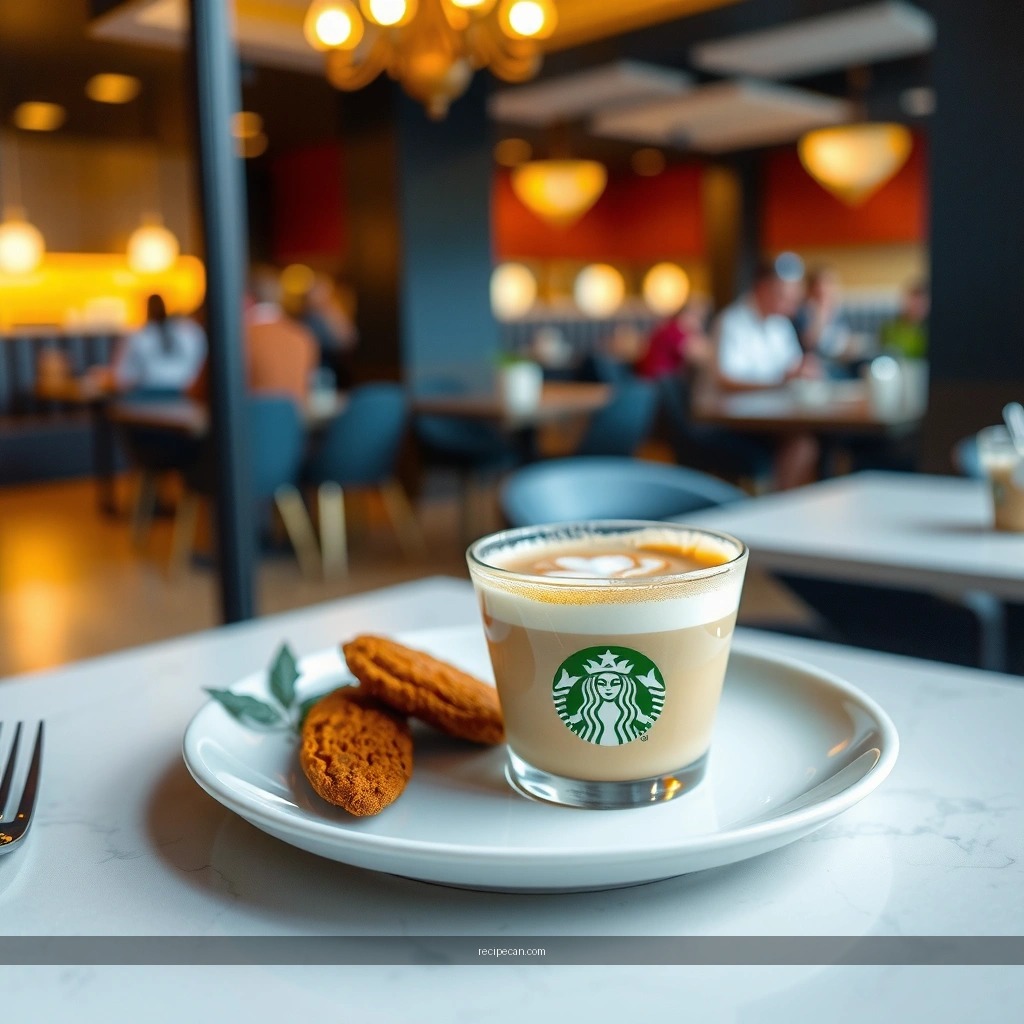
The “copycat” difference usually comes down to timing and mixing technique. Starbucks chai tastes consistent because they start with a strong chai base and then blend it with milk at the right temperature.
Step-by-step: hot chai tea latte (best starting point)
1. Steep or heat the chai base
– If using chai tea bags: add tea to hot water (not boiling hard) and steep 5–8 minutes for a concentrated flavor.
– If using loose-leaf chai: use about 2 tablespoons per 5 oz water and steep 6–10 minutes.
– If using chai concentrate: warm it gently and dilute per your package directions (commonly 1:2 concentrate-to-water).
2. Warm the milk separately
– Heat milk in a small saucepan or microwave-safe container until it’s hot and steamy (roughly 140–165°F / 60–74°C).
– Avoid boiling aggressively—scorched milk changes flavor and creates a “cooked” taste.
3. Combine and blend
– Pour chai into a mug (or add chai to the steaming milk—either works).
– Stir for 20–30 seconds to fully homogenize the spice and sweetness.
4. Sweeten last (but early enough to dissolve)
– Add honey/sugar while the drink is still hot, stirring until dissolved.
Mixing tips that make a noticeable difference
– Stir vigorously for 20–30 seconds: chai spices can cling to the surface if not fully blended.
– Don’t dilute too much: Starbucks-style chai is bold; if you find yours weak, increase steep time before adding more milk.
– Use a consistent ratio: as a baseline, many people like about 1 part chai to 1.5–2 parts milk (adjust to taste).
How to Get the Perfect Sweetness & Flavor

Starbucks’ chai tea latte sits in a sweet-spice zone—sweet enough to feel smooth, not so sweet that it becomes dessert-like, with a clear spicy aromatic finish.
Sweetness strategy: adjust gradually
Start with a lower dose and fine-tune:
– Begin: 1 teaspoon honey or sugar for one serving.
– Taste, then adjust in 1/2–1 tsp increments.
– If using syrup (vanilla or chai-flavored), add small drops—syrups can be intense.
Honey tends to lift floral spice notes. Brown sugar adds caramel warmth. Simple syrup dissolves easily and can better match a coffee-shop uniform sweetness.
Spice strength: control via chai base concentration
If your latte tastes flat, the issue is usually concentration, not milk:
– Stronger tea chai: steep longer (up to 10 minutes) or use more tea.
– Stronger chai concentrate: reduce dilution slightly (e.g., use more concentrate and less water).
– Balance spice “heat” and bitterness: too much steeping can make black tea taste slightly harsh. If that happens, reduce steep time and slightly reduce tea amount.
A useful diagnostic:
– If it tastes watery → increase chai base strength.
– If it tastes bitter → decrease steep time or steep at a slightly lower water temperature.
Iced vs. Hot Chai Tea Latte (Both Options)
Whether you drink it hot or iced, the same fundamentals apply: you want chai flavor strength that survives dilution.
Hot chai tea latte
– Steam/warm milk and pour over chai (or combine in the mug then stir).
– Hot drinks allow spices to bloom aromatically; you can keep sweetness slightly lower since warm flavors read fuller.
Iced chai tea latte (important: prevent weak flavor)
1. Brew or concentrate the chai slightly stronger than hot.
2. Cool the chai to room temperature (or refrigerate briefly).
3. Pour chai over ice, then add cold milk (or milk lightly chilled).
4. Stir to cool evenly.
Actionable rule for iced: if you normally make it too sweet hot, it will feel even sweeter after the ice melts slightly. For iced, start with the same sweetness as hot, then adjust next time.
Flavor Boosters and Easy Customizations
If you want a Starbucks-style finish at home, use additions that amplify aroma and texture—without overpowering chai.
Top additions that work
– Cinnamon (pinch to 1/8 tsp)
Reinforces the signature warm spice aroma. Add it early or stir after combining.
– Vanilla (1/8–1/4 tsp extract)
Adds “bakery chai” depth, especially with honey or brown sugar.
– A dash of nutmeg (optional)
Useful when your chai base feels too cinnamon-forward or one-dimensional.
Milk experiments (texture and taste)
Different milks change mouthfeel:
– Whole milk: best match for classic creamy body.
– Oat milk: often closest to café texture; slightly sweet notes can reduce added sweetener needs.
– Almond milk: lighter and nuttier; may need a touch more sweetener to feel rounded.
– Coconut milk: adds richness and sweetness, but can shift flavor toward tropical—use sparingly.
If you’re targeting the most Starbucks-like experience, pick the milk that gives you a smooth texture first; then adjust sweetness to prevent the spice from tasting too sharp.
Troubleshooting Common Recipe Issues
Even great recipes need refinement. Here are the most common problems—and the fastest fixes.
– Too strong or bitter
– Fix: dilute with more milk or reduce steep time next round.
– If using tea bags: use slightly less tea or steep 1–2 minutes less.
– If using concentrate: increase the water dilution ratio slightly.
– Not flavorful enough
– Fix: steep longer or use a stronger chai concentrate.
– For tea: add one extra tea bag or increase loose-leaf quantity slightly.
– Sweetness is off (too sweet)
– Fix: reduce sweetener next time; for the current cup, add a splash more warm milk.
– Milk tastes “cooked”
– Fix: lower heat and stop heating as soon as it’s steaming.
– Avoid vigorous boiling—scorching changes the flavor quickly.
– Iced chai tastes weak
– Fix: brew chai slightly stronger and let it cool before pouring over ice.
A reliable approach: adjust one variable at a time (steep time, chai strength, sweetener amount, or milk type). That way, you’ll consistently converge on the Starbucks copycat flavor you want.
You’ll be able to recreate a Starbucks chai tea latte by focusing on the chai base, warming/mixing correctly, and adjusting sweetness and spice to your preference. Follow the steps above, then tweak one variable at a time—so you can dial in your perfect cup. Make your first batch today and customize it for your next order-at-home craving.
Frequently Asked Questions
How do you make a Starbucks-style chai tea latte at home?
Start by brewing black tea (or using chai tea bags/loose chai concentrate) and warming milk in a saucepan or frother. Whisk together chai spices—such as cinnamon, ginger, cloves, and cardamom—with hot tea to build that signature chai flavor. Steam or heat the milk, then pour it over the spiced chai and sweeten with brown sugar or your preferred syrup to mimic a Starbucks chai tea latte recipe.
What ingredients do you need for a homemade Starbucks chai tea latte recipe?
You’ll typically need black tea (brewed tea or chai concentrate), milk (dairy or oat milk), and warm chai spices like cinnamon, ginger, cloves, and cardamom. For sweetness, use brown sugar, honey, or vanilla syrup depending on the flavor profile you want. A little vanilla or a pinch of nutmeg can help round out the taste to feel closer to the classic Starbucks chai tea latte.
Which milk works best for a creamy Starbucks chai tea latte?
Whole milk creates the most traditional creamy texture, but oat milk is a popular choice for a naturally sweet, barista-style result. If you use 2% milk, steam it well to keep the latte from tasting thin. Whatever milk you choose, heat it to steaming (not boiling) so your Starbucks chai tea latte recipe stays smooth and well-integrated.
Why does Starbucks chai tea latte taste so spiced, and how can you replicate that at home?
The strong, warm spice flavor comes from concentrated chai spices and thorough mixing before combining with milk. To replicate it, simmer your chai spices in hot tea or water for a few minutes, then strain if needed for a smoother cup. Stir well and let the chai sit briefly so the flavors bloom, then combine with steamed milk for a balanced Starbucks-style chai tea latte.
What’s the best way to sweeten a Starbucks chai tea latte without overpowering the spices?
Start with a small amount of brown sugar or vanilla syrup, taste, then adjust—chai can become muted if it’s too sweet. For a more Starbucks-like approach, sweeten the chai portion first so the spice and sweetness distribute evenly in every sip. If you prefer less sugar, choose a concentrated chai tea latte recipe with naturally bold spices and reduce sweetener gradually until it matches your ideal sweetness.
References
- Google Scholar Google Scholar
https://scholar.google.com/scholar?q=starbucks+chai+tea+latte+recipe - Google Scholar Google Scholar
https://scholar.google.com/scholar?q=chai+tea+latte+recipe+ingredients+brewing+method - Google Scholar Google Scholar
https://scholar.google.com/scholar?q=masala+chai+milk+spices+ratio - https://www.britannica.com/topic/chai
https://www.britannica.com/topic/chai - Chai
https://en.wikipedia.org/wiki/Chai - Masala chai
https://en.wikipedia.org/wiki/Masala_chai - https://en.wikipedia.org/wiki/Cinnamon
https://en.wikipedia.org/wiki/Cinnamon - Cardamom
https://en.wikipedia.org/wiki/Cardamom - Latte
https://en.wikipedia.org/wiki/Latte - https://pubmed.ncbi.nlm.nih.gov/?term=chai+tea+milk+spices
https://pubmed.ncbi.nlm.nih.gov/?term=chai+tea+milk+spices