Sweet tea recipes get better when you grow the ingredients—this guide shows the fastest path to a garden that actually feeds your brew. If you want the best-tasting sweet tea using fresh mint, lemons, and berries (and less grocery shopping), follow the exact growing-and-brewing plan that pairs each harvest with a winning recipe. You’ll be set up for consistently sweet, bright cups from your own backyard plants.
Grow sweet tea from scratch using fresh, homegrown herbs and fruit—then steep tea blends for consistent, high-quality flavor every week. This guide shows you how to plant a small, practical garden (even in containers) so your mint, lemon balm, and berries/citrus feed simple sweet tea recipes with less waste and more taste.
Choose Garden Plants for Sweet Tea

A sweet tea garden doesn’t need to be large; it needs to be strategic. The best plants for sweet tea provide three things you can reliably use in brewing: (1) aromatic herbs for fragrance, (2) fruit for natural sweetness and body, and (3) tea-friendly botanicals that play well with steeped leaves or tea blends. When you plan around these roles, you’ll spend less time managing the garden and more time creating repeatable flavors.
Grow herbs like mint and lemon balm for bright flavor
– Mint (spearmint is ideal): Supplies a cool, refreshing top-note that cuts through sweetness and makes iced sweet tea taste “clean,” not syrupy. Plant in a container or use a barrier because mint spreads quickly.
– Lemon balm (Melissa officinalis): Brings a soft citrus aroma that pairs especially well with black tea, honey, and berry infusions.
– Optional extras (high impact, low effort): Basil (small leaves, subtle sweetness), rosemary (sparingly—try it with citrus), or sage (only a pinch for warm spiced notes).
Plant fruit (strawberries, peaches, or citrus) for natural sweetness
For sweet tea recipes, fruit works best when it’s:
– Ripe: aroma and sugar peak near full ripeness, improving flavor without adding extra sweetener.
– Easy to portion: you’ll often freeze in small batches for consistency.
Good options:
– Strawberries: Great for summer berry sweet tea; the seeds add gentle texture.
– Peaches (or nectarines): Excellent for a “stone fruit” profile—use ripe pieces or juice-packed freezer portions.
– Citrus (lemons or oranges): Zest adds fragrance, while segments/pieces add bright juice. Citrus is also valuable when berries aren’t in season.
Small-space plant tip (business-reliable results): Choose 2 herb varieties + 1 fruit type for your first season. You’ll learn harvesting rhythms quickly and avoid the “too many plants, inconsistent flavor” problem.
Data snapshot: What to expect from a small tea garden (per ~10 sq ft or equivalent container area)
Estimated outcomes for sweet tea ingredients (home garden, fresh-to-steep)
| # | Plant (tea-use focus) | Main use in sweet tea | Typical harvest window | Yield estimate | Infusion impact |
|---|---|---|---|---|---|
| 1 | Spearmint (Mentha spicata) | Fresh leaves for topping + steeping | Late spring–early fall | ~2–4 cups leaves/season | ★★★★☆ |
| 2 | Lemon balm (Melissa officinalis) | Citrus aroma blend partner | Early summer–early fall | ~1–3 cups leaves/season | ★★★★☆ |
| 3 | Strawberries (June-bearing) | Muddled fruit or frozen cubes | ~4–6 weeks in mid-summer | ~6–12 cups berries/season | ★★★★★ |
| 4 | Peach (semi-dwarf tree or patio) | Juicy slices + infusion body | Late summer | ~10–20 cups fruit/season | ★★★★☆ |
| 5 | Lemon (container citrus) | Zest + fresh juice notes | Year-round (heaviest in cool-to-warm transitions) | ~15–30 lemons/year (small pot) | ★★★☆☆ |
| 6 | Basil (sweet-style aromatics) | Light herbal top note | Late spring–early fall | ~1–2 cups leaves/season | ★★☆☆☆ |
| 7 | Rosemary (use sparingly) | Pinch-sized aromatic complexity | Year-round (best growth in mild seasons) | ~1–2 cups needles/season | ★★☆☆☆ |
Set Up Soil, Sun, and Water for Tea Ingredients
Sweet tea is sensitive to plant health. If your herbs grow weak or your fruit ripens slowly, your steeped infusion will taste thin even if you use “the right recipe.” Treat soil, sun, and water as quality controls.
Use well-draining soil and add compost for steady growth
– Well-draining soil: Herbs like mint and lemon balm—and fruit plants like strawberries—can struggle with soggy roots. Choose raised beds or add organic matter to improve drainage.
– Compost (not too much): Compost improves nutrient availability and supports soil structure. For container gardening, use a quality potting mix enriched with compost rather than heavy garden soil.
– Don’t over-fertilize: Excess nitrogen often leads to lots of leafy growth with less aromatic intensity. For tea flavor, balanced growth beats “maximum foliage.”
Aim for full sun and water consistently to prevent weak growth
– Sun: Most tea-friendly herbs and fruit perform best with 6–8 hours of direct sun. If you get less, prioritize container herbs (mint/lemon balm) and choose fruit varieties adapted to partial light.
– Watering consistency: Fruit quality is strongly linked to moisture stability. Fluctuations can lead to watery fruit or stressed plants that produce less aromatic leaf.
– Practical method: Use a drip line or a slow-soak watering schedule. For containers, ensure drainage holes are clear—one clogged hole can ruin a week’s growth.
Analytical lens: Think of herbs and fruit as “inputs” to your sweet tea flavor system. Consistency in water and light reduces variance in taste from week to week—critical if you’re serving guests or developing a repeatable household recipe.
Grow Tea-Ready Add-Ins (Herbs, Fruit, Flowers)
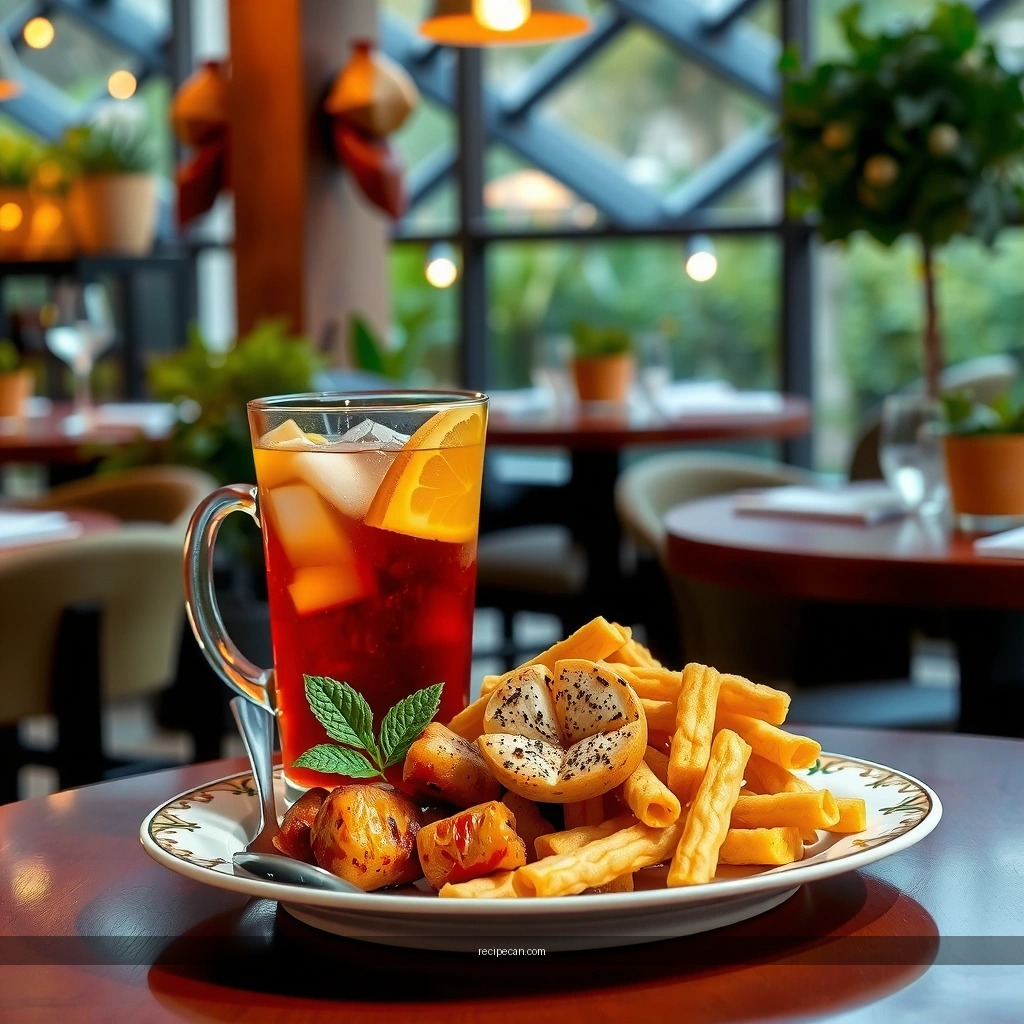
A productive tea garden isn’t just about planting—it’s about harvesting and timing. The moment you pick determines whether flavor is bright and present or dull and muted.
Harvest herbs regularly to keep plants producing
– Pick often, but don’t strip: Harvest upper growth to encourage branching. For mint, frequent light harvests generally outperform a single heavy cutting.
– Best time to harvest: Morning tends to preserve volatile aromas. If you can’t harvest then, at least avoid harvesting right after heat peaks.
– Rinse carefully: Excess water on leaves can dilute the “freshness impression” when you muddle or steep.
Pick ripe fruit at peak sweetness for better tasting infused tea
– Strawberries: Use fully red berries. Under-ripe fruit can add sourness that forces you to add more sugar than the recipe calls for.
– Peaches: Softening at the stem end signals readiness. If they’re too firm, you’ll get flavor but less juiciness—still good, just less “silky sweet.”
– Citrus: Harvest when the aroma is strong. For zest, choose fruit with thin, fragrant peel.
Operational workflow: Harvest what you need for today’s brew, then batch-freeze the surplus in meal-prep portions (small cubes or slices). This keeps your sweet tea recipe process efficient and reduces waste.
Simple Sweet Tea Recipes Using What You Grow
Use your garden ingredients in ways that extract flavor without overpowering the base tea blend. The goal is balanced sweetness, not merely “tasting like fruit.”
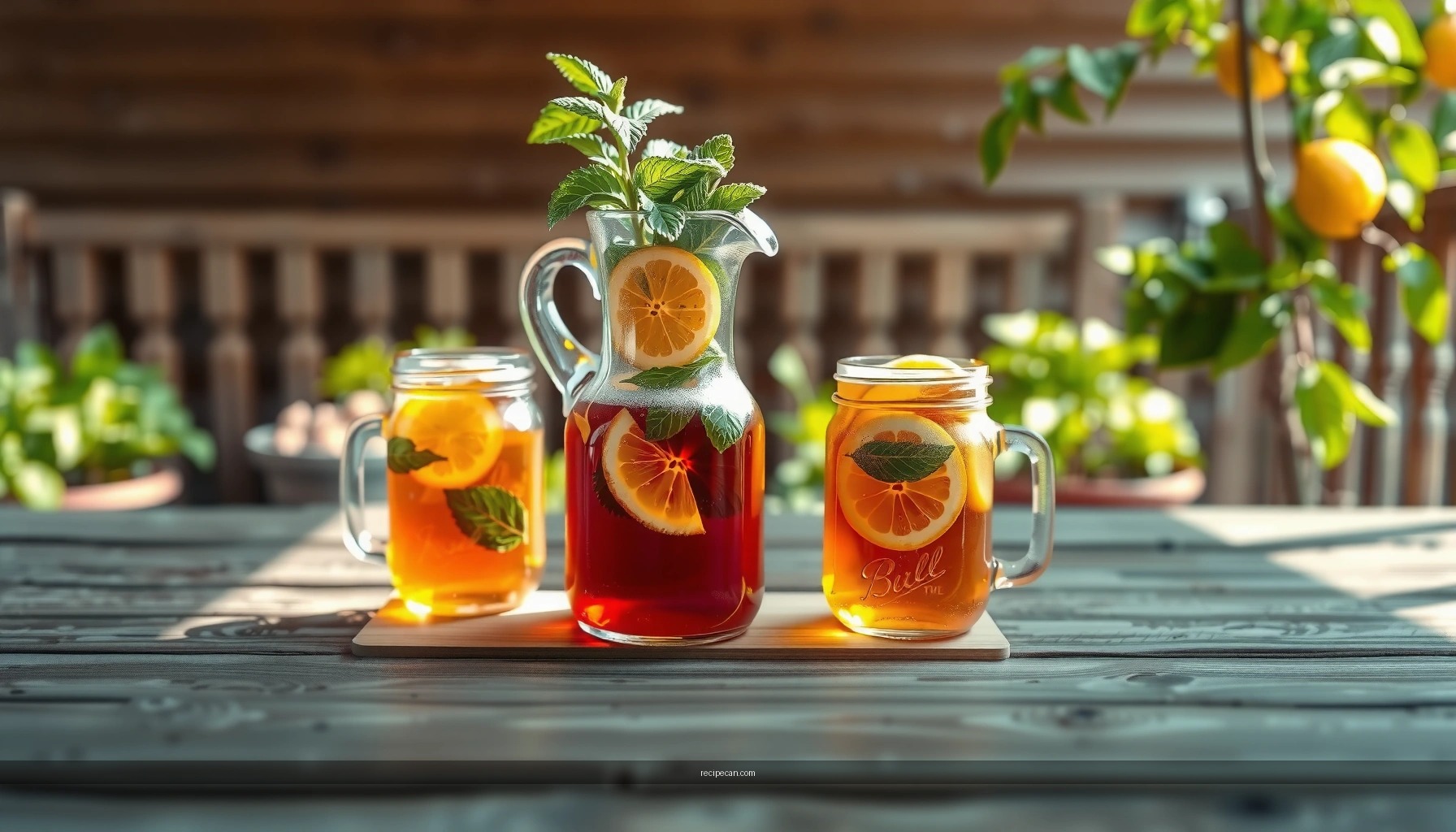
Try mint-sweet tea with fresh leaves steeped in hot water
Mint-Sweet Tea (fresh-leaf steep)
1. Brew black tea (or your preferred tea blend) with hot water.
2. Add a handful of fresh mint leaves during the steep, then remove before bitterness develops.
3. Sweeten while warm (honey or sugar dissolves faster).
4. Chill and serve over ice.
Why it works: Mint contains aromatic compounds that diffuse quickly; steep briefly and adjust. If your mint flavor seems muted, increase leaf quantity rather than steep time first.
Make berry sweet tea by muddling fruit and steeping for flavor
Berry Sweet Tea (muddle + steep)
1. Muddle fresh strawberries (or thawed frozen berries) gently to release juices.
2. Brew black tea separately, then pour into a container with the fruit.
3. Steep the fruit-infused tea briefly, then strain (optional for texture).
4. Chill and sweeten to taste—often less sugar is needed when fruit is ripe.
Process control: If the tea tastes weak, use more fruit volume per batch; if it tastes harsh or too “jammy,” reduce steep time and use larger ice/water dilution when serving.
Harvest, Store, and Prep for Fresh Tea Every Week
The best sweet tea gardens support weekly brewing routines. Storage is where flavor quality either holds—or decays.
Refrigerate fresh herbs and use within a few days
– Wrap herbs in a slightly damp paper towel and place in a sealed container/bag.
– Use within 2–4 days for peak aroma.
– If you must extend freshness, chop and freeze in small portions (especially mint) so you can add without thawing.
Freeze fruit portions to pour into tea when you’re short on fresh supplies
– Freeze fruit on a tray first, then store in labeled bags to prevent clumping.
– Portion by your recipe’s “per batch” need (for example, enough berries for one 1–2 quart brew).
– For citrus, freeze juice in measured tablespoons and zest separately (zest holds longer and adds stronger aroma).
Efficiency benefit: Weekly prep turns sweet tea into a reliable system. You avoid last-minute store runs and reduce the risk of inconsistent flavor from “whatever fruit is left.”
Troubleshooting Common Garden-to-Tea Problems
Even with a well-planned garden, you’ll occasionally encounter flavor issues. Treat them like brewing variables and adjust systematically.
If flavor is weak, steep longer or use more fresh ingredients
Start with the simplest levers:
– Increase the ingredient amount (mint leaves or fruit volume) before steeping dramatically longer.
– If you’re using fruit, ensure it’s ripe and properly extracted (muddling is key for strawberries).
– For herbs, keep steeping within a reasonable range—over-steeping can push herbs toward bitterness or muted notes.
If plants struggle, adjust sunlight and improve drainage or watering schedule
Plant stress usually shows up as smaller leaves, slower growth, and lower aromatic intensity:
– Weak herbs: likely insufficient light or uneven watering.
– Soggy soil symptoms: yellowing leaves or fungal issues—improve drainage and reduce watering frequency.
– Container pitfalls: check that drainage holes are open and soil isn’t compacted.
Diagnostic rule: If flavor is inconsistent, check garden inputs first (water/sun). Brewing adjustments should be second. This keeps your sweet tea results aligned with your garden’s actual performance.
Sweet tea recipes get even better when you can grab fresh mint, fruit, and herbs straight from your garden. Start by planting 2–3 key ingredients, follow the simple growing and harvesting steps, then test one recipe this week and adjust flavors as you go—so your garden and your sweet tea both thrive.
Frequently Asked Questions
What sweet tea recipes work well when you’re growing a garden of tea-friendly plants?
If you’re growing a garden, look for plants that complement classic sweet tea flavors like mint, lemon balm, rosemary, and hibiscus. Brew your base (black tea or herbal “tea” mixes) and steep garden additions separately so flavors don’t get overly bitter. Sweeten to taste with honey or sugar, and adjust the strength of your sweet tea recipe based on how young or mature your garden leaves are.
How do you grow ingredients for sweet tea at home for a continuous harvest?
Start with fast-growing, high-yield herbs like mint and lemon balm in containers to control spread, and plant them near the kitchen for easy harvesting. For hibiscus, consider a warm-climate garden or a pot you can move indoors before cold weather. Harvest small amounts regularly (pinch stems and take upper leaves) to encourage new growth, then freeze chopped herbs so you can make sweet tea even when fresh supply is low.
Why does my homemade sweet tea taste “off,” and how can garden-grown herbs fix it?
Garden herbs can improve sweetness and aroma, but too much steep time or the wrong plant-to-tea ratio can make sweet tea taste bitter or grassy. Try steeping herbal additions for 3–10 minutes and using black tea for 3–5 minutes, then taste and fine-tune your sweet tea recipe. If your tea tastes flat, increase steep strength slightly or add a small citrus element like lemon balm or lemon peel from your garden.
Which sweet tea recipe is best for beginners who want to use herbs from their garden?
A simple “herb-infused classic” is best: brew black tea, chill it, then add fresh garden mint or lemon balm and sweeten while it’s still slightly warm. Use a light infusion for herbs—just a few minutes—so you don’t overpower the tea. This approach helps you learn how garden flavors interact with sweet tea without needing complicated steps.
What’s the best way to plan a garden for the flavors in popular sweet tea recipes?
Build your garden around the most common sweet tea profiles: minty-fresh, citrusy-bright, and floral. Plant mint and lemon balm for refreshing notes, consider hibiscus or rose for a colorful floral twist, and grow citrus herbs like lemon verbena if you want a tangy finish. Track which ingredients you actually use each week to refine your sweet tea garden plan and avoid growing extras you never harvest.
References
- Google Scholar Google Scholar
https://scholar.google.com/scholar?q=sweet+tea+recipe+home+brewing+food+safety - Google Scholar Google Scholar
https://scholar.google.com/scholar?q=sweet+tea+herbs+garden+mint+lemon+balm+stevia+home+growing - Google Scholar Google Scholar
https://scholar.google.com/scholar?q=brewed+tea+foodborne+illness+storage+refrigeration - Sweet tea
https://en.wikipedia.org/wiki/Sweet_tea - Tea
https://en.wikipedia.org/wiki/Tea - https://www.britannica.com/topic/tea
https://www.britannica.com/topic/tea - Food Safety | Food Safety | CDC
https://www.cdc.gov/foodsafety/ - https://www.fsis.usda.gov/food-safety/safe-food-handling-and-preparation/food-safety-basics/food-safety-basics
https://www.fsis.usda.gov/food-safety/safe-food-handling-and-preparation/food-safety-basics/food-safety-basics - https://extension.umn.edu/flowers/mint
https://extension.umn.edu/flowers/mint - https://hgic.clemson.edu/factsheet/stevia/
https://hgic.clemson.edu/factsheet/stevia/