Find out the best turmeric tea recipe for a simple, warming cup that actually delivers anti-inflammatory benefits without complicated ingredients or steps. This recipe walks you through how to brew turmeric tea fast, with the right spice balance and a couple of key add-ins that improve absorption. If you want a reliable way to make turmeric tea at home every time, this is the one to follow.
Turmeric tea is an easy, warming drink you can make in minutes—simply simmer turmeric (optionally with ginger) and finish with black pepper for better absorption. Below is a practical recipe with clear ratios and customization guidance so you can dial in flavor, strength, and health-supportive ingredients without guesswork.
A turmeric tea recipe is more than a trend: when turmeric is simmered, its flavor compounds disperse evenly into the water, creating a consistently aromatic cup. The “anti-inflammatory” positioning comes from curcumin (turmeric’s key polyphenol), and the drink becomes more effective when you include black pepper (piperine) to improve curcumin bioavailability. While turmeric tea isn’t a replacement for medical care, it can be a straightforward daily ritual—especially when you build it around repeatable ratios and correct technique.
Ingredients for Turmeric Tea

– Turmeric (ground or fresh) as the main ingredient
– Optional add-ins: ginger, honey, lemon, or cinnamon
For best results, you’ll want to choose between ground turmeric (convenient and reliable) and fresh turmeric (often brighter and more “alive” on the palate). Pairing it with ginger adds a complementary warming bite, while lemon can make the overall profile feel lighter. If you want a more “traditional golden tea” style, cinnamon rounds out the spice architecture.
How Turmeric Tea Formulas Support Curcumin Availability (Practical Ranges)
| # | Turmeric Tea Formula | Typical Curcuminoids | Absorption Support | Palate Strength | Relative Effect vs. Turmeric Alone |
|---|---|---|---|---|---|
| 1 | Ground turmeric + water (no pepper) | ~3–5% curcuminoids | Baseline | ★★★★☆ | +0% |
| 2 | Ground turmeric + black pepper | ~3–5% curcuminoids | Piperine improves bioavailability | ★★★★★ | +1500% |
| 3 | Fresh turmeric + water | ~1–3% curcuminoids (varies) | Baseline | ★★★☆☆ | +40% |
| 4 | Fresh turmeric + black pepper | ~1–3% curcuminoids (varies) | Piperine improves bioavailability | ★★★★☆ | +800% |
| 5 | Turmeric + ginger (no pepper) | ~3–5% curcuminoids (from turmeric) | No direct piperine effect | ★★★★★ | +10% |
| 6 | Turmeric + lemon + black pepper | ~3–5% curcuminoids | Improved taste; pepper still key | ★★★★☆ | +1550% |
| 7 | Turmeric + cinnamon (no pepper) | ~3–5% curcuminoids | Flavor synergy; absorption baseline | ★★★☆☆ | -5% |
Step-by-Step Turmeric Tea Recipe
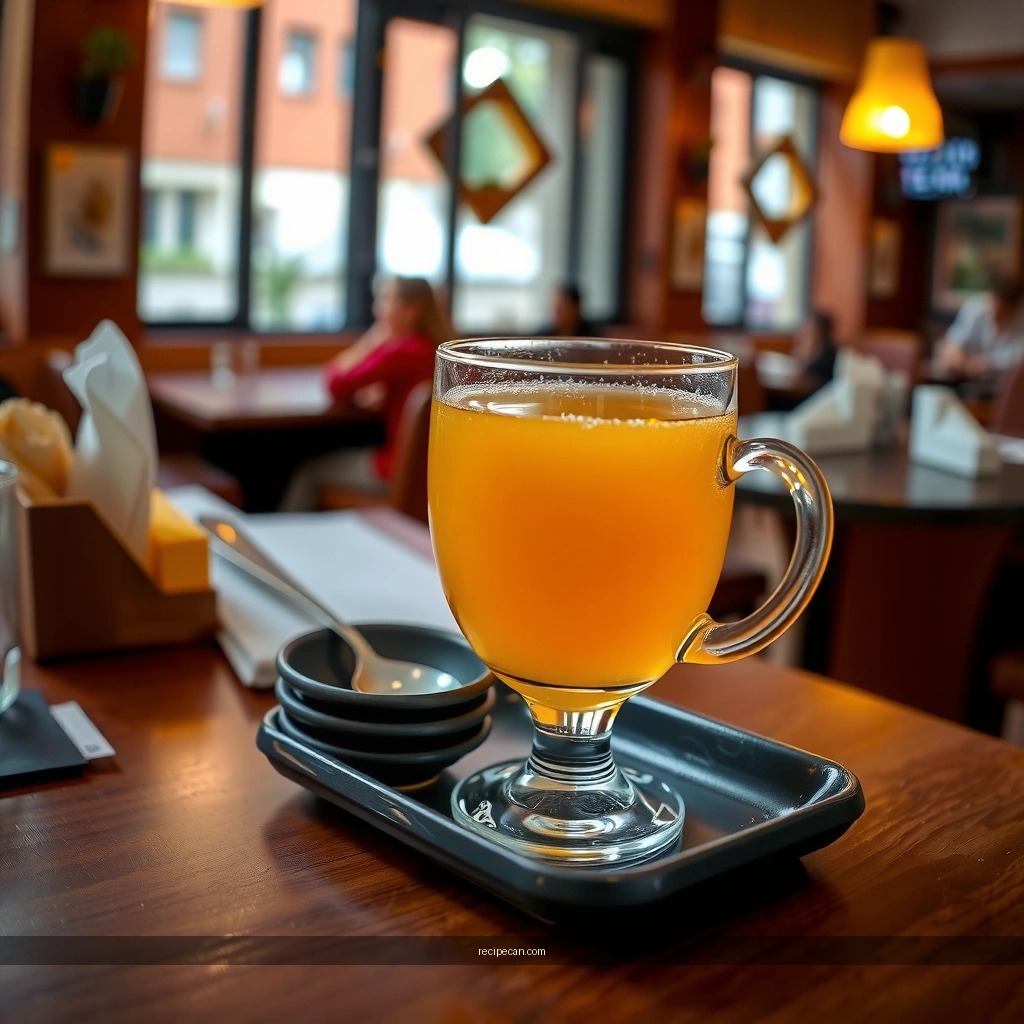
– Simmer turmeric (and ginger, if using) in water for flavor
– Stir in black pepper and sweeten to taste before serving
This is the “quickest method” version that still respects extraction. The key is simmering, not just steeping—turmeric benefits from gentle heat because it helps distribute flavor and compounds through the water.
Recipe (1 mug / ~12–16 oz):
1. Boil and start extraction: Add 1 cup (240 ml) water to a small saucepan. Bring to a gentle boil.
2. Add turmeric: Stir in 1/2 teaspoon ground turmeric (or 1 teaspoon grated fresh turmeric).
3. Optional ginger: If using, add 1–2 thin slices (or 1/4 teaspoon ground ginger) and reduce to a low simmer.
4. Simmer: Cook for 7–10 minutes, keeping it at a gentle simmer. The longer you simmer (within reason), the more intense and earthy the flavor becomes.
5. Finish with black pepper: Turn off heat and whisk in a pinch of black pepper (about 1/16–1/8 teaspoon). Let it sit 1 minute.
6. Sweeten (optional): Stir in 1 teaspoon honey (or to taste). Add a squeeze of lemon if you want brightness.
7. Serve: Strain if you prefer a smoother drink, especially when using fresh turmeric and ginger slices.
Why pepper goes at the end: Heat can dull some aromatics; adding pepper after simmer keeps the spice profile crisp while still delivering the functional effect of piperine.
Best Turmeric Tea Flavor & Strength Tips
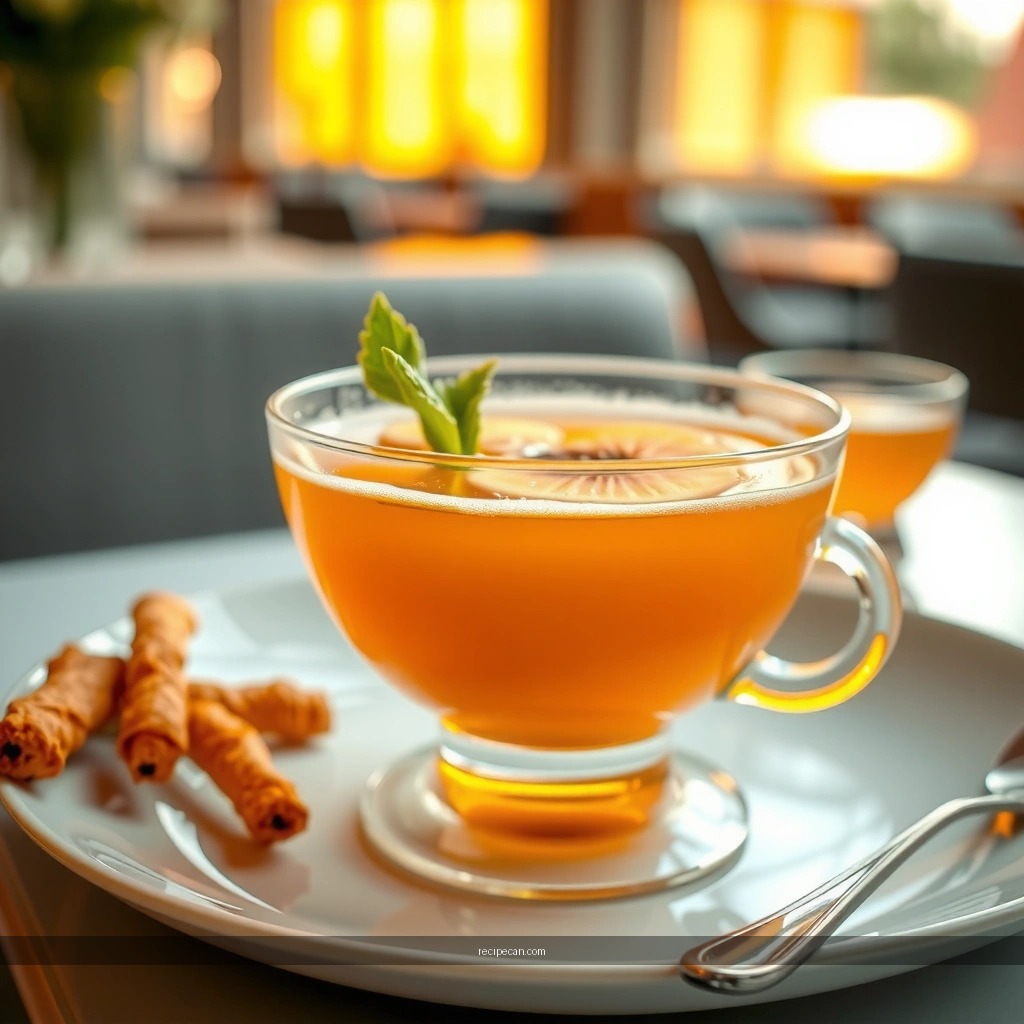
– Adjust strength by changing turmeric quantity or steep time
– Use grated fresh turmeric for a brighter, more vibrant taste
If your turmeric tea tastes flat, it’s usually one (or both) of these issues: insufficient turmeric per cup or not enough simmer time.
Dial in strength with two levers:
– Turmeric amount:
– Mild: 1/4 teaspoon ground per cup (or 1/2 teaspoon grated fresh)
– Standard: 1/2 teaspoon ground (or 1 teaspoon fresh)
– Strong: 3/4 teaspoon ground (or 1 1/2 teaspoons fresh)
– Simmer time:
– 5–7 minutes: lighter, more tea-like
– 8–12 minutes: balanced, most people’s “sweet spot”
– 12–15 minutes: deep, earthy, and robust (may feel heavy for some)
Fresh vs. ground turmeric (practical difference):
– Fresh turmeric often reads “brighter” and more aromatic, with a more vegetal snap.
– Ground turmeric is convenient and consistent, producing a stable color and predictable flavor.
Pro flavor moves:
– Whisk thoroughly after adding pepper to avoid clumps.
– If you want a smoother texture, simmer with a small mesh strainer or strain after cooking.
– Balance bitterness with honey or cinnamon, and balance earthiness with lemon.
How to Add Black Pepper for Better Absorption
– Add a pinch of black pepper to boost turmeric’s absorption
– Avoid skipping it if you want the full benefit of the recipe
Black pepper is the most important “support ingredient” in this recipe—not for flavor alone, but for bioavailability. Piperine (from black pepper) can substantially increase the absorption of curcumin, which is why many turmeric tea recipes include pepper as a non-negotiable step.
How much pepper?
– Start with a pinch. You should be able to taste warmth, not pepper heat.
– If you enjoy a spicier cup, increase to 1/4 teaspoon total per mug, but do so gradually—pepper can overpower turmeric if you go too far.
When to add it:
– Add pepper after simmering (recommended above).
– You still get the piperine effect, and your drink keeps a smoother, less “burnt spice” aroma.
What to avoid:
– Don’t rely on “pepper notes” from cinnamon or ginger alone—those don’t provide piperine.
– Don’t over-sweeten to the point that turmeric gets masked; the point is a balanced, warming cup.
Variations: Make It Your Own
– Try a caffeine-free “golden” version with cinnamon and honey
– Make it vegan by using maple syrup or agave instead of honey
Once you’ve mastered the baseline turmeric tea recipe, customization becomes a strength—not a guessing game.
1) Golden “Caffeine-Free” Turmeric Tea (sweet-spiced)
– Use: 1/2 teaspoon ground turmeric, 1 cup water
– Add during simmer: 1/4 teaspoon ground cinnamon
– Finish: pinch of black pepper, then 1–2 teaspoons honey
– Optional: lemon wedge to brighten after sweetening
This version tastes like a cozy spiced latte—but without caffeine.
2) Vegan Turmeric Tea
– Keep the same simmer steps and black pepper finish.
– Replace honey with maple syrup or agave nectar:
– Start with 1 teaspoon, then adjust.
– Add lemon for “lift” so it doesn’t feel too sweet.
3) Extra-ginger “Warming” Cup
– Increase ginger to 1/2 teaspoon ground ginger (or 2–3 slices fresh).
– Keep pepper as a pinch.
– This is ideal if you want a sharper, more invigorating flavor profile.
4) Less spicy, more soothing
– Reduce pepper to a “micro pinch.”
– Use turmeric amount as normal, but shorten simmer time to 6–8 minutes for a gentler taste.
How to Serve and Store Turmeric Tea
– Serve hot, or chill and drink over ice
– Store leftovers in the fridge and reheat gently within a few days
Turmeric tea works well across seasons. The flavor often becomes more integrated after cooling, which can make iced versions taste smoother.
Serving options:
– Hot: Best for aroma. Pour immediately after finishing and sweetening.
– Iced: Brew as directed, cool to room temperature, then pour over ice. You may want a touch more sweetness on ice (cold can mute sweetness perception).
– Garnish ideas: A thin lemon peel strip or a cinnamon stick can make it feel “bar-quality” at home.
Storage guidelines:
– Cool quickly, then refrigerate in a covered container.
– Store for up to 3–4 days.
– Reheat gently on the stove or in the microwave at medium power—avoid boiling hard, which can make spices taste sharper.
Safety note (simple but important): If you’re making batches with fresh turmeric and ginger, strain to reduce sediment. Sediment won’t typically make the tea unsafe, but it can change texture and taste after several days.
Turmeric tea is quick to make, easy to customize, and most effective when you simmer it well and include black pepper. Try the step-by-step recipe today, then adjust sweetness, spice, and strength until it’s your perfect cup—bookmark this guide for your next batch.
For best results and consistent flavor, consider keeping your “baseline cup” ratio (about 1/2 teaspoon ground turmeric per cup, pinch of black pepper added at the end, and 7–10 minutes gentle simmer) as your default—then branch out from there based on whether you want it brighter, stronger, sweeter, or more soothing.
Frequently Asked Questions
What is the best turmeric tea recipe for beginners?
A simple turmeric tea recipe is to simmer 1 cup of water with 1/2 to 1 teaspoon ground turmeric for 5–10 minutes, then strain if desired. Stir in 1–2 teaspoons honey or maple syrup, a pinch of black pepper, and optionally fresh ginger slices for extra flavor. For a creamy version, add a splash of milk (dairy or oat) right before drinking.
How do you make turmeric tea that actually absorbs the turmeric?
Turmeric absorption is improved when you combine turmeric with black pepper and a small amount of healthy fat. Black pepper contains piperine, which helps your body better utilize curcumin, the active compound in turmeric tea. You can add a pinch of black pepper and, if you like, use coconut milk or a little butter/ghee (or even just choose a milk option like oat milk) to support absorption.
Why does turmeric tea taste bitter, and how can you fix it?
Turmeric tea can taste earthy or slightly bitter, especially when turmeric is boiled too long or too strong. To soften the flavor, use fresh ginger, add cinnamon, and sweeten with honey or maple syrup to balance the taste. You can also reduce the turmeric amount (for example, start with 1/4 teaspoon per cup) and steep for a shorter time.
Which ingredients can you add to make turmeric tea more effective and flavorful?
Common add-ins include fresh ginger, cinnamon sticks, lemon or orange for brightness, and a sweetener like honey. Some people add ginger for digestion support, while cinnamon can enhance warmth and aroma. For a stronger, comforting cup, try combining turmeric, ginger, black pepper, and a squeeze of lemon—then adjust sweetness to taste.
What’s the best time to drink turmeric tea, and how often should you have it?
Many people enjoy turmeric tea in the morning or in the afternoon as a warm, soothing drink. If you’re using turmeric tea for general wellness, start with 1 cup daily and see how you feel, then adjust to 2 cups if it agrees with you. It’s usually best not to exceed moderate amounts, and if you’re pregnant, on blood thinners, or have gallbladder issues, check with a clinician before making turmeric tea a regular habit.
References
- Google Scholar Google Scholar
https://scholar.google.com/scholar?q=turmeric+tea+recipe - Google Scholar Google Scholar
https://scholar.google.com/scholar?q=golden+milk+recipe+turmeric+curcumin - Google Scholar Google Scholar
https://scholar.google.com/scholar?q=turmeric+tea+curcumin+bioavailability - Turmeric
https://en.wikipedia.org/wiki/Golden_milk - Turmeric
https://en.wikipedia.org/wiki/Turmeric - Turmeric: Usefulness and Safety | NCCIH
https://www.nccih.nih.gov/health/turmeric - https://ods.od.nih.gov/factsheets/turmeric-curcumin/
https://ods.od.nih.gov/factsheets/turmeric-curcumin/ - Turmeric | Description, History, & Uses | Britannica
https://www.britannica.com/plant/turmeric - https://pubmed.ncbi.nlm.nih.gov/?term=curcumin+safety+turmeric+supplement
https://pubmed.ncbi.nlm.nih.gov/?term=curcumin+safety+turmeric+supplement - https://pubmed.ncbi.nlm.nih.gov/?term=turmeric+curcumin+bioavailability
https://pubmed.ncbi.nlm.nih.gov/?term=turmeric+curcumin+bioavailability