You can make a sweet tea recipe that tastes like true summer when you grow your own garden ingredients—then brew with fresh lemon, mint, and berries for the brightest flavor. This guide delivers a clear winner: a simple, no-fuss sweet tea method that uses homegrown additions to outperform store-bought shortcuts. Answering the only question that matters, it shows exactly what to plant, when to harvest, and how to brew your best glass from your backyard.
Sweet tea tastes dramatically better when you can pick the mint, lemons, and complementary herbs at peak ripeness—so the fastest path to “real” garden flavor is a small, targeted garden plus a consistent brewing method. In this guide, you’ll learn how to plan and plant a compact sweet-tea garden (even in containers), then brew a simple black tea sweet tea that highlights fresh mint and citrus from your yard.
Choose Your Garden Ingredients for Sweet Tea
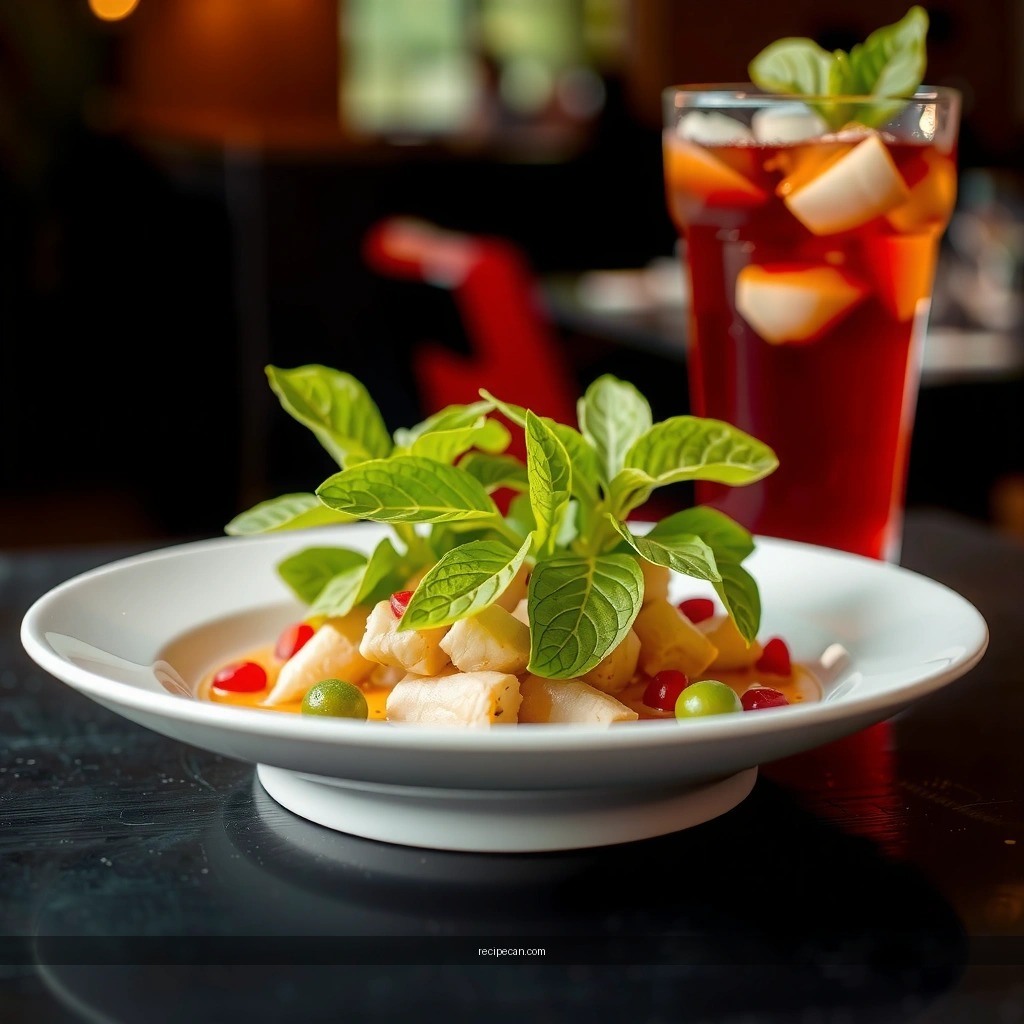
– Focus on mint and lemon balm for a refreshing twist
Mint is the classic sweet tea upgrade because its essential oils read as “cool” and aromatic even in a hot steep. Spearmint is a reliable choice for sweet tea: it’s vigorous, easy to propagate, and its flavor stays balanced rather than overly medicinal. Lemon balm (Melissa officinalis) adds a softer citrus note that blends well with black tea’s caramel and malt tones.
Practical note: In many gardens, mint spreads aggressively—so treat it like a feature plant in a pot or a contained bed. That keeps your mint harvest abundant without taking over the herb patch.
– Add lemon trees or lemon substitutes for bright flavor
For bright top notes, lemons are ideal because their acidity and aroma lift the drink’s sweetness. If you can’t grow a lemon tree outdoors, you still have options: a potted dwarf lemon tree (where winter temperatures allow), a “moving” container brought indoors, or using bottled lemon juice can bridge the gap. However, homegrown lemon zest and slices right before brewing generally deliver the most intense aroma.
Flavor strategy: In sweet tea, you typically don’t want “lemonade tart”—you want a citrus spark. That means a small amount of lemon zest or a thin slice can be enough to shift the whole profile.
– Grow herbs that can complement black tea naturally
Black tea (especially Ceylon or Assam blends) pairs well with herbs that add subtle warmth or floral lift. Consider:
– Thyme: earthy and savory; helps your sweet tea taste more “crafted” than just sugared.
– Rosemary (light-handed): piney and resinous; use sparingly so it doesn’t dominate.
– Sage or basil: works best when used as a delicate accent—think a quick infusion rather than a long soak.
If you’re building a garden specifically for sweet tea, aim for two mint-family options (mint + lemon balm) plus one or two supporting herbs. The goal is repeatable flavor, not botanical variety for its own sake.
Herb & Citrus Picks for Sweet Tea (Best Use, Light Control, Typical Harvest Window)
| # | Garden Ingredient | Sweet Tea Best Use | Sun Preference | Harvest Window | Tea Pairing Score |
|---|---|---|---|---|---|
| 1 | Spearmint (Mentha spicata) | Leaf infusion | Full sun to part shade | Late spring–early fall | ★★★★☆ |
| 2 | Lemon balm (Melissa officinalis) | Short steep accent | Part sun (prefers afternoon protection) | Early summer–late summer | ★★★★☆ |
| 3 | Lemon (dwarf or yard-grown) | Zest + thin slices | Full sun (warmest exposure) | Late fall–spring (varies) | ★★★★★ |
| 4 | Thyme (common or lemon thyme) | Micro-infusions | Full sun | Late spring–early fall | ★★★☆☆ |
| 5 | Rosemary | Very light steep | Full sun | Year-round (best growth in summer) | ★★☆☆☆ |
| 6 | Basil (sweet basil) | Aromatic garnish | Full sun + warmth | Late spring–fall | ★★★☆☆ |
| 7 | Oregano (optional accent) | Punchy aroma (rare use) | Full sun | Summer–early fall | ★★☆☆☆ |
Pick the Right Garden Spot and Setup

– Choose full sun for most herbs and fruiting plants
Most of the plants that drive sweet tea flavor—mint (sun-tolerant), lemon balm (sun to part shade), thyme, basil, and dwarf lemons—perform best when they receive at least 6–8 hours of sun. If you have a patio or balcony, aim for the warmest, brightest corner rather than the most sheltered one.
– Use well-draining soil and containers if space is limited
Sweet tea gardens don’t need to be large, but they do need to be healthy. Poor drainage leads to root stress, which reduces oil production in herbs and limits fruit quality in citrus.
– In-ground beds: amend with compost, then ensure water doesn’t pool after rainfall.
– Containers: use potting mix (not garden soil) and ensure drainage holes are unobstructed.
Mint containment tip: A 10–12 inch pot is often enough for a season of harvest for family-sized batches of sweet tea. Set that pot near your brewing area so harvesting is easy and consistent.
– Plan for easy watering and harvesting access
From a operations perspective, the best garden is the one you will actually maintain. Place plants close to a hose path or water source to reduce “watering friction.” Also keep a short route from plant to kitchen—harvesting in the morning, then brewing soon after, is where you capture maximum aroma.
Planting Tips: When and How to Start

– Start seeds indoors or buy seedlings for faster harvest
If you want sweet tea flavor sooner rather than later, seedlings are the pragmatic choice. For mint, you can start from cuttings or buy established plants. For lemons, seedlings take longer, but potted nursery trees can begin producing earlier (seasonal timing depends on variety and climate).
A common plan:
– Early season: seedlings for mint, lemon balm, thyme, and basil.
– Warm-up period: add a citrus container if temperatures allow.
– Backfill: start a few herbs from seed for continuity (so you don’t run out mid-summer).
– Space plants properly to reduce disease and improve growth
Crowding traps humidity and increases fungal issues—especially around mint and lemon balm where airflow matters. Space according to mature size:
– Mint: contained area with a little clearance around foliage
– Lemon balm: give it room to spread (typically 12–18 inches in practice)
– Thyme and rosemary: allow good airflow; they also prefer not to be too wet
– Water consistently during establishment, then taper as plants mature
During the first few weeks, consistent moisture helps roots establish. After that, move toward “deep but less frequent” watering for most herbs. Citrus containers usually require more regular watering, but still avoid soggy conditions—check soil moisture before adding more water.
Harvest at the Peak for Best Sweet Tea Flavor
– Pick mint and herbs in the morning for maximum freshness
Plants produce aromatic compounds as they grow, but the most noticeable “bright” flavor often shows up in morning harvests after dew has dried. For best results:
1) Harvest just what you need for the next batch.
2) Rinse quickly and gently.
3) Pat dry so excess water doesn’t dilute flavor.
– Harvest lemons when fully yellow and fragrant
Color is a useful cue, but aroma is your real indicator. Lemons at the right stage feel heavy for their size and smell strongly when you rub or zest the peel. If you’re growing dwarf lemons in containers, harvest frequently once they’re ripe—overholding can reduce flavor intensity over time.
– Store briefly or prep ingredients right before brewing
For home-brew sweet tea, freshness is the differentiator. If you must store:
– Mint/lemon balm: loosely wrap in a damp paper towel and refrigerate short-term.
– Zest: zest fresh if possible; otherwise store in the refrigerator in an airtight container for no more than a day or two.
Timing principle: Brew your tea, cool it slightly, then add fresh aromatics. That preserves mint and citrus oils better than boiling them repeatedly.
Sweet Tea Recipe Using Your Fresh Garden Add-Ins
– Brew black tea strong, then cool before adding sweetener
Sweet tea should have enough tea strength to stand up to sugar. Start with a strong brew and then cool it so you don’t dull aroma.
A dependable baseline for 1 quart (about 1 liter):
– 4–5 black tea bags (or ~2–2.5 tsp loose leaf)
– Water: bring to a boil, then pour over tea
– Steep: 5–7 minutes for bold body
– Cooling: allow to cool to warm/room temperature (you don’t need it icy, but it shouldn’t be scalding)
– Add fresh mint and lemon during steeping or right before serving
Use a “two-phase” aromatic approach for best results:
1) Add mint for a brief infusion after the tea is brewed (1–3 minutes) or place mint at the bottom of your pitcher and pour the hot tea over it, then cover and steep briefly.
2) Add lemon (zest or thin slices) right before serving to maximize citrus top notes.
Start conservatively: a little mint goes a long way in sweet tea.
– Sweeten to taste and chill for the classic bold flavor
Sweet tea is ultimately about balance. Dissolve sugar while the tea is warm so it integrates smoothly, then chill.
Suggested starting point for 1 quart: 1/2 to 3/4 cup sugar, depending on how sweet your family prefers it and how herbal/minty your additions are.
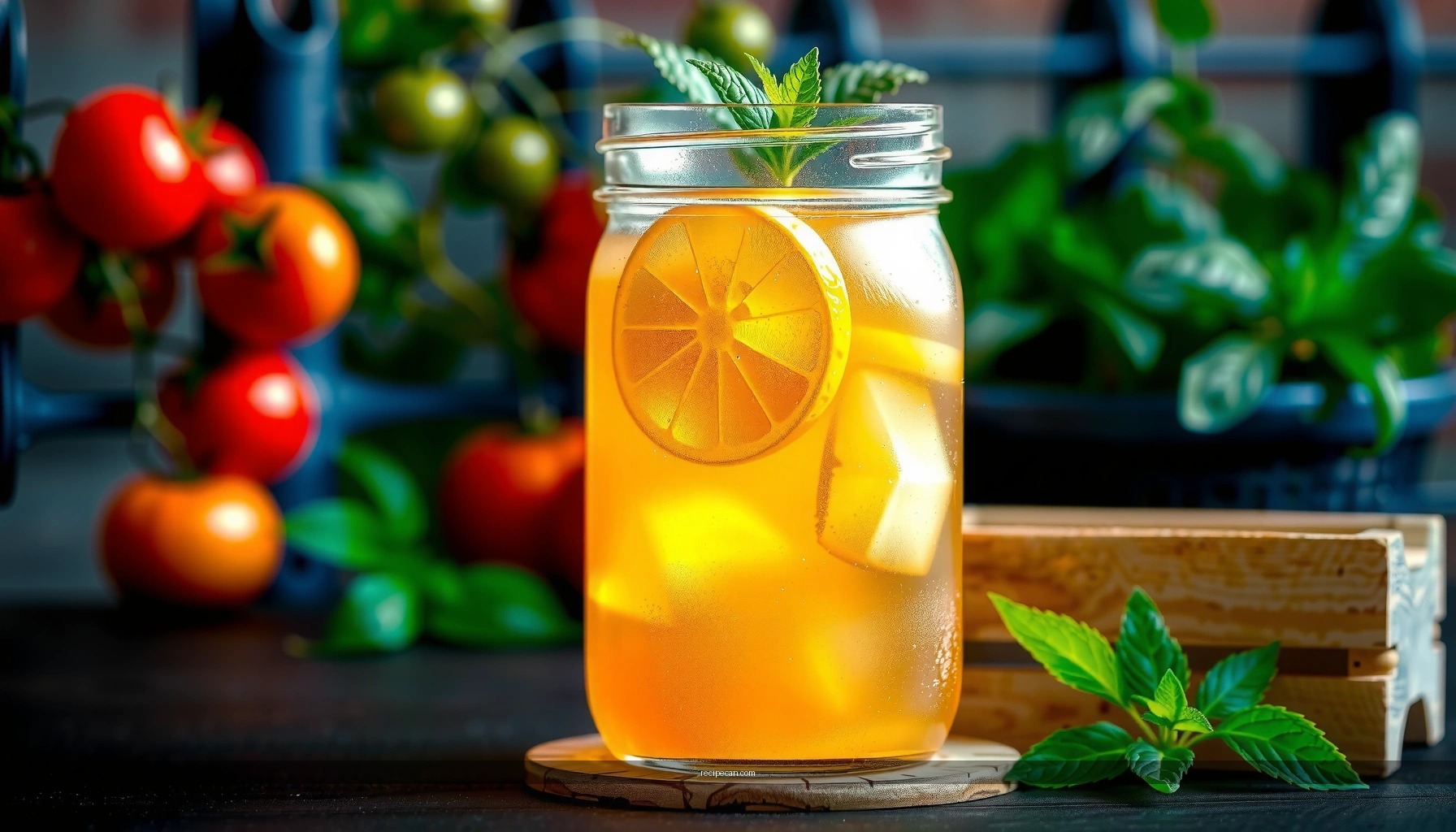
Serving upgrade: Garnish each glass with a fresh mint sprig and a small twist of lemon zest. For a more “garden-forward” presentation, add a lemon slice and lightly bruise mint leaves right before pouring (not days in advance).
Keep Your Garden Thriving All Season
– Prune mint regularly to prevent legginess and promote new growth
Mint responds well to pruning. Regular harvesting and selective cutting encourage branching, which improves both yield and flavor. If your mint becomes tall and thin, trim it back and let it regrow—this often leads to a second or third wave of strong leaves.
– Monitor for pests and use gentle, natural control methods
Herbs can attract common garden pests like aphids and spider mites, especially in warm dry weather. Integrated, gentle approaches typically work best:
– Spray infested plants with a strong jet of water to knock off aphids
– Use insecticidal soap for targeted outbreaks (follow label instructions)
– Encourage beneficial insects by keeping flowering companion plants where appropriate
Avoid over-treating mint and herbs you’ll use soon for tea; the goal is control without compromising aroma.
– Rotate or replant herbs for continuous harvesting
If you’re using herbs heavily in your sweet tea routine, plan for replenishment. Consider:
– Replacing basil after heavy harvests (it can decline in late summer)
– Regrowing thyme and lemon balm via cuttings or partial replanting
– Keeping mint in managed containers so you can refresh soil and prevent long-term decline
A simple “production schedule” makes your garden sustainable: harvest in waves, prune to trigger regrowth, and replant early enough that you don’t experience a flavor gap in peak summer.
Sweet tea with homegrown ingredients is a game-changer: grow mint and citrus, harvest at peak, then brew with a strong tea base and fresh add-ins timed for aroma. Start with one container of mint plus lemon balm and a citrus source you can manage in your climate—then scale as your garden begins to produce reliably. Your first batch will taste like summer you can bottle, and your garden will reward you with repeat harvests all season long.
Frequently Asked Questions
What is the best sweet tea recipe for hot summer days, and how can I use garden ingredients?
Brew sweet tea by steeping black tea bags (or loose black tea) in hot water for 5–10 minutes, then stir in sugar while the tea is warm so it dissolves evenly. For a garden twist, add fresh mint, lemon balm, or sliced peaches/berries during the last few minutes of steeping. Let it chill, then serve over ice with garnishes like mint sprigs from your garden.
How do I grow a garden that includes ingredients that taste great in sweet tea?
Start with easy, tea-friendly herbs like mint, lemon balm, and thyme (for aromatic notes), plus berries such as strawberries or blueberries for natural sweetness. Choose a sunny spot with well-draining soil, and plant mint in a container so it doesn’t take over. Water consistently, mulch to reduce weeds, and harvest herbs regularly to keep them growing for repeated sweet tea recipe uses.
Why does my sweet tea taste bitter, and how can I fix it using better brewing timing?
Bitterness usually comes from over-steeping black tea or using water that’s too hot for too long. Steep tea for 5–10 minutes, then remove the tea bags/strainer so the flavor doesn’t keep extracting; if you’re using loose leaf, use a similar short steep time. If you want a smoother cup, consider adding a small amount of honey or more sugar after steeping, plus fresh herbs from your garden to balance flavors.
Which plants are best for a beginner garden if my goal is sweet tea flavoring?
For beginners, focus on hardy, high-reward options like mint (fast growth), lemon balm (citrus scent), and strawberries (sweet fruit for summer batches). These plants are forgiving and can be grown in beds or containers, making it easier to create a “grow a garden for sweet tea” setup even in small spaces. Pair them with a reliable patch of black-tea-friendly companions like herbs for consistent harvests across the season.
How can I plan a seasonal sweet tea recipe that matches what I’m growing in my garden?
Create a repeatable base sweet tea recipe—steep black tea, add sugar, chill—then swap in garden additions by season. In spring and early summer, use fresh mint and lemon balm; mid-summer works well with peach slices or berries; and late season can feature dried or frozen herbs and fruit. Keep a simple harvest log so you know when to pick for the sweetest flavor and best garden-to-glass results.
References
- Sweet tea
https://en.wikipedia.org/wiki/Sweet_tea - Camellia sinensis
https://en.wikipedia.org/wiki/Camellia_sinensis - Tea plant | Description, Cultivation, Process, Pests, Uses, & Facts | Britannica
https://www.britannica.com/plant/tea-plant - Tea Olive | Home & Garden Information Center
https://hgic.clemson.edu/factsheet/tea/ - https://pubmed.ncbi.nlm.nih.gov/?term=black+tea+health+effects
https://pubmed.ncbi.nlm.nih.gov/?term=black+tea+health+effects - https://www.fda.gov/food/buy-store-serve-safe-food/food-safety-basics
https://www.fda.gov/food/buy-store-serve-safe-food/food-safety-basics - Google Scholar Google Scholar
https://scholar.google.com/scholar?q=sweet+tea+recipe - Google Scholar Google Scholar
https://scholar.google.com/scholar?q=iced+tea+sugar+brewing+black+tea - Google Scholar Google Scholar
https://scholar.google.com/scholar?q=Camellia+sinensis+growing+conditions+home+garden - Google Scholar Google Scholar
https://scholar.google.com/scholar?q=tea+plant+propagation+growing+Camellia+sinensis