Get a reliable sun tea recipe with easy, step-by-step instructions for fresh, sun-brewed tea. This guide answers whether sun tea is truly worth the wait by showing you exactly how to brew it safely for the best flavor, not watered-down results. If you follow the timing and container tips, you’ll have a clear, refreshing batch without guesswork.
Make sun tea by steeping tea bags in cold water inside a clean jar and letting it brew in direct sunlight for a few hours—no stovetop needed. For the best flavor and safer results, use a proper tea-to-water ratio, keep the jar covered, and refrigerate promptly once the steeping time ends.
In practice, sun tea is both simple and surprisingly technical: sunlight controls brew strength, time affects extraction, and heat exposure influences safety. If you treat it like an “at-home beverage process” (clean equipment, covered brewing, quick chilling), you’ll consistently get a fresh, lightly infused tea that tastes like summer.
—
What You Need for a Sun Tea Recipe
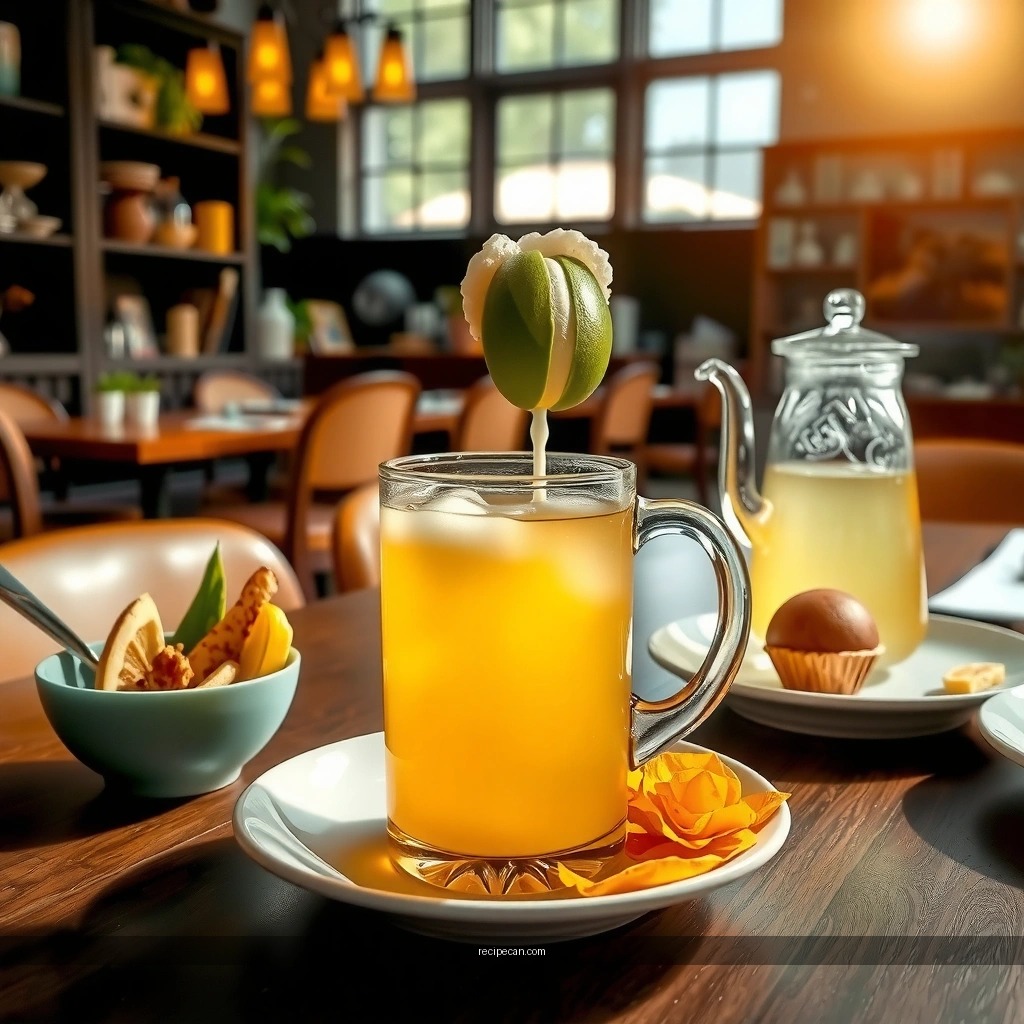
To make sun tea reliably, focus on cleanliness, food-grade materials, and the right brewing setup. Sun tea doesn’t use heat from a kettle, so your results depend heavily on the tea bag quality, the water temperature, and whether the jar is exposed to consistent direct sun.
– Use a clean, heat-safe glass jar with a lid or cover
– Choose glass that can tolerate warm temperatures outdoors (typical mason jars work well).
– A lid or tightly fitted cover reduces dust and insects. If you don’t want condensation collecting, use a breathable cover that still blocks insects.
– Choose your tea (black tea, herbal, or green) and tea bags
– Black tea (e.g., Assam-style or English Breakfast) usually gives the most robust, classic “sun tea” flavor.
– Green tea can taste delicate; it also becomes grassy if over-steeped.
– Herbal tea offers caffeine-free options (hibiscus, rooibos, chamomile blends), but extraction behaves differently by herb type.
– Have cold, filtered water ready for the freshest taste
– Filtered water improves clarity and reduces chlorine or off-notes that can mask tea aromatics.
– Starting with cold water also helps you control the overall “brew temperature” the tea experiences during sunny hours.
Quick guide: what to choose for consistent results
If you’re aiming for a reliable first batch, black tea is the easiest path to a balanced, dark amber cup. If you already love lighter profiles, use green tea but shorten the steep time and refrigerate promptly.
—
Best Tea-to-Water Ratio
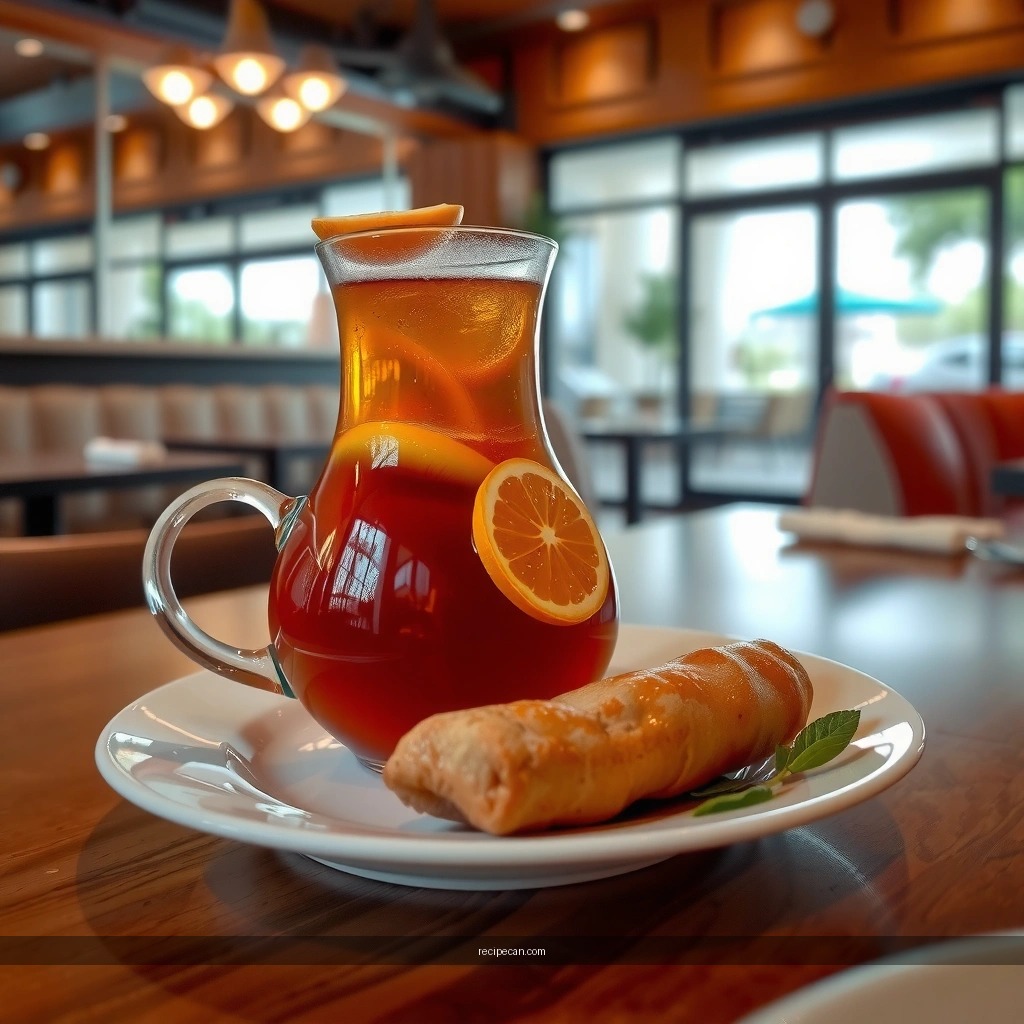
Sun tea flavor is driven by extraction time rather than stovetop temperature control. That means your tea-to-water ratio matters just as much as how long the jar sits in sun. Start with a sensible baseline, then adjust to taste on future batches.
– Start with about 1 tea bag per quart (adjust for stronger flavor)
– For a milder brew, use fewer tea bags than the baseline.
– For stronger tea, slightly increase the tea bags—rather than dramatically extending steep time.
– Let it steep longer for a bolder, darker brew
– As time increases, you typically pull more tannins and deeper flavor compounds.
– Past the ideal range, many teas shift from “flavor-forward” to “astringent.”
– Flavor boosters like lemon slices or a splash of honey can be added later
– Citrus oils and acids can change perceived bitterness and brightness. Many people prefer adding lemon after steeping so the tea stays vivid and the flavor stays stable during storage.
– Honey is best dissolved when the tea is fully steeped but still warm enough to mix easily—then you can chill.
Sun Tea Brewing Targets by Tea Type (1 Quart Batch)
| # | Tea Type | Tea Bags per Quart | Best Sun-Steep Window | Typical Color | Taste Outcome |
|---|---|---|---|---|---|
| 1 | Black Tea (Assam-style) | 1–2 bags | 2–4 hours | Amber to deep amber | Bold & classic ★★★★★ |
| 2 | Green Tea (Sencha-style) | 1 bag | 1.5–3 hours | Light gold | Fresh & gently grassy ★★★★☆ |
| 3 | Herbal (Rooibos) | 1–2 bags | 2.5–5 hours | Tea-brown | Caramel notes ★★★★☆ |
| 4 | Herbal (Hibiscus) | 1 bag | 2–4 hours | Bright ruby | Tart & refreshing ★★★★★ |
| 5 | Black Tea (Earl Grey) | 1 bag | 2–3.5 hours | Deep amber | Citrus bergamot aroma ★★★★☆ |
| 6 | Oolong (Light Oolong) | 1–2 bags | 2–4 hours | Golden brown | Floral & smooth ★★★★☆ |
| 7 | Chamomile (Citrus blend) | 1–2 bags | 3–5 hours | Pale straw to gold | Light honeyed floral ★★★★☆ |
—
How to Brew Sun Tea in Direct Sunlight
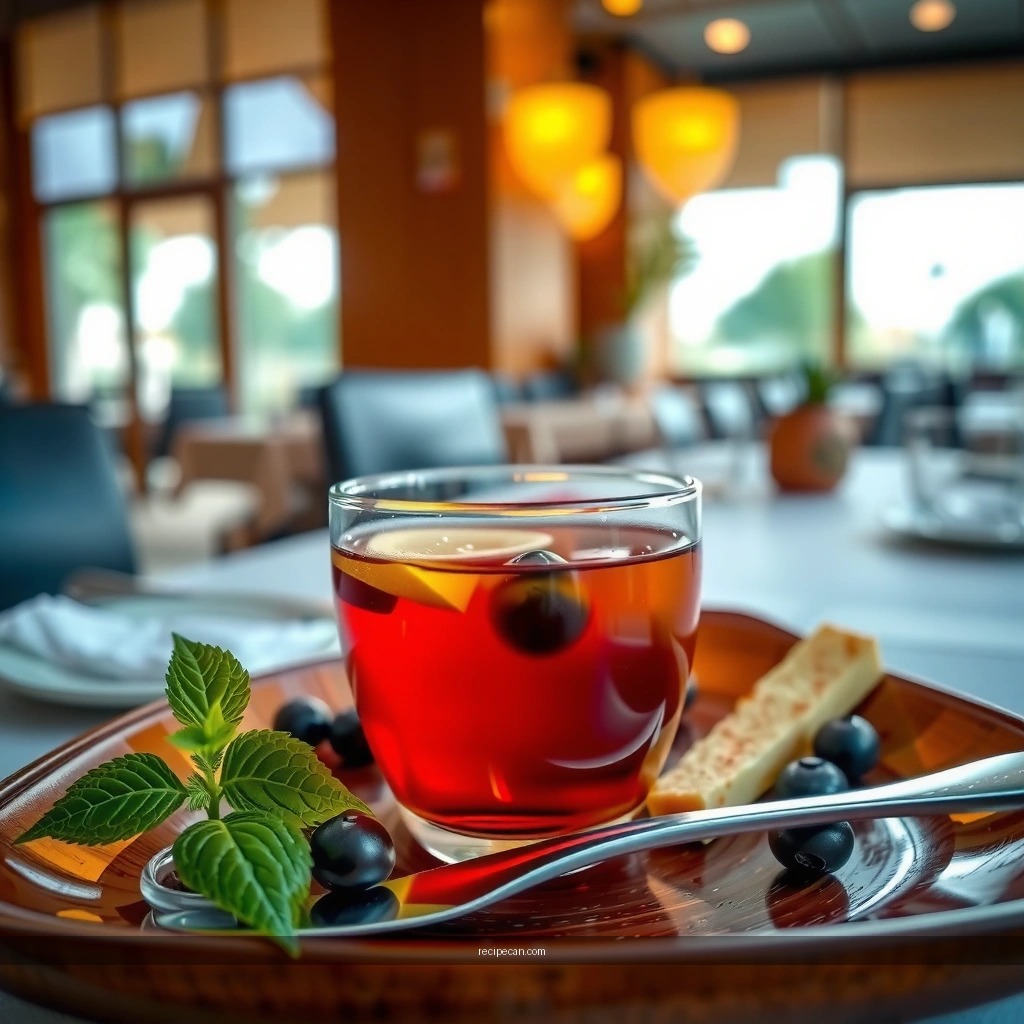
Now for the core process—simple, repeatable, and easy to scale. The key variables are direct sunlight exposure, steeping time, and whether the jar stays clean and covered.
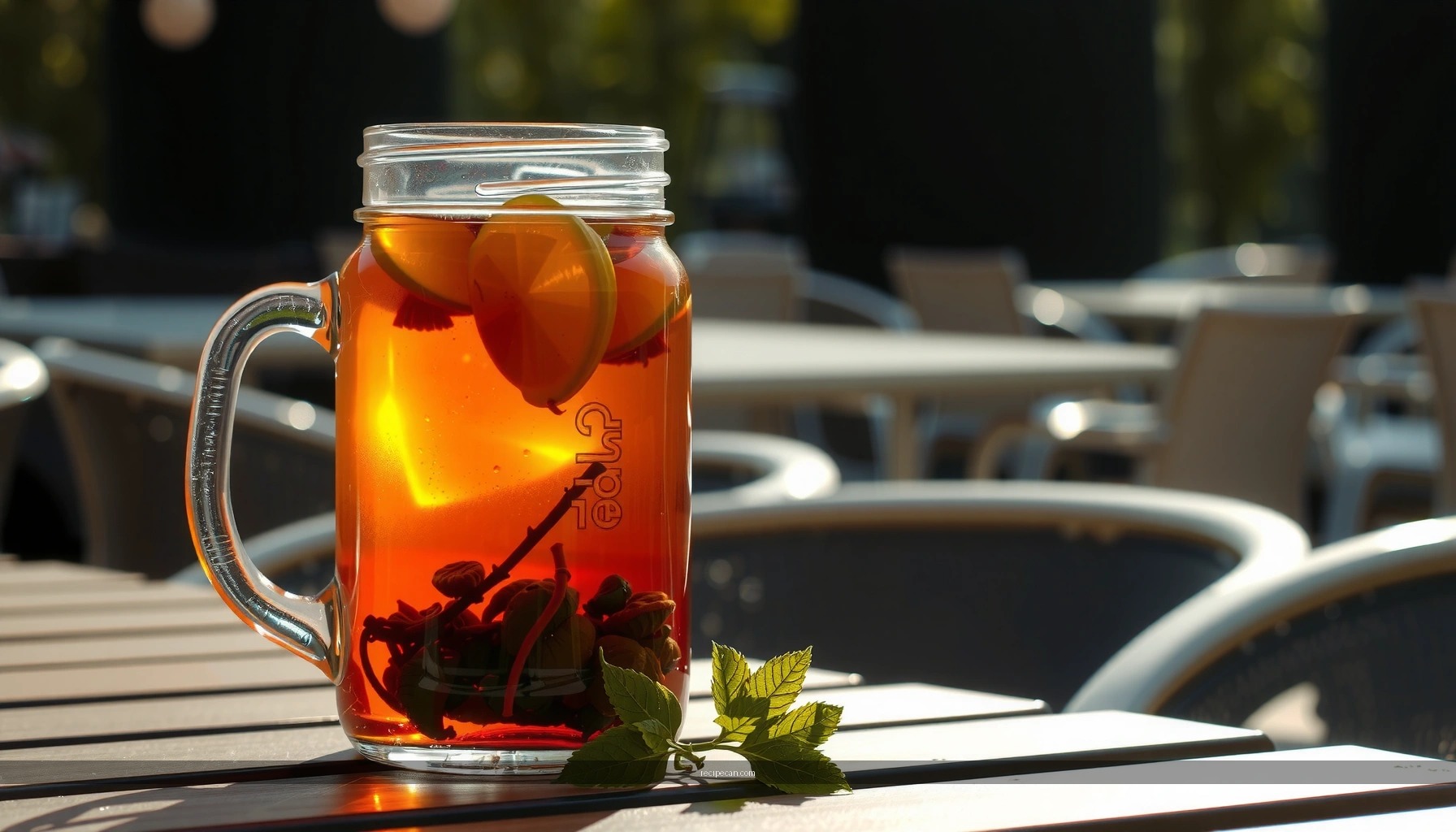
– Fill the jar, add tea bags, and keep the jar in direct sunlight
– Start by filling the jar with cold, filtered water.
– Add tea bags directly into the water. If you want less surface contact with dust, keep the tea bags submerged and use a cover.
– Place the jar where it receives direct sun for the full steeping window.
– Steep for about 2–4 hours depending on desired strength
– A good baseline for black tea is typically 2–4 hours.
– Green tea often tastes best with shorter windows (closer to 1.5–3 hours) to reduce grassy notes.
– Herbal blends can tolerate longer, but you should still monitor results.
– Avoid over-steeping to prevent bitterness
– Over-steeping increases extraction of tannins and can create a dry, astringent finish.
– If you notice the aroma shifting from “tea-like” to “sharp,” shorten the next batch time or reduce tea bags slightly.
Pro timing tip: If you want consistency, start your steeping at roughly the same time of day and keep jar placement consistent (e.g., same spot in the yard or balcony where sunlight coverage is stable).
—
Sun Tea Safety Tips
Sun tea is safe when handled like a perishable beverage, not like a novelty experiment left out indefinitely. The main risk isn’t “sunlight itself,” but temperature exposure and time—both of which influence microbial growth.
– Keep the brew covered to reduce contamination
– Use a lid or cover to block insects, dust, and debris.
– If your cover traps condensation, that’s usually fine; the priority is contamination control.
– Don’t leave it too long—especially in hot weather
– Higher ambient temperatures mean the beverage warms faster, which increases risk if it stays unrefrigerated.
– Treat the steeping window as a short, controlled process—once it’s done, stop the brew and chill.
– Chill immediately after steeping and refrigerate promptly
– Remove tea bags and refrigerate the finished tea right away.
– For best quality and safety, don’t leave the jar at room temperature after steeping.
Operational mindset: If you wouldn’t leave a batch of brewed iced tea on a counter for hours, don’t do it with sun tea. Brew, finish, chill.
—
How to Serve and Store Your Sun Tea
Serving sun tea well is mostly about temperature management and storage discipline. Since sun tea is typically brewed cold-to-warm and then chilled, avoid unnecessary reheating and keep the beverage consistently cold once served.
– Strain tea bags and serve over ice if desired
– Most tea bags lift out cleanly; straining is optional but helpful for fine herbal particles.
– Serve over ice for a crisp, refreshing profile—especially with herbal and black teas.
– Store in the refrigerator and drink within 2–3 days
– The flavor will generally stay bright for a short window, then flatten over time.
– Refrigeration slows degradation and helps maintain aroma.
– Reheat is not recommended; enjoy it cold for best flavor
– Heating can amplify bitterness and reduce the fresh aromatics you gained from sun infusion.
– If you want “warm tea,” brew fresh tea separately or steep a new batch rather than reheating leftover sun tea.
—
Flavor Variations to Try
Once you’ve mastered the base sun tea recipe, the easiest upgrades are citrus, fruit, herbs, and caffeine-free options. Use these variations strategically—some add flavor best during steeping, while others perform better after brewing.
– Add citrus (lemon, orange) during or after steeping
– For a brighter profile, add citrus after steeping so oils remain vivid in the chilled tea.
– If adding during steeping, use thin slices and taste-check early (especially with strongly flavored teas).
– Mix in mint or berries for a refreshing twist
– Mint can turn quickly if left too long—consider adding it at the end and steeping briefly in the refrigerator for a few minutes before serving.
– Berries are best added after steeping for clean fruit flavor and fewer herbal particles.
– Experiment with herbal blends for caffeine-free sun tea
– Rooibos, chamomile, and hibiscus are excellent caffeine-free candidates.
– Try blends with a clear flavor identity (tart hibiscus, floral chamomile, vanilla-tinged rooibos) to ensure the sun-brewed extraction remains balanced.
If you want a “signature” family recipe, standardize your ratio and steeping window first—then treat add-ins as controlled variables. That’s how you build a consistently great brew instead of guessing each batch.
Steep your sun tea using a simple jar-and-sun method, follow the tea-to-water ratio, and chill it right after brewing for best taste and safety. Once you nail your timing, try new flavors like lemon or mint. Make your next batch today—grab your tea bags, find direct sunlight, and enjoy a fresh glass of homemade sun tea.
Frequently Asked Questions
What is the safest sun tea recipe for beginners?
A simple sun tea recipe uses clean glass jars, fresh tea bags or loose-leaf tea, and cool water placed in direct sunlight. To improve safety, use food-grade jars, fully steep the tea in the sun for a short window (often 1–2 hours depending on temperature), and avoid leaving it out for long periods. Once brewed, refrigerate sun tea promptly and discard any tea that smells off or was left out too long.
How do you make sun tea without over-brewing or tasting too bitter?
Start by using the right tea strength—most people use fewer tea bags than they would for hot tea. Brew in sunlight in shorter intervals, checking the color and taste around the 60–90 minute mark, then move the jar indoors to stop the steeping. If you’re using loose-leaf tea, measure consistently to prevent a strong, bitter result.
Why does sun tea sometimes taste “muddy,” and how can you prevent it?
Sun tea can taste flat or earthy when the tea leaves steep too long, the water is slightly stale, or the tea is old. Use fresh tea bags or fresh loose-leaf tea, rinse your jar to remove residue, and keep the water quality clean. Also, refrigerate after brewing—extended warm storage can change flavor and aroma.
What’s the best tea to use for sun tea?
Black tea is the most popular choice for sun tea because it brews well in warm temperatures and gives a classic, robust flavor. If you prefer a lighter drink, choose green tea or herbal tea, but steep time may need to be shorter to avoid bitterness. For sweet tea-style sun tea, consider a tea that holds up well to sugar, like black tea blends.
Which glass container and brewing time work best for a classic sun tea recipe?
Use a clear, heat-safe glass jar or bottle to hold your water and allow sunlight to penetrate evenly. For brewing time, aim for about 1–2 hours in strong sunlight, since higher temperatures can speed up extraction and reduce over-steeping risk. After the desired strength is reached, strain if needed, cool briefly, and refrigerate immediately for food-safety and best flavor.
References
- Iced tea
https://en.wikipedia.org/wiki/Sun_tea - Tea
https://en.wikipedia.org/wiki/Tea - Food safety
https://en.wikipedia.org/wiki/Food_safety - Danger zone (food safety)
https://en.wikipedia.org/wiki/Temperature_danger_zone - Bacteria
https://en.wikipedia.org/wiki/Bacteria - Pathogen
https://en.wikipedia.org/wiki/Pathogen - Foodborne illness
https://en.wikipedia.org/wiki/Foodborne_illness - Google Scholar Google Scholar
https://scholar.google.com/scholar?q=Sun+tea+food+safety - Google Scholar Google Scholar
https://scholar.google.com/scholar?q=Sun+tea+microbial+growth+tea+room+temperature - Google Scholar Google Scholar
https://scholar.google.com/scholar?q=Sun+tea+bacteria+case+report